Choosing a Dry-Type Shunt Reactor for Grid Voltage Control
2026-08-26 11:26:18
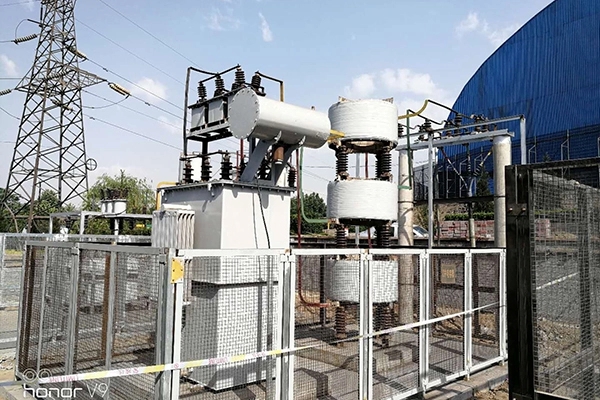
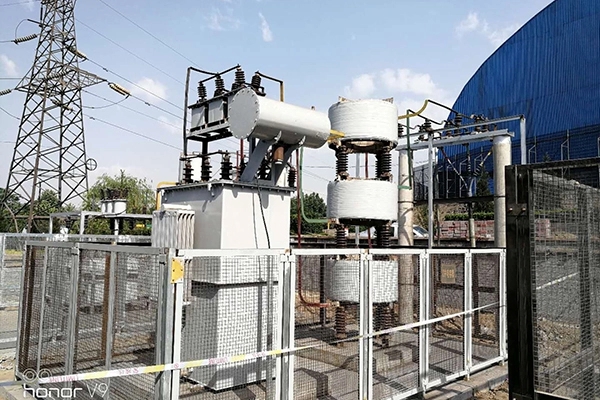
When managing modern electrical networks, maintaining stable voltage levels becomes a critical priority. A dry-type shunt reactor offers an essential solution by compensating reactive power and preventing voltage fluctuations that can damage equipment and disrupt operations. These devices use solid insulation technology—either epoxy resin casting or air insulation—to eliminate fire hazards associated with oil-filled alternatives, making them particularly suitable for sensitive environments like substations, industrial facilities, and metro systems. Selecting the right reactor ensures your grid operates safely, efficiently, and reliably for decades.

Understanding Dry-Type Shunt Reactors and Their Role in Grid Voltage Control
Changing loads, long transmission lengths, and adding green energy sources are all problems that modern power lines have to deal with all the time. Unstable voltage can make things not work right, waste energy, and even cause systems to fail. This is why reactive power control is so important.
How These Devices Stabilize Your Grid
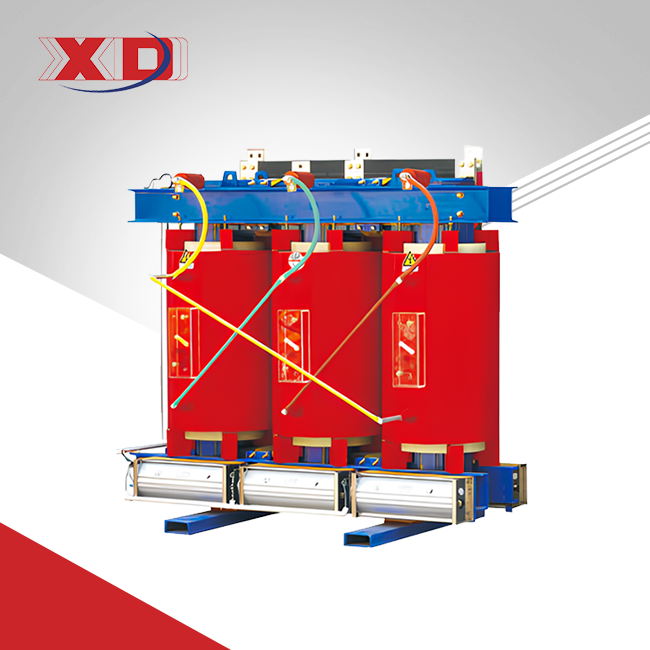
A dry-type shunt reactor connects in parallel to the power system and takes in extra capacitive reactive power that is made when there isn't much load or when transmission cables are long. Dry-type models use epoxy-encapsulated windings or air-insulated coils instead of oil-immersed units, which need complex containment systems. This design completely gets rid of the risks of leaks and fires, which is one of the most persistent safety issues in the industry.
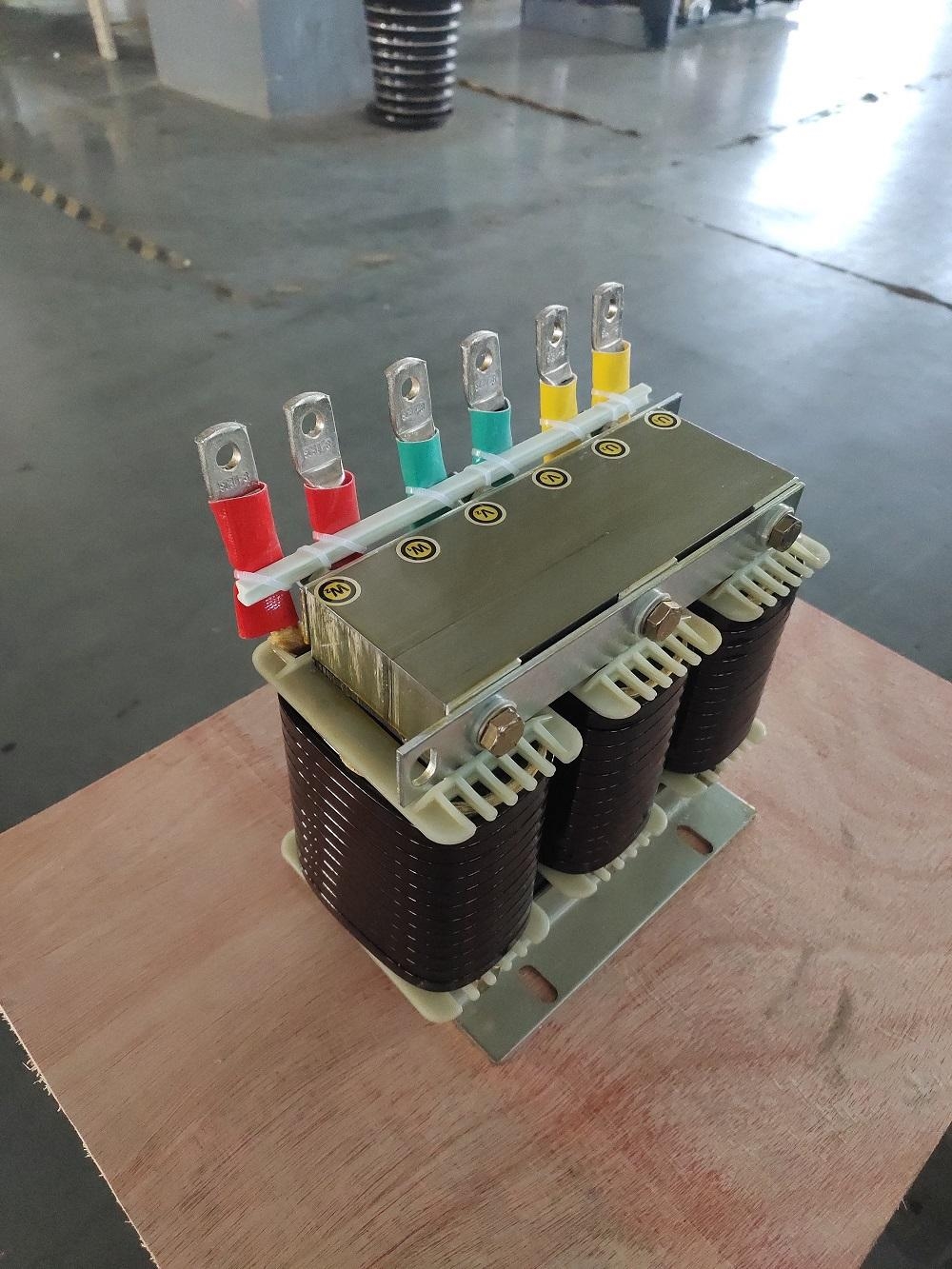
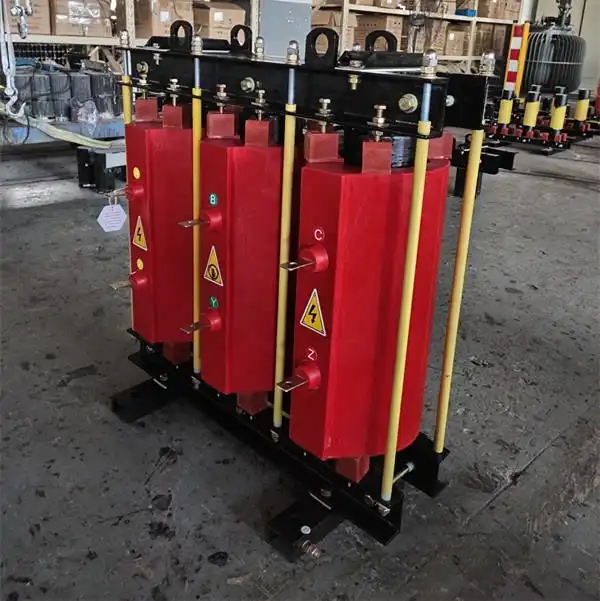
The iron-core versions, like the CKSC series, have air holes that were carefully designed into the laminated silicon steel cores. This design keeps the linear magnetic properties even when the voltage goes too high, which keeps the core from becoming saturated and lowering performance. When voltage rises above normal levels, which happens a lot when consumption is low, the reactor raises its reactive power absorption to bring voltage back to safe levels.
Core Design Features Driving Reliability
Modern reactors work better because engineers and designers carefully choose the materials they use. Class F insulation systems can handle temperatures of up to 155°C, which gives them large thermal margins for tough jobs. The epoxy resin casting process makes a solid structure that is resistant to water, dust, and chemicals. This means that it can be used in tough settings for more than 25 years.
Pay close attention to the magnetic linearity feature. When there is a fault or a sudden voltage surge, traditional saturating reactors lose their ability to conduct electricity. This is exactly when they are needed the most. Iron-core designs with air gaps keep the inductance constant up to 1.35 times the rated voltage. This makes sure that the behavior is always predictable. This dependability is very important for coordinating defense and keeping the system stable.
Key Technical Considerations When Choosing a Dry-Type Shunt Reactor
When making choices about purchases, you have to weigh a lot of technical factors against operational needs and spending limits. Knowing about these things helps you choose equipment that will work well for as long as it's supposed to. Picking a dry-type shunt reactor requires careful planning.
Voltage Ratings and System Compatibility
Standard voltage levels for reactors range from 3kV to 35kV, which covers most distribution and subtransmission needs. It might seem easy to match the voltage grade to your system, but there are a few things that need to be taken into account. When sites are above 1,000 meters, the air density drops, which weakens the electrical strength. When equipment is rated for plateau operation, it has extra insulation to keep working at heights of up to 4,000 meters.
Your electrical engineering team needs to make sure that the reactor's continuous voltage rating matches its maximum predicted working voltage, which could include short-term overvoltage situations. According to IEC 60076-6 standards, reactors must be able to handle 1.2 times their maximum voltage for long periods of time and higher amounts for shorter periods of time.
Insulation Performance and Environmental Suitability
Class F shielding is the standard for medium-voltage reactors in the business, but Class H (180°C) systems may be better for some uses. How close you are to insulation limits is based on how much the temperature rises when the load is full. The ambient temperatures where you are installing something are very important. For example, a reactor that is designed for 40°C ambient operation will work less well in tropical regions or spaces that don't have enough air flow.
Epoxy resin casting is a great way to protect the environment. Vacuum impregnation is used in the process to get rid of any internal gaps that could be home to partial discharge activity. Partially discharge values below 10 picocoulombs at 1.5 times the rated voltage should be confirmed by tests done by a third party. This strict standard makes sure that the insulation stays in good shape for decades.
Efficiency Metrics and Loss Evaluation
Using less energy has a direct effect on operational costs. By keeping the magnetic flux inside the core structure, modern iron-core reactors have 20–30% lower losses than older air-core designs. Ask for specific loss data at both the rated voltage and the 110% voltage, where many reactors run all the time, when you are reviewing bids.
Find the present value of all the money that will be lost over the next 25 years by the reactor. A 0.5% increase in efficiency can be enough to justify a much higher initial investment, especially in installations with more than one unit. When you include carbon pricing or green energy credits in your financial plan, the math becomes even stronger.
Compliance with International Standards
In different areas, you need to have certain licenses. In most places, IEC 60076-6 rules control how reactors are built and tested. In North America, IEEE rules apply. For example, equipment going to India needs to be certified by the BIS, and sites in Europe need to meet EN norms. Make sure that the provider you're working with gives you the right type test results and routine test certificates.
In addition to basic safety, you should also ask about seismic licensing. The IEEE 693 certification shows that the reactor can survive earthquake forces in areas with a high risk of them happening. This keeps disasters from causing catastrophic breakdowns. This feature is especially useful for applications that deal with critical infrastructure.
Comparing Dry-Type Shunt Reactors with Alternative Solutions
In order to choose the best dry-type shunt reactor adjustment technology, you need to know what the pros and cons of each choice are.
Dry-Type vs. Oil-Filled Reactors
For decades, oil-immersed reactors were the standard in the business. But, dry-type options have slowly taken over the market. The comparison shows why:
- Safety Profile: Oil-filled units have hundreds of liters of flammable dielectric fluid inside them, which makes them a fire and pollution risk. Leaks pollute the groundwater and soil, which requires expensive cleanup. Dry-type shunt reactors don't have any of these risks, so they can be put in buildings, caves, and places with lots of people without having to use complicated containment systems.
- Maintenance Requirements: Reactors that are submerged in oil need to have their fluids analyzed, leaks checked, and finally all of the oil replaced. For these activities to happen, they need special tools and trained people. Every 12 to 24 months, dry-type units only need to be visually inspected and their electrical connections need to be torqued. This greatly lowers their lifecycle costs.
- Environmental Impact: Getting rid of contaminated oil at the end of its useful life causes problems with regulations and costs money. Dry-type reactors are made of steel, copper, and epoxy, which can be recycled, which makes them easier to take apart.
The performance trade-off involves noise levels. Dry-type reactors make more noise from magnetostriction because they don't have oil cooling. Modern units, on the other hand, are quieter than 65 dB(A) thanks to better acoustic design. This is fine for most installations.
Comparison with Capacitor Banks
Some engineers think about using capacitor banks to control voltage, but they can't because of basic differences. Capacitors make reactive power, which means they can be used to fix power factor issues but might not work well for regulating voltage on lines with little load. The Ferranti effect, which is a rise in voltage due to line capacitance, needs inductive adjustment, which can only be provided by reactors.
Harmonic resonance risks are also brought on by capacitors, especially in systems that use variable frequency drives or power electronic converters. It is the natural damping properties of reactors that stop vibrations from getting louder.
Procurement Guide: How to Buy the Right Dry-Type Shunt Reactor
For the procurement process to go smoothly, technical needs, supplier skills, and business terms must all be carefully considered. Choosing the Best dry-type shunt reactor for Your Needs requires a systematic approach.
Evaluating Standard Versus Custom Configurations
Standard catalog items have shorter lead times and lower prices, and they usually work for projects that need standard voltage and power ratings. In standard configurations, the CKSC series covers ratings from 3kV to 35kV, which is enough for about 70% of common uses.
Custom designs can be made to fit unique needs, such as speeds that aren't common (16.67Hz for rail systems and 400Hz for marine uses), connection arrangements that aren't typical, or limited room in retrofit projects. When you ask for custom units, you should include thorough single-line layouts, limits on dimensions, and environmental conditions. Lead times are longer—8 to 12 weeks—but the tools that you get fits right into your installation.
Understanding Cost Drivers and Negotiation Strategies
The price of a reactor is based on the cost of the raw materials (copper, steel, glue), how hard it is to make, and how many tests must be done. The price changes in a nonlinear way based on the voltage rating. For example, two 10kV units of equal power cost a lot less than a 20kV reactor because it needs more insulation.
Making commitments to buy in bulk can save you a lot of money. If you buy 50 or more units, you might get 15-20% off the price of a single unit. Getting the most out of your negotiations means combining orders from different projects or working with other buyers.
Installation and After-Sales Service Considerations
Professional commissioning guaranties the best performance and the longest life. It is the supplier's job to make sure that the installation is done correctly and that there are no magnetic interferences from metal structures. Heat from eddy currents in nearby steel can lead to surprising issues if the fitting instructions aren't followed carefully.
Usually, a full guarantee covers the product for 24 months after it is put to use or 30 months after it is delivered. Make sure you know what the guarantee covers. For example, some companies don't cover damage caused by outside issues or bad operation. For important uses, you may be able to get choices for longer warranties.
Practical Tips for Long-Term Use and Maintenance of Dry-Type Shunt Reactors
Keeping up with maintenance keeps things running smoothly and extends their life. Compared to oil-filled reactors, dry-type reactors need less maintenance, but you still need to be careful to take care of dry-type shunt reactors for a long time.
Routine Inspection Procedures
Visual checks should be done once a year to look for surface tracking, discoloration that means the machine is burning, and weak connections. Infrared thermography finds hot spots that are starting to form before they cause problems. To find signs of steady degradation, compare temperature records to baseline data that was taken during launching.
A 2,500V megohmmeter should be used every 24 months to check the insulation resistance. For equipment that is in good shape, values should be higher than 1,000 megohms. Even if the readings are still above the minimum levels, going down means that moisture is getting in or the insulation is getting old, which needs to be looked into.
Troubleshooting Common Issues
Loose core binding or fastening hardware can cause noise levels that aren't normal. Tighten to the recommended level and make sure the sound isolator pads stay in place. If the noise doesn't go away, contact the maker; movement inside the windings indicates technical damage that needs to be checked out by a professional.
Ultrasonic monitoring or radio frequency emissions may be able to pick up on partial discharge activity. Some release is okay, but rising trends show that insulation is breaking down faster. When problems are found early, they can be planned replacements instead of emergency outages.
Regulatory Compliance and Safety Protocols
Make sure you are following the electricity safety rules that apply in your area. Lock-out/tag-out procedures keep things from getting powered on while maintenance is being done. Even "dry-type" equipment stores dangerous electrical charges in the winding capacitance after it is disconnected. Before making any contact, the equipment must be properly grounded.
Environmental laws are making it harder to use equipment that contains dangerous materials. Modern dry-type reactors follow RoHS rules that limit lead, mercury, and other chemicals. This makes recycling easier and helps companies reach their sustainability goals.
Conclusion
To choose the right reactive power compensation option, you need to carefully look at the technical details, the operating surroundings, and the long-term costs. Dry-type shunt reactors are much better than oil-filled ones because they are safer, require less maintenance, and are better for the environment. This makes them perfect for modern grid applications. The CKSC series has been tested and shown to work well with voltages ranging from 3kV to 35kV. Its Class F insulation and fire-safe design make it ideal for the toughest setups. If you know the important things to look for and buy things the right way, you can choose tools that will handle voltage reliably for decades. Working with manufacturers with a lot of experience gives you access to customization options, technical support, and quality control processes that protect your investment and make the system run better.
FAQ
1.What advantages do dry-type shunt reactors provide over oil-immersed models?
By getting rid of the toxic lubricating oil, dry-type shunt reactors protect against fire and damage to the environment. They need a lot less maintenance—no testing of fluids or tracking for leaks—and are easier to put in places that are prone to fire, like substations inside buildings, chemical plants, and transportation infrastructure. The solid insulation system does a great job of keeping out water and dirt.
2.Can these reactors be customized for non-standard voltage or frequency requirements?
Individualization is easy to achieve for specific uses. Reactors are often made for railroad systems that run at 16.67Hz, industrial facilities with odd voltage levels, and setups that need certain link configurations or size limits. Early on in the procurement process, give detailed specifications to make sure that designs meet your exact needs without any delays.
3.What typical lead times should we expect when ordering?
For single units, standard stock items come within 4 to 6 weeks. Reactors that are custom made take 8 to 12 weeks, based on how complicated they are. Large orders may push back deadlines, but under frame agreements, they usually come with priority production slots. Talk to suppliers about your project plan when you first contact them to set realistic delivery goals and look for ways to speed up the process.
Partner with Xi'an Xikai for Superior Dry-Type Shunt Reactor Solutions
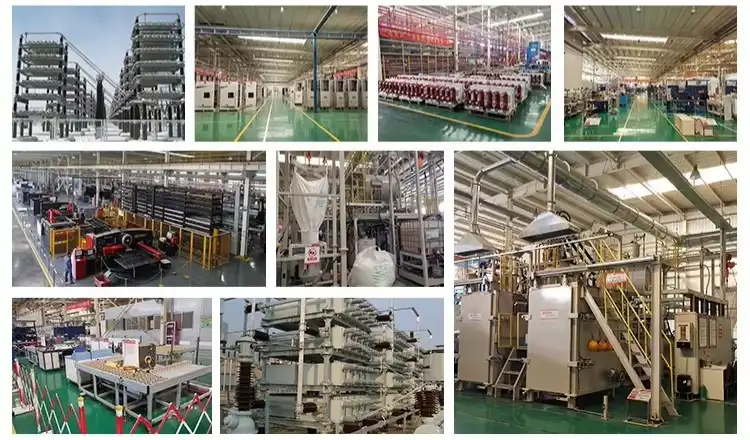
Xi'an Xikai Medium & Low Voltage Electric Co., Ltd. has been making high-quality power distribution equipment for more than 15 years. Our CKSC dry-type iron core reactors are used by State Grid systems, factories, and green energy sites all over the world. Our reactors are reliable for your projects because they can handle voltages from 3kV to 35kV and have Class F shielding made for harsh conditions.
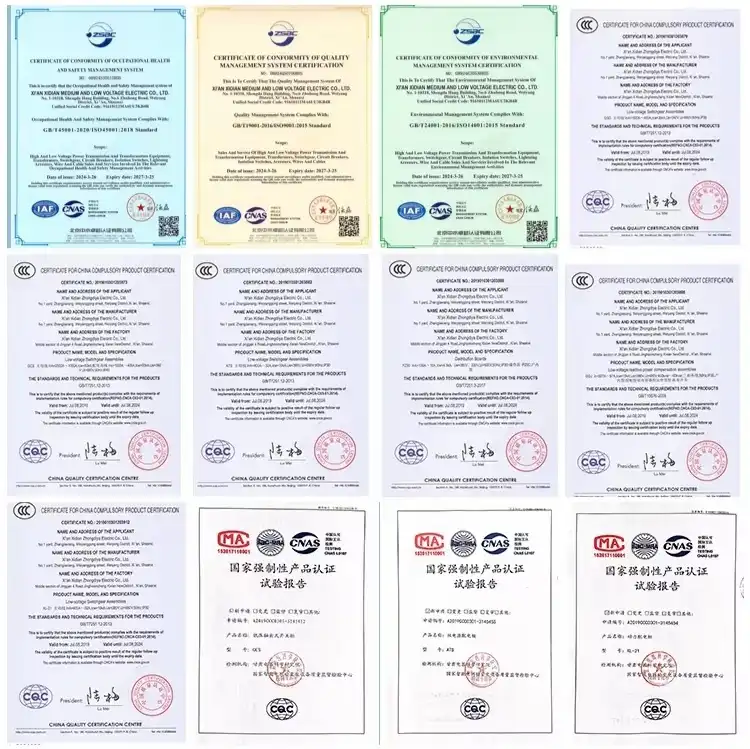
As one of the biggest companies that makes dry-type shunt reactors, we can make them to fit any voltage, frequency, or fitting setup. Every unit meets international standards thanks to ISO 9001 certification and strict quality control measures, such as partial discharge testing below 10pC. To make sure your system is up and running as much as possible, our engineering team offers expert advice, helps with installation, and quick after-sales support.
Our flexible production capacity and low prices make us a great value for your project, whether it needs 20 units or 200. Send an email to serina@xaxd-electric.com, amber@xaxd-electric.com, or luna@xaxd-electric.com to talk about your needs. You can look at all of our products and detailed information at xaxd-electric.com. We can help you set up safe and effective voltage control solutions backed by our proven knowledge and unwavering commitment to quality.
References
1. International Electrotechnical Commission. IEC 60076-6: Power Transformers - Part 6: Reactors. Geneva: IEC Publications, 2020.
2. Zhang, Wei and Liu, Ming. Reactive Power Compensation in Modern Power Systems: Technologies and Applications. Beijing: China Electric Power Press, 2019.
3. IEEE Power Engineering Society. IEEE Std 1277: Standard General Requirements and Test Procedures for Dry-Type and Oil-Immersed Smoothing Reactors and Inductors for DC Power Transmission. New York: IEEE Standards Association, 2021.
4. Kumar, Rajesh. Grid Voltage Regulation: Principles, Equipment, and Best Practices. New Delhi: Technical Publications, 2018.
5. Anderson, Harold T. and Patel, Suresh. Medium Voltage Electrical Equipment: Selection, Installation, and Maintenance. London: Wiley Engineering, 2020.
6. National Electrical Manufacturers Association. NEMA ST 20: Dry-Type Transformers and Reactors for General Applications. Rosslyn: NEMA Standards Publication, 2022.