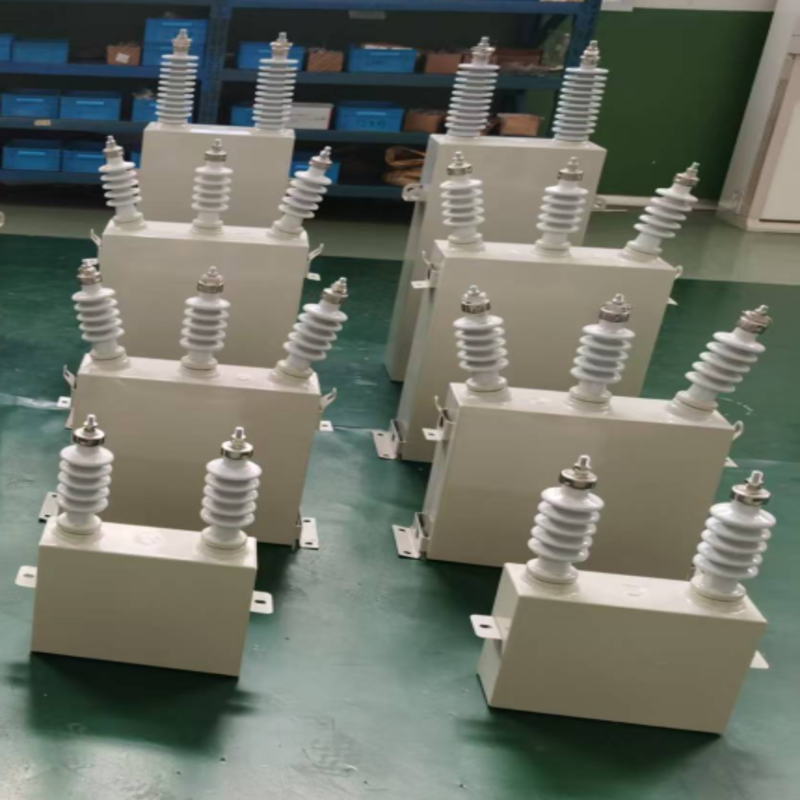
High voltage filter capacitor buying guide for engineers and technicians
2026-07-08 15:57:48
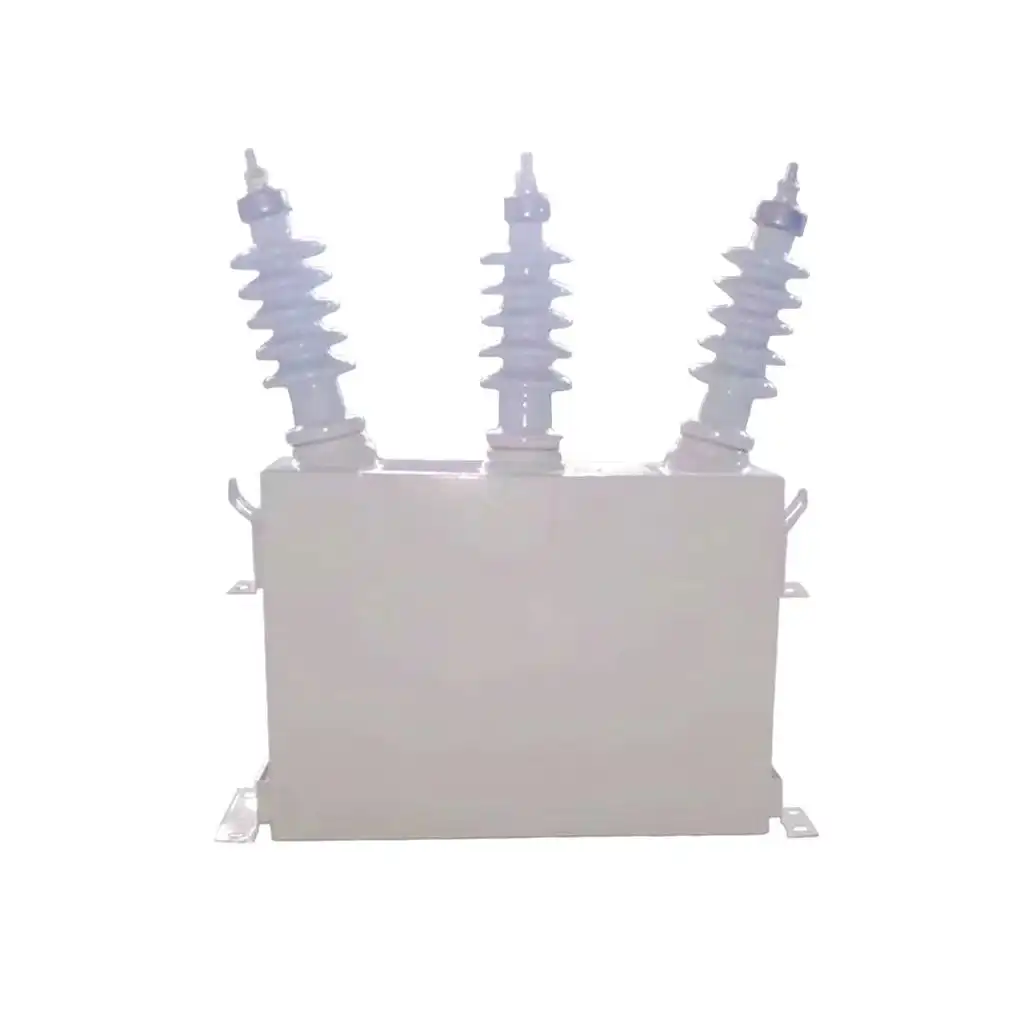
To choose the best High Voltage Filter Capacitor, you need to know about the technical requirements, operational needs, and purchasing strategies that have a direct effect on how reliable the system is and how much it costs. This guide tells engineers and techs about important things they need to think about, like dielectric materials, voltage rates, and how to evaluate suppliers. This way, they can make smart choices that protect their initial investments and make tools last as long as possible. The tips below will help you find filter capacitors that meet strict performance standards and compliance requirements, whether you're looking for parts for data centers, manufacturing plants, or utility substations.
 |
 |
Understanding Global B2B Procurement Trends in Power Quality Components
Five years have passed since the last time you had to look for power quality components. According to research that tracks how vendors interact with customers, digital buying systems now handle more than 65% of business-to-business sales of electrical parts in North America. With this change, building managers and EPC companies can quickly compare the specs, certifications, and lead times of different providers instead of waiting weeks.
Sustainability issues now play a role in all levels of buying choices. More and more, procurement teams give more weight to sellers who offer RoHS-compliant materials and clear lifecycle information. This means making sure that the metallised polyethylene films, aluminium cases, and sealing materials for High Voltage Filter Capacitors meet environmental standards without affecting their electrical performance. When shortlisting vendors, those who can show that they are ISO 14001 certified and that their materials can be tracked get more attention.
Because of current problems with the abundance of electronic parts, supply chain resiliency is now a must. Leading industrial companies now get their supplies from a variety of places and keep important parts like filter capacitors in stock. By integrating ERP and using AI to predict demand, procurement processes become more automated. This cuts down on order mistakes and speeds up procurement cycles, directly supporting operational efficiency goals.
Key Challenges in International Procurement of Filter Capacitors
The biggest problem with getting High Voltage Filter Capacitors from other countries is making sure you follow the rules. Products going to be installed in the United States need to meet UL 810 safety standards. For utility uses, extra IEEE and ANSI certifications are often needed. It is very important to make sure that the compliance paperwork is real because fake certifications sometimes show up in foreign supply chains. Buyers should ask for test records from a third party that include measures of insulation resistance, partial discharge levels, and thermal cycling results.
Quality control is more than just papers. When capacitors fail in mission-critical settings, like imaging tools in hospitals or power transfer in data centers, bad things happen. Protocols for physical inspection should check the integrity of the airtight seal, the strength of the electrical connections, and the correct installation of the discharge resistor. Reputable manufacturers give thorough quality control records that show where the raw materials come from and how they are tested at the end. This lets buying teams check the manufacturer's reliability before placing large orders.
Logistics problems affect both the cost and the time it takes to send. Even though high voltage capacitors are not considered dangerous, they still need to be carefully packed to keep them from breaking while they're in transport. To ship goods internationally, you have to figure out how to use Harmonised System codes for customs classification, deal with the effects of tariffs, and organise goods insurance. Changes in the value of the dollar between placing an order and delivery can have an effect on the total landing costs by 3 to 8 percent. To keep your budget stable, fixed-price contracts or hedging methods can be helpful.
Effective Supplier Selection and Evaluation Criteria
The long-term availability of parts and guarantee fulfilment are directly affected by how financially stable your capacitor provider is. Teams in charge of buying things should look at a supplier's financial documents, credit scores, and how long they've been in the market. Manufacturers that have been in business for more than ten years and have kept up steady production levels have lower failure risk, which is important when building systems that need parts to be available for 15 to 20 years.
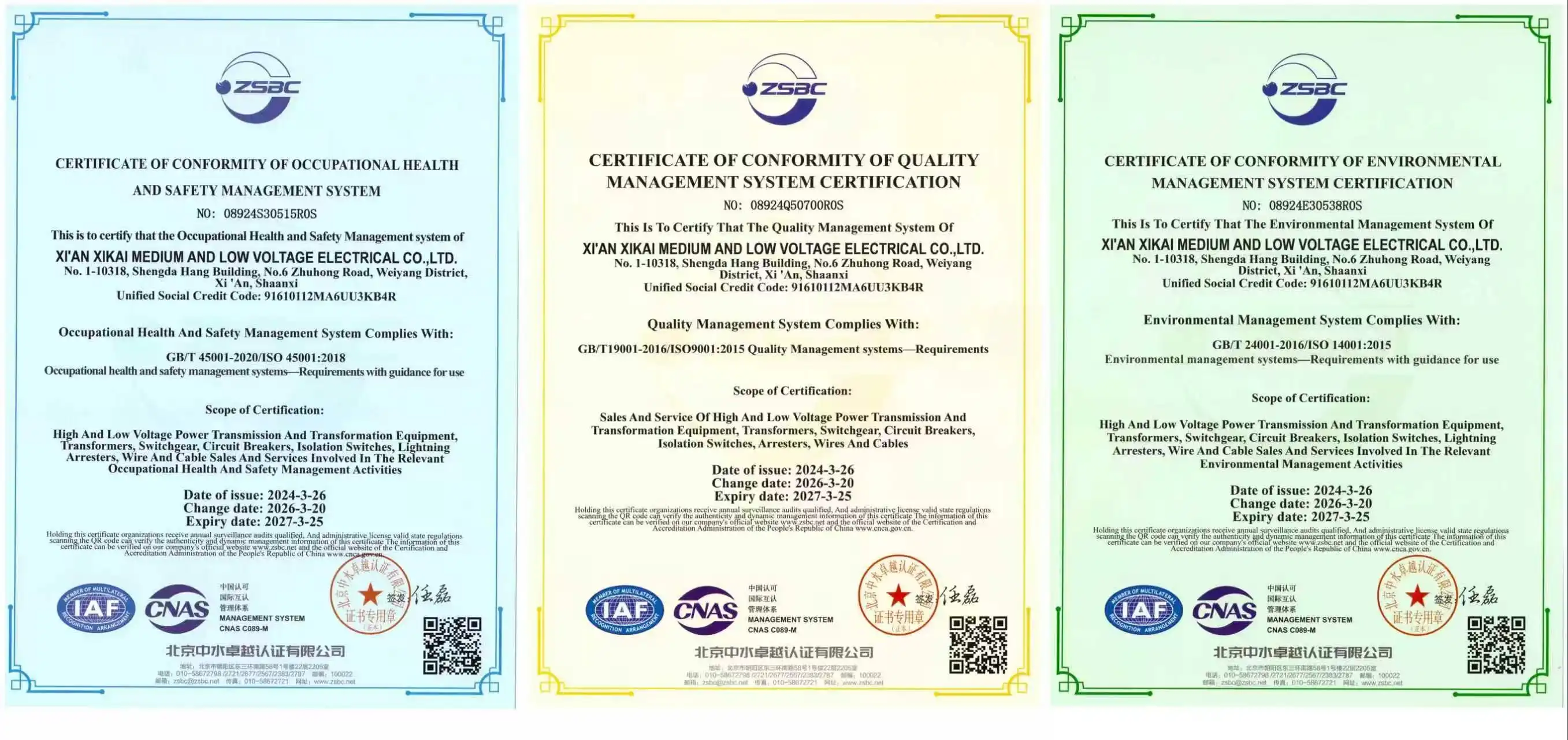
Certification depth shows that the production process is mature. In addition to basic ISO 9001 quality management, you should also look for providers that are certified for ISO 14001 environmental management and have product-specific approvals from well-known testing labs. IEC 61071 compliance for power electronic capacitors and IEC 60871 compliance for shunt capacitors make sure that designs meet international safety limits for High Voltage Filter Capacitor uses. Suppliers with unique engineering help and multiple patents in capacitor technology usually offer better technical advice when developing specifications.
ESG compliance is becoming a bigger factor in choosing suppliers, especially for projects that involve public services or government buildings that have to be sustainable. Check with providers about their worker safety records, how their factories affect the environment, and their efforts to involve the community. Reporting on carbon impact and waste reduction programs in a clear way makes sure that purchasing choices are in line with corporate responsibility goals and meet the needs of stakeholders.
Innovation ability tells you if your provider can change with the times when it comes to technology. Manufacturers who put money into research and development (R&D)—as shown by their patent portfolios and membership in industry standards committees—bring useful ideas to problems that are unique to each application. When selecting filter capacitors for infrastructure for charging electric vehicles or integrating green energy, suppliers with experience in these new uses lower design risk and speed up project timelines.
Technical Parameters That Matter in Procurement Decisions
Voltage Rating and Safety Margins
The rated voltage is the highest voltage that a High Voltage Filter Capacitor can handle over a long period of time. To account for short-term voltage spikes and changes in voltage regulation, engineers should define units with voltage ratings 20 to 30 percent higher than the highest estimated system voltage. A filter capacitor that serves a 13.8kV distribution system should have a value of at least 16–18kV to make sure there is enough dielectric stress margin during switching operations or fault situations.
Capacitance Value and Tolerance
The accuracy of power factor adjustment and how well filtering works depend on exact capacitance numbers. Standard deviations run from ±5% to ±10%, based on how the insulator is made. Narrower tolerances are better for things that need tight harmonic filters, like medical imaging equipment or systems with variable frequency drives. Make sure that the companies you work with measure capacitance at the right test frequencies. Values can change a lot between 50Hz and 400Hz activity.
Dissipation Factor and ESR
When dissipation factors are low, not much energy is lost during operation, which has a direct effect on heat performance and efficiency. At their maximum frequency, film-type filter capacitors usually have dissipation factors below 0.002. When there is a lot of ripple current, equivalent series resistance helps the circuit heat up on its own. For constant loads in a data center, capacitors with ESR values below 10 milliohms are needed to keep the cooling system running efficiently and keep the capacitors from wearing out too quickly.
Temperature Classification and Derating
The right atmosphere is determined by the operating temperature ranges. Standard industrial capacitors work effectively between -25°C and +70°C. Some types can work at temperatures up to +85°C. When the load changes, thermal cycle puts stress on dielectric materials and end links. For outdoor substations or dry areas, capacitors should have thermal management features like improved convection fins or heat-dissipating structures inside. Manufacturers' de-rating standards help set reasonable expectations for the product's lifespan based on its actual working temperatures.
Leveraging Technology in Procurement Processes
The way engineering teams get High Voltage Filter Capacitors has changed a lot because of digital buying systems. Cloud-based systems collect information about specs, prices, and availability from many providers, so technical factors can be compared side by side. These platforms have compliance verification tools that instantly point out certifications that are missing or specs that aren't standard. This cuts down on procurement mistakes that cause projects to be delayed.
AI-driven analytics make it easier to predict demand more accurately for planned growth and repair work. Predictive algorithms figure out the best number of extra filter capacitors to keep on hand by looking at past failure rates, yearly loading patterns, and equipment ageing curves. This method strikes a balance between the costs of running the system and the risks of downtime. It is especially useful for utility companies that are in charge of thousands of substation sites spread out over large areas.
Blockchain apps make the supply chain more open and stop fakes before they happen. Some companies now put digital badges in the packaging of their products. This lets buyers check that the products are real and see where they came from during production by using permanent ledger records. When buying expensive parts through wholesaler networks, where the supply chain is more complicated, this technology is especially helpful for making sure the parts are correct.
Spend monitoring tools that are built into business resource planning systems show trends in purchases and find chances to combine operations. Looking at the purchases of filter capacitors across several facilities often reveals chances for standardisation that cut down on the number of SKUs and improve seller bargaining situations. Contract management modules automatically check for compliance and send renewal notices, making sure that you always have access to the best prices and expert help.
Critical Application Considerations for Different Industries
Manufacturing Plants and Industrial Facilities
High Voltage Filter Capacitors that can handle repeated surge currents from motor starts, welding tools, and inductive loads are needed in production settings. Even though they have to do power factor changes and harmonic filtering all the time, capacitors that serve CNC machines and robotic production lines have to keep their performance stable. When something goes wrong, units with internal fuse technology protect themselves automatically, stopping failures that stop whole production lines. When installing near heavy machinery, you need mounting setups that don't cause vibrations and protective enclosures that meet NEMA ratings for the amount of dust and moisture in the area.
Utility Substations and Grid Infrastructure
Filter capacitors help keep voltage levels stable and reduce harmonic distortions caused by nonlinear loads in transmission and distribution systems. Temperature changes, humidity, salt fog, and UV radiation are just some of the extreme weather conditions that outdoor displays have to deal with. Aluminum-alloy cases with argon-arc welded gaps keep moisture out, which lowers dielectric performance over many years of use. Discharge resistors built into capacitor circuits make sure that the voltage drops safely during repair work, keeping utility workers from getting shocked. Modernising the power grid with green energy sources works better with capacitors that are made to handle irregular output patterns and sudden changes in voltage from systems that use inverters.
Commercial Buildings and Critical Facilities
Hospitals, data centers, and big business buildings need to be able to run quietly and safely in case of fire. Filter capacitors that work below 45dB meet the needs for noise comfort in busy areas while keeping the power quality for sensitive electronics high. Materials that don't catch fire and follow the rules in the NFPA 70 electrical code make electrical rooms less likely to catch fire. Modular designs make it possible to put retrofit applications in old buildings even though there is limited panel room. Facilities that aim for 99.99% uptime must use capacitors that have a mean time between failures of more than 100,000 hours when they are continuously loaded.
Building Trust and Long-Term Partnerships with Suppliers
Open and honest conversation is the key to having good relationships with suppliers. Share information about the application, such as ambient conditions, loading patterns, and maintenance access limits, while the design is being made. Manufacturers with a lot of experience use this data to suggest the best High Voltage Filter Capacitor designs and find out how they might fail before they are installed. When buyers and sellers talk openly about budget limits and delivery dates, suppliers can come up with value engineering options that meet performance needs without adding extra costs.
Through data-driven feedback, continuous performance tracking makes relationships stronger. Keep an eye on important measures like on-time deliveries, correct documentation, the number of warranty claims, and how quickly technical help responds. Reviewing business with key providers every three months gives everyone a chance to talk about performance trends and work together on ways to make things better. When suppliers consistently do a great job, they get promoted to preferred status and are notified early about future projects. This helps everyone involved by making planning easier.
Obsolescence shocks can be avoided by being involved in the changes that happen during a product's existence. Manufacturers change the designs of capacitors from time to time to use better materials or keep up with changing standards. Setting up official communication rules makes sure that people are aware of design changes that could affect form, fit, or function in advance. Long-term contracts can include guaranteed access times for certain product versions. This keeps companies from having to rethink their products during the life of their equipment.
How Xi'an Xikai Supports Your Procurement Requirements
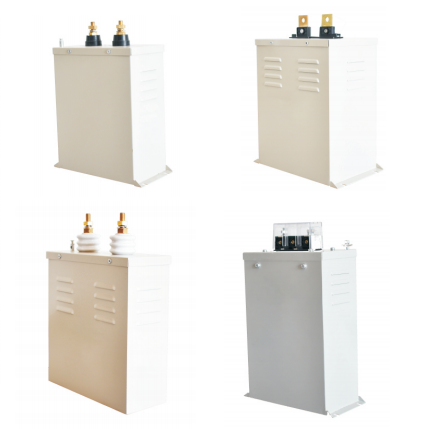
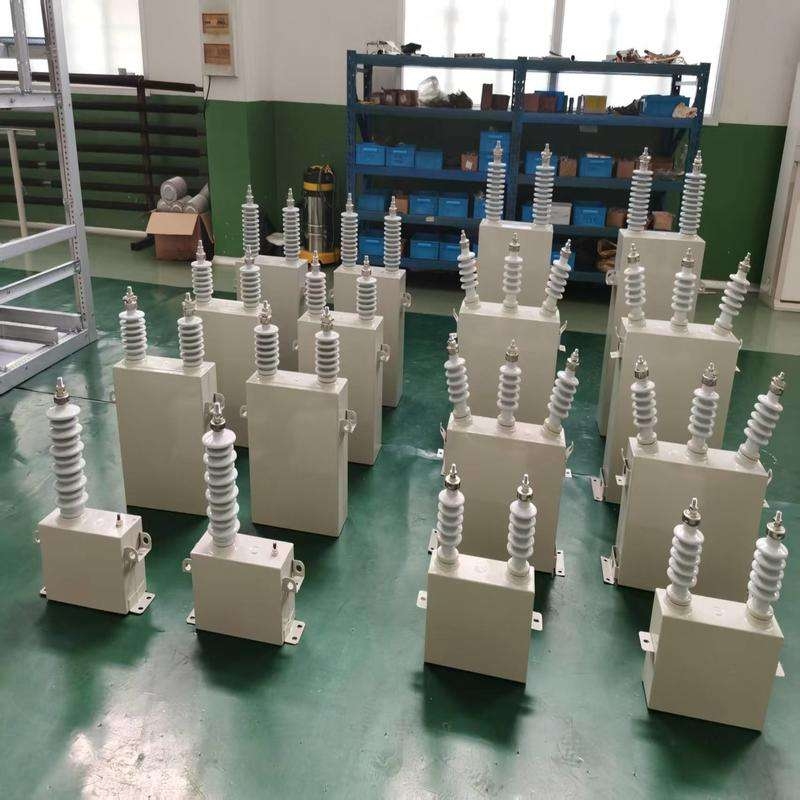
With its High Voltage Filter Capacitor solutions, Xi'an Xikai Medium & Low Voltage Electric Co., Ltd. meets the wants of manufacturing facility managers, utility companies, and EPC firms. As standard, our single-phase filter capacitors come with discharge resistors. This gets rid of the dangers of residual power that make upkeep more difficult. Advanced internal fuse technology automatically separates faulty parts, stopping catastrophic failures and keeping the integrity of circuit safety in setups where components are linked in series.
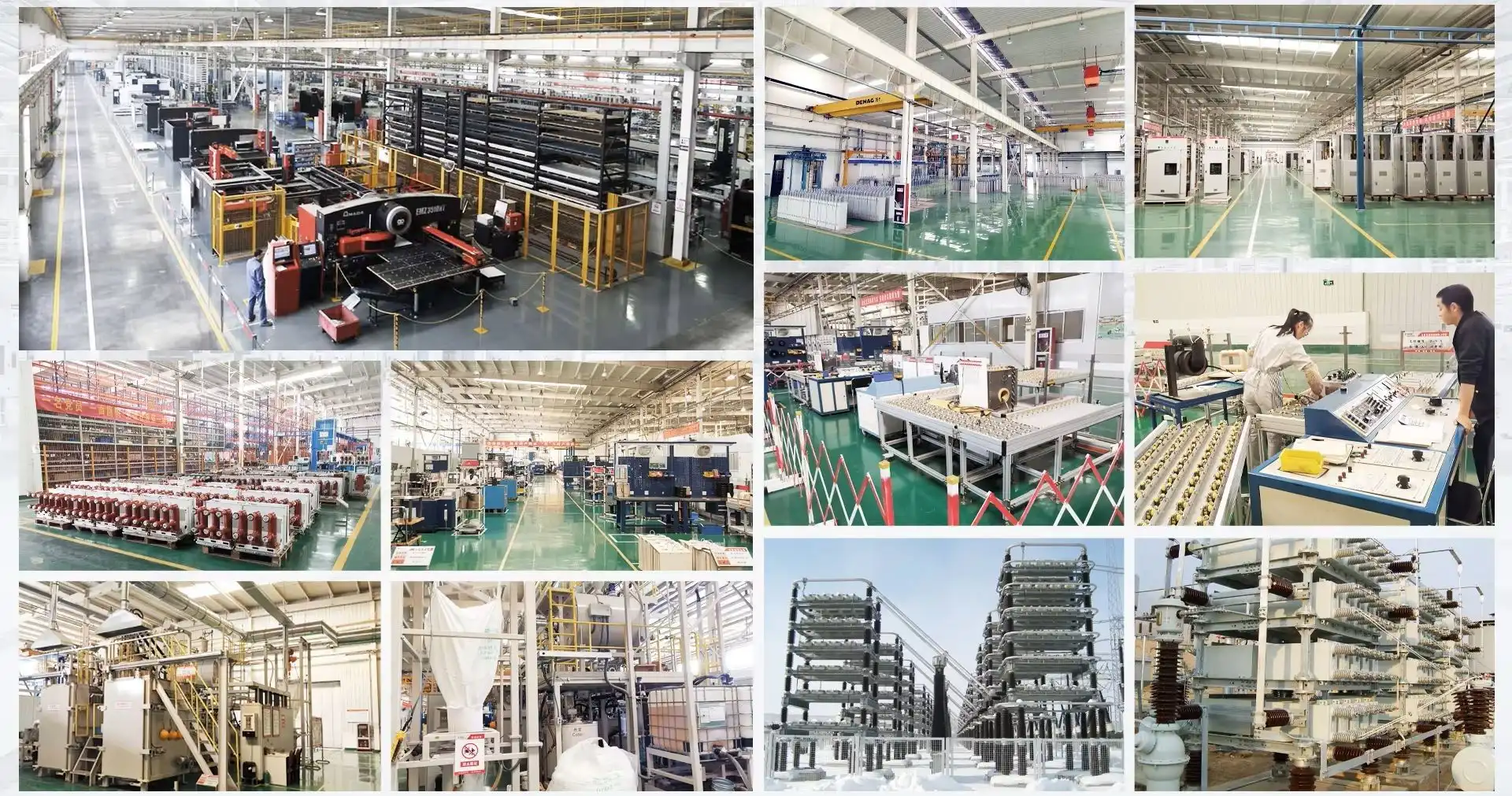
Our method to output is based on excellence in manufacturing. Automatic argon-arc welding makes tanks completely airtight, so they don't leak even when the temperature changes a lot. Screening methods that are ISO 9001-certified are used on raw materials to make sure that dielectric films and electrode materials meet standards before they are put together. Before being sent to your building, every capacitor goes through 72-hour load cycling tests, thermal shock tests, and impulse voltage checks to make sure it is reliable.
Our tech team has a lot of experience with applications in a lot of different fields. Plateau settings up to 4,000 meters above sea level need special designs that take into account the fact that dielectric strength drops at lower air pressures. It usually takes three to five business days to finish developing custom solutions that deal with different terminal layouts, cooling systems, or mounting orientations. This speed helps with jobs that need to be finished quickly and replacements that need to be sent out right away.
Accessibility is ensured by a global support system, no matter where the project is located. Technical advice teams help make specifications and answer questions about how to calculate harmonic filtering, fix power factor issues, and make the most of lifecycle costs. The product documentation has full directions on how to install, commission, and maintain the capacitor so that it works perfectly for as long as it lasts.
When you contact our team, we can start working together to solve the problems you're having with your application. You can talk to experts who understand the needs of different businesses by emailing serina@xaxd-electric.com, amber@xaxd-electric.com, or luna@xaxd-electric.com. We have been a seller of High Voltage Filter Capacitors for a long time, so we have the scientific knowledge and manufacturing skills that procurement professionals look for in long-term partners.
Conclusion
When buying High Voltage Filter Capacitors, you have to find a balance between technical performance, following the rules, and trusting the seller. While checking the licenses and financial security of a provider, engineers and techs can do their jobs better if they know about voltage ratings, dissipation factors, and environmental classifications. Strategic relationships and digital buying tools lower the risks of sourcing and make it easier to get parts. Specification choices affect how long a system lasts and how much it costs to run because they are based on application-specific needs in manufacturing, utilities, and business buildings. By carefully evaluating suppliers based on their ability to innovate, their quality systems, and how quickly they can help with technical issues, buying foundations are set up that protect investments and make sure power quality goals are met. In the end, choosing the right capacitors relies on matching the product's powers with how it will be used in the real world. This can be done by making smart decisions and building trusting relationships with suppliers.
FAQ
1.What documentation should I request when evaluating suppliers?
Ask for test records from a third party that include measures of the partial discharge, the insulation resistance, and the temperature cycling results. Use directories for granting bodies to check ISO 9001 and ISO 14001 certifications. Ask for UL 810 or IEC compliance certificates that are specific to the types of High Voltage Filter Capacitor products you want to sell. Reliability assessments are helped by the fact that good makers provide paperwork that shows where materials come from and how they are made in great detail.
2.How do I calculate required voltage ratings for my application?
Capacitors rated 20–30% above the highest estimated system voltage should be used. Take into account changes in voltage control and the chance of a transient surge while switching activities are going on. If the location is higher than 1,000 meters, talk to the providers about altitude derating. This is because lower atmospheric pressure changes dielectric strength.
3.What warranty terms indicate supplier confidence?
Most standard guarantees cover flaws in the way the product was made for 18 to 24 months after shipment or 12 months after starting. When contracts hit 36 months, it shows that manufacturers are confident in their products. Carefully read through the warranty's exclusions to find out how limits on working conditions and maintenance requirements can affect your qualifying for coverage.
Partner with Xi'an Xikai for Your High Voltage Filter Capacitor Needs
Xi'an Xikai offers tried-and-true High Voltage Filter Capacitor options that are backed by thorough testing and application knowledge. Our goods are used in harsh settings like utility substations and industrial plants. They have self-healing dielectric technology and hermetic sealing that makes sure they will work well for decades. We offer the expert partnership buying teams need with ISO certifications, multiple patents, and a 98% client retention rate. Visit xaxd-electric.com to see all of our products and learn how our unique solutions can help you with your power quality problems. Send an email to serina@xaxd-electric.com, amber@xaxd-electric.com, or luna@xaxd-electric.com to talk about your project needs and get full technical specs. Through excellent production and quick help, we turn procurement complexity into trust.
References
1. Zhang, L., & Martinez, R. (2022). Power Quality Management in Industrial Distribution Systems. IEEE Press Series on Power Engineering.
2. Thompson, D. (2021). Capacitor Technology for High Voltage Applications: Materials, Design and Reliability. Springer International Publishing.
3. International Electrotechnical Commission. (2019). IEC 61071: Power Electronic Capacitors - Specifications and Test Methods. IEC Standards Publications.
4. Anderson, P., & Chen, W. (2023). Strategic Procurement in the Electrical Equipment Industry: Risk Management and Supplier Selection. Journal of Supply Chain Management, 59(2), 112-134.
5. National Electrical Manufacturers Association. (2020). NEMA CP 1: Shunt Power Capacitors - Application Guide for Industrial and Commercial Facilities. NEMA Technical Standards.
6. Roberts, K., & Singh, A. (2021). Reliability Engineering for Power Distribution Components: Lifecycle Analysis and Predictive Maintenance Strategies. CRC Press.