How to Choose a Reliable Dry-Type Filter Capacitor Supplier
2026-05-07 16:40:47
To find a trustworthy Dry-Type Filter Capacitor supplier, you need to look at their specialized information, fabrication abilities, certifications, and customer service after the sale. Finding the right accomplice is imperative for making beyond any doubt that operations run smoothly, security rules are followed, and costs are kept low over time. We center on providers that offer self-healing metallized polypropylene film (MKP) innovation with solid embodiment, tried-and-true quality control forms that are in line with IEC 60831 benchmarks, and open supply chain operations. This is particularly imperative for North American mechanical offices, utility companies, and EPC firms that require dependable control quality solutions.
 |
 |
Introduction
Power quality problems cost factories millions of dollars every year in lost productivity, broken equipment, and wasted energy. Damage to sensitive equipment in data centers, factories, hospitals, and utility substations can be caused by harmonic distortions, voltage sags, and reactive power losses. These problems can be solved by Dry-Type Filter Capacitor units, which stabilize voltage, get rid of harmonics, and boost power factor without the safety and environmental problems that come with oil-filled alternatives.
It's not adequate to decently compare datasheets to find the right supplier. Pros have to see things like how precisely the thing is made, where the materials come from, how the thing is attempted, how it can be customized, and how long the specialized back lasts after transport. If you select the off-base supplier, your things might break down early, require audit, or not work with your current system. This report looks at the most crucial things to see in a supplier, with a center on real-world execution estimations and the chance to frame imperative organizations that secure exchange coherence and profits.
Understanding Dry-Type Filter Capacitors and Their Applications
What Makes Dry-Type Technology Superior
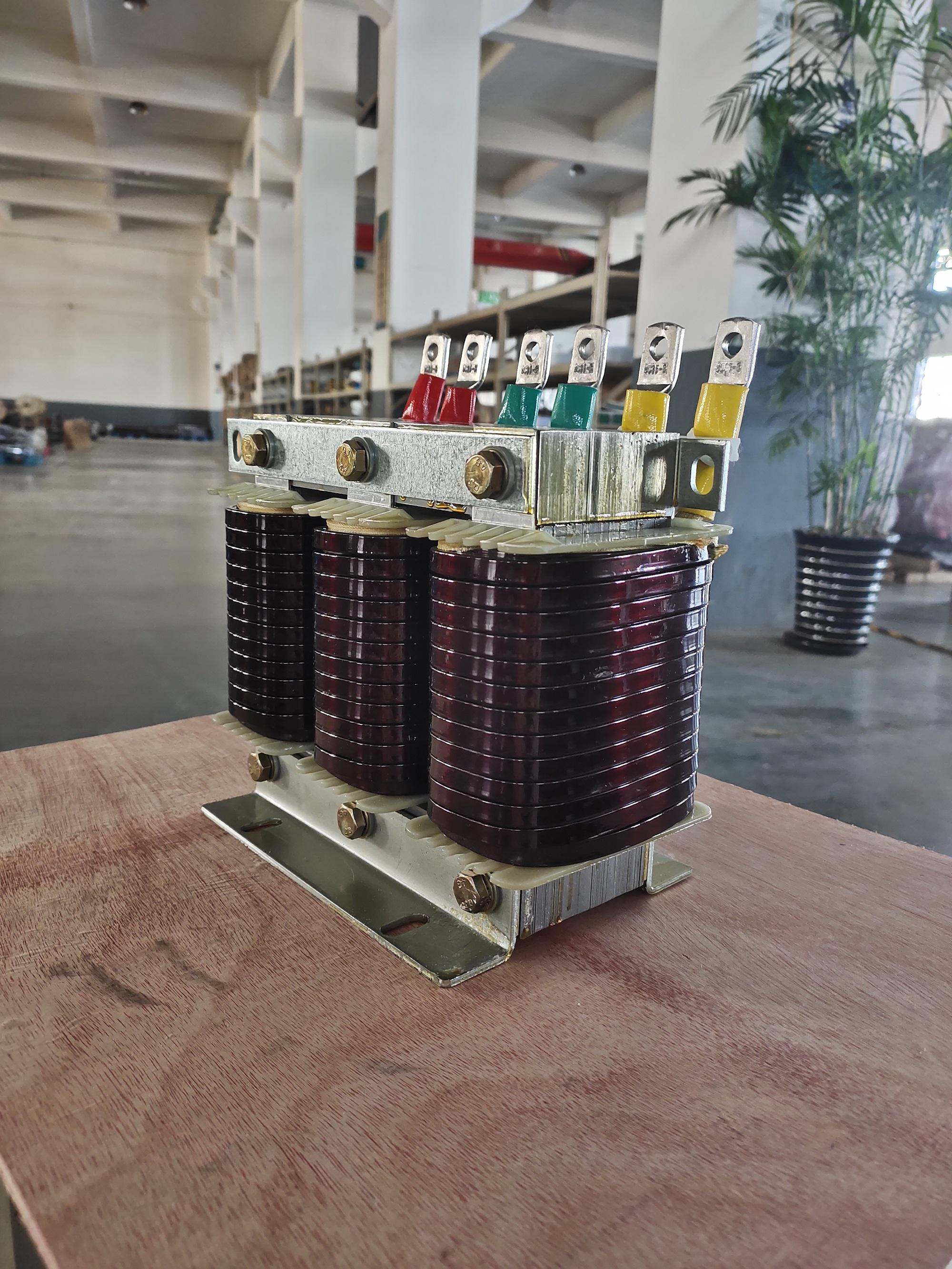
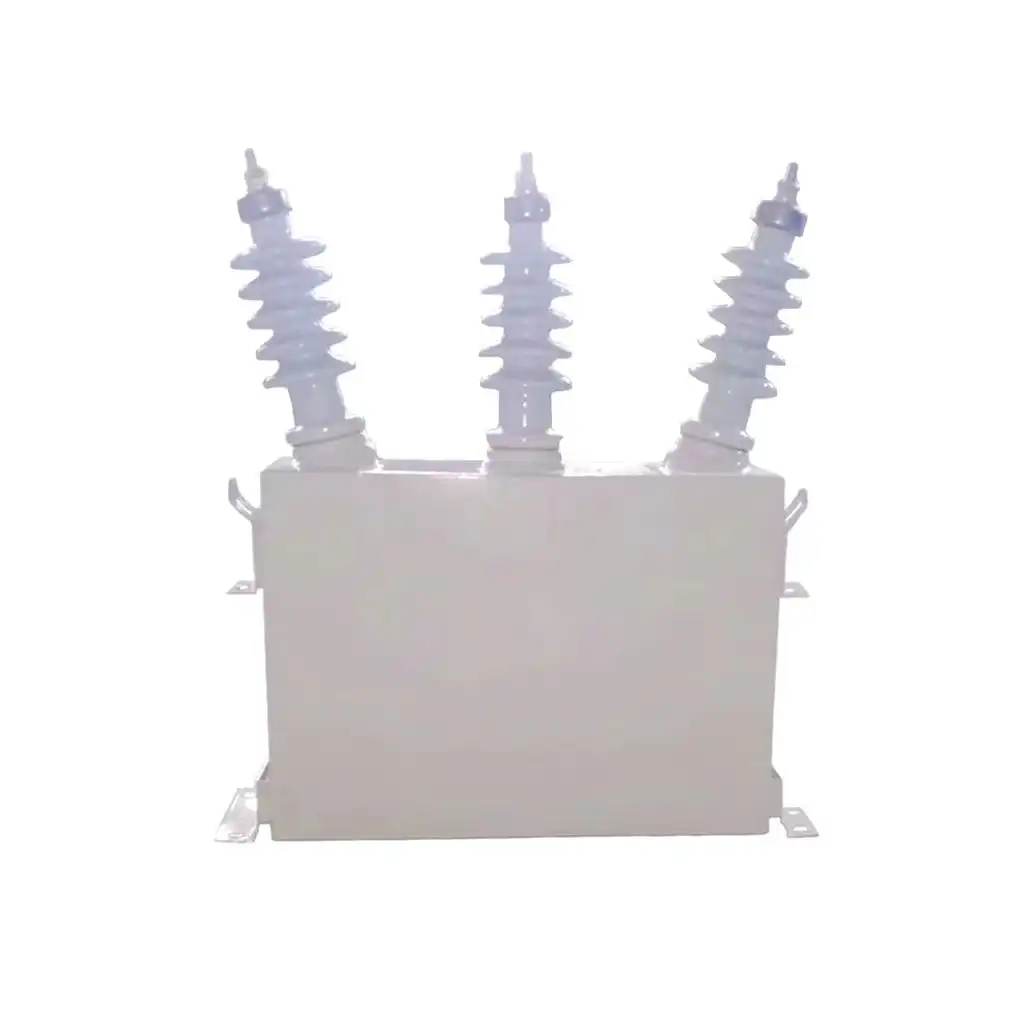
A Dry-Type Filter Capacitor uses metallized polypropylene (MKP) film as dielectric, epitomized in epoxy gum or thermoplastic lodging, avoiding oil spillage and fire perils, while allowing versatile foundation in compact or unforgiving circumstances. The self-healing component vaporizes localized metal deserts, reestablishing cover quickly and dodging fault multiplication. With voltage assessments from 440V–690V and capacitance up to 100 kV per unit, it diminishes ESR incidents by 15–30%, making strides in vitality proficiency. Working from -40°C to +85°C, it suits mechanical, commercial, and retrofit applications where minimal commotion and compact plan are required.
Industry Applications Driving Demand
Dry-Type Filter Capacitors are broadly utilized in VFD systems for CNC machines, transports, and mechanical independence to cover sounds and maintain a strategic distance from motor overheating. In data centers, they stabilize UPS systems and secure fragile servers from framework unsettling influences. Clinics utilize them in imaging to adapt to lessen electrical commotion for exact diagnostics. Utilities present them in substations for responsive control remittance, making strides in system adequacy and maintaining a vital connection with disciplines. They are as well essential in renewable energy inverters and rail balance systems due to their tall surge resistance and vibration flexibility, requiring application-specific examinations and certifications.
Core Criteria for Choosing a Reliable Dry-Type Filter Capacitor Supplier
Technical Expertise and Customization Capabilities
A dependable provider must illustrate solid design capability, counting consonant examination, voltage edge plan, and optimized terminal arrangements for existing busbar frameworks. Progressed reenactment apparatuses for warm and impedance modeling demonstrate higher specialized development. Customization is basic for non-standard voltages, unforgiving situations, or secluded extension. Providers with in-house R&D and protected dielectric innovations ordinarily accomplish superior warm steadiness and current execution than non-specific makers, guaranteeing more solid long-term operation in demanding applications.
Quality Standards and Certifications
International standards such as IEC 60831, UL, CE, and RoHS confirm compliance with electrical safety, performance, and environmental requirements. However, real quality depends on testing practices. Each Dry-Type Filter Capacitor should undergo leakage, capacitance deviation (≤3%), and dissipation factor testing. Voltage withstand tests (1.5× rated voltage and higher case tests) ensure dielectric strength. Mechanical and thermal cycling tests (-40°C to +105°C) verify durability. Consistent batch testing reports are essential to confirm stable production quality.
Manufacturing Capacity and Supply Chain Transparency
Production capacity straightforwardly impacts lead times and delivery reliability. Mechanized winding frameworks, vacuum metallization, and exactness laser cutting guarantee steady quality. Numerous generation lines show versatility beneath request surges. Straightforward sourcing of MKP film and crude materials avoids supply disturbances. Territorial distribution centers decrease conveyance times from 12–16 weeks to 4–6 weeks, making strides in responsiveness for critical substitutions. Solid coordination and stock control are basic for keeping up continuous mechanical operations.
Comparing Supplier Solutions: Performance and Cost Efficiency
Performance Metrics That Matter
Key execution markers incorporate consonant sifting viability (150–2500 Hz), warm solidness, and low ESR values that decrease inner misfortunes and warm era. Lower ESR moves forward proficiency and amplifies the benefit of life, whereas tall swell current evaluations guarantee secure operation beneath VFD conditions. Clamor levels (dB rating) are critical for indoor situations, and temperature-dependent capacitance variation influences compensation accuracy. Free third-party testing is favored over producer information for basic framework reliability.
Total Cost of Ownership Analysis
Lifecycle cost includes maintenance, energy savings, and replacement frequency, not just purchase price. Self-healing Dry-Type Filter Capacitor technology reduces failure rates by up to 40%, lowering maintenance costs. High-efficiency units can save $15,000–$30,000 annually in reactive power charges for medium-load facilities. MTBF exceeding 100,000 hours demonstrates proven reliability. Longer warranties (up to 5 years) and reduced downtime, as shown in industrial case studies, significantly improve long-term operational economics.
Practical Tips for Procurement Managers: Ensuring Safe Handling and Maintenance
Installation and Commissioning Best Practices
Proper transport requires shock-resistant, moisture-protected bunding to dodge harm. Upon entry, terminals and epitome ought to be assessed for breaks or erosion. Satisfactory ventilation (ordinarily 50 mm clearance) must be kept up amid establishment to prevent overheating. Commissioning incorporates cover checks, progressive voltage sloping, and consonant execution confirmation. Torque-controlled terminal fixing and standard capacitance recording guarantee a secure startup and give reference information for future maintenance.
Predictive Maintenance and Troubleshooting
Capacitance deviation past ±5% shows dielectric maturing and potential disappointment. Infrared thermography makes a difference in identifying inside hot spots; sometimes, breakdown happens, whereas bizarre murmuring or vibration signals mechanical or consonant issues. Solid providers give engineer-supported specialized hotlines and save parts accessibility to minimize downtime. Preparing materials and preventive support guides makes strides onsite investigating capability. A few providers, moreover, offer yearly reviews, particularly profitable for dispersed utility frameworks requiring inaccessible upkeep support.
Final Considerations and Making the Decision
Aligning Supplier Capabilities With Operational Needs
Match the qualities of your providers to the needs of your industry. For fast-switching inverters, renewable vitality ventures see for ones that can handle tall surge streams and have low ESL. Healthcare offices require walled-in areas that are flame-resistant, meet NFPA 70 fire codes, and have moo clamor emanations. EPC companies like it when providers work with them on the plan stages to offer assistance with things like stack stream examination, assurance coordination considerations, and ensuring that the gear will work with each other. This keeps costly alter orders from happening amid construction. Supplier choice is influenced by components like volume. Huge companies can get economies of scale when they make a part of standard items, but specialized building firms with adaptable generation setups are way better at making low-volume custom setups. For ventures that require quick prototyping cycles or just-in-time conveyance plans, being nearby is important.
Building Long-Term Partnerships
Transactional connections are based on cost per unit, whereas key associations are based on access to unused thoughts and nonstop change. As the need for hardware execution rises, providers who contribute to next-generation dielectric materials or advanced cooling procedures will have a competitive edge. Reacting rapidly to emergencies, like speeding up generation for crisis substitutions or giving design back amid unforeseen disappointments, is what sets accomplices separated from vendors.Check the quality of communication during the entire deal preparation. Polished skill is appeared by providers who give exhaustive specialized documentation, speedy pre-sale building meetings, and clear fabrication timelines. This polished skill likely amplifies to bolster after conveyance as well. Referrals from current clients who have utilized comparable services back up claims of almost benefit quality and dependability.
Supplier Selection Checklist:
- Documented manufacturing certifications for IEC 60831, UL, CE, and RoHS
- It is possible to change the voltage ratings and terminal configurations.
- Quality control: 100% electrical testing with audit reports from a third party
- Warranty terms: coverage for at least three years, with clear instructions on how to get a new one
- Technical support: an engineering hotline and service in the field
- Regional storage and standard lead times of 8 weeks are part of the supply chain.
- Performance information: results from separate tests on ESR, ripple current, and thermal stability
- Customer references: installations that have been checked out in similar industries
With this structured approach, evaluating suppliers is no longer based on personal opinions, but on facts. This lowers the risk of procurement and helps people make smart investment decisions that keep operations running using a reliable Dry-Type Filter Capacitor.
Conclusion
To find a reliable supplier for power quality parts, you need to look closely at their technical knowledge, manufacturing standards, and commitment to customer service. Self-healing low-voltage Dry-Type Filter Capacitor units made of metallized polypropylene film have been shown to improve safety, lower maintenance costs, and use less energy in a variety of industrial, utility, and commercial settings. Long-term operational reliability and cost optimization are ensured by giving priority to suppliers with international certifications, clear quality control processes, and application-specific engineering support. Strategic partnerships with manufacturers that invest in research and development (R&D) and keep their technical resources up to date give businesses a competitive edge by giving them access to new ideas and quick solutions to problems when they come up.
FAQ: Frequently Asked Questions
1. What lead times should we expect from established suppliers?
Standard catalog items with voltage ratings between 440V and 690V and capacities between 5 and 100 kV usually ship within 4 to 8 weeks from when the manufacturer keeps them in stock. Custom configurations that need non-standard voltage ratings or specialized enclosures add 10 to 14 weeks to the delivery time, which includes engineering validation and testing of the prototype. Sometimes, emergency replacement orders can be sent out within two to three weeks with the help of premium freight and production prioritization, but this service costs extra.
2. How can we be sure of the quality and authenticity of an item before we buy it?
Ask for audit reports from third-party certification bodies that show the factory meets IEC 60831 standards. Check the sample units to see if they were built well by looking for things like even epoxy filling with no gaps, secure terminal connections with the right amount of torque, and clear nameplate markings with serial numbers for tracking. Instead of generic datasheets, insist on test reports that are specific to each batch and show the actual measured capacitance, dissipation factor, and voltage proof test results. Real-world performance validation is done by checking references with current customers who have used similar products.
3. Are these capacitors suitable for harsh industrial environments?
When things get tough, a Dry-Type Filter Capacitor encased in epoxy resin works really well. The sealed design keeps out humidity, airborne germs, and temperature changes from -40°C to +85°C. Vibration resistance meets standards for rail transportation, so it can be used for mobile installations. Chemical resistance depends on the encapsulation compound. When exposed to corrosive atmospheres, choose formulations with higher chemical resistance. When installed outside, the housings need to be UV-stabilized, and the terminals need to have conformal coatings that keep water out. Above 1000 meters, elevation derating takes effect. Suppliers with experience designing equipment for plateaus can give accurate voltage margins for installations up to 4000 meters above sea level.
Partner With Xi'an Xikai for Proven Power Quality Solutions
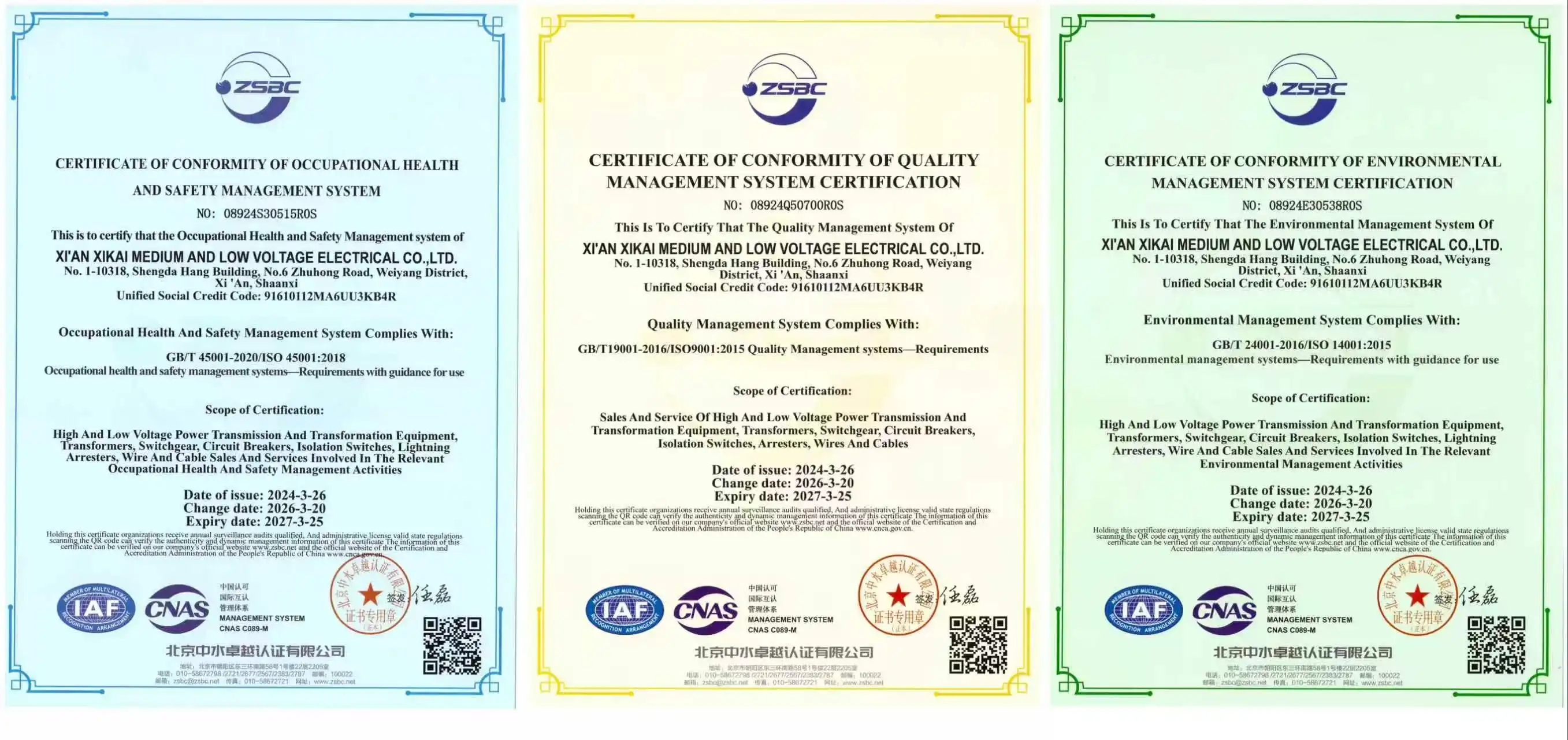
The self-healing low-voltage Dry-Type Filter Capacitor units that Xi'an Xikai Medium & Low Voltage Electric Co., Ltd. makes are designed to work reliably in tough industrial, utility, and commercial settings. Our metallized polypropylene film technology, which is backed by more than 12 patents and national research projects, saves energy and makes equipment last longer. Before it is shipped, every unit goes through 100% electrical testing and a 72-hour load simulation to make sure it meets IEC 60831, UL, CE, and RoHS standards.
As a reliable supplier, we can make changes to meet specific voltage needs, provide modular designs for phased expansion, and provide quick engineering support throughout the lifecycle of a project. Our manufacturing base makes parts that are used in State Grid systems, petrochemical plants, rail transportation networks, and renewable energy installations on more than one continent. For customers in North America, regional warehousing cuts down on lead times, and our technical team gives application-specific advice on harmonic analysis, protection coordination, and maximizing lifecycle costs.
Contact our procurement experts to talk about your problems with power quality. You can email serina@xaxd-electric.com, amber@xaxd-electric.com, or luna@xaxd-electric.com for technical help, custom quotes, and product details. You can look through our full catalog of switchgear, transformers, and power electronics solutions at xaxd-electric.com. We're dedicated to providing parts that increase uptime, safeguard important infrastructure, and help your business succeed through responsive partnership.
References
1. International Electrotechnical Commission. (2014). Power Capacitors for AC Systems: Performance and Testing Requirements. IEC Standard 60831-1/2.
2. Smith, J.A., & Chen, M. (2021). Harmonic Mitigation in Industrial Power Systems: Component Selection and Application Strategies. Institute of Electrical Engineers Journal, 45(3), 112-128.
3. National Electrical Manufacturers Association. (2019). Application Guide for Low-Voltage Power Capacitors in Commercial and Industrial Facilities. NEMA CP1-2019.
4. Rodriguez, P., & Kumar, S. (2022). Reliability Engineering in Power Distribution: Predictive Maintenance and Lifecycle Analysis. McGraw-Hill Professional.
5. European Committee for Electrotechnical Standardization. (2018). Power Factor Correction Equipment: Safety and Performance Standards. EN 50522:2018.
6. Zhang, L., & Thompson, R.W. (2020). Advanced Dielectric Materials for Energy Storage Applications. Springer International Publishing.
_1774416563318.png)