
Best Indoor Disconnect Switch for Medium-Voltage Switchgear
2026-11-04 17:33:46
The best indoor disconnect switch matches your switchgear, not just your amperage. It must fit the system voltage, insulation level, continuous current, short-circuit withstand, cabinet size, and local standards. In medium-voltage switchgear, the disconnector gives a dependable isolation point for transformers, motors, and feeders, while the circuit breaker clears faults. For 12 kV cabinets, the GN19-12 from Xi'an Xikai offers 400 A to 1250 A ratings and a manual lever mechanism. I wrote this guide to help project managers and electrical engineers specify and buy with fewer surprises.
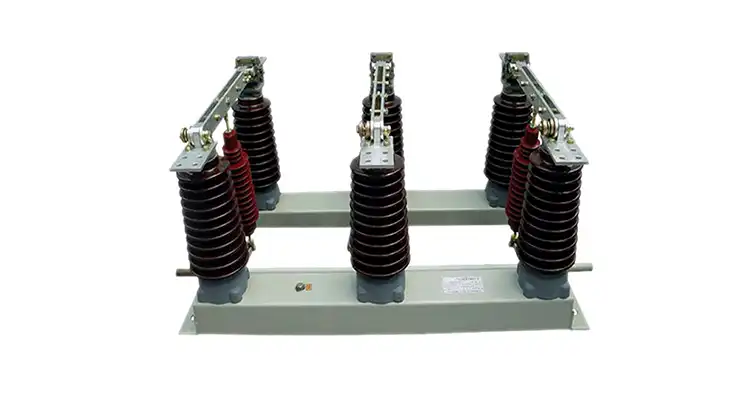

How an Indoor Disconnect Switch Works in Medium-Voltage Switchgear
What an Indoor Disconnect Switch Does Inside a Cabinet
An indoor disconnect switch opens a circuit after the breaker has turned off the power and keeps the two safe. In IEC 62271-102, earthing switches and indoor disconnect switches for alternating current are talked about. It can handle normal load current and short-circuit current for a certain amount of time, but it can't stop fault current. It is in a medium-voltage box next to the vacuum circuit breaker and makes it easy for workers to find the break. Before they touch anything further down the line, they can use that break to make sure the circuit is open. It protects the people who work on the system, not the system itself.
Main Parts That Affect Performance
All indoor disconnect switches are equipped with an operating mechanism, a position indication, interlocks and in certain arrangement an earthing switch. The fixed and moving contacts are of major importance because they make and break the visual isolation route. It has a galvanised steel frame that holds the blade assembly, which revolves on post insulators. The blades are using silver-plated copper contacts to lower the contact resistance and increase the resistance to corrosion. The blade is operated using a type CS6-1 manual operating mechanism. A mechanical interlock is provided to prevent wrong working sequences. Each component influences electrical performance, mechanical wear or operational safety and hence providers should explicitly define these components in the technical documentation.
The Safe Operating Sequence
The way the work is done is just as important as the tools. The crews turn on the circuit switch, make sure there is no power, separate the equipment with the indoor disconnect switch, ground it, and then lock it out. Article 120 of NFPA 70E tells you how to make your workplace safe around electricity. Many US sites use it as the basis for their lockout procedures. Because the GN19-12 is an off-load device, you shouldn't open it while it's full. The interlocks between the breaker and the indoor disconnect switch make sure that the right order is kept. When operators are taught this procedure, people and contacts are safer, and repair windows are known ahead of time.
Ratings, Types, and Configurations to Compare
Check Electrical Ratings First
Check the fault length, power frequency withstand, steady current, short-time withstand current, peak withstand current, and lightning impulse resist. In this range, there are IEC voltage classes of 3.6, 7.2, 12, 17.5, 24, and 36 kV. The GN19-12 can handle 400 A, 630 A, 1000 A, or 1250 A. It has a rating of 12 kV. The data list usually shows that it can handle 42 kV power frequency for one minute, 75 kV lightning impulse, 20 kA to 31.5 kA for four seconds, and 50 kA or 80 kA at its peak. If your system has a power that is higher than 12 kV, choose a higher class. See the test results for the model to find the exact numbers.
Manual, Motorized, Fused, and Non-Fused Designs
Indoor disconnect switches can be operated by hand, by motor, or by a remote. They can also be linked. For a model that doesn't have fuses, you need separate breakers, relays, or upstream fuses. If the project is well organized, a combined form can protect against too much current. When there are no people working in the center, motorized units work best. On the other hand, manual units work best in simple cabinets where someone is standing in front of them. The GN19-12's indoor disconnect switch is kept simple because it works by hand; there are no control lines inside the device. Because it is simple, there are fewer parts that EPC teams need to test and check when putting in a lot of cabinets that are the same.
Size, Pole Layout, and Cabinet Fit
A project inside can succeed or fail based on its size. Because things are getting smaller, cabinet designers have to make the space between phases and the width of each part smaller. However, the gaps still need to provide enough insulation. Isolation parts like the GN19-12 are used in fixed metal-enclosed switchgear like the XGN2-12 and GG-1A. These parts have small, low-clearance compartments. Before you place your order, send the supplier mounting drawings, directions for the bus bars, and where the operating handle is located. While it's still easy to fix with a small change, interference is found early on during a drawing check. With a three-pole connection, all three steps move together. Check that the shaft and handle are in the right place on the front panel as well.
Indoor vs. Outdoor Use, Safety Rules, and Installation of an Indoor Disconnect Switch
Indoor or Outdoor: Let the Site Decide
Indoor disconnect switches are used in electrical rooms, workshops, indoor substations and metal enclosed switchgear. The shell protects the switch from direct rain, snow and sunshine but humidity, moisture, dust, pollution and corrosion may still influence function. Therefore, the decision should be made according to the actual installation environment, not the product name. Where the switchgear room is subject to excessive humidity, conductive dust, industrial pollution or wide temperature variations, the provider should verify the need for extra insulation, pollution-class solutions or environmental protection. Buyers of the GN19 series may choose configurations to fit the specific pollution levels, altitudes and voltage requirements.
Standards and Documents US Buyers Check
IEC 62271-1 is for general requirements. IEC 62271-200 is for metal enclosed switchgear. IEC 62271-102 is for indoor disconnect switches. To summarise: GN19-12 is in accordance with IEC 62271-102. In the US, IEEE C37.30.1 is the standard for AC high-voltage air switches rated over 1000 V. Their installation and operation is covered by NFPA 70 and NFPA 70E. The local government and the utilities might regulate more. Know what criteria your project requires before you enquire for quotations. Then ask for type-test and routine-test results that refer to the precise model.
Installation and Commissioning Checks for an Indoor Disconnect Switch
Electricians who are qualified should be the only ones to check the interlock, phase gaps, grounding, and wire terminations. Use a micro-ohm meter to measure the contact resistance during commissioning and compare it to the value given by the manufacturer. All the time, this number is less than 50 micro-ohms for the GN19-12. A power-frequency withstand test should be done, and the insulation resistance should be checked. The lever should also be moved around a few times to feel for any sticking or blade instability. Keep track of all the results. Your client can use these records to figure out what repairs need to be done in the future. This usually means checking the resistance once a year or after about 100 operations, cleaning the insulators, greasing the linkages, and making sure the bolts are tight.
Matching the Switch to Your Application
Transformers, Motors, and Industrial Plants
When you work with transformer lines, you need to pay attention to voltage, capacity, inrush current, fuse time, and grounding. Medium voltage motors add power for starting, time for speeding up, and switching frequency. In chemical, mining, and metallurgy plants, an indoor disconnect switch like the GN19-12 turns off the power to lines while jobs change or parts are changed. The way it's made means it can handle the dust and shaking that are common here. Don't forget that the indoor disconnect switch doesn't turn off the power until the starting or switch opens. In other words, the control scheme and breaks are just as important as the switch.
Substations and Distribution Feeders
Inside substations, indoor disconnect switches let electricians from both the plant and the utility company turn off one feeder so that it can be fixed while the grid stays live. It's important that all 5 to 50 sets bought by a group are the same. Ask that all of the batch's plans, nameplates, and test records line up. Also, devices that use medium voltage should not be close to the 30 A, 60 A, and 100 A indoor disconnect switches that HVAC equipment uses. The word "disconnect" is in both of these low-voltage items, but their voltage and fault ratings are very different. An air utility plant may need medium-voltage gear even if its small air handlers use low-voltage switches.
Selection Mistakes to Avoid
A small list of mistakes is one of the first things that can go wrong with buying. When people buy something, they might only look at the power, mix up isolation and circuit protection, or agree to use a product based on information from a general catalog. Many people believe that putting something inside will make them not worry about condensation, dust, pollution, and corrosion, but this is not true. Some people don't do the single-line sketch or the safety study. If you look at the picture first, you can avoid these problems. Then, before you send a purchase order, make sure you have exactly what you need, including test reports, outline drawings, and written technical compliance. At this point, a quick review keeps site acceptance from being put on hold.
Choosing the GN19-12 Indoor Disconnect Switch and a Qualified Supplier
GN19-12 Specifications and Options
The GN19-12 has a 12 kV high voltage isolation switch inside that can handle 400 A, 630 A, 1000 A, or 1250 A of power. It is an indoor disconnect switch controlled by a set of levers that you move by hand. You can pick from three versions that are best for the site: a pollution type for rooms that are dusty or industrial, a high-altitude type, and a voltage indicator type. The contacts are made of copper that has been plated with silver. They usually have a resistance of less than 50 micro-ohms. A mechanical lock helps make sure that the links don't work wrong. EPC teams usually talk about three things: how well the cabinet fits, how well the contacts heat, and how accurate the mechanism is. These things cover all of them.
Why Work with Xi'an Xikai
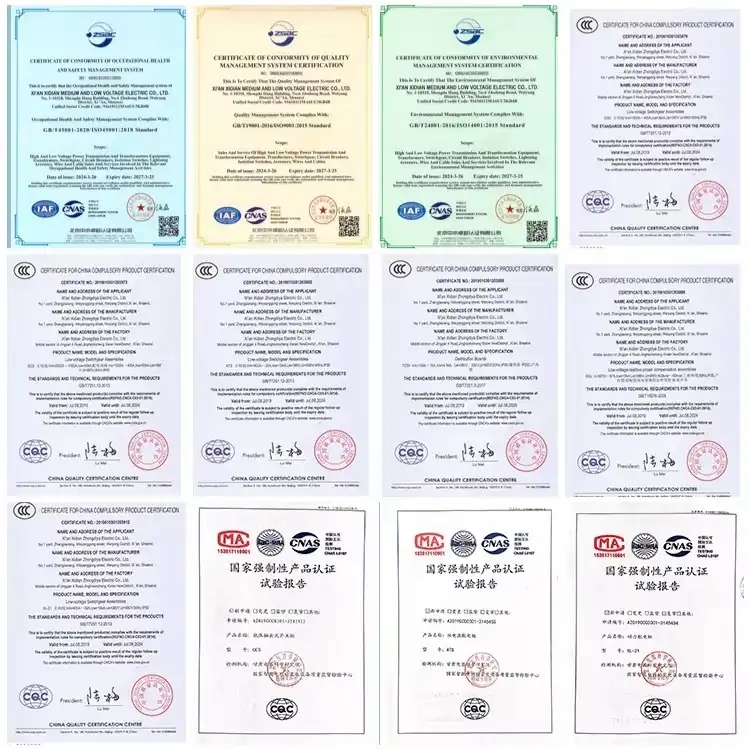
The Xi'an Xikai Medium & Low Voltage Electric Co., Ltd. makes machinery for medium and low voltage electricity and helps connect power delivery systems. There are over 100 different kinds of switchgear, dry-type transformers, vacuum circuit breakers, instrument transformers, and prefabricated substations in our catalog. These are divided into 7 groups. Our goods are used in areas like green energy, fuel cells, petrochemicals, power plants, and steel and metals. Both ISO 9001 and ISO 14001 have approved our building, and our plateau-type equipment can work at heights of up to 4,000 meters. There are patents on most of the things we make, and we make solutions that are specific to each project.
How to Evaluate an Indoor Disconnect Switch Supplier
Five steps will do it. First, make a list of the tools, where they will be used, and any rules or guidelines that go with them. Next, write down all the important information, like the voltage, current, fault level, insulation, operation method, grounding, and cabinet size. When you compare providers in the third step, don't just look at price. Instead, use a technology compliance matrix. Fourth, go over the plans, explanations that fit together, permissions, and things that aren't included. Fifth, check that all of the goods being sent out, their packing, shipping terms, and spare parts pass the plant acceptance tests. Ask each supplier about their type-test and routine-test records, their service after the sale, and how long it will take to get your order. The total cost should include the cost of testing, setting up, maintaining, and the chance of having to go down.

Conclusion
The best indoor disconnect switch is the one that fits both the electrical system and the cabinet when you need to disconnect medium-voltage switchgear in an industrial or electrical installation. It turns off the power to the equipment when the circuit breaker is turned off. It needs to have the right voltage class, steady current, withstand rates, and contact resistance for the job. It may be small, operated by hand or by motor, fused or not fused, and have a single-line plan and cabinet layout that determines these things. It will depend on the dust, smog, humidity, and height of the room whether it needs a normal or extra form. If you want to do maintenance, you can start with the rules in IEC 62271-102, IEEE C37.30.1, and NFPA 70E for design and safe work. This is how these checks work on a real device: the manual 12 kV GN19-12 has values from 400 A to 1250 A.
FAQ
1. Can I operate the GN19-12 under load?
No. It's an indoor disconnect switch used for off-loading. Break the connection first, then turn on the indoor disconnect switch. There are interlocks that will make sure the order is kept.
2. Does a 30 A, 60 A, or 100 A rating mean a switch suits medium voltage?
No. For regular low-voltage HVAC indoor disconnect switches, that range of ratings is what you need. When you use something with medium voltage, you need to make sure it has the right voltage class, insulation level, and fault withstand grade.
3. What is the difference between a disconnector and a circuit breaker?
A circuit breaker can interrupt normal load current as well as fault current, such as short-circuit current. An indoor disconnect switch is primarily used to provide a visible isolation point after the circuit breaker has opened the circuit. It is not designed to interrupt load current or fault current. This separation allows qualified personnel to confirm that the isolated section is disconnected before maintenance.
4. How does altitude affect selection?
Standard units work up to 1,000 meters away. You should pick an indoor disconnect switch that is high up because the air above that is thinner, so the insulation won't work as well. From up to 4,000 meters, the Xi'an Xikai plateau-type tools can do their job.
5. How often should I maintain the switch?
Check the indoor disconnect switch once a year, or every 100 times you use it. Clean the insulators, grease the links, and make sure the bolts are tight. Next, check the contact's resistance. If the room is dusty or hot, breaks might need to be shorter.
Request a Technical Recommendation for Your Indoor Disconnect Switch from Xi'an Xikai
When you need an indoor disconnect switch, Xi'an Xikai can help you with custom tools and solutions for plateaus up to 4,000 meters high. Send them your voltage, current, case size, and the conditions at the spot. Our engineers will check the fit, the ratings, and the options, like the type of pollution or voltage indicator. To find out more, visit[ xaxd-electric.com](http://xaxd-electric.com) or email serina@xaxd-electric.com, amber@xaxd-electric.com, or luna@xaxd-electric.com.
References
1. IEC 62271-102: High-Voltage Switchgear and Controlgear – Alternating Current Disconnectors and Earthing Switches, 2018
2. IEC 62271-1: High-Voltage Switchgear and Controlgear – Common Specifications, 2017
3. IEC 62271-200: AC Metal-Enclosed Switchgear and Controlgear for Rated Voltages Above 1 kV and Up to and Including 52 kV, 2021
4. IEEE C37.30.1: Standard Requirements for AC High-Voltage Air Switches Rated Above 1000 V, 2011
5. NFPA 70E: Standard for Electrical Safety in the Workplace, 2024
6. NFPA 70: National Electrical Code, 2023