How to Choose Indoor Disconnecting Switch for Your Switchgear?
2026-07-08 15:57:51
Understanding your practical needs—voltage and current ratings, safety certifications, installation space, and servicing accessibility—is the first step in choosing the right Indoor disconnect switch for your switchgear. These criteria should be used to find devices that have been tested and proven to be reliable, as well as ones that come with company support. The best Indoor disconnect switch combines technical performance with long-term serviceability, ensuring uninterrupted power distribution and equipment security across demanding applications, whether you are in charge of a data center, utility substation, or industrial facility.
 |
 |
Understanding Indoor Disconnecting Switches: Basics and Benefits
Indoor disconnect switches are important separating devices in electrical distribution systems. They create clear separation points that keep people and machinery safe during repair or emergency shutdowns. Instead of stopping fault currents like circuit breakers do, these switches work when there is no or very little load on them. They do this by making air gaps that stop electrical arcing and keep workplaces safe.The working principle depends on the movement of the blades. When the mechanism is turned on, either by hand or by motor, electrical elements separate from fixed contacts, making a clear break in the circuit. Technicians can trust this physical separation point when they are fixing or inspecting equipment further down the line. Today's designs use stronger insulators, usually made of ceramic or a composite material. These insulators provide dielectric strength and can handle natural stresses like changes in temperature and humidity.
Core Advantages for Industrial and Commercial Operations
Safety remains the primary benefit. Lockable working handles keep people from turning the power on without permission, and arc-resistant covers keep heat from getting in. Many units have voltage indicators built in, which lets techs check that the units have turned off without using any extra checking gear. Space economy is very important for refit projects—compact designs fit inside existing cabinets, so you don't have to make any expensive changes to the infrastructure. Maintenance times are longer than for regular switchgear parts; quality Indoor disconnect switches work reliably for decades with little maintenance. Three-pole designs are common for three-phase systems, fuse-switch combinations protect against overcurrent, and draw-out types make replacing quick and easy without disturbing nearby equipment. Knowing these basics helps procurement teams match the skills of devices with the needs of each location.
Key Criteria for Choosing the Right Indoor Disconnecting Switch
To choose the right isolation tools, you need to carefully look at it from a lot of different scientific points of view. Ratings for voltage and current are the basis—devices must be able to handle maximum working conditions plus safety gaps. A 40.5kV Indoor disconnect switch, like the GN27 type we sell, is used in medium-voltage settings like utility substations and big factories. Its 630A and 1250A current choices can handle different load profiles. Underrating makes it more likely that something terrible will happen, while overrating wastes money and installation room.
Voltage and Current Specifications
Match the maximum voltage to the normal working level plus the transient surge capacity of your system. According to IEC 62271-102 standards, the GN27's 40.5kV grade can handle overvoltages caused by lightning, which ensures grid-level stability. To account for surges and future growth, current rates should be 20–30% higher than usual load. Higher current values that can handle harmonic distortion without premature degradation are helpful for factories that use variable-frequency drives or capacitor banks.
Safety Features and Compliance Standards
UL listing proves that the product meets North American safety standards, and IEC compliance shows that the product meets standards around the world. If you want to buy a gadget that meets the IEEE C37.32 standards, you can be sure that it will last for 10,000 operation cycles. Safe operations are prevented by built-in linking mechanisms, and blade movement is physically stopped by mechanical connections unless circuit breakers open first. Arc flash protection is very important in sealed switchgear; materials that don't catch fire and pressure-relief vents lower the risk of explosions when there is a problem.
Installation Compatibility and Mounting Flexibility
The physical measurements determine whether a repair is possible. The GN27 can be mounted horizontally, vertically, or at an angle, so it can be used in substations with limited room or in custom switchgear plans. Make sure that the connection points on the busbar fit the current hardware. Interfaces that aren't lined up correctly need expensive changes. Mountain sites need to take altitude into account; normal devices fail at levels above 3,000 meters because of the lower air density, but special insulation can handle this. Pollution-resistant versions use silicone composite insulators that get rid of pollution in seaside or industrial settings, keeping the dielectric integrity where regular porcelain breaks down quickly.When you compare producers, you can see their unique strengths. Siemens stresses digital integration with position monitors that work with SCADA. Eaton specializes in small business building plans. Schneider Electric offers a lot of customization options for OEM uses. In utility-scale projects that need high voltage levels, ABB is the leader. Our GN27 strikes a good mix between these features. Its swing-contact design reduces mechanical wear by creating fewer pressure points, and its improved heat reduction makes the contact last longer in continuous-duty situations. Low working force makes it easier to use by hand and limits the size of the actuator needed for motorized models.
Installation and Maintenance Guide for Indoor Disconnecting Switches
When something is installed correctly, it will last for decades and work reliably. The first step in getting a site ready is to check the structure. The fastening surfaces must be able to hold the weight of the device plus the dynamic forces from the blade operation. Controlling the environment is very important. For example, humidity levels above 85% speed up the breakdown of insulation, and temperatures below -20°C make lubricants stiffer and raise the working power.
Step-by-Step Installation Process
Start with full safety lockout and make sure the upstream link is complete by testing the voltage, not just using the indicator lights. Place the Indoor disconnect switch according to the manufacturer's instructions, making sure to leave enough space between it and any nearby components or the walls of the box. Tighten busbar connections to exact specs. If you don't tighten them enough, high-resistance joints will form and overheat, and if you tighten them too much, insulator surfaces will crack. When connecting to the ground, extra care must be taken—measurements of resistance must be less than 0.1 ohms to make sure fault current routes work during short circuits. After the mechanical parts are put together, use micro-ohm meters to check the contact resistance. Readings higher than 50 micro-ohms mean that there is misalignment or contamination that needs to be fixed before the circuit is turned on.
Routine Maintenance Protocols
How often an inspection is done depends on how important the job is. For example, power substations should be checked once a year, while industrial plants that do a lot of switching should be checked every six months. Visual checks find rust on visible hardware, cracks in the insulator, or mechanisms that won't move. Every three years, the surfaces of contacts need to be cleaned. Silver-plated contacts can handle light abrasives, but tin-plated surfaces can only be cleaned with solvents. Points that need to be oiled are working links and pivot bearings. Use only the amount of manufacturer-recommended greases that are needed; too much will attract dust that forms abrasive compounds. Check the interlocking function and blade orientation with mechanical operation tests. Do these tests when the machine is not running to find old parts before they break.Fixing common problems speeds up the repair process. High working force is usually caused by corroded pivot points or blade guides that aren't lined up right. These problems can usually be fixed by taking the machine apart and cleaning it. Contact overheating means there isn't enough pressure or the surface is dirty. The way to change it depends on the design, so you need to talk to the maker. Insulator tracking shows up as carbonized paths between the wires and the ground. The surface damage gets worse quickly under voltage stress, so the insulator has to be replaced. Structured repair routines keep equipment running longer and stop unplanned breakdowns that hurt profits and production plans.
Procurement Considerations: Buying Indoor Disconnecting Switches for Your Business
To get things through the buying process, you have to balance professional needs with business realities. Checking the supplier's certifications is the first thing you should do. Ask for copies of UL listings, IEC test results, and ISO 9001 quality system checks. Manufacturing skills are very important. Suppliers with specialized production lines provide uniform quality, while those who outsource fabrication introduce variation. Checking with past customers for references shows how quick and helpful the vendor is after the sale. Vendors who don't respond after delivery cause costly delays when problems arise.
Pricing Structures and Bulk Purchasing Advantages
Standard catalog prices give you a starting point, but customization can add 15–30%, based on how complicated the job is. It costs more for pollution-resistant insulators, high-altitude rates, and integrated voltage signs, but the needs of the application justify the extra cost. You can save a lot of money when you buy in bulk. If you commit to more than ten units, you can usually get a 20% discount, and if you commit to more than fifty units, you can negotiate a delivered price that includes installation control. Payment terms affect cash flow. Net terms of 30 days work well for established purchasing programs. Letter-of-credit terms protect foreign deals but add banking fees.
Lead Times and After-Sales Support
Production times are very different. Standard versions ship in six weeks, but customized units need twelve to sixteen weeks for technical approval and production. These times, plus shipping and customs clearance for foreign providers, must be built into project schedules. Support after the sale is what sets premium makers apart from commodity sellers. Application engineering should be part of technical help during design, commissioning support during starting, and troubleshooting advice throughout the system's life. Long-term serviceability depends on how easy it is to get spare parts. Manufacturers who keep parts in stock for twenty-year-old models allow for cost-effective fixes, while those who stop supporting them force early replacements. Usually, warranties cover production flaws for two years, but longer warranties can be negotiated for big projects where downtime costs a lot of money.
Comparing Indoor vs Outdoor Disconnect Switches: Which One Suits Your Switchgear?
Exposure to the environment is what really sets these gadget groups apart. Indoor disconnect switches are housed in climate-controlled shelters that guard against wetness, temperature extremes, and UV damage. Because of these factors, small forms can be made using common insulation materials and lighter building materials. Outdoor units need weather-resistant shelters, heavy-duty insulators, and corrosion-resistant tools to handle rain, ice, and sun heating. This adds 40–60% to the cost of materials and the size of the area needed.
Application-Specific Selection Guidance
If the switchgear is inside a house or a built substation with temperature control, choose an indoor arrangement. Data centers, hospitals, and factories can all benefit from the small sizes and lower costs of purchase. Substations in cities are using indoor metal-clad switchgear more and more to reduce property requirements and improve looks. These setups need Indoor disconnect switches that fit into tight spaces. Outdoor designs work well for power transmission systems, solar farms, and remote industry areas where it wouldn't make sense to build something inside. Coastal areas have special problems. Salt fog speeds up the rusting of outdoor hardware, so it's often cheaper to put things inside sealed enclosures, even though the initial building costs are higher.Regulatory compliance varies by jurisdiction. NFPA 70 electrical codes set the rules for systems inside of buildings, including flame rates and fault protection. IEEE guidelines cover both types, but they require more thorough mechanical tests for outdoor units that are exposed to wind and ice. By knowing these differences, you can avoid making expensive design mistakes that cause projects to be delayed and raise the total cost of ownership by failing early or not following the rules.
Spotlight: GN27 High Voltage Disconnect Switch from Xi'an Xikai
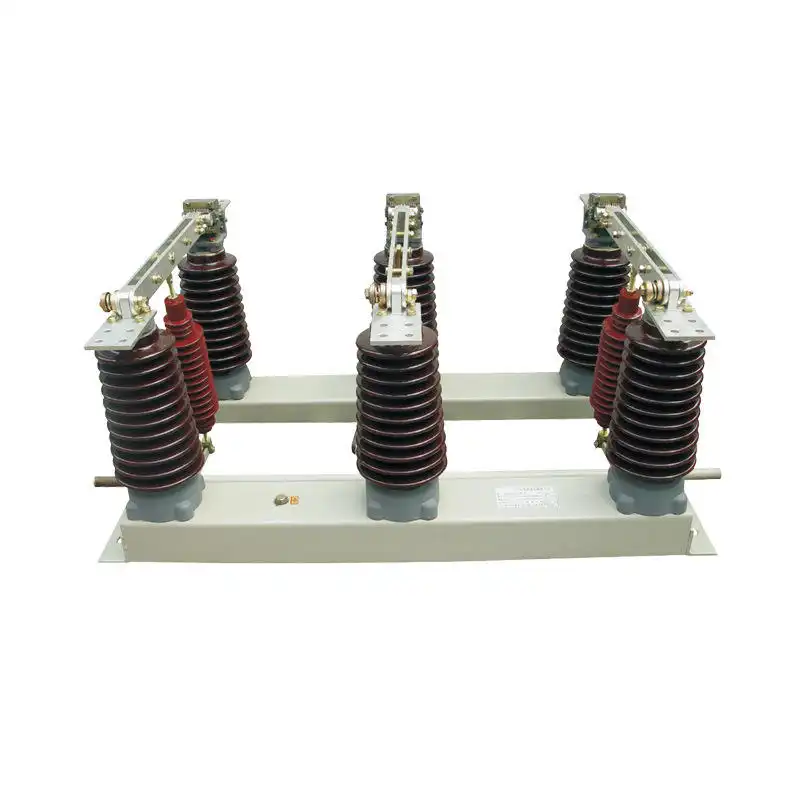
Theoretical requirements are supported by results in the real world. Our GN27 high-voltage Indoor disconnect switch is an example of how carefully engineering can be used to make things that are reliable in industry and utility settings. This device is made for medium-voltage distribution networks where equipment breakdowns cause general problems and big financial losses. It has a rating of 40.5kV and current options of 630A and 1250A.The swing-contact system is a big step forward in technology compared to traditional rotating-blade processes. In traditional forms, mechanical pressure is concentrated at small contact places, which speeds up wear over time. The GN27 spreads forces over more areas, which lowers contact resistance and makes the device last longer than 10,000 mechanical cycles. Optimized heat absorption pathways stop hotspots from forming during continuous high-current operation. This is a very important feature for data centers and assembly lines where thermal runaway can cause a chain of failures.
Different switchgear designs can be installed in a variety of ways. Standard line arrangements work best with horizontal mounting, while vertical orientations save hallway room in small substations. Installing on an angle is a way to deal with odd shapes that come up in repair jobs or mobile substations. Optional features make the range of uses bigger. For example, pollution-resistant insulators use hydrophobic silicone coatings to keep the dielectric strength even in dirty environments. High-altitude versions use longer creepage distances to make up for the lower air density, and built-in voltage indicators make it easy to see when the equipment is energized, which improves worker safety.Compatibility with CS6-2 working mechanisms lets you handle it from afar or automatically, and it works perfectly with current SCADA systems that use real-time switching to improve grid operations. Standalone placement is still a good option for smaller sites where tasks need to be done by hand. Low working torque—usually 30% less than rival designs—makes it easier to choose an actuator and lowers the mechanical stress on structures that hold it in place. This trait is especially useful in areas prone to earthquakes, where too much force during operation can damage structures.
Conclusion
The voltage levels, current capacity, safety standards, and installation compatibility must all be carefully considered when selecting an Indoor disconnect switch for your particular operating setting. When building new facilities or updating old ones, it's important to choose devices that have a history of mechanical reliability, full compliance paperwork, and maker support that lasts the entire lifecycle of the equipment. The GN27 high-voltage Indoor disconnect switch shows how advanced engineering can solve problems that utility companies, industrial plant managers, and EPC firms face in the real world. Its swing-contact design, flexible placement, and customizable features are just a few examples. By carefully choosing your suppliers and paying attention to their reliability and service after the sale, you can be sure that your investment will provide years of safe, steady power distribution that meets changing regulations and operating needs.
FAQ
1.Can Indoor disconnect switches work in home electrical systems?
Most home systems run on 120V or 240V single-phase, which is much lower than the voltage levels of industrial Indoor disconnect switches made for 4.16kV to 40.5kV uses. Service disconnects for 100A to 400A at low voltage are used in household electrical panels. These are built and safety rules are very different from those for medium-voltage industrial equipment.
2.What safety features should procurement teams prioritize?
The best feature is mechanical linking that stops operation when the load is high. This feature physically stops blade movement unless the circuit breakers open first, which eliminates arc flash risks. Maintenance can be done safely with lockable working handles that meet OSHA lockout/tagout standards. Technicians can check for disconnection without using tools if there are clear breaks in the isolation. Arc-resistant shelters that meet IEEE C37.20.7 standards have internal faults that keep people close safe from explosive blasts.
3.How frequently should maintenance occur for optimal performance?
For low-duty-cycle uses like utility substations that switch seasons, once-a-year checks are enough. Checking for contact wear, insulator integrity, and mechanism cleaning should be done every six months in industrial sites that use machinery every day. Testing for contact resistance every three years finds wear and tear before it leads to failure. The environment affects how often maintenance needs to be done. For example, sites near the coast need to be inspected for rust more often, and insulators need to be cleaned earlier to avoid tracking failures.
Partner with Xi'an Xikai for Superior Indoor Disconnect Switch Solutions
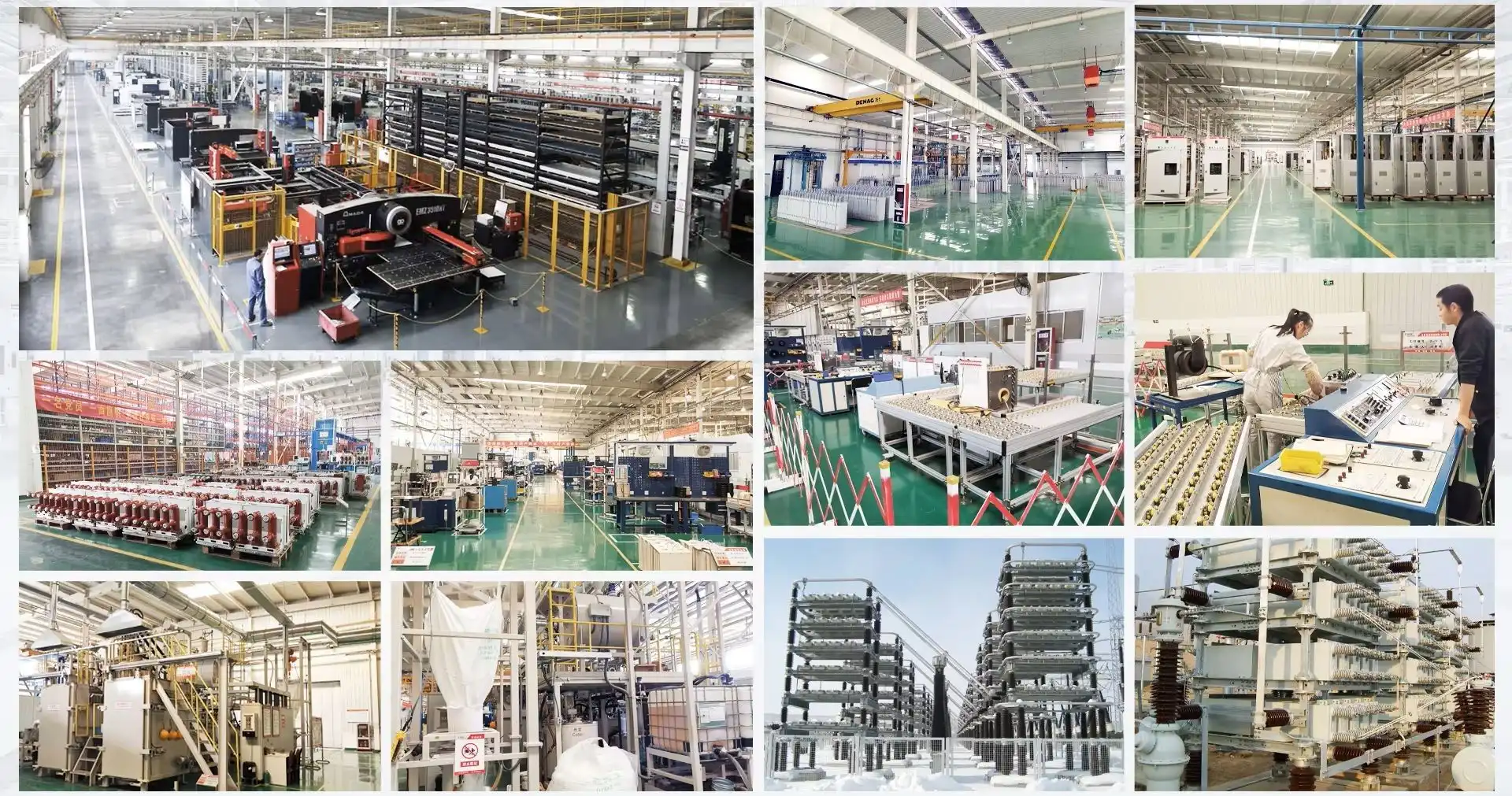
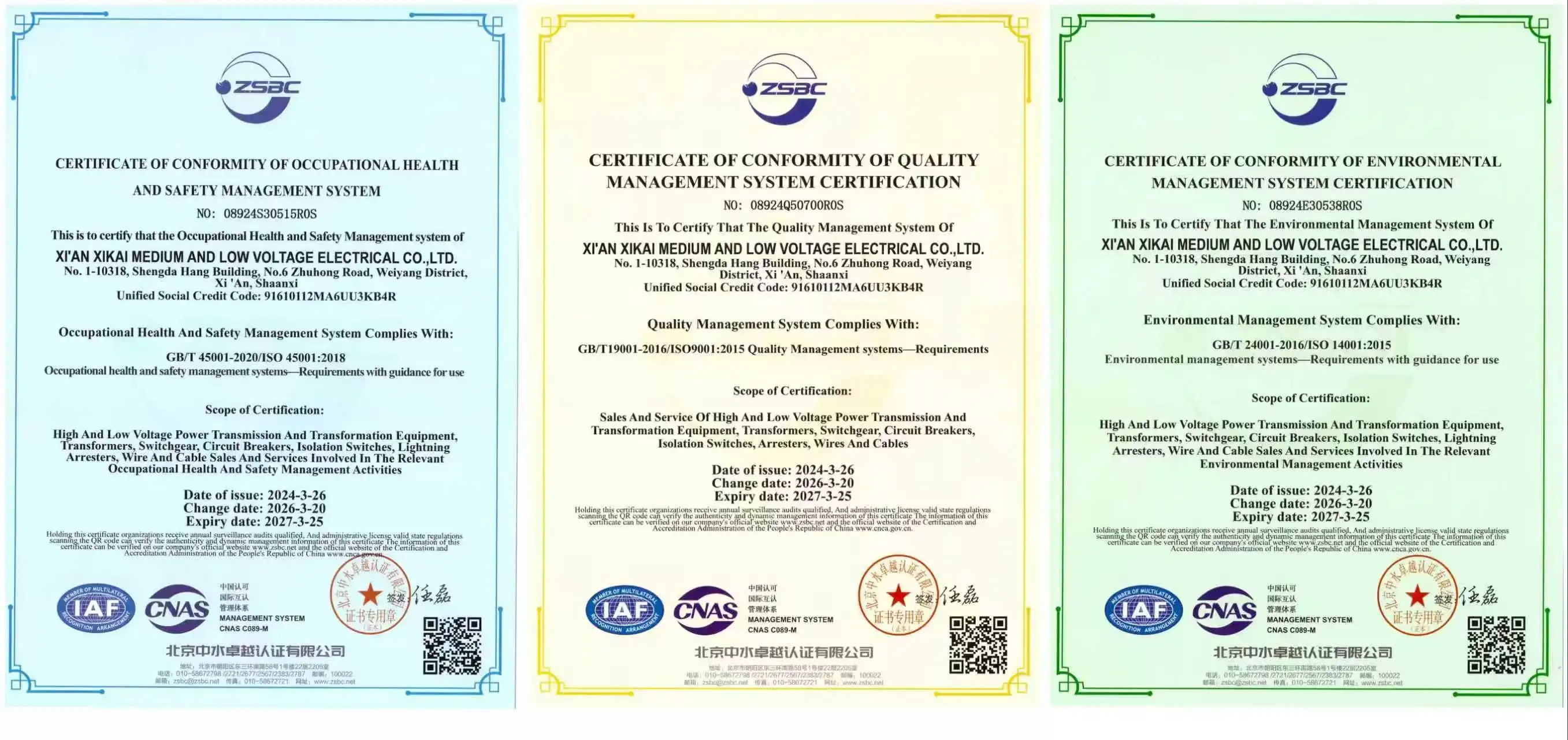
Xi'an Xikai Medium & Low Voltage Electric Co., Ltd. is ready to help you with your switchgear projects. They have been making products for decades and have a wide range of products in 7 main groups and over 100 different versions. Our GN27 high-voltage Indoor disconnect switch is just one example of how our engineering teams can make unique solutions that meet the strictest requirements. We combine ISO 9001-certified quality systems with quick expert help to address your particular challenges as a top Indoor disconnect switch maker serving utility companies, industrial operators, and EPC firms across North America.Our plateau-rated equipment works safely at heights of up to 4,000 meters, and our patented technologies make sure that the performance meets both national and foreign standards. Products made at our factories protect important infrastructure in places like State Grid systems, industrial complexes, rail transportation networks, and green energy installations—places where failure would have very bad results. Send an email to serina@xaxd-electric.com, amber@xaxd-electric.com, or luna@xaxd-electric.com with your specific needs to our application tech team. For Indoor disconnect switches for sale, we offer reasonable prices, thorough technical specs, and full after-sales support, including help with installation and access to spare parts. Visit xaxd-electric.com to explore our complete product range and discover why careful buyers choose Xi'an Xikai for reliable power isolation options that keep their most valuable assets safe.
References
1. Institute of Electrical and Electronics Engineers, "IEEE Standard for High-Voltage Switches: IEEE C37.32-2020," IEEE Standards Association, 2020.
2. International Electrotechnical Commission, "High-Voltage Switchgear and Controlgear - Part 102: Alternating Current Disconnectors and Earthing Switches: IEC 62271-102," IEC Central Office, 2018.
3. National Fire Protection Association, "NFPA 70: National Electrical Code 2023 Edition," NFPA Publications, 2022.
4. Henderson, Marcus and Chen, Wei, "Reliability Analysis of Medium-Voltage Disconnect Switches in Industrial Applications," Journal of Electrical Power Systems Research, Volume 187, 2020.
5. Thompson, Richard, "Switchgear Manual: Selection, Testing, and Maintenance of High-Voltage Circuit Breakers and Disconnect Switches," Butterworth-Heinemann Technical Publications, 2019.
6. Electrical Safety Foundation International, "Arc Flash Hazards and Protective Measures in Enclosed Switchgear: Best Practices for Industrial Facilities," ESFI Technical Report Series, 2021.