
How to Master Indoor High-Voltage Switchgear: Operations & Faults
2026-10-22 17:14:18
If you want to learn about indoor high voltage switchgear, you need to first understand how it manages, protects and isolates electrical circuits in industrial and utility applications. Do you operate a 40.5kV substation, an EPC project in Southeast Asia or a big industrial plant? The performance of your medium-voltage switchgear has a direct impact on grid stability and operational continuity. This book is designed to provide project managers and electrical engineers with the practical information required to make informed choices about indoor high voltage switchgear. It addresses essential operating principles, typical fault patterns, maintenance approaches, and procurement factors.
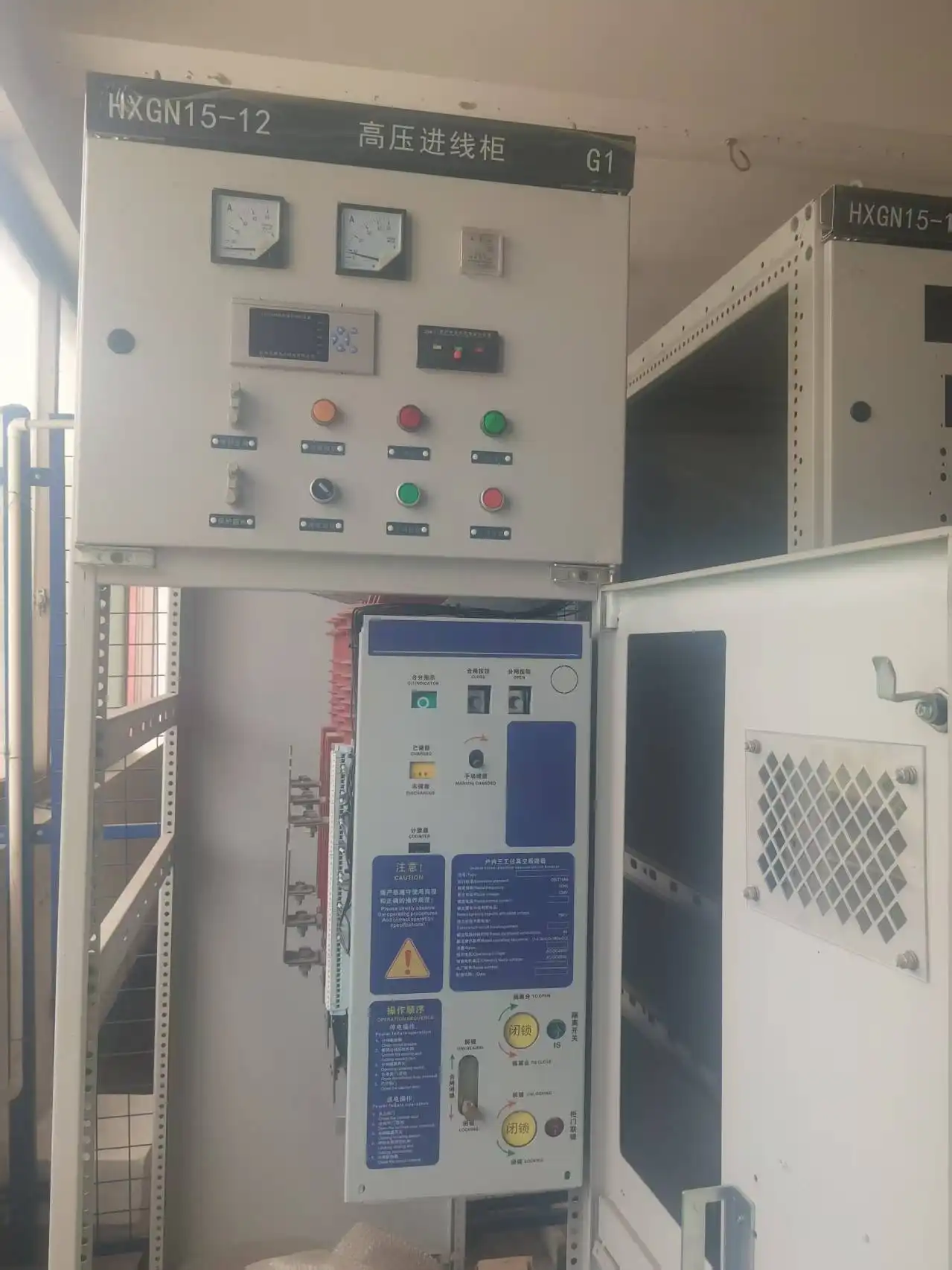
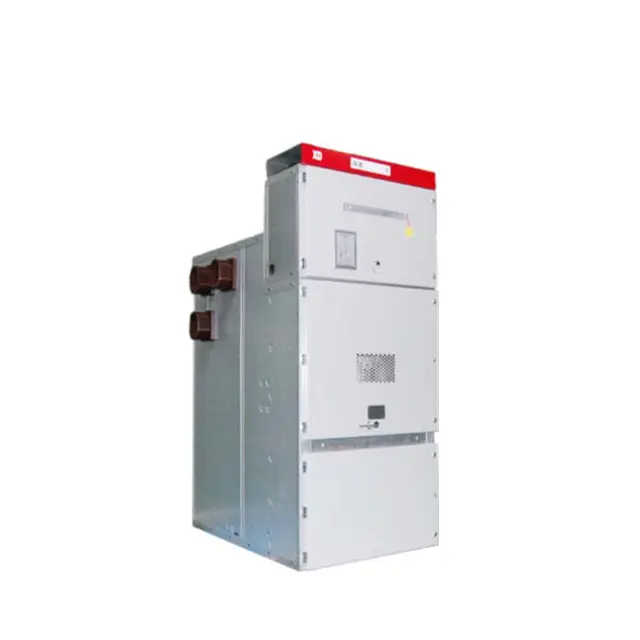
Understanding Indoor High-Voltage Switchgear: Fundamentals & Operation
What Is Indoor High-Voltage Switchgear?
Indoor high voltage switchgear is a metal box that houses instruments, safety relays, busbars and switching devices. It is generally located in a building or other controlled environment. The voltage is 3.6kV to 40.5kV. It regulates the flow of energy to transformers, feeders and loads. Each functional part of metal-clad switchgear should be separated from the other by an earthed metal barrier in accordance with IEC 62271-200. This design offers safety to the personnel during active operation.
Key Types: Vacuum, SF6, and Air-Insulated
The primary forms of insulation in medium voltage environment are: VCBs extinguish arcs inside sealed vacuum bottles and require little maintenance, making them the preferred choice for most current indoor high voltage switchgear systems. The SF6 switchgear employs sulphur hexafluoride gas for insulation and to extinguish sparks. It’s modest but it’s getting more and more pressure from government since it’s a powerful greenhouse gas. The air-insulated switchgear (AIS) uses the air of the room and the physical area to provide unambiguous and easily accessible insulation, making checks by technicians simpler.
Indoor vs. Outdoor: Key Differences
The indoor switchgear is housed in an air conditioned room. The air conditioning increases the life of the equipment and minimises the damage to the insulation from moisture and UV rays. Outdoor switchgear can take higher temperature and weather variations, but the covers have to be bigger and inspections for rust have to be more frequent. For EPC contractors working in tropical or desert environments, the optimum protection and maintenance access for 40.5kV substations is achieved by an interior installation in an IP4X-rated enclosure like the KYN61-40.5.
Diagnosing and Managing Common Faults in Indoor High-Voltage Switchgear
Electrical Faults: Causes and Symptoms
The most prevalent electrical difficulties with indoor high voltage switchgear are insulation failure, partial discharge and busbar over-heating. Moisture in the insulation, filthy insulators or prolonged operation at the specified limits might cause the insulation to break down. Ultrasonic or UHF monitors may detect partial discharge activity which is an indicator of dielectric breakdown before it occurs entirely. Partial discharge tracking can predict insulation failure weeks in advance Partial discharge monitoring can predict insulation failure weeks in advance, so it may be repaired before an emergency shutdown occurs, according to CIGRE Technical Brochure 413 (2010).
Mechanical Faults: Interlock and Trolley Issues
The most likely breakdowns are the five-prevention () interlock system and the retractable trolley mechanism. An incorrectly orientated tram may block the appropriate flow of electricity, resulting in random arcing. Interlock pawls that are worn allow operators to bypass safe sequence, a common cause of switchgear accidents. The KYN61-40.5 avoids such an issue by using a three level interlock, which ensures the correct action sequence regardless of how the individual behaves.
Environmental Factors and Predictive Maintenance
High temperatures in the environment increase the ageing of insulation and conductors. Incorrect twisting of busbar joints may cause hot spots exceeding 90°C, which is far higher than the IEC 62271-1 standard. IoT-enabled temperature sensors in busbar compartments can communicate real-time data using IEC 61850 GOOSE messaging, giving you early warning before things become too hot. at a well-known example at a Southeast Asian steel factory, remote temperature monitoring identified a failing joint two weeks before it would have caused a forced shutdown.
Optimizing Switchgear Operations: Techniques for Enhanced Performance
Maintenance Best Practices
A 25 year working life is different from a 10 year life because of the frequent maintenance. Field personnel rely on the following maintenance activities:
- Annual test for contact resistance: If the main contacts are >200 µΩ oxidation or mechanical wear is present and must be corrected.
- Vacuum bottle integrity check: Every three years, examine VCBs for vacuum integrity using a power frequency withstand voltage test.
- Busbar torque inspection: Retorque all fastened connections to manufacturer specifications after first year and every five years thereafter.
- Anti-condensation heater check At the start of each humid season, check heater functioning to avoid tracking on insulators.
These tests and calibrated relay testing help ensure indoor high voltage switchgear is operating in a safe range and minimise the amount of unexpected failures during the life of the asset.
Rated Current and Load Capacity Management
It is known that operation of indoor high voltage switchgear for a long period of time near to the maximum allowable current is risky. The KYN61-40.5 can work for 630A to 2500A, although for 2500A, the most significant design feature is the heat management. How near to the nameplate current the equipment may safely operate is determined by the busbar size, the contact plating and the ventilation route design. These are tested during type testing. When the elevation approaches 2000 m, the air density decreases and the engineers should refer to the derating factors from IEC 62271-1 Annex A to specify tools for high elevation locations.
Automation and Digital Controls
Modern indoor high voltage switchgear is increasingly equipped with intelligent electronic devices (IEDs) that assess the health of breakers, record operational data and speak to each other via SCADA. Automated routine switching sequences reduce the chance of errors and switching time from minutes to seconds. The KYN61-40.5 supports IEC 61850, so project teams may directly link it to digital substation designs without any additional protocol converters.
Making the Right Switchgear Choice: Comparison & Procurement Insights
Indoor vs. Gas-Insulated Switchgear (GIS)
GIS is the smallest size and offers the greatest protection from pollutants. But it costs 40–70% more to install and requires specific SF6 handling gear for maintenance. Metal-clad indoor switchgear such as the KYN61-40.5 is often the cheaper total cost of ownership and simpler to maintain in the field for 40.5kV projects where space is not an issue such as EPC industrial projects.
Vacuum vs. SF6: An Honest Comparison
Today hoover technology is the only technique to install medium voltage inside switchgear in new structures. When handling gas, it is absolutely safe, it does not require any infrastructure to detect SF6 leaks and its sealed interrupter cells remain stable after thousands of operations. SF6 units are still utilised in older systems, and sometimes in utility usage when a large breaking capacity in a compact area is needed. From a technical and environmental perspective, hoover is the best solution for most EPC purchasing choices in the 40.5kV range.
Procurement Guidance for EPC Contractors
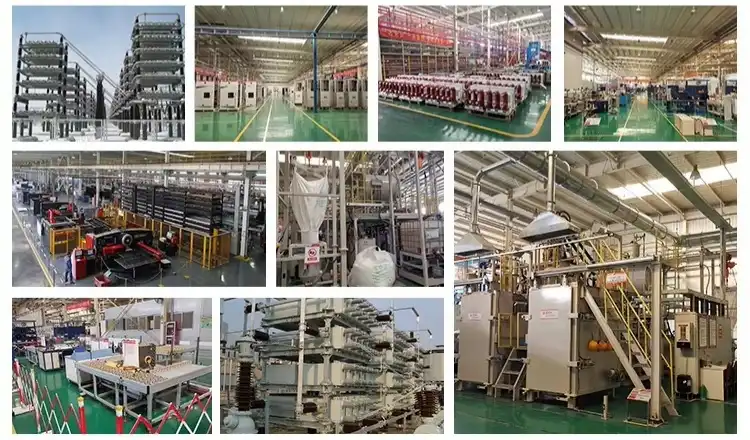
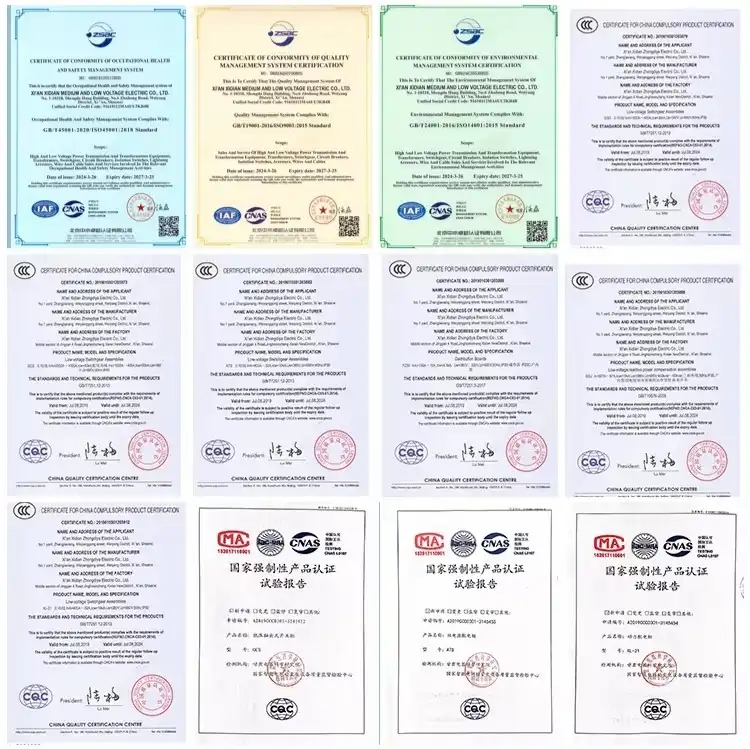
interior high voltage switchgear provider judgement When judging interior high voltage switchgear suppliers, we utilise type test results, notably internal arc classification (IAC) tests according to IEC 62271-200. Technical studies report on the most significant parts. Test findings that can be verified by certified labs may distinguish between what is really performed and marketing promises. Lead times for 40.5kV switchgear are 10-16 weeks for common setups. Custom seismic or flood resistant versions need 4 to 8 weeks extra lead time. Request specific papers for IP rating, altitude certification, and area compliance (e.g. DEWA for UAE and PLN for Indonesia) early in the procurement process to minimise delays later on.
Ensuring Safety and Compliance in Indoor High-Voltage Switchgear Operations
Safety Features: Interlocks, Grounding, and Arc Protection
The layered safety is what makes the indoor high voltage switchgear safe to operate. Grounding switches that can only be closed when the circuit breaker is open prevent accidental power on of isolated sections. Arc-resistant structure certified to IEC 62271-200 Annex AA contains the arc energy within and allows hot gases to escape without hitting humans. KYN61-40.5 has a five-prevention interlock to prevent five sorts of unsafe action, such as shutting on grounded circuit, pulling out a live circuit breaker, activating earthing switch on electrified bus, and two additional sequence violations.
International Standards and Compliance
Each installation of indoor high voltage switchgear must fulfil the deployment market guidelines. Most nations in the globe have standards for metal-clad medium-voltage switchgear, e.g., IEC 62271-200 and GB/T 11022. DL/T 404-1997 Chinese utility projects must be followed. In North America, metal-clad switchgear should conform to ANSI/IEEE C37.20.2. Matching the proper standard to the location of the project must be done during the design review process, not as an afterthought during implementation.
Operator Training and Emergency Protocols
Even good switchgear may be deadly if handled by persons who are not adequately educated. Each plant should have documented switching plans, conduct practice emergency de-energization annually and ensure that all personnel get current arc flash training. Personal protective equipment (PPE) rated for the available fault current (per IEEE 1584-2018) must be on site before any live-panel work can begin.
Conclusion
For 40.5kV indoor high voltage switchgear, it's important to pay close attention to type testing, thermal management, interlock integrity, and following the rules. The KYN61-40.5 Removable Metal-Clad Switchgear meets the main needs of EPC workers by having a five-prevention interlock system, rated current choices up to 2500A, and the ability to work in temperatures ranging from -10°C to +40°C and at heights of up to 2000m. Your indoor high voltage switchgear has the best chance of lasting its full 25–30 years without having to be shut down. This is because it was bought with good criteria and is maintained properly.
FAQ
1.What factors most affect the service life of indoor high-voltage switchgear?
Operating temperature, load cycling frequency, and maintenance consistency are the three biggest factors. Equipment kept below thermal limits and serviced on schedule routinely reaches 25–30 years of service life, consistent with IEC design life requirements.
2.How often should indoor high-voltage switchgear be inspected?
A full inspection—covering contact resistance, vacuum bottle integrity, relay calibration, and mechanical interlock function—should happen every one to three years depending on operating duty. Facilities running at high load factors should schedule annual inspections.
3.Can indoor high-voltage switchgear be customized for project-specific requirements?
Yes. The KYN61-40.5 supports configuration changes including busbar current ratings, breaker type, secondary wiring layout, and communication protocol. Seismic-rated and high-humidity variants are available for specific geographic conditions.
4.What certifications should I request when procuring 40.5kV switchgear?
Request the type test report (including internal arc test results), IP rating certificate, ISO 9001 quality certificate, and any regional approvals relevant to your project location (e.g., IEC, GB, or local utility standards).
5.How does altitude affect indoor high-voltage switchgear performance?
Above 1000m, air dielectric strength decreases roughly 1% per 100m. At 2000m, insulation clearances and rated voltages require derating per IEC 62271-1. The KYN61-40.5 is rated for operation up to 2000m, with plateau variants available for higher elevations.
Partner with Xi'an Xikai for Your Next Indoor High-Voltage Switchgear Project
More than 30 countries use Xi'an Xikai to get used indoor high voltage switchgear from EPC companies and industrial users. There is more than 25 years of experience making the KYN61-40.5, full IEC type test documentation, a five-year warranty, and a promise to respond within 72 hours. Our engineering team can make sure that the specs fit your project's altitude, ambient conditions, and local compliance rules, whether you need 5 or 50 units. You can email our team at serina@xaxd-electric.com, amber@xaxd-electric.com, or luna@xaxd-electric.com to get detailed data sheets, type test reports, or a quote that is tailored to your project. Please go to xaxd-electric.com to see all of our indoor high voltage switchgear options.
References
1. IEC 62271-200: High-Voltage Switchgear and Controlgear — Part 200: AC Metal-Enclosed Switchgear and Controlgear for Rated Voltages above 1 kV and up to and including 52 kV. International Electrotechnical Commission, 2021.
2. CIGRE Technical Brochure 413: Partial Discharges in Gas-Insulated Substations – Risk Assessment and Maintenance. CIGRE Working Group D1.11, 2010.
3. IEEE Standard 1584-2018: Guide for Performing Arc-Flash Hazard Calculations. IEEE, 2018.
4. IEC 62271-1: High-Voltage Switchgear and Controlgear — Part 1: Common Specifications for Alternating Current Switchgear and Controlgear. International Electrotechnical Commission, 2017.
5. IEEE C37.20.2: Standard for Metal-Clad Switchgear. IEEE, 2015.
6. GB/T 11022: Common Technical Requirements for High-Voltage Switchgear and Controlgear Standards. Standardization Administration of China, 2020.