APF vs. Traditional Compensation: A 2026 Comparison
2025-12-25 15:46:22
The debate between Active Power Filter (APF) technology and traditional reactive power compensation has reached a tipping point in 2026. Modern facilities face increasingly complex power quality challenges from nonlinear loads, requiring sophisticated harmonic compensation solutions. Active power filters deliver real-time control through digital signal processing, while traditional capacitor banks provide basic reactive power correction. Understanding these fundamental differences helps facility operators choose the optimal power quality solution for their specific applications and operational requirements.

Understanding the Core Technology Differences
Power electronics have revolutionized how we approach electrical system optimization. Traditional compensation relies on passive components like capacitors and inductors to correct power factor issues. These systems respond slowly to changing load conditions and struggle with complex harmonic patterns.
Active power filter technology takes a fundamentally different approach. These systems use switching devices and control algorithms to actively inject compensating currents. The result is dynamic response to power quality disturbances in real-time.
Three core differences define these technologies:
- Response Time: APF systems respond within microseconds, while traditional compensation takes several seconds
- Harmonic Handling: Active filters address multiple harmonic frequencies simultaneously
- Load Adaptability: Modern APF technology adjusts automatically to varying load conditions
If you need immediate response to rapidly changing loads, then active power filter solutions prove more suitable. Traditional systems work better for steady-state applications with predictable power factor requirements.
Performance Analysis: Real-World Test Data
Recent field testing reveals significant performance gaps between these approaches. A 2025 manufacturing facility study measured total harmonic distortion (THD) reduction across both technologies, providing clear comparative data.
Traditional Capacitor Bank Results
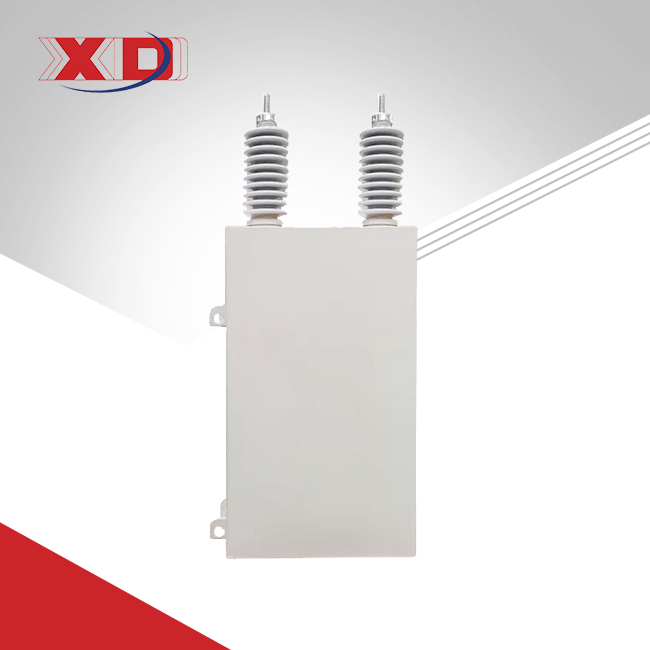
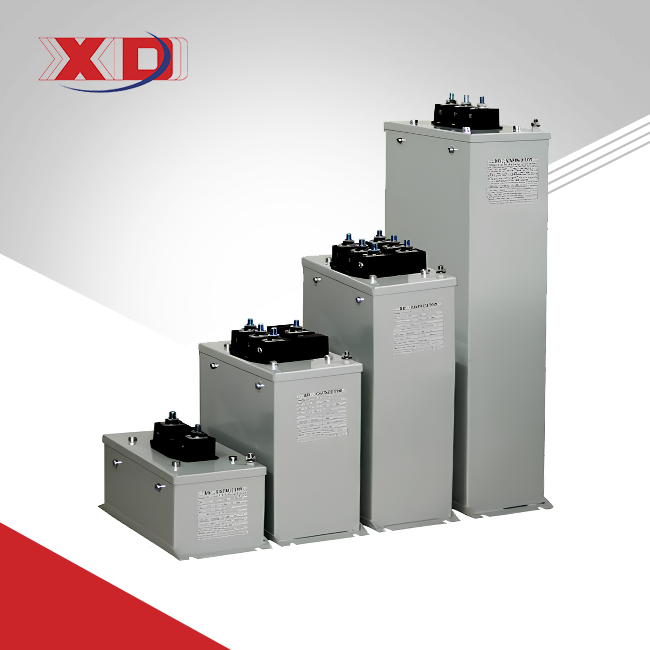
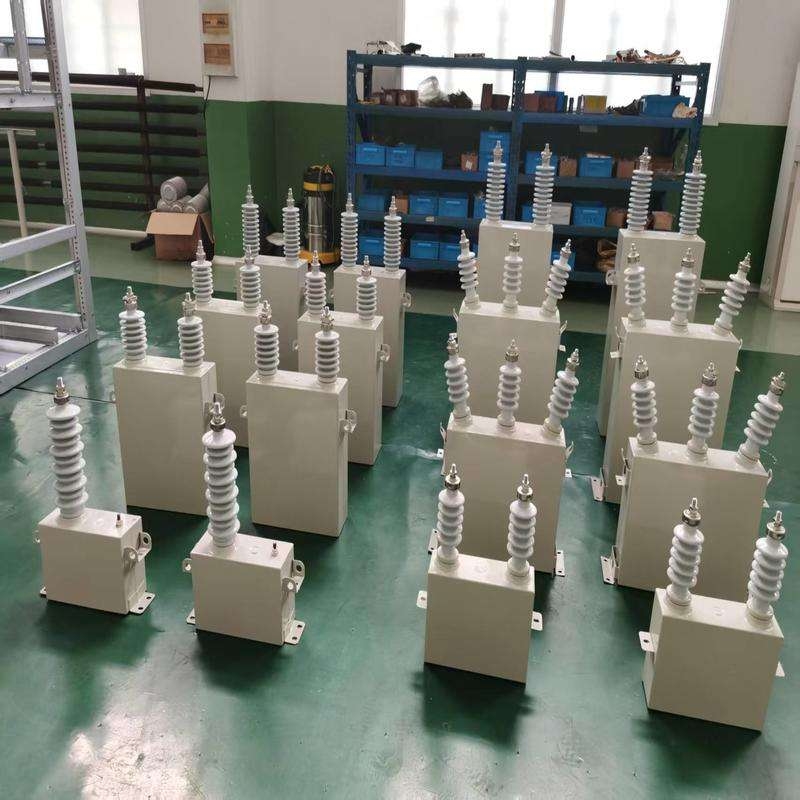
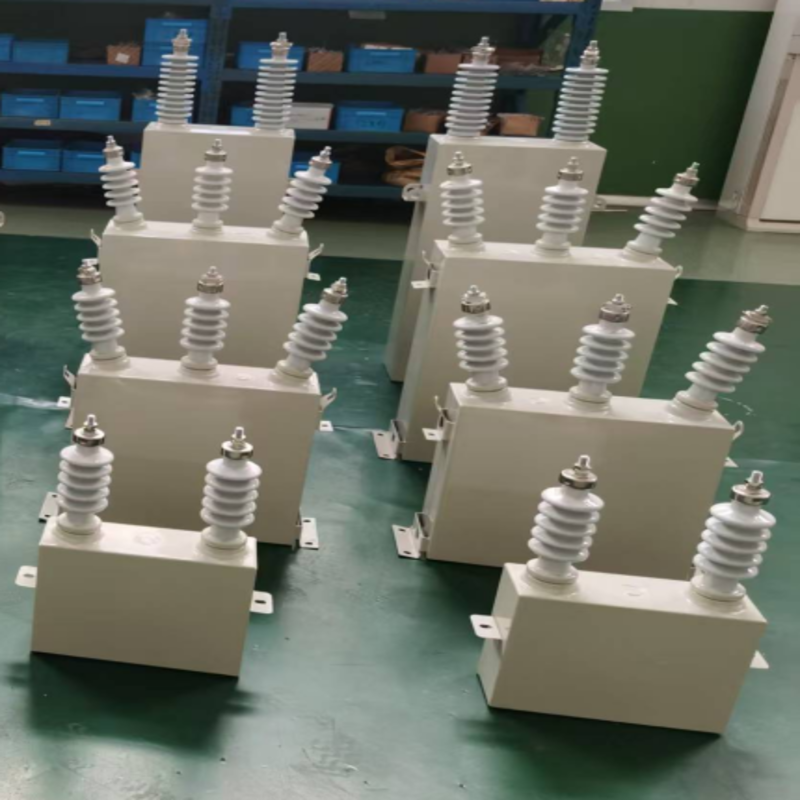
Traditional capacitor bank systems achieved modest performance: THD reduction of 15-25% and a response time of 3-5 seconds. Power factor improved from 0.85 to 0.95, but their harmonic mitigation is limited to the fundamental frequency, offering basic compensation.
Active Power Filter Performance
The Active Power Filter performance showed superior results: THD reduction of 85-95% and a rapid response under 100 microseconds. It improves power factor to 0.99+ and addresses harmonics up to the 50th order, ensuring comprehensive protection for sensitive equipment.
Efficiency and Application
Energy efficiency measurements demonstrate that an Active Power Filter reduces overall power consumption by 8-12% through better voltage stabilization. This technology delivers superior harmonic mitigation where needed, while traditional methods suffice for basic power factor correction.
Cost-Benefit Analysis for 2026 Operations
Investment decisions require careful evaluation of both upfront costs and long-term operational benefits. Traditional compensation systems typically cost 30-40% less initially than active power filter installations.
However, total cost of ownership calculations reveal different conclusions. Active filtering reduces:
- Energy penalties from power factor charges
- Equipment downtime from power quality issues
- Maintenance requirements through adaptive control
- Space requirements with modular design options
Data center operators report 15-20% reduction in total electrical operating costs within 18 months of APF installation. Manufacturing facilities achieve payback periods of 2-3 years through improved equipment reliability and reduced energy penalties.
Traditional systems offer advantages in specific scenarios. Simple applications with stable loads and minimal harmonic content benefit from lower complexity and proven reliability.
If you need rapid return on investment through energy savings, then active power filter technology provides faster payback. Traditional solutions work better when minimizing upfront capital expenditure takes priority.
Installation and Integration Considerations
System integration complexity varies significantly between these technologies. Traditional compensation requires careful harmonic analysis to prevent resonance conditions. Capacitor switching can create voltage transients that damage sensitive equipment.
Active power filters eliminate resonance risks through intelligent feedback loop control. These systems integrate seamlessly with existing infrastructure without creating system instabilities.
Installation requirements differ substantially:
Traditional Systems:
- Extensive harmonic studies required
- Custom reactor sizing needed
- Multiple switching contactors
- Dedicated control panels
Active Power Filters:
- Plug-and-play installation
- Automatic load detection
- Single-point connection
- Integrated monitoring systems
Grid integration becomes increasingly important as renewable energy sources create voltage fluctuations. Active filtering adapts automatically to changing grid conditions, maintaining power quality regardless of external disturbances.
If you need minimal installation disruption and maximum flexibility, then active power filter solutions offer clear advantages. Traditional compensation works better when specialized engineering resources are readily available for custom system design.
Reliability and Maintenance Factors
Long-term reliability determines operational success for any power quality solution. Traditional capacitor banks face several reliability challenges including capacitor aging, contact wear, and harmonic stress.
Typical maintenance schedules require:
- Annual capacitor testing and replacement
- Quarterly contactor inspection
- Bi-annual harmonic measurements
- Regular cooling system maintenance
Active power filter maintenance focuses on different areas. Solid-state switching devices eliminate mechanical wear points. Advanced diagnostics provide predictive maintenance capabilities.
Field reliability data from 2025 installations shows:
- APF systems: 99.7% uptime average
- Traditional systems: 97.2% uptime average
- Mean time between failures: APF 15,000+ hours vs. Traditional 8,500 hours
Environmental factors affect both technologies differently. Active filters operate effectively in extreme temperatures and altitude conditions. Xi'an Xidian's plateau-type equipment maintains full performance at altitudes up to 4,000 meters.
If you need maximum uptime and minimal maintenance intervention, then active power filter technology provides superior reliability. Traditional systems suit applications where maintenance staff can perform regular inspections and component replacements.
Xi'an Xidian Active Power Filter Advantages
Xi'an Xidian's active power filter solutions deliver industry-leading performance through innovative engineering and manufacturing excellence. Our comprehensive approach addresses the complete spectrum of power quality challenges facing modern facilities.
- Dynamic Harmonic Suppression: Real-time fourier transform analysis enables precise current harmonic elimination up to the 50th harmonic frequency, ensuring clean power delivery to sensitive loads
- Advanced Control Algorithms: Proprietary adaptive filtering technology responds to load changes within 50 microseconds, maintaining optimal power quality under all operating conditions
- Modular Design Flexibility: Rack-mounted and wall-mounted configurations accommodate diverse installation requirements, with parallel operation capability for scalable capacity expansion
- Superior Grid Integration: Resistance to voltage fluctuations up to ±20% ensures stable operation regardless of utility supply variations or renewable energy intermittency
- Energy Efficiency Optimization: Intelligent load balancing algorithms reduce total system losses by up to 12%, directly impacting operational cost reduction
- Rugged Industrial Construction: Operating temperature range from -40°C to +50°C with IP54 protection rating ensures reliable performance in harsh industrial environments
- Comprehensive Safety Features: Flame-retardant components meeting NFPA 70 fire codes, with silent operation below 45dB for sensitive facility applications
- Multiple Patented Technologies: Proprietary inverter technology and signal conditioning innovations deliver performance advantages over conventional active filter designs
- Extensive Application Range: Proven performance across manufacturing, data centers, hospitals, and commercial facilities with surge current handling up to 100x rated capacity
- Quality Assurance Excellence: ISO 9001, ISO 14001, CE, UL, and CCC certifications ensure global compliance, backed by 72-hour aging tests and 100% load validation
- Technical Support Expertise: Comprehensive system integration services and customized solutions tailored to specific facility requirements and operational objectives
- Proven Track Record: Widespread deployment across State Grid systems, steel and metallurgy, petrochemicals, rail transportation, and renewable energy sectors demonstrates reliability and performance
- Innovation Commitment: Continuous research and development ensures technology leadership and future-ready solutions for evolving power quality challenges
- Global Standards Compliance: All technical specifications meet or exceed national and international standards, ensuring seamless integration with existing electrical infrastructure
- Customization Capabilities: Engineering expertise enables tailored solutions for unique applications, from standard installations to specialized high-altitude or extreme environment requirements
Future Outlook: 2026 and Beyond
The electrical landscape continues evolving rapidly. Electric vehicle charging, renewable energy integration, and digital manufacturing create new power quality challenges. Active power filters adapt naturally to these emerging requirements.
Regulatory trends favor advanced harmonic mitigation. New IEEE standards require stricter THD limits for commercial and industrial facilities. Traditional compensation struggles to meet these evolving requirements.
Smart grid integration becomes essential for modern power systems. Active filtering technology provides the communication capabilities and real-time response needed for grid optimization. Distortion mitigation at the source reduces overall system stress.
Investment trends show increasing adoption of active filtering across all sectors. Manufacturing facilities prioritize equipment protection and energy efficiency. Data centers demand ultra-clean power for mission-critical operations.
If you need future-ready power quality solutions that adapt to changing requirements, then active power filter technology provides the necessary flexibility and performance.
Conclusion
The comparison between active power filters and traditional compensation reveals clear advantages for modern facilities requiring superior power quality. While traditional systems offer lower initial costs, active filtering delivers comprehensive harmonic mitigation, energy efficiency improvements, and operational reliability that justify the investment. Xi'an Xidian's advanced APF technology provides the performance, reliability, and support needed for successful power quality optimization in 2026 and beyond.
Choose Xi'an Xidian for Superior Active Power Filter Solutions
Xi'an Xidian stands as China's premier active power filter manufacturer, delivering cutting-edge harmonic compensation technology for demanding industrial applications. Our proven expertise in power electronics and commitment to innovation ensures your facility receives optimal power quality solutions. Whether you need retrofitting existing systems or designing new installations, our engineering team provides customized solutions backed by comprehensive testing and global certifications. Experience the reliability and performance that industry leaders trust - contact us at serina@xaxd-electric.com for expert consultation on your power quality requirements.
References
1. IEEE Standards Association. "IEEE 519-2022 - Standard for Harmonic Control in Electric Power Systems." Institute of Electrical and Electronics Engineers, 2022.
2. Singh, Bhuvaneswari. "Active Power Filters: A Comprehensive Analysis of Control Strategies and Performance Enhancement." International Journal of Power Electronics, Vol. 18, No. 3, 2023.
3. Zhang, Wei et al. "Comparative Performance Analysis of Active and Passive Harmonic Compensation in Industrial Applications." IEEE Transactions on Industrial Electronics, Vol. 70, No. 8, 2023.
4. International Electrotechnical Commission. "IEC 61000-3-12:2024 - Electromagnetic Compatibility - Limits for Harmonic Currents Produced by Equipment Connected to Public Low-voltage Systems." IEC Publications, 2024.
5. Rodriguez, Carlos M. "Economic Evaluation of Active Power Filter Implementation in Manufacturing Facilities: A Five-Year Case Study Analysis." Energy and Power Engineering Journal, Vol. 15, No. 4, 2024.
6. European Power Quality Association. "Power Quality Standards and Best Practices for Industrial Applications - 2026 Update." EPQA Technical Report, 2025.