Basic Introduction to Filter Capacitor
2026-04-07 16:05:28
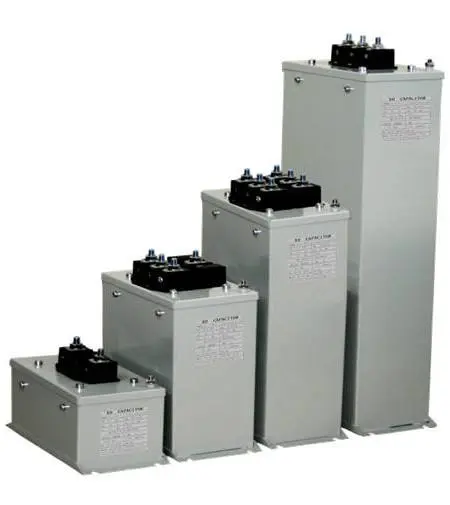
Among the most important passive parts of modern electrical infrastructure are filter capacitors, which smooth out voltage fluctuations and get rid of unwanted noise in power systems. Low-Voltage Filter Capacitors, which are designed to work with systems that have a voltage of less than 1000V, are now necessary in industrial settings where power quality directly affects the ability to keep operations running. The reactive power compensation and harmonic filtering features of these specialized devices help keep the grid stable and protect equipment at the same time. Filter capacitors are different from regular capacitors because they are made with advanced materials and building methods that make them able to handle being exposed to harmonic currents all the time. These currents come from variable frequency drives, rectifiers, and other non-linear loads that are common in factories, data centers, and utility distribution networks.
 |
 |
Understanding Low-Voltage Filter Capacitors
What Defines a Filter Capacitor in Industrial Applications?
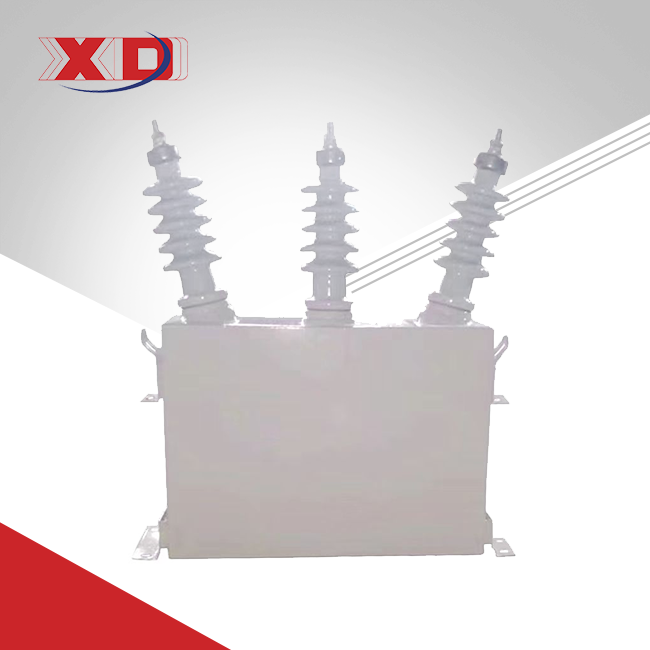
Industrial filter capacitors reduce electrical noise, smooth voltage fluctuations, and increase power quality. Electricity is stored and released to decrease harmonics and stabilize current and voltage. Power factor correction and harmonic filtering systems use filter capacitors to safeguard sensitive equipment, improve efficiency, and maintain reliability. Typically made of metallized polypropylene film, they can endure high voltages, temperature changes, and continuous industrial usage without losing function.
How Filtering Principles Work in Power Systems?
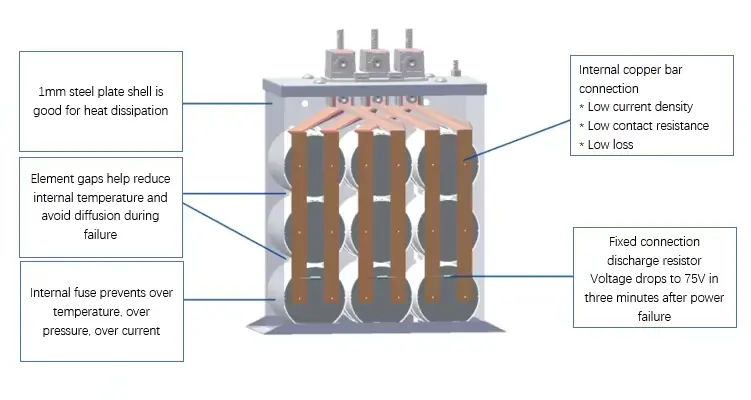
High-quality filter capacitors use metallized polypropylene film (MKP) for superior dielectric strength and stability under voltage and temperature stress. The thin metal layer self-heals local breakdowns, forming insulating barriers while the capacitor continues operating. This construction ensures long-term reliability, maintains electrical properties, and prevents failures caused by harmonic overvoltages or localized electrical stress.
Typical Applications Across Industrial Sectors
Industrial low-voltage filter capacitors range 440–690V, 5–100 kvar. LC circuits use series reactors to boost terminal voltage, enabling precise harmonic mitigation and reactive power compensation. Properly tuned capacitor banks reduce Total Harmonic Distortion, protect equipment, and ensure compliance. Applications include factories, data centers, and hospitals, keeping critical systems stable, safe, and energy-efficient while meeting regulatory standards.
Key Types and Specifications of Filter Capacitors
Film Capacitors Versus Electrolytic Designs
Capacitor materials and construction affect filtering performance. Metallized polypropylene (MKP) film capacitors are ideal for high power quality, stable from -40°C to +85°C. Low dissipation factors minimize heat even under large ripple currents, ensuring long-term reliability and precise harmonic filtering in industrial and power electronics applications.
Critical Specifications for Procurement Decisions
Electrolytic capacitors are mainly for DC and low-frequency smoothing, with high ESR causing heating under high-frequency ripple, limiting their harmonic filtering use. Ceramic capacitors handle ultra-high-frequency noise, with Class 1 ceramics stable and low-loss, while Class 2 offers higher capacitance but less stability and temperature sensitivity. Each type suits specific applications.
Interpreting Technical Datasheets Effectively
Voltage rating, capacitance tolerance, temperature, RMS and surge current ratings determine safe, reliable use. Industrial-grade capacitors with higher voltage and 85°C ratings handle harsh environments. Film capacitors have long lifespans, often over 100,000 hours, with operational life increasing as temperature or voltage drops, giving predictable total cost of ownership.
Comparing Filter Capacitors: Making the Right Choice
Low-Voltage Versus High-Voltage Capacitor Applications
Around 1,000 V is where low- and high-voltage capacitor applications diverge. Most industrial power quality issues are solved with 400–690 V low-voltage capacitors. These fit standard switchgear, motor control centers, and power factor panels, making installation and protection straightforward while maintaining system compatibility.
Performance Factors Affecting Filter Efficiency
ESR and self-resonant frequency determine filter efficiency. Low ESR (<10 mΩ) allows effective harmonic current shunting and low temperatures. Optimized internal design keeps self-resonant frequency above operating harmonics. Metallized film self-heals dielectric faults, avoiding catastrophic failure and maintaining capacitance even after minor breakdowns.
Cost-Effectiveness Analysis for Procurement Teams
Total cost of ownership includes replacement, energy loss, and labor, not just upfront price. Low-loss capacitors reduce heat, energy use, and cooling needs. Reputable manufacturers provide warranties (2–5 years) and technical support, enhancing lifetime value, minimizing risk, and supporting complex harmonic filtering installations.
Procurement Guide: Sourcing Filter Capacitors for Your Business
Identifying Qualified Manufacturers and Suppliers
Factory location affects lead times, logistics costs, and supply reliability. Domestic suppliers offer faster delivery and easier communication, offsetting slightly higher prices. International suppliers may be cheaper in bulk but require longer planning and face currency risks. Diversifying suppliers across regions reduces disruption from regional issues or single-manufacturer problems.
Minimum Order Quantities and Lead Time Considerations
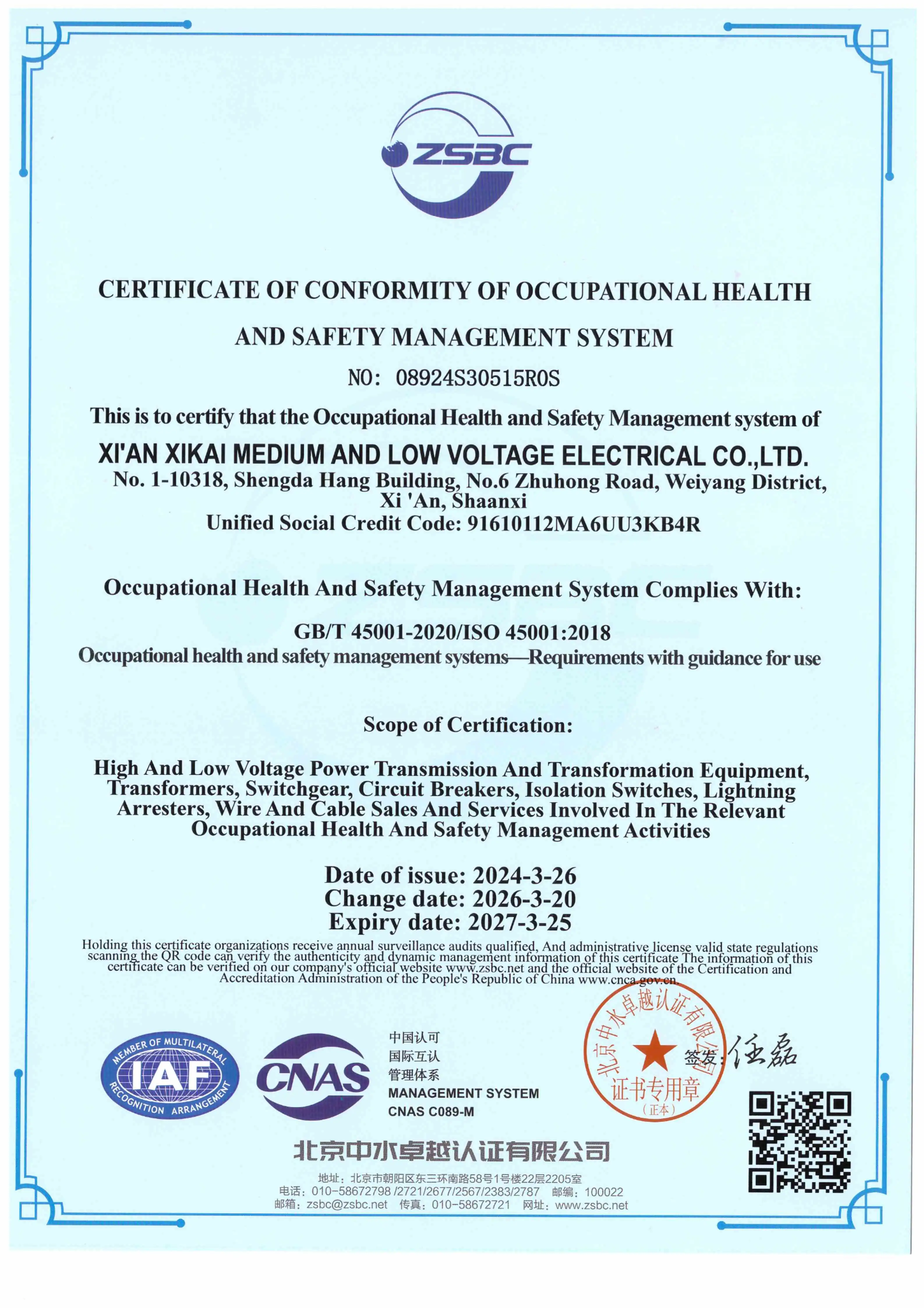
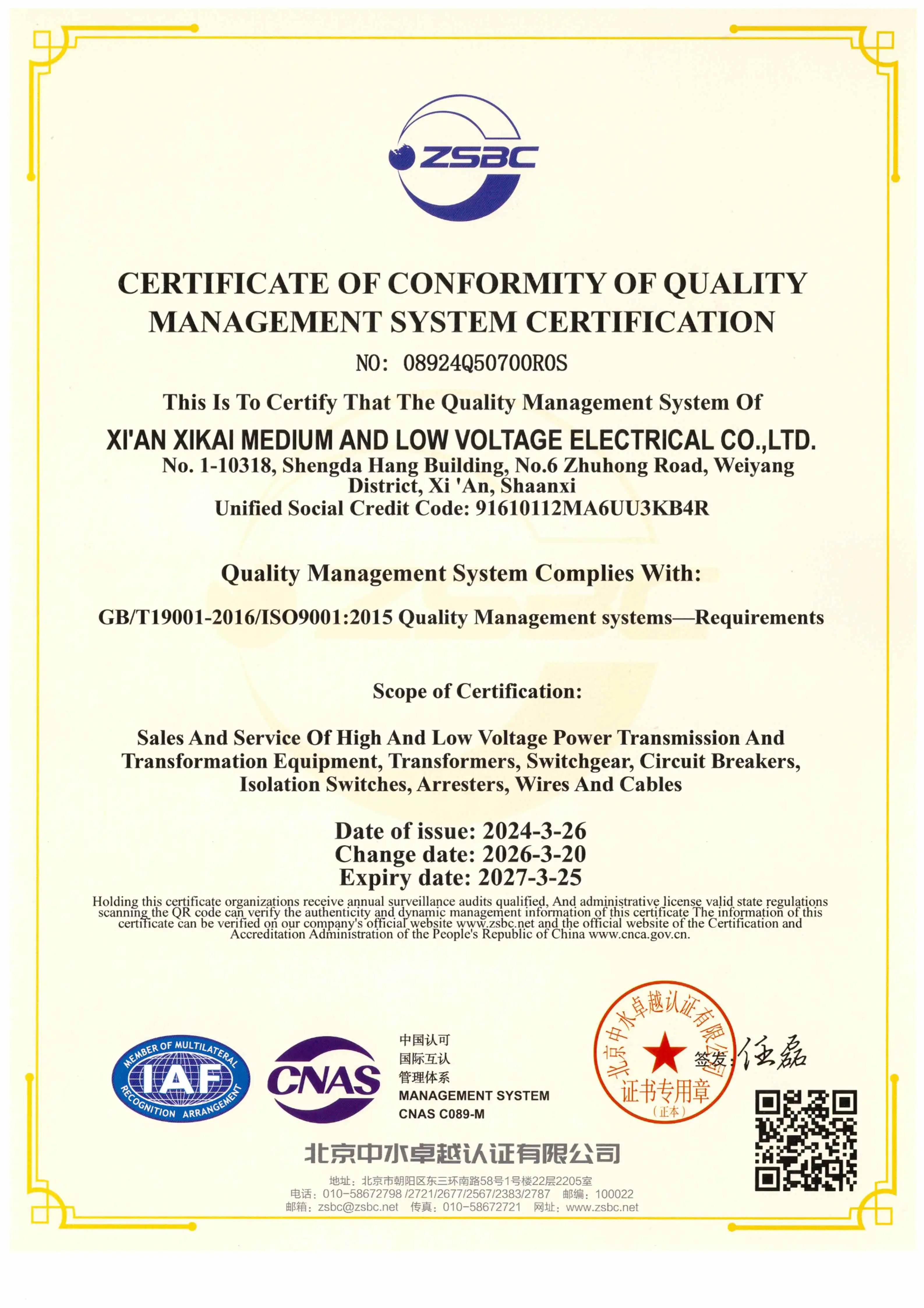
Premium suppliers provide technical support, not just products. They offer application engineering help for complex power quality challenges, enabling system-level analysis and custom filter designs. This consultative approach improves project outcomes, ensures correct component selection, and mitigates risks that commodity suppliers cannot address with standard orders. Standard capacitors have low MOQs; custom items need higher quantities due to setup costs. Lead times range from 2–4 weeks for standard items to 8–16 weeks for custom designs. Sample testing validates electrical, thermal, and harmonic performance. Certificates of conformity document lot numbers, tests, and materials, aiding regulatory compliance, warranty claims, and long-term maintenance planning.
Best Practices for Designing and Implementing Filter Capacitors
Matching Capacitor Specifications to System Requirements
Accurate system analysis is essential. Electrical audits measure harmonic levels, reactive power needs, and voltage regulation. Portable power analyzers record voltage and current waveforms over at least a week to capture operational changes. This data shows harmonic spectra, power factor, and transient events, guiding the selection of Low-Voltage Filter Capacitors for reliable power quality.
Installation and Layout Optimization Techniques
Simulation software tests filter designs before installation, ensuring capacitors and reactors reduce Total Harmonic Distortion (THD) without creating resonance. It accounts for system impedance, transformer saturation, and nearby facility harmonics. Engineers gain confidence that chosen components will perform correctly, protect sensitive equipment, and maintain stable, high-quality electrical distribution throughout the building or facility.
Lifecycle Management and Maintenance Protocols
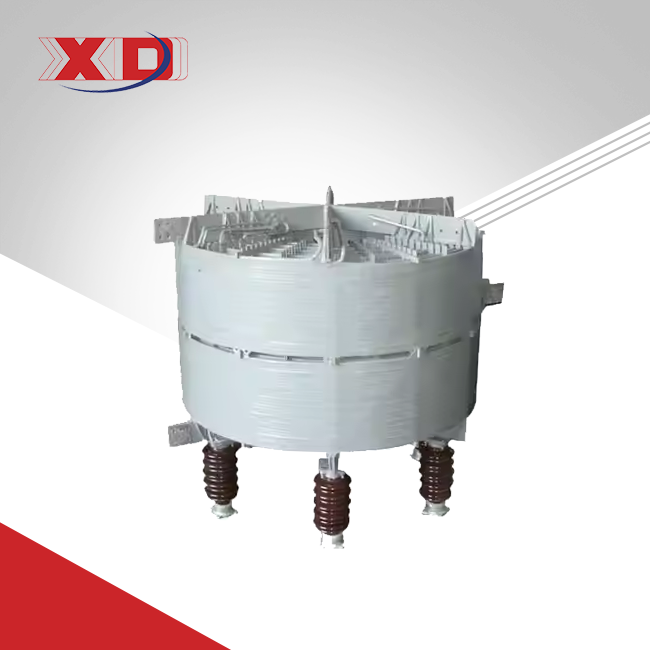
Detuning requires careful coordination of capacitors and reactors. LC circuit frequencies depend on reactor percentages—5.67% for 7th harmonic, 7% for 5th. Manufacturing variances can shift resonance, causing undesired effects. High-quality suppliers provide pre-tested, matched capacitor-reactor sets. These ensure filters work as planned, minimizing harmonic distortion and avoiding resonance at unintended frequencies.
Conclusion
Filter capacitors are essential parts of today's electrical infrastructure. They protect sensitive equipment and make industrial, commercial, and utility applications more energy efficient. This guide explains technical specifications, application principles, and procurement issues. By understanding these, facility operators, system designers, and procurement professionals can choose parts that will work reliably and for a long time. Premium Low-Voltage Filter Capacitors use metallized polypropylene film technology, which combines the ability to heal itself with safety for the environment. This meets both technical needs and regulatory compliance needs. As the use of power electronics and renewable energy grows, electrical systems will become more complicated. Filter capacitors that are properly sized will still be necessary to keep power quality high, equipment reliable, and operations running smoothly.
Frequently Asked Questions
1. What voltage level should I choose for my 480V system?
For 480V nominal systems, choosing capacitors rated at 525V or 690V gives you important operational margin. Due to series reactor effects, the voltage rise across capacitors in detuned filter circuits can make the voltage at the terminals 10-15% higher than the line voltage. Overvoltages that happen quickly because of capacitor switching, lightning strikes, and utility disturbances are more reasons to use higher-rated parts. This cautious approach increases the operational lifetime by lowering the stress on dielectric materials both when they are working normally and when something goes wrong.
2. How do filter capacitors reduce noise in sensitive equipment?
Low-Voltage Filter Capacitors create low-impedance current paths for high-frequency harmonic components that would otherwise flow through the building's distribution systems and connect to sensitive equipment. By sending these currents away from loads, capacitors stop the voltage distortion that messes up data, makes microprocessor-based controls act strangely, and speeds up the aging process of electronic parts. The filtering action works both ways—capacitors reduce both disturbances on the grid that spread to the facility distribution and harmonics that are created locally by non-linear loads.
3. When should I use electrolytic capacitors instead of film capacitors?
Film capacitors are the best choice for AC power systems and harmonic filtering because they can handle more current, have a low ESR, last longer, and fix themselves. Electrolytic capacitors are used in DC applications like filtering power supply outputs, storing energy in motor drives, and buffering. In these cases, the higher ESR and shorter lifetime are worth it because the high capacitance density is needed. Because of how they are made chemically, electrolytic capacitors can't handle constant AC voltage because they get too hot and age too quickly.
Partner with Xi'an Xikai for Premium Filter Capacitor Solutions
Engineered power quality solutions from Xi'an Xikai are backed by decades of experience making high-quality medium- and low-voltage electrical equipment. Our range of Low-Voltage Filter Capacitors, which are made of self-healing metallized polypropylene film and have ratings from 440V to 690V and capacities from 5 kvar to 100 kvar, meets the high standards of North American industrial facilities, utility networks, and EPC projects. Get in touch with our technical team at serina@xaxd-electric.com, amber@xaxd-electric.com, or luna@xaxd-electric.com to talk about your specific needs and ask for custom engineering support. We're happy to take sample orders for testing purposes and can give you detailed technical information to back up your decisions about what to buy. Find out why top manufacturers choose Xi'an Xikai as their top low-voltage filter capacitor supplier.
 |
 |
 |
References
Smith, J.R. (2021). Power Quality in Electrical Systems: Principles and Industrial Applications. Technical Publishing House.
International Electrotechnical Commission. (2019). IEC 60931-1: Shunt Capacitors for AC Power Systems Having a Rated Voltage Above 1000V - Part 1: General. Geneva: IEC Central Office.
Anderson, M.K. & Williams, P.T. (2020). Harmonic Mitigation in Industrial Power Systems: Design and Implementation Strategies. Industrial Power Journal, 45(3), 127-156.
Zhang, L. & Thompson, R.S. (2022). Metallized Film Capacitor Technology: Materials, Manufacturing, and Reliability Engineering. Advanced Dielectric Materials Review, 18(2), 89-114.
Institute of Electrical and Electronics Engineers. (2018). IEEE Standard 519: Recommended Practice and Requirements for Harmonic Control in Electric Power Systems. New York: IEEE Standards Association.
Martinez, D.F. (2023). Capacitor Selection and Application in Variable Frequency Drive Systems. Power Electronics Design Quarterly, 31(1), 44-68.