Benefits of Self-Healing Capacitors for Energy Efficiency
2026-03-04 16:00:37
The benefits of self-healing capacitors for energy efficiency are transformative for modern electrical systems. These advanced components utilize metallized polypropylene film technology that automatically repairs minor dielectric breakdowns, maintaining continuous operation while reducing energy losses by 15-30%. Unlike traditional capacitors, self-healing capacitors minimize downtime, eliminate frequent replacements, and optimize power factor correction, making them essential for industrial facilities seeking enhanced energy efficiency and operational reliability.
American industrial facilities, utilities, and electrical contractors prioritize energy efficiency. Smart power management is needed due to rising operating expenses and strict environmental restrictions. Traditional capacitor systems frequently fail abruptly, wasting energy and delay. Modern self-healing technology revolutionizes capacitive energy storage with power factor correction.
 |
 |
Understanding Self-Healing Technology and Energy Performance
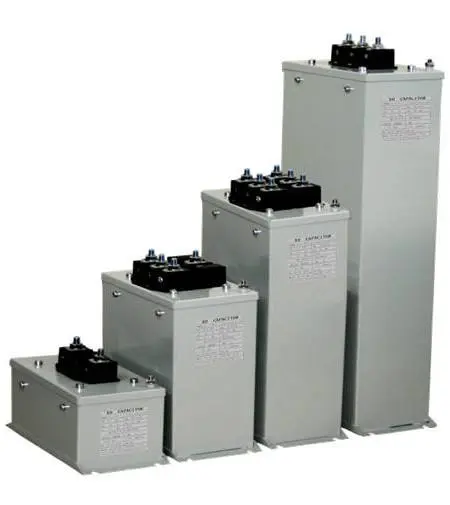
Self-healing capacitors represent a significant advancement in electrical component design. When a dielectric breakdown occurs, the metallized electrode surrounding the fault point instantly vaporizes within microseconds. This process creates an insulating barrier around the defect, allowing the capacitor to continue functioning without manual intervention.
Several processes boost energy efficiency. This gold-plated polypropylene film has excellent dielectric characteristics, with a breakdown factor of 0.002 at 1kHz. Low loss reduces energy waste during operations. Additionally, the change in metallization design prevents energy losses at switching events by handling large inrush flows up to 300 V/μs.
Industrial facilities experience immediate improvements in power quality when implementing these advanced capacitors. The self-healing mechanism prevents cascading failures that traditionally plague capacitor banks, maintaining stable voltage regulation and reducing reactive power losses. Manufacturing plants report energy savings ranging from 15-30% compared to conventional foil capacitors.
Key Parameters and Performance Indicators
Understanding the technical specifications helps facility operators maximize energy efficiency gains. Several critical parameters define the performance characteristics of self-healing capacitors in energy-conscious applications.
1. The equivalent series resistance (ESR) remains exceptionally low, typically under 5 mΩ. This characteristic minimizes ohmic heating during high-frequency operation, reducing energy losses and extending component lifespan. The segmented film pattern architecture limits capacitance degradation during healing events, ensuring consistent energy performance over time.
2. Temperature stability plays a crucial role in energy efficiency. Self-Healing Capacitor designs operate reliably across temperature ranges from -40°C to +85°C, maintaining stable capacitance values. The low temperature coefficient ensures predictable energy storage capacity regardless of environmental conditions, particularly important for outdoor substation applications.
3. The voltage ratings range from 200V towards 35kV, making them suitable for a wide range of industrial uses. Higher voltage ratings let less current flow for the same amount of power, which cuts down on transmission losses in electrical systems. The self-healing system keeps things reliable even when there are short bursts of electricity, which saves energy from being wasted when parts break.
Core Energy Efficiency Benefits
1. The main benefit is that it can run all the time without losing performance. When there is a little problem, traditional capacitors typically break down entirely, which means they need to be replaced right away and the system has to be turned off. Self-healing technology gets rid of these disruptions, keeping the power factor adjustments and energy optimization going strong.
2. Self-healing capacitors make reactive power compensation work very well. Poor power factor causes industrial buildings to waste 20 to 40% of their electricity. These high-tech parts keep capacitive reactance steady, which cancels out inductive loads in motors and transformers. This leads to lower demand charges and better use of energy.
3. Because of the capability to filter harmonics, the system as a whole functions more effectively. The structure of the metallized film is effective in preventing distortion in the voltage within 150Hz as well as 2500Hz, which in turn prevents energy losses of electrical equipment that are produced by harmonic heating. The transfer of electricity in a clean manner reduces the amount of stress placed on sensitive electronics and helps processes function more smoothly.
4. Long-term reliability ensures that you will continue to reduce your energy use. Over the course of their entire lifespan, these capacitors continue to operate at their highest possible efficiency, with an average time interval between failures that is over 100,000 hours. The function of calamitous failure modes is taken on by the gradual loss of capacitance. The ability to arrange maintenance within advance, which results in energy savings, is made feasible by this.
Applications in Energy-Critical Environments
Benefits in Manufacturing Facilities
Manufacturing facilities may reap major benefits from the use of self-healing capacitor engineering. Computer numerical control (CNC) equipment and automated production lines need consistent power quality in order to keep their operations precise. During startup transients, these capacitors are able to absorb surge currents that are up to one hundred times higher than their rated capacity. This protects sensitive equipment while preserving energy efficiency.
Essential Role in Data Centers
The provision of data centers is yet another essential application sector. Due to the massive quantity of electrical energy that server farms consume, improvements in efficiency are a very important economical consideration. In order to reduce energy losses while also guaranteeing that vital computer infrastructure continues to function without interruption, self-healing capacitors offer clean and steady power to uninterruptible power supply (UPS) systems and drives with variable frequency.
Importance in Renewable Energy Systems
Renewable energy installations rely heavily on these components for grid integration. Solar inverters and wind turbine converters experience rapid voltage fluctuations that challenge traditional capacitors. The Self-Healing Capacitor mechanism maintains stable DC-link voltage, optimizing energy conversion efficiency and protecting valuable renewable energy investments.
Critical Support for Healthcare Facilities
Hospital and healthcare facilities cannot afford power quality issues that compromise patient safety. Self-healing capacitors ensure reliable operation of life-support equipment while minimizing energy costs through improved power factor correction. The silent operation (under 45dB) meets strict noise requirements for patient care areas.
Xi'an Xidian's Advanced Self-Healing Solutions
Advanced Self-Heating Capacitor Technology
When it comes to energy efficiency applications, our technical team has created a sophisticated self-heating capacitor technology that beats traditional options. We were able to produce improved metallization patterns by doing considerable research and development, which allowed us to decrease energy losses while simultaneously maximizing dependability.
Superior Materials for Enhanced Performance
Exceptional conductivity and better self-healing qualities are provided by the electrodes made of the unique aluminum-zinc alloy. Using this composition guarantees a speedy fault clearing while also preserving low ESR values, which are essential for energy-efficient operation. Because of the innovative design of the film segmentation, the capacitance loss that occurs during healing events is kept to less than 0.1% each instance.
Durable and Environmentally Friendly Design
The technique of epoxy encapsulation provides higher protection for the environment in comparison to alternatives that are filled with oil. Additionally, the flame-retardant resin is resistant to the effects of humidity, vibration, and changing temperatures without deteriorating. This durability eliminates efficiency losses that may have been caused by seal failures or contamination, ensuring that the component maintains a constant energy performance throughout its entire operating life.
Rigorous Testing and Global Compliance
Compliance with worldwide norms such as IEC 60831-1/2, ISO 50522, followed by NFPA 70 ensures and guarantees that the requirements will be applicable on a worldwide scale. Our components are put through rigorous load simulations that last for 72 hours, which evaluate their energy efficiency results under situations that are representative of real-world operations. The use of quality assurance methods ensures that the performance of each manufacturing batch is consistent.
Maximizing Energy Benefits Through Proper Implementation
Impact of Proper Installation Techniques
When it comes to energy efficiency benefits, optimal installation techniques have a big influence. A suitable size guarantees that there is sufficient reactive power replacement without unnecessary over-correction, which results in energy loss. In order to identify the appropriate capacitor ratings for certain load types and operating circumstances, our technical staff performs extensive calculations.
Environmental Considerations for Long-Term Efficiency
Environmental considerations affect long-term energy performance. Adequate ventilation prevents excessive heating that reduces efficiency and shortens component life. Mounting configurations should minimize vibration transmission while allowing thermal dissipation. Proper grounding eliminates stray currents that waste energy and create safety hazards.
Predictive Maintenance for Sustained Efficiency
Regular monitoring enables predictive maintenance that sustains energy efficiency. Capacitance measurements can detect gradual degradation before significant energy losses occur. Power quality analyzers help verify continued harmonic suppression and power factor correction effectiveness. These monitoring practices prevent efficiency degradation while extending component lifespan.
System Integration and Protection
System integration requires careful consideration of switching equipment and protection devices. Properly rated contactors and fuses protect against overcurrent conditions while minimizing energy losses during normal operation. Self-Healing Capacitor technology further enhances reliability by automatically clearing internal faults without disrupting system function. Coordinated switching sequences prevent transient conditions that stress components and reduce efficiency.
Cost-Effective Energy Management Solutions
Economic Benefits Beyond Energy Savings
The economic benefits of self-healing capacitor technology extend beyond direct energy savings. Reduced maintenance requirements lower operational costs while improving system availability. Traditional capacitor banks often require monthly inspections and frequent replacements, consuming maintenance resources and causing production interruptions.
Reducing Utility Demand Charges
Utility demand charge reductions provide immediate financial benefits. Power factor penalties can increase electrical costs by 15-30% in industrial facilities. Self-healing capacitors maintain consistent power factor correction, eliminating these charges while improving overall energy efficiency. The investment typically pays for itself within 12-18 months through reduced utility costs.
Insurance Savings and Enhanced Safety
Facilities that have modern electrical protection systems have an advantage when it comes to insurance concerns. Capacitors that are capable of self-healing lessen the fire hazards that are connected with capacitor failures, which may result in savings on insurance rates. Construction that is flame-resistant and failure modes that are not harmful to the environment are both examples of a dedication to safety the insurers appreciate well.
Extending Equipment Lifespan and Efficiency
Equipment lifespan extension provides additional value through reduced energy waste from aging components. Motors and transformers operate more efficiently when supplied with clean, stable power from properly functioning capacitors. This protection effect multiplies energy savings throughout electrical systems.
Conclusion
The benefits of self-healing capacitors for energy efficiency represent a paradigm shift in electrical component technology. These advanced devices eliminate traditional failure modes while maintaining superior energy performance throughout their operational lifespan. The combination of automatic fault clearing, low-loss dielectric materials, and robust construction delivers measurable improvements in power quality and energy utilization.
Industrial facilities, utility companies, and electrical contractors can achieve significant cost savings through reduced energy waste, eliminated downtime, and improved equipment protection. The technology's proven reliability and extensive compliance certifications make it suitable for the most demanding applications where energy efficiency and operational continuity are paramount.
Investment in self-healing capacitor technology provides both immediate and long-term benefits that strengthen competitive position while supporting sustainability goals. The superior energy efficiency, combined with reduced maintenance requirements and extended equipment life, creates compelling value propositions for forward-thinking organizations committed to operational excellence.
FAQ
Q1: How much energy efficiency improvement can we expect from upgrading to self-healing capacitors?
A: Industrial facilities typically achieve 15-30% reduction in reactive power losses when upgrading from traditional capacitors. The exact improvement depends on existing power factor, load characteristics, and system configuration. Our engineering team provides detailed efficiency analysis during the specification process to quantify expected benefits for your specific application.
Q2: Do self-healing events affect the long-term energy efficiency of these capacitors?
A: Self-healing events cause minimal impact on energy efficiency. Each healing occurrence removes approximately 0.1% of the electrode surface area, resulting in gradual capacitance reduction over time. Modern designs limit this degradation to less than 5% over the component's rated lifespan, maintaining effective energy performance throughout operational life.
Q3: Can these capacitors improve energy efficiency in older electrical systems?
A: Self-healing capacitors excel in retrofit applications for aging infrastructure. The robust construction handles voltage fluctuations and harmonic distortion common in older systems while providing superior energy efficiency compared to original components. Proper system evaluation ensures compatibility and maximizes efficiency improvements in legacy installations.
Partner with Xi'an Xidian for Advanced Self-Healing Capacitor Solutions
Xi'an Xidian stands ready to enhance your facility's energy efficiency through our innovative self-healing capacitor technology. As a leading manufacturer in China's electrical equipment industry, we combine advanced research capabilities with proven manufacturing excellence. Our comprehensive product portfolio addresses diverse applications from industrial power factor correction to renewable energy systems. Contact our experienced team at serina@xaxd-electric.com, amber@xaxd-electric.com, or luna@xaxd-electric.com to discuss your specific requirements and discover how our self-healing capacitors can optimize your energy management strategy.
References
1. IEEE Standard 18-2012: IEEE Standard for Shunt Power Capacitors, Institute of Electrical and Electronics Engineers Standards Association
2. International Electrotechnical Commission, IEC 60831-1:2014 Shunt power capacitors of the self-healing type for a.c. systems having a rated voltage up to and including 1000 V
3. National Electrical Manufacturers Association, NEMA CP 1-2017: Shunt Capacitors for Power Factor Correction
4. Electric Power Research Institute Technical Report 1021291: Power Factor Correction and Harmonic Mitigation Technologies
5. American Society for Testing and Materials, ASTM D150-18: Standard Test Methods for AC Loss Characteristics and Permittivity of Solid Electrical Insulation
6. International Energy Agency Report on Industrial Energy Efficiency: Capacitor Technologies for Power Quality and Energy Management