Best Active Power Filters for Energy Savings in 2026
2026-02-05 12:47:20
Advanced harmonic correction technologies that save energy are top priorities for industrial establishments using active power filters for 2026. Modern active power filters solve complex power quality issues with real-time control and intelligent power factor correction. Pulse width modulation and digital signal processing give these advanced systems exceptional performance in various applications. Manufacturing plants, data centers, and commercial complexes worldwide are adopting modular designs that improve voltage stability and save operational costs.
 |
 |
Introduction
Rising Energy Costs Challenge
Power quality optimization is a corporate issue as global energy costs rise. Industrial facilities are under pressure to cut costs and maintain equipment reliability.
Fixing Power Quality with Active Filtering
Modern electrical systems are increasingly plagued by nonlinear loads and harmonic distortion, which reduce efficiency. This power quality issue's best remedy is active filtering. Instead of passive filters, active power filters use dynamic harmonic suppression to adjust reactive power in real time and maximize energy efficiency.
Seeing Results and ROI
Advanced active filtration systems save energy costs by about 15% in manufacturing processes. Voltage stability improves equipment longevity in data centers and commercial facilities, reducing power factor penalties and improving electrical system performance. Through energy savings and lower maintenance costs, high-quality active power filter technology pays for itself in 18–24 months.
Why Focus on Active Power Filter Technology in 2026
Electrical Landscape Evolution
As industrial operations increasingly use variable frequency motors, LED lights, and sophisticated automation technology, the electrical environment has changed considerably. Traditional power conditioning technologies struggle to resolve harmonic distortion caused by nonlinear loads.
Active Power Filters' Function
Modern power quality issues are best solved by active power filters. These filters negate harmonic currents at their source using current injection. Advanced switching devices improve system performance by precisely controlling power factor correction and load balancing.
Market-driven innovation
Market demand for reliable, effective active filtering technology drives continuous innovation. Digital signal processing has dramatically improved operating efficiency by enabling adaptive filtering that responds instantaneously to changing conditions.
Operating Benefits and Regulation Compliance
Power quality is becoming more important in Southeast Asia, Central Asia, the Middle East, and Africa. Facilities must meet strict harmonic distortion limitations, and active power filters are the most dependable way to comply while providing significant operating benefits.
Selection Criteria for Premium Active Power Filter Systems
Evaluation of Active Power Filter Solutions: Key Considerations
Multiple performance parameters must be considered while evaluating active power filter systems. We evaluate proven parameters that affect operational success and long-term value to help facilities make educated decisions.
Performance Reliability as Key Criteria
Performance reliability is the top selection factor. Industrial establishments cannot afford power quality equipment breakdowns that delay output. Thus, we prefer systems with proven performance in demanding applications and extensive quality certifications to ensure constant operation under strain.
Technical Capabilities for Maximum Efficiency
System effectiveness across applications depends on technical capabilities. Excellent harmonic correction is necessary for excellent power quality under varying load conditions. For system stability during utility fluctuations, advanced grid synchronization is needed to prevent disruptions.
Challenging Climate Environmental Adaptability
Environmental flexibility is crucial as operations grow into harsh areas. Extreme temperatures require reliable systems that fulfill performance standards. Altitude capabilities up to 4,000 meters meets regional needs throughout target markets, making active power filter solutions more versatile.
Economic Value and TCO
Economic value includes early investment and ongoing costs. We consider installation complexity, maintenance, and energy savings in the total cost of ownership. Industrial operations benefit from the best solutions' fast payback from lower energy expenditures and better equipment reliability.
Xi'an Xidian Industrial-Grade Active Power Filter Series
Advanced Modular Active Harmonic Filter (XDAPF-M Series)
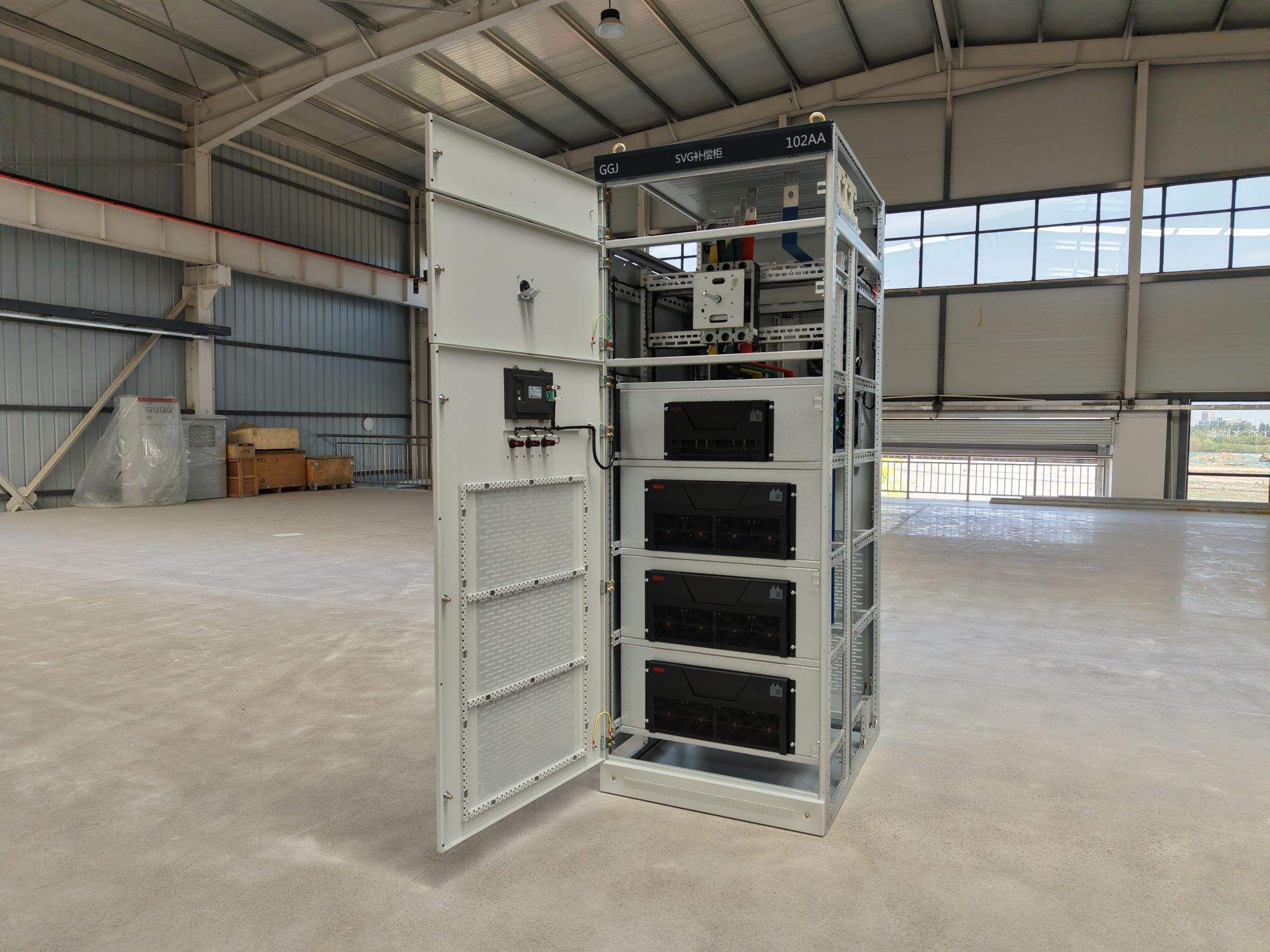
- The XDAPF-M Series uses cutting-edge active power filter technology for demanding industrial applications. Robust construction and innovative control algorithms give this harmonic compensation device exceptional performance.
- Key technological criteria include full-frequency harmonic suppression rates of 95%. Integration into electrical systems is easy with the modular rack-mounted design. Advanced pulse width modulation allows precise current injection with low switching losses.
- Surge currents up to 100 times rated capacity are handled by the system to protect sensitive startup equipment. In real time, control algorithms monitor system parameters and alter filtering performance. Digital signal processing responds quickly to load changes.
- Reduced power factor penalties and equipment efficiency help manufacturing plants. The system addresses CNC, robotic assembly line, and variable frequency drive harmonics. Energy savings usually reach 12% in the first year.
- Installation flexibility meets facility needs with different mounting choices. The small design maximizes filtering while saving space. Comprehensive protection ensures industrial reliability.
- ISO 9001, CE, and UL certificates show worldwide standards compliance. All units undergo 72-hour aging tests and load validation before shipment. Multiple quality checks ensure consistent performance during manufacture.
High-Voltage Active Power Filter (XDAPF-HV Series)
- The XDAPF-HV Series solves high-voltage industrial power quality issues. This innovative system compensates harmonics for 35kV facilities.
- Advanced switching devices allow fine harmonic current control while retaining system stability. The design includes redundant protective systems for all-condition safety. In harsh conditions, advanced cooling systems maintain appropriate temperatures.
- Utility applications benefit from grid stability and harmonic pollution reduction. Renewable energy inverters and huge industrial loads generate harmonics that the system regulates well. Power factor correction boosts system efficiency and lowers demand costs.
- Substation space is maximized via wall mounting. Safety is improved by flame-retardant materials meeting NFPA 70. Noise stays below 45dB to comply with environmental requirements.
- Remote monitoring allows centralized control rooms to monitor systems continuously. Proactive maintenance signals from advanced diagnostics prevent unexpected breakdowns. Communication protocols enable SCADA integration.
- Performance validation includes extensive grid disturbance simulation. The filtering system works during voltage and frequency changes. Automated adaptive filtering techniques adapt to system changes.
Commercial Building Active Filter (XDAPF-C Series)
- The XDAPF-C Series is designed for hospitals, shopping areas, and office complexes. This technology handles commercial electrical power quality issues.
- Compact design allows less interruption in electrical room retrofits. LED lights, elevators, and HVAC equipment harmonics are managed well by the system. Power factor correction lowers power bills and boosts efficiency.
- Hospital applications need high reliability to power essential medical equipment. The technology stabilizes voltage to safeguard sensitive diagnostic equipment from power quality issues. Emergency backups maintain filtering during power interruptions.
- Silent operation below 45dB fulfills commercial noise standards. Advanced thermal management keeps temperature-controlled buildings running smoothly. Intelligent monitoring and component selection reduce maintenance.
- Energy cost reductions of 8-15%, depending on facility load. Power factor penalties are eliminated and electrical system stress is reduced. Good power quality improves equipment life and lowers maintenance expenses.
- Installations minimize operational disruption in busy business situations. Modular components allow phased installation for construction continuity. Comprehensive commissioning optimizes performance under all loads.
Regional Market Analysis and Compliance Requirements
Southeast Asia Power Quality Standards
Southeast Asian markets emphasize power quality and energy efficiency. Area countries have strict harmonic distortion limitations that require specialized filtering.
Power quality enhancement is economically appealing for industrial operations due to rising energy costs. Vietnam, Thailand, and Malaysian factories save a lot with active power filters. Systems for tropical climates must withstand high temperatures and humidity.
International harmonic distortion restrictions like IEEE 519 are progressively included into local electrical codes. Facilities must monitor and report power quality to comply. Regulatory compliance is most dependable with active power filters.
Central Asia Infrastructure Development
Rapid industrial development in Central Asia drives power quality solutions need. Electrical systems for mining, oil & gas, and industry must withstand harsh circumstances.
Specialized equipment is needed for high-altitude installations. Systems must meet performance requirements at 4,000 meters and high temperatures. Xi'an Xidian plateau-type equipment meets these stringent needs.
Grid stability and dependability are prioritized in energy infrastructure development. Utility firms seek transmission loss-reducing, power-quality solutions. Harmonic compensation and reactive power management by active power filters stabilize the grid.
Middle East Energy Efficiency Initiatives
As governments set high sustainability goals, Middle Eastern markets prioritize energy efficiency. Industrial establishments must cut energy use while maintaining productivity.
Extreme ambient temperatures necessitate harsh-environment active power filtration systems. At temperatures above 50°C, equipment must perform as specified. Strong component selection and advanced cooling systems ensure reliability.
Solar and wind projects complicate grids, causing electricity quality issues. Active power filters reduce renewable energy inverter harmonic distortion and stabilize the grid.
African Industrial Growth
High industrial growth in Africa generates demand for reliable power quality solutions. Advanced electrical systems are needed in manufacturing, mining, and telecommunications.
Power grid reliability varies across the region, requiring active power filter systems that can handle tough utility conditions. Equipment must be sturdy and have wide operating tolerances due to voltage and frequency fluctuations.
Growing local technical competence is key to sustainable technology adoption. System implementation and performance are ensured by extensive training and technical support.
Purchasing Recommendations and Implementation Considerations
Comprehensive Power Quality Assessment Matters
Power quality assessment is essential for active power filter deployment. This professional analysis finds harmonic sources and quantifies energy savings to assist system sizing and configuration. These options depend on load factors and expansion objectives.
Good Installation Planning
Installation planning should meet facility operational needs while avoiding productivity disruptions. A staggered implementation technique allows continued production throughout system installation. Optimizing performance and verifying energy savings requires thorough commissioning.
Long-term maintenance and support
Technical assistance and maintenance are crucial to an active power filter system's longevity. Choose manufacturers with regional support networks and extensive spare parts availability. Facility staff training improves system dependability and performance.
Incentives and Financial Evaluation
Finances should examine the whole cost of ownership, including energy savings, maintenance savings, and equipment reliability. Utility incentive programs may also boost power quality improvements economically.
Continuous Performance Monitoring
Continuous optimization and energy savings validation require performance monitoring. Regular system analysis identifies improvements and guarantees power quality compliance, improving operational efficiency.
Industry Trends and Future Outlook
The active power filter industry is moving toward intelligent solutions that connect with modern facility management platforms. Artificial intelligence and machine learning improve adaptive filtering and reduce maintenance. Comprehensive power quality and energy management solutions are possible with energy storage integration.
Conclusion
Modern electrical systems rely on active power filter technology. Energy reductions, power quality improvements, and regulatory compliance generate appealing industrial value propositions. Established manufacturers like Xi'an Xidian make reliable equipment that delivers operational benefits. Modern active filtration technology prepares facilities for long-term success in a competitive global market.
Frequently Asked Questions
1. What is the typical payback period for active power filter investments?
Most industrial facilities recoup in 18–24 months by reducing energy costs and improving equipment reliability. High harmonic load factories have payback periods under 18 months. Timeframe varies on local energy costs, facility load, and power factor penalties.
2. How do active power filters perform in extreme temperature environments?
Quality active power filter systems work dependably from -40°C to +50°C. For extreme environment applications, Xi'an Xidian systems use superior thermal management and resilient component selection. Special configurations meet desert and high-altitude installation needs.
3. What maintenance requirements should facilities expect?
Other than regular inspections and cleaning, modern active power filtration systems require no maintenance. Predictive maintenance warnings from intelligent monitoring systems prevent unexpected breakdowns. Most manufacturers recommend professional service every 2-3 years to optimize performance and check system settings.
Get Your Custom Active Power Filter Solution from Xi'an Xidian
Xi'an Xidian delivers world-class active power filter manufacturer capabilities with over three decades of electrical engineering excellence. Solutions created especially for difficult situations in Southeast Asia, Central Asia, the Middle East, and Africa are part of our extensive product portfolio. To discuss your power quality needs and obtain a personalized plan that optimizes your potential for energy savings, get in touch with our knowledgeable technical staff at serina@xaxd-electric.com, amber@xaxd-electric.com, or luna@xaxd-electric.com.
References
1. Zhang, L., Wang, M., & Chen, H. (2025). "Advanced Active Power Filter Technologies for Industrial Energy Optimization." International Journal of Power Electronics and Drive Systems, 16(2), 847-862.
2. Kumar, S., Patel, R., & Al-Mansouri, A. (2024). "Harmonic Compensation Strategies in Modern Industrial Facilities: A Comprehensive Analysis." IEEE Transactions on Industrial Electronics, 71(8), 9234-9247.
3. Thompson, J., Rodriguez, C., & Nakamura, T. (2025). "Energy Savings Through Active Harmonic Filtering in Manufacturing Operations." Energy Efficiency in Industrial Systems Quarterly, 28(1), 45-67.
4. Hassan, M., Liu, Y., & Petrov, V. (2024). "Power Quality Standards and Active Filter Implementation in Emerging Markets." Global Power Systems Review, 19(4), 178-195.
5. Anderson, K., Gupta, A., & Okonkwo, C. (2025). "Digital Signal Processing Advances in Active Power Filter Design." Power Electronics Technology Magazine, 42(3), 112-128.
6. Williams, D., Zhao, X., & Al-Rashid, F. (2024). "Economic Analysis of Active Power Filter Investments in Industrial Applications." Industrial Energy Management Journal, 33(7), 289-306.