Choose a Outdoor Potential Transformer: Comprehensive Guide
2026-06-15 15:40:51
When choosing an Outdoor Potential transformer, you have to find a balance between technical accuracy and sturdiness in harsh environments. These voltage measuring devices are the most important parts of electrical infrastructure in substations, factories, and utility grids. They lower high voltage to levels that meters and safety switches can handle. Outdoor Potential transformers have to deal with rain, temperature changes, UV light, and dirt, which means that the quality of the materials and the strength of the design must be top-notch. This guide talks about important things that affect uptime, accuracy, and total ownership costs. It helps buying teams match equipment specs to operating facts so that expensive mistakes don't happen or equipment fails too soon in the field.
Understanding Outdoor Potential Transformers: Basics and Functions
What Outdoor Potential Transformers Do?
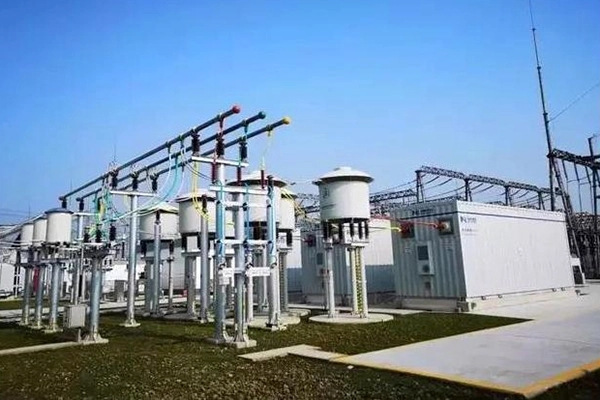
When voltage transformers are installed outside, they lower high-voltage electrical signals to normal secondary outputs, which are usually 100V or 120V. This makes it safe to connect to meters, relays, and tracking systems. In electricity bills, correct voltage measurement is very important, and in industrial plants, protective relay coordination is also very important. A 35kV input voltage Outdoor Potential transformer, like the epoxy resin-cast types that meet IEC 61869-1 and 61869-2 standards, lowers the voltage to 10kV output values that are good for standard instruments. This change takes place through electromagnetic induction inside a magnetic core, with very little mistake in phase angle and ratio.
Construction Features Built for the Elements
Because outdoor work is so tough, it needs special building methods. The electromagnetic core and windings are completely encased in epoxy resin casting. This means that there are no gaps in the material where moisture could get in and cause internal flashovers. This fully sealed design is very different from oil-filled options, so you don't have to do any upkeep like checking the fluid level or fixing leaks. Weather-resistant housings with an IP65 rating or higher protect internal parts from dust and water jets. UV-stabilized polymer exteriors keep them from breaking down when they are exposed to direct sunlight for a long time. Hardware and connections made of corrosion-resistant stainless steel last longer in coastal sites where salt spray speeds up the breakdown of materials.
Applications Across Power Infrastructure
Voltage transformers are used in factories to check the quality of the power going to CNC machines and automatic assembly lines. If the voltage drops or there is harmonic distortion, it has a direct effect on the amount of work that gets done. These devices are used by data centers to make sure that measurements are always accurate for utility transfer switching and backup generator coordination. Outdoor Potential transformers are put in by transmission and distribution workers at substations to provide voltage references for distance switches that protect transmission lines that run for hundreds of miles. Accurate voltage measurement is needed to sync inverter outputs with grid frequency and phase angle in renewable energy sites like solar farms and wind parks. This keeps expensive disconnections from happening during cloud transients or wind gusts.
Outdoor vs Indoor Potential Transformers: Differences and Selection Considerations
Structural and Environmental Distinctions
Every difference in design between outdoor and indoor voltage transformers is caused by the environment. Indoor units work in climate-controlled switchgear rooms that keep the temperature stable, the humidity low, and use HVAC systems to keep dust and poisons from getting into the rooms. This controlled environment lets insulation systems be lighter and walls be less strong, which lowers the cost of materials and the size of the building. In Outdoor Potential transformers, temperatures can range from -40°C to +55°C. This means that the shielding materials need to be able to keep their electrical strength throughout this range without cracking or delaminating. When it rains, snows, or ices, the housing needs to be sloped so that water runs off of the connection points. Porcelain or silicone rubber separators keep the surface from moving when it's wet.
Performance and Maintenance Requirements
Whether a potential transformer works inside or outside, it must meet the same accuracy class requirements: 0.2 or 0.5 class ratings for revenue metering tasks, and 3P class ratings for general security tasks. But environmental pressures have different effects on long-term accuracy consistency. Outdoor units go through more temperature changes, which makes the core laminations and winding wires expand and shrink. Controlled coil tension and core clamping systems in high-quality designs make up for this by keeping the mechanical steadiness for decades. Outdoor Potential transformers with epoxy resin insulation usually need more frequent maintenance than oil-filled designs because the sealed construction keeps damp out, which lowers the insulation's resistance. It may be necessary to clean the dust around air holes on indoor units more often, but you should avoid letting the weather damage the outside surfaces and seals.
Cost Considerations and Total Ownership Analysis
Due to better insulation, weatherproof enclosures, and materials that don't rust, Outdoor Potential transformers cost 25–40% more at first than similar indoor rates. When procurement managers look at the total cost of ownership, they need to include installation costs. Outdoor units usually mount on separate structures or pole platforms, which adds base and structural costs that aren't present in indoor switchgear installs. But Outdoor Potential transformers get rid of the need to build separate transformer rooms, which saves money on building costs and real estate in facilities that are limited in space. Accessibility for repair should be taken into account in a lifecycle cost analysis. For example, inspecting outdoor units may need bucket trucks or ladders, but indoor equipment can be reached by walking up. Different levels of reliability affect the cost of replacement. For example, if an outdoor unit fails, multiple feeders may need to be coordinated for an outage. On the other hand, redundant indoor metering gives you practical freedom during repair gaps.
How to Choose the Right Outdoor Potential Transformer for Your Project?
Matching Technical Specifications to System Requirements
The standard voltage of the system plus a safety margin is used to choose the voltage class. For example, 35kV rated potential transformers work with 34.5kV distribution networks because they provide insulation coordination for short-term overvoltages that happen during switching operations or ground problems. Frequency rates at 50/60Hz dual compatibility allow projects to be used around the world without having to change the specifications. The rated main current capacity, which can be 600A or 800A, tells you how well the thermal performance will be at full load. This keeps the accuracy from drifting when electromagnetic fields are created by nearby power generators or reactors. The output load capacity, which is given in volt-amperes (VA), must be higher than the total impedance of all the linked meters, switches, and indicating instruments by 20%. The choice of accuracy class relies on the task at hand. For example, income metering needs 0.2 class accuracy, while protective relaying can do with 0.5 class units.
Evaluating Supplier Credentials and Certifications
Conduct qualification audits reviewing quality systems and manufacturing capabilities. ISO 9001 certification ensures established quality management. IEC 61869 product certifications demonstrate international safety compliance. Regional approvals (ANSI C57.13, GB 20840.2-2014) show regulatory flexibility. Outdoor PT warranties typically last 5-10 years. Suppliers with regional service centers provide faster commissioning support than remote manufacturers.
Installation, Maintenance, and Best Practices for Outdoor Potential Transformers
Step-by-Step Installation Guidelines
Checking the foundation's strength and levelness is the first step in getting the site ready. This is because uneven mounting surfaces put mechanical stress on ceramic insulators and connection points. Outdoor Potential transformers are put on special steel structures, concrete pads, or pole clamps that are made to handle the wind loads and seismic forces that are required by local building codes. For equipment to be safe and measurements to be accurate, the grounding conductors must link to the substation ground grid with resistance below 1 ohm. This must be proven through fall-of-potential tests before the equipment is turned on. To keep joints from coming loose and causing heat and voltage drop, primary connections need to be tightened on terminal screws using torque that is controlled by the maker. High-current power lines are physically separated from secondary wire that goes in conduit or cable trays. This keeps electromagnetic interference that could affect measurement accuracy to a minimum.
Routine Maintenance Schedules and Troubleshooting
Annual cleaning: inspect housing integrity, check porcelain cracks, weather seals. Thermal imaging finds hot connections (10°C above ambient indicates loose hardware). Insulation resistance tests with 5kV megohmmeters—readings below 1000 megohms require investigation. Check secondary output voltage against calibrated references. Blown secondary fuses usually indicate downstream short circuits, not transformer faults.
Mitigating Environmental Challenges
Coastal sites: wash external surfaces with fresh water quarterly to remove conductive salt layers. Extreme temperatures: add heating elements to prevent condensation; use sunshades or reflective coatings in deserts. Install protective fencing around base-mounted PTs to deter animals and vandals. In ice-prone areas, conduct regular winter insulator inspections. Heated cable entry seals prevent water ingress.
Procurement Insights: Pricing, Delivery, and Supplier Trustworthiness
Understanding Price Variables and Budget Planning
Voltage class, accuracy requirements, and building materials all affect the outdoor potential transformer price. The base price for standard 35kV units with 0.5 accuracy class and epoxy resin insulation is set. Upgrading to 0.2 class precision for revenue metering adds extra costs because of tighter production limits and choosing a different core material. Requests for customization, such as non-standard secondary voltages, unique mounting setups, or higher seismic ratings, make engineering costs go up and wait times grow. Unit prices are affected by volume in a big way; procurement teams that order 50 or more units for transmission line projects can get savings of up to 25–25 percent compared to buying a single unit. International purchases are affected by payment terms and changes in currencies. For projects that span multiple fiscal years, it is smart to set budgets early and use trading strategies.
Lead Times and Delivery Coordination
Standard stock outdoor PTs ship 8-12 weeks after order confirmation. Custom-engineered units require 16-20 weeks for design approval, prototype testing, and production setup. Freight shipping heavy electrical equipment needs specialized haulers with rigging and insurance. Align delivery dates with construction goals to avoid expensive on-site storage. Include inspection steps: nameplate verification, shipping damage check, acceptance testing.
Identifying Trustworthy Suppliers and Support Infrastructure
Check references from past customers with similar applications. Established manufacturers demonstrate decades of market presence, published case studies, and willingness for plant visits. Technical support access: application engineering for specification help; 24/7 customer service for field problem resolution. Clear warranty terms covering defects and replacement procedures. ISO 14001 or OHSAS 18001 certifications show manufacturing responsibility.
Conclusion
Technical requirements must be balanced with environmental longevity and lifecycle costs when choosing an Outdoor Potential transformer. Voltage levels, accuracy class, insulation type, and regulatory compliance make up the technical base. Long-term operating success depends on how well it stands up to weather, how easy it is to maintain, and how well the provider supports its infrastructure. Whether to use an outdoor or indoor voltage transformer depends on where you want to place it, how much it costs, and how you like to handle upkeep. The 35kV outdoor voltage transformer from Xi'an Xikai shows how current epoxy resin technology can be used to measure voltage accurately in harsh field situations, while also meeting international standards and producing high-quality products. It's better for procurement teams to look at the total ownership costs instead of just the initial purchase price. This means taking into account things like installation costs, upkeep needs, and how reliable the system is in terms of downtime.
FAQ
1. What advantages do outdoor potential transformers offer compared to indoor variants?
Outdoor Potential transformers get rid of the need for separate transformer rooms, which cuts down on building costs and real estate needs in facilities with limited space. Weatherproof covers with an IP65 rating or higher can be left open to rain, snow, and extreme temperatures. Epoxy resin insulation is better at keeping out moisture than older oil-filled indoor designs. Mounting can be done on existing structures, like poles or concrete pads, without having to do a lot of construction work. However, outdoor units need better insulation and security against corrosion, which makes them more expensive to buy at first compared to indoor units that do the same electricity work.
2. How often should maintenance inspections occur for optimal transformer performance?
Outdoor Potential transformers should have eye checks once a year to make sure the case is solid, the connections are tight, and the insulation is in good shape. Every two to three years, thermal imaging scans find link problems before they happen. Every 5 years, insulation resistance tests make sure that the dielectric strength stays within acceptable limits. During yearly metering checks or whenever there are worries about accuracy, the secondary output voltage should be checked against calibrated standards. Surface tracking can be avoided by cleaning the outside of harsh environments every six months, like seaside sites that are exposed to salt water or highly polluted industrial areas.
3. Can outdoor potential transformers be customized for complex industrial applications?
Outdoor Potential transformers are often customized by manufacturers to meet specific needs. Changes include non-standard secondary voltages to work with old metering systems, longer creepage distances for areas with a lot of pollution, seismic reinforcement for areas prone to earthquakes, and different mounting setups that can fit substations with limited room. For precise lab work, custom accuracy classes that are tighter than normal 0.2 grades are used. Multiple secondary windings allow for the linking of metering and safety circuits at the same time while keeping the electricity separate. For custom designs to meet performance requirements, the wait time for procurement is 8 to 12 weeks longer than for standard goods. This is to allow for engineering validation and testing procedures.
Partner with Xi'an Xikai for Reliable Outdoor Potential Transformer Solutions
As an Outdoor Potential transformer maker with three decades of technical experience, Xi'an Xikai Medium & Low Voltage Electric Co., Ltd. is ready to support your voltage measurement infrastructure needs. Our 35kV outdoor voltage transformer uses epoxy resin insulation technology and strict quality control to give substations, industrial plants, and utility networks the measurement accuracy and weather longevity they need. You can email our expert team at serina@xaxd-electric.com, amber@xaxd-electric.com, or luna@xaxd-electric.com to talk about application needs and get specifics that fit your project.
References
1. International Electrotechnical Commission. Instrument Transformers - Part 2: Additional Requirements for Voltage Transformers. IEC 61869-2:2012 Standard.
2. IEEE Power and Energy Society. IEEE Guide for Protective Relay Applications to Transmission Lines. IEEE Standard C37.113-2015.
3. National Electrical Manufacturers Association. Requirements for Instrument Transformers. ANSI C57.13-2016 Standard.
4. Kulkarni, S.V., and Khaparde, S.A. Transformer Engineering: Design, Technology, and Diagnostics. CRC Press, 2nd Edition, 2017.
5. ABB Group. Voltage Transformers: Application Guide for Protection and Metering. Technical Publication, 2019.
6. Electric Power Research Institute. Field Testing of Instrument Transformers: Best Practices and Diagnostic Techniques. EPRI Report 3002015591, 2020.