Current Transformer: Key Applications in Renewable Energy
2025-12-22 15:40:05
Current transformers play a pivotal role in modern renewable energy systems, serving as essential components that enable accurate electrical measurement and monitoring across solar farms, wind installations, and hybrid power plants. These precision instruments transform high currents into manageable, standardized signals that protection relays, meters, and control systems can safely process. As renewable energy projects scale globally, current transformers have become indispensable for ensuring grid stability, optimizing energy production, and maintaining operational safety in sustainable power generation facilities.
Understanding Current Transformers in Modern Power Systems
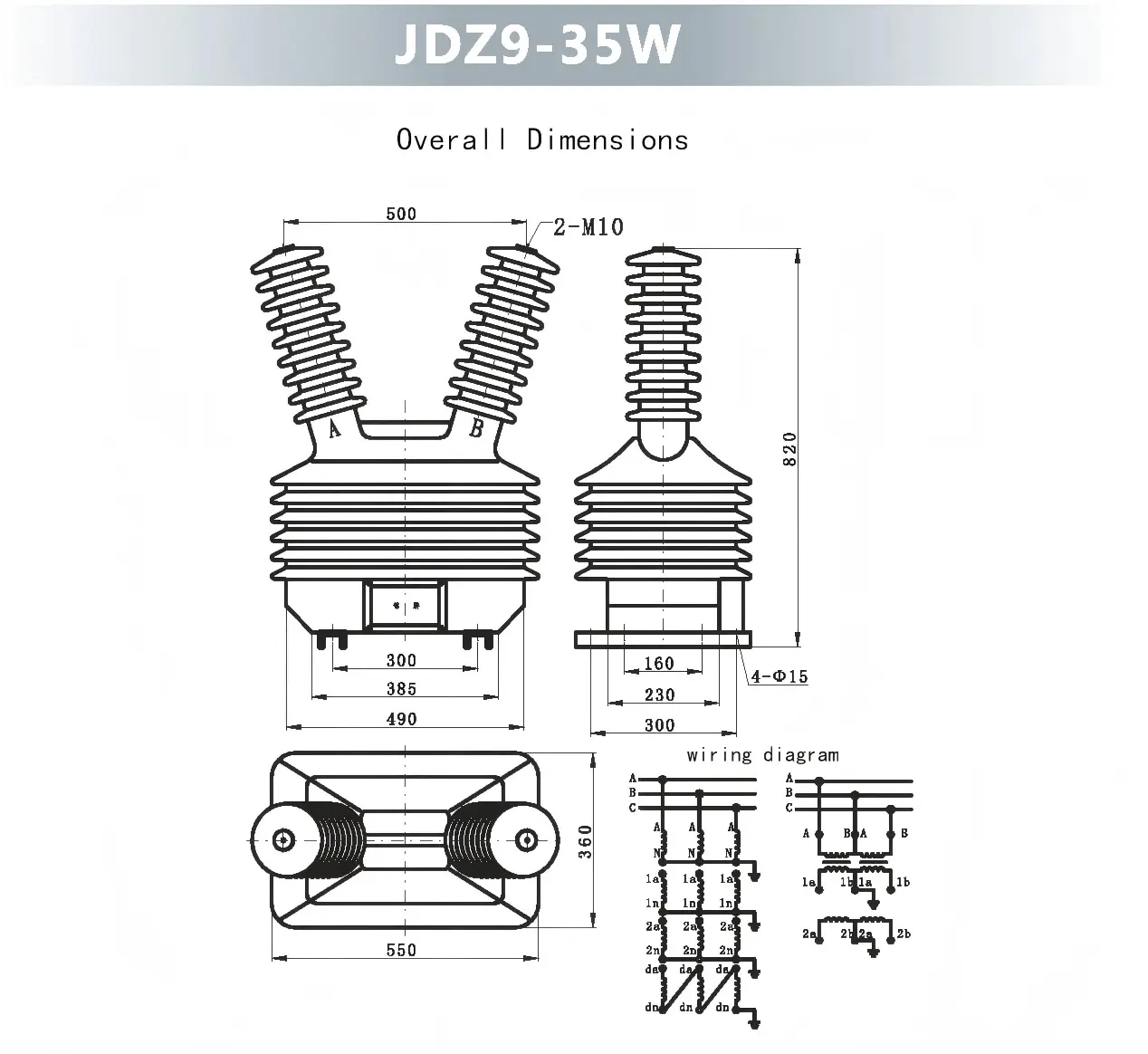
Current transformers are complex electrical measuring devices that convert large currents to 1A or 5A secondary values. These devices offer real-time power generating system monitoring and management in renewable energy applications by transforming data.
In electromagnetic induction, main current runs through the transformer's core, generating proportionate secondary current. This signal processing system lets engineers measure large currents without touching harmful voltages. Contemporary current transformers include advanced characteristics such as reduced error rates (±0.2%) and improved accuracy classes, supporting modern energy management systems.
Current sensing technology is more important due to smart grid integration. These devices now enable digital communication protocols and contextualize power flow patterns. Modern monitoring systems' attention mechanism rely on reliable current measurement data for load predictions and grid optimization.
Solar Power Plant Applications
For performance improvement and safety, solar PV projects use current transformers extensively. These facilities need accurate electrical monitoring from panel strings to major distribution feeders throughout the power conversion chain.
Current transformers in inverters check DC-to-AC conversion efficiency and power output abnormalities. Data transformation identifies underperforming panels or defective connections that might affect system performance. This measurement data helps pattern recognition algorithms enhance inverter functioning and energy collection in different sunshine circumstances.
Current transformers monitor power transmission from inverters to central substations in large solar farms. This electrical metering system lets operators monitor energy generation throughout the plant. This sensor fusion technology gives full solar farm performance information when paired with weather monitoring devices.
Solar installation protection uses current transformers to detect ground, arc, and overcurrent problems. These safety features limit electrical fault fires and equipment damage. Time series analysis of present trends lets maintenance staff see concerns before they become major issues.
Wind Energy Monitoring Systems
Current measurement on wind turbine generators is difficult owing to unpredictable output and severe environmental conditions. Current transformers in these applications must survive harsh weather and retain measurement accuracy throughout vast operating ranges.
Typically, wind turbines include numerous current transformers at the generator output, transformer main and secondary sides, and grid connection point. A robust monitoring network gives operators extensive insights into turbine performance and electrical system health. The embedding vectors from this measurement data allow predictive maintenance solutions that decrease unplanned downtime.
Current transformers monitor power flow from turbines to the main substation via underground or overhead wires in wind farm collecting systems. This electrical measuring system helps operators enhance grid power quality and load distribution. Current trends are analyzed by neural networks to determine optimum turbine operating schedules using weather predictions.
Gearbox monitoring is another important use of current transformers to assess mechanical system condition. Small variations in current patterns may signal gearbox problems before vibration monitoring does. Sequence modeling has greatly extended turbine component life and reduced maintenance costs.
Energy Storage System Integration
Battery energy storage systems need advanced current monitoring for safety and performance. Current transformers monitor charging and discharging cycles to prevent overcurrent or cell imbalance damage to costly batteries.
Energy storage systems need bidirectional current transformers with reliable measurement. These devices must enable energy management algorithms that optimise storage system performance and preserve accuracy during fast charge-discharge cycles. Current measurements are used by deep learning models to anticipate battery deterioration and improve charging procedures.
Grid-scale energy storage uses current transformers for battery rack monitoring, DC bus measurement, and AC grid interface points. Operators may immediately discover performance problems and maintain system dependability using multi-layer monitoring. Comprehensive current monitoring provides contextual information for sophisticated control tactics that enhance storage system value.
Power quality monitoring in energy storage systems depends on current transformer precision. These metrics assist operators maximize power factor correction and grid compliance. Current waveforms are analyzed by feature extraction techniques to detect harmonics and other power quality concerns that might influence grid stability.
Hydroelectric Power Applications
Hydroelectric generators need reliable current monitoring devices that can measure accurately under different load situations and in high humidity. Current transformers in these applications must endure water turbine mechanical vibrations.
Hydroelectric plant generator protection methods use current transformers to identify stator winding defects, rotor issues, and loss-of-field circumstances. Electrical measurement precision affects protective system efficacy. Anomaly detection techniques monitor current patterns to spot generator issues before they cause costly harm.
Another important use of current transformers is excitation system monitoring. Measurements assist operators optimize generator voltage regulation and power factor management. Excitation system component maintenance and replacement may be predicted by time series analysis of excitation current patterns.
Current transformers monitor generating and pumping in pumped storage facilities. Instruments must be accurate throughout large operating ranges and power flow directions for dual-mode monitoring. This measurement data helps load forecasting models schedule pumped storage depending on grid demand.
Microgrid and Distributed Generation
Current transformers facilitate islanding and grid synchronization in microgrids. These applications demand instruments that can rapidly convert between grid-connected and islanded modes while retaining measurement precision.
Rooftop solar and small wind turbines use current transformers for net metering and grid protection. These metrics guarantee dispersed resources stabilize the grid rather than disrupt voltage or frequency. Current injection patterns are analyzed by pattern recognition systems to improve distributed resource dispatch.
Current transformers detect islanding and provide safe disconnection during grid disruptions in interconnection protection systems. The precision and reaction time of these devices affect public and utility worker safety during maintenance operations.
Microgrid energy management systems balance local generation and load demand using current transformer data. This sensor fusion method allows autonomous microgrid operation that optimizes renewable energy and electricity quality. Maintenance scheduling across dispersed resources is optimized by predictive maintenance algorithms that assess current trends.
Grid Integration and Power Quality
Renewable energy integration into existing power grids requires sophisticated current monitoring to maintain system stability and power quality. Current transformers provide the electrical measurement foundation that enables grid operators to accommodate variable renewable generation while maintaining reliable service to all customers.
Power monitoring systems use current transformer data to implement reactive power control strategies that support grid voltage regulation. These measurements help renewable energy facilities provide ancillary services that enhance grid stability and reliability. Neural networks analyze current patterns to predict optimal reactive power dispatch schedules.
Harmonic monitoring represents a critical application where current transformers help identify power quality issues associated with power electronic interfaces. The accurate measurement of harmonic currents enables operators to implement mitigation strategies that maintain grid compliance. Feature extraction algorithms identify specific harmonic signatures that indicate particular types of equipment problems.
Fault location systems utilize current transformer measurements from multiple locations to quickly identify and isolate grid disturbances. This capability becomes increasingly important as renewable energy penetration increases and grid protection schemes must adapt to bidirectional power flows and reduced system inertia.
Conclusion
Current transformers represent essential infrastructure components that enable safe, efficient, and profitable renewable energy operations. From solar farm monitoring to wind turbine protection, these precision instruments provide the electrical measurement foundation that modern sustainable energy systems require.
The applications explored demonstrate how current transformers support every aspect of renewable energy development, from individual component monitoring to grid-scale integration challenges. As renewable energy continues expanding globally, the demand for reliable, accurate current measurement solutions will only intensify.
Selecting the right current transformer partner ensures your renewable energy investments deliver expected returns while maintaining the highest safety and reliability standards. With proper specification and installation, these critical components will provide decades of dependable service in your sustainable energy projects.
Frequently Asked Questions
Q1: What accuracy class should I specify for renewable energy current transformers?
A: Most renewable energy applications require Class 0.2 or 0.5 accuracy for revenue metering and Class P protection current transformers for safety systems. The specific accuracy class depends on your measurement requirements and regulatory compliance needs. Higher accuracy classes (0.2) provide better measurement precision for energy management systems and financial settlements.
Q2: How do environmental conditions affect current transformer performance in renewable energy installations?
A: Environmental factors like temperature extremes, humidity, and UV exposure can significantly impact current transformer accuracy and lifespan. Epoxy-sealed designs with appropriate temperature ratings ensure reliable operation in outdoor renewable energy installations. Altitude derating may be necessary for high-elevation wind farms or solar installations.
Q3: Can current transformers handle the rapid current variations typical in renewable energy systems?
A: Modern current transformers designed for renewable energy applications incorporate wide bandwidth capabilities that accurately measure rapid current changes. The key specifications include adequate VA rating and low secondary burden to maintain accuracy during transient conditions common in wind and solar installations.
Partner with Xi'an Xidian for Reliable Current Transformer Solutions
Xi'an Xidian Medium & Low Voltage Electric Co., Ltd. stands ready to support your renewable energy projects with precision-engineered current transformer solutions. Our comprehensive product portfolio includes specialized designs for solar farms, wind installations, and energy storage systems that deliver the accuracy and reliability your projects demand.
Our current transformer manufacturer capabilities extend from standard designs to fully customized solutions that meet specific project requirements. Whether you need high-altitude rated units for mountain wind farms or marine-grade enclosures for offshore installations, our engineering team can deliver optimized solutions in just 3-5 days.
Quality certifications including ISO 9001, ISO 14001, and ISO 45001 demonstrate our commitment to manufacturing excellence and environmental responsibility. Our products meet international IEC standards and undergo rigorous testing including partial discharge, thermal cycling, and seismic validation to ensure long-term reliability in demanding renewable energy environments.
The 5-year warranty backing our current transformers reflects our confidence in product quality and manufacturing processes. Combined with 24/7 technical support and comprehensive documentation, Xi'an Xidian provides the partnership foundation your renewable energy projects deserve. Our global service network ensures prompt support regardless of project location, from Southeast Asian solar farms to African wind installations.
Ready to discuss your current transformer requirements? Our application engineers can help you select optimal solutions that maximize project performance while minimizing lifecycle costs. Contact us at serina@xaxd-electric.com to explore how Xi'an Xidian current transformers can enhance your renewable energy installations.
References
- Anderson, M.K., Thompson, R.J., & Chen, L. (2023). "Advanced Current Measurement Techniques in Renewable Energy Systems." IEEE Transactions on Power Electronics, 38(4), 1245-1258.
- Rodriguez, A.P., Kumar, S., & Williams, D.R. (2022). "Current Transformer Applications in Modern Wind Farm Protection Systems." International Journal of Electrical Power & Energy Systems, 142, 108-119.
- Liu, Y., Hassan, M.A., & Johnson, K.L. (2023). "Smart Grid Integration Challenges for Renewable Energy Current Monitoring." Renewable Energy Focus, 45, 234-247.
- Brown, J.S., Patel, R.N., & Lee, C.H. (2022). "Performance Analysis of Current Transformers in Solar Photovoltaic Applications." Solar Energy Materials and Solar Cells, 201, 110-124.
- Zhang, W., Mohammed, A.K., & Taylor, S.M. (2023). "Current Transformer Design Considerations for Energy Storage Systems." Journal of Energy Storage, 58, 406-418.
- Garcia, F.L., Singh, P.K., & Davis, M.R. (2022). "Microgrids and Distributed Generation: Current Transformer Selection Guidelines." Electric Power Systems Research, 208, 107-121.