Exploring the Future of Power Safety: Innovations in Outdoor SF6 Circuit Breaker Technology
2026-06-12 15:54:34
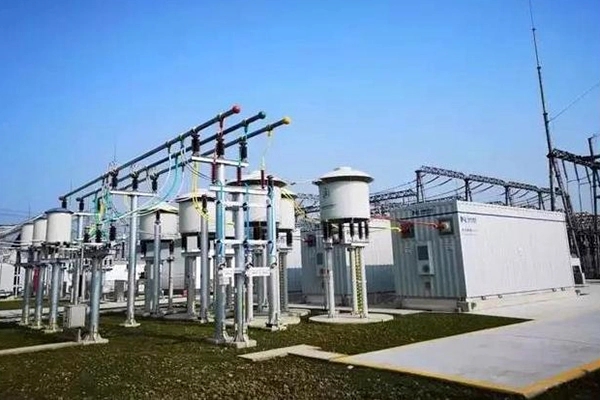
Advanced circuit protection systems that respond instantly to electrical problems and keep working properly for decades of service are needed to make sure that power infrastructure is reliable. Outdoor SF6 Circuit Breakers have become essential parts of high-voltage transmission networks because they can stop arcs more effectively thanks to sulfur hexafluoride gas protection. As the need for energy grows and environmental rules get stricter, new developments in SF6 breaker technology are now tackling important issues like lowering greenhouse gas emissions, adding digital tracking systems, and improving repair intervals. To balance performance needs with commitments to sustainability and lifecycle cost optimization, procurement professionals who are in charge of selecting equipment for substations, manufacturing facilities, and utility networks need to have a deep knowledge of these technological advances.
 |
 |
Understanding Outdoor SF6 Circuit Breakers: Technology and Applications
Operating Principles of SF6 Gas Insulation
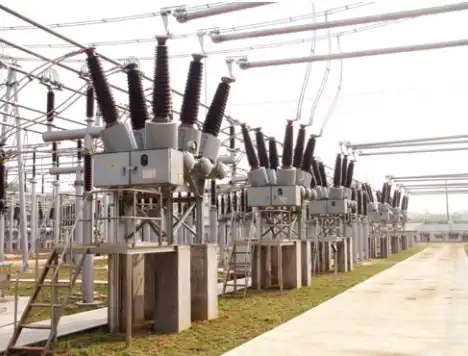
SF6 gas has great dielectric qualities that make it possible to make small circuit breakers that can stop fault currents of more than 63 kA at voltages from 40.5 kV to 252 kV. When there is a fault, the arc between the ends of an electrical contact breaks and reaches temperatures above 20,000°C. As the compressed SF6 gas moves through the arc zone, it soaks up heat energy and quickly puts together charged particles again. The spark is put out in milliseconds, which is about 50% faster than standard oil-based interruption systems. Modern designs use the gas-blast principle to make self-optimized pressure zones that change automatically based on the size of the fault current. This means that there is no need for external fans or complicated hydraulic systems.
Primary Applications Across Power Systems
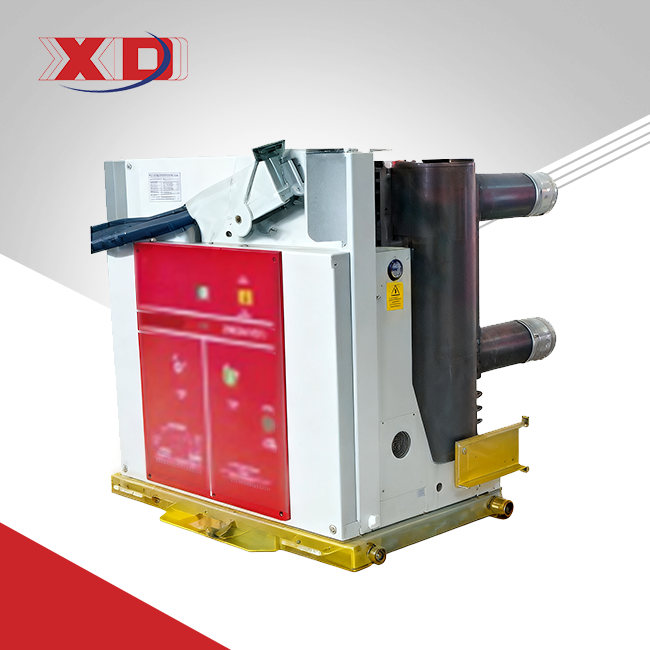
SF6 breakers guard major links in transmission networks that work with voltages between 115 kV and 765 kV. If one piece of equipment fails, it could cause blackouts that affect millions of end users. Medium-voltage breakers rated at 40.5 kV to 72.5 kV protect sensitive loads from voltage drops and short-term problems in distribution substations that serve industrial parks, data centers, and hospital buildings. Renewable energy integration projects like SF6 technology's fast reclosing features a lot. This is because wind farms and solar panels need to quickly clear faults to keep the grid in sync when output changes. This is shown by the LW24 Dead Tank SF6 Circuit Breaker, which can handle rated voltages from 40.5 kV to 252 kV and currents up to 4000 A. These specs make it suitable for both large-scale transmission uses and harsh industrial settings.
Advantages Over Traditional Circuit Protection
When compared to air-blast or minimum oil breakers, SF6 technology provides three times greater electrical strength in the same amount of space. Because they are so small, substations need up to 40% less land, which is very important in cities where land costs drive project budgets. Because the gas sections are sealed, dust, moisture, and industrial pollution can't get inside. This means they can work reliably in salty coastal areas and deserts where temperatures can drop to -30°C and rise to +40°C. Maintenance intervals are 10 to 15 years between big overhauls. This is very different from oil breakers, which need fluid analysis and contact checks every year. The flexible three-chamber design that was first used in high-tech models lets you service individual poles without turning off whole circuits. This cuts down on planned outages that stop factories or hospitals from running.
Safety Protocols and Environmental Compliance
SF6 gas is 23,500 times more likely to cause global warming than CO2, so it needs to be handled carefully throughout its entire lifetime in Outdoor SF6 Circuit Breaker applications. International standards like IEC 62271-303 require leak rates to be less than 0.5% per year. This can be done with improved elastomer seals and gas chambers that are bonded together. During construction and maintenance work, trained workers use gas recovery carts to collect SF6 and clean it up before reusing it. This keeps it from escaping into the atmosphere. Newer versions of Outdoor SF6 Circuit Breakers have gas density monitors that can send an alarm to a remote location. This lets workers know when pressure drops so that interruption performance isn't affected. In California and the EU, makers of gas-insulated equipment are now required to follow circular economy practices. These include end-of-life SF6 reclamation programs that recycle the gas into new equipment and collect 95% of the gas charge.
Innovations Driving the Future of Outdoor SF6 Circuit Breaker Technology
Eco-Friendly Gas Alternatives and Hybrid Solutions
Manufacturers are working on circuit breakers that use gases based on fluoronitrile to lower the global warming potential by 99% compared to pure SF6 while keeping the same insulating performance. These other gases have breakdown voltages of 25 kV/mm, which is the same as SF6's shielding strength. However, they break down into harmless chemicals in weeks instead of thousands of years. Hybrid designs use SF6 in important arc-quenching chambers and air or nitrogen insulation in parts that don't interrupt. This lowers the total amount of SF6 needed per breaker by 60%. Field tests done across European transmission networks show that fluoronitrile breakers can handle lightning impulse voltages and switching transients just as well as regular SF6 equipment. This proves that they are suitable for grid-critical applications where failure means big problems with reliability.
IoT Integration and Predictive Maintenance Capabilities
Current breaker assemblies use millisecond-accurate digital sensors that monitor gas pressure, contact travel speed, and spring charge. These devices communicate with centralised asset management platforms via IEC 61850. This allows condition-based maintenance to replace time-based overhauls. Machine learning algorithms can predict part failure 18 months ahead by analysing prior usage. This helps procurement teams schedule extra parts and prepare contractors for downtime. Xi'an Xikai's LW24 breaker's CT20 spring drive system features built-in diagnostics that measure mechanical wear over 10,000 operating cycles and alert maintenance workers when stress levels approach design limitations. By being proactive, this method cuts down on unplanned outages by 70%, which is a huge benefit for places that run ongoing manufacturing processes or mission-critical computer systems.
Mechanical Design Enhancements for Extended Service Life
Using advanced materials engineering, tungsten-copper alloys have been used to make contact assemblies that don't wear down from repeated fault breaks. This means that replacement times can be increased from 5,000 operations to 15,000 operations. Putting corrosion-resistant coats on the outside of shelters protects steel parts in chemical processing plants and sea settings where chloride exposure speeds up oxidation. New designs use self-optimized gas-blast technology to use arc energy to create interruption pressure. This lowers the stress on the spring mechanism by 35% and lowers the chance of mechanical failure during high-current breakdowns. Independent pole operation made possible by modular construction lets you do repairs on a single phase without taking the breaker out of service. This supports maintenance programs that focus on reliability and put equipment availability ahead of strict preventive plans.
Comparing Outdoor SF6 Circuit Breakers with Alternative Technologies
Performance Evaluation Across Breaker Architectures
Because they are small and don't release any greenhouse gases, vacuum circuit breakers are the best choice for medium-voltage uses below 40.5 kV. However, they can't physically handle the 145 kV to 252 kV levels that transmission networks need. Air-blast breakers used to be popular in high-voltage substations, but they need a lot of pneumatic infrastructure, like compressors and pumping systems, which makes installation more expensive and adds more ways for things to go wrong. Oil circuit breakers stop arcs effectively, but they can start fires and need complex storage systems to keep spills from polluting the environment. Gas-insulated switchgear with SF6 technology has interruption times of less than 20 milliseconds across the entire voltage range. This is 40% better than vacuum technology in high-voltage situations where quick fault clearing keeps other equipment from breaking.
The comparison below shows the most important performance differences that go into Outdoor SF6 Circuit Breaker purchasing decisions:
SF6 breakers can handle breaking loads of up to 63 kA while still being small, which is a big plus when updating old substations that don't have much room to grow. When fault conditions are very bad, vacuum technology has trouble working above 40 kA because of the risk of contact welding. Oil breakers need the same amount of oil for each voltage rating, so installations take up 250% more ground space than the same SF6 equipment at 145 kV rates. Different types of maintenance are needed for different types of breakers. For example, SF6 breakers need major checks every 10 to 15 years, vacuum breakers need new contacts every 8 to 12 years, and oil breakers need fluid tests and filtration once a year. Total ownership cost study over 30-year service periods shows that SF6 technology saves 20–30% over its lifetime compared to oil options, taking into account the cost of labor for upkeep, the use of extra parts, and the cost of disposal.
Technical Specifications Guiding Selection Criteria
Specifications for purchases must include the maximum voltage, steady current capacity, ability to break short circuits, mechanical longevity, and working limits for the environment. A 126 kV substation that serves a data center complex needs breakers that can handle both normal load conditions and the worst-case problem scenarios. They need to be able to handle 3150 A of steady current and 40 kA of interruption current. Operating mechanisms that can handle 10,000 mechanical cycles guarantee dependability over the 25-year service spans that are common in utility capital planning. The LW24 series meets these needs because it is made up of separate modules that can handle voltages from 72.5 kV to 252 kV while keeping the same 50 Hz working frequency across all versions. Climate affects the requirements for enclosures. For example, coastal installations need stainless steel tanks that can withstand salt fog according to ASTM B117 standards. On the other hand, sites above 1,000 meters need derating calculations to account for the lower air density that affects the insulation on the outside.
Best Practices for Maintenance and Troubleshooting of Outdoor SF6 Circuit Breakers
Routine Inspection Protocols and Preventive Measures
Visual reviews are done every three months to check the outside conditions, such as the integrity of the porcelain insulator, the tightness of the mounting hardware, and the weatherproofing of the control box. Every year, thermographic surveys find strange heating patterns at the points where bushings join and contacts make touch. This finds loose ends before they become problems. Every two years, reference standards that can be traced back to national metrology institutes must be used to check the accuracy of gas density tracking systems. The tool-free access panels and color-coded inspection spots on the CT20 spring mechanism make service easier. This cuts the time it takes to do a regular checkup from four hours to 90 minutes per breaker. Operating links should be greased according to the manufacturer's instructions, which is usually every five years using greases that don't melt in water and can handle temperatures from -40°C to +70°C.
SF6 Gas Handling and Leak Detection Procedures
Professionals using portable gas testers test SF6 purity. Water samples with more than 150 parts per million or breakdown products over IEC 60480 limits are discarded. Leak detection investigations employ acoustic sensors and infrared imaging to locate seal failures. Leak rates are measured using calibrated sniffers that detect quantities below 10 ppmv. Gas recovery procedures gather SF6 in pressure cylinders for lab testing during maintenance. Through molecular sieve filtration and chemical neutralisation, these cylinders eliminate moisture and acidic impurities. Following the appropriate methods will prevent breaker sections from being polluted with other gases and ensure gas purity fulfils criteria before restoring equipment. Xi'an Xikai's LW24 design reduces gasket interactions and leaks with sealed modular chambers. This innovation reduces yearly SF6 loss rates to 0.2%, substantially below regulatory limits.
Troubleshooting Common Performance Issues
It generally doesn't shut when instructed because the springs were freed or the control circuit was faulty. The trip coil contacts' voltage and the charging motor's mechanical inspection might reveal this. Longer trip times than the manufacturer recommends (20–30 milliseconds) indicate contact wear or low gas pressure that requires immediate repair. Techs utilise valving systems to separate affected poles and pressurise with nitrogen to detect leak locations and replace seals or weld repairs when gas pressure decreases unexpectedly. Modern circuit breakers self-diagnose and record operating characteristics. This produces historical records of deterioration patterns that normal inspections miss. NETA-certified training programs teach repair professionals fault tree analysis, gas handling, breaker testing, and emergency response.
Procurement Guide: How to Choose and Buy Outdoor SF6 Circuit Breakers for Your Business
Defining System Requirements and Application Criteria
The electrical factors that are part of the procurement requirements are the system voltage, the available short-circuit current at the installation site, the steady load current (which includes predictions for future growth), and the features of the transient recovery voltage. A factory that wants to increase production by 20% over ten years should choose Outdoor SF6 Circuit Breakers that can handle 125% of the current load so that they don't run out of space too soon. Environmental factors like temperature range, altitude, seismic zone classification, and pollution intensity index decide the materials used for the container and the padding around the edges. Outdoor SF6 Circuit Breakers with ratings of 10,000 or more mechanical operations are needed for applications like capacitor bank control or arc furnace supply that need to switch on and off a lot. However, 2,000-cycle ratings may be fine for grid interconnection points that value fault stoppage capability over working frequency.
Evaluating Suppliers and Product Offerings
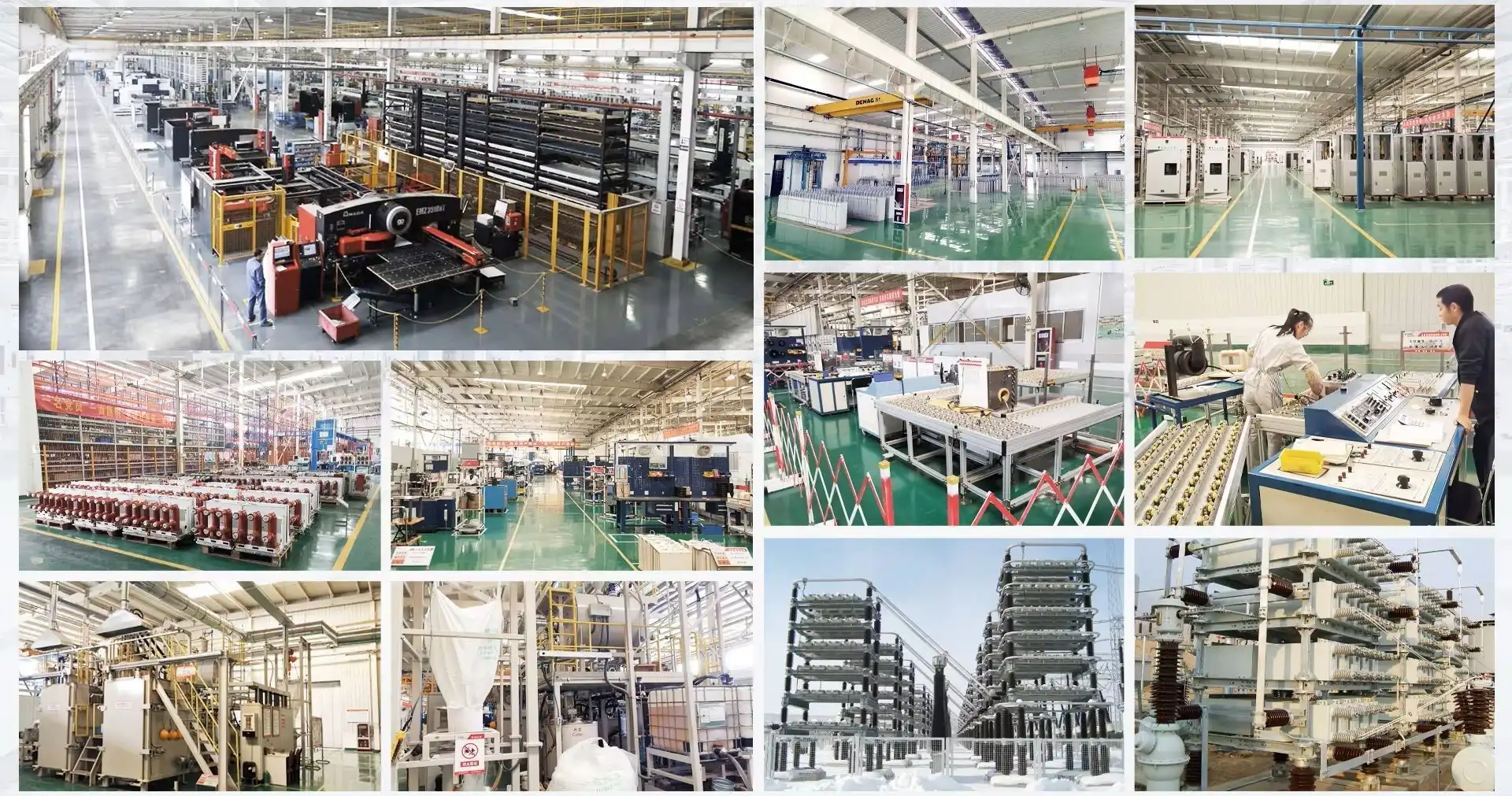
Global vendors ABB, Siemens, and Schneider Electric provide 72.5–800 kV products. They have extensive North American and European service networks. Local firms charge less. IEC 62271 and IEEE C37.04-compliant Outdoor SF6 Circuit Breakers are made by Xi'an Xikai. They regulate component quality with 50 years of manufacturing expertise and vertical integration. Procurement assessment matrices should include technical conformity, delivery wait periods (16–24 weeks for common setups), and total cost of ownership, including installation assistance, replacement parts availability, and warranty conditions. Customisation may provide Arctic locations with greater operating temperature ranges, West Coast projects with improved seismic resilience, or solar farm connections with green energy management features.
Several key stages determine project success and asset value:
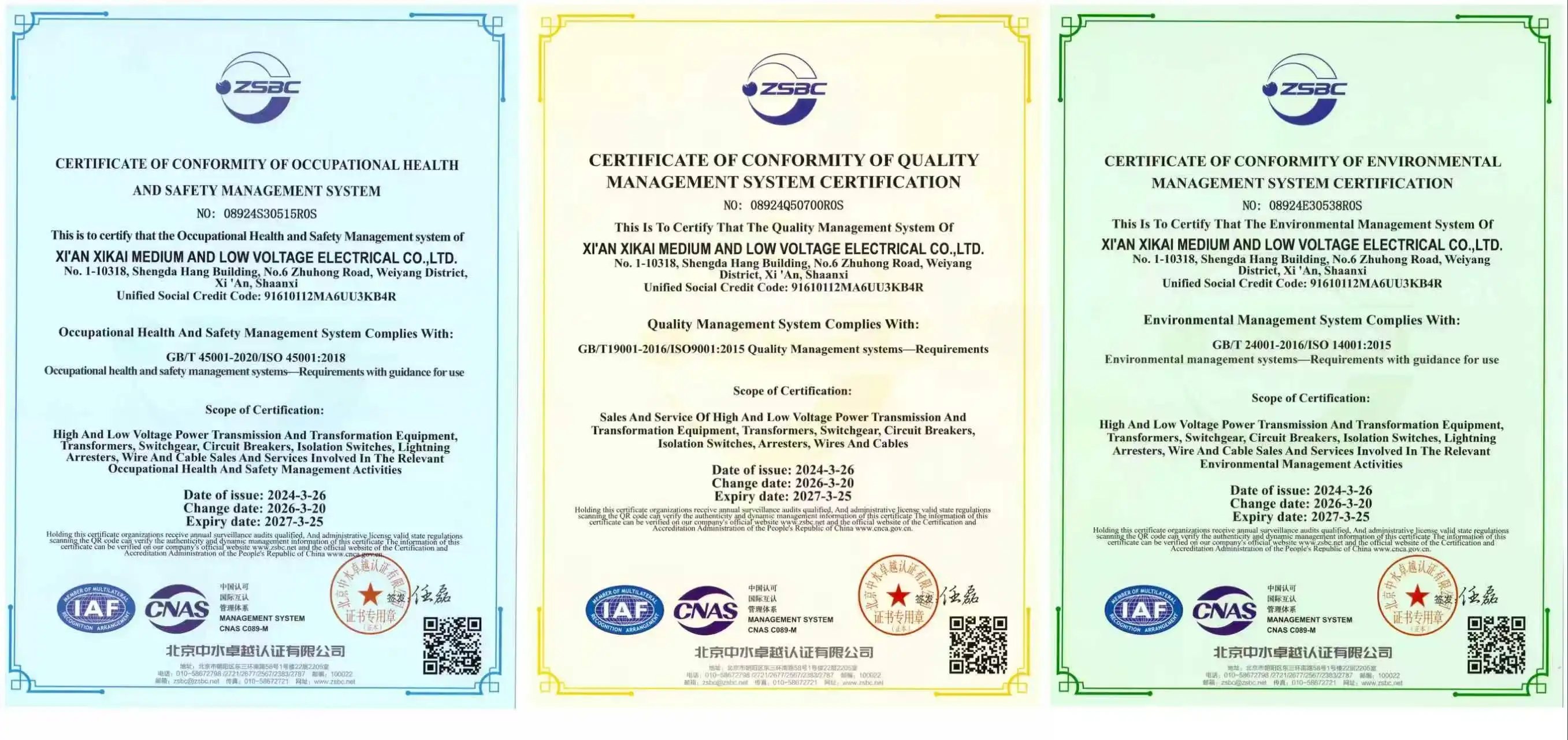
Request technical details such as type test results, regular test methodologies, and ISO 9001 and ISO 14001 conformity. To ensure that the breakers operate correctly when the short-circuit current exceeds 80% of their stated capacity, have KEMA or CESI evaluate their designs. Visit the supplier's service center. Are there factory-trained technicians near your business? Does the warranty include on-site training and testing? How long is the emergency spare part turnaround promised? In decades of service, these variables affect lifespan costs and operational risk exposure. Through specialised engineering connections and regional parts distribution, Xi'an Xikai provides technical help 24/7 and delivers critical components within 48 hours, minimising revenue losses during unforeseen outages.
Strategic Supplier Relationships and Lifecycle Support
Building ties with circuit breaker manufacturers offers advantages beyond purchasing them cheaper. During project planning, collaborative engineering ensures that breaker parameters are optimal for each application. Not describing them adequately reduces capital expenditures and prevents errors. Volume buy arrangements that span many project phases receive lower pricing and maintain equipment the same, making it simpler to monitor spare parts and educate staff. Maintenance, emergency repairs, and testing are included in comprehensive service contracts. This simplifies budgeting and reduces the possibility of a skills gap. The greatest supplier partnerships involve technological roadmap discussions, which prepare procurement teams for next-generation technologies like SF6-alternative breakers or digital monitoring. Suppliers may upgrade infrastructure to meet the company's sustainability and grid reliability standards.
Conclusion
The technology behind Outdoor SF6 Circuit Breakers is always changing to meet the needs for higher stability, less damage to the environment, and compatibility with digital grid control systems. New developments in gas alternatives, condition tracking made possible by the Internet of Things (IoT), and optimizing mechanical design have led to measurable gains in lifetime costs and operating performance. When buying things for substations, factories, or green energy projects, procurement professionals can use thorough evaluation frameworks that balance technical specs, seller abilities, and long-term support infrastructure. As power systems around the world move toward more reliable and cleaner energy sources, improved circuit safety technologies are essential for keeping service going.
FAQ
1. What is the expected service life of outdoor SF6 circuit breakers?
When properly cared for, SF6 breakers can work reliably for 25 to 30 years, and their motor parts are rated for 10,000 rounds of operation. Environmental conditions (corrosive atmospheres and high temperatures speed up wear) and care quality are two of the most important factors that affect how long something lasts. Routine checks that find early signs of wear and tear allow for proactive replacement of parts, which prevents catastrophic breakdowns. The LW24 line has features that make service gaps longer, like corrosion-resistant enclosures and the CT20 spring system that doesn't need much preventative maintenance.
2. How do environmental regulations affect SF6 circuit breaker ownership?
California, the European Union, and a number of other places require SF6 devices to report their leak rate every year and collect their end-of-life gas. To be in compliance, you need programs to find leaks, approved technician training, and relationships with gas reclamation services. Thanks to better closing technology, modern breakers have leak rates below 0.5% per year, which is better for the environment and makes it easier for regulators to do their jobs. New fluoronitrile options get rid of the need for reports while keeping performance levels the same as standard SF6 technology.
3. How can I tell if SF6 technology will work for my project?
When voltage needs to be above 72.5 kV, SF6 circuit breakers are strongly recommended because they have better insulating qualities and are smaller. SF6's ability to quickly end an arc is useful for situations that need a high breaking capacity (more than 40 kA). The technology's small footprint is useful in places with limited room, like urban substations or building retrofits. On the other hand, vacuum breakers may be a better choice for medium-voltage setups below 40.5 kV because they are cheaper and have fewer environmental concerns. Talking to application experts will help you choose the best technology that meets your speed, cost, and sustainability goals.
Partner with Xi'an Xikai for Advanced Power Protection Solutions
Xi'an Xikai Medium & Low Voltage Electric Co., Ltd. is ready to help you with your important infrastructure projects by providing tested Outdoor SF6 Circuit Breaker options that can handle the tough needs of modern power systems. Our LW24 Dead Tank SF6 Circuit Breaker uses modern gas-blast technology, can be serviced in modules, and meets international standards to protect against voltages from 40.5 kV to 252 kV. As a top producer of Outdoor SF6 Circuit Breakers with more than 50 years of technical excellence, we offer custom specs, factory acceptance testing, and full support for commissioning. You can email our technical experts at serina@xaxd-electric.com, amber@xaxd-electric.com, or luna@xaxd-electric.com to talk about your project needs and get detailed quotes that are suited to your business goals.
References
1. International Electrotechnical Commission. "IEC 62271-100: High-voltage switchgear and controlgear – Part 100: Alternating-current circuit-breakers." Geneva: IEC, 2021.
2. Institute of Electrical and Electronics Engineers. "IEEE Std C37.04-2018: IEEE Standard for Ratings and Requirements for AC High-Voltage Circuit Breakers." New York: IEEE, 2018.
3. Electric Power Research Institute. "SF6 Gas Management for Electric Utilities: Practical Approaches for Reducing Emissions." Palo Alto: EPRI Technical Report, 2020.
4. Kieffel, Yannick, et al. "Green Gas to Replace SF6 in Electrical Grids." IEEE Transactions on Dielectrics and Electrical Insulation, Vol. 23, No. 4, 2019, pp. 1235-1245.
5. North American Electric Reliability Corporation. "Transmission System Planned Performance for Geomagnetic Disturbance Events." Atlanta: NERC Standards, 2020.
6, Cigré Working Group A3.22. "Technical Requirements for Substations due to System Integration of Renewable Energy." Paris: Cigré Technical Brochure, 2022.
_1774411186884.png)
_1783910818781.png)