Capacitive Voltage Transformer (CVT): Working Principles, Applications & Performance
2026-06-12 15:54:33
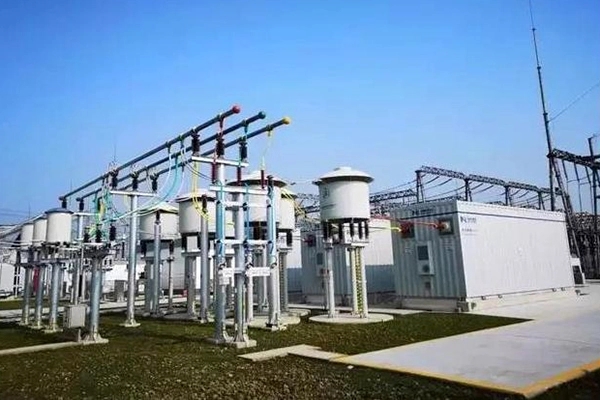
A capacitive voltage transformer is a special kind of measuring tool that turns high-voltage electrical data into accurate readings that safety systems and metering equipment can work with. These devices work with capacitive voltage division and work well in transmission networks with voltages between 66kV and 765kV. Capacitive voltage transformers are different from traditional electromagnetic transformers in that they are smaller and have better transient response characteristics. This makes them crucial for modern power infrastructure that needs to monitor voltage accurately, keep the grid stable, and protect equipment in commercial installations, utility substations, and industrial facilities.
Understanding Capacitive Voltage Transformers
What Makes CVTs Different from Traditional Transformers
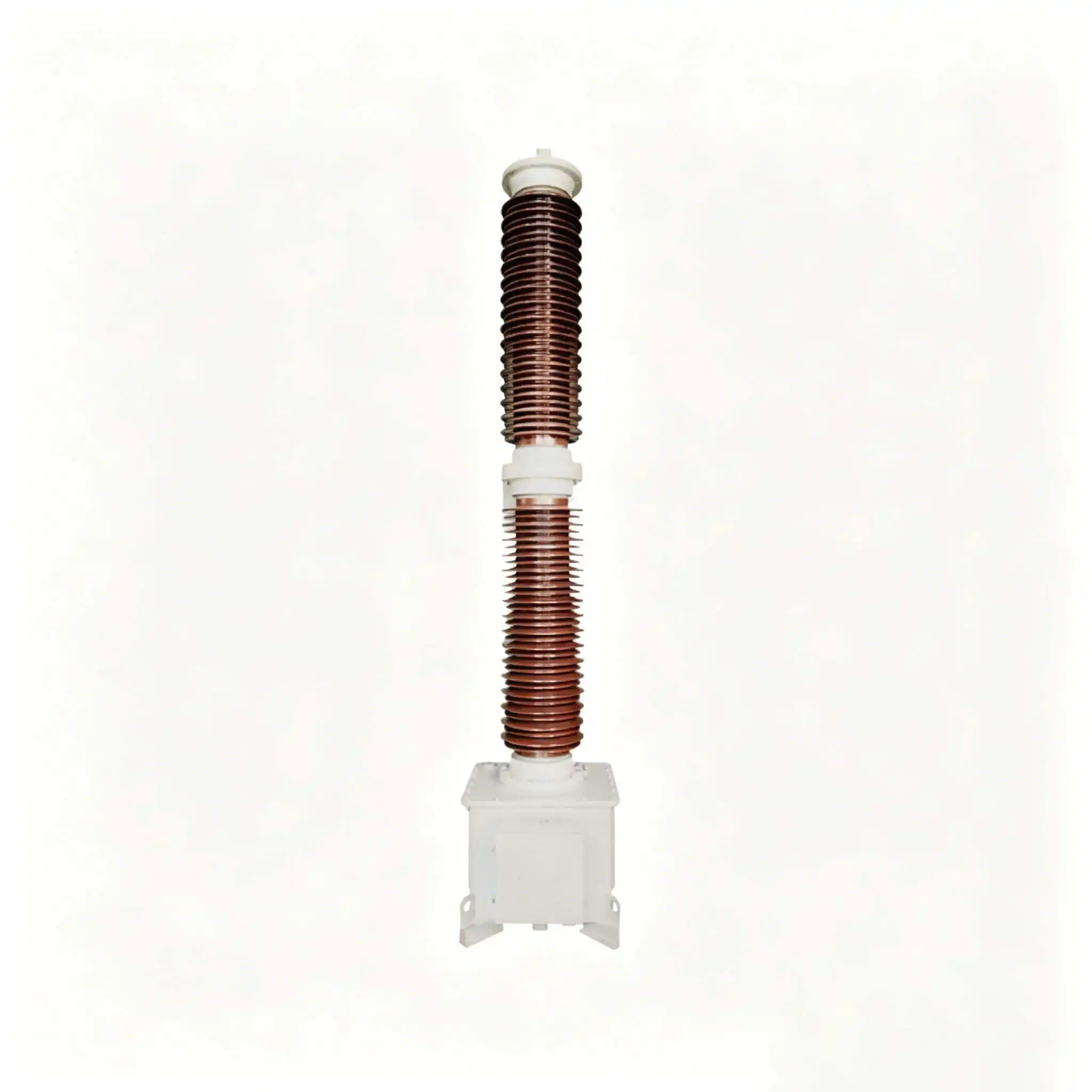
The way capacitive voltage transformers work is very different from the way electromagnetic potential transformers work. A capacitor divider stack steps down high-voltage signals before sending them through a middle electromagnetic unit. This is what the core process depends on. This design has several practical benefits, including a smaller physical size, lower material costs for high-voltage uses, and better performance during grid events that change quickly. When voltage spikes happen, the CVT's damping circuit reacts in milliseconds, saving sensitive equipment like meters and relays further down the line.
Core Components and Their Functions
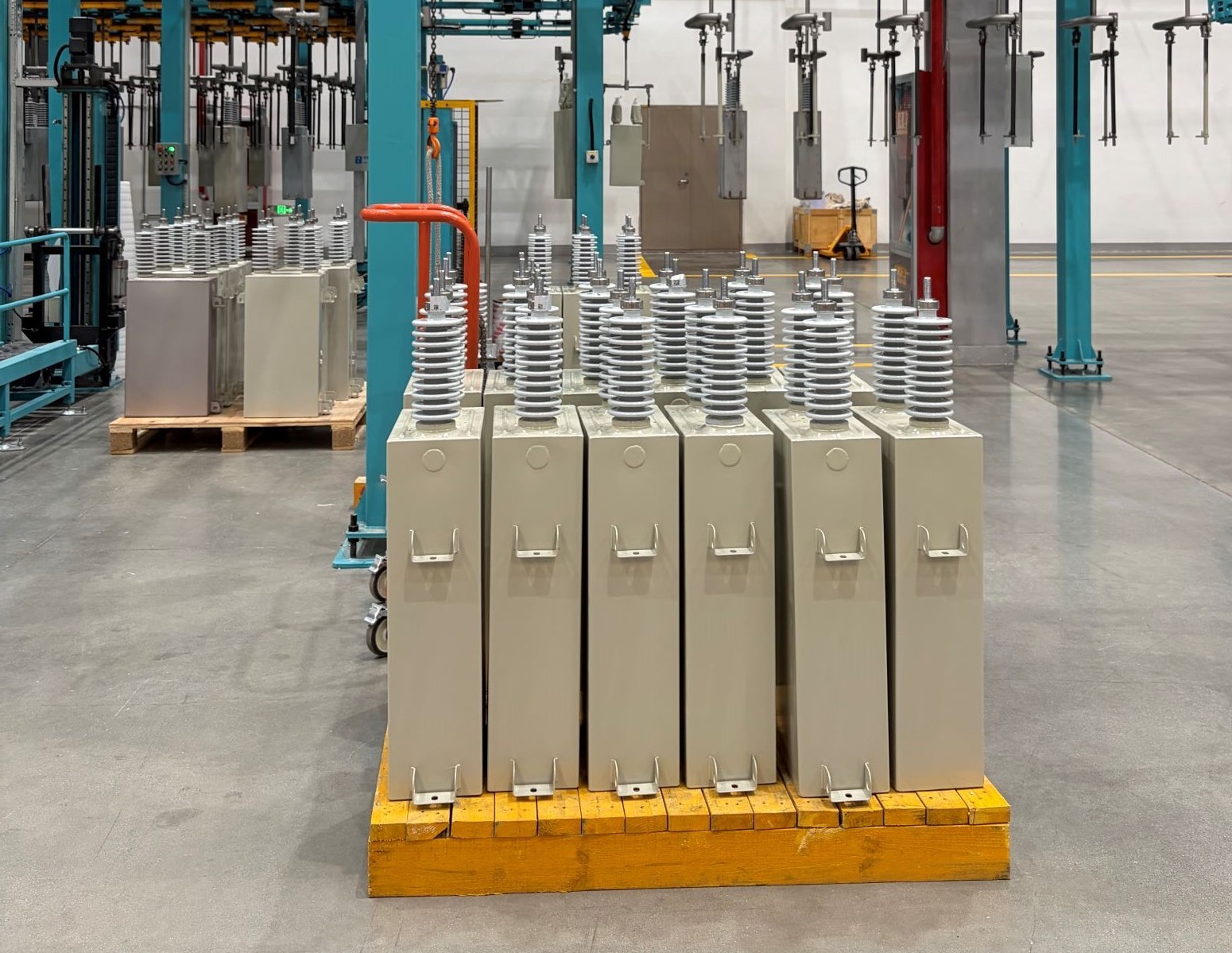
To build a capacitive voltage transformer, you need three important parts that all work together. The received voltage is split evenly by the high-voltage capacitor stack, which is made of ultra-low-loss insulating materials. The signal is then scaled to normal measurement levels by an intermediate transformer. For metering reasons, these levels are usually 110V or 120V. The damping system, which is important but often forgotten, stops ferroresonance effects that could mess up readings when going on and off or when there is a fault. Our 110kV models have improved damping designs that allow them to respond quickly to transients at the 3PT1 level while keeping the residual voltage below 2%. This makes them compatible with the fast-acting protective switches that current grid codes require.
Accuracy Classes and Measurement Precision
Measurement accuracy has a direct effect on the accuracy of bills, the coordination of protective relays, and the dependability of system tracking. Most capacitive voltage transformers can meet IEC 61869 standards for revenue metering and safety uses with accuracy class ratings of 0.1 to 0.2. Our devices have 0.1-class accuracy inputs that allow field recalibration without sending them back to the maker. This means that they will keep measuring accurately for 30 years. This feature is especially useful in places like data centers and factories where the quality of the power directly impacts how well they work and how much they make.
Applications and Use Cases of Capacitive Voltage Transformers
High-Voltage Transmission Networks
Capacitive voltage transformers are used by utility companies to watch and protect the grid when operating transmission lines at 110kV or higher. These devices work well with SCADA systems and give accurate voltage data in real time, which is needed for managing crowding and adjusting loads. The long creepage distances—exceeding 25mm per kV—make it possible to work reliably in seaside areas that get contaminated by salt or industrial areas where airborne pollution are a problem. When there are problems with transmission lines, the CVT's rapid transient reaction makes sure that safety switches get correct voltage information within critical clearing times, preventing cascade failures.
Industrial and Commercial Facility Integration
Power quality rules are very strict for factories that use CNC machines, injection molding equipment, and robotic assembly lines. When the voltage changes by more than ±5%, production stops, which costs thousands of dollars per hour. When placed at major distribution points, capacitive voltage transformers allow for constant tracking, which sets off automatic voltage regulators before damage to equipment happens. Our CVTs can handle surge currents up to 100 times their rated capacity, keeping measurements accurate during generator transfers or utility switching events. Hospitals that put CVTs in their electrical rooms get better protection for life-safety systems, with devices meeting NFPA 70 fire code standards through flame-retardant capacitor construction.
Smart Grid and Renewable Energy Systems
Voltage measurement equipment has to deal with some unique problems in wind farms and solar setups. Harmonic distortion from inverter systems and output patterns that come and go create voltage fluctuations that conventional transformers struggle to track accurately. Capacitive voltage transformers excel in these environments due to their superior frequency response characteristics. The devices maintain measurement accuracy across harmonic frequencies up to the 25th order, supporting grid code compliance for renewable interconnections. Smart grid implementations leverage CVTs equipped with digital communication interfaces, transmitting voltage data to distribution management systems for predictive analytics and automated fault location.
Maintenance Strategies for Extended Service Life
Structured repair practices can help asset managers who are in charge of substation equipment portfolios make CVTs last longer. Annual visual inspections identify porcelain insulator damage or corona discharge evidence. Using tan-delta tests to measure dielectric loss shows that capacitors are breaking down before they fail. Our hermetically sealed designs eliminate oil leaks common in older electromagnetic transformers, reducing environmental compliance burdens. The modular construction allows component replacement without complete device removal, minimizing outage duration during maintenance windows. Utilities operating in seismic zones benefit from IEEE 693-compliant mounting systems that withstand ground accelerations without measurement disruption.
Comparing Capacitive Voltage Transformers with Other Voltage Transformers
Construction and Operating Principles
Electromagnetic voltage transformers use magnetic cores and wound coils to change the voltage by inducing electromagnetic waves. At levels above 145kV, this method is too big and costs too much because it needs to be insulated. Through capacitive division, capacitive voltage transformers get around these problems, making packages 40% smaller while still being accurate. Inductive voltage transformers are built in a way that is similar to electromagnetic types, but they work best in certain frequency bands. Potential transformers are exact, but they don't have the transient reaction skills that are needed for current protective relay coordination. Knowing these differences helps buying teams match transformer technology to the needs of the application and the available funds.
Performance Under Various Operating Conditions
Extreme temperatures have different effects on the accuracy of different types of transformers. Temperature-compensated capacitor designs in our capacitive voltage transformers keep measurements accurate from -40°C to +55°C. Electromagnetic transformers experience saturation under DC bias situations created by geomagnetic disturbances, but they don't affect CVTs. The dielectric loss in our devices stays below 0.08% tan-delta across operational temperature ranges, delivering energy efficiency that accumulates significant cost savings over multi-decade service periods. In contrast to electromagnetic designs, where internal arcing gradually compromises dielectric strength, partial discharge levels below 5pC stop insulation degradation.
Total Cost of Ownership Analysis
The initial buying price is only one part of the total cost of owning a transformer. Capacitive voltage transformers have a lower total cost of ownership through reduced installation expenses—lighter weight simplifies foundation requirements and crane specifications. Maintenance intervals extend to five years versus annual inspections for oil-filled electromagnetic units. The absence of liquid dielectrics eliminates environmental monitoring and spill containment expenses. EPC firms designing substations discover that CVT specifications allow standardized layouts adaptable across multiple projects, reducing engineering hours and material procurement complexity. Over a 25-year planning period, these factors lead to ROI gains of 15–20% compared to traditional transformer technologies.
How to Choose the Right Capacitive Voltage Transformer for Your Needs
Critical Selection Criteria
To choose a voltage grade, you must first figure out the highest system voltage and add in the right safety factors for short-term overvoltage situations. The accuracy class is based on the goal of the application—revenue metering needs a class of 0.2 or higher, while protective relaying can handle a class of 0.5. Choosing an insulator depends on the surroundings: standard porcelain suits benign environments, while silicone-coated or polymer insulators are better for places where pollution is a problem. IEEE 693 qualification testing paperwork is needed because of earthquake rules in California, Alaska, and other busy zones. It is recommended that procurement specs include clear references to IEC 61869 to ensure global interoperability and avoid using proprietary designs that make future growth harder.
Evaluating Manufacturer Capabilities
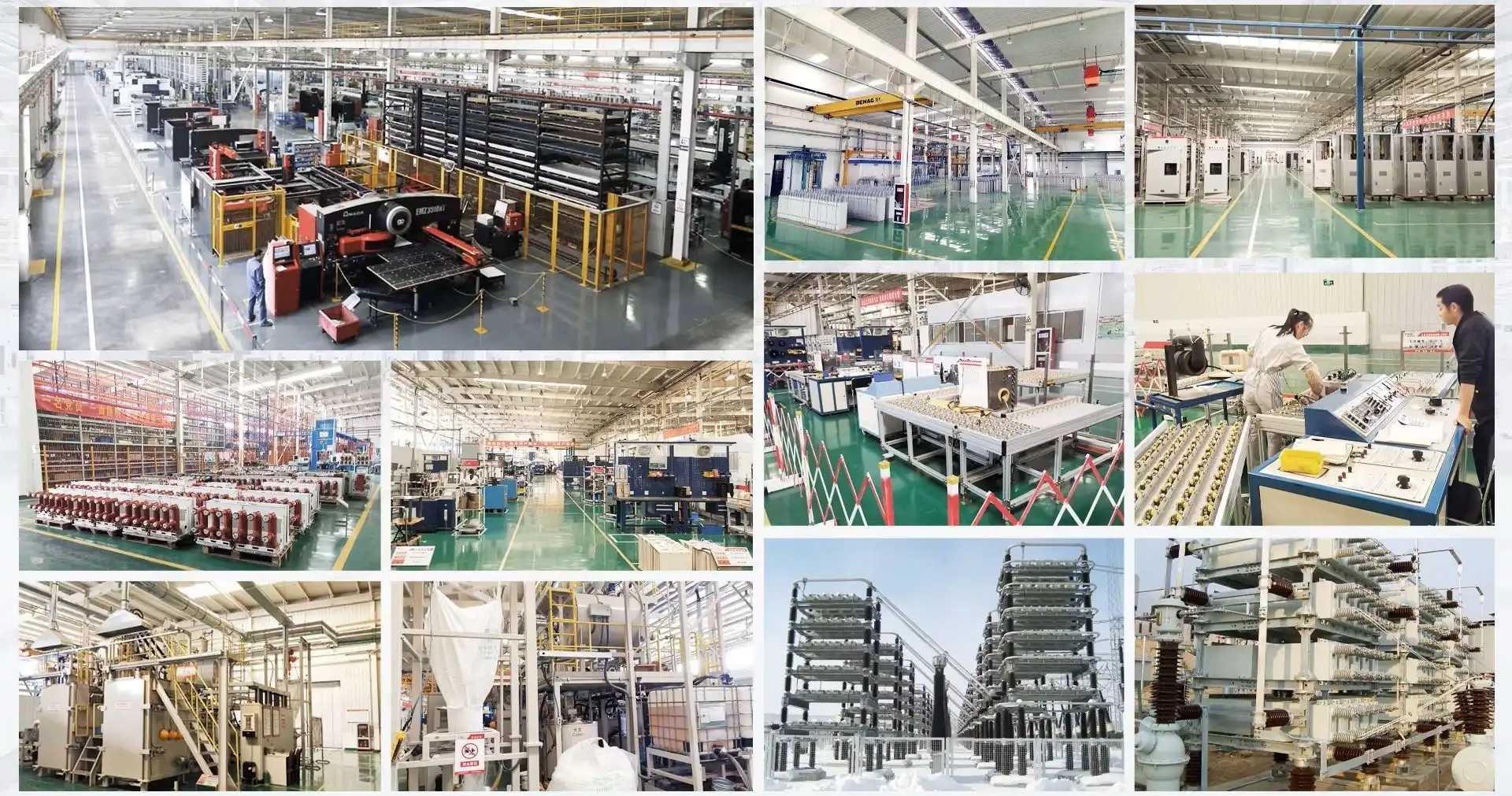
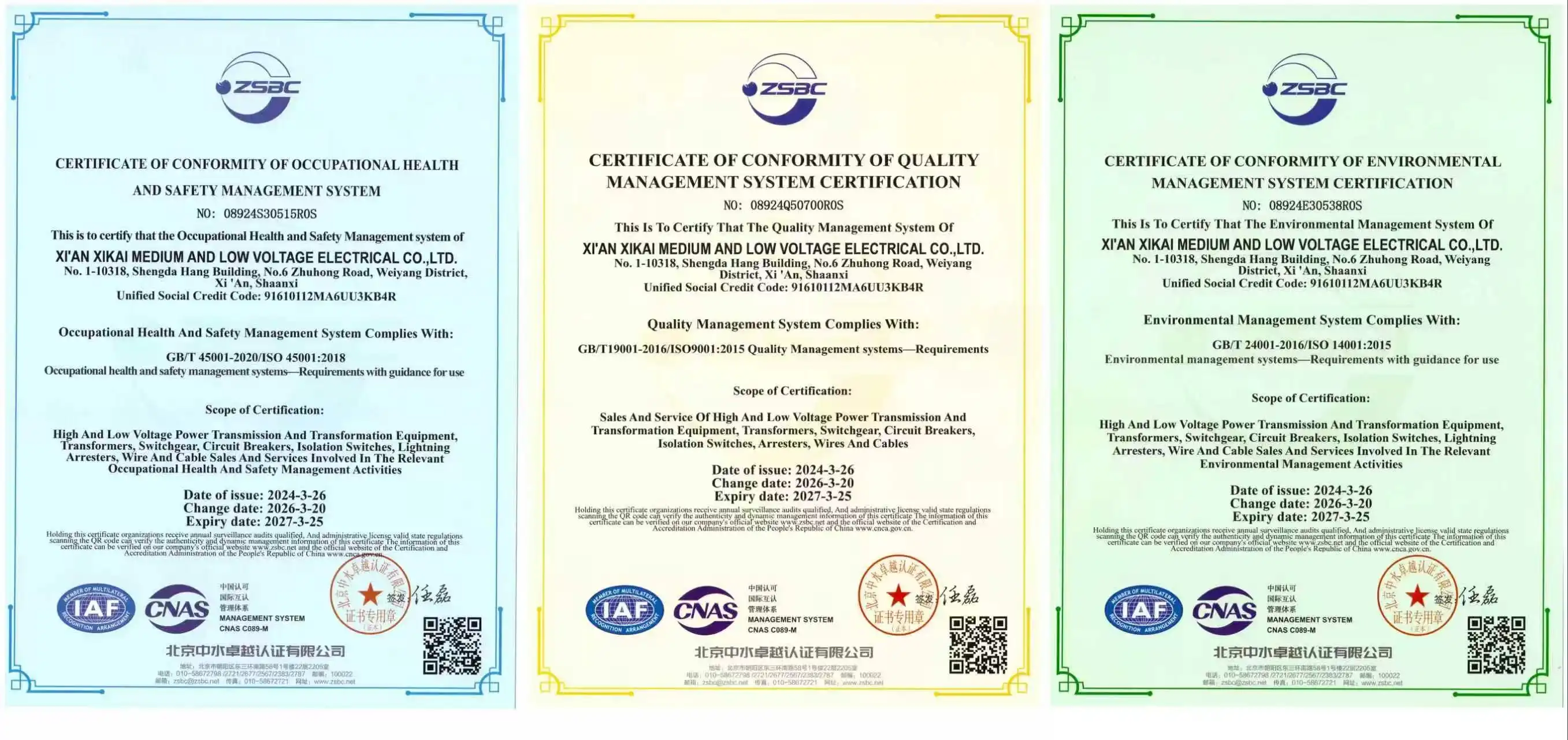
Leading makers of capacitive voltage transformers show their quality by getting approvals that go beyond just making sure their products work. ISO 9001 quality management systems ensure consistent production standards. ISO 14001 environmental certifications indicate responsible manufacturing practices increasingly important for corporate sustainability reporting. Type test reports from independent laboratories like KEMA or CESI verify performance claims under fault conditions and environmental stresses. Our manufacturing processes incorporate X-ray inspection of capacitor elements, identifying internal defects before assembly. Thermal cycling tests simulate decades of operational stress, validating design margins that prevent premature failures. These quality assurance measures differentiate reliable suppliers from those offering lower initial costs but higher lifetime risk.
Procurement Process Optimization
System designers who are in charge of many projects can benefit from working with capacitive voltage transformer suppliers who offer standardized product families. Volume commitments enable preferential pricing while maintaining delivery flexibility. Technical support during design phases prevents specification errors that delay projects or require costly field modifications. Our team does technical calculations for protective relay coordination, ensuring CVT transient response characteristics match relay timing requirements. Lead times for standard 110kV models range from 8-12 weeks, while custom specifications require 14-18 weeks including type testing. Bulk order programs for utilities standardizing equipment across service territories include consignment inventory options, balancing cash flow with material availability for planned projects and emergency replacements.
Performance Optimization and Future Trends in CVT Technology
Installation Best Practices
The accuracy of capacitive voltage transformer measurements and their mechanical life are greatly affected by how well they are mounted. Foundation designs must account for seismic loads, wind pressure, and ice accumulation per local building codes. Grounding connections require low-resistance paths—typically below 5 ohms—to ensure personnel safety and measurement reference stability. Secondary wiring should utilize shielded cables minimizing electromagnetic interference from adjacent high-current conductors. Our installation guidelines specify minimum clearances preventing contamination buildup on insulator surfaces. Commissioning procedures include ratio verification, polarity confirmation, and burden testing ensuring connected metering and protection loads remain within device capacity ratings.
Common Performance Issues and Solutions
When capacitive voltage transformers are turned on through certain network setups that combine wire capacitance and transformer magnetizing reactance, ferroresonance conditions can happen. The event changes the power and stresses the electronics. Our plans for damping circuits actively reduce ferroresonance for most system conditions, but in some cases, you may need to add more external damper resistors. Moisture getting in through broken seals lowers the performance of insulation, which can be found by analyzing dissolved gas analysis of internal atmosphere samples. According to partial discharge monitoring systems, insulation problems can be found years before they become catastrophic, enabling planned replacements during scheduled outages rather than emergency situations.
Digital Integration and Smart Technologies
Electronic circuits are replacing traditional electromagnetic intermediate transformers in modern capacitive voltage transformers that can measure voltage digitally more and more. These digital CVTs output IEC 61850 communication protocols, integrating directly with substation automation systems without separate transducers. Condition monitoring features track diagnostic parameters—capacitor tan-delta, temperature profiles, partial discharge activity—transmitting data to asset management platforms for predictive maintenance scheduling. IoT-enabled designs support remote calibration verification, reducing field visit requirements while maintaining measurement traceability for revenue metering applications. Grid modernization initiatives leveraging distributed energy resources and automated switching depend on the enhanced situational awareness these smart capacitive voltage transformers provide.
Strategic Investment Considerations
When utility companies plan to improve their infrastructure, they have to weigh the costs of short-term capital expenditures against the costs of long-term running costs. There are a number of reasons why capacitive voltage transformers are investments that will pay off in the future. The compact footprint enables substation retrofits within existing equipment spacing, avoiding land acquisition costs. Proven reliability in harsh environments—validated through decades of field experience—minimizes unplanned outage risks that erode customer satisfaction scores. Compatibility with emerging digital grid technologies protects against obsolescence as utilities deploy advanced distribution management systems. Our products follow strict rules about the environment, like RoHS compliance, which helps companies keep their sustainability promises increasingly scrutinized by investors and regulators. These factors position capacitive voltage transformers as strategic assets delivering measurable value throughout multi-decade service horizons.
Conclusion
Capacitive voltage transformers are an important part of modern electrical infrastructure because they measure voltage and protect it. They combine proven dependability with high performance. The technology has clear benefits for high-voltage uses where accuracy, transient response, and weather robustness are important for how well the system works. Our 110kV models show these qualities by having better electrical stability, resistance to pollution, and accuracy that stays the same over long service periods. If procurement professionals and system planners understand how CVT works, what applications need, and how to choose the best CVT, they can come up with the best solutions that balance technical performance with lifecycle economics. As power systems change to include more green energy and digital technology, capacitive voltage transformers will still be important for keeping the grid stable and making sure operations are safe.
FAQ
1. What accuracy can I expect from capacitive voltage transformers?
According to IEC 61869 standards, modern capacitive voltage transformers have accuracy class ratings of 0.1 to 0.2, which means they can be used for income metering and safe relaying. When used in temperatures ranging from -40°C to +55°C, our 110kV models keep their specified accuracy. They also have unique patented damping technology that keeps measurements stable during rapid grid events.
2. Are capacitive voltage transformers suitable for renewable energy applications?
Yes, these devices work really well in wind and solar systems because they have great harmonic performance. They keep accurate measurements even at harmonic frequencies up to the 25th order and correctly track changes in voltage caused by inverter-based generation. The rapid transient response can handle production patterns that come and go without distorting the measurements.
3. What maintenance schedules do capacitive voltage transformers require?
Every year, Routine inspections occur, examining insulators for damage and verifying grounding connections. Every five years, Dielectric testing shows how capacitors are breaking down. Our hermetically sealed designs don't need oil samples, so they require less upkeep than electromagnetic transformers and last longer between service visits.
Partner with Xi'an Xikai for Reliable Voltage Measurement Solutions
Xi'an Xikai Medium & Low Voltage Electric Co., Ltd. has been making capacitive voltage transformers for over forty years and works with utilities, industrial sites, and system developers all over the world. Our 110kV CVT models have all the certificates you need, including IEC 61869, CE, and IEEE 693 compliance, to make sure they work perfectly and reliably with your important infrastructure. As the top maker of capacitive voltage transformers, we offer custom solutions that are made to fit the needs of each project—from standard configurations to specialized designs for extreme environments or unique grid conditions. Our expert team helps you with the buying process by doing engineering calculations, giving you advice on installation, and providing ongoing upkeep support to make sure that the equipment works at its best throughout its lifetime. Please email our experts at serina@xaxd-electric.com, amber@xaxd-electric.com, or luna@xaxd-electric.com right away to talk about your voltage measurement needs and get reasonable quotes with full specs.
References
1. International Electrotechnical Commission. Instrument Transformers – Part 5: Additional Requirements for Capacitor Voltage Transformers. IEC 61869-5:2011.
2. IEEE Power and Energy Society. IEEE Guide for Seismic Qualification of Electrical Equipment in Substations. IEEE Std 693-2018.
3. Castello, P., and Muscas, C. "Capacitive Voltage Transformers: Transient Overreach Concerns and Solutions for Distance Protection." Electric Power Systems Research 140 (2016): 972-981.
4. Ahmadi, S. A., et al. "Analysis of Ferroresonance Phenomena in Capacitive Voltage Transformers." International Journal of Electrical Power and Energy Systems 65 (2015): 234-242.
5. Kasztenny, B., and Rosolowski, E. "Distance Protection of Series-Compensated Lines: Problems and Solutions." Developments in Power System Protection Conference, IET, 2008.
6. Zhang, Y., and Liu, H. "Development and Application of Electronic Instrument Transformers in Smart Substations." Energy Procedia 88 (2016): 522-527.