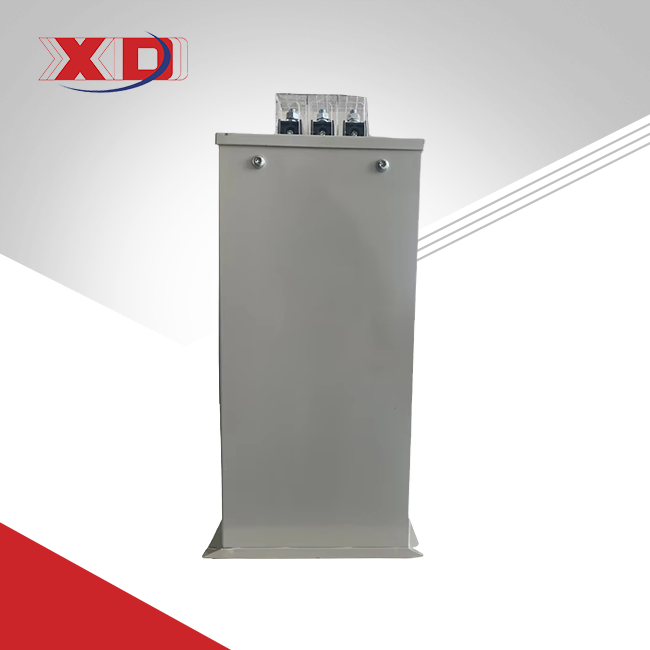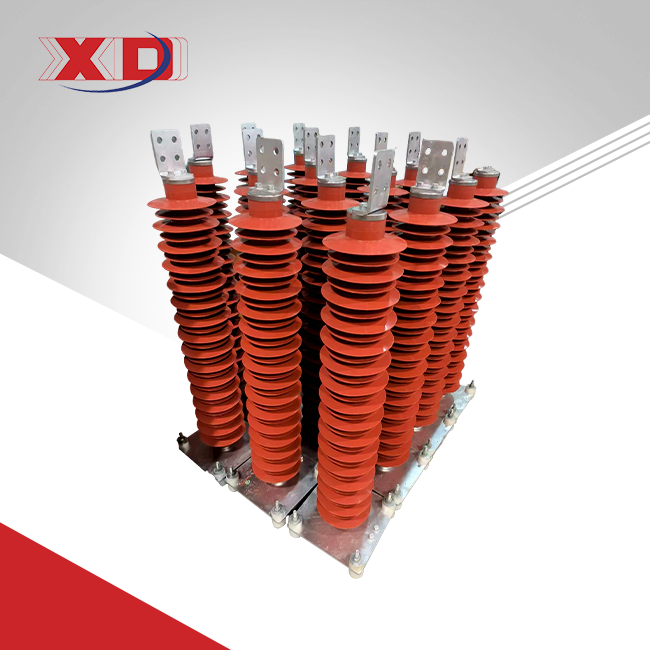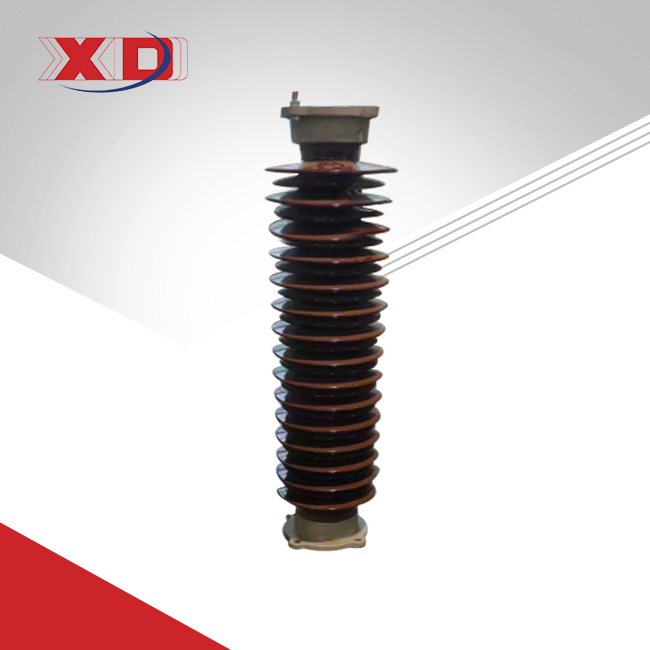
Y10W-102/266W Lightning Arrester Porcelain housed MOA for AC system
Guide to Metal-Clad Withdrawable Switchgear Systems
2026-05-14 16:24:03
Metal-Clad Withdrawable Switchgear is a sophisticated type of medium-voltage electrical distribution equipment that works with voltages between 1kV and 38kV. It has protective devices and circuit breakers mounted on carriages that can be removed and placed inside metal-enclosed compartments. This modular design lets maintenance workers safely take out and fix individual parts without turning off the whole bus system. This solves important operational problems in places where losing power has a direct effect on profits and productivity. For data centers, factories, hospitals, and utility substations that can't afford unplanned downtime, this technology has become an important part of their infrastructure.
 |
 |
Understanding Metal-Clad Withdrawable Switchgear
Core Components and Operating Principles
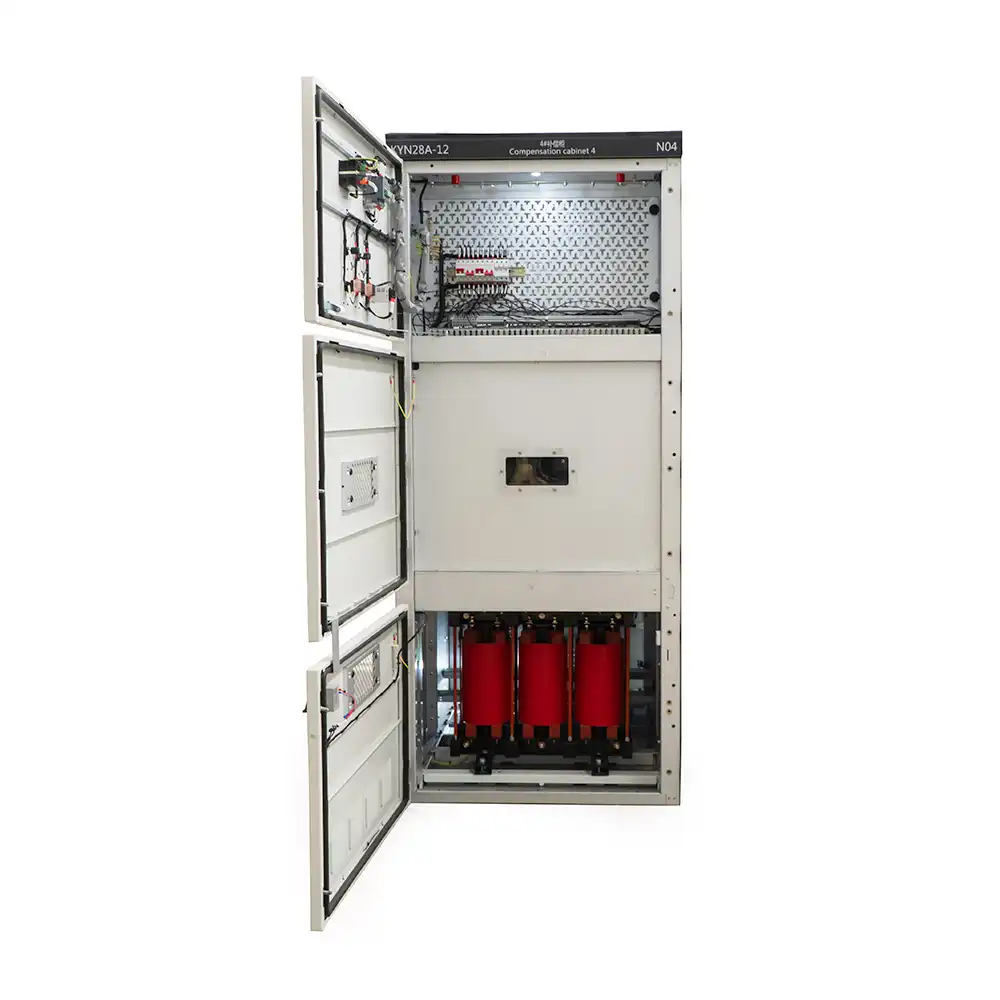
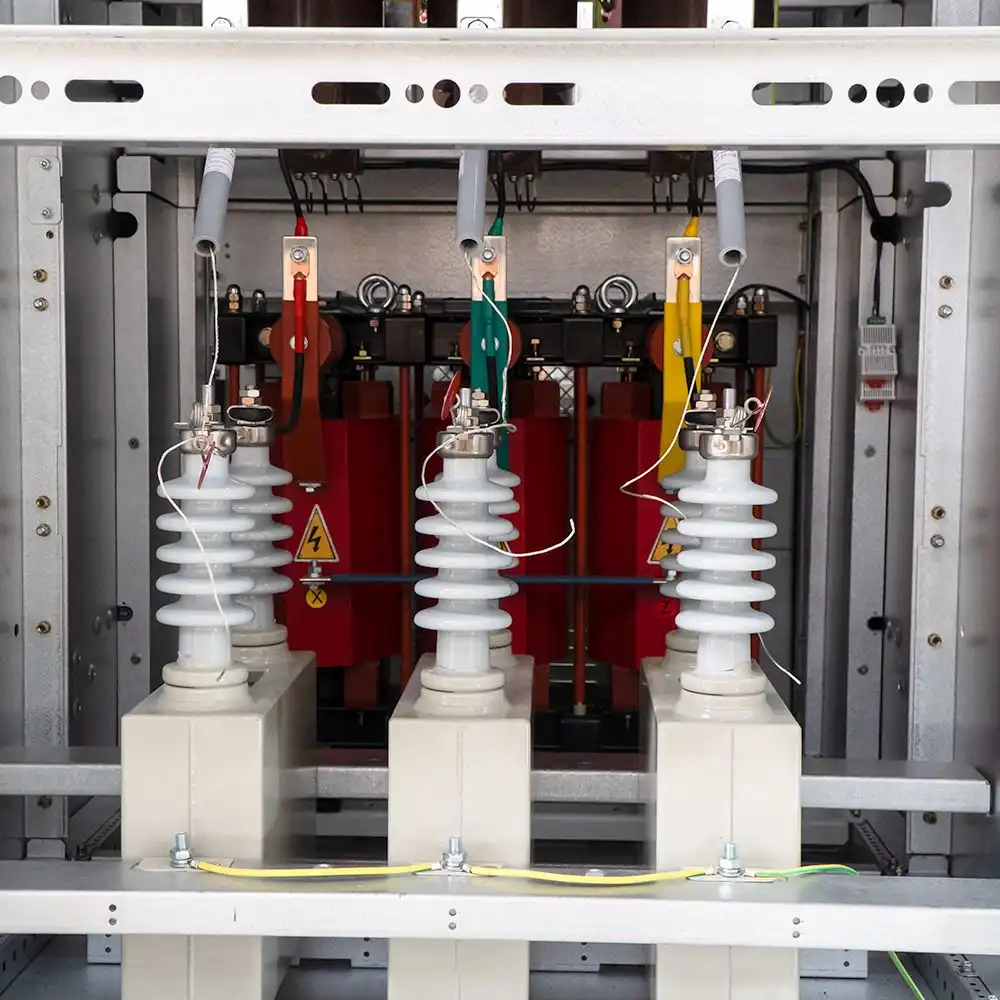
The basic structure of Metal-Clad Withdrawable Switchgear is based on compartmentalized construction, with separate chambers for the circuit breaker, bus connections, and cable terminations. Each element that can be pulled out works on precise racking mechanisms that let technicians move parts between the service, test, and disconnect positions. Putting in or taking out breakers while the power is on is not safe with this mechanical interlocking system. It protects both the equipment and the people who are using it.These days, modern systems use either SF6 or vacuum interruption technology, and they can break up to 63kA. The metal case has ingress protection of IP3X or higher, keeping the internal parts safe from outside contaminants and keeping arc energy in during fault conditions. Compartment barriers meet the arc-resistant standards set by IEEE C37.20.7 and direct fault pressure away from working areas through designated relief paths.
Differentiating Design Features
In fixed switchgear, parts stay in place permanently. With withdrawable architecture, broken breakers can be quickly replaced without the need for special tools or long power outages. Alternatives that are air-insulated don't have the strong containment of metal-clad designs, so electrical parts are exposed to dust and humidity, which speed up the breakdown process. Gas-insulated switchgear is small, but it needs to be handled in a certain way when working with SF6. Withdrawable systems, on the other hand, can be maintained in a way that most electrical teams are familiar with.The plug-in primary contacts line up automatically while the rack is being used, so there is no need to make connections by hand, which can lead to mistakes. The secondary disconnects separate at the same time, which keeps the protection circuits' proper sequencing. Because of this foolproof design, Metal-Clad Withdrawable Switchgear configurations are the best choice for mission-critical applications where reliability is more important than initial cost.
Advantages and Safety Features of Metal-Clad Withdrawable Switchgear
For equipment to work well in industrial settings, it needs to be able to balance protection, accessibility, and continuity. Metal-Clad Withdrawable Switchgear systems have measurable benefits in all of these areas, which is why they are widely used in tough situations.
Enhanced Safety Through Compartmentalization
The segregated chamber design separates maintenance areas from live bus sections. This lets technicians work on disconnected breakers while circuits next to them are still working. Mechanical interlocks make sure that the right steps are taken in the right order. For example, a breaker can't be inserted unless the grounding switches are open, access to a compartment is blocked when the primaries are connected, and the position must be checked before the circuit is turned on.Arc-resistant building materials that have been tested according to IEEE C37.20.7 contain internal fault energy that sends pressure through designated vents instead of toward people. When tested in separate labs, these systems can handle internal arcing events with currents above 30kA without breaking the integrity of the enclosure. Temperature sensors and pressure relief indicators help find problems early on and set off alarms before they become major problems.
Operational Reliability and Maintenance Efficiency
Withdrawable parts cut the average time to fix something from hours to minutes. When a circuit breaker breaks, technicians rack it to the disconnect position, roll out the broken unit, and put in a spare that has already been tested. The swap is usually done in 15 minutes or less. With this hot-swapping feature, there are no longer any long outages that mess up production schedules or hospital patient care.It's also easier to fix problems with compartmentalized architecture. Technicians can test individual feeders without exposing the whole system, which lets them do things like calibrating relays and measuring contact resistance in a safe environment. It is now safer and faster to do routine inspections, which encourages preventative maintenance that finds problems before they get worse and cause failures.
Space Optimization and Future Expansion
Modern metal-clad designs can handle higher current densities than older switchgear while still leaving enough space between the wires. When compared to equivalent air-insulated installations, vertical stacking arrangements require 40% less space, which is a huge benefit for urban substations and retrofit projects that are limited on space. Future load growth can be accommodated by modular construction; facilities can add breaker bays without having to make major structural changes or shut down for long periods of time.The value of these useful benefits goes straight to the business. After replacing old fixed switchgear with Metal-Clad Withdrawable Switchgear systems, a pharmaceutical company saw a 98% drop in maintenance-related downtime. A regional utility cut the time it took to fix problems by 22%, which improved reliability metrics that affect things like following the rules and how happy customers are.
 |
 |
KYN28-12 Removable Metal-Clad Switchgear: Technical Specifications and Applications
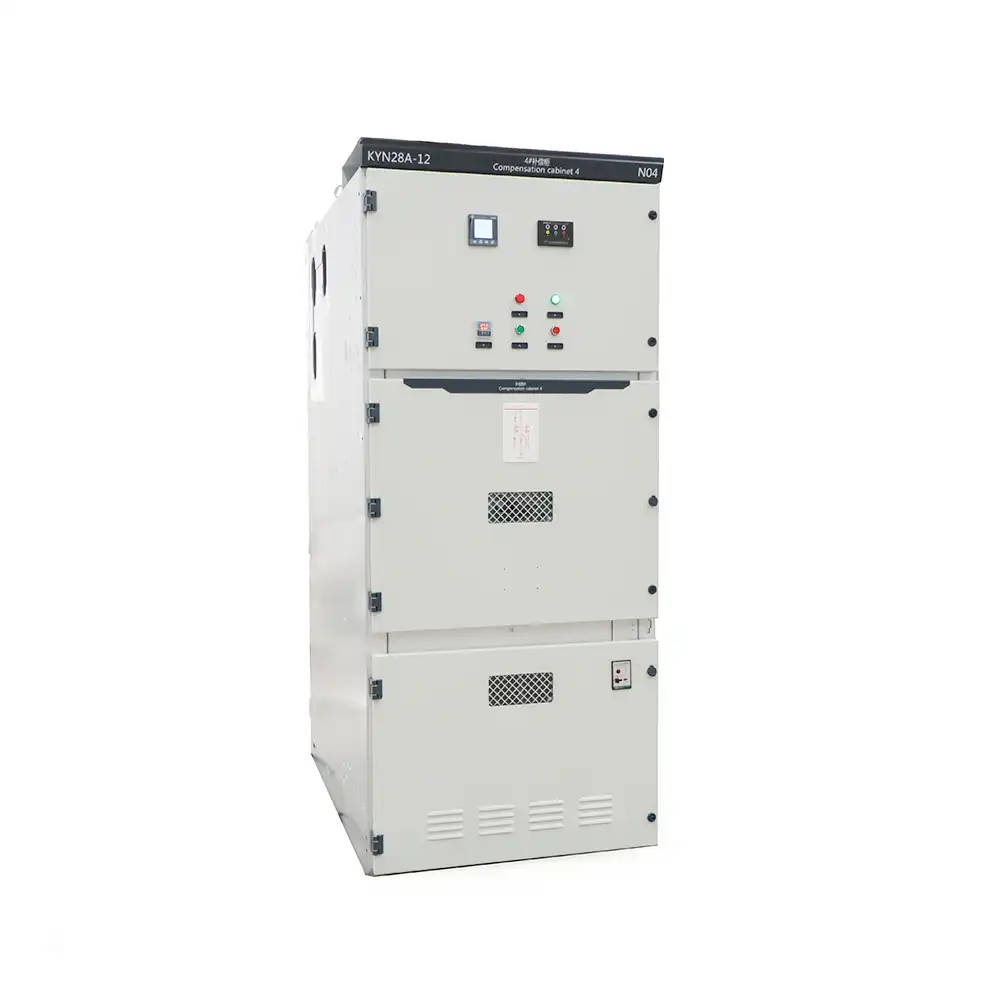
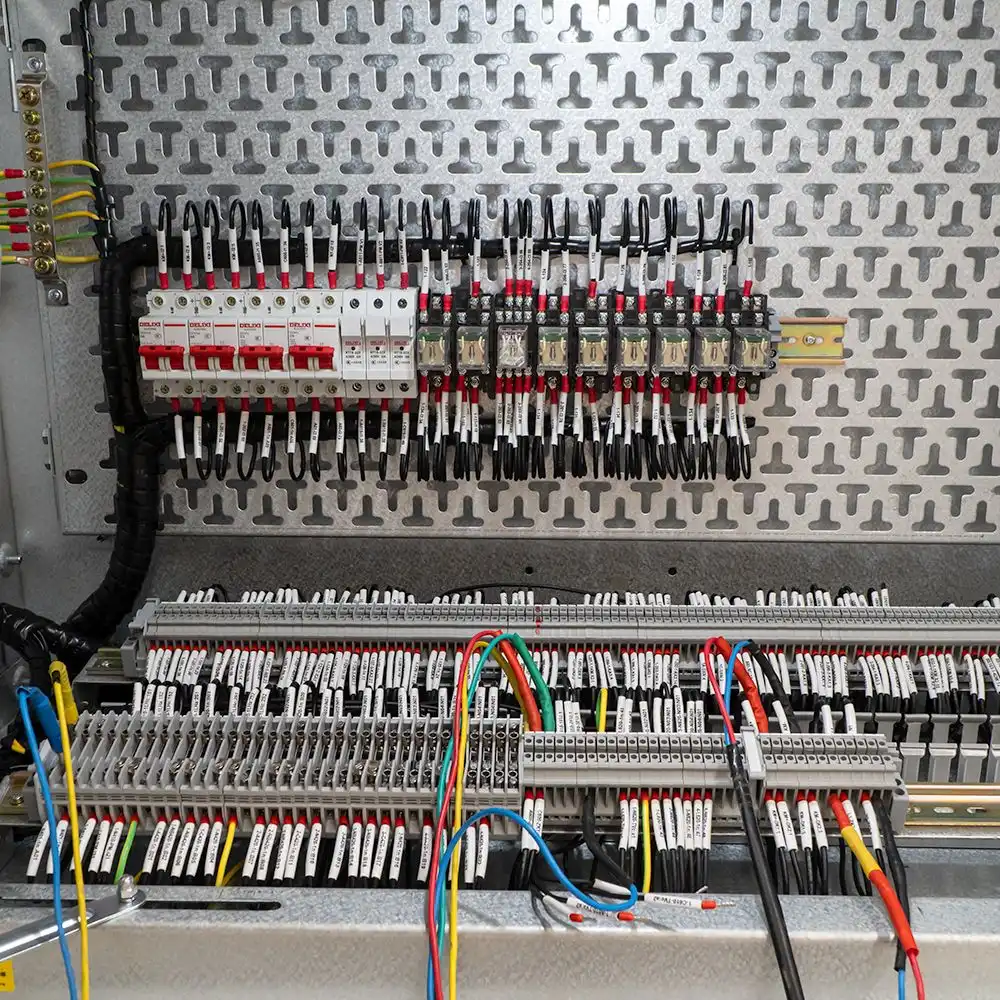
Looking at a specific product shows how design features meet the needs of real-world buyers. The KYN28-12 movable Metal-Clad Withdrawable Switchgear works at a rated voltage of 12kV and a frequency of 50Hz. This makes it perfect for medium-voltage distribution networks in the utility and industrial sectors. When buying something, being compatible with ABB VD4 and VS1 circuit breakers gives buyers choices, letting them choose the best interruption technology based on the needs of the application and the infrastructure they already have.
As a safety measure, the five-layer safety interlock system is a big step forward. These mechanical and electrical interlocks stop circuit breaker mistakes by stopping racking operations when electrical conditions are unsafe. They also stop people from getting into live compartments by using position-verified door locks and making sure that the right order of disconnections is followed. This built-in safety feature lowers the chance of human error, which is the main reason why electrical accidents happen during maintenance work.
Power distribution networks, motor control centers that need to start motors often, and grid monitoring installations where accurate measurements and worker safety are very important are all places where this technology can be used. The system works well with isolation trucks for safe maintenance and protection plans for transformers, making it possible to get all the distribution solutions you need from a single platform.
The quality of the manufacturing is in line with international standards IEC 62271; for example, the dielectric is tested at 42kV power frequency withstand voltage, which is much higher than what is needed for operation to ensure long-term insulation integrity. Mechanical endurance testing confirms that the product will work reliably for more than 10,000 cycles, which is many years of use. The IP54 protection and stainless steel construction make sure that the device works well in harsh environments, such as coastal locations that get salt fog or desert locations that have temperature swings of -25°C to +55°C.
Comparison and Selection Criteria for Switchgear in B2B Procurement
Evaluating Configuration Options
Procurement teams must weigh different switchgear technologies based on cost, flexibility, and lifecycle impact. Fixed switchgear has lower upfront cost but requires full shutdowns for maintenance, reducing operational continuity. Gas-insulated systems reduce environmental footprint but involve stricter SF6 handling and maintenance constraints. Metal-Clad Withdrawable Switchgear offers a balanced solution with higher initial cost but significantly reduced downtime and maintenance effort. Over a 25-year lifecycle, withdrawable systems typically reduce operational costs by 18–30% compared to fixed designs, despite being 12–15% more expensive initially.
Decision Framework for Specifications
Selection begins with accurate load and fault analysis. Motor-heavy systems require breakers rated for asymmetrical fault currents up to 12–14 times nominal values, while distribution networks prioritize downstream interruption performance. Environmental conditions such as coastal corrosion risk or high-altitude derating must follow IEEE guidelines. Maintenance strategy also influences design choice: in-house teams benefit from withdrawable systems, while outsourced maintenance may favor longer service intervals or smart diagnostics. Integration with existing voltage levels, bus structures, and protection schemes is essential. Procurement teams should build detailed specification matrices and engage manufacturers early for optimization and value engineering.
Procurement Insights: Pricing, Suppliers, and Installation Services
Understanding Cost Structures
Switchgear pricing extends beyond equipment cost. Higher voltage and current ratings increase material requirements such as insulation and conductor size, while interruption capacity affects breaker technology selection. Vacuum breakers are generally more cost-efficient than SF6 alternatives. Custom configurations, including specialized protection or enclosure designs, increase engineering cost and lead time. Bulk purchasing reduces unit price by 8–15%, especially in multi-bay or framework agreements. Payment structures also influence total cost, with extended credit adding 3–5% while early payment can reduce pricing slightly.
Supplier Evaluation Criteria
Supplier selection depends on technical capability, reliability, and global support infrastructure. Major vendors such as Schneider Electric, Siemens, and ABB offer strong documentation, testing data, and long-term service networks, ensuring stable spare parts availability. Regional suppliers may be cost-competitive but require careful validation of certifications and warranty strength. Engineering support during specification prevents over- or under-sizing, while commissioning services ensure correct installation and operator training. Logistics planning must also address transport, rigging, and storage requirements, with full cost transparency included in procurement planning.
Maintenance Best Practices and Lifespan Optimization
Routine Inspection Protocols
Switchgear reliability depends on structured maintenance aligned with standards such as NETA MTS. Annual inspections focus on thermal anomalies, insulation wear, mechanical condition, and connection integrity. Thermographic scanning detects overheating early, while resistance testing identifies oxidation issues. Every 3–5 years, deeper servicing includes breaker operation verification, lubrication of mechanisms, dielectric testing, and relay calibration through primary injection. These procedures ensure system reliability under real fault conditions and prevent unexpected failures during operation.
Advanced Monitoring Technologies
Modern systems use sensors for continuous condition monitoring, tracking temperature, partial discharge, and operational stress. Early detection of insulation degradation enables planned maintenance instead of emergency repairs. Data is transmitted to centralized platforms using predictive analytics and machine learning models, which estimate component lifespan and optimize service timing. This approach reduces maintenance costs by 25–35% while improving system reliability by addressing issues before failure occurs.
Extending Service Life Through Retrofits
Well-maintained switchgear can operate for 30–40 years, but aging components require modernization. Retrofit programs replace older breakers with vacuum technology and upgrade relay systems to microprocessor-based protection, adding digital communication capabilities. Partial upgrades reduce costs by 40–60% compared to full replacement and allow phased modernization during planned outages. This minimizes downtime and operational disruption while extending asset life and preserving capital investment efficiency.
Conclusion
Metal-Clad Withdrawable Switchgear has been shown to be useful in commercial buildings, utility networks, and industrial sites that need to reliably distribute medium-voltage electricity. This technology is perfect for mission-critical uses where downtime costs are high and equipment investments are small. Its compartmentalized design makes it safer, and its removable parts make it more flexible in how it works. It is also very easy to maintain. A successful procurement depends on carefully crafting specifications, carefully evaluating suppliers, and planning for the whole lifecycle of the product, which includes making sure it is installed correctly and getting ongoing maintenance help. Companies that put money into solid initial designs and strict maintenance schedules always get decades of reliable service with few unplanned breaks.
Frequently Asked Questions About Metal-Clad Withdrawable Switchgear Procurement
1. What factors determine pricing for Metal-Clad Withdrawable Switchgear systems?
The price of equipment depends on its rated voltage and current, its interrupting capacity, the type of breaker technology (vacuum or SF6), how the enclosure is customized for the environment, and extra features like metering and communication protocols. The number of units needed for a project has a big effect on the unit price. Orders with multiple bays usually get 10-15% discounts compared to single-unit purchases. The difficulty of installation, the accessibility of the site, and the need for commissioning support all add 20 to 40 percent to the total cost of the project's equipment budget.
2. How does withdrawable design improve safety compared to fixed configurations?
Withdrawable systems let you work on separate breakers while the circuits next to them stay live, which keeps people from coming into contact with live bus sections. Mechanical interlocks stop dangerous actions like getting into compartments that are powered on or putting in breakers that aren't grounded properly. Arc-resistant construction that has been tested according to IEEE C37.20.7 keeps fault energy within compartments. This keeps operators safe during internal arcing events, which is very important in industrial settings where faults happen more often.
3. Can Metal-Clad Withdrawable Switchgear be customized for unique operational requirements?
Manufacturers can meet a wide range of needs, such as non-standard voltage ratings, custom bus arrangements for redundant power paths, built-in protection schemes for transformers, and environmental enclosures for harsh climates. Customization usually adds 4 to 8 weeks to the delivery time and 8 to 12 percent to the price of a standard product. Including manufacturers in the early stages of design improves solutions and keeps costs low by finding standardization opportunities early on.
Partner with Xi'an Xikai for Your Metal-Clad Withdrawable Switchgear Solutions
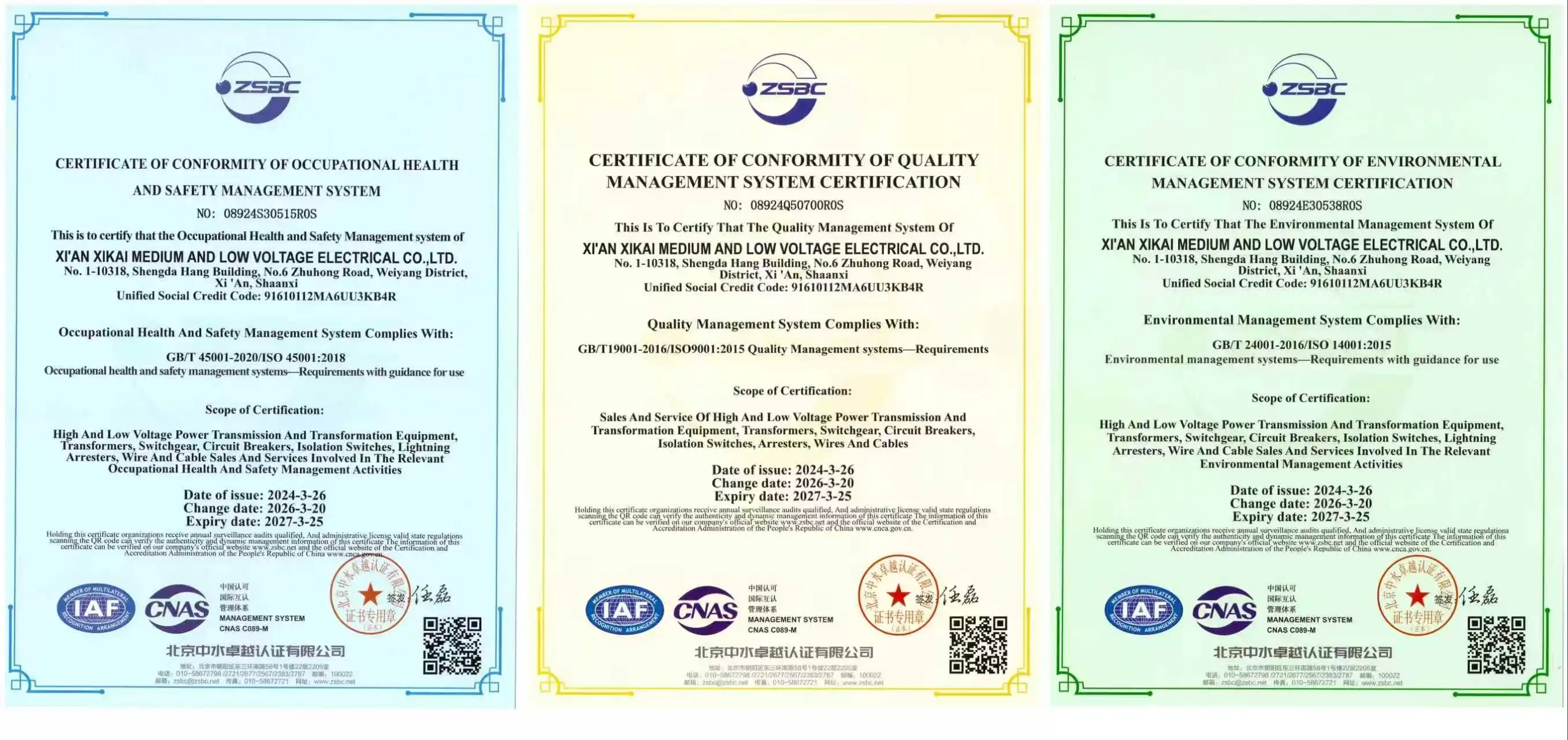
Xi'an Xikai Medium & Low Voltage Electric Co., Ltd. is ready to help you with your power distribution projects by providing complete Metal-Clad Withdrawable Switchgear systems that are designed to be reliable and work well. We can make 7 main types of products and more than 100 different versions of each. Our manufacturing process is backed by several patented technologies and quality systems that are ISO 9001-certified. With specialized equipment that can reliably work at heights of up to 4,000 meters, we provide custom solutions for demanding applications in commercial buildings, utility networks, and industrial manufacturing. Our KYN28-12 removable Metal-Clad Withdrawable Switchgear shows how much we care about safety and performance. It has five layers of interlock protection, works with leading circuit breaker platforms, and is compatible with global standards such as IEC 62271. As a well-known company that makes Metal-Clad Withdrawable Switchgear, we offer full support, including application engineering advice, professional installation services, and quick technical support after the sale. Contact our procurement specialists today for detailed specifications and competitive quotations tailored to your project requirements. Reach Serina at serina@xaxd-electric.com, Amber at amber@xaxd-electric.com, or Luna at luna@xaxd-electric.com.
References
1. Institute of Electrical and Electronics Engineers. "IEEE Standard for Metal-Clad Switchgear," IEEE C37.20.2-2015, IEEE Standards Association, 2015.
2. International Electrotechnical Commission. "High-Voltage Switchgear and Controlgear - Part 200: AC Metal-Enclosed Switchgear and Controlgear for Rated Voltages Above 1 kV and Up to and Including 52 kV," IEC 62271-200:2021, IEC Publications, 2021.
3. National Electrical Testing Association. "Standard for Maintenance Testing Specifications for Electrical Power Equipment and Systems," ANSI/NETA MTS-2019, NETA Standards, 2019.
4. Zhang, Wei and Liu, Hongwei. "Reliability Analysis of Medium-Voltage Switchgear in Industrial Applications," Journal of Electrical Engineering & Technology, Vol. 16, No. 4, 2021, pp. 1847-1856.
5. American National Standards Institute. "AC High-Voltage Circuit Breakers Rated on a Symmetrical Current Basis—Preferred Ratings and Related Required Capabilities for Voltages Above 1000 V," ANSI C37.06-2009, ANSI Standards, 2009.
6. Peterson, James and Rodriguez, Maria. "Life-Cycle Cost Analysis of Medium-Voltage Distribution Equipment," IEEE Transactions on Power Delivery, Vol. 35, No. 2, April 2020, pp. 982-991.