Can HV Reactive Power Compensation Device Reduce Harmonics?
2026-05-14 16:24:01
Yes, an HV Reactive Power Compensation Device can reduce harmonics, particularly when equipped with series reactors or tuned filters. These devices primarily correct power factor by managing reactive power, but their integrated reactors suppress harmonic resonance and filter specific harmonic orders—typically the 5th and 7th—common in industrial environments. While not a standalone harmonic mitigation solution, modern compensation systems significantly improve power quality when properly configured, protecting sensitive equipment and extending grid infrastructure lifespan.
 |
 |
Understanding HV Reactive Power Compensation Devices and Harmonics
Power quality problems affect all buildings that use high-voltage electrical systems. Reactive power compensation is a basic idea in grid management that involves balancing the magnetic fields that inductive loads like motors, transformers, and arc furnaces create. In medium- to high-voltage networks, which usually work at 6kV or higher, an HV Reactive Power Compensation Device keeps voltage levels stable and fixes the power factor. In harmonics, voltage or current waveforms are shown at frequencies that are whole number multiples of the basic 60Hz supply frequency. Nonlinear loads, like variable frequency drives, rectifiers, welding equipment, and electronic power supplies, cause these distortions because they draw current in short pulses instead of smooth sinusoidal patterns. The bad effects include transformers getting too hot, annoying safety devices tripping, capacitors breaking, and faster insulation degradation in machinery that turns.
The Interplay Between Reactive Power and Harmonic Distortion
There are a lot of different ways that reactive compensation and harmonics are connected. When traditional capacitor banks are put in place without proper engineering thought, they can make harmonic distortion worse by resonating in parallel with the system inductance. People see this happen when the capacitor-reactor circuit's natural resonant frequency lines up with a facility's characteristic harmonic frequency. This risk is built into modern compensation systems on purpose. Putting series reactors in front of capacitor banks detunes the circuit by moving the resonance frequencies away from harmonic orders that aren't working well. A normal 6% reactor configuration stops resonance near the 5th harmonic (300Hz), and 12% reactors stop lower-order harmonics from happening in environments with a lot of distortion.
Core Components and Operating Principles
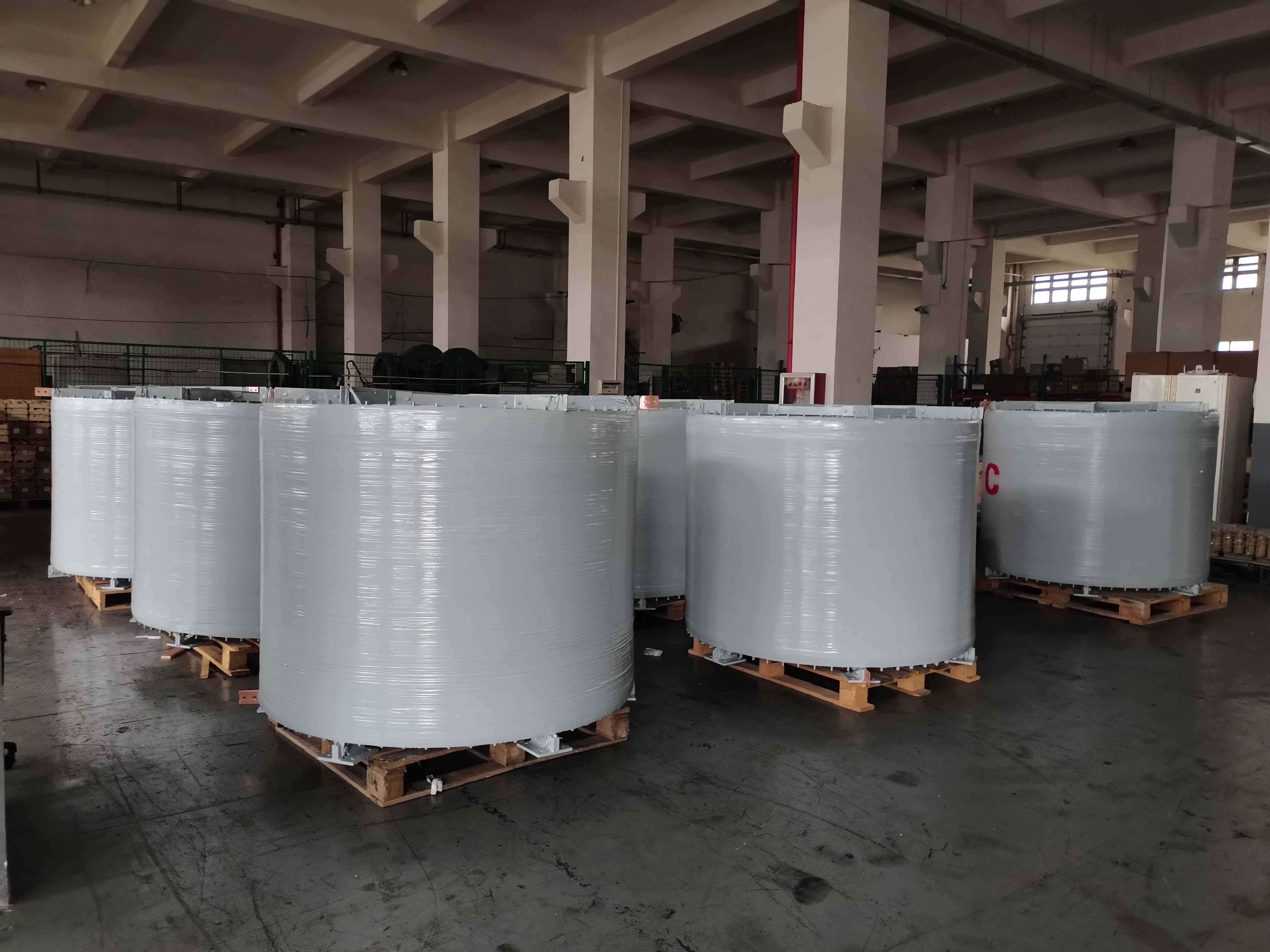
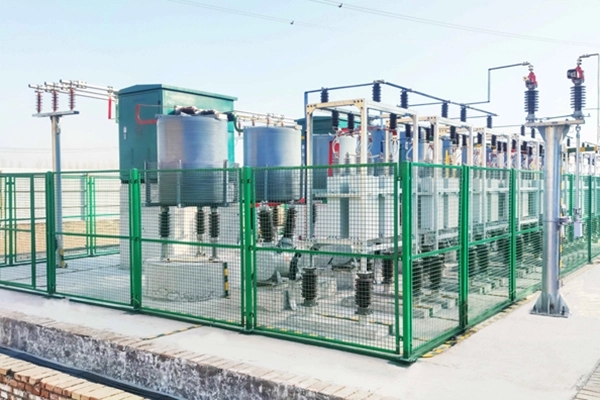
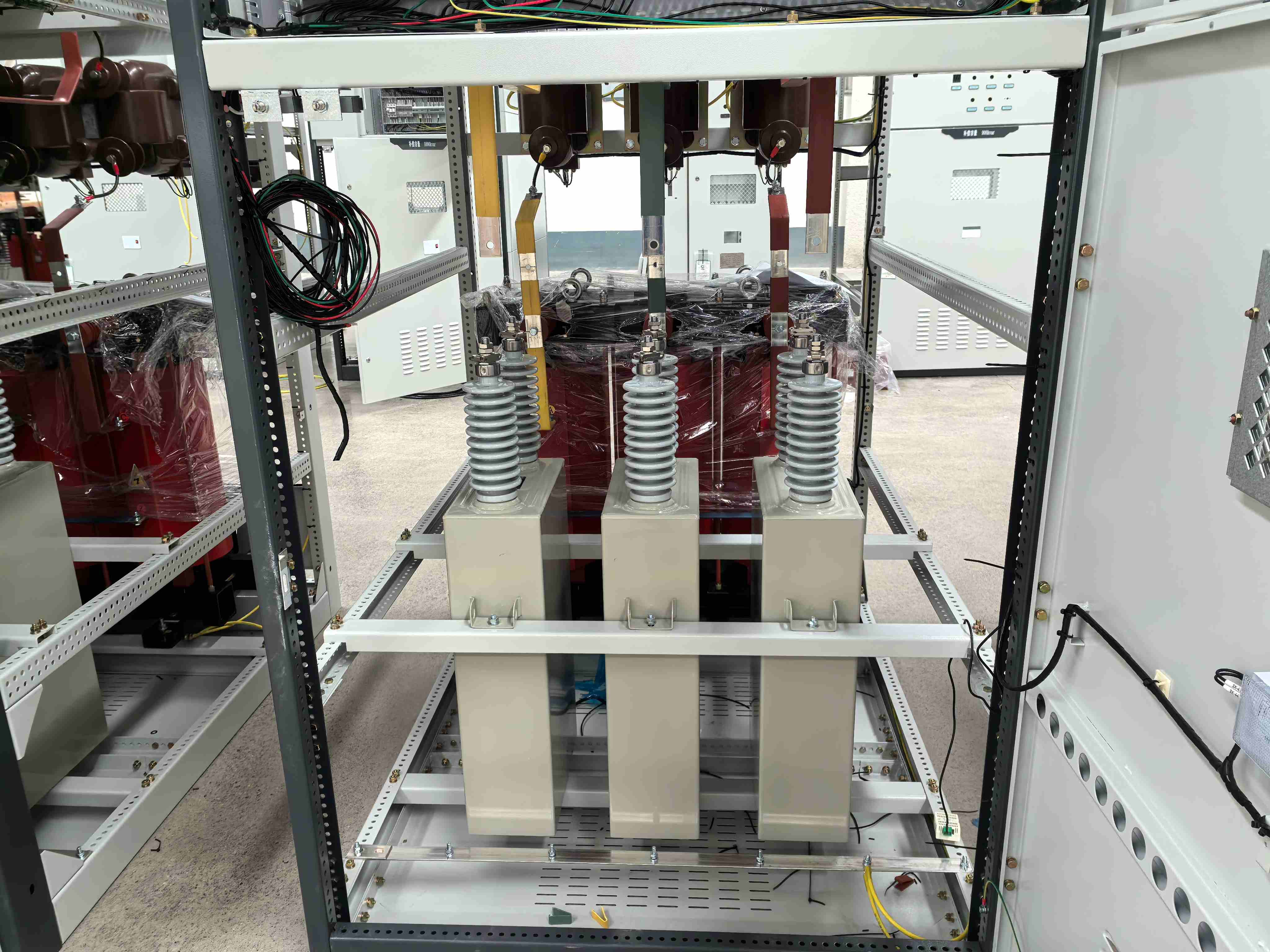
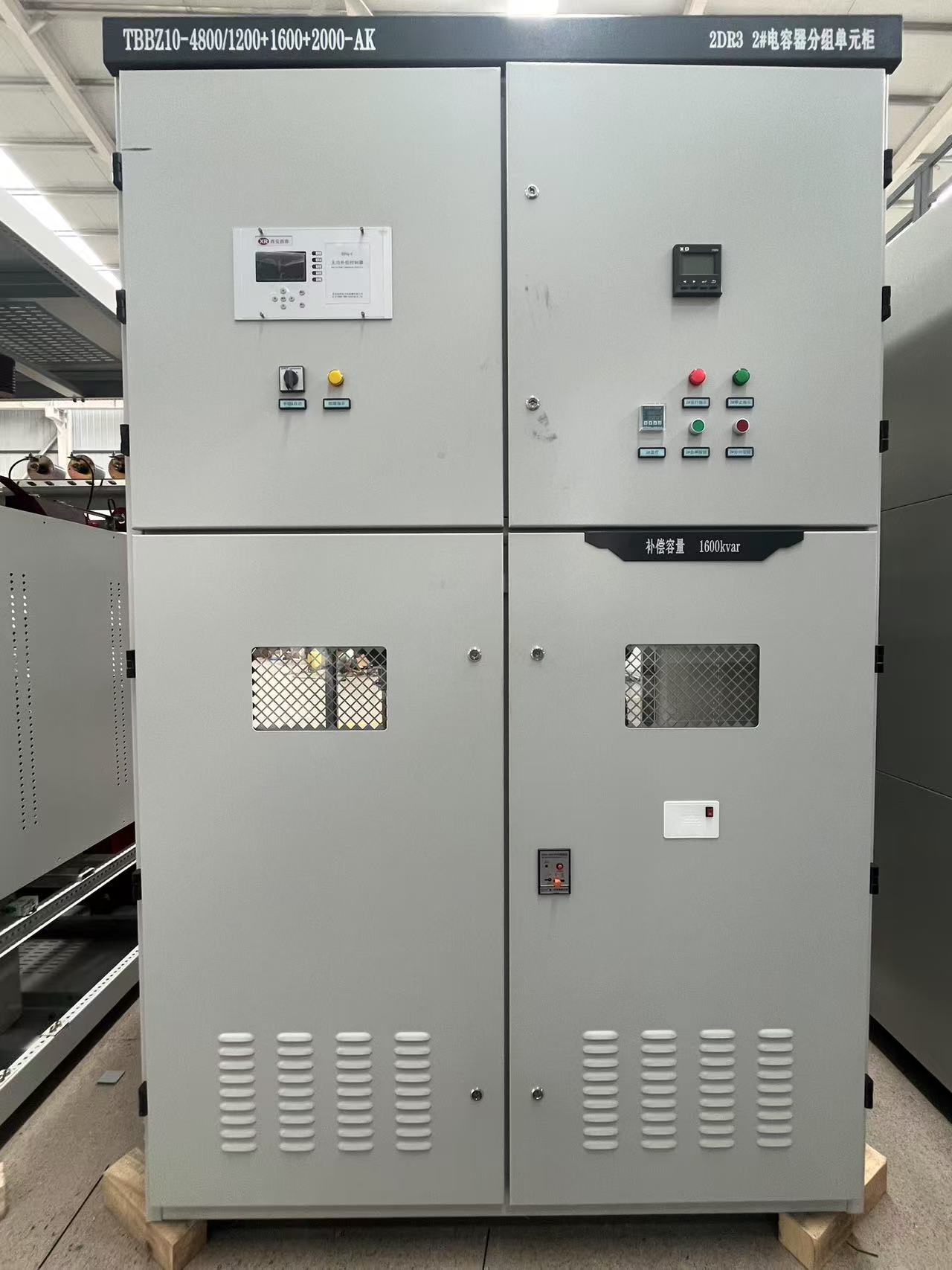
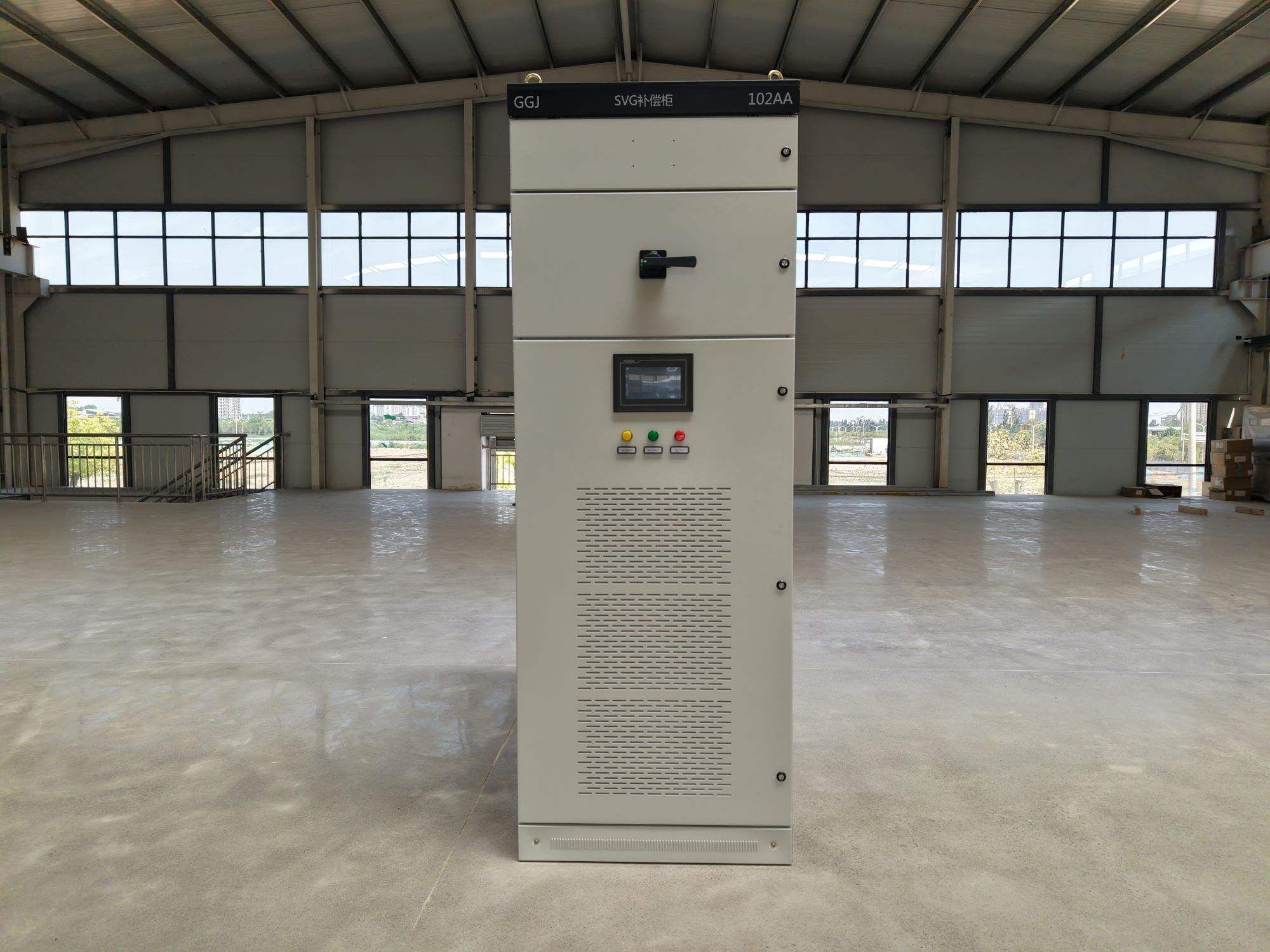
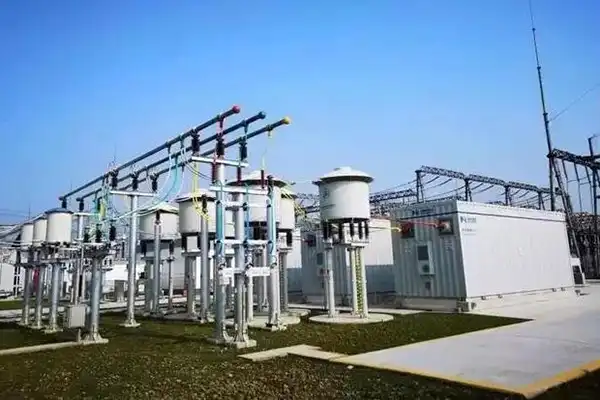
There are several important parts that work together in every reactive compensation assembly. To make up for a low power factor, capacitor banks provide the leading reactive power that is needed. Inrush currents are limited by series reactors when capacitors are turned on, and they also filter out harmonics. When the coils are disconnected, the stored energy is quickly released, keeping people safe. Surge arresters stop short-term overvoltages. Intelligent controllers keep an eye on the power factor, voltage, and current in real time and switch between capacitor stages automatically to adapt to changing load conditions. We build these systems at Xi'an Xikai with backups and environmental durability in mind. Our AKW Outdoor Frame-type HV Reactive Power Compensation Device has all of these parts built into a strong galvanized steel frame that is made to be installed directly outside. This platform meets all kinds of utility and industrial needs with capacity configurations from 300 kvar to 240 Mvar and system voltages from 6kV and up.
Can HV Reactive Power Compensation Devices Effectively Reduce Harmonics?
Reactive compensation works or doesn't work in harmonic reduction depends on how the system is designed and what it's used for. By using detuned capacitor-reactor combinations for passive filtering, certain harmonic frequencies can be lowered without any active electronic help. For dealing with predictable harmonic profiles in stable industrial operations, this method works well and doesn't cost a lot of money.
Passive Filtering Mechanisms
A harmonic trap at a certain frequency is made when a series reactor is paired with a capacitor bank. At the tuning frequency, this LC circuit's impedance is at its lowest. This creates a low-resistance path that keeps harmonic currents away from equipment further up the line. When designed correctly, a 5th harmonic filter can cut 300Hz current distortion by 60–80%, which can be seen as a clear improvement in voltage quality at the point of common coupling. Companies that make things and have a lot of rectifier loads say that things are much better after installing tuned compensation systems. After putting in place a multi-stage compensation solution with 5th and 7th harmonic filters, a steel processing plant we talked to saw a drop in voltage total harmonic distortion (THDv) from 8.2% to 3.1%. The number of equipment nuisance trips dropped by 73% in the first operational quarter, which directly led to more uptime for production.
Limitations and Complementary Solutions
Passive filters have their own problems. They only affect the harmonic orders that are tuned to them; they don't change the frequencies of other frequencies. Changing grid configurations can cause changes in system impedance, which can detune the filter and make it less effective. When background harmonic distortion levels are high, filter reactors may become overloaded, which can lead to thermal stress or failure before its time. If a building's harmonic spectrum changes a lot or is hard to predict, like a data center with changing computer loads, it may need both reactive and active harmonic mitigation technologies. Active power filters add counter-phase harmonic currents in real time, which cancels out distortion over a wide range of frequencies. When you combine passive compensation with active filtering, you get full power quality management, but it costs more up front. Both of these ways can be used with the AKW Outdoor Frame-type HV Reactive Power Compensation Device architecture. Because our design is modular, we can add harmonic filter stages that are specifically designed to fit the distortion profiles of each client. This way, we can still add active filters in the future as the needs of the facility change.
Types and Selection Criteria of HV Reactive Power Compensation Devices for Harmonics Control
A lot of technical and operational factors need to be carefully looked at in order to choose the right compensation technology. The different types of devices that are available show how different industries and grid configurations face different problems.
Fixed Versus Switched Capacitor Systems
Fixed capacitor banks provide constant reactive power injection, making them good for buildings whose base loads don't change much. Their simplicity means they require less maintenance and cost less to buy. These systems work well in situations where the power factor stays pretty constant and harmonic issues are taken care of by using series reactors of the right size. Vacuum contactors or circuit breakers are used in switched capacitor configurations to turn on and off capacitor stages based on changing reactive demand. Controllers based on microprocessors constantly check the power factor, turning on more stages as the inductive load rises and turning them off when the load is low. This flexible response stops overvoltage situations and makes the best use of energy in a wide range of operational situations. The best kind of capacitors are thyristor-switched capacitors (TSCs), which can switch on and off quickly and without mechanical contact wear. These systems control thyristor firing angles to achieve stepless reactive power regulation. This makes them perfect for loads that change quickly, like electric arc furnaces or starting big motors.
Comparative Analysis with Low-Voltage Solutions
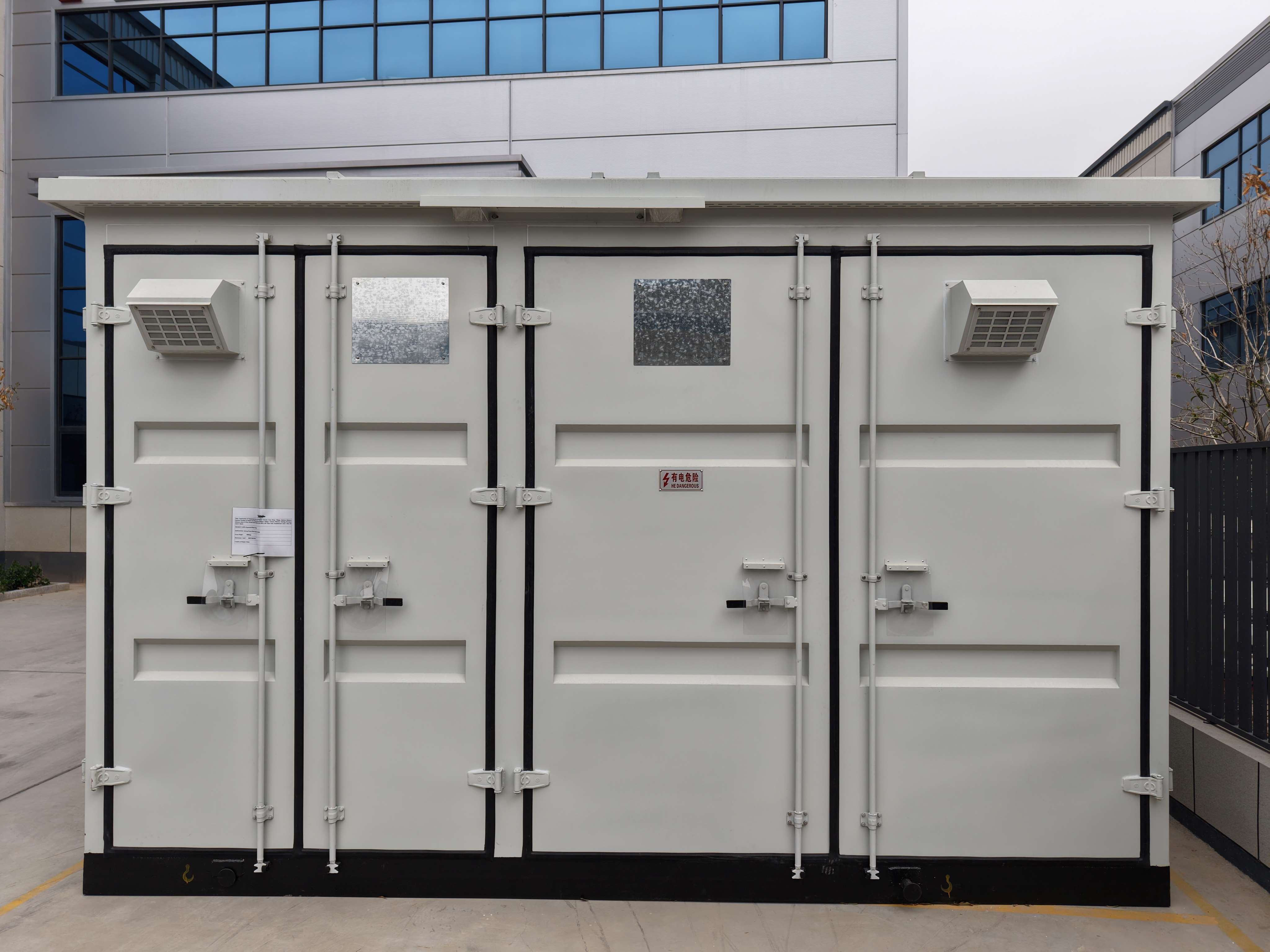
For distribution networks below 1kV, low-voltage compensation systems work. For high-voltage applications, however, engineers need to use very different methods. For systems with higher voltages, the insulation needs to be better coordinated, and the air gaps and creepage distances need to be big enough to stop flashover during sudden conditions. Large creepage distances and IP54-rated enclosures on the HV Reactive Power Compensation Device make it reliable to use in dirty environments where surface contamination could otherwise weaken the dielectric integrity. Another thing that sets them apart is capacity scaling. In order to work, industrial substations and utility nodes need reactive power injection measured in tens of megavars. This is not possible at low voltage because conductor current limits the magnitudes. Our platform can deliver up to 240 Mvar in scalable configurations, which can meet the most stringent needs for compensation.
Critical Specifications for Procurement Decisions
Several technical factors should be carefully thought through when choosing a reactive compensation system for harmonic control:
- Rated Voltage and Insulation Level: Make sure the voltage matches perfectly, taking into account the highest continuous voltage and basic impulse level (BIL) needs. Systems from 6kV to 35kV can be used with the AKW device, and custom designs are available for higher voltages.
- Harmonic Filtering Capacity: Choose the tuning frequency for the reactor based on the facility's harmonic analysis. The standard reactance values of 6% and 12% cover most situations, while custom tuning covers distortion profiles that are unique to each situation.
- Control System Intelligence: New controllers can regulate power factor, control voltage, monitor harmonics, and connect to SCADA systems. Check the communication protocols (Modbus, DNP3, IEC 61850) to see if they work with the automation systems that are already in place.
- Environmental Resistance: Installations outside need to be protected from extreme temperatures, humidity, dust, and earthquakes. Our frame-type construction is very strong and reliably works from -25°C to +45°C. It's good for harsh climates, like high-altitude places where less dense air makes cooling and insulation harder.
- Lifecycle Cost Considerations: The initial investment in capital is only one part of the total cost of ownership. Check out the warranty coverage, maintenance needs, and how often parts need to be replaced. Materials that don't rust and vacuum-impregnated capacitors in the AKW device make it last 15 years or more, which lowers the long-term costs of operation.
Installation, Operation, and Maintenance Practices for Optimal Harmonics Reduction
Effective harmonic reduction through reactive compensation starts a long time before the equipment is turned on. Performance goals are met and kept up by systematic planning and disciplined execution throughout the lifecycle of the project.
Pre-Installation Site Assessment
System design that works well starts with monitoring the power quality in a wide range of ways. Set up recording equipment at the suggested compensation site to catch voltage and current waveforms during a number of load cycles. Find the harmonic orders that are present, measure the changes in the power factor, and figure out how big the distortions are. This information shows the exact problems that the compensation system needs to fix. Check the compatibility of the existing electrical infrastructure. Check the busbar and feeder's capacity to handle more reactive power flow. Check the transformer impedance because it affects the calculations for the resonance frequency. Find possible sources of short-term disturbances that could put stress on surge protection components.
Installation Best Practices
For any high-voltage installation to be safe, it must be properly grounded. Using multiple low-impedance paths to connect the frame-type structure to the substation ground grid will make sure that fault currents can safely flow away. Before you start the energization process, make sure the ground resistance meets the standards. In environments with a lot of harmonics, you should pay extra attention to the size and routing of the conductors. If there are triplen harmonics (3rd, 9th, and 15th orders), the neutral conductors may need to be bigger than usual because the currents add up instead of canceling each other. Keep power conductors and control wiring away from each other so that electromagnetic waves don't mess up control signals. Gradually energizing the system is how it is turned on. Before bringing more stages online, you should turn on individual capacitor stages and watch the voltage and current waveforms to make sure they are working right. Check the levels of harmonic distortion while the compensation system is running and compare them to the initial readings to make sure the filtering is working.
Operational Monitoring and Adjustment
Continuous monitoring allows for proactive optimization throughout the whole life of the system. Modern controllers keep track of voltages, frequencies, harmonic currents, switching operations, and power factor. Regularly look over this data to find patterns that point to poor performance or worn-out parts. Seasonal changes in load may mean that compensation parameters need to be changed. Facilities with processes that are sensitive to temperature often have power factor profiles that change from year to year. When you reprogramme automatic switching thresholds, they keep the best compensation without you having to do anything.
Maintenance Protocols for Sustained Performance
Make a regular inspection plan that includes both electrical and visual checks. Visual checks should be done every three months to make sure the structure is still solid, look for tracking or contamination on the bushing and insulator surfaces, check the enclosure seals, and look for signs of overheating at connections. Electrical tests done once a year check capacitance, insulation resistance, and reactor impedance to find worn-out parts before they break. When you work with an experienced supplier, your equipment will last longer and be up and running more often. As part of its technical support, Xi'an Xikai offers on-site commissioning help, operator training, and quick troubleshooting. The knowledge of our team makes sure that installations work as planned from the moment they are turned on and for many years to come.
Industry Trends and Future Outlook on HV Reactive Power Compensation and Harmonics
The electric power industry is still changing very quickly. This is because of efforts to integrate renewable energy, update power grids, and meet the higher power quality needs of digital manufacturing processes. The direction that reactive compensation and harmonic mitigation technologies will take in the future is determined by these trends.
Emerging Technologies in Harmonic Control
Harmonic mitigation at its most advanced level is achieved by active compensation systems that use power electronics. When thyristors are used to control reactors in static VAR compensators (SVCs), they can continuously change the reactive power without using mechanical switches. When voltage drops, static synchronous compensators (STATCOMs) that use voltage source converters work better and respond faster. Active filters deal with residual distortion and passive LC filters deal with dominant harmonic orders in hybrid filter topologies. This architecture makes the most of cost-effectiveness while still providing full harmonic control over a wide range of frequencies. When smart grids are connected, compensation devices go from being passive parts to active assets for managing the grid. The Internet of Things (IoT) lets us keep an eye on things from afar, do predictive maintenance by looking at operational data with machine learning algorithms, and use coordinated control strategies to make the flow of reactive power through entire distribution networks more efficient.
Strategic Recommendations for Procurement Excellence
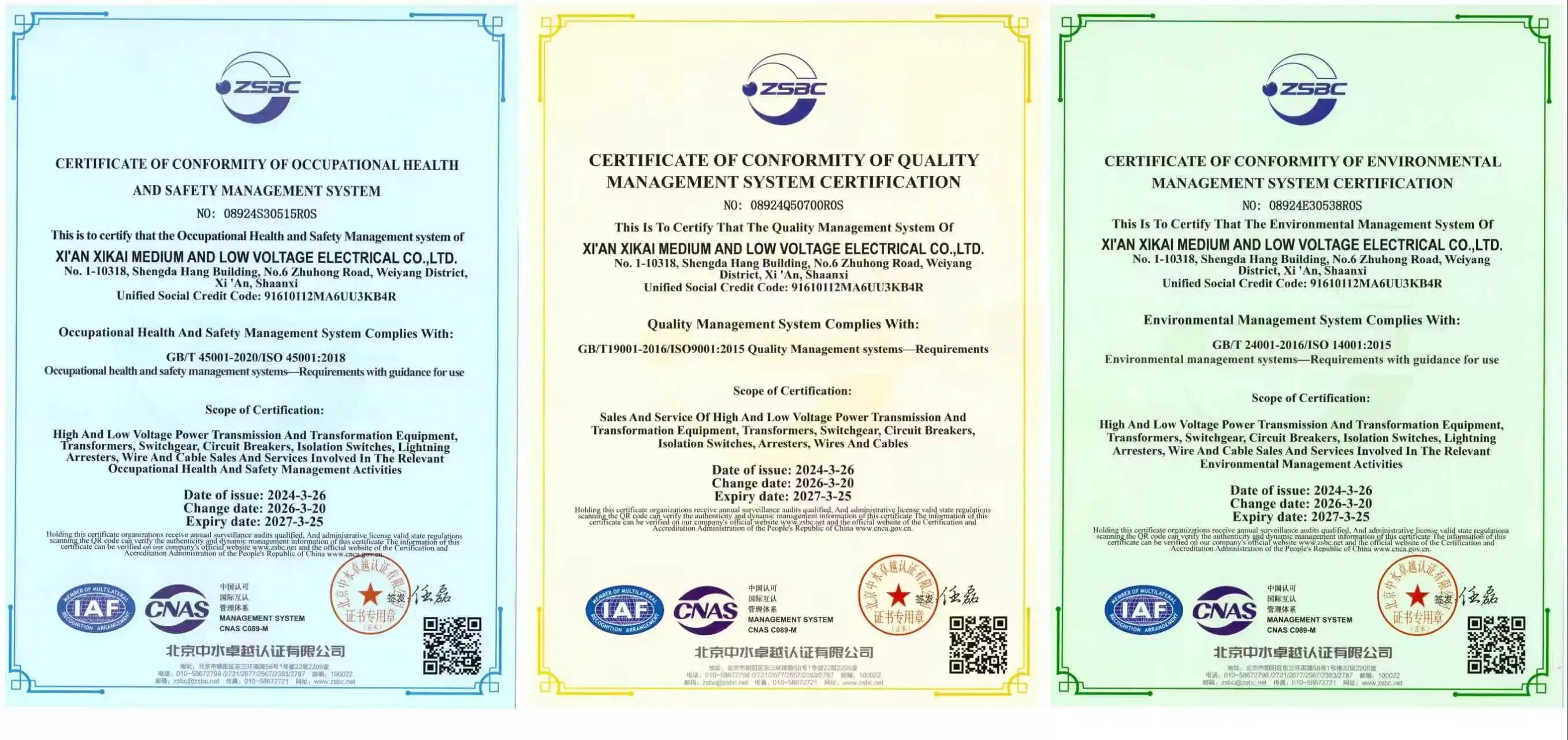
If you are looking at reactive compensation suppliers for harmonics-critical applications, you should think about more than just the cost of the equipment itself. Check out a supplier's technical skills by looking at case studies that show how they've successfully reduced harmonics in situations like yours. Make sure that engineering support is available for the whole project, from the initial design to commissioning and ongoing operation. Pay close attention to scalability. Conditions on the grid and the loads on facilities change over time. Choose platforms for your equipment that can handle future capacity growth without needing a full system replacement. The modular design of frame-type compensation devices makes it easy to add small amounts at a time, protecting the initial investment while adapting to changing needs. The long-term success of an operation depends on how reliable the suppliers are. As a leading place to make medium and high-voltage electrical equipment, Xi'an Xikai has been committed to quality and engineering improvement for many years. Our production methods are ISO 9001-certified, we test our products thoroughly, and they have been used successfully in utilities and industries in over 30 countries, so buyers can be confident in them.
Conclusion
HV Reactive Power Compensation Devices are an important part of modern power quality management because they reduce harmonics in a way that can be measured when they are built and used correctly. Though they shouldn't be used instead of dedicated harmonic filters in very distorted environments, well-thought-out compensation systems with tuned reactors can solve most industrial harmonic problems for a low cost. The key is to do a full analysis of the system, choose the right technology for the job, and work with suppliers who can provide both technical know-how and long-term support. As power quality standards get stricter and grids get more complicated, these devices will still be necessary to keep the electrical infrastructure safe and working well.
FAQ
1. What harmonic orders can reactive compensation devices effectively filter?
Reactive compensation systems with series reactors mostly work on the 5th and 7th harmonic orders, which are 300Hz and 420Hz at 60Hz fundamental frequency and are most common in three-phase industrial settings. When 6% reactors are used, the filter is tuned close to the 5th harmonic, and when 12% reactors are used, lower frequencies are blocked. Custom tuning takes into account the harmonic profiles of each facility. These passive methods lower the frequencies that are being targeted by 60–80%, but they don't deal with higher-order harmonics or unpredictable distortion patterns, which need active filtering solutions.
2. How do I determine if my facility needs harmonic filtering alongside reactive compensation?
Check the power quality thoroughly by measuring the total harmonic distortion (THD) of the voltage and current at your main distribution points. Harmonic mitigation should be thought about if voltage THD is more than 5% or current THD is more than 20%. Harmonic levels that cause nuisance trips, transformer overheating, capacitor failures, or early equipment failures are also signs of a problem. Integrated harmonic filtering is usually a good idea for places that have a lot of nonlinear loads, like welding operations, large rectifier systems, or variable frequency drives that make up more than 30% of the total load. Talking to an experienced supplier will help you figure out if standard detuned compensation is enough or if you need extra filtering.
3. What maintenance does an outdoor frame-type compensation device require?
Outdoor frame-type systems need to be visually checked every three months to check the integrity of the connections, the condition of the insulators, the enclosure seals, and the structural parts. Every year, electrical tests should check the capacitance values (anything more than ±5% off from the nameplate value is a sign of degradation), the insulation resistance, and the reactor impedance. When pollution starts to show up on insulator surfaces, especially near the coast or in factories, clean them. Every year, check the operation and calibration of the control system. If measurements of residual voltage show slow discharge, the discharge coils should be replaced. Quality devices, like the AKW platform, can work reliably for 15 years or more with little to no maintenance. Setting up a preventive maintenance partnership with your supplier will help your equipment last longer.
Partner with Xi'an Xikai for Reliable HV Reactive Power Compensation Solutions
To deal with harmonics and improve power factor, you need to be an engineer and use tested equipment. Xi'an Xikai provides both through our AKW Outdoor Frame-type HV Reactive Power Compensation Device, which is designed for tough high-voltage tasks from 6kV to 35kV and has capacities of up to 240 Mvar. Our small, weatherproof design can handle temperature changes from -25°C to +45°C, so it can work reliably in harsh industrial and utility settings. As a top manufacturer of HV Reactive Power Compensation Devices, we offer custom solutions that are made to fit your specific harmonic profile and grid conditions. Our solutions come with full technical support and warranties that last for several years. Get in touch with our engineering team right away at serina@xaxd-electric.com, amber@xaxd-electric.com, or luna@xaxd-electric.com to talk about your power quality problems. Let us show you how Xi'an Xikai's tried-and-true technology and quick service can protect your important infrastructure and make your operations run more smoothly.
References
1. Institute of Electrical and Electronics Engineers. "IEEE Standard 519-2014: Recommended Practice and Requirements for Harmonic Control in Electric Power Systems." IEEE Standards Association, 2014.
2. Dugan, Roger C., Mark F. McGranaghan, Surya Santoso, and H. Wayne Beaty. "Electrical Power Systems Quality, Third Edition." McGraw-Hill Education, 2012.
3. International Electrotechnical Commission. "IEC 60871-1: Shunt Capacitors for A.C. Power Systems Having a Rated Voltage Above 1000V - Part 1: General." IEC Standards, 2014.
4. Arrillaga, Jos, and Neville R. Watson. "Power System Harmonics, Second Edition." John Wiley & Sons, 2003.
5. European Copper Institute. "Harmonics and How to Cope with Them: A Guide for Users of Low Voltage Equipment." Leonardo Energy Power Quality Initiative, 2011.
6. Wakileh, George J. "Power Systems Harmonics: Fundamentals, Analysis and Filter Design." Springer-Verlag Berlin Heidelberg, 2001.