How Filter Capacitors Enhance Performance in Electrical Systems?
2026-04-20 15:56:58
Filter capacitors protect the stability of the electrical system by actively blocking harmonics, smoothing out voltage ripples, and getting rid of electromagnetic radiation that can damage sensitive equipment. The Single-Phase Filter Capacitor changes unstable AC supplies into clean, stable power rails that are needed for automation controls, medical monitoring equipment, and data center infrastructure. By making low-impedance paths for high-frequency noise and keeping energy storage capacity during transient events, these parts directly address operational problems that facility managers face, such as unplanned downtime due to voltage fluctuations, equipment breaking down early from harmonic heating, and rising energy costs due to poor power factor. It's important to know what part they play when making resilient electrical architectures that protect profits and make sure they meet current power quality standards.
|
|
|
Understanding Single-Phase Filter Capacitors in Electrical Systems
Fundamental Working Principles and Energy Management
The Single-Phase Filter Capacitor improves power quality by continuously storing and releasing energy in sync with AC voltage changes. This smooths rectified waveforms and stabilizes DC bus voltage in systems like inverters and UPS units. Its frequency-dependent behavior allows it to suppress high-frequency noise while maintaining normal power flow, ensuring reliable operation of sensitive industrial equipment.
Types and Performance Characteristics
Filter capacitors are mainly available in film and electrolytic designs. Film capacitors offer low ESR and ESL, making them suitable for high-frequency filtering with minimal heat generation. Electrolytic types provide higher energy density in compact sizes but have higher losses and temperature sensitivity. Proper selection depends on voltage margins, ripple current, temperature range, tolerance, and expected service life.
Technical Specifications That Drive Reliability
Key reliability indicators include dissipation factor, ripple current rating, and insulation resistance. A low dissipation factor minimizes heat loss, while adequate ripple current capacity prevents overheating and failure. High insulation resistance reflects dielectric integrity and moisture resistance. Monitoring these parameters over time helps detect aging, ensuring timely replacement and preventing system damage or unexpected outages.
How Single-Phase Filter Capacitors Improve Power Quality and System Performance?
Noise Reduction and Harmonic Mitigation Strategies
Electrical noise and harmonic distortion degrade power quality and disrupt sensitive equipment. High-frequency interference from industrial loads can corrupt signals, while harmonics cause overheating and inefficiency. The Single-Phase Filter Capacitor provides a low-impedance path for high-frequency currents and, when paired with reactors, targets harmful harmonic frequencies, restoring waveform quality and improving efficiency in systems like data centers.
Power Factor Correction and Energy Efficiency Gains
Low power factor caused by inductive loads increases reactive power, leading to higher energy costs and system losses. Capacitors supply leading reactive power to realign voltage and current phases. This reduces penalties, lowers current flow, and improves efficiency. Facilities benefit from reduced energy expenses, increased capacity, and extended equipment life without requiring major infrastructure upgrades.
Design Considerations and Integration Best Practices
Effective capacitor selection requires analyzing harmonic profiles using power quality monitoring. Proper sizing and tuning ensure targeted filtering of dominant frequencies. Installing capacitors near noise sources maximizes performance and reduces upstream losses. Integrating them with reactors, transformers, and protection devices enhances system stability, providing a layered defense against disturbances and improving overall reliability.
Maintenance Practices and Troubleshooting Guidance
Routine maintenance ensures long-term capacitor reliability. Visual inspections detect physical issues like swelling, overheating, or corrosion, while annual electrical tests track capacitance, dissipation factor, and insulation resistance. Trend analysis supports predictive maintenance. Troubleshooting involves identifying failure symptoms such as tripping, reduced capacitance, or harmonic increases, helping diagnose faults and maintain stable system performance.
Comparative Insights: Choosing the Right Single-Phase Filter Capacitor
Single-Phase Versus Three-Phase Configurations
Single-phase systems suit residential, small commercial, and certain industrial applications due to simpler wiring and fewer components. The Single-Phase Filter Capacitor offers flexibility and easy maintenance, allowing phase-specific adjustments. In contrast, three-phase systems serve large facilities with balanced loads, providing efficient power factor correction and harmonic filtering, though often with higher installation complexity and less modular replacement flexibility.
Film Versus Electrolytic Technology Selection
Film capacitors provide low ESR, long lifespan, and stable performance across wide temperature ranges, making them ideal for high-frequency and demanding environments. Their self-healing capability enhances durability. Electrolytic capacitors offer higher capacitance density and compact size, suitable for space-limited applications, but they are more temperature-sensitive and have shorter lifespans, especially in harsh or high-temperature conditions.
Performance Benchmarks and Rating Analysis
Selecting capacitors requires evaluating voltage ratings, ripple current capacity, and temperature behavior. Voltage margins of 130%–150% ensure safety against transients. Ripple current ratings must be derated for real operating conditions to avoid overheating. Temperature coefficients affect capacitance stability, with predictable variations enabling accurate system design and reliable performance under changing environmental conditions.
Procurement Guide for Single-Phase Filter Capacitors in B2B Markets
Supplier Evaluation and Qualification Criteria
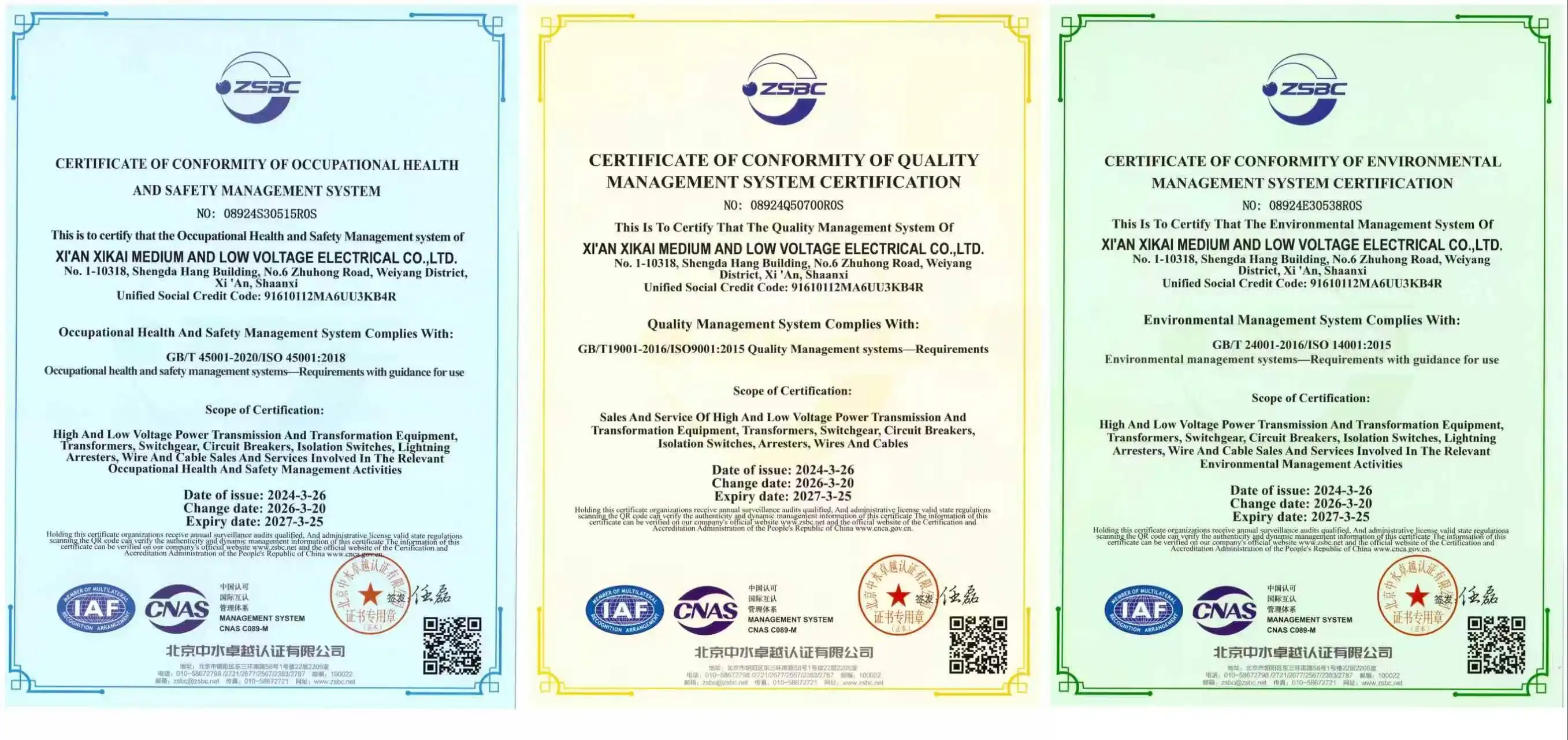
Getting filter capacitors from reputable Single-Phase Filter Capacitor makers makes sure that the parts will work well and meet all standards. Suppliers who are qualified keep certifications that show their quality management systems are mature. These include ISO 9001 for quality processes, ISO 14001 for environmental management, and often industry-specific certifications like IATF 16949 for car uses. These certifications show that providers follow written plans for controlling the design, making sure the production process works, and always making things better so that defects are less likely to happen.
The ability to provide technical help sets special sellers apart from commodity vendors. Access to application experts who can help choose capacitors, integrate circuits, and fix problems in the field adds a lot of value on top of the price of the components. Custom design services from suppliers that can change capacitance values, terminal configurations, or mounting arrangements to meet particular needs allow for better solutions that aren't possible with off-the-shelf goods. This versatility is very helpful when adding to older systems that don't have enough room or have special wiring features.
It is important to look into manufacturing capacity and supply chain stability, especially for projects that need to order a lot of things or have set delivery dates. When a supplier has more than one production facility in different parts of the world, natural disasters, political unrest, or transportation problems are less likely to cause problems. Clear information about lead times, material availability, and production schedules helps people trust that promises will be kept during the project's timeline.
Pricing Structures and Total Cost Analysis
The price of a component is only one part of the total cost of ownership that needs to be looked at when making a purchase choice. Unit costs do have an effect on project budgets, but focused only on the lowest starting price is often a waste of money. A full study looks at the costs of installation, expected lifespan, upkeep, and failure consequences to find the real economic value.
More expensive capacitors that are of higher quality often have better lasting value because they need less maintenance and break down less often. A film capacitor that costs 40% more than an electrolytic one but lasts three times longer has a lower yearly cost because it doesn't need to be replaced as often, which saves money on work, downtime, and disposal costs. Reliability should be a big part of contract reviews for facilities that run continuous processes where unplanned breakdowns cost thousands of dollars per hour.
Volume-based price benefits reward buyers who combine their needs for multiple projects or use the same part numbers for all of them. Setting up relationships with chosen suppliers and negotiating blanket purchase orders with planned releases can help you get better prices and make sure that parts are always available. Both buyers and sellers benefit from these arrangements. Buyers get stable prices and supplies, and sellers get better insight into their production plans, which lets them work more efficiently.
Warranty Coverage and After-Sales Support
Strong guarantee terms protect buyers from products that fail before they should and give them options when products don't work as expected. Quality filter capacitors come with standard warranties that last between 2 and 5 years, based on how hard the application is and how confident the maker is in the product. Warranty terms should make it clear what kind of damage is covered, such as whether they only cover new parts or also include damage caused by capacitor failures, and they should also set up fair claim processes that don't put too much of a load on paperwork.
The availability of technical help after the sale affects both long-term happiness and the success of system integration. When suppliers keep informed support staff available by phone, email, or web sites, installation questions, performance problems, and clarifications of specifications can be quickly solved. Maintenance staff can service equipment well for as long as it works by having access to detailed technical paperwork like installation instructions, test reports, and application notes.
Long-lasting setups don't have to deal with the problems that come with failure when replacement parts are available throughout the product lifecycle. Long-term support planning is easier when suppliers promise minimum service times, which for industrial goods are usually 10 to 15 years, or offer migration paths to updated models that are the same. This planning stops situations where single-component failures force early system replacements because it's not possible to find matched parts.
Future Trends and Innovations in Filter Capacitor Technology
Advanced Materials and Construction Methods
New discoveries in material science keep making filter capacitors work better by making their dielectric values higher, their temperature stability better, and their ability to heal themselves better. Scientists are working on mixed dielectric systems that use polypropylene film along with ceramic or glass layers. These systems will have higher energy densities while still having the low-loss benefits of film technology. These multilayer structures let designs be smaller without losing performance at high temperatures or durability.
Nanotechnology integration into dielectric materials promises transformative capabilities. Nanoparticles mixed into polymer frameworks make them stronger and better at conducting heat, which lets them handle higher voltages and heat better in the shapes they're already made in. Early industrial applications show 20% to 30% better performance compared to standard materials, and ongoing study suggests that even bigger improvements are still possible.
New developments in the manufacturing process focus on automation and precise control to improve accuracy while lowering the cost of production. Using laser welding to make airtight seals is more reliable than using other methods because it cuts out leaky spots that let water in. Automated wrapping and impregnation systems make sure that the dielectric thickness is the same all over and that there are no empty spaces. This reduces the number of weak spots where a partial discharge could cause the device to fail early.
Regulatory Trends and Market Dynamics
Changing rules around the world about saving energy are driving demand for equipment that improves power quality, such as filter capacitors. Utility companies are putting more and more limits on power factor and harmonic distortion, and government efficiency standards are making it harder for electrical distribution systems to lose power. Because of these rules, facility owners have to buy cooling equipment, which makes the market bigger for qualified providers.
Environmental rules about the make-up of materials and how to get rid of them when they're no longer useful affect how products are designed. RoHS guidelines and other limits on dangerous substances push makers to use eco-friendly materials and build things that can be recycled. Manufacturers will be in a good situation as circular economy ideas become more popular if they use biodegradable dielectric fluids and material lines that are easy to separate.
Grid modernization initiatives emphasizing renewable energy integration and distributed generation create new application spaces for filter capacitors. To meet utility interface standards for power quality and electromagnetic compatibility, solar inverters, wind turbine converters, and battery storage systems all need to be filtered in a lot of different ways. This growing number of installed power electronics ensures steady demand growth for components, which lessens the effects of their operations on distribution networks.
Strategic Recommendations for Long-Term Planning
Instead of treating parts like interchangeable goods, procurement professionals should work to build relationships with providers of new Single-Phase Filter Capacitors. When people work together, they can get early access to new technologies, take part in beta testing programs, and have their say on how product roadmaps should be made to meet the needs of the industry. These relationships give businesses an edge over their competitors by giving them access to unique solutions that their rivals who only use commodity buying methods can't get.
Organizations can prepare for changes that will affect electrical system designs by staying up to date on technology through industry publications, membership in standards committees, and attendance at technical conferences. Knowing how changes in trends like wide-bandgap semiconductors, higher switching frequencies, and higher power density affect filtering needs lets you make changes before they become problems, instead of rushing to fix things after the fact.
Investing in training and knowledge growth for employees makes sure that the company's knowledge keeps up with changes in technology. Giving engineers and repair workers the knowledge to understand filter capacitor theory, selection criteria, and best practices for integration increases the organization's capabilities, which increases the returns on investments in components. This base of knowledge lets you have smart conversations with sellers and make sure decisions during buying evaluations.
Conclusion
The main way that filter capacitors improve the performance of electrical systems is by storing energy, stopping transients, and sending harmonic noise away from sensitive loads. Single-Phase Filter Capacitor designs offer focused solutions for lowering noise, fixing power factors, and stabilizing voltage, all of which have a direct effect on how reliably and cheaply they work. Operators of industrial facilities, managers of utility systems, and system designers can all benefit from knowing the technical rules for choosing capacitors, the pros and cons of each technology, and the best ways to buy things that will last. As power electronics become more common in electrical systems and standards for power quality get stricter, filter capacitors that are properly defined and kept will become even more important. Companies that spend now in quality parts, good relationships with suppliers, and their own knowledge will be better prepared for future problems and see instant improvements in their performance.
FAQ
1. What distinguishes a Single-Phase Filter Capacitor from motor starting capacitors?
When acceleration lasts one to three seconds each motor starts a cycle, motor starting capacitors operate. They prioritize high capacitance density above continuous-duty heat control while making them. Filter capacitors handle continuous ripple currents for hours or years at AC voltage. It requires low Equivalent Series Resistance to avoid overheating, robust insulating materials that can withstand persistent stress, and thermal designs that can remove heat from regular operation to maintain this operation. Filtering using motor capacitors becomes too hot and breaks out rapidly. However, filter capacitors for motor starting spend money on unnecessary requirements. They demand custom designs due to their unique operational characteristics.
2. How does ambient temperature affect filter capacitor lifespan?
Temperature affects capacitor lifespan via Arrhenius decay rates. Chemical reactions that tear down dielectrics and metals accelerate dramatically with temperature. Each 10°C increase in operation temperature halves the projected service life of most capacitor materials. A device that states it can operate 100,000 hours at 85°C may only work 50,000 hours at 95°C or 25,000 hours at 105°C. By providing ample ventilation, derating, and eliminating heat sources, you may save maintenance costs and improve system reliability. Temperature monitoring systems that alert you to temperature variations allow you solve the issue early.
Partner with Xi'an Xikai for Superior Filter Capacitor Solutions
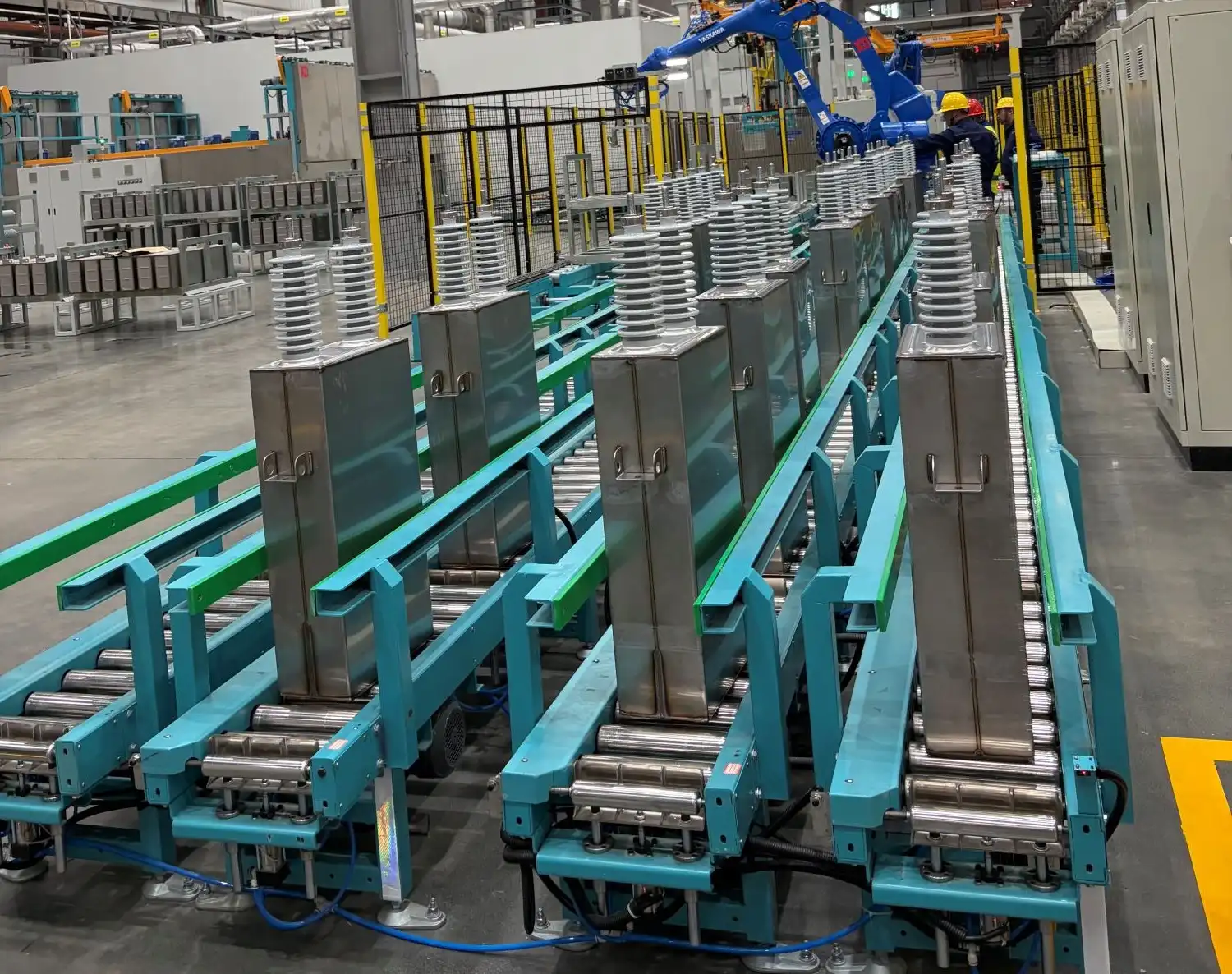
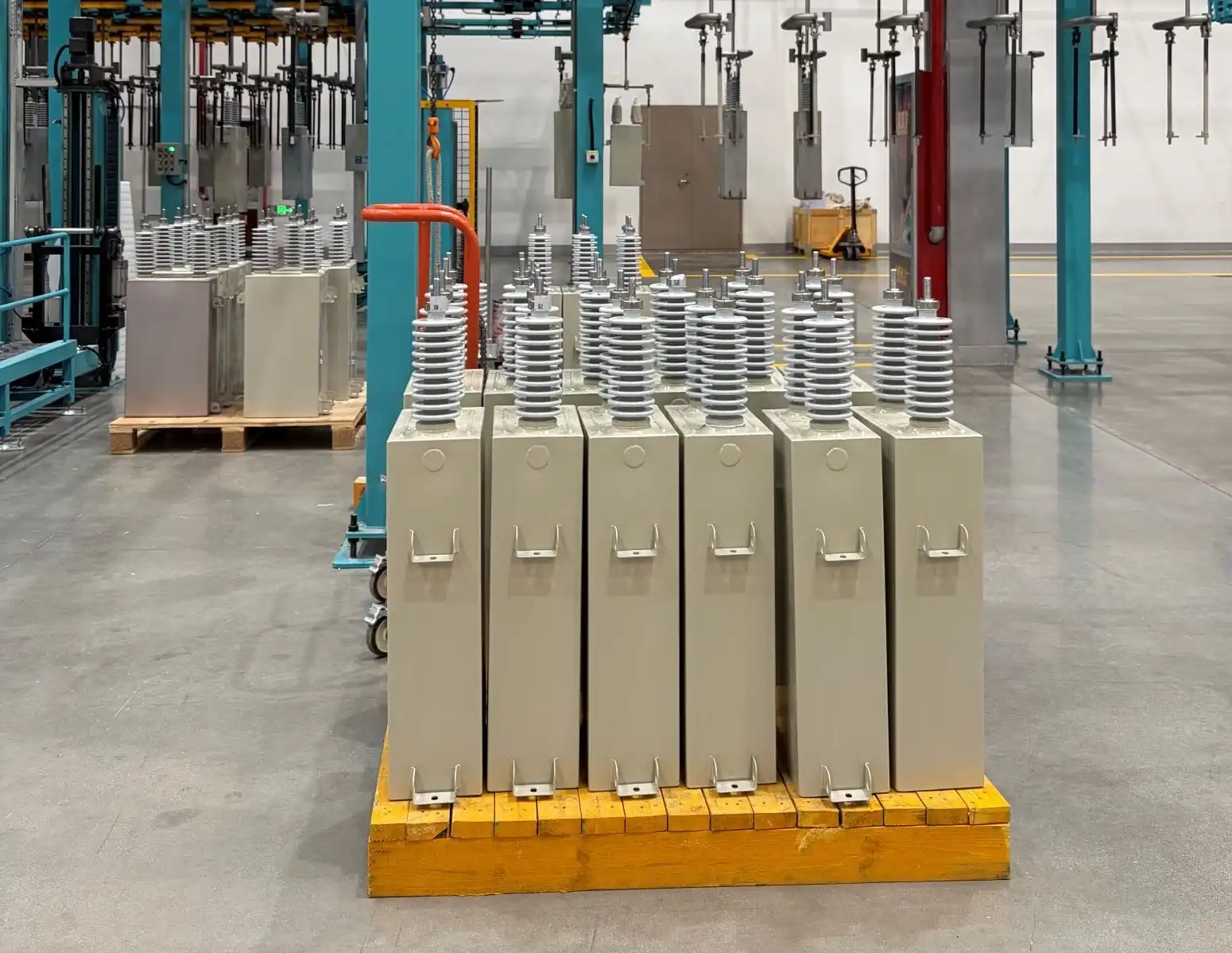
Xi'an Xikai has established itself as a trusted Single-Phase Filter Capacitor supplier, supporting industrial facilities, utility operators, and system integrators across demanding applications. Our high-voltage filter capacitors incorporate advanced self-healing metallized film technology, hermetic argon-arc welded enclosures preventing moisture ingress, and integrated discharge resistors ensuring personnel safety during maintenance. Manufactured under ISO 9001-certified processes with rigorous 72-hour load cycling validation, these components deliver the reliability your operations demand. Custom engineering services adapt capacitance values, terminal configurations, and thermal management strategies to your specific requirements within 3-5 business days.
Whether you're specifying equipment for a new data center, upgrading manufacturing plant power distribution, or standardizing substation components across utility territories, our applications engineers provide technical guidance throughout selection, integration, and commissioning phases. Contact our team today—reach Serina at serina@xaxd-electric.com, Amber at amber@xaxd-electric.com, or Luna at luna@xaxd-electric.com—to discuss how our filter capacitor manufacturer expertise solves your power quality challenges while protecting long-term profitability.
References
1. Institute of Electrical and Electronics Engineers, "IEEE Standard 519-2014: Recommended Practice and Requirements for Harmonic Control in Electric Power Systems," IEEE Standards Association, 2014.
2. Chapman, David, "Power Quality Application Guide: Harmonics and Reactive Power Compensation," Copper Development Association, 2001.
3. McLyman, Colonel Wm. T., "Capacitor Handbook: Selection and Application of Capacitors for Power Electronics," Marcel Dekker Publishing, 2003.
4. Das, J. C., "Power System Harmonics and Passive Filter Designs," IEEE Press Series on Power Engineering, Wiley-IEEE Press, 2015.
5. Sarjeant, Walter J., et al., "Capacitors: Past, Present, and Future," in Handbook of Low and High Dielectric Constant Materials and Their Applications, Academic Press, 1999.
6. International Electrotechnical Commission, "IEC 61071: Capacitors for Power Electronics," IEC Standards on Power Capacitors, 2017.