A Comprehensive Analysis of Daily Maintenance of Low-Voltage Shunt Capacitors
2026-04-20 15:56:57
Maintaining low-voltage shunt capacitors properly is an important part of making sure that power quality is managed well in business and industrial electrical systems. When we look closely at the Low Voltage Shunt Capacitor-square, we find specific parts that need to be taken care of in a certain way to keep working properly. These capacitors with a square shape fit perfectly into APFC panels and distribution systems. They balance out reactive power and keep the system's efficiency high. Knowing what care their equipment needs helps facility managers avoid expensive downtime, make equipment last longer, and protect investments from failure modes that happen too soon.
|
|
|
Understanding Low-Voltage Shunt Capacitor Squares and Their Maintenance Needs
What Makes Square Capacitors Different
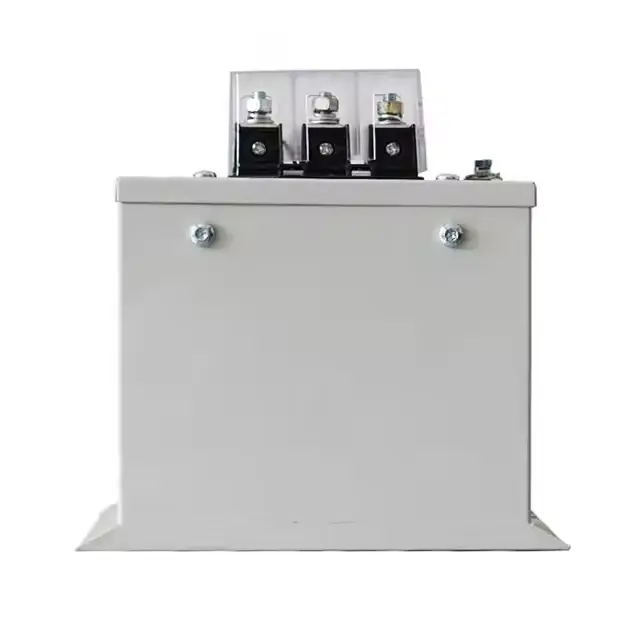
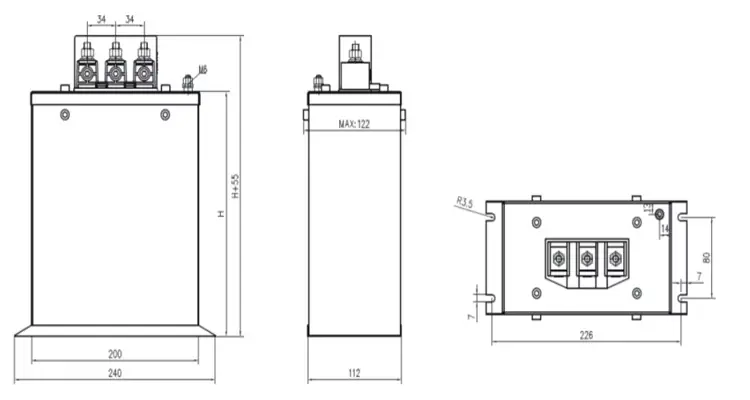
The Low Voltage Shunt Capacitor-square features a compact rectangular design that maximizes panel space and KVAR density. Built with metallized polypropylene film, it offers self-healing performance, strong environmental protection, and reliable operation across wide temperature and voltage ranges.
Why Maintenance Cannot Be Overlooked
Regular maintenance of a Low Voltage Shunt Capacitor-square prevents insulation decline, dielectric degradation, and loose connections caused by thermal cycles. Proper inspection significantly extends lifespan beyond 100,000 hours, reducing unexpected failures, downtime, and costly disruptions in industrial operations.
Application Environments Demanding Specialized Care
The Low Voltage Shunt Capacitor-square operates in demanding environments like factories, data centers, and commercial buildings. Exposure to heat, dust, harmonics, and switching transients requires tailored maintenance strategies to ensure stable performance and long-term reliability under varying electrical and environmental stresses.
Key Daily Maintenance Tasks for Low-Voltage Shunt Capacitor Squares
Visual Inspection Protocols
Daily checks for a Low Voltage Shunt Capacitor-square include inspecting housings for bulging, discoloration, or residue, and ensuring terminals are clean and tight. Proper spacing and unobstructed ventilation must be maintained to prevent overheating and accelerate aging issues.
Electrical Testing Procedures
Routine testing of a Low Voltage Shunt Capacitor-square involves capacitance measurement within IEC tolerance, insulation resistance checks, and dissipation factor monitoring. Infrared thermography helps detect hot spots, enabling early identification of internal faults or connection problems before failure occurs.
Cleaning and Environmental Control
Maintaining a Low Voltage Shunt Capacitor-square requires regular cleaning with non-conductive materials to remove dust and prevent heat buildup. Proper enclosure sealing, humidity control below 85%, and adequate ventilation or cooling systems are essential to avoid insulation damage and thermal stress.
Comparing Maintenance Considerations: Square vs. Round Low-Voltage Shunt Capacitors
Structural Accessibility Advantages
The Low Voltage Shunt Capacitor-square's flat mounting sides make it easy to place on standard busbar systems and DIN rails. This makes it possible to make uniform arrays where every unit can still be seen. It's common for round capacitors to need special mounting frames, and their uneven spacing makes inspections harder. Technicians say that repair rounds go 25–30% faster when the configurations are square instead of circular. Access to the terminals is another useful benefit. Connection points on square designs are usually placed on standard faces, which makes testing easier for multimeter tools and heat sensors. This consistency cuts down on mistakes and training time for repair workers who work at multiple installation sites.
Thermal Performance and Reliability Impact
How heat is dissipated directly affects how long a capacitor lasts and how often it needs to be maintained. When compared to equivalent-KVAR circular units, square housings have more surface areas that touch the air around them, which makes natural convection cooling better. Studies that compare the temperature performance of capacitors under the same load conditions show that square capacitors work 5–8°C cooler than round capacitors, which means they last longer. The better temperature stability lowers the number of times that upkeep needs to be done. When capacitors run cooler, they need to be checked for capacitance less often and fail less suddenly. When square capacitors are used in properly aired boxes, maintenance teams can move inspections from once a month to three times a year. This saves money on labor costs while keeping reliability high.
Market Evolution and Component Selection
New technologies have made it easier to make square capacitors, which makes them more cost-effective compared to older forms. Because square units are modular, they make it easier for maintenance teams to keep track of their supplies. Standardized measurements across different KVAR ratings mean that fewer unique spare parts take up shelf space. This standardization also applies to replacement processes. Because mounting configurations are predictable, techs can do swap operations more quickly. As more makers add square form factors to their product lines, procurement managers have more seller choices. When more than one seller sells replaceable parts that meet the same specifications, the total cost of ownership goes down while quality standards stay the same. This is called competitive pricing.
Selecting the Right Low-Voltage Shunt Capacitor Square for Your System
Critical Technical Parameters
Choosing the right voltage grade is the first step in matching the capacitor's specs to the system's needs when selecting a Low Voltage Shunt Capacitor-square. The 50KVAR Self-healing Capacitor for PFC-square BKMJ is made for indoor applications with rated voltages from 100V to 1000V, so it can work with a variety of distribution system setups. Engineers can choose the best compensation scheme for each power factor correction need by letting connections be made in D, Y, YN, or III configurations. Operating frequency compatibility is important. Gear that can work with both 50Hz and 60Hz frequencies is flexible for placements in different countries and with different power grids. The size of the terminal block (M6, M8, or M10) must fit the size of the busbar and the amount of current that needs to be handled. The sizes of the blocks are scaled based on the power levels of the capacitors. Tolerances for capacitance deviation affect how precisely compensation works. Tolerances between -5% and +10% are good for general industrial uses, while tighter tolerances are better for sensitive business installs.
Here are critical specifications ensuring reliable performance:
- Temperature Range: The working window of -25°C to 50°C covers most commercial settings, but sites in harsh areas may need higher thermal ratings. Figuring out the average temperature levels in electricity rooms helps you choose the right specifications.
- Altitude Considerations: Standard rates only work up to 2000 meters above sea level; for systems above that height, they need to be downrated. Lower air density at higher elevations makes cooling less effective, so conservative capacity requirements or forced ventilation systems are needed.
- Loss Factor: The very low tan µ value of less than 0.001 cuts down on wasted energy and warmth inside the building. It becomes more important for this feature to be present in large capacitor banks, where the losses from dozens of units add up to large heat loads.
Evaluating Supplier Credentials and Support
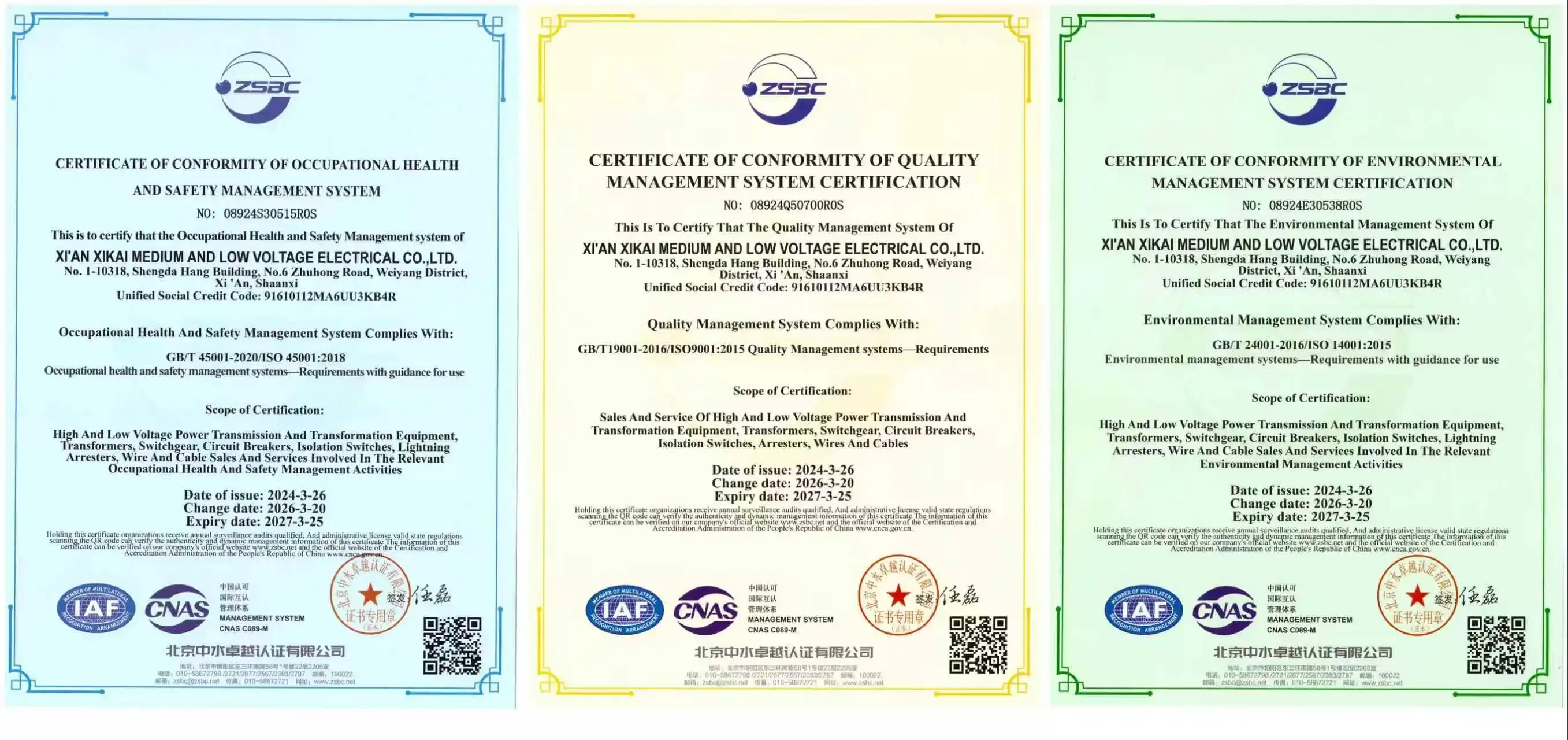
When you buy capacitors from reputable companies, you can be sure that the quality will stay high and that you will get ongoing expert help. Xi'an Xikai Medium & Low Voltage Electric Co., Ltd. is an example of a company that has ISO 9001, 14001, and 45001 standards and a wide range of products. These certificates show that the company is responsible for quality control and the environment during all stages of production. Suppliers can do more than just supply products; they can also help with application engineering, which helps people choose the best capacitors and put them correctly. Facility teams can follow the right care methods when they have access to detailed technical paperwork, such as installation manuals, upkeep guidelines, and troubleshooting steps. The terms of the warranty show that the maker is confident in the product's reliability, and the full coverage protects the buyer's investment.
Balancing Initial Investment with Lifecycle Costs
When deciding where to buy capacitors, the purchase price is only a small part of the total costs of ownership. Dependability directly affects the amount of repair work that needs to be done and the cost of replacing parts. High-quality square capacitors with self-healing technology and strong construction have lower failure rates. This means fewer calls for help in an emergency and lower costs for unexpected downtime that often outweigh the initial equipment saves. Careful thought should be given to energy economy issues. For example, capacitors with lower loss factors use less electricity during operation, which saves money over time. Facilities that use a lot of electricity—thousands of megawatt-hours a year—find that special capacitors that are 0.5% more efficient pay for themselves in 18 to 24 months through lower energy bills.
Troubleshooting and Resolving Common Low-Voltage Shunt Capacitor Square Issues
Identifying Typical Failure Modes
Leakage currents are early warning signs of dielectric breakdown and can be found by checking insulation resistance and seeing that megohm numbers drop over time. This method of progressive failure lets replacement be planned before a major failure happens, which keeps nearby equipment from getting damaged. Thermal imaging shows that the case is very hot, which means that there are shorts inside the element or high-resistance connections that are taking too much current. When you measure capacitance and find differences that are outside of the acceptable range, it means that an element in the capacitor circuit has failed. The self-healing system automatically isolates small faults, but over time, the healing processes lower the total capacitance. By keeping an eye on changes in capacitance over time, forecast maintenance plans can be made that plan replacements for planned outages instead of emergency situations.
Systematic Diagnostic Approaches
Maintenance teams are better at troubleshooting when they use organized diagnostic processes. Technicians start by visually inspecting the area to find any clear physical damage or environmental problems. Next, they take electricity readings to compare performance parameters to baseline values. Comparative research across capacitor banks quickly finds the problematic units by pointing out temperature, capacitance, or insulator resistance outliers that don't fit the norm. Documentation techniques are very helpful. For example, keeping measurement logs makes past records that show degradation trends that aren't visible during single-point observations. Modern CMMS software makes it easier to analyze data and sends out alerts when factors change too much. With this proactive approach, maintenance stops being reactive crisis management and starts being planned actions that cause as little operating interruption as possible.
Repair Versus Replacement Decisions
When deciding whether to fix or replace broken capacitors, economic research is useful. Because square capacitors are usually sealed, it's not possible to fix problems inside them. Instead, they are usually replaced when they break badly. When to make a choice relies on how bad the failure is: minor capacitance drops below specification but above critical thresholds may allow operation to continue until the next planned outage, but insulation breakdowns require instant disconnection. Keeping the right amount of extra parts on hand is good for procurement tactics. Standardized square capacitor measurements make it easier to decide what to stock—a small range of standard KVAR ratings meets 80% of replacement needs in most industrial settings. Making deals with suppliers to buy in bulk makes sure that parts are available quickly and gets savings for buying in bulk, which lowers the total cost of upkeep.
Conclusion
Thoroughly taking care of low-voltage shunt capacitors, especially square form factor designs, can make your system more reliable and increase the life of individual parts. Modern power factor correction systems benefit greatly from the Low Voltage Shunt Capacitor-square, which combines compact form with easy maintenance. Most common types of failure can be avoided with structured daily check routines, methodical electricity testing, and the right environmental controls. Knowing how maintenance practices affect the total cost of ownership gives building managers the power to make the best use of resources while maintaining efficient excellence. Buying good parts from well-known companies and following strict care instructions will protect your investments and keep your electrical systems working well for many years.
Frequently Asked Questions About Low-Voltage Shunt Capacitor Maintenance
1. How often should we inspect our capacitor banks?
Most industrial sites have regular reviews every three months, which include visual checks, thermal imaging, and capacitance readings. Monthly inspections are helpful for facilities that work in tough conditions, like those with high temperatures, a lot of dust or chemicals, or a lot of switching cycles. In critical situations where power quality directly affects production output, eye checks should be done once a week, along with full tests every three months.
2. Can we perform maintenance without specialized training?
Basic eye checks for physical damage, strange noises, or clear overheating are things that general electrical repair staff can do. To do thorough electrical testing like measuring capacitance, checking insulation resistance, and analyzing dissipation factors, you need to have special training and instruments that are properly regulated. Most facilities use a mix of methods, with in-house teams doing regular observations and qualified techs hired every three months to do full assessments and any diagnostic work that needs to be done after an anomaly is found.
3. What advantages justify specifying square capacitors?
By making better use of space, KVAR rates can be raised within current enclosure footprints, which often results in 15-20% higher capacity gains compared to similar cylindrical installs. Better temperature performance makes parts last longer and lets repair be done more often. Standardized mounting interfaces make it easier to install and change parts, which saves money on work costs over the life of the equipment. Within the first three years of business, these perks usually cancel out any price difference that was there at the start.
Partner with Xi'an Xikai for Superior Low Voltage Shunt Capacitor Solutions
Xi'an Xikai Medium & Low Voltage Electric Co., Ltd. has a history of making high-quality power factor correction parts, like our advanced 50KVAR Self-healing Capacitor for PFC-square BKMJ. Our ISO-certified factories make sure that every Low Voltage Shunt Capacitor-square manufacturer meets strict quality standards by using self-healing technology and strong galvanized steel construction. Purchasing managers can choose from a variety of customizable setups with output ranges from 10 to 100KVAR and a range of connection choices that can work with a variety of system architectures.
We know the problems that managers of utility systems and manufacturing facilities have with repair. Our technical support team gives thorough installation instructions, upkeep schedules, and solving help to make sure that equipment works at its best throughout its entire lifecycle. Competitive bulk prices and reliable delivery windows of 4 to 6 weeks make it possible for large-scale rollout projects to go smoothly without any supply chain issues. Contact our applications engineering specialists at serina@xaxd-electric.com, amber@xaxd-electric.com, or luna@xaxd-electric.com to discuss your specific power quality requirements. We'll give you detailed paperwork on how to maintain your capacitors and suggest specs that are perfectly matched to your electrical system.
References
1. Institute of Electrical and Electronics Engineers. "IEEE Std 1036-2010: IEEE Guide for Application of Shunt Power Capacitors." IEEE Standards Association, 2010.
2. International Electrotechnical Commission. "IEC 60831-1:2014 Shunt Power Capacitors of the Self-Healing Type for AC Systems Having a Rated Voltage up to and Including 1000V - Part 1: General." IEC Publications, 2014.
3. National Fire Protection Association. "NFPA 70: National Electrical Code (NEC) 2023 Edition, Article 460 - Capacitors." NFPA Standards, 2023.
4. Schlabbach, Jürgen. "Reactive Power Compensation: A Practical Guide." John Wiley & Sons, 2012.
5. Electric Power Research Institute. "Power Factor Correction Capacitor Maintenance and Failure Analysis: Technical Report 3002005384." EPRI Publications, 2015.
6. Mohan, Ned, and Tore M. Undeland. "Power Electronics: Converters, Applications, and Design, Fourth Edition." John Wiley & Sons, 2018.