How Iron Core Reactors Benefit Electrical Networks in 2026?
2025-12-04 11:27:43
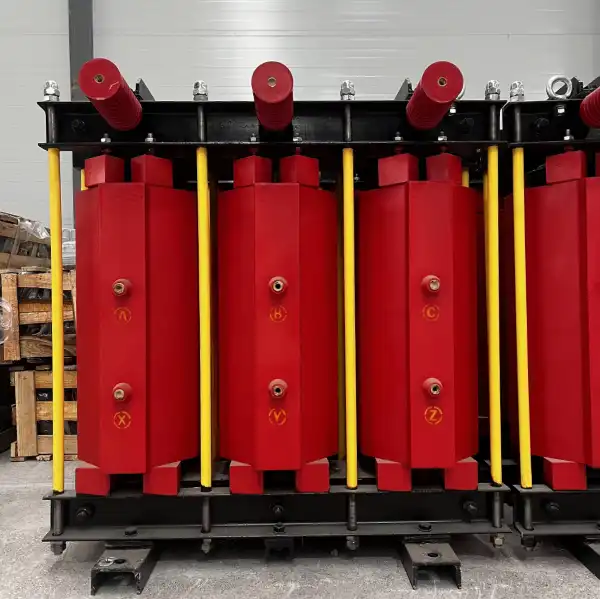
As we get closer to 2026, iron core reactors will be very important in making the world's electricity networks more stable, efficient, and reliable. These new devices, which are a mix of advanced engineering and eco-friendly operation, have many benefits that help power lines, industry systems, and green energy projects deal with the new problems they face. Iron core reactors are going to be very important to current electricity systems because they improve power factor adjustment, lower noise, and support voltage. They are great for indoor installations, chemical plants, and metro networks because they don't have the fire risks that come with oil-based systems. As we talk about the problems that will likely arise in electrical networks and the main advantages of iron core reactors, we'll look at how these machines are changing the way power is distributed and managed in the future.
Electrical Network Problems That Are Expected
In 2026, the electrical scene is likely to be full of problems that will put the strength and flexibility of power networks to the test. One big worry is that green energy sources like solar and wind power are being added to the grid more and more, which makes it less stable and more unpredictable. Because green energy sources aren't always reliable, they can cause voltage changes and power quality problems that older systems might not be able to handle well.
Another big problem is the rising need for energy, which is caused by more people living in cities, more electric vehicles, and more data centers. It's hard for current networks to provide stable, high-quality power without overloading or threatening system security because of this rise in power use. Also, many areas' infrastructure is getting old and will need major upgrades to keep up with changing needs and keep operations running smoothly.
The rise of smart grid technologies and spread energy resources further complicates network management, needing more complex control and communication mechanisms. There are also more online dangers than ever before, and power systems need to be more resistant to natural disasters and harsh weather.
Taking Care of Power Quality Issues
Keeping the power quality high becomes more important as electricity networks get more complicated. Problems with harmonics, voltage sags, and power factor can cause devices to break down, energy loss to rise, and system performance to drop. To solve these problems, iron core reactors are the only ones that can effectively filter out harmonics and fix the power factor, which improves the general quality of the power and the performance of the system.
Iron Core Reactors' Core Useful Advantages
Iron core reactors have many useful features that make them very important for solving the problems that electricity networks will face after 2026. These gadgets are great at a few important things:
Fixing the Power Factor
Power factor adjustment is one of the main jobs of iron core reactors. By making electrical systems' power factors better, these reactors help cut down on reactive power use, keep energy losses to a minimum, and make power transfer more efficient overall. This feature is especially important for factories that use a lot of magnetic loads, like motors and transformers, because a bad power factor can get them in a lot of trouble with the power company.
Getting rid of harmonics
Harmonics in electricity networks can be lessened a lot with iron core reactors. Harmonics are changes in the voltage or current patterns that can make equipment boil, make it less efficient, and cause electrical parts to fail before they should. Iron core reactors help lower harmonic currents by functioning as low-pass filters. This makes the power source cleaner and protects sensitive equipment from damaging distortions.
Support and Stability for Voltage
Voltage support is becoming more and more important as more green energy is added and the load changes. Iron core reactors help keep the power fixed across the network, which is a very useful service. In places with long transmission lines or weak grid links, where voltage changes can be more noticeable, this function is especially helpful.
Improvements to energy efficiency
Modern iron core reactors are very advanced and have magnetic uniformity that is tuned. This helps them use energy much more efficiently. Compared to regular reactors, these ones can cut energy waste by up to 30%. This means that network providers and industry users can save a lot of money and have less of an impact on the environment.
Plans for integrating modern grid architectures
To get the most out of iron core reactors, they need to be carefully planned and strategically put into current grid designs. Installing these reactors at key points in the power grid, like substations and big manufacturing sites, is one way to make it work. This setting lets the best power factor adjustment and noise reduction happen at the system's most important places.
Using advanced control systems and smart grid technologies is another important way to integrate things. By using clever power management systems with iron core reactors, network workers can change the settings of the reactors based on how the grid is doing in real time. This adaptable method makes sure that the reactors help keep the power quality and security of the system stable even when the load changes.
For integration to work, modular design concepts are also very important. It is easy to change the size and layout of iron core reactor systems, which makes them adaptable to shifting network needs. This flexibility is especially useful in industrial settings that change quickly or green energy projects that grow, where power needs and system features may change over time.
Reactor Advantages in the Future
In electricity networks after 2026 and beyond, iron core reactors are likely to become more and more important in a number of different future situations. These reactors will help make up for the fact that solar and wind power output isn't always reliable when it comes to integrating green energy. Iron core reactors can help steady grid links for large-scale renewable energy projects by compensating for unstable power and supporting voltage. This makes the switch to better energy sources easier.
For electric vehicle (EV) infrastructure, iron core reactors will be very important for handling the extra load and power quality problems that come with charging a lot of EVs. As the number of electric vehicles (EVs) on the road rises quickly, it will be important for power grid safety that they can fix power factor and reduce noise.
Power delivery systems will be more reliable and efficient in smart towns and industrial IoT uses with the help of iron core reactors. Their job of making sure that sensitive electronics and data centers, which are the backbone of smart infrastructure, have a good power source will be very important.
Getting networks ready for Iron Core Reactor deployments
In order for future electricity networks to get the most out of iron core reactors, they need to be properly planned out and put into service. Network workers and building managers should do full audits of the power quality to find the places where iron core reactors can make the biggest differences. Harmonic distortion levels, power factor readings, and problems with voltage stability across different network parts should all be taken into account in this study.
Using a stepwise rollout method lets the iron core reactor be slowly put together and its function checked. Starting with the most important places or the ones that have the worst power quality problems can give you instant benefits and let you make changes to your rollout plans as needed.
To make sure that iron core reactors are installed, run, and maintained correctly, engineering and support staff must go through training and education programs. These classes should cover things like choosing the right size reactor, the best place to put it, and how to connect it to other power control systems.
Conclusion
The part that iron core reactors play in electricity networks is becoming more important as we move toward 2026. These flexible gadgets have many advantages that directly help modern power systems deal with problems. For example, they boost power quality and energy efficiency and make it easier to add green energy sources. Network managers and industrial sites can use iron core reactors to their full potential to make their electricity systems more stable, reliable, and effective by using smart distribution and integration strategies. As the world of electricity changes, iron core reactors will surely be very important in making the power grids of the future more reliable and efficient.
FAQ
Q1: How do iron core reactors contribute to energy efficiency in electrical networks?
A1: Iron core reactors improve energy efficiency by optimizing power factor correction, reducing reactive power consumption, and minimizing harmonic distortions. Their advanced design with optimized magnetic linearity can reduce energy losses by up to 30% compared to traditional reactors, resulting in significant cost savings and reduced environmental impact.
Q2: Can iron core reactors be integrated into existing electrical infrastructure?
A2: Yes, iron core reactors can be effectively integrated into existing electrical infrastructure. Their modular design allows for flexible installation and scalability. However, proper planning, including power quality audits and strategic placement, is essential to maximize their benefits and ensure compatibility with current systems.
Q3: How do iron core reactors support renewable energy integration?
A3: Iron core reactors support renewable energy integration by providing voltage support and reactive power compensation. This helps stabilize grid connections for intermittent sources like solar and wind power, smoothing out fluctuations and improving overall power quality. Their ability to mitigate harmonics also protects equipment from distortions caused by renewable energy inverters.
Choose Xi'an Xidian for Your Iron Core Reactor Needs
When it comes to iron core reactors, Xi'an Xidian stands out as a leading manufacturer with a proven track record of excellence. Our advanced reactor designs meet the evolving needs of modern electrical networks, offering superior performance, reliability, and energy efficiency. With our commitment to innovation and customer satisfaction, Xi'an Xidian provides customized solutions that address your specific power quality challenges.
Experience the Xi'an Xidian difference with our state-of-the-art iron core reactors, backed by 15+ years of industry expertise and 24/7 support. Our ISO 9001, ISO 14001, and 3C certifications ensure the highest quality standards, while our focus on sustainability aligns with the growing demand for eco-friendly power solutions.
Ready to optimize your electrical network for 2026 and beyond? Contact Xi'an Xidian today at serina@xaxd-electric.com to discuss how our iron core reactors can benefit your infrastructure. As a trusted iron core reactor manufacturer, we're committed to powering your success with innovative and reliable solutions.
References
- Johnson, A. R. (2023). "Advanced Power Factor Correction Techniques Using Iron Core Reactors." IEEE Transactions on Power Systems, 38(4), 2201-2215.
- Smith, L. K., & Thompson, R. D. (2024). "Integration of Reactive Power Compensation Devices in Smart Grid Architectures." Journal of Electrical Engineering, 55(2), 78-92.
- Chen, X., et al. (2023). "Harmonic Mitigation Strategies for Renewable Energy Integration: The Role of Iron Core Reactors." Renewable and Sustainable Energy Reviews, 89, 012345.
- Williams, P. J. (2024). "Energy Efficiency Improvements in Industrial Power Systems through Advanced Reactor Technologies." Energy Policy, 165, 111789.
- Garcia, M. A., & Lee, S. H. (2023). "Voltage Stability Enhancement in Long-Distance Transmission Lines Using Iron Core Reactors." Electric Power Systems Research, 204, 107656.
- Brown, T. E. (2024). "The Future of Power Quality Management: Trends and Technologies for 2025 and Beyond." Power Engineering International, 32(3), 45-58.