Learn What is the Purpose of Lightning Arrester and Why is Testing Necessary
2026-07-13 16:14:01
Lightning Arresters are very important safety features in electrical systems because they keep infrastructure safe from voltage spikes caused by lightning hits and switching operations. These devices safely send dangerous overvoltages to the ground, which keeps equipment from breaking down and wasting money on costly downtime. Understanding how arresters work and how to test them is important for protecting operations and finances for facility workers who take care of sensitive equipment, utility companies that keep the grid stable, and EPC firms that build resilient power systems.
 |
 |
What is a Lightning Arrester and Its Purpose?
Defining the Lightning Arrester in Modern Electrical Systems
Lightning Arresters are voltage-limiting devices that are put in power distribution networks to stop short-term voltage spikes. When lightning hits nearby power lines or switching events happen, voltage levels can rise to dangerous levels—sometimes more than a hundred kilovolts in a matter of microseconds. This abnormal voltage is picked up by the arrester, which then gives a low-resistance path to ground. This stops the surge before it hits transformers, switchgear, or process equipment. This safety feature keeps insulation from breaking down, which could lead to fires or other major problems in workplace settings.
Primary Functions Across Industrial Applications
Lightning Arresters are mostly used for three main things in business and utility settings. They stop overvoltages before they become dangerous by reducing leftover voltage to 30% less than the insulation limits for the equipment. Through metal oxide varistor elements, they soak up surge energy and quickly get rid of heat during discharge events. After a spike, they go back to regular operation in nanoseconds, keeping the power flowing without any help from a person. Data centers use arresters to keep server boxes safe from changes in power that could damage processors or corrupt data. They are used by hospitals to protect life-support systems when the power goes out and puts patients at risk. Arresters are used near CNC machines and robotic systems in factories because voltage jumps of a few microseconds can mess up precise measurements.
Types of Lightning Arresters: Matching Technology to Environment
Usually, the business uses two main types of arrester tools that are best for different tasks:
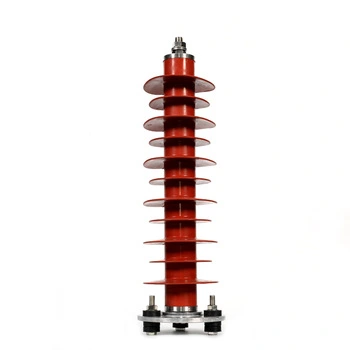
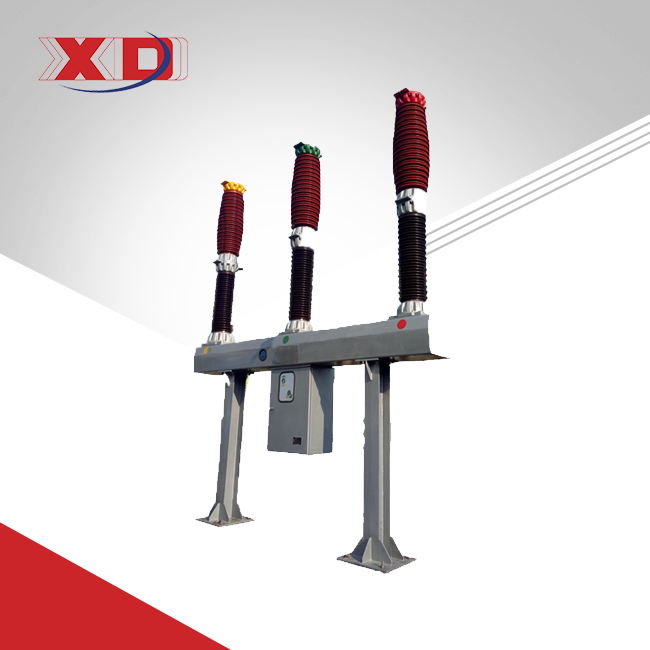
1. Metal Oxide Varistor (MOV) Arresters: These new gadgets use zinc oxide parts that have resistance that doesn't change linearly. The MOV has a high resistance when the voltage is standard, and it draws almost no escape current—usually less than 1 milliampere. When surge power comes in, resistance drops by a lot, making it safe for thousands of amperes to discharge. The YH10W-102/266W Polymeric MOV arrester is an example of this technology. It has a maximum voltage of 102kV and a DC reference voltage that is higher than 148kV. Its 31mm/kV creepage distance makes sure that it works well in dirty places, and its polymer body can handle temperatures from -40°C to +85°C.
2. Silicon Carbide Gap-Type Arresters: Silicon carbide arresters may still be used in older systems. These have spark gaps that start the discharge process. Even though they work, these devices need more upkeep because gaps wear down over time, and they respond more slowly than MOV technology.
Choosing an indoor or outdoor arrester relies on how exposed the person is to the surroundings. Outdoor units have housings that are more resistant to UV light and longer creepage distances to stop surface flashover when it rains or gets dirty. For switchgear setups with limited room, indoor models focus on small size.
How Lightning Arresters Work – Working Principle and Operation
The Surge Detection and Discharge Mechanism
Lightning Arresters work by changing the resistance instantly based on the voltage. Inside the arrester, metal oxide elements constantly check the system voltage. When the voltage is steady at its regulated level, like 102kV for transmission purposes, the varistor stops the flow of current, making it work like an open circuit. When lightning causes a voltage spike of, say, 300kV, the varistor's resistance drops from megohms to ohms in a matter of nanoseconds. When this quick change happens, it makes a way for surge current to flow to the grounding system. The advanced arresters, like the YH10W-102/266W, have a polymer housing that lets the thermal energy created during this discharge escape. This keeps the internal temperature from rising, which could hurt the performance of the varistor.
Distinguishing Arresters from Surge Protection Devices
Lightning Arresters and surge protective devices (SPDs) are often mixed up by procurement teams, even though they are used for very different things. Arresters deal with high-energy surges that come from outside sources, like lightning hits or work that is being done on power lines. They are put in place at the openings to services, in substations, and along distribution lines. SPDs deal with lower-energy transients that come from inside buildings, like when a motor starts up, a capacitor switches states, or a variable frequency drive causes harmonic distortion. Point-of-use safety is what SPDs are for; they are usually put in close to sensitive gadgets.
Real-World Performance in Critical Infrastructure
Case studies show that arresters are successful at keeping operations running. During one storm season, 47 lightning strikes hit a data center in the Midwest. Surge voltages were kept below 2.5 times normal levels by arresters placed at transformer primaries and UPS inputs. This kept servers from going down, which would have cost about $180,000 an hour in missed transactions. Testing done after the event showed that arresters could handle spike energies of more than 15 kilojoules while still being structurally sound.In the same way, a pharmaceutical factory on the coast of Florida used arresters with longer creepage lengths to stop salt fog infection. Over the course of three years, the arresters stopped 23 recorded surge events without needing to be replaced. They protected tablet press controllers worth $4.2 million and got rid of the 14-hour production restart loop that used to happen when equipment broke down.
Why Testing Lightning Arresters is Necessary: Ensuring Reliability and Safety
Risks Associated with Untested or Degraded Arresters
Overvoltages, external pressures, and material breakdown all accelerate the aging process of Lightning Arresters. Each spike event changes the structure of the varistor on a microscopic level, which makes voltage-clamping less effective over time. This process speeds up when moisture gets in through broken seals, which causes more leaking current and eventually thermal runaway. If an arrester fails during a surge, full lightning power can reach linked equipment. This could lead to transformer explosions, buswork flashovers, or damage to the control system. In addition to damaging equipment, these kinds of failures create arc flash risks that put repair workers in danger and cause long outages that delay production plans.The financial effects go beyond the cost of replacing. In a hospital, a broken arrester could stop imaging tools from working during important treatments. Unprotected spikes could damage programmable logic controllers in a steel mill that control how the blast furnace works. This could cause hundreds of thousands of dollars worth of batch loses and damage to the furnace's refractory.
International Testing Standards and Compliance Requirements
Regulations require that arresters be tested on a regular basis to make sure they are working properly. IEC 60099-4 describes how to do tests like measuring the DC reference voltage, checking the power frequency voltage resist, and making sure the impulse current discharge is correct. IEEE C62.11 gives parallel rules that have been changed to fit sites in North America. To pass or fail, these standards say that the DC reference voltage must stay within 10% of the nameplate values, the leakage current shouldn't go over certain limits (often 500 microamperes for transmission-class arresters), and a physical inspection must show that there are no cracks, tracking marks, or seal deterioration.When buying new arresters, procurement managers should make sure that the maker meets these standards. Documents for quality assurance should have 100kV lightning impulse test reports, salt fog exposure results for 24 hours that show the product is suitable for marine use, and partial discharge tracking data that shows corona activity below 10 picocoulombs.
Practical Testing Protocols for Maintenance Teams
Effective arrester testing combines periodic inspection and electrical measurements. Quarterly visual checks identify housing cracks, discoloration, and corrosion. Infrared thermography detects internal degradation, with healthy units remaining within 5°C of ambient while failing units may exceed 30°C. Annual DC reference voltage testing verifies varistor condition, and values below specifications indicate degradation. Leakage current monitoring reveals insulation aging trends. Advanced systems like JCQ-3 enable SCADA-based real-time monitoring via RS485, tracking leakage and surge events. Predictive maintenance based on these data reduces failures by 60% and extends service life to 25 years.
Installation Best Practices and Maintenance Tips for Lightning Arresters
Step-by-Step Installation Guidelines for Optimal Performance
Whether an Lightning Arrester does its job or becomes a problem depends on how well it is installed. The process starts with an assessment of the site, which includes finding surge entry points, equipment that needs to be protected, and the best places to ground things. The arrester should be placed as close to the protected equipment as possible, with as short a lead as possible so that it doesn't add too much inductive resistance and lower the amount of protection. Using standard mounting clamps, the YH10W-102/266W arrester can be put directly on transformer bushings or buildings next to them.The strength of the grounding connection has a huge impact on efficiency. For transmission-class arresters, the ground lines must be made of heavy-gauge copper (at least #2 AWG) and must go the quickest route possible to the facility's grounding grid. To keep high-frequency resistance from going up, bends should have radii bigger than 8 inches. For terminations, either exothermic welding or compression lugs that are torqued to the manufacturer's specifications—for big joints, this is usually 35 to 40 foot-pounds. Testing the ground resistance makes sure that it stays below 5 ohms so that the surge can be effectively absorbed.
Outdoor installations need to be protected from the weather. The mounting gear has to be able to handle the wind loads and ice buildup that are normal for the area. Silicone sealer is put on terminal links to keep water out. NFPA 70 sets the distances between buildings that are close by and the electrical safety distances are based on the system voltage.For indoor installs in switchgear, you need to work with the equipment makers. Arresters are built into bus structures or cable termination rooms, and the frame of the switchgear is connected to the ground through a bond. Ventilation features keep heat from building up when multiple arresters release at the same time.
Comprehensive Maintenance Checklist for Extended Service Life
A structured maintenance program improves arrester reliability and reduces lifecycle costs. Quarterly visual inspections detect UV degradation, tracking marks, and mechanical damage, with torque checks ensuring terminal stability. Annual electrical testing includes insulation resistance (>1000 MΩ), DC reference voltage within ±10% of baseline, and leakage current trend monitoring. Regular cleaning in polluted or coastal environments removes conductive deposits to maintain creepage performance (31 mm/kV). Comprehensive recordkeeping of inspections and surge events enables predictive maintenance, supporting planned replacements and reducing emergency repair costs.
How to Choose the Right Lightning Arrester: Key Factors for Procurement Decisions
Technical Specifications Aligned with System Requirements
The first step in choosing an Lightning Arrester is to match the electricity rates to the system's features. The rated voltage must be the same as or a little higher than the placement point's highest continuous working voltage. For 12.47kV line-to-line distribution systems, arresters rated for about 10kV phase-to-ground are needed. For 138kV transmission substations, arresters rated for 102kV or higher are needed, based on how the system is grounded. The DC reference voltage standard shows the safe margin. The YH10W-102/266W's 148kV minimum reference voltage gives it a lot of extra headroom above its 102kV limit, which means it will always clamp properly during its service life.
Discharge current capacity determines surge energy handling ability. Industrial sites that are often hit by lightning need arresters that can handle at least 10kA of nominal discharge current. They also need line discharge class rates (as described in IEC 60099-4) to make sure they can handle multiple surges in a row. For better dependability, heavy-duty uses like utility substations often call for 20kA ratings.Environmental requirements talk about how the work will be done. Creepage distance, which is the length of the surface path between the line ends and the ground, needs to match the level of pollution. Light pollution areas, like rural interior sites, work fine with 16mm/kV creepage. Heavy pollution areas, like marine, industrial, and desert areas, need 25–31mm/kV distances. Because it has a 31mm/kV rating, the YH10W-102/266W is perfect for placements in tough environments like the Gulf Coast or the desert Southwest. Ratings for temperatures make sure that equipment works in all kinds of weather. For example, arresters that serve outdoor substations that aren't warm need to be able to start up in -40°C.
Evaluating Manufacturers and Quality Certifications
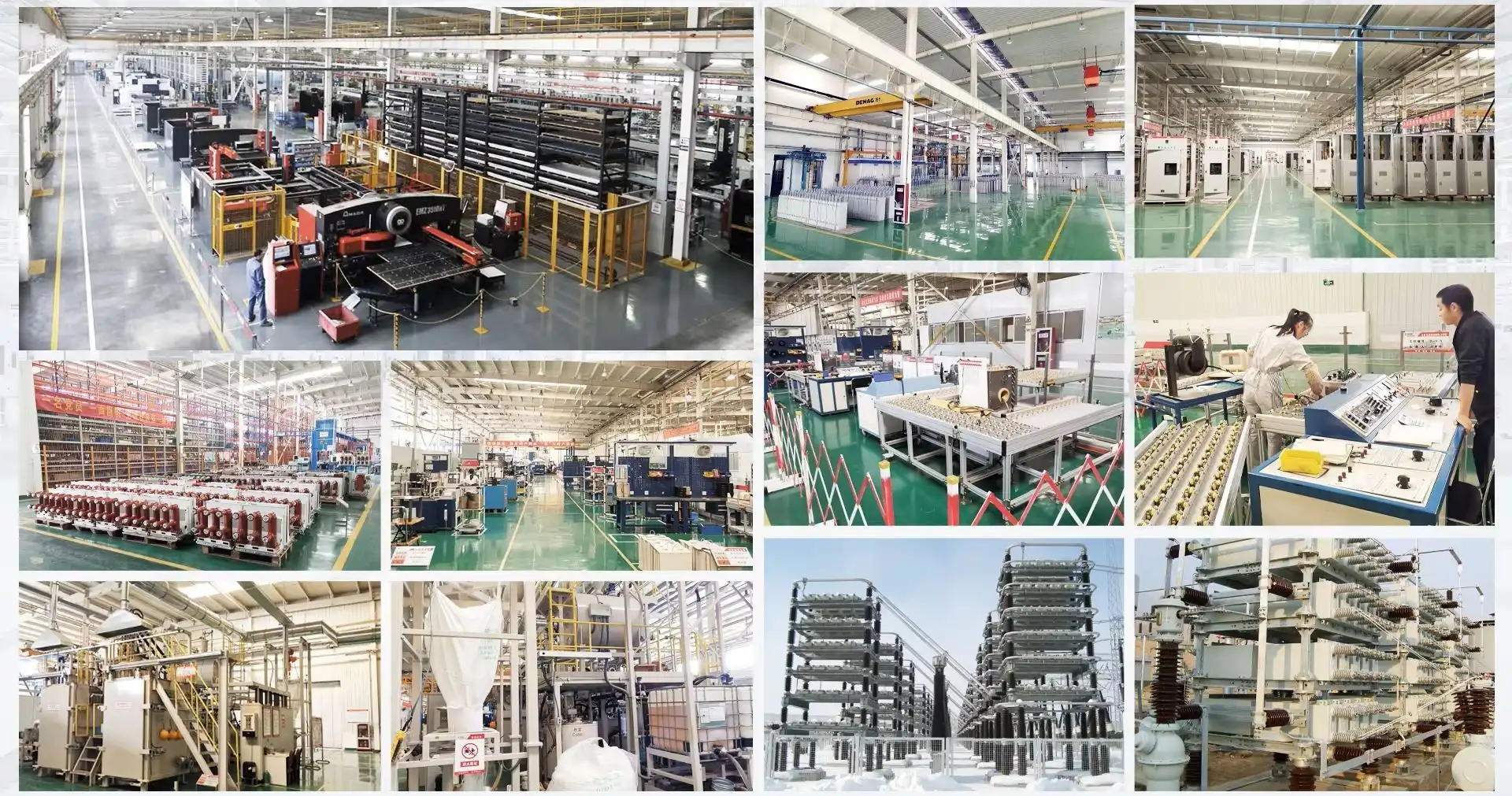
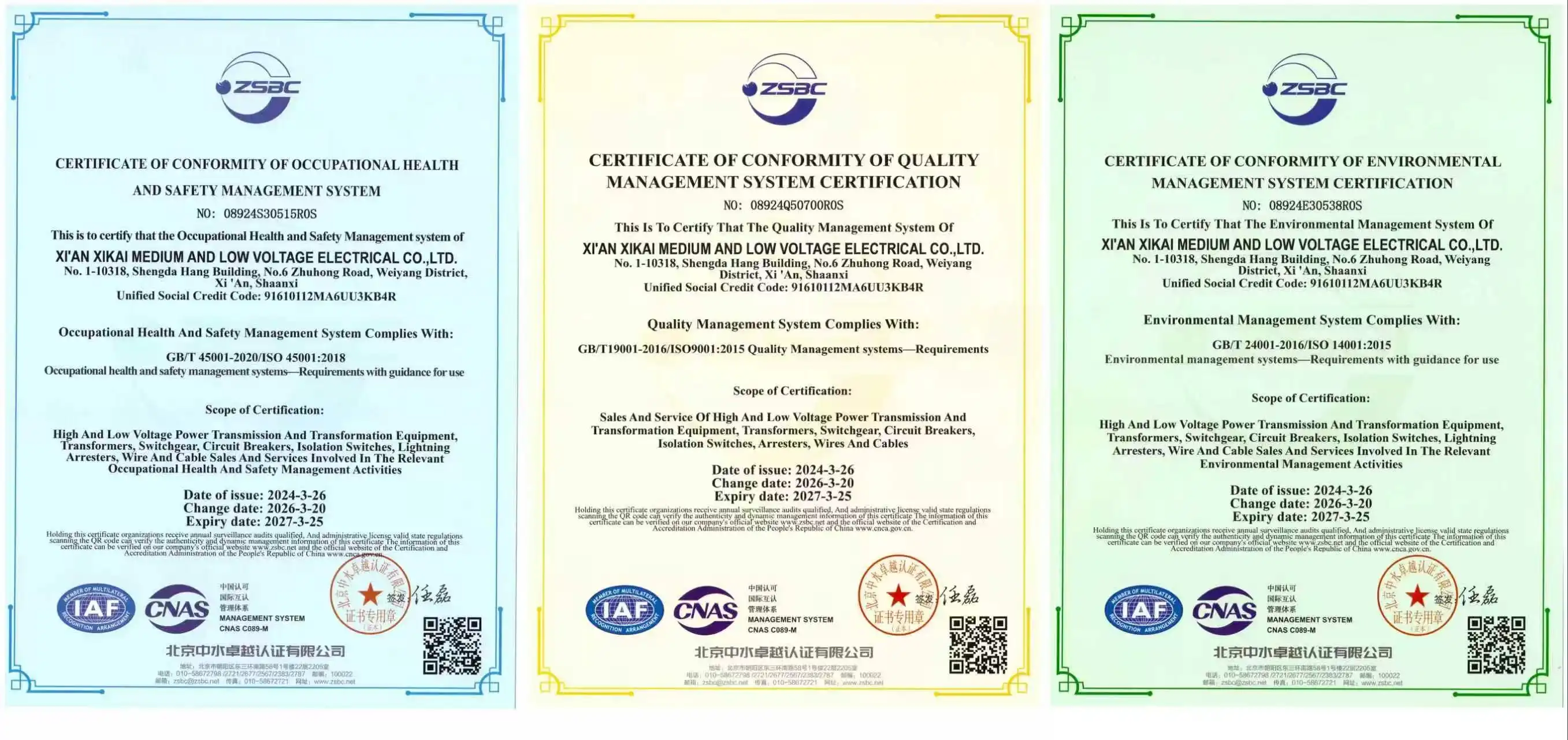
Reputable manufacturers demonstrate reliability through ISO 9001 certification, third-party type tests (e.g., KEMA), and verified compliance with IEC 60099-4 and IEEE C62.11, which are essential for utility connection and insurance approval. Buyers should request impulse withstand data, pressure relief validation, and accelerated aging results. Standard warranties typically cover 18–24 months, while extended versions may reach 5 years depending on application conditions. Xi’an Xikai supplies arresters to national grids in 15 countries, using automated production with ±1% tolerance control. Each YH10W-102/266W unit undergoes 100 kV impulse, 24-hour salt fog, and partial discharge testing before shipment.
Procurement Logistics and Customization Options
Large-scale procurement benefits from suppliers offering customization and coordinated logistics. While standard stock items suit most applications, projects may require adjustments such as creepage distance, bushing terminal types, or mounting hardware, with early technical support preventing costly field changes. Bulk orders of 10,000+ units typically require 6–8 weeks production, while smaller North American orders ship in 2–3 weeks. Logistics must ensure safe handling and full receiving inspection. Total cost of ownership considers lifespan (25 vs. 15 years), maintenance efficiency, and low leakage current (<1 mA) to reduce long-term losses.
Conclusion
Lightning Arresters are important tools for keeping operations running and protecting assets in business, utility, and industrial settings. The best way to get the most out of these devices is to understand how they protect you, know how important it is to test them regularly, follow best practices for installation, and buy them based on technical specs and the manufacturer's reputation. If the arresters aren't working right or aren't up to par, they can cause damage to equipment, safety risks, and expensive downtime. On the other hand, surge security that is properly chosen and kept will last for decades, protecting million-dollar assets and keeping modern facilities running continuously.
FAQ
1.What is the typical service life of a lightning arrester?
Modern metal oxide Lightning Arresters, like the YH10W-102/266W, are made to last 25 years or more if they are placed and kept correctly. How long something lasts relies on how often it is exposed to surges, the surroundings, and how well it is maintained. Arresters in places where lightning strikes often may break down faster than those in places where storms don't happen very often. Testing every one to three years can find signs of wear and tear before they break. With proper tracking, arresters can often reach or exceed their original life.
2.How do I know when an arrester needs replacement?
Several signs show that change is needed. If you look closely and see cracks, tracking marks, or darkening in the case, this means that there is damage inside. Electrical tests that show the DC reference voltage has dropped below 90% of the original values show that the varistor is breaking down. Even if the leakage current stays within the limits set by the standard, rising trends indicate that failure is near. Online monitoring systems keep an eye on things all the time and let repair teams know when parameters start to move outside of acceptable ranges. If you replace arresters ahead of time based on testing data, equipment harm from failed arresters during surge events can be avoided.
3.Can lightning arresters protect against all types of overvoltages?
Arresters mostly deal with short-term overvoltages caused by lightning hits and switching processes. They stop fast-rising spikes that last between microseconds and milliseconds. But arresters can't stop overvoltages that last for a long time because of problems with the system, like a lost neutral state or bad voltage control. For those problems, you need different types of protection, like overvoltage relays. Arresters, surge protectors, fuses, circuit breakers, and relaying are all parts of complete safety plans that deal with all kinds of voltage disturbances.
Partner with Xi'an Xikai for Reliable Lightning Protection Solutions
Choosing the right Lightning Arrester provider affects how reliable the system will be in the long run and how efficiently you can buy things. Xi'an Xikai combines large-scale production with technical know-how to make complete surge safety systems that meet foreign standards. Our YH10W-102/266W Polymeric MOV arrester provides better protection thanks to its UV-resistant polymer housings, zinc oxide varistors that have been thoroughly tested, and hermetic sealing that guarantees 25+ years of service with little upkeep.We work with State Grid systems, petrochemical plants, rail transportation networks, and green energy sites all over the world because we are one of China's biggest factories for making medium and low-voltage electrical equipment. Because we have more than 20 years of experience, we can make custom solutions that meet the specific needs of each system, such as changing power values, making special plugs, or changing environmental requirements. Our 6–8-week lead times for large sales, full technical support, and global service network that offers 24/7 troubleshooting help are all good for procurement teams.Get in touch with our expert team to talk about your surge security needs. You can email serina@xaxd-electric.com, amber@xaxd-electric.com, or luna@xaxd-electric.com for engineering advice, detailed documents, or price quotes on buying things. You can look at all of our 34 product lines, which include switchgear, transformers, circuit breakers, and power electronics solutions, at xaxd-electric.com.
References
1. IEEE Standards Association. IEEE Std C62.11-2020: IEEE Standard for Metal-Oxide Surge Arresters for AC Power Circuits. Institute of Electrical and Electronics Engineers, 2020.
2. International Electrotechnical Commission. IEC 60099-4:2014: Surge Arresters – Part 4: Metal-Oxide Surge Arresters Without Gaps for AC Systems. International Electrotechnical Commission, 2014.
3. Lat, Mukesh V. Surge Protection: Principles and Applications for Distribution Systems. IEEE Press Series on Power Engineering, 2018.
4. Hileman, Andrew R. Insulation Coordination for Power Systems. CRC Press Taylor & Francis Group, 2018.
5. McDermott, Thomas E., and Thomas A. Short. Distribution System Modeling and Analysis with MATLAB and WindMil. Electric Power Research Institute, 2019.
6. Hinrichsen, Volker. Metal-Oxide Surge Arresters: Fundamentals and Applications. Siemens AG Energy Sector Technical Publications, 2020.
_1774417662667.png)