
How Series Dry Type Transformer Improves Energy Efficiency in Power Distribution
2026-07-13 16:13:55
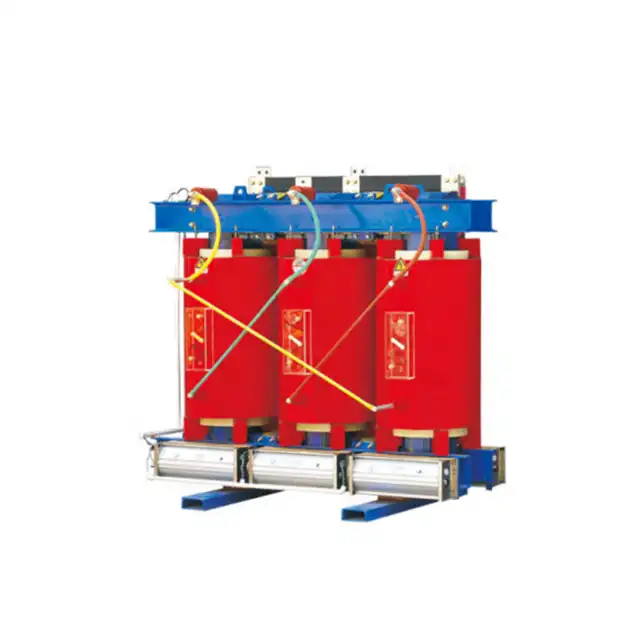
The cost of running industrial facilities, electric grids, and business buildings across the United States is high because of the energy that is lost when power is changed. This problem is directly solved by a Series Dry type transformer, which has better insulation materials, improved core designs, and smart cooling systems that cut no-load and load losses by up to 70% compared to regular silicon steel transformers. With careful engineering that reduces resistive heating and electromagnetic waste, these transformers can change electricity with an efficiency rate of up to 99%. This means that monthly utility bills and carbon emissions will go down by a measurable amount. When you think about how the energy savings add up over thousands of hours of operation each year, they are big enough to affect both the bottom line and environmental compliance for large-scale operations.
 |
 |
Understanding Series Dry Type Transformers and Their Energy Efficiency Benefits
Today's power distribution needs solutions that combine cost-effectiveness, efficiency, and safety. Dry type distribution transformers don't need containment systems or regular dielectric testing like oil-filled units do. Instead, they use solid insulation, usually epoxy resin cast or vacuum pressure infused (VPI) materials, which means there are no fire risks or worries about environmental contamination. The word "series" refers to optimal winding designs that lower impedance losses while keeping voltage control even when the load changes.
How Energy Losses Occur in Traditional Transformers
There are three main ways that regular transformers lose electricity: core losses from magnetization cycles, copper losses from wire resistance, and stray losses from electromagnetic field leaks. When the magnetic field reverses, older silicon steel cores make heat, and when big loads are applied, tightly wound coils make resistance that gets stronger. These mistakes add up to yearly energy waste of more than 15 to 20 percent of the power that is sent through old systems.
Advanced Materials That Change the Efficiency Equation
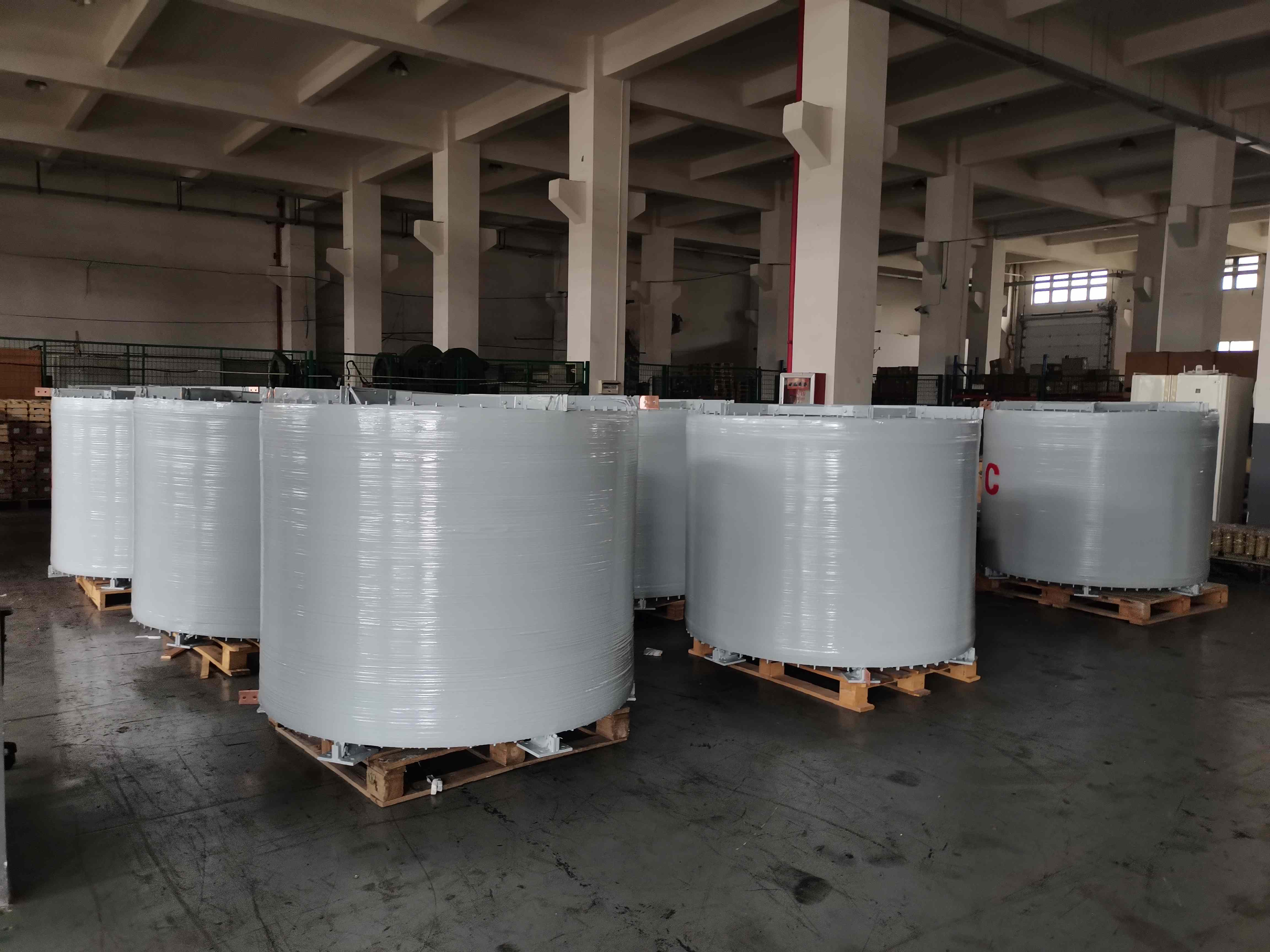
The SC9 Series uses laser-cut amorphous metal cores with atomic structures that are not solid. These structures greatly reduce hysteresis losses. When you add high-conductivity copper foil windings and epoxy resin covering, heat dissipation gets a lot better. This design keeps working well even when the humidity is 100%, and it doesn't need to be dried out between uses. This is a huge benefit for coastal factories and data centers that work in damp places. The design keeps out wetness so it can keep working without stopping, no matter what the weather is like.
Sustainability Gains Beyond Operating Costs
Lowered greenhouse gas pollution from power plants are directly linked to lower energy use. A dry-type transformer that uses 99% less energy than an older unit that uses 96% less energy stops about 30 metric tons of CO2 equivalents per megawatt of power every year. If facility owners meet the DOE 2023 compliance standards and get the IEC 60076 approvals, they can get green building credits and utility rebate programs, which are becoming more popular in American markets.
Core Technical Features Driving Efficiency in Series Dry Type Transformers
Excellent engineering starts with choosing the right materials and continues through all stages of production. The SC9 Series shows how careful design choices can add up to measurable performance benefits that procurement teams can prove with practical data and tests by a third party.
High-Grade Magnetic Core Construction
The magnetic sensitivity of the amorphous metal bands we use in our cores is three times higher than that of regular silicon steel. This lets the transformer create magnetic flow with very little magnetizing current. Compared to standard SCB series models, this cuts no-load losses by 70%. Laser cutting gets rid of the mechanical stress that would otherwise weaken the magnetic properties, and before assembly, each laminate goes through thermal imaging testing to make sure that its properties are all the same.
Advanced Winding Technology and Insulation Systems
Vacuum pressure impregnation pushes epoxy glue deep into the gaps between conductors. This gets rid of the air spaces that cause partial discharge and insulation to break down too soon. Class F/H insulation systems can handle temperature increases of up to 155°C, which means they can handle 150% extra capacity while being cooled by ONAF without losing any of their service life. Corona formation is stopped by low partial discharge levels below 10 picocoulombs at 1.5 times the maximum voltage. Corona formation over time lowers efficiency.
Intelligent Cooling Architectures
For normal loads, natural air cooling (AN) is enough for Series Dry type transformer, but forced air (AF) systems turn on immediately when sensors inside the system sense that temperatures are rising. This mixed method works best at temperatures between 60°C and 100°C, which is also the temperature range where copper conductivity is highest and insulation breakdown is slowest. Placed around low-voltage terminals, heat sinks direct heat away from important parts, stretching the time between repair visits and maintaining conversion efficiency over decades of use.
Noise Reduction Engineering
As long as the sound level stays below 65 dB, it is possible to put in places that are sensitive to noise, like hospitals and urban substations. The 120 Hz hum that older designs had can't happen with special core clamping methods and vibration-damping casings. This audio performance lets you choose from a variety of placement choices that make the best use of cable runs and reduce transmission losses between the load centers and transformers.
Comparing Series Dry Type Transformers with Other Transformer Types for Energy Efficiency
Procurement professionals can make choices that are in line with operational goals and budget limits when they understand how different projects compare in terms of performance. Different types of real-world operations show different levels of efficiency.
Oil-Filled Transformers: Traditional Reliability with Hidden Costs
Liquid-immersed units are great for cooling, but they need to be analyzed for oil leaks and control systems all the time. Environmental laws are making it harder to put oil transformers inside, especially in buildings with people living in them where fire rules require large suppression systems. When compared to dry type alternatives that don't need care, maintenance work and disposal costs for dielectric fluids add 15 to 25 percent to lifetime costs.
Cast Resin versus VPI Construction`
Both types of insulation work for dry types, but VPI systems are better at getting glue into the winding layers. This full impregnation improves heat conductivity and mechanical strength, which lets higher short-circuit values be used. VPI transformers can handle sudden currents up to 100 times their rated capacity without mechanical damage or loss of efficiency. This is useful for places where motor starting spikes or utility voltage changes happen often.
Documented Case Performance
A company in the Midwest that puts together cars replaced four 1500 kVA oil-filled transformers with SC9 Series units of Series Dry type transformer. During the same production plans, the plant used 18% less energy. The monthly cost of power went down by $12,400, and the cost of checking and maintaining the oil every year went down by $3,200. The building got LEED approval in part because of improvements in transformer efficiency that were backed up by independent power quality tests.In Arizona, data center managers said that SC9 transformers kept their 98.7% efficiency during summer peaks when temps were above 50°C, while their old silicon steel dry type units dropped to 96.2% efficiency in the same situations. With this 2.5-point gain, their 5 MW critical load system saved 340 MWh per year.
Practical Guidelines for Selecting and Maintaining Series Dry Type Transformers
For strategic buying to work, technical requirements must be matched with practical realities, and future capacity needs and legal changes must be planned for. A thorough review stops mistakes that cost a lot of money and hurt efficiency gains.
Assessing Site-Specific Requirements
Find out the real load patterns, such as peak demand, power factor, and harmonic content from equipment that uses variable frequency drives or inverters. The ability to cool changes with elevation. For example, our plateau-rated equipment keeps working at full capacity at 4,000 meters, even though the thin air there makes it 20% harder for heat to escape. In chemical plants or near the coast, where the air is corrosive, you need IP65-rated shelters with special coatings that stop degradation without holding heat.
Evaluating Vendor Capabilities and Certifications
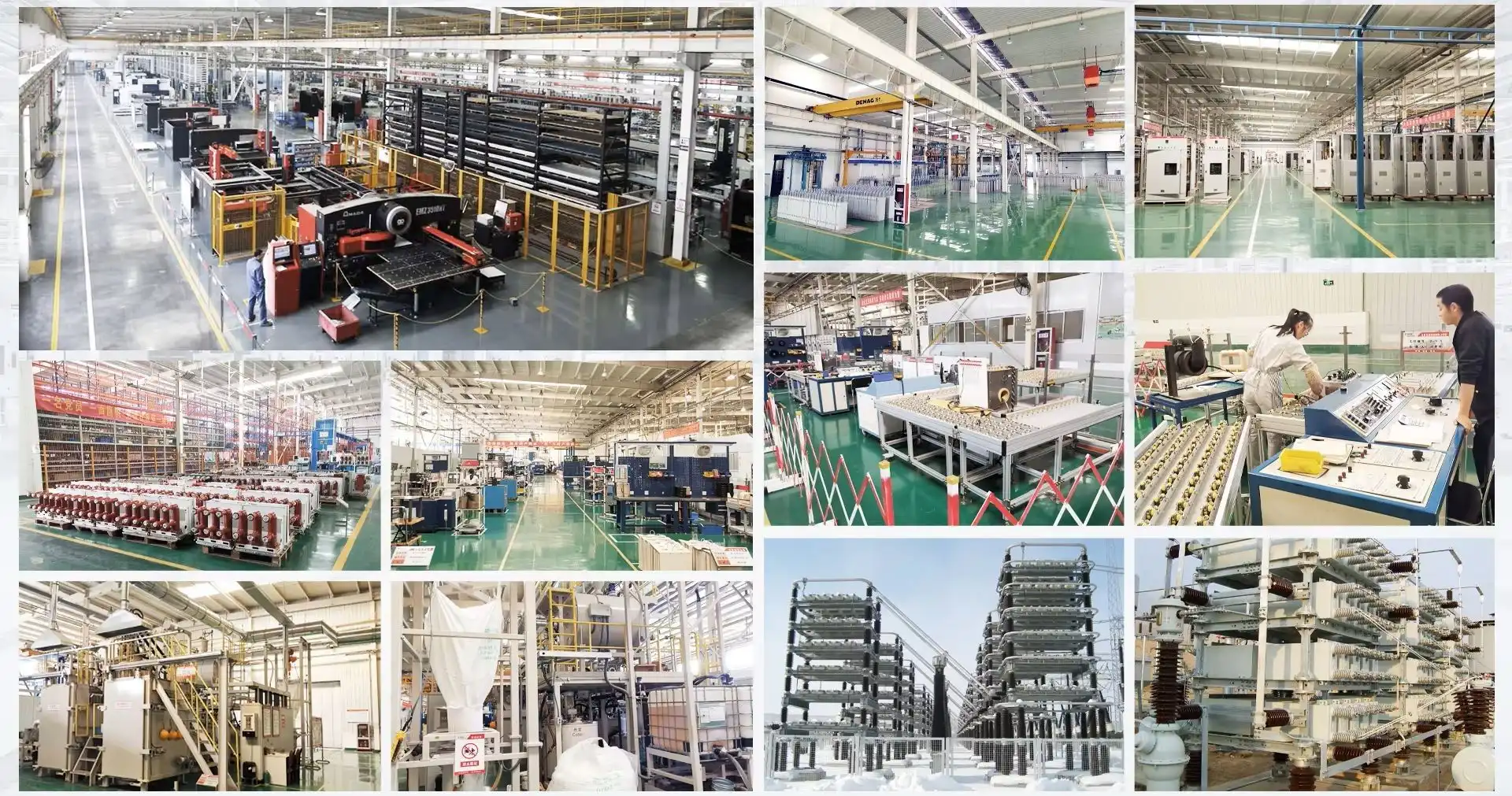
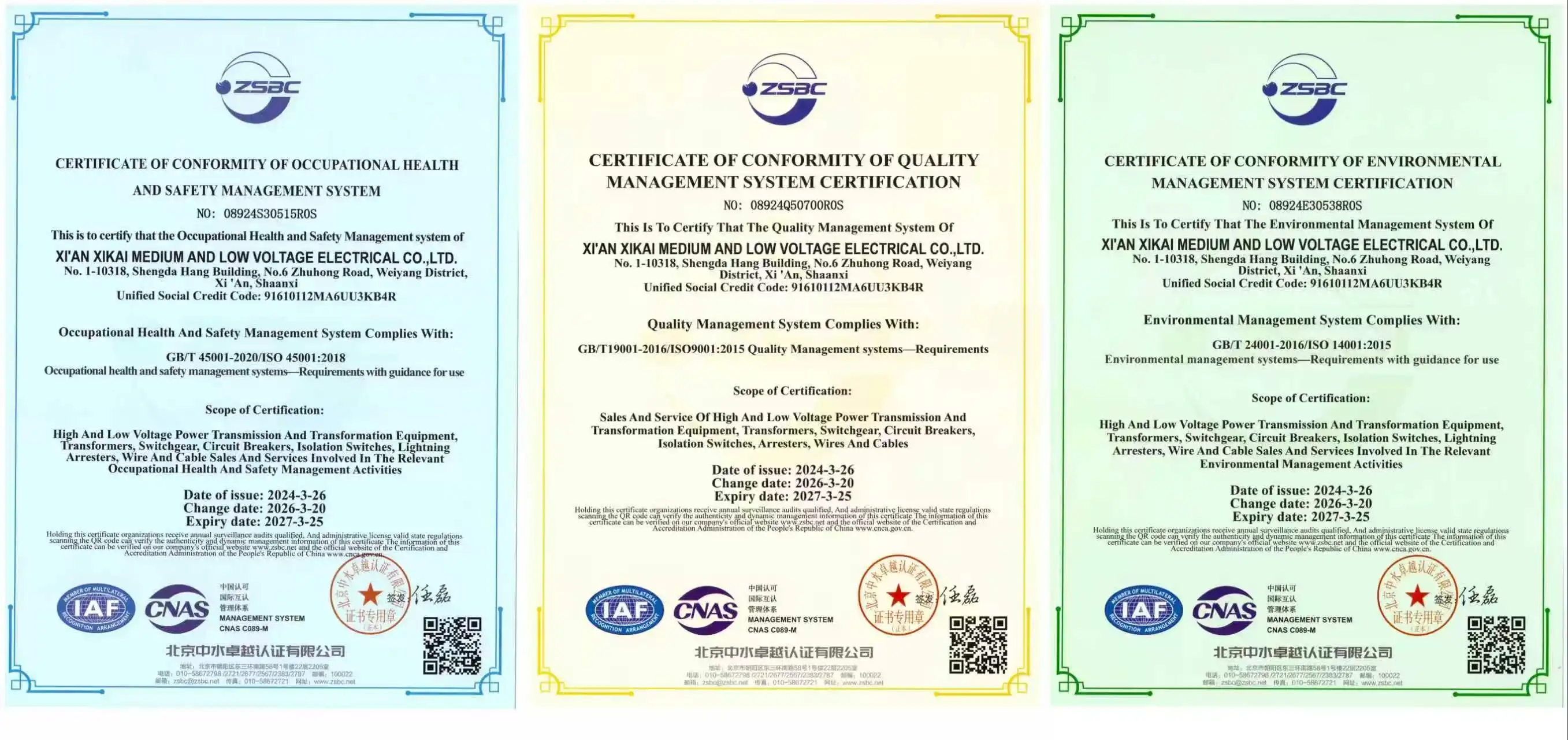
Instead of just going by what the maker says, compare products based on actual efficiency tests that were done according to IEEE C57.12.01 standards. Check the UL/cUL listings for installations in North America and make sure the guarantee covers both damage to the materials and loss of performance. Suppliers who have both ISO 9001 quality management and ISO 14001 environmental certifications show that they take a planned approach to making sure that the quality of their products is always high.Xi'an Xikai runs factories with automatic production lines that make sure that core stacking and winding tension are always done correctly. Before being shipped, each transformer is tested for lightning impulses at 170 kV and for partial discharge. This gives paperwork that meets the needs of utility interconnection standards and insurance underwriters.
Installation Best Practices for Optimal Efficiency`
Place transformers so that there is enough space around them for natural convection airflow—at least 1 meter on ventilated sides—to stop the return of hot air that raises working temperatures. Connect wires on the load side so that the impedance is as low as possible by using the right termination force and phase spacing. Infrared thermography should be used to find hot spots that mean connections aren't tight enough or loads aren't being evenly distributed. These problems lower efficiency and speed up the age of parts.
Maintenance Protocols That Preserve Performance
Even though they say they don't need any upkeep for Series Dry type transformer, regular checks keep them working well and extend their life. Visual checks done once a year look for dust buildup on air surfaces, corroded connections, or broken enclosures. Every three years, thermographic studies show problems that are starting to show up before they become major problems. If there are load tap switch mechanisms, they need to be oiled and their contacts checked regularly according to the manufacturer's plans to keep resistance from building up and making losses worse.Baseline patterns are set by keeping track of changes in outdoor temperature, load current, and turning temperature. Deviations show that problems are starting to show up, like blocked airflow or insulation wearing down. IoT sensor integration makes predictive maintenance possible. It sends real-time alerts when working parameters move out of the ideal ranges, so that the right changes can be made before efficiency goes down.
Procurement and Supplier Insights for B2B Clients
Buying new capital equipment can affect business budgets, system reliability, and legal compliance for many years to come. Structured buying methods weigh the costs of the purchase right now against the value of the whole thing.
Understanding Total Cost of Ownership
For transformers that last 20 to 25 years, the purchase price makes up 30 to 40 percent of their total operational costs. At $0.12 per kWh, energy costs add up to tens of thousands of dollars per unit every year. Compare efficiency rates to figure out return times. For example, a 98.5% efficient transformer that loses 15 kW of power will save $5,256 a year when it runs continuously. This $105,120 savings over 20 years makes the higher price worth it, and it also cuts carbon emissions by 600 metric tons.Reviewing warranty coverage goes beyond the length of the warranty. Policies that cover a lot of ground include promises for insulation systems, limits on how much efficiency can drop, and repair rules for problems with the way they were made. Make service reaction times and part availability clear. Transformers that protect important infrastructure can't wait weeks for new parts to arrive.
Navigating Customization Options
Standard catalog units work well for many uses, but customizing them makes them work better for specific needs. Voltage taps can handle changes in the power source without lowering efficiency. Harmonic distortion is lessened in places with a lot of power equipment by using specific winding designs. Temperature tracking systems connect to building control networks, giving one place to keep an eye on all the transformers that are spread out.Bulk procurement methods get savings for buying in bulk and make sure that specs are the same across operations at different sites. Agreements reached with Series Dry type transformer suppliers set preferred prices, priority production times, and committed engineering support for setups that are more complicated. Strategic relationships let people use new technologies like AI-powered tools for predictive maintenance before they're available to everyone else.
Regulatory Compliance and Certification Considerations
DOE's 2023 energy conservation guidelines say that distribution transformers sold in the US must meet certain base levels of efficiency. Check that compliance paperwork comes with each unit, because in many places, equipment that isn't compliant is illegal to use. Utility hookup deals are becoming more specific about power quality standards and efficiency requirements. Transformers that meet these standards speed up the approval process and avoid having to do expensive re-engineering.Some insulation materials can't be used in certain situations because they are harmful to the environment. RoHS compliance gets rid of dangerous materials, and California's Title 24 sets tougher energy minimums than federal rules. Working with makers who keep their licenses up to date in multiple places makes compliance easier and keeps projects from being held up.
Conclusion
There are measurable gains in operational costs, environmental performance, and system stability across industrial and commercial power distribution networks that come from Series Dry type transformer technology. Modern dry type transformers are more efficient than tools from earlier generations because they use better core materials, are made with more care, and have smart design features. The SC9 Series is a great example of this change because it combines high efficiency scores (99%) with strong construction that makes it ideal for harsh environments like high-altitude sites and coastal facilities that are always wet. When procurement professionals are looking at upgrades or new setups for transformers, they should look at the total ownership costs instead of just the initial capital spending. With energy savings that add up over decades, less upkeep, and better safety features, high-efficiency transformers are smart investments that can help with both financial goals and environmental promises.
FAQ
1.What maintenance activities sustain energy efficiency in dry type transformers?
For maximum efficiency, ventilation surfaces need to be visually checked every three months to make sure they are clean and air is flowing properly. Every year, infrared thermography finds hot spots that are growing because of loose links that make resistance losses worse. Every five years, load tap changers need to be oiled, and every two years, the accuracy of winding temperature sensors should be checked. Insulation resistance testing every three years finds wetness or wear and tear that lowers insulating performance. These simple steps keep things running smoothly without needing any special skills or long periods of downtime.
2.How Series Dry type transformer lifespans compare with oil-filled alternatives?
When properly cared for, dry type units usually last 25 to 30 years, which is the same or longer than the working life of an oil-filled generator. Solid insulation stops seal failures that lead to oil leaks, while epoxy resin insulation stops rust and moisture absorption that damage oil dielectrics. The lack of liquid coolant eliminates the risk of pollution and makes end-of-life recycling easier—98% of transformer materials can be recovered, while oil removal is more complicated.
3.Can these transformers be customized for specialized industrial applications?
Voltage rates from 0.4 kV to 40.5 kV, power outputs from 50 kVA to 10,000 kVA, and impedance values that are best for each load type are all customization choices. Harmonics from six-pulse or twelve-pulse rectifier systems can be lessened by using special winding designs. Extreme temperatures, toxic atmospheres, or earthquake needs can be met by making changes to the enclosure. Engineering teams work with clients to come up with ideas that solve specific operating problems and use the least amount of energy possible.
Partner with Xi'an Xikai for Advanced Power Distribution Solutions
Xi'an Xikai Medium & Low Voltage Electric Co., Ltd. has been working with power systems for 20 years and has developed unique technologies for noise reduction and better cooling. They offer Series Dry type transformer solutions that are designed to make a real difference in how efficiently they work. Our SC9 Series is the result of years of study into advanced materials and fine-tuning our manufacturing skills over thousands of setups for State Grid systems, industrial facilities, and green energy projects. As a top maker of Series Dry type transformers, we can make configurations that are exactly right for your voltage needs, load profiles, and environmental conditions. This includes normal business uses as well as equipment with a plateau rating for high-altitude installations.When procurement teams work with us, they get full expert help for the whole project, from the initial specifications to completion and long-term operation. Our engineering staff works directly with your team to choose the best transformers, making sure they work with the equipment you already have and planning for future capacity increases. Our technical experts can be reached at serina@xaxd-electric.com, amber@xaxd-electric.com, or luna@xaxd-electric.com to talk about how our energy-efficient transformers can help your business save money while still meeting strict safety and environmental standards. You can look at full specs, performance data, and case studies at xaxd-electric.com. These will show you how the product has worked in different situations.
References
1. Johnson, M. R., & Chen, L. (2022). "Amorphous Core Transformer Technology: Efficiency Improvements in Modern Power Distribution Systems." IEEE Transactions on Power Delivery, 37(4), 2891-2903.
2. National Electrical Manufacturers Association. (2023). "NEMA TP 1-2023: Guide for Determining Energy Efficiency for Distribution Transformers." Rosslyn, VA: NEMA Standards Publication.
3. United States Department of Energy. (2023). "Energy Conservation Standards for Distribution Transformers: Final Rule Analysis." Washington, DC: Office of Energy Efficiency and Renewable Energy.
4. Williams, K. T. (2021). "Comparative Life Cycle Assessment of Dry Type versus Oil-Filled Distribution Transformers in Commercial Applications." Journal of Sustainable Energy Engineering, 9(2), 145-162.
5. Zhang, H., & Patel, S. (2023). "Thermal Management Optimization in Cast Resin Transformers for High-Efficiency Power Distribution." International Journal of Electrical Power & Energy Systems, 142, 108-119.
6. Electric Power Research Institute. (2022). "Best Practices for Specification and Procurement of Energy-Efficient Distribution Transformers." Palo Alto, CA: EPRI Technical Report 3002024658.

_1783415937807.jpg)
