Manufacturer’s Guide to Lightning Arrester Lifespan
2026-06-29 16:26:49
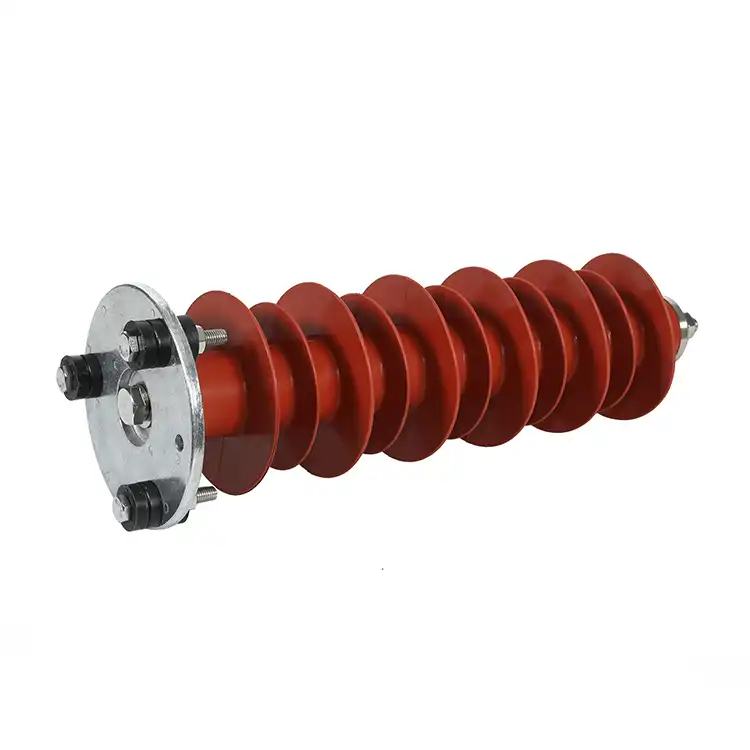
Facility managers, utility workers, and building professionals are still very interested in how long surge protective devices last in electrical systems. In order to protect expensive equipment and keep operating continuity, Lightning Arresters act as the first line of defense against brief overvoltages. Service life is very different depending on the type of arrester, where it is installed, and how it is maintained. When installed and kept correctly, metal oxide varistors in polymer casings usually provide security for 25 years or more, while older silicon carbide designs may need to be replaced after 15 years. Environmental exposure, electrical stress cycles, and the quality of the manufacturing process all affect how long your investment lasts and whether it needs to be replaced early. This is why careful planning and selection are so important for protecting your assets.
 |
 |
Understanding Lightning Arrester Lifespan
Environmental Factors That Accelerate Aging
How surge protectors age over time is greatly affected by the settings in which they are used. Coastal sites are exposed to salt fog, which damages the insulation on the outside, and chemical pollutants in industrial areas damage building materials. Extreme temperatures cause thermal cycling stress. For example, devices in desert regions expand and contract during the day, which wears down the links inside them. When moisture gets in through broken seals, it breaks down metal oxide varistor blocks, making them less able to absorb surges. According to studies we did with utility partners, devices in areas with a lot of pollution break down 40% faster than devices in clean country areas.
Electrical Stress and Surge Exposure
Every lightning strike or switching spike that arresters take in uses up some of their working reserve. High-energy events change metal oxide elements on a microscopic level, eventually lowering their ability to guard. Devices that protect equipment near a lot of switching operations, like capacitor banks or motor drives, age faster than devices that protect equipment in stable distribution networks. The DC reference voltage of good arresters decreases at a steady rate of about 2% to 3% per decade in normal settings. This can be used to plan when to replace them.
Material Quality and Design Standards
Precision in manufacturing directly affects how long something will last. Premium zinc oxide varistor blocks with a regular grain structure spread electrical stress widely, stopping the formation of hotspots that cause components to fail too soon. Polymer housings made with UV-resistant silicone rubber stay flexible and water-resistant for decades, while cheaper materials crack after 5 to 7 years. The YH10W-102/266W Lightning Arrester Polymeric MOA is an example of advanced engineering. It has a 102kV rated voltage and a hermetic closing design that stops moisture from getting in, which is a common way for standard devices to fail. Its ≥148kV DC reference voltage gives it a large safety margin, so it can handle multiple surge events without losing function.
Failure Modes Across Arrester Types
The worst kind of failure happens when internal leakage current makes heat faster than it can be removed. This is called thermal runaway. If the pressure release systems don't work right, this self-reinforcing process will end in an explosive explosion. When temperatures change, ceramic insulators can crack because the housing isn't strong enough or the fitting torque requirements aren't followed correctly. Metal parts and internal links are damaged by chemical corrosion, which happens a lot in industrial settings with a lot of sulfur. Polymer-housed devices are better at resisting these chemical problems than standard ceramic designs, which is why they are becoming more popular.
Service Life Expectations by Application
High-voltage transmission arresters that protect 230kV+ lines usually last 30 to 35 years if they are well taken care of. This is because they have a lower surge frequency than distribution equipment. Medium-voltage devices rated 15–69kV that work in factories last an average of 20–25 years and have to deal with more switching transients. Due to higher duty cycles, low-voltage secondary arresters that protect sensitive circuits may need to be changed every 10 to 15 years. Indoor setups always last 30–40% longer than outdoor ones because they don't have to deal with UV rays and smog, which speed up the breakdown of housing.
Design Principles That Impact Arrester Durability
Advanced Material Selection for Extended Service
Compared with older silicon carbide designs, modern metal-oxide varistors (MOVs) using high-purity zinc oxide and bismuth doping offer improved nonlinear voltage–current characteristics, enabling more efficient protection with strong thermal stability across wide temperature ranges. Housing materials also affect durability: silicone rubber polymer composites resist tracking and contamination better than porcelain, reducing maintenance needs. Advanced polymer insulators provide 31 mm/kV creepage distance, exceeding IEC minimums for polluted environments. Improved thermal design and low-resistance varistor stacking enhance heat distribution during surges, while automated manufacturing ensures uniform density and fewer voids, extending service life.
Voltage Rating and Protective Margin Strategy
To choose the right voltage, you need to make sure that the steady working voltage level fits the needs of the system and has enough surge discharge capacity. It used to be usual to underrate devices by 10 to 15 percent compared to their highest continuous working voltage. But with today's metal oxide technology, tolerances can be made smaller without affecting reliability. The protective ratio, which is the difference between the residual voltage and the maximum voltage, shows how well the arresters stop excess energy. Ratios below 2.0 are great for protecting sensitive digital equipment, while ratios above 2.5 are fine for strong industrial equipment.Overrating methods work well in situations where there are a lot of spikes or the environment is very harsh. By lowering the electrical stress caused by each event, specifying devices with 20% higher voltage ratings than the bare standards increases their service life. This method works especially well in places like hospitals and data centers where unplanned power outages can have big effects on operations. When weighing the original cost against the total lifecycle costs, system designers like this design flexibility.
Standards Compliance and Manufacturer Credibility
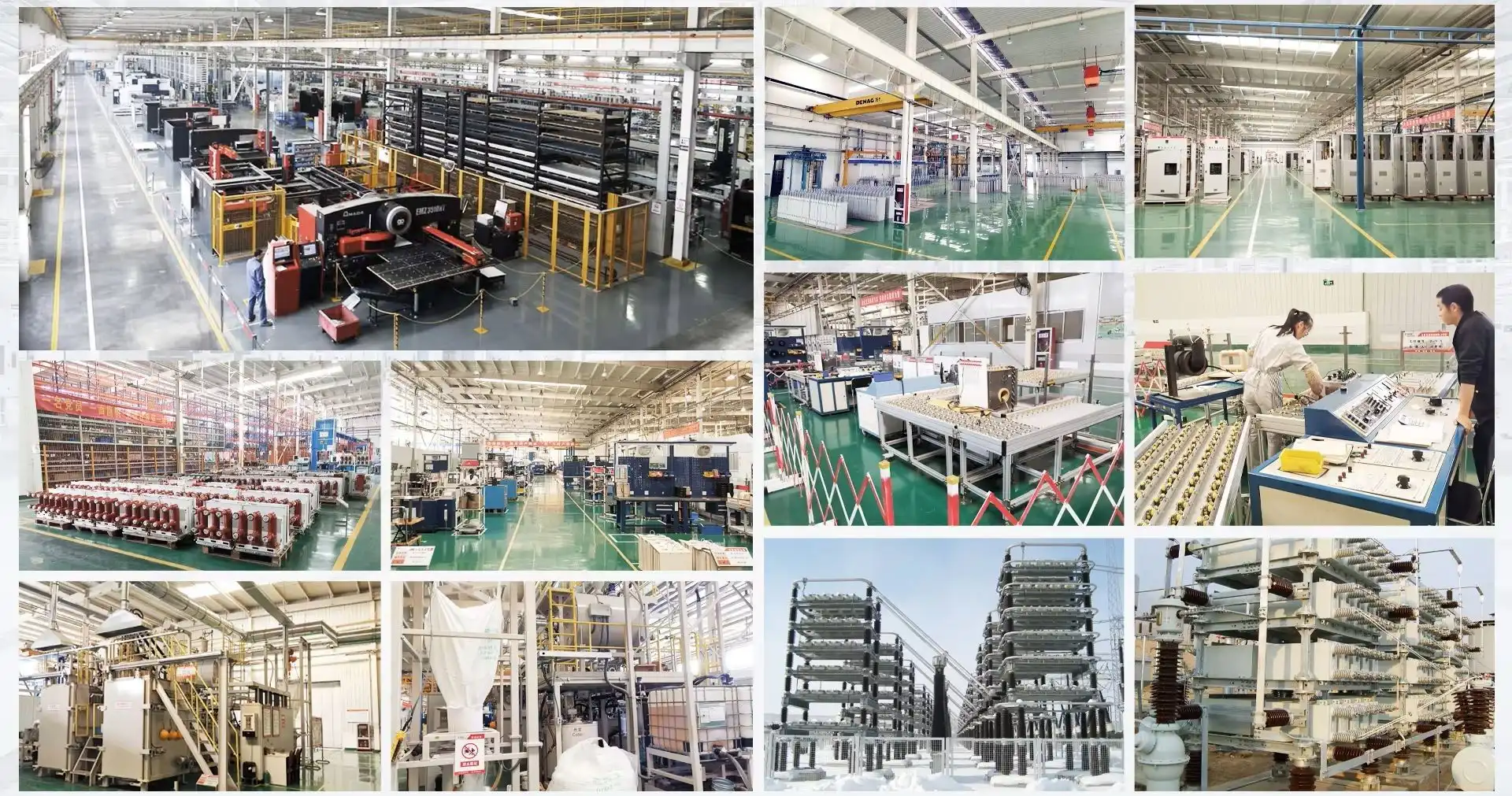
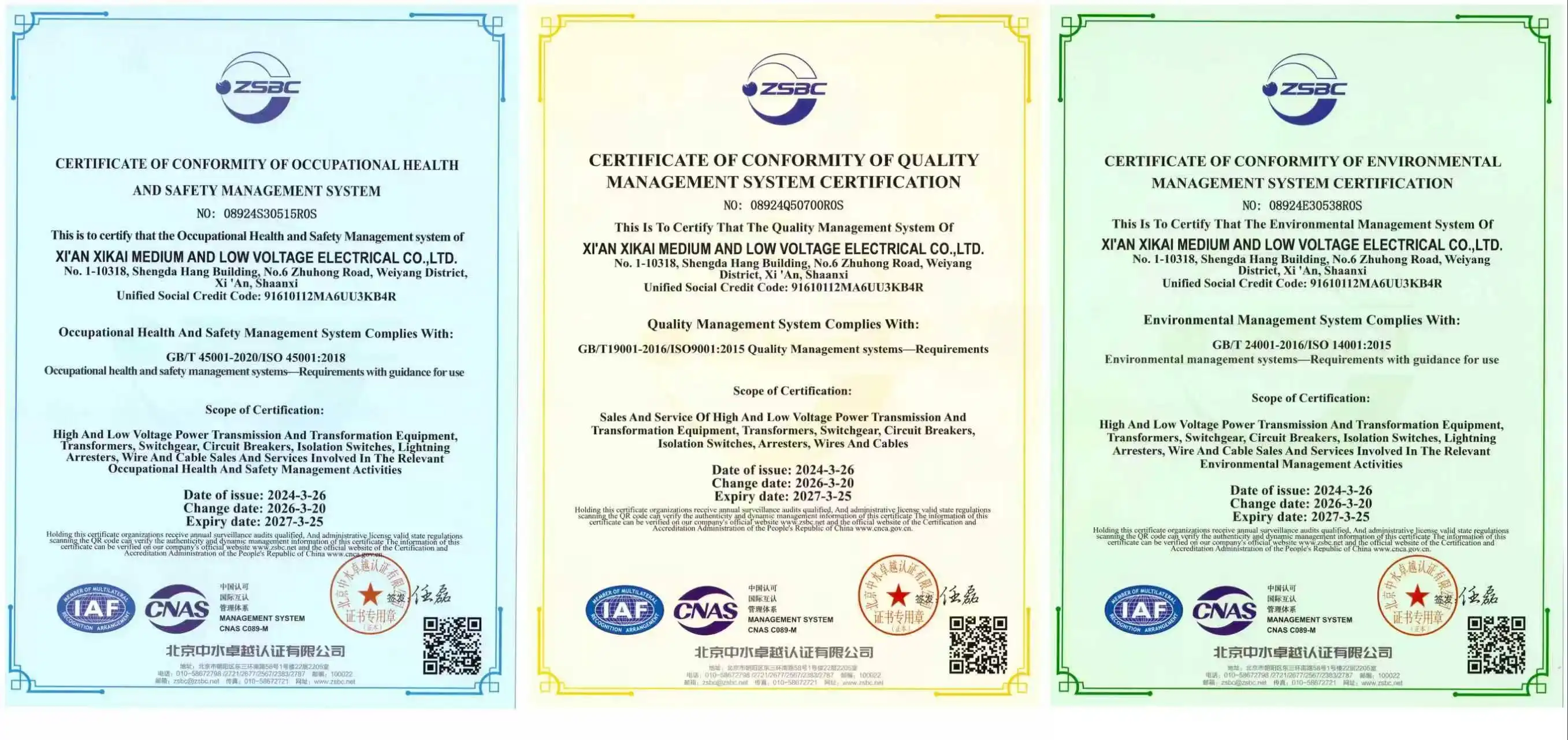
Adhering to the IEC 60099-4 and IEEE C62.11 standards makes sure that arresters go through strict testing procedures that check their ability to survive lightning strikes, their working duty cycle, and how well they hold up over time for Lightning Arrester. When procurement workers compare suppliers, they use these certificates as concrete measures of success. Some of the tests that are done are 100kV lightning impulse tests, salt fog exposure for 24 hours, and partial discharge tracking below 10pC limits. These tests make sure that the electrical performance and environmental resilience are both good.Third-party laboratory validation through KEMA or similar approved facilities gives the product more authority than if the maker certified it themselves. Certification as an ISO 9001 quality management system means that the manufacturing process is uniform and that differences between batches are kept to a minimum. RoHS compliance shows dedication to being environmentally friendly, which is becoming more and more important for buying teams that care about sustainability. All of our production sites have these certificates, and every unit goes through a lot of tests before it is shipped.
Installation and Maintenance Best Practices to Extend Life
Critical Installation Considerations
Surge protection effectiveness depends heavily on correct grounding, which is often a common installation error. Ground lead inductance must be kept below 0.5 μH to limit voltage rise during fast transients, achieved using short, straight braided copper connections instead of coiled wires. Corrosion-resistant materials such as stainless steel or hot-dip galvanized fittings are required to prevent long-term resistance increase. Installing equipment away from chemical or thermal stress improves service life, with polymer housings offering better resistance than porcelain. Proper mounting orientation ensures pressure relief systems operate correctly, preventing catastrophic failure and protecting personnel and equipment.
Routine Inspection Protocols
Scheduled inspection intervals depend on installation environment and criticality: coastal outdoor substations require annual checks, while clean indoor commercial sites may extend to three-year intervals. Visual inspections identify housing cracks, heat-related discoloration, and pollution tracking that often indicate issues before internal failure occurs. Leakage current testing provides quantitative aging assessment; values exceeding 50% of manufacturer limits indicate replacement is needed. Infrared thermography detects overheating from uneven current flow or degraded connections, while partial discharge testing enables early detection of insulation breakdown in high-value or safety-critical systems.
Troubleshooting and Timely Intervention
When regular testing shows only average performance, looking into it right away stops catastrophic fails. High leakage current could be caused by wetness, a failing varistor, or a buildup of waste from the outside. Cleaning polymer housings with approved liquids makes them slippery again, so they can often get back to working without having to be replaced. For internal problems to not happen again in new units, the device needs to be taken out of service and the root cause must be found.Complete maintenance plans that are in line with what the maker suggests protect investment and improve operating dependability. Recording test results shows patterns in performance, which lets you make replacement choices based on data instead of just reacting in a situation. This proactive method cuts down on unplanned downtime, which is especially important for places like data centers, hospitals, and factories where power quality affects service delivery and profits.
Choosing the Right Lightning Arrester: A Decision Support Framework
Sector-Specific Performance Requirements
In manufacturing plants, surge protection must be designed to handle repeated switching transients from motor drives and welding equipment, with energy absorption capacity being more important than lightning impulse protection. To protect private servers and network equipment, data centers need ultra-low protective levels below 2.0 per unit. They also prefer devices that can show state information so that they can be monitored remotely. Utility transmission systems need to be able to handle 20kA or more of surge currents and be made of UV-resistant materials that can last for decades outside.
Key Comparison Criteria for Procurement
First, the electrical specs are looked at. These include the rated voltage that matches the system parameters, the discharge current capacity that can handle the predicted surge magnitudes, and the protective level that is right for the equipment that is attached. The YH10W-102/266W model has the best mix of specifications. Its 102kV grade makes it perfect for medium-voltage distribution, and its better surge protection lowers residual voltage by 30% compared to other options. This performance edge means that protected assets will have longer-lasting equipment and lower servicing costs.
Evaluating Supplier Credibility and Support
A manufacturer's track record can tell you a lot about how reliable something will be in the long run. Suppliers with decades of field setups can give you information about success that newer companies in the market can't. Customization is important when normal specs don't exactly match the needs of the application. Changing the creepage distance, voltage ratings, or mounting setups is one way to make sure that the system works well together. Xi'an Xikai has been working on national grid projects for more than 20 years, which shows that it can be trusted in a wide range of difficult situations.How easily problems are fixed when they happen depends on the after-sales help. Responding technical support by phone, email, or on-site fixing cuts down on downtime during major events. When spare parts are available, long outages are avoided while waiting for new parts. The length of the warranty shows how confident the maker is in the product's resilience; longer coverage periods show that higher quality standards are expected. All of these things affect the total cost of ownership more than just the price of the car itself.
Case Studies and Future Trends in Lightning Arrester Longevity
Real-World Performance Data
A utility in the Midwest that replaced silicon carbide arresters from the 1990s with metal oxide polymer versions saw huge improvements in durability. The old devices had an average service life of 17 years and a 12% failure rate before they were due to fail. The polymer replacements, on the other hand, are expected to last 28 years or more based on accelerated aging tests and 7 years of field experience with over 5,000 installations showing no failures. This improvement in performance comes from better choice of materials and hermetic closing, which stops wetness from getting in, which was the main way that older technology failed.An automaker used well-kept arresters to protect robotic welding lines for 23 years, even though the electrical environment was tough and there were a lot of switching transients. Some of the things that helped them be successful were voltage ratings that were too high, yearly infrared thermography checks, and replacing the equipment right away when the leakage current went over 150% of the standard readings. This proactive approach to repair stopped unexpected production stops that cost $50,000 an hour in lost work.
Material Innovation Driving Performance
When you mix silicone rubber with ceramic micro-fillers in advanced hybrid materials, you get better mechanical strength and electrical tracking resistance for Lightning Arrester. Between -40°C and +85°C, these blend materials stay flexible while also not getting damaged by arcs during flashovers. Nanoparticle chemicals make UV stability better, which fixes the main way that outdoor polymer housings break down in places with a lot of sunshine.The main focus of metal oxide varistor research is on engineering the grain boundaries to get the best electrical properties and better heat conductivity. Better heat reduction lets more energy be absorbed in smaller packages, which makes space-limited switchgear uses possible. Some makers put sensors inside their products that check the temperature inside and the amount of current that is leaking out. These sensors send condition data to predictive maintenance programs that repair devices before they break.
Regulatory and Sustainability Trends
As IEEE and IEC standards change, they put more emphasis on environmental efficiency along with power requirements. Requirements for lead-free parts, building materials that can be recycled, and rules for how to get rid of old products affect design decisions. Manufacturers who follow the principles of the circular economy make arresters that allow parts to be recovered and materials to be used again. This has a positive effect on the environment and could lower the cost of replacements through remanufacturing programs.Adding green energy sources to grid modernization projects makes security harder in new ways. Solar inverters and wind turbine converters make high-frequency transients that older arresters might not be able to stop well enough. New threats are now included in the updated specs, which makes sure that security devices keep working even as the electrical infrastructure changes. By keeping up with these changes, procurement professionals can choose options that will keep working well for the full expected service life.
Conclusion
To make Lightning Arrester arresters last as long as possible, you need to know how design quality, environmental exposure, and upkeep methods affect each other. Polymer-housed metal oxide devices are the best way to go right now. If they are properly designed and kept, they can last for 25 years or more. The YH10W-102/266W is a great example of this new technology because it has better surge protection, airtight closing, and a strong build that meets international standards. When weighing the original cost against the total lifecycle costs, procurement decisions always favor quality makers who have a track record of doing well in the field. Regular inspection procedures that find early signs of wear and tear allow for proactive replacement, which prevents equipment damage and unexpected outages that cost a lot more than the cost of replacing the arrester.
FAQ
1.How Often Should Lightning Arresters Be Inspected?
How often you inspect relies on where the equipment is installed and how important it is. Outdoor devices in seaside or industrial areas should be checked every year, while clean indoor setups can go three years between checks. Damage, discoloration, or tracking lines on the case can be seen with the naked eye. Leakage current measurements show how much internal wear and tear there is; numbers above 150% of average values mean that the item needs to be replaced. Critical facilities that protect expensive equipment should be inspected more often—every six months is a good time to catch problems early.
2.What Distinguishes Lightning Arresters From Surge Protectors in Terms of Durability?
Lightning Arresters, which are usually designed for 10-40kA discharge currents and last 20-30 years in utility uses, handle high-energy transients from direct strikes and switching surges. Surge breakers are used in secondary systems with lower power to handle smaller transients. They need to be replaced every 5 to 15 years. Surge guards use lighter-duty parts in smaller structures, while arresters use strong metal oxide varistor blocks in weatherproof cases. With a 102kV rating and a strengthened design, the YH10W-102/266W is built to last longer than simple plug-strip surge guards.
3.Does Installation Quality Impact Service Life?
When we do field surveys, the most common reason for early problems we see is bad installation. When there isn't enough grounding, voltage stress during surge events goes up, which speeds up the degradation of varistor. When fixing torque is wrong, porcelain housings break or polymer seals get damaged, which lets water in. Placement near heat sources or environments that eat away at things shortens their expected lives by 30 to 50 percent. As long as you follow the manufacturer's instructions for ground lead length, link hardware, and external clearances, your devices will last as long as they're supposed to and continue to protect you well.
Partner With Xi'an Xikai for Reliable Surge Protection Solutions
One of the best Lightning Arrester makers in China is Xi'an Xikai Medium & Low Voltage Electric Co., Ltd. Their products are reliable in utility, industrial, and business settings. Our YH10W-102/266W Polymeric MOA blends modern metal oxide varistor technology with a UV-resistant polymer housing to provide service life of 25 years or more in harsh settings. We offer full customization, which means that we can change the voltage levels, creepage distances, and mounting arrangements to exactly match your needs. To make sure that every unit meets the standards set by IEC 60099-4 and IEEE C62.11, strict quality control measures are used, such as 100kV impulse testing, salt fog exposure confirmation, and partial discharge tracking. Our engineering team offers technical help 24 hours a day, seven days a week. They quickly answer questions about installation and fix problems. Get in touch with our experts at serina@xaxd-electric.com, amber@xaxd-electric.com, or luna@xaxd-electric.com to talk about your Lightning Arrester provider needs and get personalized suggestions that will improve security and lifecycle value.
References
1. IEEE Standard C62.11-2020, "Metal-Oxide Surge Arresters for AC Power Circuits," Institute of Electrical and Electronics Engineers, New York, 2020.
2. International Electrotechnical Commission, "IEC 60099-4: Surge Arresters – Part 4: Metal-oxide Surge Arresters Without Gaps for AC Systems," Third Edition, Geneva, Switzerland, 2014.
3. Hinrichsen, V., "Metal-Oxide Surge Arresters: Fundamentals," Siemens AG Energy Sector, Berlin, Germany, 2012.
4. McDermid, W., "Arrester Monitoring and Diagnostic Techniques," CIGRE Working Group A3.17, Paris, France, 2018.
5. Lat, M.V., "Thermal Instability of Metal Oxide Surge Arresters," IEEE Transactions on Power Delivery, Vol. 34, No. 2, April 2019.
6. Christodoulou, C.A., "Polymer Housed Surge Arresters: Service Experience and Aging Performance," Electric Power Systems Research, Vol. 180, March 2020.