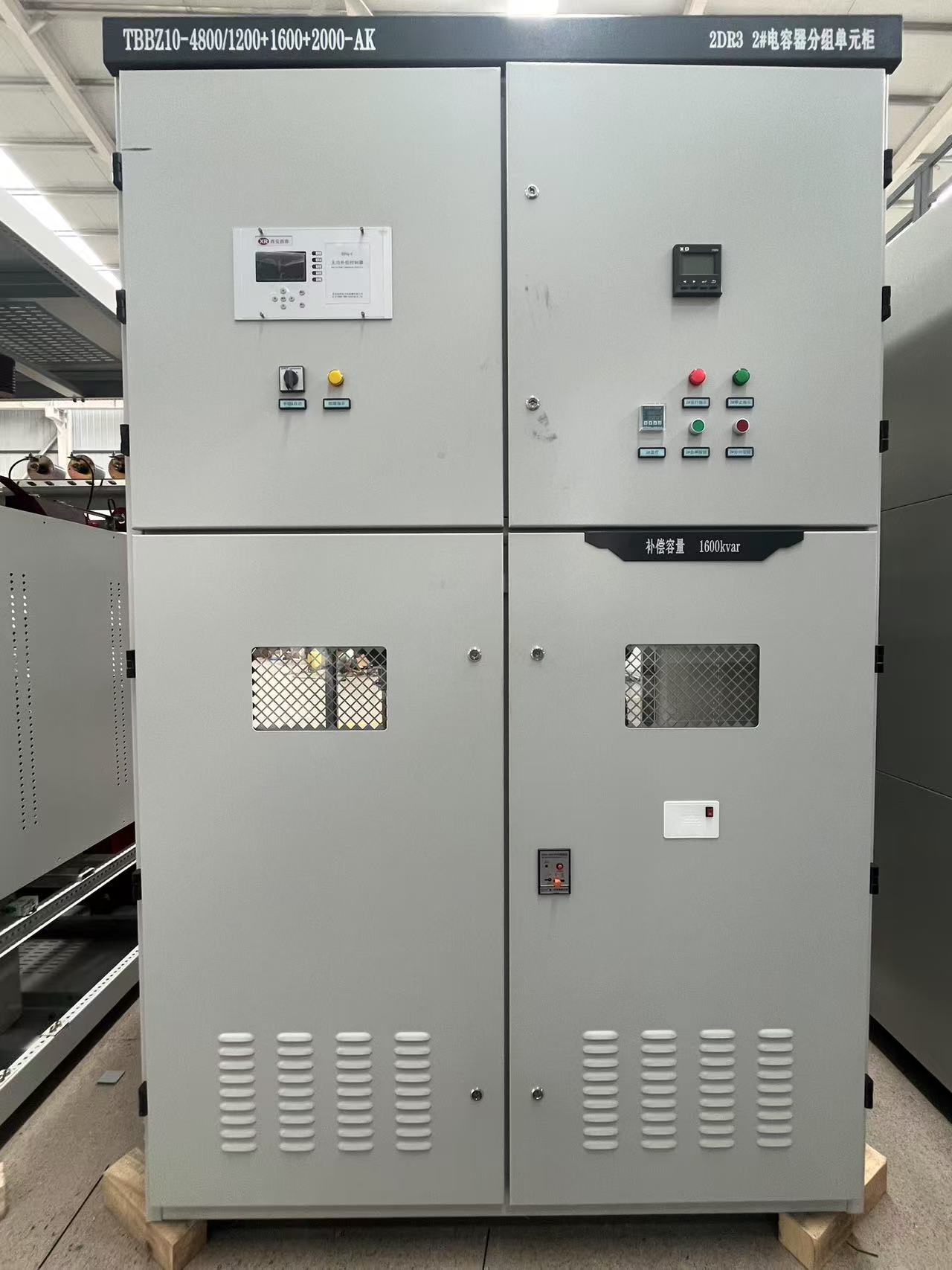
Series Dry Type Transformer Features You Should Know Before Buying
2026-06-29 16:26:46
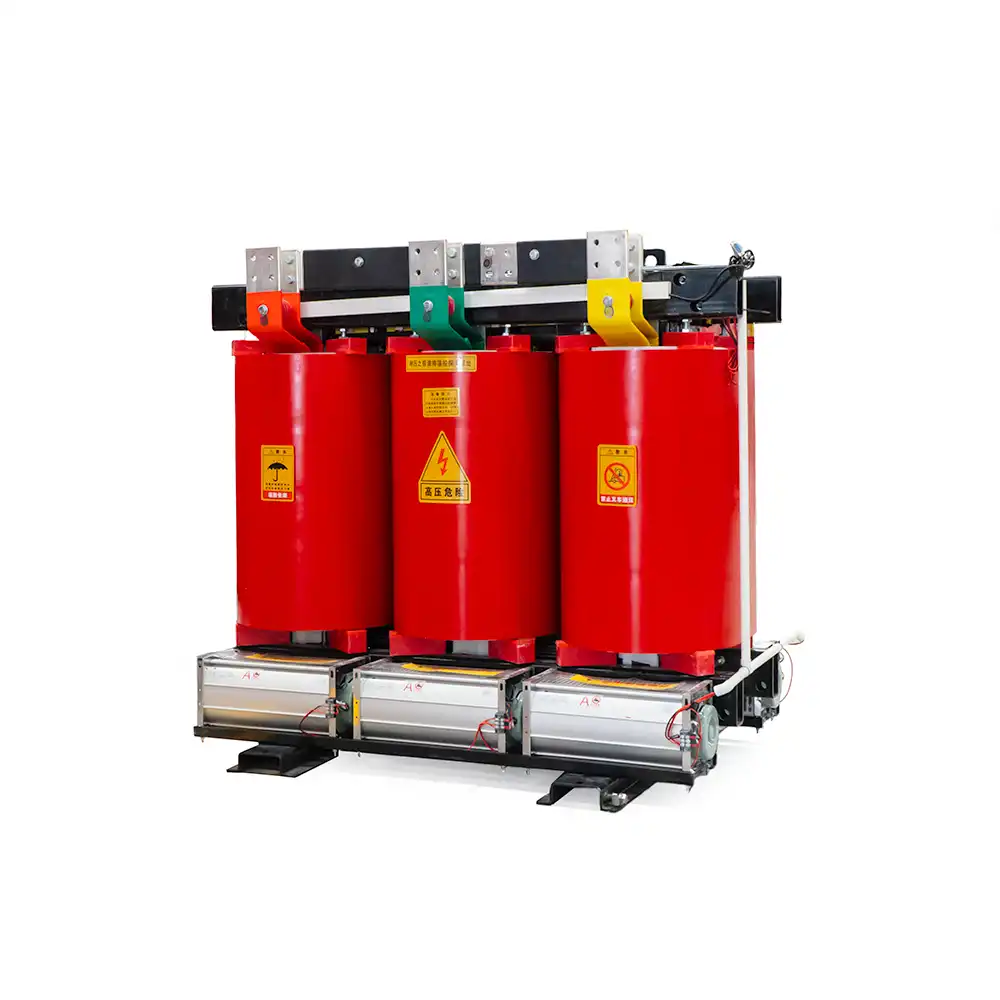
Understanding the main features of a Series Dry type transformer is important for practical success when looking at power distribution equipment. Instead of mineral oil, these transformers use solid shielding materials like epoxy resin or cast resin. This makes them safer and better for the environment in a variety of installation settings. Their electromagnetic induction concept stays the same, but the fact that they don't contain any flammable liquids makes them much safer and easier to put in places like data centers, hospitals, and factories. When buying managers understand these basic differences, they can make choices that are both safe and cost-effective in the long run.
 |
 |
Introduction
Industrial and business buildings today need electricity systems that are reliable, safe, and cost-effective to run. It's getting harder and harder for procurement managers, facility engineers, and system designers to choose technology that works well with the grid, has low downtime, and meets strict environmental standards. Series Dry type transformers with better insulation systems have become the best choice, especially in places where fire safety, limited room, and shorter repair cycles are most important. Understanding the complex parts of these units, like the soundproofing materials and over-load limits, has a direct effect on the overall cost of ownership and the robustness of the system. This guide was made to help you understand important technical and practical issues so that your next transformer purchase has real benefits in terms of performance, compliance, and revenue.
What is a Series Dry Type Transformer?
Core Construction and Insulation Technology
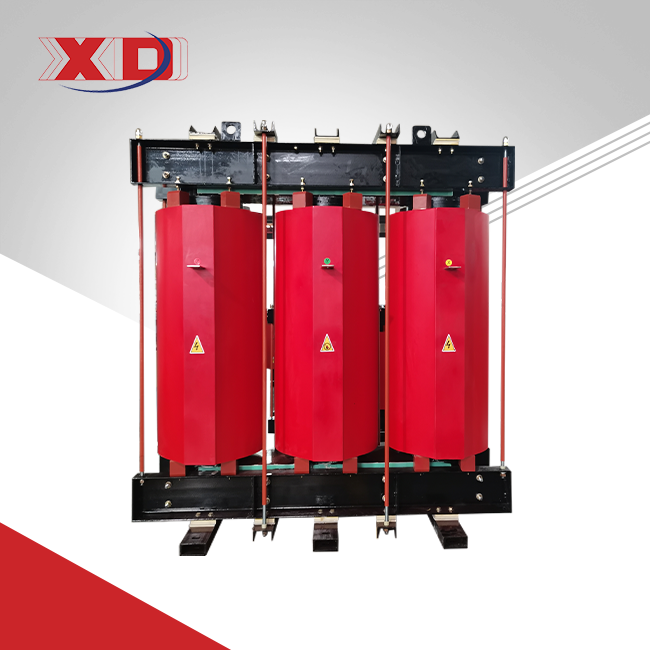
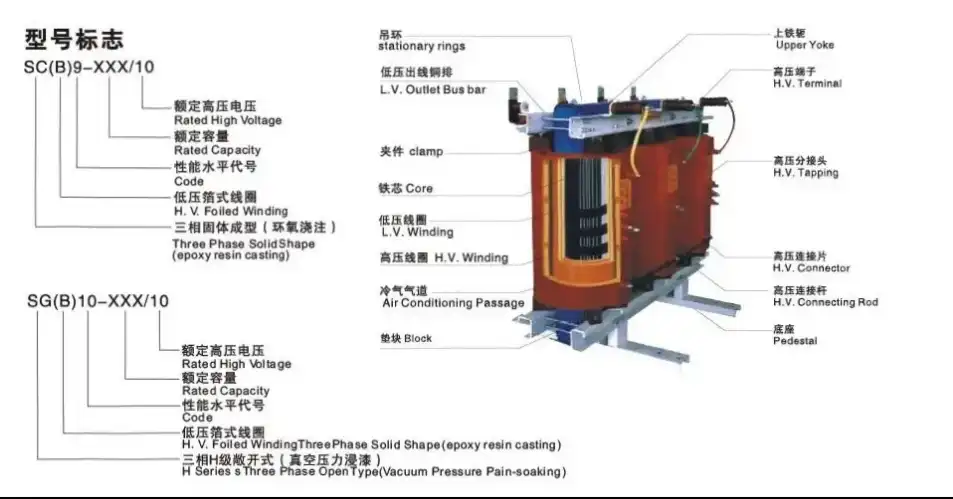
Like other units, a Series Dry type transformer uses electromagnetic induction to change the voltage from one level to another. The way it's insulated is what makes it unique: epoxy glue or vacuum-pressure-impregnated (VPI) materials surround the windings, so oil cooling isn't needed. This solid protection doesn't break down over time even when exposed to tough conditions like changes in temperature, moisture, and dust. Laser-cut ribbons of silicon steel or amorphous metal are often used in the center. These ribbons cut down on eddy current losses and make the energy use more efficient.
Working Principle and Performance Impact
There are layers of cast plastic between the primary and secondary coils that keep them physically apart. This gives the dielectric strength and mechanical stability. When there is alternating current in the primary winding, a magnetic field forms in the layered core. This field causes voltage to build up in the secondary winding. Because resin shielding lets heat escape through natural convection or forced air cooling, these transformers can work consistently indoors without needing complicated systems to keep oil contained or put out fires.
Key Advantages of Series Dry Type Transformers for Industrial Use
Before we talk about the benefits, it's important to note that the move toward dry insulation is more than just a design choice. It solves major practical problems in areas like safety, sustainability, and upkeep. Here are the main benefits that are driving growth in business:
1. Better safety and fire prevention: Mineral oil insulation is very likely to catch fire, but non-flammable epoxy resin insulation doesn't. These units can be put right in load centers, next to sensitive equipment, without the need for separate fire walls or oil spill control systems. This function is very helpful in places like hospitals, schools, and high-rise buildings where people's safety and escape paths are very important.
2. Energy Efficiency and Lower Losses: Compared to older oil-filled designs, new core materials and precise winding methods cut losses by up to 20% during no-load and load conditions. Losses that are lower directly lead to less energy use, which lowers costs and helps companies meet their environmental goals. When used by large manufacturing plants that run transformers at high loads all the time, these saves add up to big yearly cost cuts.
3. Minimal Damage to the Environment: Since there is no oil, there is no chance that the land or waterways will become contaminated. Additionally, resin-insulated units make less noise (usually less than 65 dB), which makes them ideal for use in cities with noise restrictions. Epoxy glue and steel cores can be recycled, which is in line with the ideas of the circle economy and makes it easier to get rid of old products.
4. Maintenance and installation are easier: Because the construction doesn't absorb moisture, it can be used in 100% humidity without having to dry first. Instead of checking for oil, routine inspections focus on visual checks and thermal imaging, which cuts down on the time and money needed for expert contractors. The small sizes allow them to fit into existing electrical rooms, which saves money on costly building additions.
Because of these benefits, Series Dry type transformers are a smart choice for managers who care about uptime, following rules, and making money in the long run. For risk-averse building managers and utility planners, the cost is worth it just to get rid of oil-related liabilities.
Comparing Series Dry Type Transformers with Other Transformer Types
Safety and Environmental Performance
Oil-filled transformers need extra protection, regular checking of the dielectric, and fire control systems, which makes things more complicated and costs more over time. Cast plastic units get rid of these needs while keeping the same level of electricity performance. More and more, regulators are requiring non-flammable alternatives in dangerous or heavily crowded places. This makes Series Dry type transformers the legal default choice.
Total Cost of Ownership Analysis
At first glance, Series Dry type transformers may cost more than oil-filled ones, but when you look at the total cost of ownership, you see a different picture. Within five to seven years, lower insurance rates, no longer having to pay to get rid of oil, less upkeep work, and better energy economy will cover the initial costs. Facility managers who are in charge of multiple generator setups know that these saves add up to a lot for them.
Performance Under Challenging Conditions
Modern Series Dry type transformers with ONAF (Oil-Natural Air-Forced) cooling systems can handle 150% extra capacity during times of high demand, even though the name suggests that they use oil, these units actually use air. This extra space keeps the voltage stable during motor starts or changes in renewable energy. This is especially helpful for solar and wind sites that are connected to the power grid and have to deal with output variability.
How to Choose the Best Series Dry Type Transformer for Your Needs
In order to choose the best unit, technical specs must be matched with real-world operating needs. We suggest that you carefully look at these aspects:
Matching Voltage and Power Ratings
Find out the voltage class (0.4kV to 40.5kV) and highest load demand of your building. Include room for future growth—usually 20% headroom—so that changes aren't needed too soon. For hospitals and data centers that need power all the time, think about N+1 redundancy setups, in which several smaller Series Dry type transformers provide failover safety.
Environmental and Installation Constraints
The efficiency of a generator is directly affected by its location, the temperature, and the humidity. For 4,000 meters above sea level, units have de-rating factors that account for thinner air, and IP65 shelters keep out salt spray from the coast. Check how much floor space and ceiling height you have available. Modular designs that are oriented vertically make the best use of limited electrical room space.
Supplier Credentials and Support Infrastructure
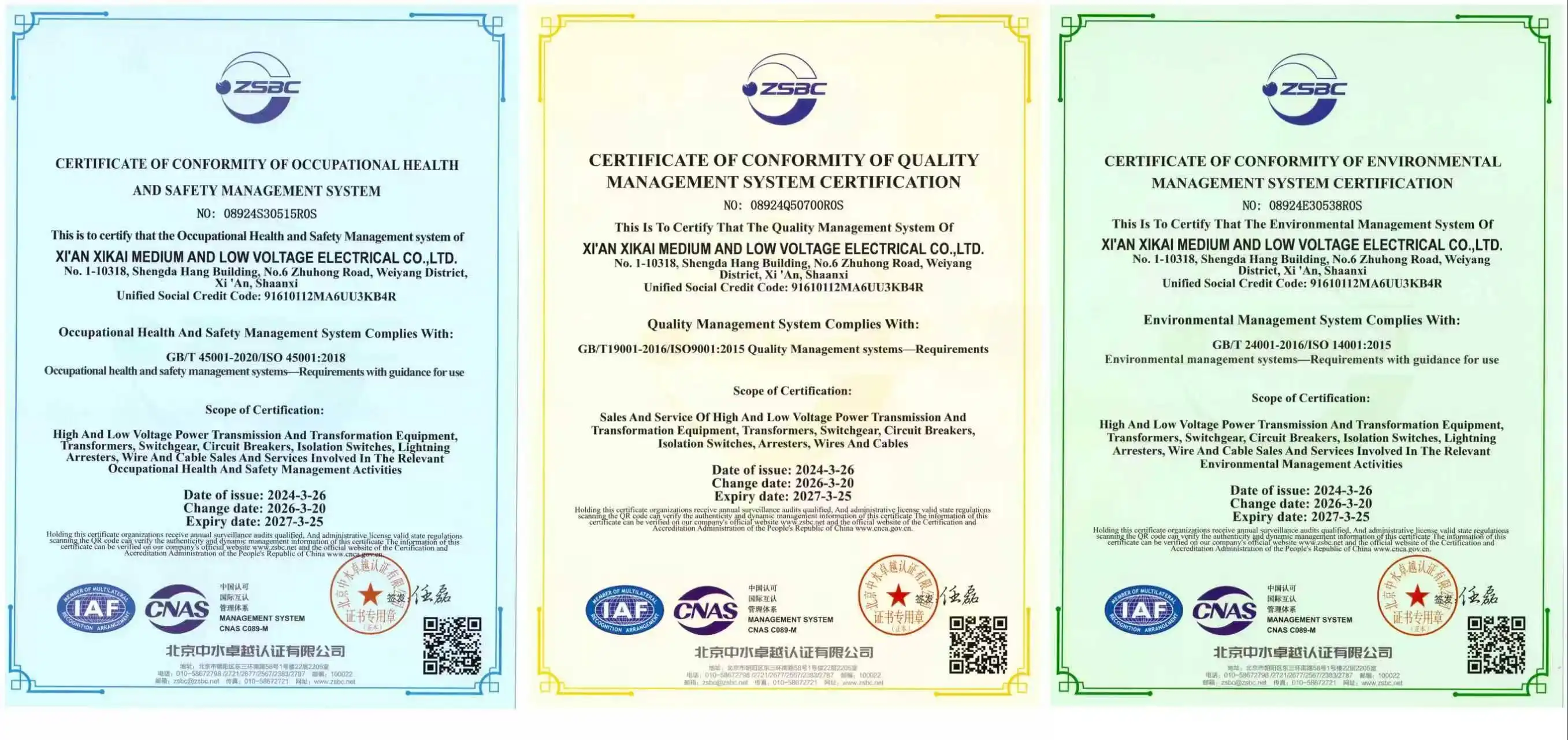
Along with the product's specs, you should also look at the manufacturer's knowledge and customer service. Check for ISO 9001/14001 certifications, compliance with IEC 60076 and IEEE C57.12.01, and proof of strict testing methods, such as readings of partial discharge, lightning impulse tests, and thermal imaging. Make sure you know what the guarantee covers, if extra parts are available, and that you can get help from local technical support teams who know the grid codes and installation methods in your area.
Customization and Procurement Strategies
Standard catalog units can be used for many things, but custom tap changes, specialized cooling setups, or integrated tracking systems often make up for the extra cost by saving time or money in other ways. Reliable partners are different from transactional sellers because their pricing models are clear, their lead times are reasonable, and their payment terms are open. Set up clear lines of communication right away; for example, ask about possibilities for factory acceptance testing (FAT) and help with starting.
Maintenance, Testing, and Troubleshooting Guide
Routine Inspection Procedures
Visual checks should be done every three months to look for dust buildup on cooling surfaces, loose electrical connections, and noises or vibrations that don't seem normal. Every year, infrared thermography finds areas that show problems with the windings or overload situations before they get worse and cause crashes. To keep the best cooling performance, clean the air entry filters and make sure the temperature sensor works.
Diagnostic Testing Methods
Megohm tests for insulation resistance shows that water hasn't damaged the resin's structure. Every year, use a 5kV megohmmeter to do this test and compare the results to the initial numbers from when the system was first set up. Monitoring partial discharge, either live with integrated sensors or offline with ultrasonic detectors, finds insulation degradation early on. Testing the voltage ratio and polarity after any repair work is done to make sure the windings of the Series Dry type transformer are still good.
Common Issues and Solutions
Temperature alarms are often caused by ventilation problems or cooling fans that don't work. Check the airflow paths and repair any old parts right away. Unknown load differences could mean that the tap switch is wearing out or that there is a problem between the turns. Instead of trying to fix it yourself, you should talk to the factory's service team. Sometimes, extra filters are needed because changing frequency drives cause harmonic distortion. Check the power quality with a three-phase analyzer before deciding on options.
Regular maintenance can make a service last longer than 30 years, protecting your investment and keeping up reliability levels that please both internal users and government inspectors.
SC9 Series Dry Type Transformer: Proven Performance for Demanding Applications
We designed the SC9 Series to solve the exact problems that are talked about in this book. Good work guarantees that the Series Dry type transformer won't catch fire and won't pollute the environment, so it can be installed straight at load centers. Total ownership costs are lower because the design doesn't need any maintenance and it's easy to set up. Also, the construction keeps out moisture, so it can be used in environments with 100% humidity without having to wait to be powered back on.Power delivery that is efficient and quiet is made possible by low-loss operation, low partial discharge, and noise levels below 65 dB. The SC9 can handle 150% overflow when cooled by ONAF, which gives it the headroom it needs for motor starting and green integration. A full temperature control and safety system keeps an eye on the windings in real time and sounds alarms before they get damaged by heat.
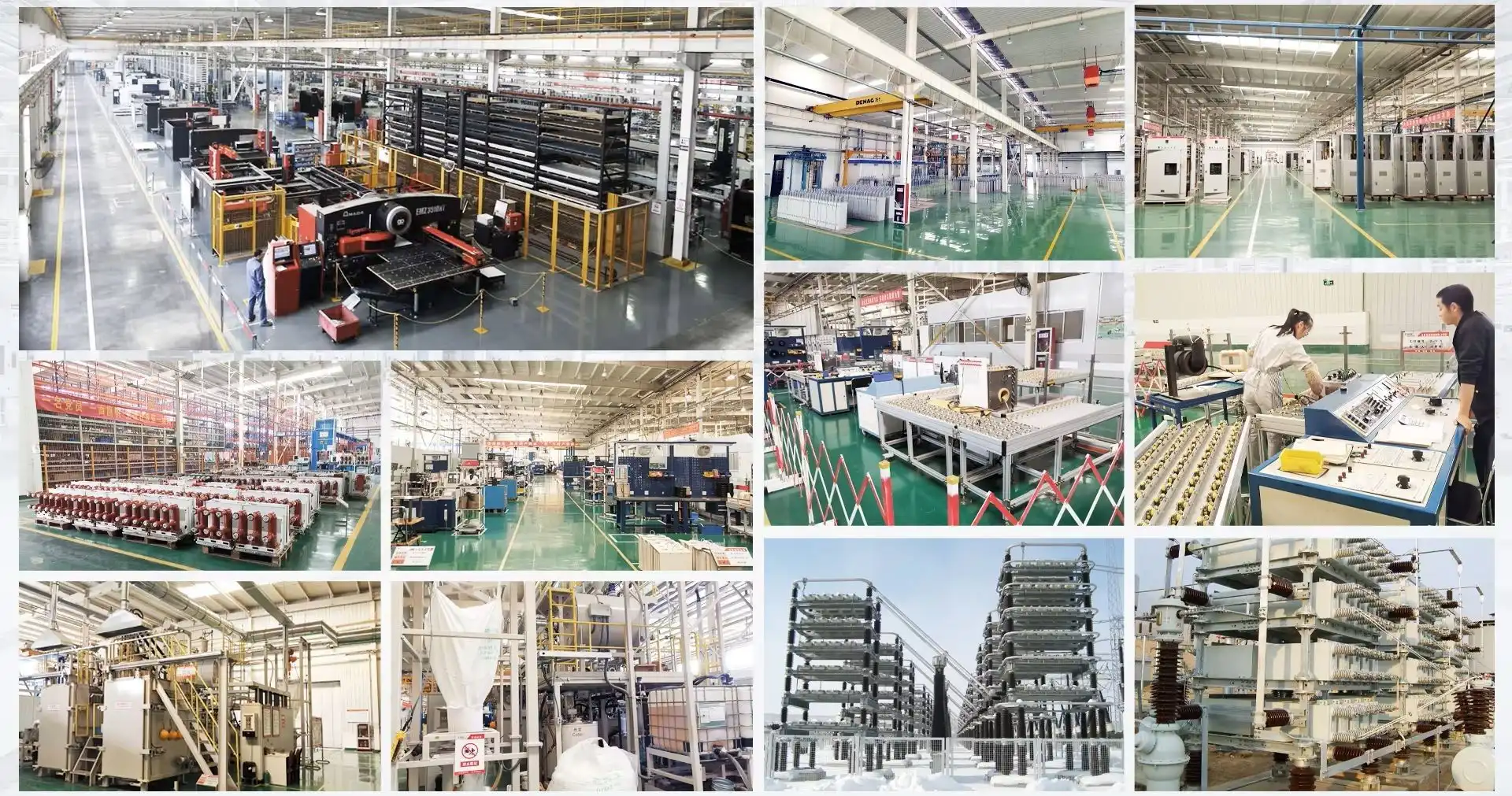
Voltage ranges from 0.4kV to 40.5kV, and power levels range from 50kVA to 10,000kVA. According to DOE 2023 standards, building with insulation class F/H keeps temperatures from rising above 100°C, which extends the life of the insulation and keeps it working at up to 99% efficiency. We have been certified with IEC 60726, CE, UL/cUL, and ISO 9001/14001, which shows that we follow world quality standards.Every step of the production process is based on precision engineering. Amorphous steel cores that are cut with a laser and vacuum-pressure-impregnated coils get rid of air gaps and sparks. For each unit, there are tests for partial discharge below 10pC at 1.5Ur, lightning impulse tests up to 170kV, and thermal imaging to make sure that the heat is spreading evenly. Consistency is ensured by robotic production lines, and every item is inspected one last time before it is shipped.
Conclusion
To choose a Series Dry type transformer, you have to weigh the prices of safety, economy, environmental compliance, and replacement over its lifetime. Dry insulation technology gets rid of fire risks, makes installation easier, and lowers the cost of upkeep, all of which add up over decades of use. Facility managers make sure that power is distributed reliably that supports goals for business continuity and sustainability by matching technical specs to practical needs, checking the credentials of suppliers, and putting in place proactive repair procedures. Through proven performance, rigorous testing, and a full support system, the SC9 Series lives up to these principles. It sets up your infrastructure for long-term success in a power world that is becoming more demanding.
FAQ
1.What advantages do dry-type transformers offer over oil-filled models?
Series Dry type transformers don't have any fire risks because they use non-flammable epoxy insulation. They also don't pollute the environment and require less upkeep because they don't need oil tests or containment systems. Their small size and quiet operation make them good for indoor setups, and the fact that they are easier to comply with regulations lowers the costs of insurance and permits.
2.How often should maintenance be performed?
Reliability is kept up with visual checks every three months, thermal imaging once a year, and insulator resistance tests once a year. Check the temperature sensor once a month and clean the cooling areas as needed. Series Dry type transformers don't need to have their dielectric fluid analyzed or replaced on a regular basis like oil-filled units do.
3.Can dry-type transformers be customized for specific applications?
Of course. To fit the needs of each place, manufacturers change things like voltage taps, cooling setups, enclosure grades, and tracking systems. Custom solutions allow for altitude derating, earthquake bracing, harmonic reduction, and interaction with building management systems, making sure that they work at their best in a wide range of industrial and business settings.
Partner with Xi'an Xikai for Reliable Series Dry Type Transformer Solutions
Xi'an Xikai Medium & Low Voltage Electric Co., Ltd. has been making high-quality products for over 20 years and can help with power transfer problems. As a top maker of Series Dry type transformers, we offer custom solutions that are made to fit the voltage, capacity, and environmental needs of your building. Our SC9 Series has been tested and shown to work well in factories, data centers, hospitals, and power substations. It is backed by patented cooling technologies and strict quality standards. You can talk about your idea with our expert team by emailing serina@xaxd-electric.com, amber@xaxd-electric.com, or luna@xaxd-electric.com. We'll give you clear pricing, reasonable wait times, and ongoing help that keeps your investment safe and maximizes uptime.
References
1. Institute of Electrical and Electronics Engineers, "IEEE Standard for General Requirements for Dry-Type Distribution and Power Transformers," IEEE C57.12.01-2020, New York, 2020.
2. International Electrotechnical Commission, "Power Transformers – Part 11: Dry-Type Transformers," IEC 60076-11:2018, Geneva, 2018.
3. National Fire Protection Association, "National Electrical Code," NFPA 70-2023, Article 450: Transformers and Transformer Vaults, Quincy, MA, 2023.
4. U.S. Department of Energy, "Energy Conservation Program: Energy Conservation Standards for Distribution Transformers," Federal Register Vol. 88 No. 79, April 2023.
5. Chen, William, "Advances in Amorphous Core Transformer Technology for Energy Efficiency," Journal of Applied Power Engineering, Vol. 42, Issue 3, pp. 215-230, 2022.
6. Rodriguez, Maria and Thompson, James, "Total Cost of Ownership Analysis for Industrial Transformer Selection," IEEE Transactions on Industry Applications, Vol. 59, No. 2, pp. 1823-1835, March 2023.