
Oil-immersed Distribution Transformer for Solar and Wind Farm Projects
2026-11-11 17:20:53
An oil-immersed distribution transformer teps medium-voltage power from solar and wind farm collection lines up or down to the voltage level each part of the grid needs. Mineral oil or a similar insulating liquid cools the windings and insulates them, which suits outdoor sites with changing output, reverse power flow, and inverter harmonics. Buyers get the best result when they match capacity, tap range, cooling class, loss guarantees, and site conditions at the same time. I wrote this guide for utility buyers and EPC contractors who want a clear way to specify, compare, and order these units.


Why an Oil-Immersed Distribution Transformer Fits Renewable Projects
Why Oil-Immersed Distribution Transformers Matter in Solar and Wind Farms
When you make energy on a farm, you need transformers to connect the grid, the extra loads, and the medium-voltage pickup lines. Oil-immersed distribution transformers don't usually have to deal with things like output that changes with the weather, power flow going the wrong way, inverter harmonics, voltage swings, being outside, or long trips to faraway places. The units might get too hot, waste energy, lose their insulation too quickly, leak oil, or mess up the safety settings if they aren't matched correctly. People who want to buy electricity should think about how much it can power, how good the power is, and how well the grid works as a whole. This is because problems that start in one place tend to spread to other places as well.
What Is an Oil-Immersed Distribution Transformer?
An oil-immersed distribution transformer filled with oil changes the voltage of AC power while keeping the frequency the same. This is done with electromagnetic induction. Some of the parts that change voltage, get rid of heat, or insulate are the core, the guards, the tank, the radiators, the bushings, and the core. One part of a solar plant could make a transformer for the collection network work better. At one wind farm, the power may be lowered so that more equipment can use it. Engineers can write down what they need in terms of voltage ratio, impedance, vector group, grounding, and tracking before they get quotes. This is only possible if they know how the plan works. In the end, this will make the expert study go faster.
Why Choose an Oil-Immersed Transformer for Renewable Energy Projects?
An oil-immersed distribution transformer is the best way to use solar and wind power outside. The core and windings stay cool, the tank can handle bad weather, and the cost per kVA might be less than with a dry-type pick. Mineral-oil-immersed units can hold a certain amount of weight, as shown in this guide from IEEE C57.91. Even if there are strict fire rules, they can still be used inside houses, mines, and other places. When you buy oil-immersed units, you need to think more about things like fire safety, getting the oil out of the room, shipping, and the fitting room. Before you decide, you should think about these things along with cost and how well it works under overload.
Oil-Immersed Distribution Transformer Operation, Specification, and Cost
How an Oil-Immersed Distribution Transformer Works in Solar and Wind Farms
The voltage changes based on how many times the coil is turned. The frequency stays the same. And an oil-immersed distribution transformer keeps the core and windings from getting too hot. It also stops arcing between live parts. One type of cooling works best at certain room temperatures, peak outputs, and capacities. The other type works best at those conditions. When demand goes up, it changes the voltage at the output to keep it steady. It is also important to know what the inverter's harmonics, vector group, grounding, and grid-code rules do to the building plan. That's why I think the utility, the EPC contractor, the transformer maker, and the inverter seller should all look it over together before it goes into production. Problems with power quality and wait times to get things up and going are less likely to happen after that study.
Key Design Specifications for Solar and Wind Farm Transformers
Don't judge a site by its catalog; judge it by how it works. You should decide how much space you need based on the output of the generator, the demand for other services, the biggest generation, the temperature, the height, the expected overload, and the amount of growth that will happen in the future. What needs to be written in the detailed plan? The voltage level, frequency, impedance, cooling, tap range, winding material, protection for the enclosure, and guaranteed losses are some of the things that are taken into account. Our oil-immersed distribution transformers can handle 10kV, 35kV, and 110kV. For feeders in rural areas where the voltage changes a lot, you need a wider range of taps. You should protect or conservator a building based on the weather and how easy it is to keep up. It might need better coatings, seals, or even better insulation planning if the site is near the coast, in the desert, where it freezes, or very high up.
Efficiency, Losses, and Total Cost of Ownership
Look at an oil-immersed distribution transformer guaranteed no-load loss, load loss, temperature rise, impedance, and estimated annual energy flow to see how efficient it is. Peak efficiency doesn't tell you much about how well wind and solar farms will work in the long run because it changes based on how much work they have to do. With our new, better core designs, losses drop by up to 30% when there is no load. Our low-loss models run at less than 3% when they are loaded at 30%. The US Department of Energy decides how efficient power transformers are, so right away find out what the rules are. Most likely, someone who wants to move up from a S7 or S9 unit will ask for an S13 unit or better. Make sure that the guaranteed losses against that grade are part of your bid. The costs of shipping, putting up, testing, energy, and active materials should all be looked at together. If you want to compare prices on a 1000 kVA unit, you should look at the specs instead of the nameplate.
Protection, Selection, and Quality Checks for an Oil-Immersed Distribution Transformer
Protection, Monitoring, and Maintenance Requirements
Earth-fault and overcurrent relays are the most basic types of safety gear that every oil-immersed distribution transformer needs to have. There are also Buchholz switches, pressure release devices, temperature readings for the oil and windings, lightning arresters, and sound grounding links that you need for bigger machines. The workers need to check the rust, the length of the chains, the amount of oil, the noise, and the noises. An oil study checks for things like moisture, pH, dielectric strength, and the amount of gas that is dissolved. With IEEE C57.104, you can read the gasses. The silica gel breathers on our units keep water out. Remote sites can keep their uptime low with backup parts, set check times, alarms that send data to a control room, and an emergency plan.
How to Choose the Best Oil-Immersed Distribution Transformer for a Solar or Wind Project
First, choose the type of use you want: solar, wind, hybrid, storage-enabled, connected to the grid, or not connected to the grid. Next, you can set the voltage, resistance, capacity, losses, tracking, and cooling. To find the best provider, check out their IEC 60076 skills, testing facilities, track record of deliveries, warranty, expert support, and export documents. They should also have experience with green energy. Check out how long the wait time is, how much merging and private labeling costs, and the total project value for standard, customized, and OEM options. Before a utility buys a lot of something once a year, they should make sure the supplier can get it and keep it in stock. Unit weight and packing need to be checked early on for places that are far away.
Testing, Certification, and Quality Verification
The test records make it clear that the oil-immersed distribution transformer is the best one for the job. A lot of different things are checked during factory acceptance tests. These include coil resistance, voltage ratio, phase shift, no-load loss, load loss, impedance, dielectric withstand, induced voltage, insulation resistance, oil leakage, and accessory function. You can check for things like temperature rise, lightning impulse, short-circuit resist, or sound level by adding tests to your projects. Our welded tanks are checked for pressure leaks 24 hours a day, and our grain-oriented steel cores cut down on hysteresis losses. We have IEC 60076, ISO 9001, CE, UL, and GOST-R certifications. There are also approved drawings, test results, certificates, directions, spare parts, guarantee terms, and details on how to pack the goods in a full export kit.
Oil-Immersed Distribution Transformer Applications, Procurement Risks, and Manufacturer Support
Application Examples and Project Verification
In a solar plant, the transformer connects the inverter's output to the medium-voltage collection network. Guarantee of loss, daily loads, ability, and voltage relationship are the most important things to look at. We sell oil-immersed distribution transformers that can handle 125% of the inverter loads that come and go. They also help the grid stay in sync with their voltage control of ±0.5%. It's more important for wind projects to keep an eye on changes in output, shaking, rust, and the safety of collection systems. Our tank doesn't rust, so it's great for places that are hard to reach. Look at the test reports, accepted plans, single-line diagrams, and values that were promised to compare with what each supplier says they can do. Before you start making it, make sure you have acceptance standards ready that you can use to check for noise, leaks, temperature rise, and losses.
Common Procurement Mistakes and How to Avoid Them
People didn't know enough or were just checking prices, which caused a lot of sales to fall through. When people order an oil-immersed distribution transformer for a renewable energy site, they often get it wrong. They might not think about things like inverter harmonics, grounding, vector group, environmental exposure, altitude, or protection coordination, among other things. You make mistakes that you could have avoided when you use an indoor or mild-climate design in a climate that is too harsh. Before you start making things, make sure you know the rules for inspection, testing, paperwork, packaging, guarantee, and payment. Check to see how much experience the provider has with shipping in conditions such as yours in terms of power, capacity, temperature, and so on. You should also check how quickly they can answer your questions and see if they can serve you in your area. Before you place a staged order over the course of a year, you should make sure that the guaranteed values stay the same for each batch.
Why Work with an Experienced Oil-Immersed Distribution Transformer Manufacturer?
A company that knows how to make oil-immersed distribution transformers can take a project's needs and turn them into a plan that can be tested and sent out. You should look for technical support, quality control, qualified testing, custom voltage and impedance design, paperwork that meets IEC standards, and packing that is ready to ship overseas. They have been making transformers for more than 25 years and own the rights to their work. Our tools are used by people who work in power engineering, steel and metals, petrochemicals, rail transportation, and green energy. We offer a 10-year guarantee and are here to help you 24 hours a day, seven days a week. There may be issues with the generator, inverter, switchgear, safety system, and site that can be found early on, before they are put into use. That makes it less scary for EPC contractors, developers, OEMs, and distributors when it comes to technology.
Xi'an Xikai Oil-Immersed Distribution Transformer Features
Here are the core features of our units.
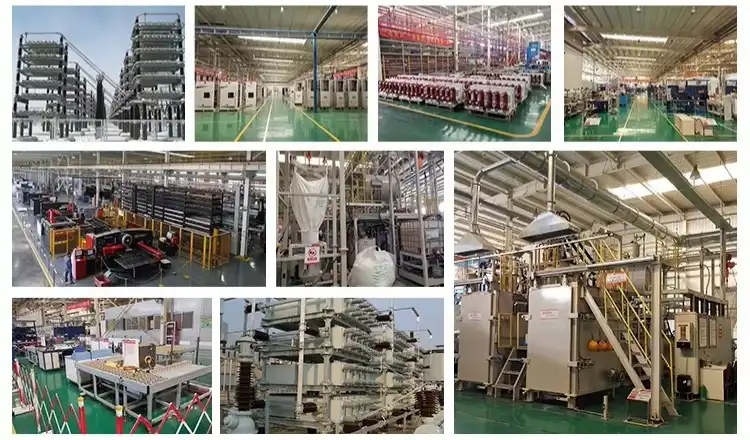
- Built for harsh sites: The unit is made to work in harsh situations and can handle temperatures from -40°C to 55°C. The tank can handle dust and water (IP55 grade). Mines, the coast, and wind farms far away are all places where salt, water, and changes in temperature can be hard on normal gear. This is why silica gel breathers and tanks that don't rust work so well there.
- Efficiency and voltage control: EU EcoDesign standards say that better core designs can cut no-load losses by up to 30%. This helps to keep power and efficiency in check. Amorphous core models can reach 99% efficiency for utility grids that want lower losses over a long service life. Models with ±0.5% voltage regulation help keep the grid in sync for renewable projects.
- Custom design and duty rating: We change the way the windings, cooling systems, and casings are set up so that they work best for you and your job. We even make units that are ATEX-approved for places where explosions are likely to happen. Because the noise level stays below 65dB, it can be used near homes, schools, hospitals, and much more. Zone 4 needs designs that can withstand earthquakes and units that can work in oil and gas and mining for two hours at 150% overload.
Conclusion
Oil-immersed distribution transformers work well for wind and solar farms, but only if they are matched to the conditions of the site, not just the rating on the box. If you want to buy an inverter, you should know its capacity, voltage ratio, tap range, cooling, and guaranteed losses from the output and temperature. Think about how much it will cost over its whole life, not just how much it costs to buy. Last but not least, make sure there is safety, workplace tests, and papers before production. Wind farms need to know about rust, shaking, and being able to get to them from far away. Solar plants need to know how much they load and lose every day. Everyone who is working on the project should look over the plan and make sure it meets certain requirements before it starts. This will help keep the project on track and avoid delays, wasted energy, and maintenance problems.
FAQ
1. Why use an oil-immersed transformer outdoors?
Water can't get into the tank because it is sealed, and oil moves heat away from the core and windings. Outside places that use the sun and wind that have these traits are good for when the weather changes. Before you decide, read the site rules to make sure you know how to keep people safe from fire and oil.
2. How does ONAN differ from ONAF cooling?
The ONAN doesn't need fans because it runs on air and oil. Fans are added by ONAF to help cool things down when they get too hot or too loud. The best one for you will rely on how full your inverters are, the weather, and how much power they can put out at their peak.
3. Which standards apply to these transformers?
In North America, IEC 60076 covers power transformers and IEEE C57.12.00 covers transformers that are immersed in water. These are the rules that the DOE makes for distribution transformers that are sold in the US. Figure out which ones you need for your job and your spirit.
4. What does a quotation request need?
Send the single-line layout, the amount, the capacity, the voltages, the standards that must be met, the number, the shipping location, the conditions of the site, and the time frame that you expect to receive it. If you give us these information, we can tell you at once about the wait time, testing, packing, tap range, and losses.
Request an Oil-Immersed Distribution Transformer Proposal from Xi'an Xikai
It has been more than 25 years since Xi'an Xikai began making oil-immersed distribution transformers for solar and wind projects. They sell units that can take 10kV, 35kV, or 110kV. You can get professional help 24 hours a day, seven days a week, and there is a warranty that lasts for 10 years. Your single-line design, along with your shipping plan, can be sent to serina@xaxd-electric.com, amber@xaxd-electric.com, or luna@xaxd-electric.com. To learn more, go to xaxd-electric.com. What do you need? We'll give it some thought and get back to you with a plan that works for your job.

References
1. IEC 60076-1: Power Transformers – Part 1: General, 2011
2. IEEE Std C57.12.00: IEEE Standard for General Requirements for Liquid-Immersed Distribution, Power, and Regulating Transformers, 2021
3. IEEE Std C57.91: IEEE Guide for Loading Mineral-Oil-Immersed Transformers and Step-Voltage Regulators, 2011
4. IEEE Std C57.104: IEEE Guide for the Interpretation of Gases Generated in Mineral Oil-Immersed Transformers, 2019
5. IEEE Std C57.159: IEEE Guide on Transformers for Application in Distributed Photovoltaic Power Generation Systems, 2016
6. U.S. Department of Energy, Federal Register: Energy Conservation Program: Energy Conservation Standards for Distribution Transformers, 2013