
Oil-Type vs Dry-Type Transformer: How to Choose the Right One
2026-10-27 17:16:19
Choosing between an oil type transformer and a dry-type unit is one of the most consequential decisions a procurement engineer or distribution manager makes. The wrong choice can mean higher lifecycle costs, maintenance headaches, or compliance failures. In short, an oil type transformer uses insulating mineral oil for both cooling and dielectric insulation, while a dry-type relies on air. Each carries distinct strengths depending on voltage class, site conditions, and budget. This guide walks through the key differences, selection criteria, and real procurement considerations to help you decide confidently.
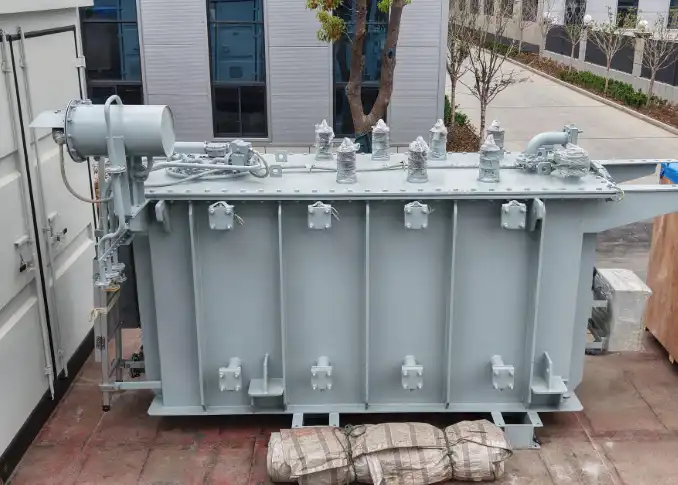
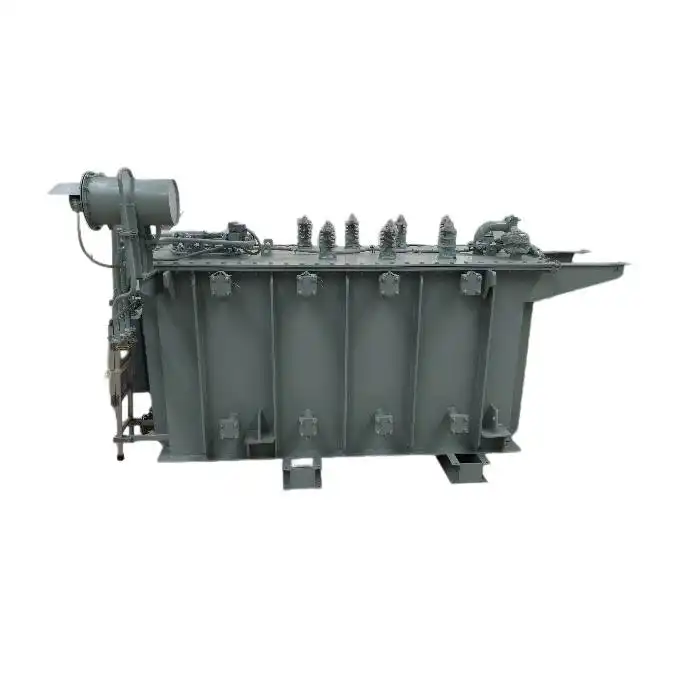
Understanding Oil-Type and Dry-Type Transformers
What Is an Oil Type Transformer?
The core and windings of an oil type transformer are kept inside a steel tank that is sealed and filled with mineral oil that acts as an insulator. The oil keeps the windings cool and protects against dielectric loss at the same time. Mineral oil has a dielectric strength of 30–70 kV per 2.5 mm, which is a lot higher than air's dielectric strength of 3 kV/mm. Because of this, oil-immersed units work well for 10 kV, 35 kV, and 110 kV high-voltage distribution, which needs units with good protection and the ability to get rid of heat.
What Is a Dry-Type Transformer?
In a dry-type transformer, epoxy resin or open-wound air insulation is used instead of oil. Natural flow or directed air can cool things down. Dry-type units can only be used in situations below 35 kV and are best used indoors, like in hospitals, data centers, or business buildings where an oil spill could damage the environment or start a fire. However, they cost more per kVA at middle voltage levels and are more likely to get damaged by wetness and dust.
Core Construction and Thermal Differences
The two methods are different in terms of the materials they use. Oil-immersed units have silicon steel cores that are oriented along grains and oil channels that cool them down. They can handle temperature rises of up to 65°C above ambient. Cast-resin or vacuum-pressure-impregnated (VPI) insulation is used in dry-type transformers. They can handle temperature rises from 100°C (Class B) to 180°C (Class H). According to IEEE C57.91, oil-type designs have design lives of 30–40 years under normal working conditions, while most dry-type designs only last 20–25 years.
Critical Factors to Consider When Choosing a Transformer
Voltage and Capacity Requirements
Most of the time, your voltage class makes the difference. The oil type transformer is still the most common choice for 10 kV, 35 kV, or 110 kV distribution systems. These are the major parts of county-level and rural lines in China, Africa, and Southeast Asia. Above 35 kV, dry-type units are no longer scientifically or economically useful. To keep the heat from building up, make sure the kVA rating is at least 20% higher than your peak load.
Site and Environmental Conditions
[H3] The installation environment has a big impact on the choice. Oil-immersed units work effectively in temperatures ranging from -40°C to 55°C and have an IP55 rating, which means they can be used in marine substations, mine sites, and places with a lot of dust or moisture. Dry-type units work well in enclosed indoor spaces where oil containment is required by law. The sealed, corrosion-resistant steel tank of the oil type transformer gives it a big benefit if your project is in an area that is likely to flood or be attacked by chemicals that eat away at metal.
Regulatory Compliance and Safety Standards
Both types must meet the requirements for regional certification and IEC 60076 for power transformers. National standards must be met and entry skills must be met by procurement teams working within State Grid or Southern Grid systems. To get IEC 60076 certification, oil-type units must pass 24-hour pressure leak tests, dissolved gas analysis benchmarks, and type tests that prove they can handle short-circuits. IEC 60076-11 is used for dry-type units. Before shortlisting, you should always make sure that the dealer has up-to-date type-test results.
Advantages and Challenges of Oil-Type Transformers
Why Oil-Immersed Units Dominate Distribution Networks
The oil type transformer can handle more overloads and works better over a wider range of power levels than the dry type transformer. Compared to older transformer technologies, its shielding oil naturally puts out fires, and current ester-based oils are biodegradable, which lowers their environmental impact. Amorphous core oil-immersed designs can reach efficiencies of almost 99% in utility grid applications, meeting the requirements of EU EcoDesign and China's S13/S20/S22 energy efficiency levels.
Here are the main performance benefits that apply to buying things for distribution:
- Extended overload tolerance: Oil-immersed designs withstand 150% rated load for up to 2 hours, which is valuable in mining and industrial load centers where demand spikes are common.
- Superior dielectric strength: Mineral oil at 30–70 kV/2.5 mm provides insulation margins that air simply cannot replicate at 35 kV and above.
- Lower no-load losses: Optimized CRGO core designs reduce no-load losses by up to 30% compared to standard silicon steel cores, directly cutting grid operating costs.
- Seismic and environmental resilience: IP55-rated, corrosion-resistant tanks paired with silica gel breathers maintain performance from coastal installations to high-altitude substations up to 4,000 meters.
These traits lead to measurable financial and operational benefits for utility procurement departments in charge of grid renovation projects that last more than one year.
Maintenance Demands and Environmental Considerations
IEC 60422 says that oil-type units need to have a dissolved gas analysis (DGA) and oil sampling done once a year to check for insulation degradation. Changing the oil usually happens every 15 to 20 years. Oil containment is the main environmental concern; to keep groundwater from getting contaminated, secondary containment structures that are big enough to hold 110% of the total oil volume are standard. Today's ester fluids meet biodegradability standards even when tighter rules are in place because of local environmental laws.
Cost and Procurement Considerations for B2B Buyers
Pricing Drivers and Total Cost of Ownership
At medium voltages, oil-immersed units usually cost less to buy at first per kVA than cast-resin dry-type transformers. The total cost of ownership, on the other hand, needs to include oil upkeep, storage infrastructure, and getting rid of the oil in the end. For country grid projects with payment terms of 6 to 12 months, buying teams should negotiate with suppliers while keeping working capital needs in mind. When you place a bulk order for 10 to 100 units, you can usually get better prices and faster production.
Selecting a Verified Supplier
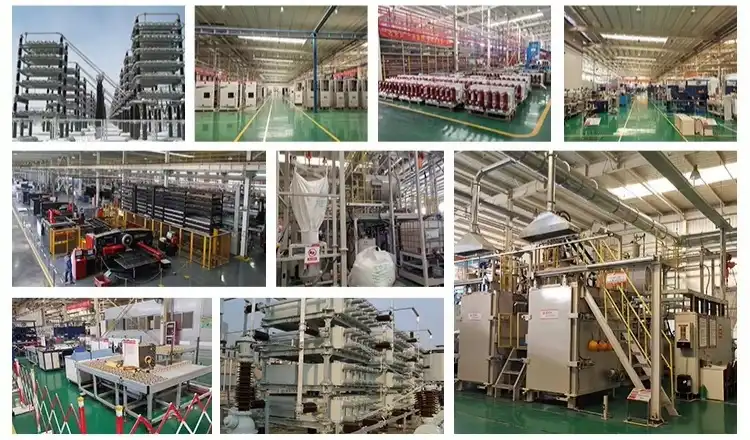
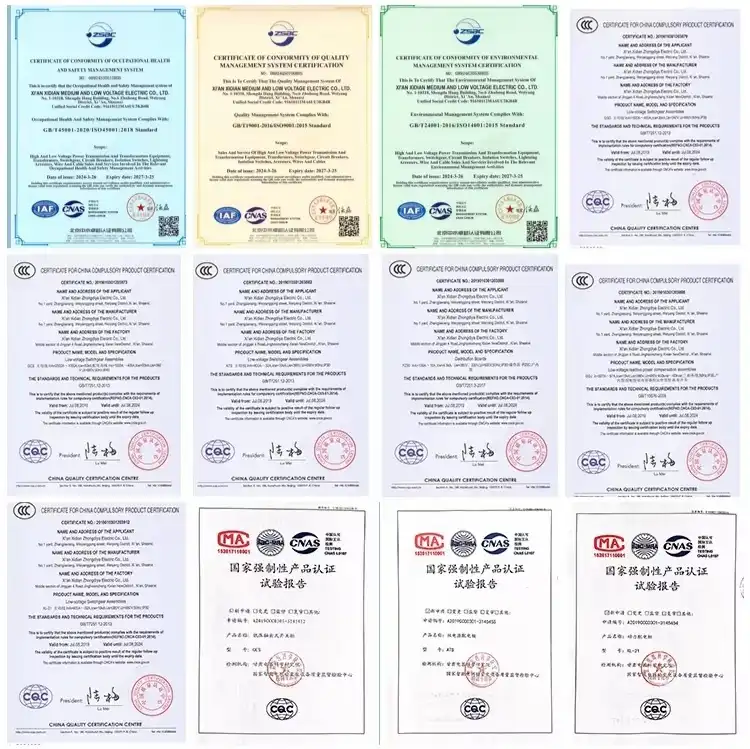
In grid buying, supplier quality is more important than price. For Chinese markets, IEC 60076 type-test licenses, ISO 9001 production certification, and State Grid or Southern Grid entry qualification (ECP2.0 registration) are some of the most important checks. Xi'an Xikai has certificates for IEC 60076, ISO 9001, CE, UL, and GOST-R, which means it can sell its goods in Africa and Southeast Asia. Before being shipped, all welded tanks are put through 24-hour pressure tests and tests on the steel core material that is oriented in a grain direction.
Customization and Delivery Planning
Standard wait times for oil type transformer orders are between 8 and 16 weeks, but they can be shorter or longer based on the size and level of customization. Xi'an Xikai can make custom winding configurations, ATEX-certified enclosures for dangerous areas, and small designs for substations in cities. For projects that use renewable energy, models with ±0.5% voltage control allow for smooth grid synchronization with solar and wind inverters and can handle 125% intermittent inverter loads without affecting the temperature.
Performance and Technical Specifications Breakdown
Voltage Classes and Cooling Methods
The oil-immersed products from Xi'an Xikai can handle 10 kV, 35 kV, and 110 kV input voltages. IEC standards are used to classify cooling: ONAN (oil natural, air natural) is for standard installations, and ONAF (oil natural, air forced) is for applications with a higher load density. The transformer's thermal grade and physical area are directly affected by its cooling class. ONAF units can produce 25–30% more kVA from the same core size.
Temperature Rise and Dielectric Benchmarks
The safe working range is set by a temperature rise limit of 55–65°C above air and an oil dielectric strength of 30–70 kV/2.5 mm. It is safe to put Xi'an Xikai's oil-immersed range near schools or residential areas because the noise level stays below 65 dB. Low-loss designs keep total losses below 3% for high-efficiency models at 30% load, which is a very important number for remote feeders that work at partial power for most of the day.
Testing and Certification Standards
According to IEC 60076-1, every unit goes through regular tests that check the turns ratio, measure the resistance of the windings, check the no-load loss and current, test the load loss and impedance voltage, and do routine tests on the dielectric. Type tests confirm the ability to withstand short-circuits and the rise in temperature. The certificates that Xi'an Xikai has, including IEC 60076, ISO 9001, CE, UL, and GOST-R, give procurement teams the proof they need to put in bids for jobs in both domestic and foreign markets.
Conclusion
Voltage class, installation location, and total lifetime cost are the three factors that determine whether to use an oil type transformer or a dry-type unit. For 10 kV to 110 kV distribution networks, like those in Chinese county grids, African national utility projects, or Southeast Asian programs to bring electricity to rural areas, oil-immersed designs have been shown to work well, last a long time, and have low maintenance costs. Dry-type units have a proper place in protected indoor areas below 35 kV. Knowing where each technology works best keeps expensive mistakes from happening when equipment specs don't match up with situations on the job site.
FAQ
1.Can an oil type transformer be used indoors?
Yes, oil-immersed units can be installed indoors when proper containment measures are in place. Secondary containment structures sized for at least 110% of total oil volume are required by most safety codes. For indoor spaces where oil containment is structurally impractical, dry-type units may be preferable.
2.How often does transformer oil need testing or replacement?
Annual DGA testing and dielectric strength measurement are standard practice. Full oil replacement typically occurs every 15–20 years under normal operating conditions, though continuous monitoring per IEC 60422 determines actual intervals based on measured oil condition.
3.What efficiency grade should I specify for a rural grid upgrade?
For county-level grid renovations replacing older high-loss units, S13 efficiency class is the current State Grid baseline. S20 and S22 amorphous core models offer further no-load loss reductions of 25–30% and are worth specifying for feeders with light but continuous loads.
4.How does an oil type transformer handle renewable energy variable loads?
Oil-immersed units rated for renewable integration handle 125% intermittent inverter loads and accommodate rapid load variations through their superior thermal mass. Models with ±0.5% voltage regulation support grid synchronization requirements for solar and wind projects.
Get a Tailored Quote from Xi'an Xikai
The oil type transformer supplier team at Xi'an Xikai has more than 25 years of experience making products that meet IEC, CE, UL, and GOST-R standards. No matter if you need 10 kV distribution units to improve the grid in rural areas or 110 kV oil type transformers for national utility projects, our engineering team can adapt the specs to your site. For a quote that is tailored to your project, please email us at serina@xaxd-electric.com, amber@xaxd-electric.com, or luna@xaxd-electric.com, or go to xaxd-electric.com.
References
1. IEC 60076-1: Power Transformers – Part 1: General, International Electrotechnical Commission, 2011.
2. IEEE C57.91: Guide for Loading Mineral-Oil-Immersed Transformers and Step-Voltage Regulators, IEEE Standards Association, 2011.
3. IEC 60422: Mineral Insulating Oils in Electrical Equipment – Supervision and Maintenance Guidance, International Electrotechnical Commission, 2013.
4. Feinberg, R. Modern Power Transformer Practice, Macmillan Press, 1979.
5. Harlow, J. H. (Ed.). Electric Power Transformer Engineering, CRC Press, 2004.
6. Bean, R. L., Chackan, N., Moore, H. R., & Wentz, E. C. Transformers for the Electric Power Industry, McGraw-Hill, 1959.