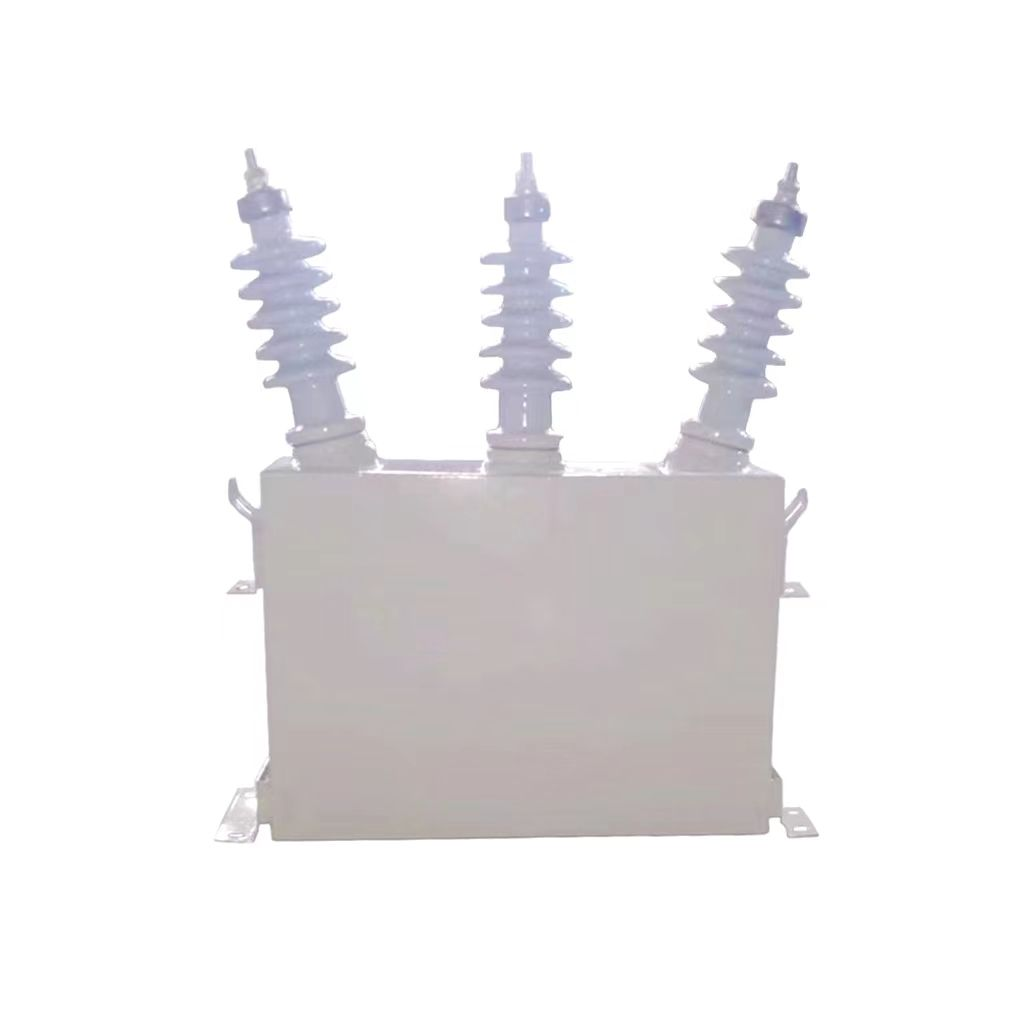
Series Dry type transformer: How It Works in Modern Power Systems
2026-09-16 17:24:37
A series dry type transformer is a core component in contemporary power distribution, operating through electromagnetic induction to transfer voltage across circuits without liquid insulation. Unlike oil-filled units, these transformers use cast epoxy resin or vacuum-pressure-impregnated coils to achieve safe, fire-resistant performance. They connect in series within electrical circuits to regulate voltage and manage load distribution across commercial, industrial, and utility systems. As demand grows for reliable indoor power infrastructure—particularly in data centers, five-star hotels, and high-rise commercial complexes—the series dry type transformer has become the specification of choice for discerning electrical engineers and MEP project managers worldwide.

Understanding How a Series Dry Type Transformer Works
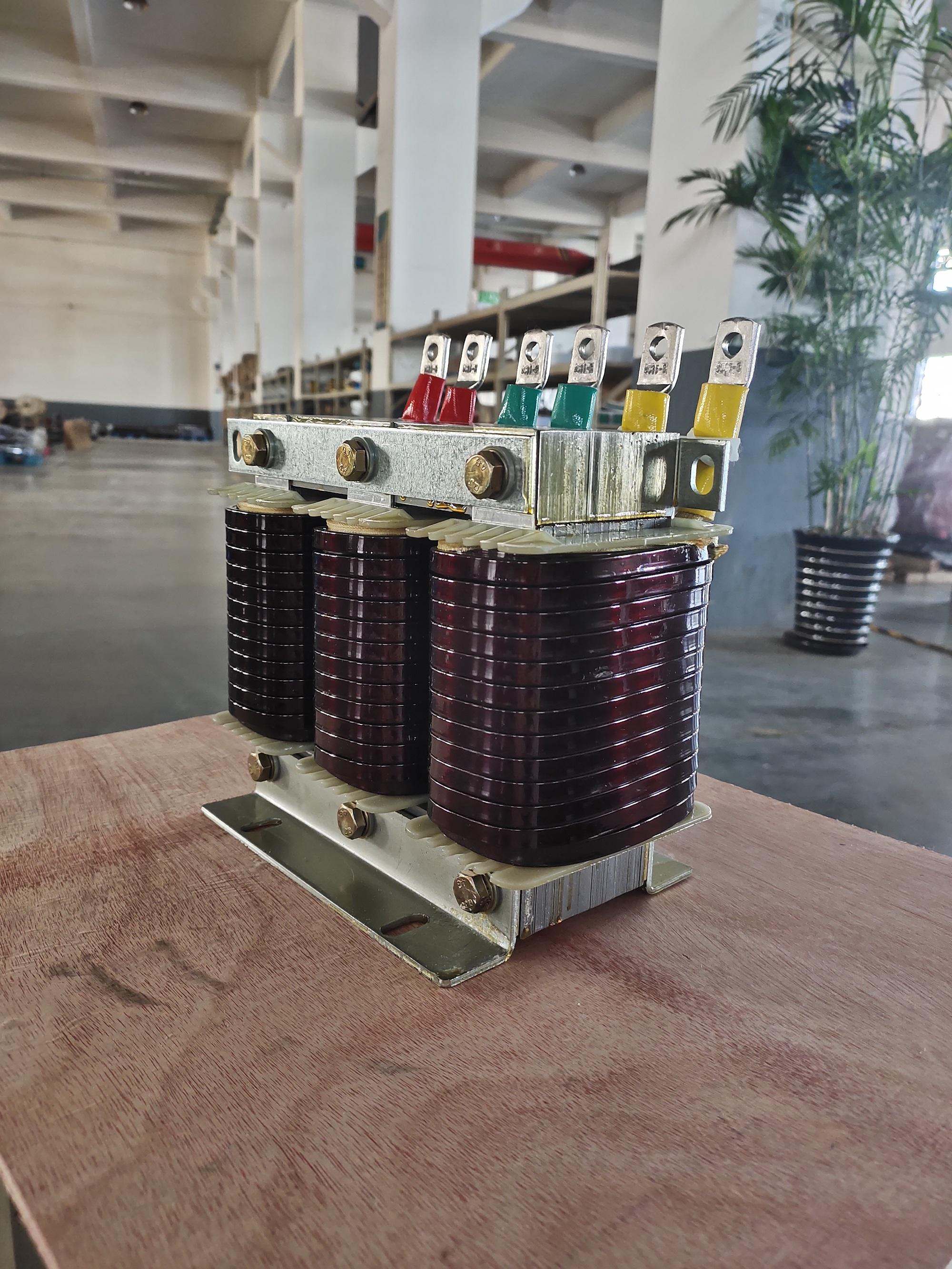
At its heart, a dry type transformer uses magnetic flux created by laminated silicon steel plates to move electricity between circuits. There is no oil or coolant in the mix. Instead, heat is lost through air flow or solid insulation materials, which are usually cast resin or VPI (vacuum-pressure-impregnated) systems.
The Electromagnetic Induction Principle
A changing magnetic field is made inside the laminated core when alternating current flows through the primary winding. Depending on the number of turns, this field causes a voltage to be stepped up or down in the secondary winding. There are no moving parts, fluid mechanics, or combustion risks because the energy is transferred only through magnetic connection.
How Series Connection Supports Voltage Regulation
In a series setup, transformers are built right into the circuit path, instead of being linked across bus bars in parallel. This setup lets you change the voltage precisely and provides load balancing across various distribution points. It works especially well in substations and big commercial buildings where stable voltage affects the performance of sensitive equipment.
Insulation Materials and Thermal Management
Class F/H insulation methods are used in Xi'an Xikai's SC9 series dry type transformer, and the temperature rise is kept at ≤100°C. The cast epoxy resin that covers the windings can withstand mechanical stress, water, and partial discharge all at the same time. Because of how it's built, the unit can work at 100% relative humidity and be turned back on without going through a drying cycle. This is very helpful for installations near the coast or where humidity is high.
Benefits and Applications in Modern Power Systems
The move toward dry type transformers in high-end building projects is not an accident; it's because they work better, as proven by international testing standards like IEC 60076 and IEEE C57.12.01.
The SC9 series dry type transformer is good for tough setups because of these main performance benefits:
- Non-flammable and pollution-free construction: The SC9 is made of self-extinguishing epoxy glue that doesn't give off any harmful gasses when there is a fault. This means that it meets fire safety standards for public areas, basement substations, and occupied buildings.
- Partial discharge control at ≤10pC: This level of partial discharge suppression for the series dry type transformer was tested at 1.5 times the rated voltage in the factory and was found to be very high. It means that the insulation is very strong and that the dielectric will last longer.
- 150% overload capacity with ONAF cooling: The SC9 can handle 150% of its rated load with oil-natural air-forced thermal management, which is very important during peak demand events in data centers or commercial complexes that are running HVAC, lighting, and IT loads at the same time.
- Noise output ≤50dB: This level of acoustic performance meets the strict noise standards of technical rooms in five-star hotels, hospital electrical substations, and busy office floors where transformer hum is not acceptable.
These features meet the needs of MEP project managers and electrical consultants who are choosing equipment for Tier III and IV data centers, high-end hotel projects, and Grade A office towers. Low loss, low upkeep, and resistance to moisture make it possible to place directly at the load center, cutting down on cable runs and the voltage drop that comes with them.
The SC9 also works reliably at heights of up to 4,000 meters, so it can be used on high-elevation project sites where regular transformers would need to be downrated.
Comparing Series Dry Type Transformers With Other Transformer Types
When looking at transformer specs for important projects, people in charge of buying things often compare dry type units to oil-immersed options and cast resin versions. There are different trade-offs for each device.
Dry Type vs. Oil-Immersed Transformers
When used outside in controlled conditions, oil-immersed transformers are a little more efficient at full load. However, they need holding pits, fire control systems, and regular oil sampling, which are all expensive infrastructure needs that go up a lot in urban high-rise or indoor substation settings. With a series dry type transformer, none of these things are needed at all. When fire suppression and civil planning costs are added in, the total cost of ownership over a 20-year service run is higher for dry type installations in most business building situations.
Dry Type vs. Cast Resin Transformers
Instead of full cast resin coating, the SC9 series dry type transformer uses coils that are impregnated with gas and pressure. With VPI construction, temperature cycle is better tolerated, and there is less chance that the resin will crack when the load changes over and over again. Cast plastic units are very good at keeping out water, but they may be more likely to break under heavy loads in places with a lot of shaking or earthquakes. Which one to use depends on how it will be installed and what kind of load the project will have.
Procurement Guide for the SC9 Series Dry Type Transformer
Technical Verification, Customization, and Compliance Documentation
For multi-unit jobs, finding a supplier for a series dry type transformer needs to be done in an organized way. Before signing a supply contract, a detailed technical review and factory audit are needed for single-project volumes of 2 to 15 units, which are common for large commercial or hospitality builds.
With a power rate range of 50kVA to 10,000kVA and a voltage range of 0.4kV to 40.5kV, the SC9 series dry type transformer can work with both standard distribution setups and the non-standard voltage needs that are common in foreign projects. Xi'an Xikai can make custom voltage taps, enclosure ratings, and cooling configurations that meet the needs of a specific project as set by electrical consultants or design institutes.
Certifications that show compliance with specifications include IEC 60726, CE, SCB9/SGB9 standards, and ISO 9001/14001. As part of the document package for purchase, you should ask for noise level certificates (≤50dB) and partial discharge test results (≤10pC). Lead times depend on how customized the product is, and getting involved early in the design phase greatly lowers the risk of not meeting delivery deadlines for projects with set commissioning dates.
Why Xi'an Xikai Series Dry Type Transformers Suit Your Project
Proven Reliability, Custom Engineering, and Versatile Applications
The Xi'an Xikai Medium & Low Voltage Electric Co., Ltd. makes medium and low-voltage electrical tools in over 100 different models and seven main product groups. The SC9 series dry type transformer is one of the company's main products. It was created after decades of technical improvements and was proven to work through thorough factory testing.
Before being sent out, each SC9 unit is put through partial discharge testing at ≤10pC, lightning impulse testing at 170kV (1.2/50μs pattern), and thermal imaging proof. In order to meet the requirements of ISO 9001 quality management, the process includes laser-cut silicon steel cores, robotic assembly, and a final inspection of every part.
Xi'an Xikai's plateau-rated equipment can work at heights of up to 4,000 meters. The company's products have been used in State Grid systems, rail transportation, petrochemical sites, data centers, and projects that integrate green energy. For projects with unique design needs, we can make solutions with customized enclosures, monitoring systems, and capacities that aren't the norm.

Conclusion
The series dry type transformer is now a must-have for high-end power distribution projects that need to be safe, efficient, and reliable over the long term. The SC9 series dry type transformer meets the technical standards that MEP engineers and electrical consultants care about the most, including noise level, moisture resistance, overload capacity, and partial discharge. It also has the flexibility that is needed for non-standard project configurations. It is clear that a well-specified dry type unit is the best choice when buying things that are very valuable or that are in buildings that are hard to work in.
FAQ
1. What maintenance does a series dry type transformer require?
The SC9 series dry type transformer is made to need very little upkeep. As part of regular maintenance, the device is visually checked, the air surfaces are cleaned, and the port connections are checked to make sure they are tight. There are no fluid sampling schedules or containment system checks for these units, but there are for oil-filled units. Since there is no liquid insulation, most of the planned upkeep jobs are no longer needed. An integrated temperature tracking system gives constant operating data, which lets servicing be based on conditions instead of set times. This makes lifecycle maintenance costs a lot lower for business and industrial setups with multiple units.
2. Can a dry type transformer operate outdoors?
Standard configurations are best for installing inside. To guard against rain, dust, and UV light when used outside, you need a cover with the right IP rating, which is usually IP23 or IP54. Xi'an Xikai has shelter choices that are good for outdoor substations and industrial settings that are open to the elements. The core thermal and electrical performance of the SC9 platform stays the same in all container designs.
3. What certifications should I verify before purchasing?
Some of the certificates that are important for high-end business and data center projects are IEC 60076, CE marking, SCB9/SGB9 compliance, and ISO 9001/14001. The usual paperwork that Xi'an Xikai sends with every machine is a partial discharge test report (≤10pC) and an acoustic measurement certificate (≤50dB).
Connect With Xi'an Xikai for Your Next Power Distribution Project
The SC9 series dry type transformer is made by Xi'an Xikai to meet the needs of high-performance business and industrial applications. Our expert team is ready to help you with your specification and the buying process whether you are looking for a series dry type transformer provider for a data center, a hotel project, or a business complex. You can email us at serina@xaxd-electric.com, amber@xaxd-electric.com, or luna@xaxd-electric.com, or you can go to xaxd-electric.com to look at our product information and ask for a professional advice.

References
1. IEC 60076-11: Power Transformers – Part 11: Dry-Type Transformers. International Electrotechnical Commission, 2018.
2. IEEE C57.12.01: Standard General Requirements for Dry-Type Distribution and Power Transformers. Institute of Electrical and Electronics Engineers, 2015.
3. Transformer Technology and Applications. ABB Power Transformers Technical Guide, 2020.
4. Kulkarni, S.V. & Khaparde, S.A. Transformer Engineering: Design, Technology, and Diagnostics. CRC Press, 2012.
5. Energy Efficiency in Electrical Systems: Transformer Loss Reduction Strategies. U.S. Department of Energy, Office of Electricity, 2022.
6. Global Dry-Type Transformer Market Report: Trends, Standards, and Procurement Practices. MarketsandMarkets Research, 2023.