Top LV Intelligent Capacitor Compensation Devices for 2026
2026-02-12 15:45:15
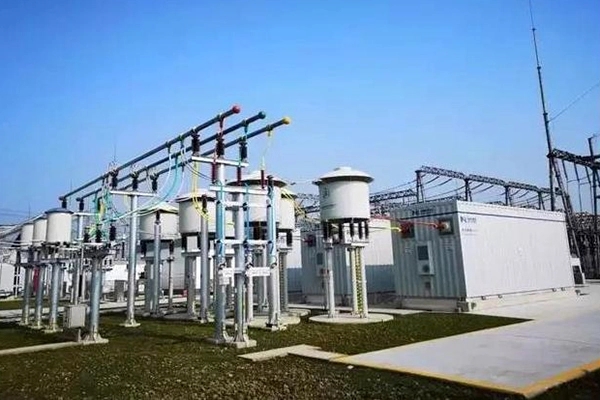
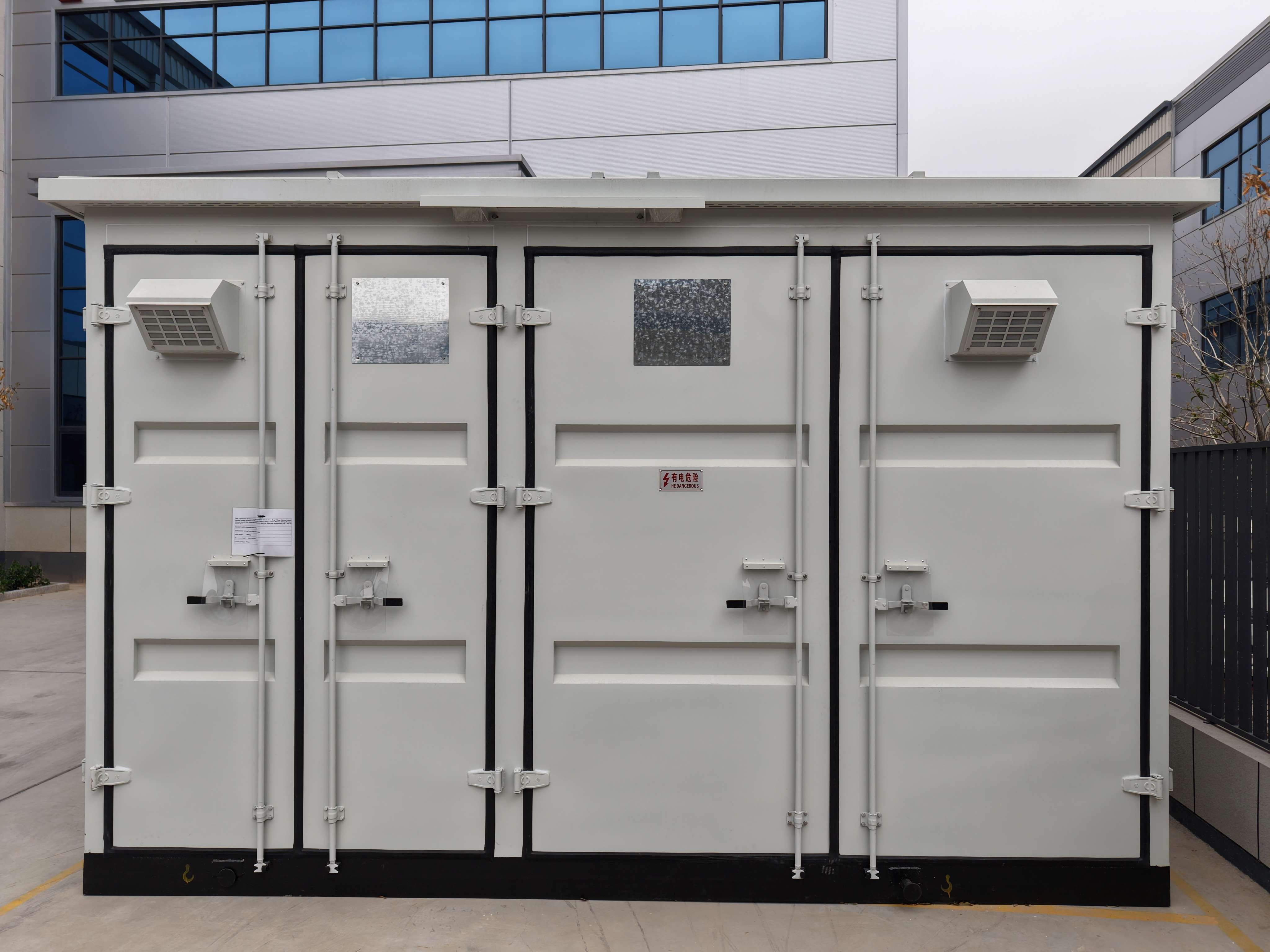
Power quality management is changing rapidly as industrial and commercial establishments want more efficiency, voltage stability, and lower energy costs. Many of the best LV Intelligent Capacitor Compensation Devices for 2026 offer reactive power compensation, harmonic filtering, and automated control. Advanced systems with IoT monitoring, real-time load balancing, and predictive maintenance transform power factor correction in facilities. Modern intelligent capacitor compensation technology addresses grid dependability, energy savings, and power quality compliance in different industrial applications.
 |
 |
Why LV Intelligent Capacitor Compensation Devices Matter More Than Ever
Industrial Energy Efficiency Matters
Industrial, data, hospital, and manufacturing facilities are under pressure to improve energy efficiency. This helps reduce operational expenses and achieve sustainability goals. Utility companies' power factor fines can raise electricity prices significantly, making reactive power compensation a top investment goal.
Improvements in Intelligent Compensation Systems
Intelligent compensating systems have advanced beyond capacitor banks. These systems monitor electrical parameters using smart grid technology, problem detection algorithms, and automated control mechanisms. They optimize operational efficiency and dependability by dynamically adjusting compensation levels to load situations.
Energy Solutions for Sustainability
Energy-saving technologies that lower carbon footprints are in demand due to global environmental efforts. Intelligent capacitor adjustment systems reduce distribution losses and boost system efficiency. Thus, investing in innovative technologies promotes financial and environmental aims.
Selection Criteria: What Makes a Superior Compensation Device
KPIs for Industrial Compensation Devices
Prioritizing important performance variables that affect operational success and return on investment is crucial when assessing industrial compensation devices, such as the LV Intelligent Capacitor Compensation Device.
Accuracy and Response Time
Effective compensating devices need response time and accuracy. Leading devices should respond to load changes in 20 milliseconds and maintain compensation accuracy within ±1% of goal values. Precision is needed to avoid over-compensation, which might damage delicate equipment.
Ability to filter harmonically
Harmonic filtering is essential as facilities install electronic loads and variable frequency drives. Effective compensators should reduce 13th-order harmonics. This capacity prevents harmonic distortions from causing motor, transformer, and control system failure.
Compatible Integration
Integration compatibility is another consideration when evaluating compensating devices. These gadgets must work smoothly with existing infrastructure. Standard communication protocols like Modbus RTU and IEC 61850 and universal cabinet compatibility like MNS, GCK, and GGD make installation easy across facility types.
Ecological resilience
Environmental resilience is crucial for harsh industrial activities. Even in harsh situations, IP65-rated enclosures, broad temperature ranges, and corrosion-resistant materials assure reliable performance.
Maintenance and Total Cost of Ownership
Finally, maintenance costs affect overall cost of ownership. Modular devices provide quick replacements, and predictive maintenance can detect concerns before downtime. This preemptive strategy reduces disruptions and boosts operational efficiency.
Leading LV Intelligent Capacitor Compensation Devices for 2026
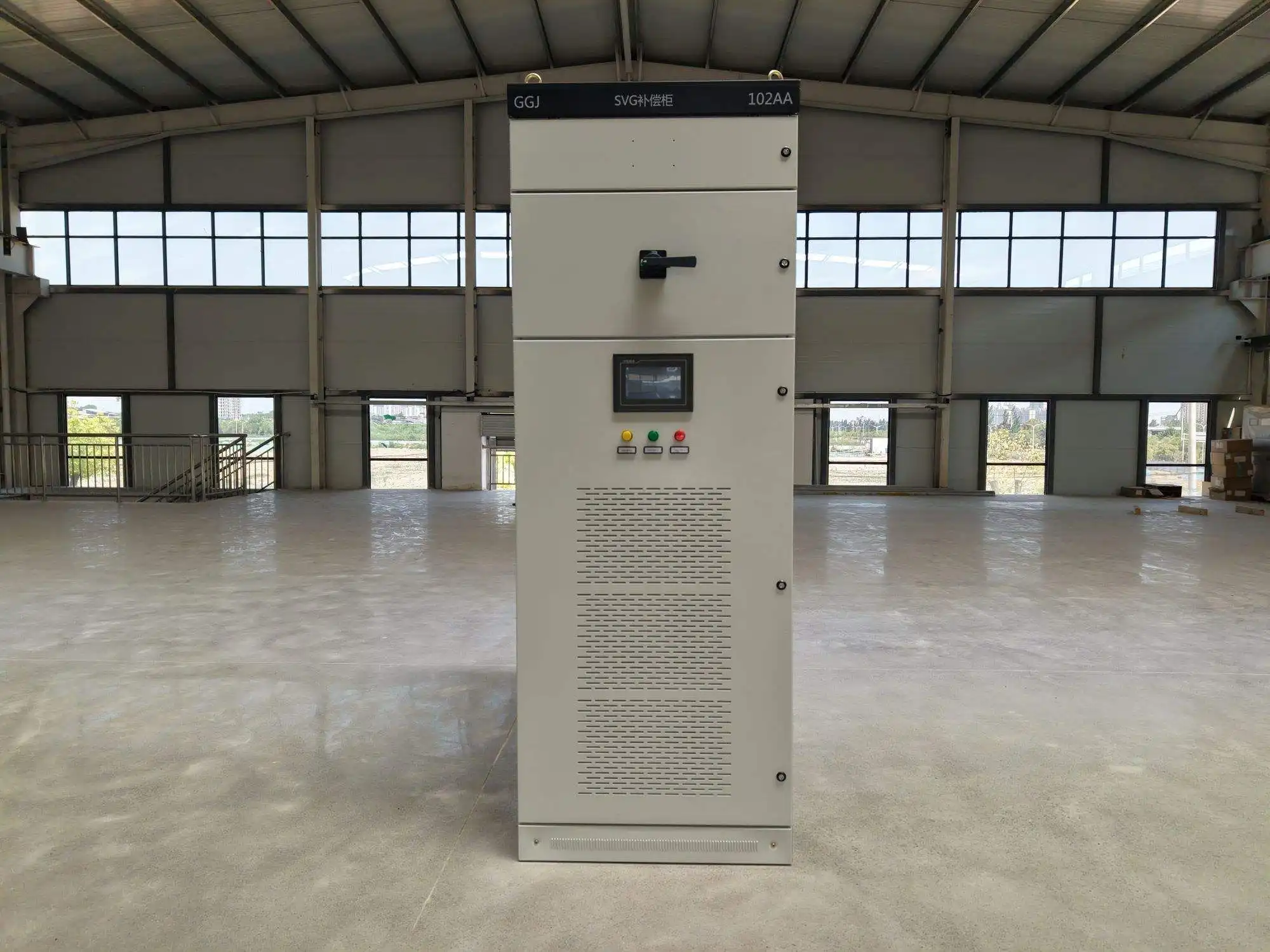
Xi'an Xidian GGJ Series Intelligent Compensation System
The Xi'an Xidian GGJ Series uses cutting-edge reactive power compensation technology for demanding industrial and commercial applications. Modern electrical networks provide difficult obstacles, yet this innovative solution provides excellent power factor correction.
Core Performance Criteria:
- Sub-AC450V system voltage with precise regulation
- Accurate compensation: ±1% reactive power adjustment for all loads.
- Response time: <20 ms for dynamic load changes.
- Third, fifth, seventh, ninth, eleventh, and thirteenth harmonics are suppressed.
- Modbus RTU and IEC 61850 for SCADA integration.
- ≤15W power consumption for energy-efficient operation.
Advanced Features and Benefits:
AI-driven algorithms assess voltage and current signals from IoT sensors in the GGJ Series. This real-time monitoring lets the system calculate appropriate compensation and switch capacitor banks dynamically. Zinc oxide arresters guard against surges and the integrated reactor architecture lowers inrush currents.
Industrial Uses:
Its surge current capacity of 100 times rated capacity makes it perfect for CNC machines and automated assembly lines in manufacturing facilities. The gadget removes power factor penalties and protects sensitive industrial equipment from voltage swings and harmonic distortion.
Environmental adaptability:
The IP65-certified GGJ Series can tolerate severe temperatures, humidity, and corrosive atmospheres in industrial settings. Mountains present unique geographic obstacles, but plateau-type technology works successfully at heights up to 4,000 meters.
Safeguarding quality:
Each device is subjected to 72-hour load simulation and harmonic stress testing before shipping. Premium capacitors and corrosion-resistant enclosures provide 20+ year operation, and ISO 9001, ISO 14001, and CCC certifications verify production competence.
Smart Grid Compatible Compensation Controllers
Modern compensation controllers make reactive power management intelligent grid assets with advanced monitoring and control. These gadgets have powerful microprocessors and extensive safeguards.
Technical Mastery:
Smart controllers optimise reactive power distribution over complicated electrical networks with multi-zone compensating algorithms, including the LV Intelligent Capacitor Compensation Device. Real-time load analysis allows predictive compensating adjustments before demand changes affect power quality.
Communication, Integration:
Ethernet and various protocols enable integration with building management systems and SCADA networks. Remote monitoring lets facility managers track performance and receive maintenance notifications.
Safety and Protection:
Comprehensive protection includes overvoltage, overcurrent, temperature monitoring, and automatic disconnection. Arc fault detection and ground fault protection protect personnel and equipment during abnormal conditions.
Modular Capacitor Bank Systems
Modular solutions give facilities with different compensation needs or restricted installation space great flexibility. As facility loads alter, these systems add capacity incrementally.
Advantages of scaling:
Modules are 25–200 kVAR, providing accurate reactive power matching. Hot-swappable modules allow system reconfiguration without shutdown and reduce maintenance downtime.
Optimization of Space:
Compact designs maximize compensation in small electrical rooms. For retrofit applications with limited floor space, wall-mounted units work, while floor-standing units handle greater capacities.
Maintenance Benefits:
Modular architecture allows focused repair without compromising all compensation systems. LED status indicators and diagnostic connectors speed troubleshooting and reduce servicing time.
Regional Market Analysis: Southeast Asia, Central Asia, Middle East, and Africa
These areas' different markets offer intelligent compensation device deployment opportunities and challenges. Understanding local factors improves product selection and execution.
SE Asia Market Dynamics
High power quality solutions demand comes from rapid industrialization and infrastructural expansion. Vietnam, Thailand, and Indonesia prioritize energy efficiency and clever compensation. Electrical equipment needs more environmental protection and cooling in tropical areas.
Central Asia Infrastructure Needs
Mining, oil and gas, and industrial manufacturing require large reactive power adjustment. Designs must be durable and low-maintenance for extreme temperatures and remote places. Harmonic filtering is useful for grid stability issues.
MENA Energy Efficiency Focus
Diversification beyond oil and gas drives manufacturing and renewable energy investments. High ambient temperatures and sandy conditions necessitate appropriate enclosures and cooling. Government energy efficiency programs encourage compensation device usage.
Development Opportunities in Africa
Power quality solutions are needed as infrastructure and industry increase. Protecting sensitive equipment requires reactive power adjustment due to grid instability. Budget-conscious decision makers prefer trusted, cost-effective solutions.
Purchase Recommendations and Implementation Considerations
Facility needs, infrastructure, and long-term operating goals must be considered while choosing a compensation device. Perform thorough power quality audits before completing equipment specs.
Guidelines for Capacity
Use peak demand instead of average loads to calculate reactive power needs. Include 10-20% safety margins to handle future load increase and optimize performance at peak demand.
Installation Planning
Before installing compensating devices, consult with utility companies to avoid grid protection issues. Certain utilities demand notification or approval for reactive power compensation equipment beyond capacity.
Development of Maintenance Strategy
Schedule capacitor bank testing, contact inspection, and protection system verification as preventative maintenance. Maintain manufacturer support agreements for complex repairs while teaching facility staff fundamental troubleshooting.
Monitoring performance
Install continuous power factor, harmonic level, and energy usage monitoring systems. Regular performance evaluations uncover optimization opportunities and verify ROI.
Industry Trends and Summary
Intelligent compensating devices, such as the LV Intelligent Capacitor Compensation Device, are being integrated with smart grid infrastructure and renewable energy sources. IoT, machine learning, and predictive maintenance are the future of power quality management. Intelligent compensation technology, including the LV Intelligent Capacitor Compensation Device, reduces energy costs and improves operational dependability while preparing facilities for grid upgrading.
Frequently Asked Questions
1. What capacity should I choose for my facility?
Use peak demand and power factor observations to calculate reactive power needs. Depending on motor loads and lighting, most industrial facilities need 50–500 kVAR correction. Professional power quality audits propose proper sizes.
2. How do intelligent devices differ from traditional capacitor banks?
Intelligent gadgets use microprocessor-based controllers to continuously monitor electrical characteristics and modify correction. Traditional banks use manual or rudimentary automatic switching, which cannot handle rapid load fluctuations or harmonic filtering.
3. What maintenance do these systems require?
Beyond regular inspections and capacitor testing, modern clever compensating systems require little maintenance. Modular designs allow component replacement without system downtime, and predictive maintenance detects flaws before they fail.
4. Can these devices work with renewable energy systems?
Yes, clever adjustment devices solve solar inverter and wind turbine power quality issues. Their rapid response times and harmonic filtering mitigate intermittent renewable generating voltage variations.
5. What communication protocols do modern devices support?
For utility-grade applications, Modbus RTU, TCP, and IEC 61850 are standard. Ethernet connectivity allows building management system integration, while certain devices provide wireless remote monitoring.
6. How quickly do these investments pay for themselves?
Payback durations vary from 12 to 36 months based on utility power factor fines and energy rates. Due to lower demand charges and efficiency, facilities with power factors below 0.85 pay back in 18 months.
Partner with Xi'an Xidian for Superior Compensation Solutions
With its cutting-edge intelligent compensating technology, Xi'an Xidian is prepared to revolutionize the power quality of your facilities. For demanding industrial applications, our GGJ Series devices offer unparalleled performance, dependability, and affordability. As a trusted LV Intelligent Capacitor Compensation Device manufacturer, we provide comprehensive solutions backed by 15+ years of power electronics expertise and participation in national infrastructure projects. For remote industrial locations, high-density metropolitan grids, and renewable energy installations, our engineering team provides specialized solutions. You can discuss your specific needs and obtain comprehensive technical proposals by contacting our professionals at serina@xaxd-electric.com, amber@xaxd-electric.com, or luna@xaxd-electric.com.
References
1. IEEE Standards Association. "IEEE Std 1036-2010 - IEEE Guide for Application of Shunt Power Capacitors." Institute of Electrical and Electronics Engineers, 2010.
2. Johnson, R.K., et al. "Advanced Reactive Power Compensation Strategies for Industrial Power Systems." Journal of Electrical Engineering and Technology, vol. 18, no. 3, 2023, pp. 1245-1258.
3. International Energy Agency. "Energy Efficiency Market Report 2024: Power Quality and Grid Stability." IEA Publications, Paris, 2024.
4. Chen, L.M. and Wang, P.R. "Intelligent Capacitor Compensation in Modern Industrial Applications: A Comprehensive Review." IEEE Transactions on Power Electronics, vol. 39, no. 8, 2024, pp. 9876-9889.
5. Global Power Quality Association. "Best Practices for Low Voltage Reactive Power Compensation." Technical Report GPQA-2024-07, 2024.
6. Martinez, A.J., et al. "Smart Grid Integration of Intelligent Compensation Devices: Challenges and Opportunities." Renewable and Sustainable Energy Reviews, vol. 185, 2024, pp. 112-125.