
Understanding Oil Immersed Distribution Transformers: Key Features and Benefits
2026-11-16 17:30:32
An oil-immersed distribution transformer steps medium-voltage power down to a level that homes, farms, factories, and commercial buildings can use. Insulating oil surrounds the core and windings, carries heat away, and blocks internal arcing. The main benefits are strong cooling, high overload tolerance, long service life, and a lower lifecycle cost when losses stay low. At Xi'an Xikai, we offer units for 10 kV, 35 kV, and 110 kV input voltage, with an IP55 rating and an operating range from -40°C to 55°C. This guide shows how these units work, where they fit, and how to buy them.
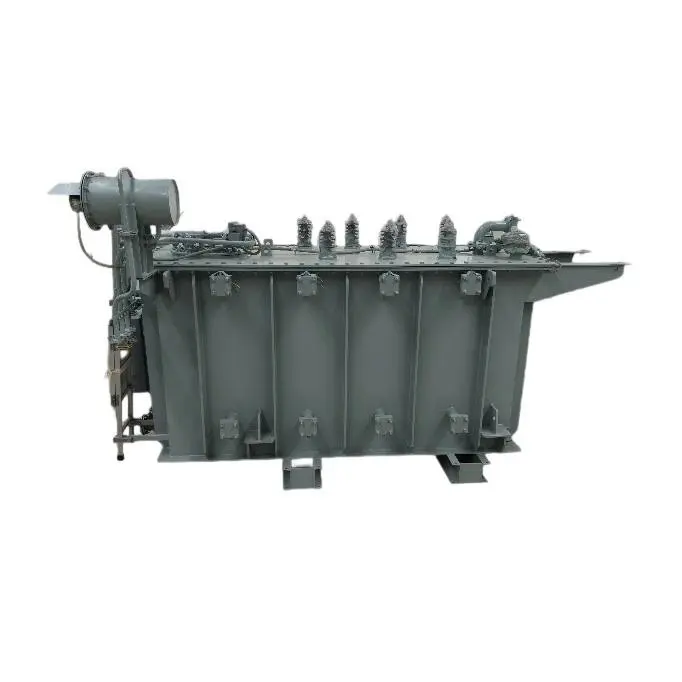
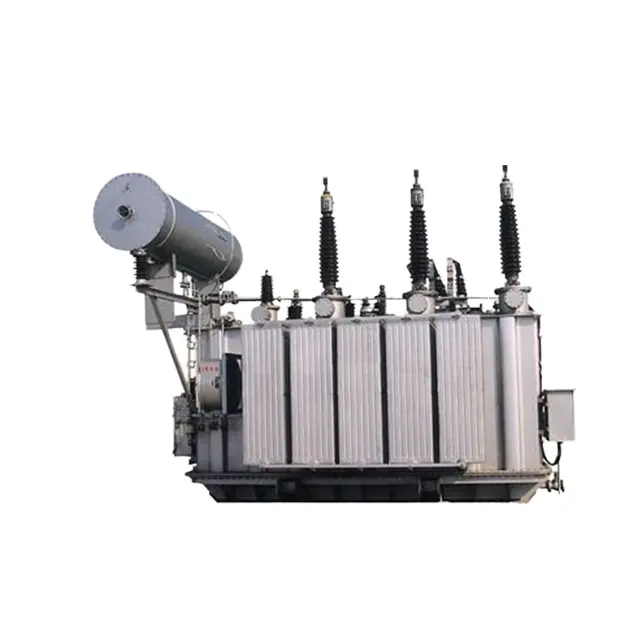
How an Oil-Immersed Distribution Transformer Works
The Working Principle in Plain Terms
We start by going over the basics. It is the alternating current in the main winding that changes the magnetic field in the layered steel core. That field creates the voltage in the secondary winding, and the output is determined by the turns ratio, which is equal to N₁ / N₂. The unit does not change the frequency, though. A 10 kV generator and a customer line need amounts that are not at all the same. With this step-down movement, the line's end becomes a power source. The oil does not change the electricity. During the day and night, the oil-immersed distribution transformer works to carry the load. It keeps the moving parts cool and safe.
Core, Windings, and Insulating Oil
Steel that is oriented along grains is used in the core. This keeps the no-load loss low and lowers the hysteresis loss. Copper or aluminum wires are wound around the core legs, which are covered in paper and pressboard. The gaps between the wires are filled with insulating oil. Two things the oil does. This keeps the electricity safe, stops noise, and moves heat from the windings to the tank wall and heaters. Also, small arcs inside the tank are stopped, which makes fault damage less likely. It takes less time for the unit to last longer because water and dirt in the oil make it work less well. Because of this, the oil's quality is important from the first day it is used.
Tank, Breathers, and Tap Changers
The steel tank holds the oil and the part that works. Radiators or a wall with curves can let heat escape. Oil and air can move naturally through ONAN cooling, which is used in most distribution units. Silica gel breathers in our units dry the air going into the tank as the oil rises and falls. There is also a finish on the tank that won't rust. A tap changer changes the number of turns so that the secondary voltage stays the same even if the supply voltage changes. This is important for long lines in the country where power changes often. Other parts that finish off the assembly are the bushings, grounding points, temperature indicators, and pressure-relieving devices.
Key Features and Benefits of Oil-Immersed Distribution Transformers
Built for Tough Environments
How you use a transformer says how long it will last. Our oil-immersed distribution transformer has an IP55 grade, which means it can work in hot and muggy conditions. From -40°C to 55°C, it can work. Silica gel breathers and tanks that don't rust work well in places where salt air and water can damage steel that isn't secured, like mines, the coast, and distant wind farms. People who want to upgrade remote lines can use these scores to cut down on early failures and expensive site visits that need to be made more than once. Xi'an Xikai also makes equipment for plateaus that can be used at heights of up to 4,000 meters. We will look over your site with you after you tell us how high it is.
Efficiency and Voltage Stability
An oil-immersed distribution transformer costs more than it looks because it works all the time. As required by EU EcoDesign rules, our main designs cut no-load costs by up to 30%. 10 CFR Part 431 has rules from the US Department of Energy about how efficient distribution transformers should be. Get these rules to help you compare guaranteed no-load losses and load losses. Having models with ±0.5% voltage control helps the grid connect to green projects without any problems. It is possible to meet the EcoDirective with flexible core choices that work 99% of the time. Over many years of use, a small difference in price is often made up for by less harm.
Customization and Quiet Operation
Two sites are not the same. Different winding arrangements, cooling systems, and housings can be added to our line of oil-immersed distribution transformers to make them fit the needs of the project. A small machine that doesn't take up much room might be needed in the middle of a city. The spot might need an ATEX-certified transformer if there is a chance of an explosion. In the middle of nowhere, a utility company might need tap ranges that can handle big changes in supply. Our units stay below 65 dB because noise hurts people when it's close by. This makes them good for homes, schools, hospitals, and other public places. You tell us the load, voltage, height, and weather, and we will send you a setup to look over. Inputs that are clear at this stage stop redesigns and delays later on.
Where an Oil-Immersed Distribution Transformer Performs Best
Industrial Facilities and Mining
In heavy industry, starting surges and long shifts put a lot of stress on transformers. When used in oil and gas and mining, our units can handle 150% overloads for two hours. In case of short-term peaks, this gives workers room. Plans that can withstand earthquakes work well for Zone 4 earthquakes, which is good for plants that are near active faults. Putting oil into an oil-immersed distribution transformer takes heat away from the windings. Such a unit can handle small overloads without putting too much stress on the insulation, which would happen if it didn't have enough cooling. Still, overloading insulation over and over again makes it wear out faster. First, you should size for a normal load, and then use the overload number as a safety net. In IEEE C57.91, it says how to load transformers that are submerged in mineral oil.
Solar and Wind Farms
When the wind or clouds move, renewable power plants send out short bursts of electricity. Sometimes, inverters load our units with 125% of their capacity. If they are at 30% load, low-loss types lose less energy, even if they are only working part-time for many hours. Because solar plants run for a long time with little work to do, that is important for the return on investment. Models that can control voltage within a ±0.5% range can help with smooth grid synchronization. For wind farms near the coast or out at sea, the IP55 grade, tank that doesn't rust, and silica gel breathers handle water and salt. As long as the weather is bad, this type of oil-immersed distribution transformer will keep the power going for plants that need it.
Utility Grids and Rural Network Upgrades
Utilities fix up old gear and put new lines in new places. EcoDirective standards say that amorphous cores must be 99% efficient, and modular designs make it easier to add more power to the grid. State Grid and other electric power projects are already using our ideas. More recent units with lower losses and tap changers can fix two common problems: units that waste energy and voltage that is not stable at the end of long feeders. Moving and setting up things in faraway places adds another worry. As soon as possible, let us know what your access restrictions are and how much you can lift. This will help us figure out what size units to send and how to package them.
How to Select an Oil-Immersed Distribution Transformer
Sizing the Unit and Matching Voltage
Start with the load profile, not just the connected load. To find the three-phase capacity, use the formula kVA = √3 amps x current / 1,000. Then make changes for the highest demand, harmonics, temperature, altitude, and growth in the future. Too little of a size can cause it to overheat, and too much of a size can raise costs and cause no-load loss. Next, look at the power that is coming in. You can plug in 10 kV, 35 kV, or 110 kV sources. Tell us what your secondary level needs to be and what your source voltage is. Not only write down the vector group, but also the resistance and the tap range. In the US, people should write down the IEEE C57.12.00 guidelines that their hardware meets. Your tap range should cover the planned highs and lows if the voltage in your feeders changes a lot.
Oil-Immersed vs. Dry-Type Transformers
Both types have a place. Because they can handle more weight and keep cool better, oil-immersed units are better for outdoor substations, pole sites, and bigger loads. Plus, each kVA costs less. Dry units are good for small areas, indoors, or places that are likely to catch fire because they don't hold water. Keep oil units separate, test the oil often, and follow all fire safety rules. Designs that are sealed do not let air in, but designs with conservators let oil expand or contract by using a breather. Before you decide, find out what the fire rules are in your area and how the place is laid out. This type of oil-immersed distribution transformer works well with heat, so it is still often used in heavy-load plants and for outdoor utility service.
Writing an RFQ and Planning Supply
Getting accurate quotes goes faster when you ask for prices in a clear way. When you are looking for an oil-immersed distribution transformer, you should think about its cooling, range of tap changers, output voltage, frequency, phase, impedance, loss guarantees, standards, test requirements, quantity, shipping location, and insurance terms. When comparing deals, you should use the same list, since a lower price could hide more tests or bigger losses. Utilities that buy in stages or through annual deals should also tell us how much they plan to buy each year and when they need it shipped. We can plan production this way and make sure that each batch has what it needs. Ask each supplier for test reports, drawings, and examples of past work before you place an order.
Quality, Installation, and Care for Your Oil-Immersed Distribution Transformer
Quality Control and Certifications
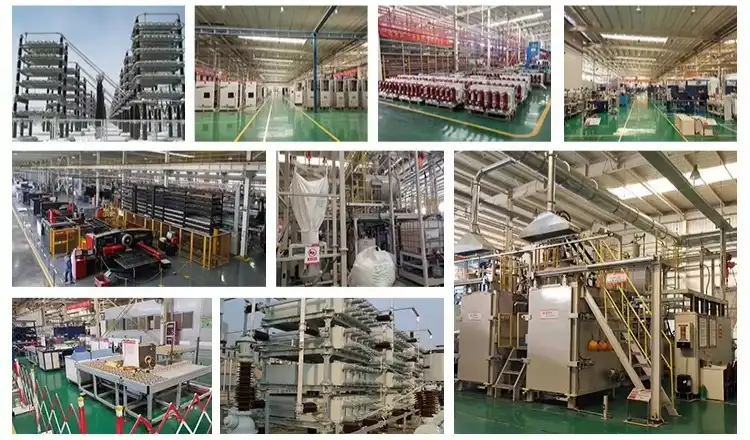
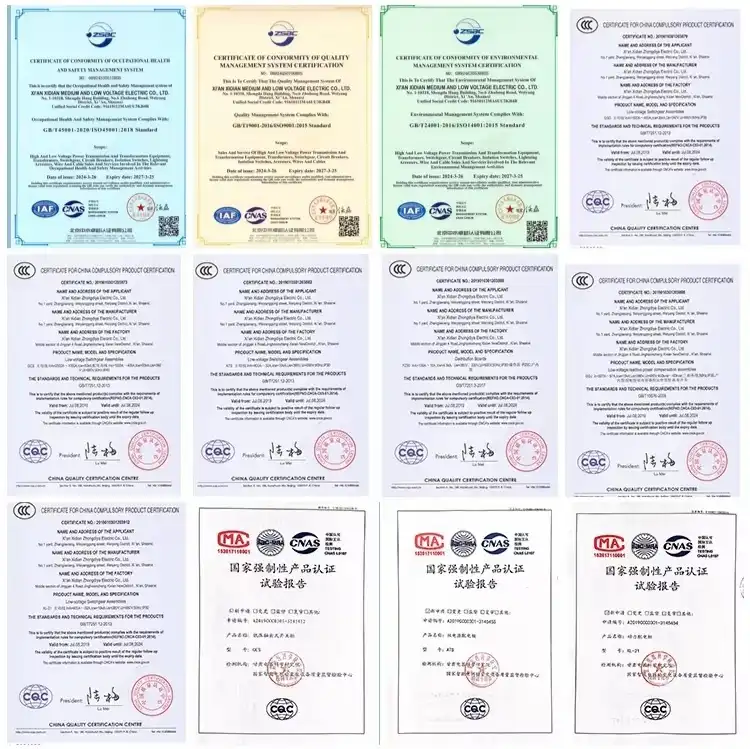
The parts that are used to make an oil-immersed distribution transformer are the first step in quality. Our cores are made of grain-oriented steel, which cuts down on hysteresis losses. For twenty-four hours, welded tanks are pressed down to check for leaks. We have certifications from IEC 60076, ISO 9001, CE, UL, and GOST-R. Our designs come with a 10-year guarantee, patents, and professional support 24 hours a day, 7 days a week. We have been making designs for more than 25 years. We use oil that can be reused and ways to create things that need less power. Make sure that all of the test results that come with your order are for the type you want to buy.
Installation and Commissioning
If you set up a new unit right, it will be safe for the first few years. Set up a strong, level base that drains, holds oil, grounds, lets air flow, and is easy to get to for lifting. Before you set up the unit, check the oil level, tank, joints, radiators, valves, seals, and radiators for damage from shipping. There should be tests on the grounding continuity, polarity, vector group, insulation resistance, winding resistance, turns ratio, and oil dielectric strength as part of the commissioning process. Check the voltage, current, temperature, sound, and leaks after you turn it on, and write down the results. After that, those records help you with every check. Cranes may need more space and roads may be limited in rural areas, which can make putting up the unit take longer. This means that more planning is needed.
Oil Testing and Routine Maintenance
One that is planned usually costs less than one that is not. An oil-immersed distribution transformer should last between 25 and 30 years if you take good care of it. As you walk around the site, check the temperature, oil level, leaks, seals, grounding, rust, and noise every so often. Every once in a while, check the oil for color, breakdown voltage, moisture, acidity, and how it looks. For important units, use dissolved gas analysis. IEEE C57.104 is used to understand gases, and IEC 60422 is used to control oil. Look at trends instead of just one number. A slow rise in gas or water can mean more than one thing. A weak base, too much load, clogged ventilation, worn-out oil, or too much noise are some of the things that can cause leaks, overheating, or extra noise. Keep track of every fix.
Conclusion
The voltage in an oil-immersed distribution transformer drops because of electromagnetic induction. Oil cools the wires and stops them from arcing. The best things about it are that it can handle heat, become overloaded, and last a long time. The machine can work in temperatures ranging from -40°C to 55°C. Its tanks don't rust, its cores don't lose power, the noise level is less than 65 dB, and it can accept 10 kV, 35 kV, or 110 kV. IP55 protects the units that are talked about here. These traits work well for utility systems, farms that grow green energy, power plants, and even upgrades in rural areas. This will work best if you make sure the voltages are the same, the sizes are correct, and the guaranteed losses are compared fairly. The cost over time is more important than the price of purchase alone. Because it was carefully set up, tested at the start, and has regular oil analyses, the unit will be safe for as long as it is used. For heavy-duty use outside, oil-immersed units work best, while dry units are better for areas inside that need to be safe from fire.
FAQ
1. How long does an oil-immersed distribution transformer last?
If you check the oil and do other regular maintenance, units should last between 25 and 30 years. Too much work, too much water, and bad oil all cut that time short.
2. How often should the oil be tested?
Many workers check the oil once a year to see how acidic it is, how much water is in it, and how much voltage it broke. They also add dissolved gas analysis for critical units. Stick to the rules that your utility company and IEC 60422 set out.
3. What information do you need for a quotation?
Things that can be sent are secondary voltage, frequency, phase, vector group, cooling, tap range, standards, amount, location, and site conditions. The input voltage can be 10 kV, 35 kV, or 110 kV.
Request an Oil-Immersed Distribution Transformer Quotation from Xi'an Xikai
If you need an oil-immersed distribution transformer, Xi'an Xikai can take care of your next order, from going over the specs to providing the transformer. We make oil-immersed distribution transformers, and we can change the units to fit your power and site needs. Our designs are one-of-a-kind, we offer professional support 24 hours a day, 7 days a week, and we stand behind our work for 10 years. Visit xaxd-electric.com to learn more, or send an email to serina@xaxd-electric.com, amber@xaxd-electric.com, or luna@xaxd-electric.com with your needs.
References
1. IEEE C57.12.00, IEEE Standard for General Requirements for Liquid-Immersed Distribution, Power, and Regulating Transformers, 2021.
2. IEC 60076-1, Power Transformers – Part 1: General, 2011.
3. IEEE C57.91, IEEE Guide for Loading Mineral-Oil-Immersed Transformers and Step-Voltage Regulators, 2011.
4. IEEE C57.104, IEEE Guide for the Interpretation of Gases Generated in Mineral Oil-Immersed Transformers, 2019.
5. IEC 60422, Mineral Insulating Oils in Electrical Equipment – Supervision and Maintenance Guidance, 2013.
6. U.S. Department of Energy, Energy Conservation Program: Energy Conservation Standards for Distribution Transformers, Federal Register, 2013.
