
VS1 Vacuum Circuit Breaker: Design, Ratings and Uses
2026-11-24 17:17:43
There is a medium-voltage switching device called a VS1 vacuum circuit breaker inside a sealed vacuum interrupter that stops fault current. The interrupter is built with a control circuit, insulation parts, and a mechanism that is operated by a spring. People usually use the VS1 family for 12 kV indoor switchgear. They pick a model based on its breaking capacity, continuous current, and installation conditions. It keeps feeders, transformers, and motors safe in power plants, substations, and renewable energy projects. You can read about how a vacuum circuit breaker works, how to read its ratings, and how to buy one with confidence in this guide.
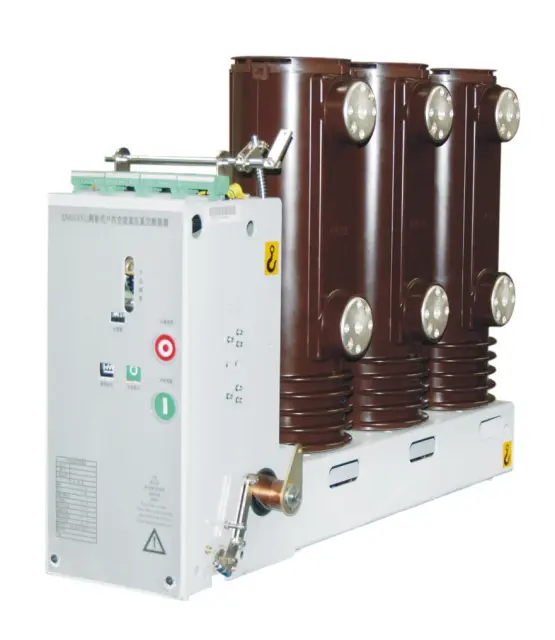
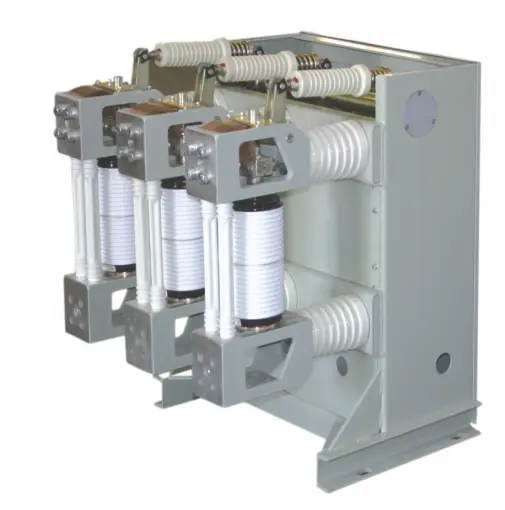
VS1 Vacuum Circuit Breaker Design and Operation
Knowing the basic design makes it easier to make decisions in the future. The next three parts explain what the device is, what it has inside, and how it fixes a problem.
What Is a VS1 Vacuum Circuit Breaker?
VS1 vacuum circuit breakers are used in medium voltage circuits for protection by opening the circuit when a fault occurs. The VS1 designation is used for a family of systems with a common sealed vacuum interrupter, spring-operated mechanism, insulating poles and control circuit. It’s within factory switch gear, power substations, commercial buildings, solar or wind projects and so on. In 12 kV panels, such as the KYN28 series, several VS1 units are employed. That’s why this type is typically chosen by switchgear builders.
The breaker is just one element of the panel. The full switchgear including busbars, protection relays, instrument transformers, earthing switches and the enclosure. This distinction allows you to formulate accurate questions and eliminate portions that don't belong together.
VS1 Vacuum Circuit Breaker Construction and Main Components
A VS1 vacuum circuit breaker is made up of five components : the interrupter, the working mechanism, the insulation system, the main terminals, and the control circuit. Inside the interrupter is a sealed vacuum envelope with a fixed contact and a movable contact. This setup immediately quenches the arc and maintains the electrical isolation of the open gap.
The spring mechanism stores electricity so it can open and shut. Additional connections, trip coils, interlocks and control plugs provide safe operation of the device locally or remotely.
You may choose between a fixed and withdrawable version. The handcart pulls out to allow the personnel to quickly draw the breaker in and out of the chamber. This makes it easy to maintain and replace. To be compatible with hand carts from other manufacturers, switchgear engineers often start by looking at the handcart’s size and terminal arrangement.
How Does a VS1 Vacuum Circuit Breaker Work?
Under typical conditions of operation of the interrupter the current passes via the closed contacts. The pressure on the connections keeps the course steady. When a protection relay detects a short circuit, overload or ground fault it should transmit a trip signal to the opening coil. When the moving contact separates, a small vacuum arc is generated. The arc finishes near a natural current zero. The dielectric strength across the gap builds up fairly fast , therefore the fault is gone in a few cycles .
Then, the motor charges the spring that shuts the door. Anti-pumping logic prevents repeated reclosing upon a fault. Some systems include an alternative automated distribution reclosing procedure. The contacts are enclosed in a sealed chamber and do not emit any oil or SF6 gas when they open.
Ratings, Strengths, and Comparisons
The next thing to check is whether a unit fits your system once you know the design. Ratings, benefits, limits, and other options are talked about in these sections.
VS1 Vacuum Circuit Breaker Ratings and Technical Specifications
Selecting the appropriate rating protects people and things. I believe you should check rated voltage, insulation level, making current, short time tolerate current, making current, short circuit breaking current, operating sequence, mechanical and electrical endurance.
The 12 kV class is often used for VS1 designs and the breaking current required are generally 25 kA or 31.5 kA for KYN28 type panels. Each rating must be matched to the busbar, transformer, cable system and expected fault current.
In the US, projects are often based on IEEE C37.04 rating frameworks, although our VS1 devices are IEC rated. Please be careful to note which standard your project will accept. Never believe the headline in a catalogue, always read the manufacturers data sheet to get the verified values, test circumstances, altitude restrictions, temperature assumptions.
Advantages and Limitations of VS1 Vacuum Circuit Breakers
VS1 vacuum circuit breakers quickly stop faults, have a small body, and don't need much regular maintenance. Because there is no oil in them, they are less likely to catch fire than oil-filled breakers. Also, they don't handle SF6 gas. The IPCC says that SF6 has a global warming potential more than 23,000 times that of CO2. Because of this, many owners try to stay away from it whenever they can.
There are also limits. There are some things that need to be fixed on the mechanism, the control circuit, and the frequent switching duty. The rated endurance should also be checked. There are specific steps you need to take to replace a vacuum interrupter.
A VS1 breaker isn't good for low-voltage systems, sites outside that don't need protection, or fault levels that are higher than what it's certified to handle. Matching the unit to these limits stops problems in the field that cost a lot of money.
VS1 Vacuum Circuit Breaker Compared With Other Circuit Breaker Types
When you compare breaker technologies, you should think about how well they fit as well as price. Most air circuit breakers and molded case circuit breakers only work with low-voltage circuits, so they can't be used instead of a VS1 in a 12 kV panel. Oil breakers need to be handled with oil and can catch fire or leak. SF6 breakers work well to stop flow, but they need to be monitored for gas, handled carefully, and properly disposed of at the end of their useful life.
At medium voltage, a vacuum circuit breaker is a good balance between strong interruption, low maintenance, no oil or gas, and a small body.
Compare the configurations too. Fixed types work with small switchgear that can't be pulled out, while KYN28-type panels work with handcarts that can be pulled out. For indoor use, models need a clean, well-kept room, and for outdoor use, they need a different design. This choice should be based on the conditions of the site.
Applications, Selection, and Maintenance
A good choice starts with what the breaker's real job is. The sections that follow show how use cases are linked to selection steps and maintenance.
VS1 Vacuum Circuit Breaker Applications in Medium-Voltage Systems
VS1 vacuum circuit breakers are utilised in motor circuits, transformer incomers, bus couplers, industrial feeders and packaged switchgear. In a plant, they make sure the production lines are safe and allow for scheduled stop downs while other lines are still operating. They operate with substation protection relays, fuses, reclosers, and upstream breakers to restrict the region of a problem.
More study is needed on solar plants, wind farms and sites where batteries may be stored. Power may travel both ways, there is a lot of remote control, and the inverter harmonics can adjust the settings for protection.
You should look at the breaker but the complete system and any defects that may be there. This approach will synchronise ratings and security settings.
How to Select the Right VS1 Vacuum Circuit Breaker?
First you have to explain the electrical system, installation space, function of feeder and the estimated duty. Lastly note down the system voltage, frequency, normal current, short circuit current, short time withstand current, manufacturing current, insulation level and the sequence of the machine operates. Check construction type (fixed or retractable), arrangement of terminals, panel size, control voltage, additional connections, interlocks and communication demands.
OEMs should check that their KYN28 compartments are compatible with handcarts before ordering significant quantities. This is because racking ceases when there are slight gaps in the measurements. Ask to see confirmation that the vacuum interrupter has been type tested to know what kind of the supplier is fitting – local or foreign.
The purchasing teams need to look at standards, routine testing, delivery choices, replacement parts and warranties. When prices are extremely close, total cost of ownership offers a fuller narrative than unit price alone.
VS1 Vacuum Circuit Breaker Testing, Maintenance, and Troubleshooting
A vacuum circuit breaker does not need as much care as an oil based circuit breaker but it still has to be maintained. Insulation resistance, dielectric withstand, contact resistance, mechanical operation, opening and closing timings, control circuits and interlocks are normally verified in the factory and during commissioning. The NETA maintenance testing requirements might serve as a reference for routine tests.
During frequent examinations, look for dust, moisture, corrosion, loose connections, odd sounds and wear on the mechanism. Don't use your eyes to determine the state of the contact wear and interrupter, use the measures specified by the manufacturer.
If a breaker will not shut examine control voltage, closure spring charge, trip and closing coils, relay signals, interlocks and racks alignment. Keep the protection data to indicate whether the trip was caused by a true issue or a mistake in the settings.
Procurement and Manufacturing Support
A clear question and a skilled partner are needed for a technically sound purchase. These parts explain how to get quotes and what our ZN63-VS1 can do for you.
How to Procure a VS1 Vacuum Circuit Breaker?
With a straightforward request for quotation, vendors may deliver a VS1 vacuum circuit breaker that meets the parameters without additional queries. You need to know the voltage of the state, frequency, current, break capacity, withstand time, type of installation (fixed or retractable), control voltage, model of switchgear, accessories, quantity, destination and documentation required.
First check quotations for technical conformity. Also verify warranty, replacement parts, testing, packaging, freight conditions, assistance with setup and testing. Just make sure you check if the bargain is for a full circuit breaker or just an interrupter device.
If you’re doing a monthly batch order, make sure you have exact requirements and a lead time. Usually a new standard needs a sample stage so make sure the sample is approved before going into mass production. Private-label or non-standard connectors are offered as custom or OEM solutions.
Why Work With a Qualified VS1 Vacuum Circuit Breaker Manufacturer?
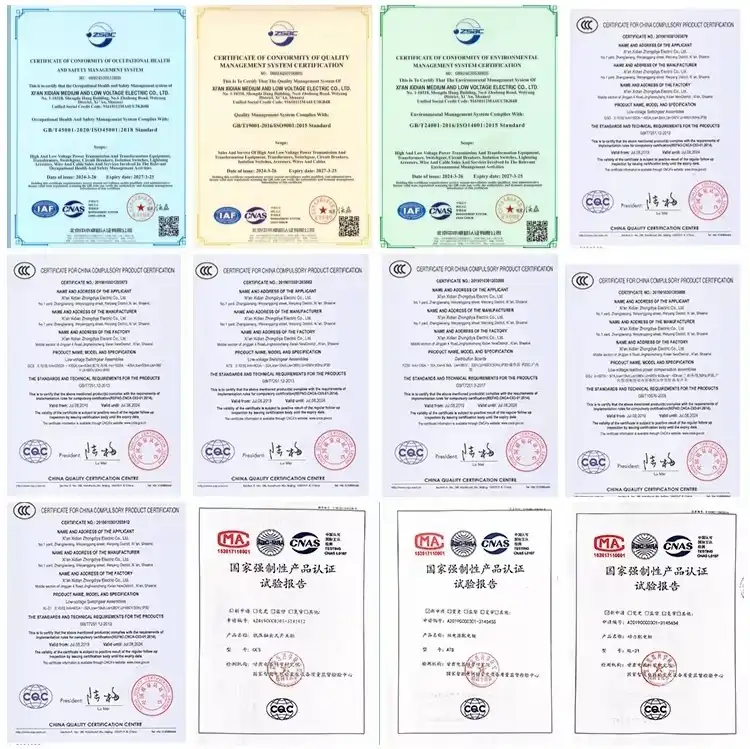
A respectable firm that develops VS1 vacuum circuit breakers has more than a catalogue to offer. Engineering teams get application advice, dimensional drawings, wiring diagrams, test results, installation guides and assistance with the integration of switchgear. The teams who purchase items require consistent manufacturing, precise specs, export packing, predictable lead times, and spare parts support. Quality Assurance should consist of: Traceable parts, Documented inspections, Routine testing, Adherence to IEC or Project standards.
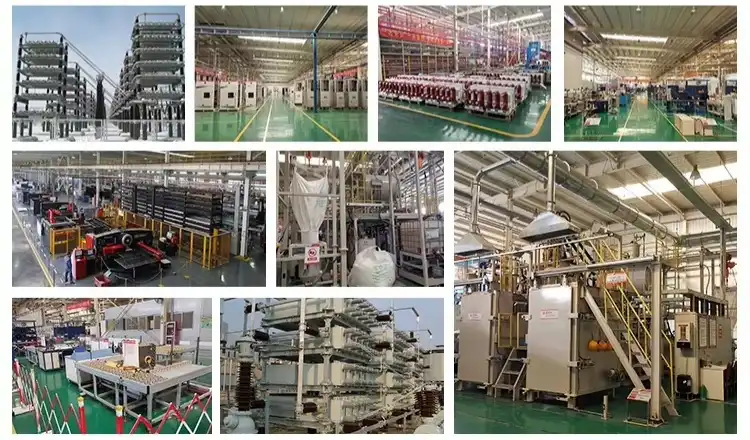
Xi'an Xikai Medium & Low Voltage Electric Co., Ltd. has more than 100 kinds of items in 7 main categories. These include some of the following: dry-type transformers, indoor and outdoor vacuum circuit breakers, instrument transformers, high and low voltage switchgear and prefabricated substations. Our products are used in State Grid systems, steel and metals sector, petrochemical, rail transportation and sustainable energy. “(With OEM customers) we can discuss customised terminals, control interfaces, private labelling, sample approval.
ZN63-VS1 Indoor Vacuum Circuit Breaker From Xi'an Xikai
ZN63-VS1 indoor vacuum circuit breaker is manufactured using the same process as VS1 indoor medium-voltage switchgear. Rated currents of 630, 1250, 1600, 2000, 2500 and 3150 A are available at 50 Hz.
Normal conditions for service include a temperature range of -15°C to +40°C and average daily humidity of up to 95% RH (vapour pressure of up to 2.2 kPa) and average monthly humidity of up to 90% RH (1.8 kPa). The height should not exceed 1000 m and strength of earthquakes should not exceed MSK-8. The air should be free from much dust, smoke, caustic or flammable gases, vapours or salt spray.
For locations over 1000 meters, we also have plateau-type equipment that can operate at altitudes up to 4,000 meters. Tell us about the circumstances on your site and we will ensure that the correct setup is produced.
Conclusion
A VS1 vacuum circuit breaker stops medium-voltage faults in a sealed interrupter. It does this with the help of a control circuit and a spring mechanism. How well it fits depends on how the voltage, continuous current, breaking current, withstand performance, and operating sequence are read together. When compared to oil and SF6 designs, vacuum technology offers quick interruption, small size, and low maintenance. MCCBs and most air breakers, on the other hand, are still low-voltage devices. From factory feeders to substations and sites for renewable energy, all of these need a fault study. The choice should include whether the structure is fixed or removable, how well it works with other panels, evidence of interrupters, and test records. Temperature, humidity, altitude, seismic level, and air quality are just some of the things that the ZN63-VS1 data show that make indoor use dangerous. It's better to buy something based on its total value rather than its lowest unit price.
FAQ
1. What breaking current does a VS1 vacuum circuit breaker offer?
It differs from model to model. People often ask for 25 kA and 31.5 kA for 12 kV KYN28-type panels. See the certified value in the datasheet and compare it to the fault current you worked out.
2. Can the ZN63-VS1 operate above 1000 m?
The normal ZN63-VS1 rules say that the height can't be more than 1000 m. We have equipment for sites up to 4,000 meters above sea level that is designed for plateaus. Tell us about your site.
3. How often does a breaker need maintenance?
Pay attention to the maker's instructions and the conditions at your site. The mechanism, control circuits, interlocks, and cover contacts are all checked.
4. What should I check before replacing a breaker?
Check the compartment design, dimensions, control voltage, wiring, interlocks, and terminals.
5. What information do you need for a quote?
Send the voltage, current, breaking capacity, type of installation, control voltage, model of switchgear, amount, and location.
Request a VS1 Vacuum Circuit Breaker Quote From Xi'an Xikai
Switchgear builders and project buyers can get VS1 and ZN63-VS1 indoor units from Xi'an Xikai. We make vacuum circuit breakers and have over 100 different models in 7 different product categories. We offer test reports and personalized support. Email serina@xaxd-electric.com, amber@xaxd-electric.com, or luna@xaxd-electric.com, and send your panel information along with your voltage, current, and breaking capacity.
References
1. IEC 62271-100: High-voltage switchgear and controlgear – Alternating-current circuit-breakers, 2021
2. IEEE Std C37.04: IEEE Standard for Ratings and Requirements for AC High-Voltage Circuit Breakers with Rated Maximum Voltage Above 1000 V, 2018
3. IEEE Std C37.20.2: IEEE Standard for Metal-Clad Switchgear, 2015
4. IPCC Climate Change 2013: The Physical Science Basis (Fifth Assessment Report), 2013
5. The Vacuum Interrupter: Theory, Design, and Application (Paul G. Slade, CRC Press), 2008
6. ANSI/NETA MTS: Standard for Maintenance Testing Specifications for Electrical Power Equipment and Systems, 2023