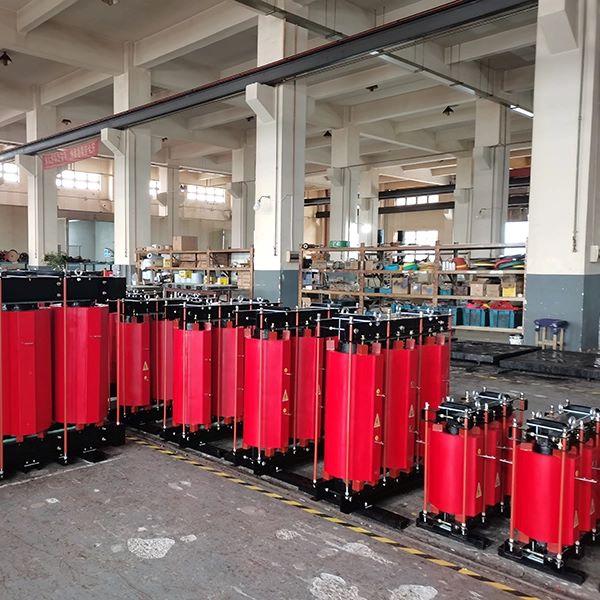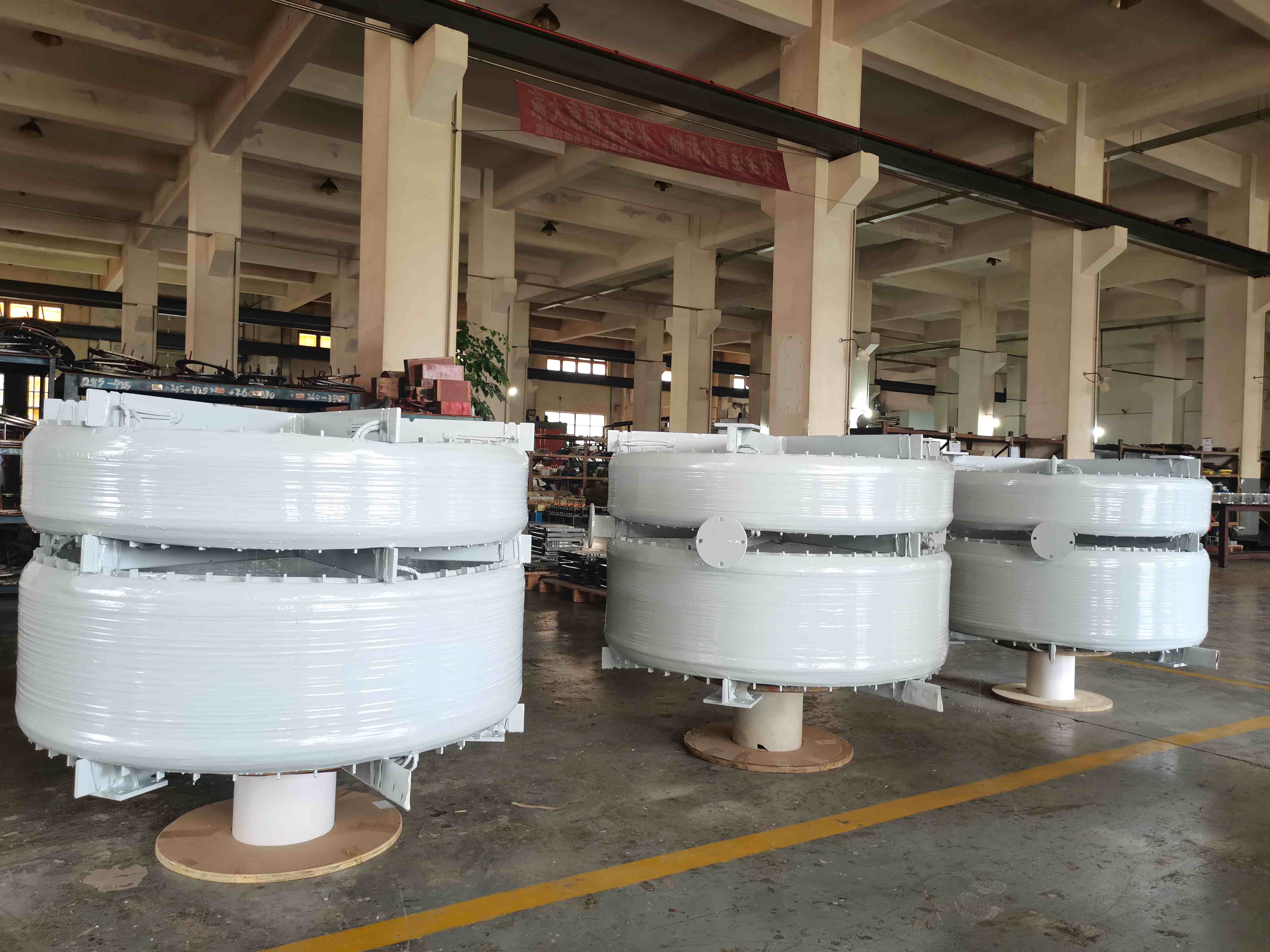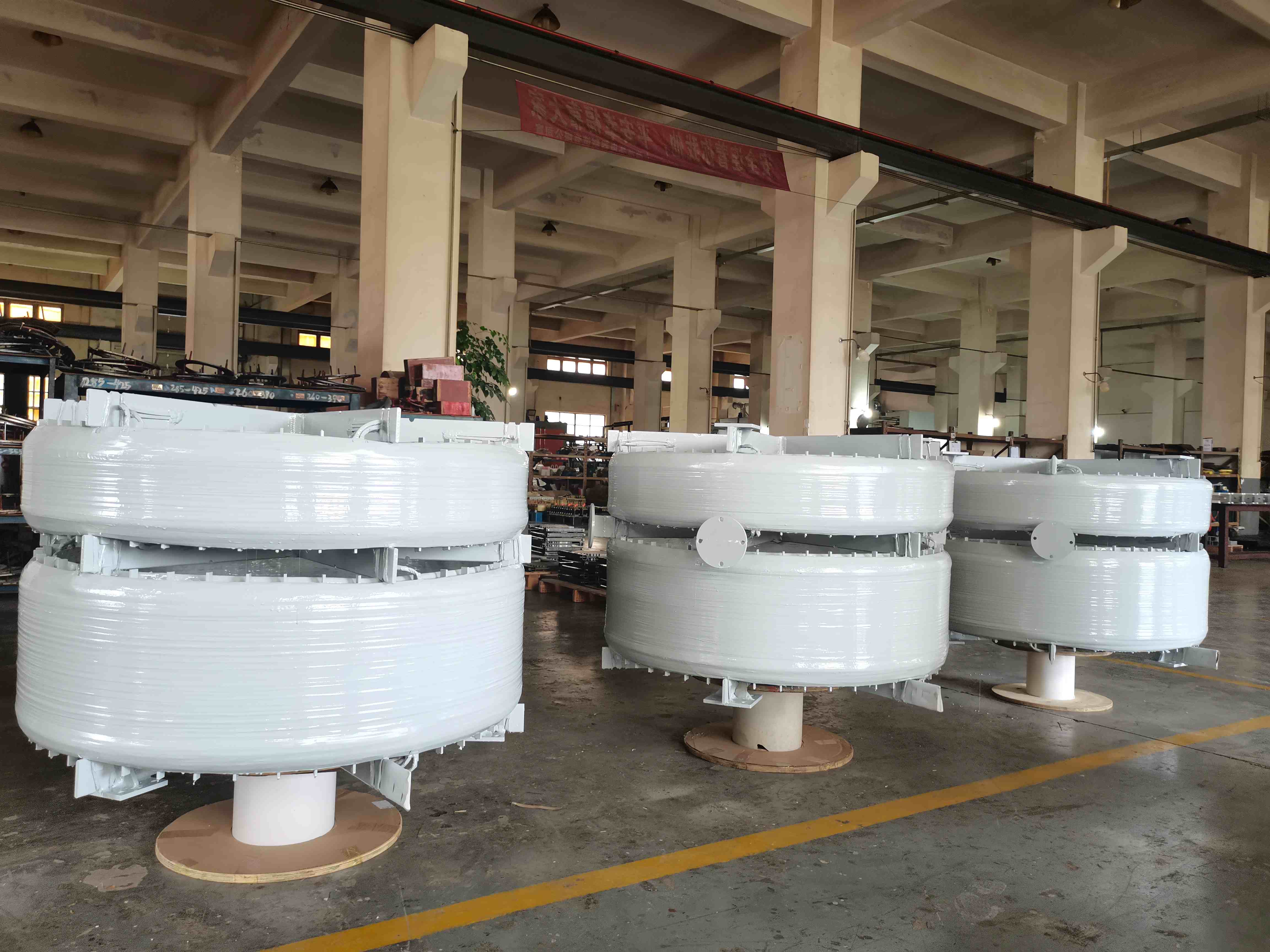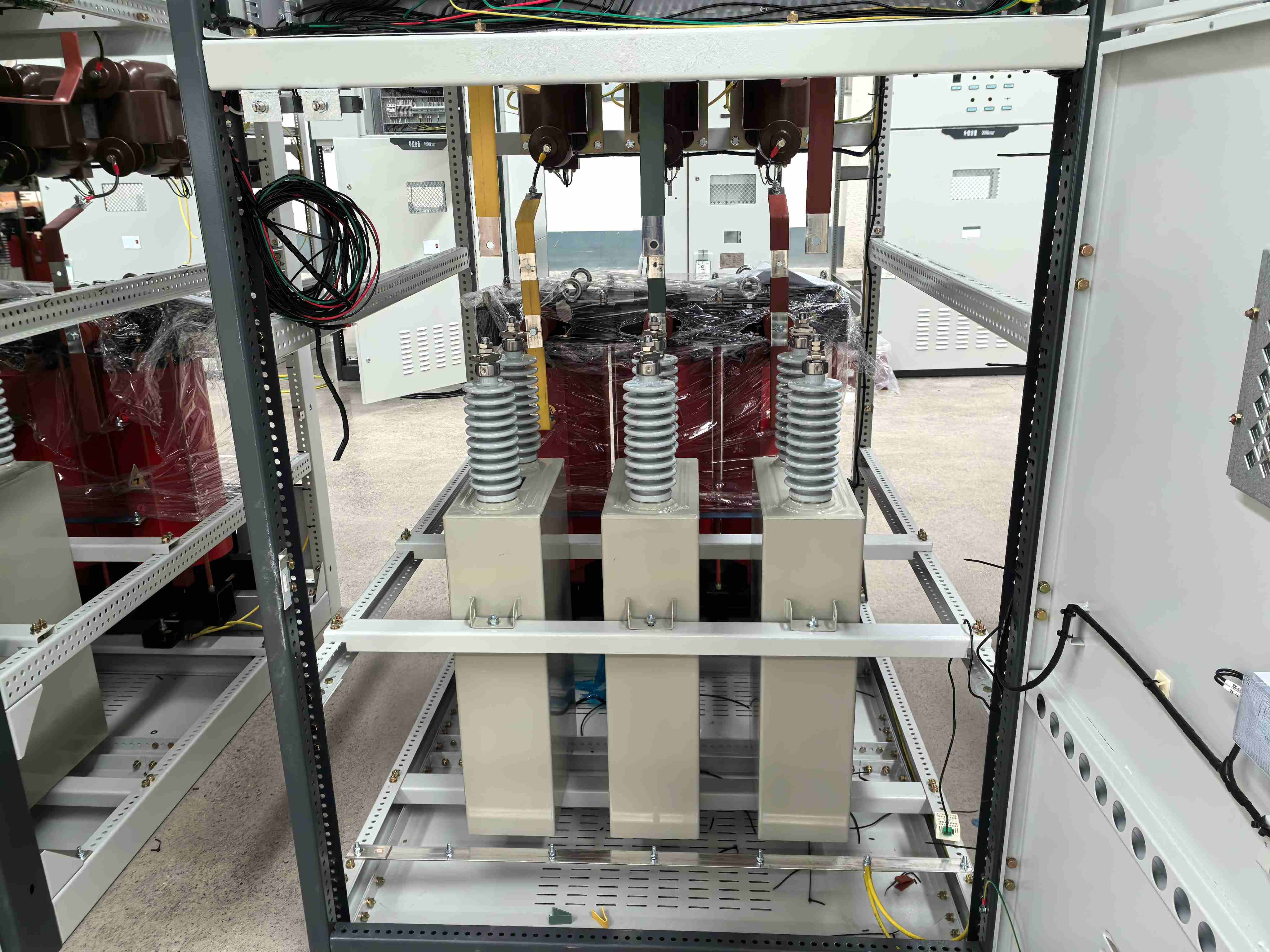
TBB10 High Voltage Reactive Power Automatic Compensation Device
What Are Oil Immersed Transformers and Why Are They Essential in Power Systems?
2026-07-02 15:57:38
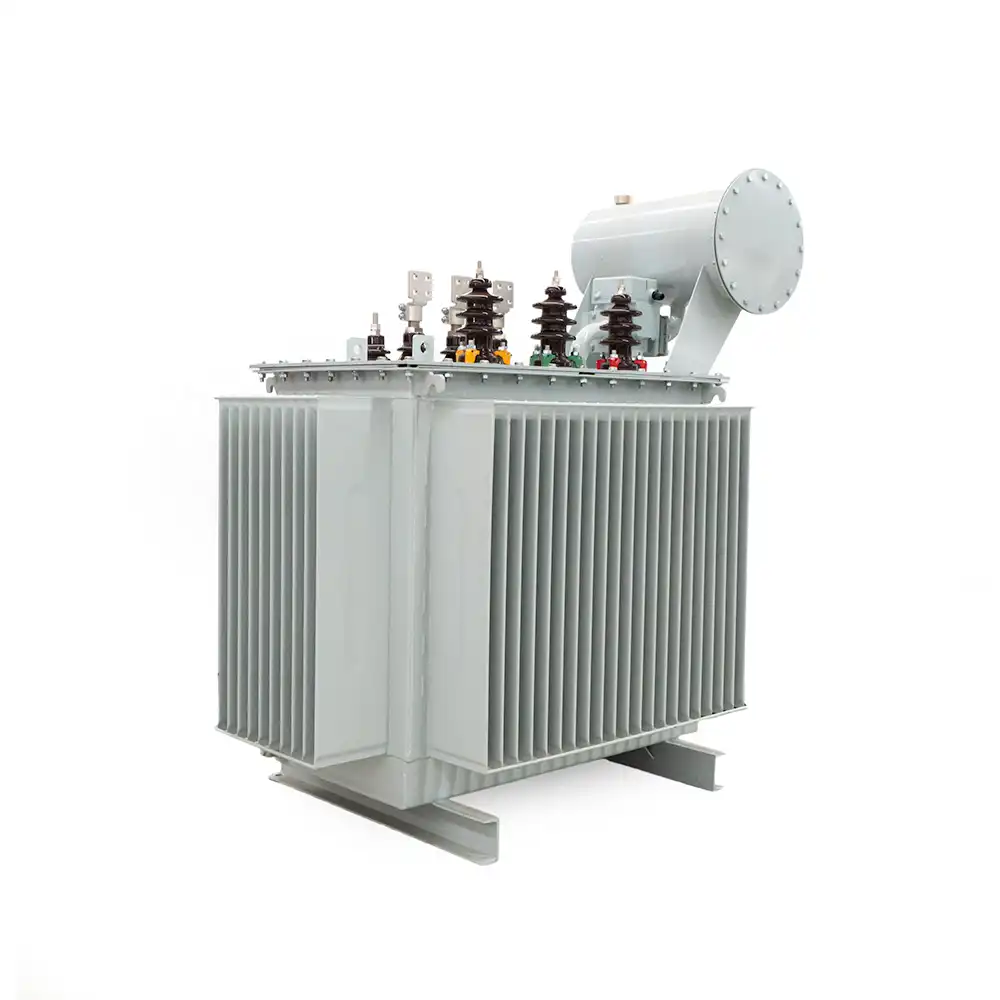
With the help of mineral or manufactured insulating oil for cooling and electrical separation, Oil-immersed Transformers serve as the foundation of electrical networks. Through electromagnetic induction, these devices change the voltage levels up or down. The moving oil gets rid of heat and keeps the electricity from breaking down. Their strong design lets them work reliably even when loads are high. This makes them essential for utility grids, industrial facilities, and integrating green energy, all of which need reliable power delivery to keep operations running and make money.
 |
 |
Understanding Oil-Immersed Transformers: Definition and Working Principles
The Core Structure and Components
An Oil-immersed Transformer is made up of three main parts that work together. The magnetic core is made of grain-oriented silicon steel and gives the magnetic flux a low-reluctance path. Current flows through copper or aluminum coils that are wrapped around this core. High-grade insulation oil covers both parts inside a steel tank that is sealed. This oil does two things: it stops electrical arcing between wires that are working at different potentials and it soaks up the heat that is made when the voltage changes.
How Electromagnetic Induction Enables Voltage Transformation
Alternating current runs through the main winding, which makes the magnetic field in the core change. Depending on the number of turns between the coils, this changing flow causes voltage to build up in the secondary winding. It is possible for our S13-35kV models to change voltage from 35kV input to 10kV or smaller distribution levels with an accuracy of ±0.5%. The process makes heat equal to the amount of electricity lost, and the moving oil constantly gets rid of it through natural convection or forced cooling systems.
Oil Circulation and Thermal Management
During use, the windings heat the oil, which rises naturally to heaters or cooling fans on the outside of the tank. Cooler oil comes down to replace it, creating a constant flow that keeps wound temperatures below the 65°C rise limits even when the motor is fully loaded. Advanced S18 type units have curved tank designs that have 40% more surface area than flat-sided tanks. This makes it easier for heat for heat to escape without the need for extra fans. This passive cooling system lowers the need for upkeep and keeps the temperature stable in rooms ranging from -40°C to +55°C.
Superior Insulation and Arc Suppression Properties
Transformer oil has an insulating strength greater than 30kV, which means that electrical breakdown doesn't happen between high-voltage parts that are only millimeters apart. It quickly puts out any short-lived electrical currents that might happen during switching operations or lightning hits because it can quench arcs. When the tank is shut and silica gel breathers are used to trap humidity in the air, the oil also guards the internal parts from wetness and oxidation. Because of these features, our S9 Oil-immersed Power Transformers can keep their insulation strong for decades in tough industrial settings where dust, salt spray, and temperature changes would damage other insulation systems.
Key Advantages and Types of Oil-Immersed Transformers
Why Industrial Operators Prefer Oil-Filled Units
The benefits of oil-based transformer technology directly address important operational issues that building managers and utility experts have to deal with. Here are the main reasons why so many people are adopting:
1. Exceptional Thermal Capacity: These transformers can handle overloads that would damage dry-type units because oil has a high specific heat and natural flow patterns. When demand is high, our industrial-grade models can handle 150% of their rated load for two hours straight without breaking down. This means that factories and data centers don't have to stop production, which costs a lot of money.
2. Extended Service Life: Oil-immersed Transformers with proper maintenance typically have 30 to 40 years of useful life. The oil's shield against air and moisture keeps the winding insulation from breaking down, which shortens the life of dry-type transformers. Our S13 model has fully sealed corrugated tanks that stop oxidation at the oil-air contact. This makes assets last longer and requires less upkeep.
3. Cost-Effectiveness for High-Power Applications: Oil-immersed designs are more cost-effective for systems over 1000kVA, even though they may cost more at first than dry-type options. A better return on investment means lower costs for materials, easier building, and better efficiency at high power levels. The 98.5%+ efficiency scores our transformers keep across a wide range of load patterns help facilities that run 24 hours a day, seven days a week, like petrochemical plants, steel mills, and mines save a lot of energy.
4. Acoustic Performance: Modern Oil-immersed Transformers are incredibly quiet, despite the fact that they use a liquid cooling medium. Noise levels in our units are less than 65dB because they use multi-step core laminate methods that reduce magnetostriction. Because of this, they can be used in places with noise restrictions, like hospitals and college campuses, where the air fans on dry-type transformers would be too loud.
Common Variants and Their Specialized Applications
Distribution transformers with ratings between 30kVA and 2500kVA serve local systems by lowering the medium voltage to levels that can be used. Utility equipment is held together by power transformers that can handle transmission levels of 10kV, 35kV, and 110kV. When ratios stay close, autotransformers make it cheap to change voltage. In naval and offshore uses, oil contamination can't happen because the units are hermetically sealed. Our engineering team can change the way the windings are set up, how the tap changers are arranged, and how the security is set up to fit the needs of each site. This is true whether you need small substations for cities or ATEX approval for chemical plants with explosive atmospheres.
Oil-Immersed Versus Dry-Type: A Practical Comparison
Dry-type transformers are better for installing indoors near people because they don't use oil, which can cause fires and damage to the environment. However, they take up more space to cool the same amount of space, make more noise from their air systems, and can't handle being overloaded as well. Oil-immersed designs work best in heavy industrial settings, outdoor utility uses, and any other situation where the highest power density and heat capacity make up for the extra care that liquid-filled equipment needs. Instead of just looking at the original capital cost, procurement choices should take into account how efficient the product needs to be, any site limitations, environmental rules, and the total cost over its entire life.
Maintenance, Testing, and Safety of Oil-Immersed Transformers
Routine Monitoring and Preventive Maintenance
Transformer reliability needs frequent inspection programs that detect new issues before they become significant. Oil leaks around gaskets, shaft seals, and radiator contacts should be checked every three months. Silica gel breathers must be color-coded—blue implies they are absorbing moisture, while pink means they are saturated and require replacement. Every oil level indicator should reflect the same number. Leaks must be investigated immediately if the level lowers.The most important medical information comes from annual lab analysis of oil samples. Moisture (less than 20ppm), acidity (0.03mgKOH/g), dielectric strength (30kV), and dissolved gas concentrations are tested. Insulation degradation, thermal stress, and early symptoms of issues occur before catastrophic breakdowns. Our technical support staff helps customers comprehend test findings and arrange corrections to maximize asset availability.
Advanced Diagnostic Techniques
Dissolved Gas Analysis (DGA) finds fault gases like hydrogen, methane, ethane, ethylene, and acetylene that show that sealed tanks are burning, arcing, or partially discharging. Patterns of gas concentration and production rates help engineers figure out what kind of fault it is and how urgent it is. Thermal imaging scans find hot spots that are caused by broken or loose connections, moving pumps, or cooling paths that are blocked. Testing the dielectric strength makes sure that the oil can insulate, and testing the winding resistance finds turn-to-turn shorts and problems with the quality of the connections. Using these monitoring tools as part of planned maintenance cuts down on unplanned downtime by 60% compared to fixing things when they break down.
Safety Protocols and Environmental Compliance
Transformers must be installed with fire suppression and containment since mineral oil is combustible. Pressure release valves, Buchholz switches that detect gas buildup, and temperature monitors that shut power before a disaster are part of our designs. Grounding and lightning arresters prevent short-lived overvoltages. Repair technicians use lockout-tagout and safety gear while dealing with hot oil or electrical equipment.Environmental rules govern transformer oil handling, storage, and disposal. We recommend environmentally friendly high-flash-point lubricants and additional filtering devices to prevent ground contamination. End-of-life transformers undergo oil recovery to recover basic stocks and properly dispose of damaged parts. These methods can help your firm obey EPA standards and demonstrate environmental concern, which customers are increasingly demanding.
Procurement Considerations: How to Choose the Right Oil-Immersed Transformer
Matching Technical Specifications to Application Requirements
First, accurately define electrical specifications and operating circumstances to determine the proper transformer. Current demand, predicted increase, and high use tendencies must be considered when calculating load. The 10kV, 35kV, and 110kV input voltages match existing infrastructure, and the change ratios give secondary voltages. Impedance numbers affect short-circuit current and safety device compatibility. Models with ±0.5% voltage regulation can manage shifting solar and wind output while maintaining grid sync in green energy systems.Environmental considerations strongly influence design choices. Anti-rust tank coatings and salt-proof buildings are needed in coastal locations. At altitudes over 4,000 meters, where air flow is reduced and cooling is less efficient, mining equipment must perform at full capacity. Earthquake-prone areas require better mounting and hinge solutions for Zone 4 earthquakes. Our IP55-rated enclosures protect outdoor installations from dust and water.
Analyzing Total Cost of Ownership
The purchase price is only one part of the economics of a transformer's lifetime. Improving energy efficiency has a direct effect on working costs. For example, if you make a 1000kVA unit 1% more efficient, it will save you about $15,000 a year in power costs. Our improved core designs cut no-load losses by 30% compared to regular building, which is in line with EU EcoDesign rules and saves real money. Low-loss models with less than 3% losses at partial loads give solar farms and wind sites with changing generation rates the best return on investment.
Selecting Reliable Manufacturing Partners
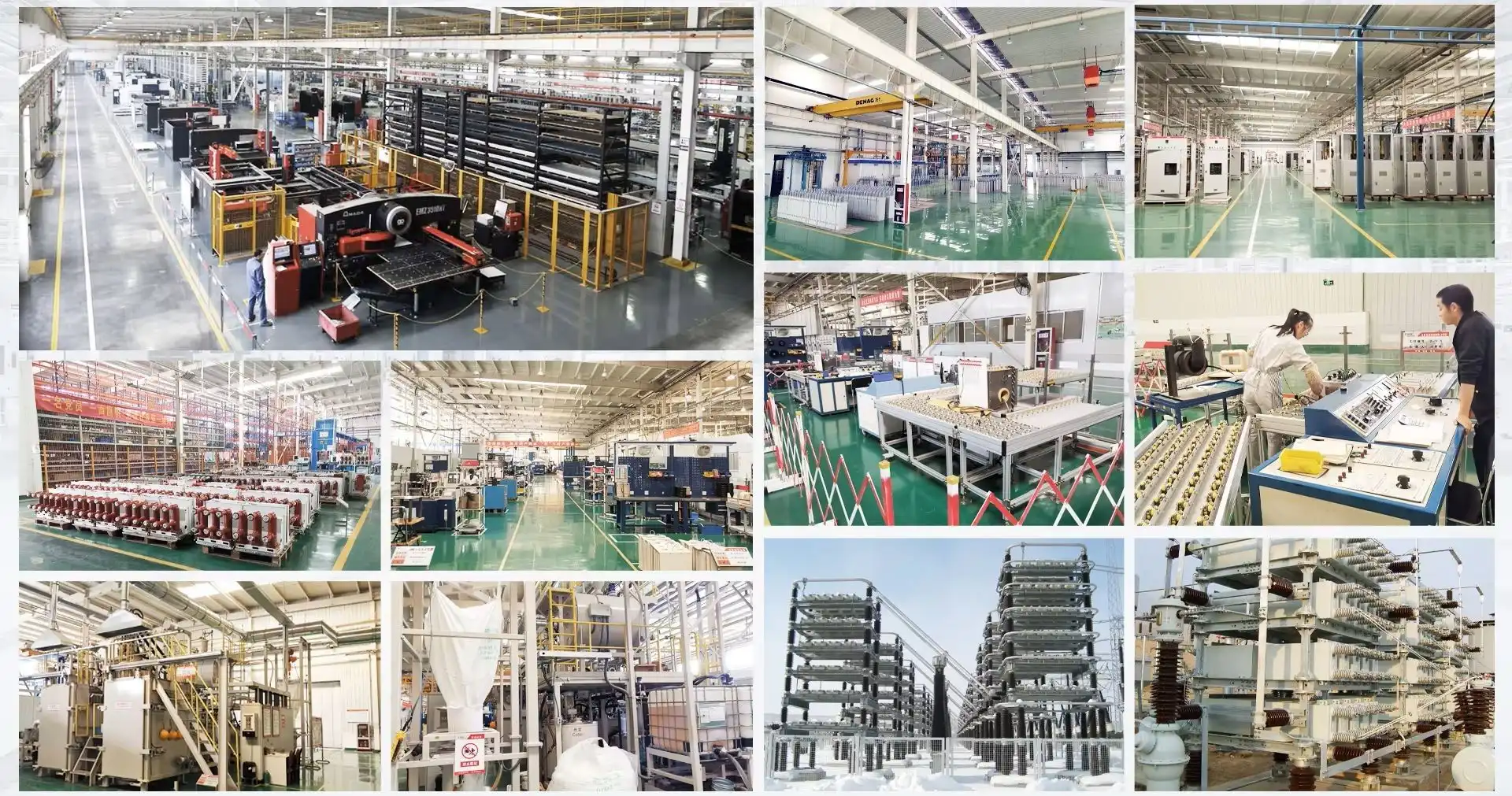
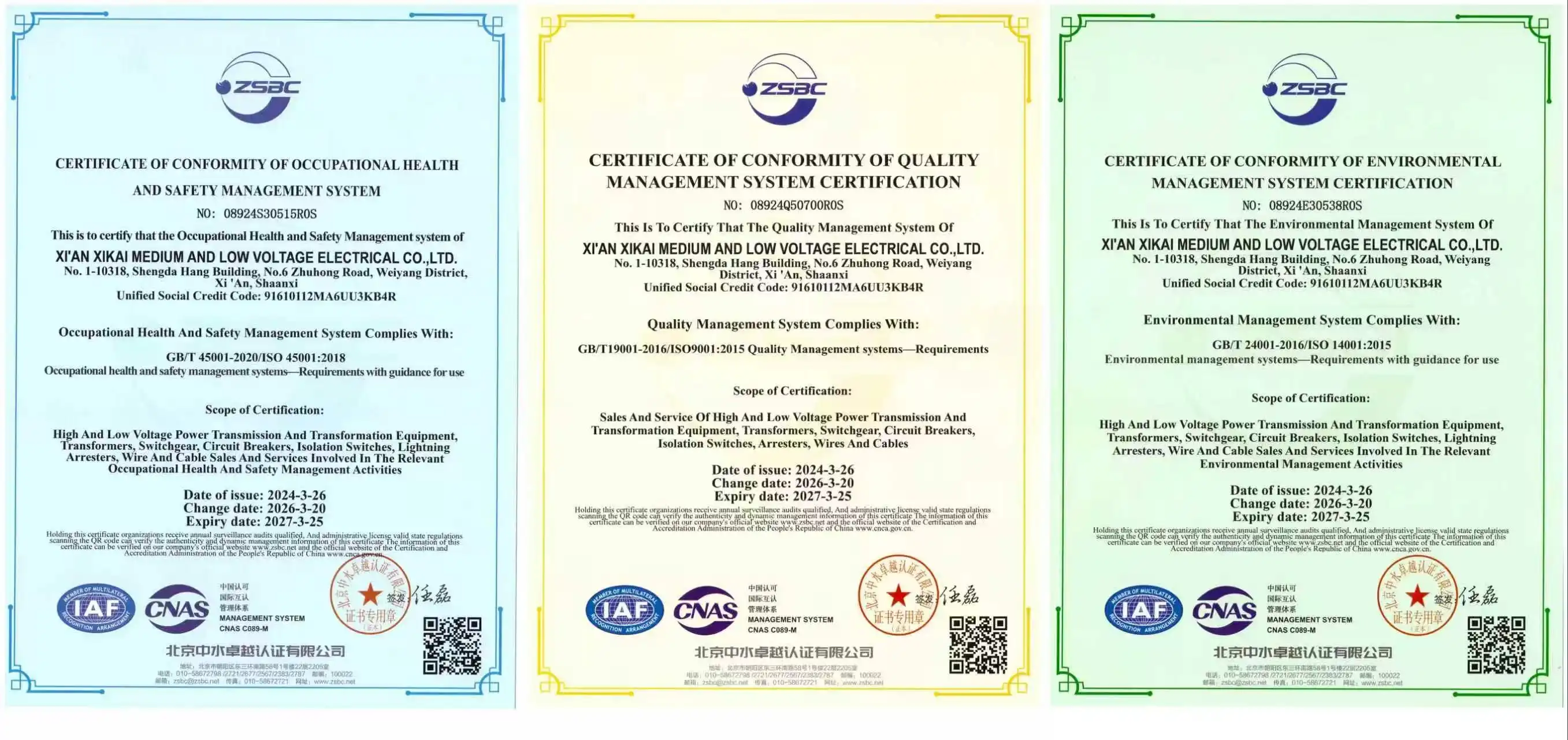
Working with reputable Oil-immersed Transformer suppliers ensures high-quality goods that fulfill requirements and support. Good manufacturers have IEC 60076, ISO 9001, CE, UL, and GOST-R certifications that prove they follow international quality standards. Before shipment, they execute 24-hour pressure tests on welded tanks, impulse voltage tests, and core loss measurements to ensure performance. Customization lets you tailor solutions to each assignment without influencing release schedules.For over 25 years, Xi'an Xikai Medium & Low Voltage Electric Co., Ltd. has designed and manufactured transformers for power companies and enterprises worldwide. We provide approximately 100 items in 7 divisions for distribution networks and particular industrial operations. Patented core building, cooling optimization, and monitoring integration improvements boost performance. Our engineers collaborate with EPC companies and system integrators to provide project-specific integrated solutions. Our facilities test them for national and international standards.
Future Trends and Innovations in Oil-Immersed Transformers
Sustainable Insulating Fluids and Environmental Stewardship
Bio-based and synthetic ester fluids are still being developed by the industry. They are better for the climate than standard mineral oils. If these organic options are released into the environment, they break down naturally, having less of an effect on the environment while still having great dielectric and thermal qualities. Natural ester fluids made from vegetable oils have higher fire points, which lowers the cost of insurance for buildings, and better moisture tolerance, which makes insulation last longer. Even though the material costs more than mineral oil right now, the total lifetime benefits are making it more and more worth it for sites that are sensitive to the environment and places with strict spill laws.
Smart Monitoring and Predictive Analytics
When IoT sensors and cloud-based analytics tools are combined, transformer care changes from regular checks to strategies that depend on the state of the transformer. By keeping an eye on the temperature, wetness, dissolved gases, and load currents of the oil in real time, computers can find patterns that aren't normal, which can mean that a fault is starting to form. Automated alerts let support teams know about problems that need to be fixed, and trending research estimates how long the service will last. This intelligence cuts down on unplanned downtime, which is the main worry for industries like data centers, hospitals, and continuous process, where power outages cause instant financial losses and safety risks.
Regulatory Evolution Driving Efficiency Standards
Government policies around the world are making it more and more necessary for electricity infrastructure to meet economy and environmental performance standards. The EU EcoDesign Directive sets minimum levels of efficiency and maximum levels of loss for new transformer systems. As similar rules appear in both North America and Asia, they push makers to use flexible core materials, better cooling systems, and more advanced designs that are 99% or more efficient. To avoid premature obsolescence and long-term legal compliance, procurement requirements must take these changing standards into account.
Conclusion
For stable power supply across manufacturing sites, electricity grids, and green energy systems, Oil-immersed Transformers continue to be an important infrastructure. Their better thermal management, strong construction, and long life span meet the practical goals that facility engineers and procurement managers face every day: improving uptime, making sure power quality, and keeping lifecycle costs low. When you know how something works, how to maintain it, and how to choose it, you can make smart choices that help your organization reach its performance goals when investing in its electricity infrastructure. As smart tracking and environmentally friendly materials come out, these electrical industry workhorses keep changing to meet new challenges while keeping the dependability that makes them so important.
FAQ
1.How often should transformer oil testing occur?
The least amount of time that should be spent on regular tracking is once a year for oil samples. Testing should be done every six months or three months for critical setups that support processes where downtime costs a lot of money. After being installed and turned on, new transformers need to be tested for the first time. Any operating oddity—unexpected temperature rise, strange noise, or action of a protection device—requires an oil study right away, no matter how often it's supposed to be done.
2.Can oil-immersed transformers operate reliably in outdoor environments?
These units are designed to be installed outside, which makes them better than dry-type units that can only be used inside. Weatherproof bushings, sealed tank construction, and protective coats make it possible for the machine to work reliably in difficult conditions and a wide range of temperatures. Our designs are rated IP55, which means they can withstand dust, rain, and humidity. In coastal areas, corrosion-resistant finishes protect against salt spray. If you build the base correctly, make sure there are enough gaps, and protect against lightning, it will last for decades in exposed areas.
3.What indicates oil deterioration requiring replacement?
Visual inspection that shows dark coloring, sludge buildup, or a cloudy look are all signs of degradation. If lab tests show that the oil has more than 35ppm of wetness, more than 0.05mgKOH/g of acidity, or less than 25kV of electrical strength, it needs to be recycled or replaced. Dissolved gas research that finds high levels of flammable gases shows interior problems that pollute oil. Taking care of these danger signs right away stops insulation from wearing out faster and possibly failing.
Partner with Xi'an Xikai for Proven Transformer Solutions
Xi'an Xikai offers industrial-grade Oil-immersed Transformer options made for tough jobs where dependability has a direct effect on your bottom line. Our S9, S13, and S18 series models are a mix of tried-and-true designs and constant new ideas. For example, our fully sealed construction means that these models will last longer than 30 years and their improved core materials make them 98.5% efficient or more. We make equipment that is certified by IEC 60076, ISO 9001, CE, and UL. We also offer customization to meet specific power needs, weather conditions, and integration needs.
Our engineering team works together throughout the whole procurement process, whether you run factories that need power all the time, oversee utility infrastructure that serves tens of thousands of users, or build electrical systems for complicated industrial projects. We offer technical advice, configurations that are tailored to your application, detailed testing documents, and ongoing help to make sure that your assets work at their best throughout their entire lifecycle. As a well-known company that makes Oil-immersed Transformers for markets around the world, we offer low prices, quality guarantee, and quick service.
Contact our specialists at serina@xaxd-electric.com, amber@xaxd-electric.com, or luna@xaxd-electric.com to discuss your power distribution requirements. We deliver tailored solutions backed by 25+ years of expertise, comprehensive warranties, and the technical resources that procurement professionals and facility managers depend on.
References
1. IEEE Standard C57.12.00-2015, "IEEE Standard for General Requirements for Liquid-Immersed Distribution, Power, and Regulating Transformers," Institute of Electrical and Electronics Engineers, 2015.
2. International Electrotechnical Commission, "IEC 60076-1: Power Transformers - Part 1: General," IEC Standards Publication, Geneva, Switzerland, 2011.
3. Kelly, J.J., "Transformer Maintenance and Testing," Electrical Transmission and Distribution Reference Book, Electric Power Research Institute, 2013, pp. 445-478.
4. McNutt, W.J. and Kaufmann, R.H., "Failure Characteristics and Life Expectancy of Transformer Insulation Systems," IEEE Transactions on Power Apparatus and Systems, Vol. 92, No. 6, 1973, pp. 1925-1935.
5. Saha, T.K. and Purkait, P., "Understanding the Impacts of Moisture and Thermal Aging on Transformer's Insulation by Dielectric Response and Molecular Weight Measurements," IEEE Transactions on Dielectrics and Electrical Insulation, Vol. 15, No. 2, 2008, pp. 568-582.
6. U.S. Department of Energy, "Energy Conservation Standards for Distribution Transformers: Final Rule," Federal Register, Vol. 78, No. 62, Office of Energy Efficiency and Renewable Energy, 2013.