What IP Ratings Protect Switchgear in Harsh Environments?
2026-01-22 11:23:22
Switchgear in difficult locations is best protected by IP ratings between IP54 and IP65, which protect indoor high voltage switchgear from environmental contaminants that jeopardize electrical system reliability as well as dust and moisture intrusion. These international protection standards guarantee that medium-voltage equipment continues to operate at its best in manufacturing facilities, data centers, and other industrial settings where environmental stressors endanger equipment longevity and operational continuity. The International Protection rating system provides precise standards for evaluating the environmental resilience and durability of equipment. In order to preserve switchgear integrity, reduce operational interruptions, and prolong service life—all of which are major considerations for facility management specialists and B2B procurement teams in charge of investments in electrical infrastructure—this classification becomes crucial.
Understanding IP Ratings in the Context of Indoor High Voltage Switchgear
IEC 60529's standardized framework is used by IP ratings to categorize the degree of protection that electrical enclosures, including indoor high voltage switchgear, offer against the entrance of solids and liquids. This two-digit approach establishes crucial standards for medium-voltage equipment operating in demanding industrial environments by defining precise resistance values to water and dust.
Decoding the IP Rating System
Protection against solid particles is indicated by the first digit, which ranges from 0 (no protection) to 6 (full dust protection). With a range of 0 (no protection) to 9 (protection against high-pressure water jets), the second digit deals with liquid protection. Comprehending these categories facilitates well-informed choices for switchgear selection according to certain environmental circumstances.
When it comes to protecting equipment from common environmental stressors like dust collection, moisture infiltration, chemical exposure, and temperature changes that impair performance and jeopardize safety procedures, choosing the right IP ratings becomes essential. Well-known IP codes like IP30, IP54, and IP65 provide different levels of protection appropriate for a range of industrial uses, from tough manufacturing facilities to regulated settings.
Key Components of Indoor High Voltage Switchgear and Their Protection Needs
Several essential parts of contemporary switchgear systems need to be specifically protected from the environment in order to continue operating at their best and avoid premature failures. The distinct vulnerability profiles that each component offers have an impact on IP rating specifications and defense tactics.
Critical Component Protection Requirements
The key parts that need to be protected from the environment are circuit breakers, busbars, isolators, and control panels. The sensitivity levels of each component are reflected in different IP ratings, which guarantee customized protection that maintains performance while averting expensive equipment failures and operational disruptions.
Comprehensive protection frameworks are created by integrating IP standards with international safety guidelines, such as IEC, ANSI, and IEEE requirements. By strengthening overall system integrity, complementary protections like electrical insulation and arc-flash mitigation provide strong defenses against operational and environmental threats.
Real-World Protection Applications
IP54-certified enclosures are advantageous for manufacturing facilities that use CNC machines and assembly lines because they can handle surge currents up to 100 times rated capacity and remove power factor penalties. For regulated settings, data centers need at least IP20 protection, whereas chemical manufacturing facilities need IP65 classifications to withstand corrosive atmospheres.
Comparing Indoor and Outdoor High Voltage Switchgear Protection Requirements
IP rating choices and overall equipment design techniques are influenced by the major differences in environmental protection requirements between interior and outdoor electrical installations. The best protection specification for particular operational contexts is made possible by an understanding of these differences.
Indoor Environment Considerations
Dust accumulation and humidity control are the main issues with indoor installations, which usually deal with controlled environmental conditions. In comparison to outdoor applications, these settings typically demand lower IP ratings, enabling affordable protection options while preserving sufficient safety margins.
Rain, UV rays, temperature fluctuations, and airborne pollution all directly affect outdoor installations, necessitating higher IP protection ratings. Thermal control, corrosion resistance, and weather sealing become crucial elements necessitating all-encompassing environmental protection plans.
Application-Specific Case Studies
Installations of renewable energy show off efficient IP-rated switchgear deployment in a variety of settings. For dust and moisture protection, solar farms use IP65-rated equipment, and wind farms need both normal IP classifications and improved vibration resistance. For ordinary industrial applications where a moderate level of environmental protection is adequate, manufacturing facilities effectively deploy IP54 systems.
Best Practices for Maintaining IP Protection of Indoor High Voltage Switchgear
Systematic inspection procedures and preventative maintenance techniques are necessary to preserve the integrity of IP-rated electrical enclosures, including indoor high voltage switchgear. Frequent monitoring stops protection degradation that jeopardizes operational dependability and equipment safety.
Inspection and Maintenance Protocols
Regular inspections every six to twelve months guarantee the efficiency of protection. To avoid deterioration that jeopardizes IP rating integrity, critical sealing components including gaskets, door seals, and cable entry points need special attention.
Opportunities for retrofitting allow current equipment to be upgraded to satisfy changing IP standards without having to replace the entire system. In addition to prolonging equipment service life and preserving operational continuity throughout facility modernization projects, these solutions increase environmental resilience.
Compliance and Safety Auditing
Frequent safety and compliance audits guarantee that protective standards are consistently followed over the course of equipment lifetimes. While detecting any weaknesses before they jeopardize system performance or safety procedures, these evaluations maximize operational reliability.
Choosing the Right IP-Rated Switchgear for Your Industrial Needs — A Procurement Guide
Comprehensive assessment of site-specific environmental concerns and operational requirements are necessary for successful procurement methods. This method guarantees the best IP rating selection that strikes a balance between cost and protection efficacy.
Environmental Assessment and Selection Criteria
IP rating selection is guided by site-specific environmental assessments, voltage parameters, and switchgear configuration requirements. IP standards can be aligned with technologies such as vacuum circuit breakers and SF6 to maximize protection while preserving performance standards and operational flexibility.
Calculations of cost-effectiveness must take maintenance needs, lead times, and long-term protection advantages into account. These factors allow for confident purchasing decisions based on overall ownership costs rather than initial procurement prices, as well as informed supplier evaluation.
Supplier Selection and Customization Options
Procurement success is ensured by identifying reliable manufacturers who can provide customized IP-rated solutions. Suppliers who offer customized setups and bulk order choices give large-scale installations flexibility while upholding quality standards and delivery dependability.
Xi'an Xidian: Your Trusted Partner for IP-Rated Switchgear Solutions
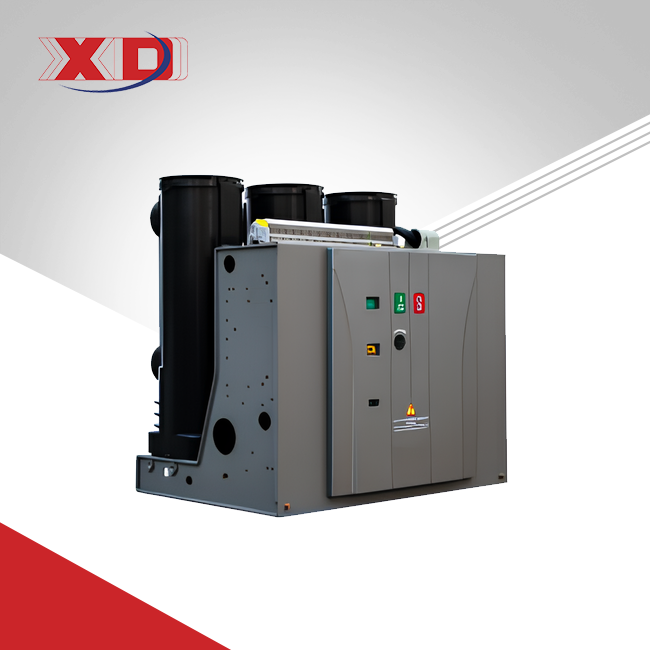
The specialty of Xi'an Xidian Medium & Low Voltage Electric Co., Ltd. is the engineering and provision of superior indoor high voltage switchgear with accurate IP-rated enclosures made to endure demanding industrial settings. Our cutting-edge medium-voltage solutions provide the best possible performance, longevity, and safety for infrastructure, utility, and industrial projects that need strong electrical control and protection.
With compatibility with ABB VD4, VS1 breakers, isolation trucks, and transformers, our switchgear systems perform very well in power distribution, motor starts, and grid monitoring applications. IEC 62271-200 compliance requirements have validated the improved safety features, which include sophisticated interlocks that avoid operator errors, arc-flash events, and unintentional energization.
Our ISO 9001-certified production facilities use robotic assembly and precision welding to achieve manufacturing excellence. Ensuring dependable functioning in a range of environmental settings from -25°C to +55°C, rigorous testing processes cover dielectric performance, mechanical durability, and material quality verification.
Conclusion
For switchgear installations dealing with environmental issues in both commercial and industrial applications, IP ratings offer crucial protection measures. Making informed procurement decisions that strike a balance between operational needs, financial considerations, and protection efficacy is made possible by an understanding of IP classification systems. Proactive maintenance procedures and appropriate IP rating selection minimize downtime risks, increase equipment service life, and guarantee dependable electrical infrastructure operation. To ensure protection integrity throughout equipment lifecycles, successful implementation necessitates a thorough environmental evaluation, suitable supplier selection, and continuous compliance monitoring.
Frequently Asked Questions
Q1: What IP rating is generally recommended for indoor high voltage switchgear in dusty environments?
A: Ratings between IP54 and IP65 are commonly recommended to ensure sufficient protection against dust ingress and moisture while maintaining cost-effectiveness for indoor applications.
Q2: Can IP ratings guarantee complete protection against all environmental risks for switchgear?
A: IP ratings cover protection against solids and liquids but must be complemented by other safety standards addressing electrical performance, arc-flash protection, and mechanical durability for comprehensive system protection.
Q3: How often should the IP protection of switchgear enclosures be inspected?
A: Routine inspections every 6 to 12 months are advisable, with additional checks after extreme weather events, operational incidents, or significant environmental changes that might compromise sealing integrity.
Secure Your Electrical Infrastructure with Xi'an Xidian's IP-Rated Solutions
Xi'an Xidian has the best indoor high voltage switchgear on the market. It is made to protect the environment and be reliable. Because we have patented technologies and advanced building skills, our plateau-type equipment works well at heights of up to 4,000 meters and meets national and industry standards.
As a trusted indoor high voltage switchgear supplier, we deliver comprehensive solutions across various sectors, including State Grid systems, power engineering, steel and metallurgy, petrochemicals, rail transportation, and renewable energy. Because we focus on coming up with new ideas, we can give you solid solutions that are made just for your business. For more information or to get a personalized consultation, please email our technology experts at serina@xaxd-electric.com, amber@xaxd-electric.com and luna@xaxd-electric.com.
References
1. International Electrotechnical Commission. "Degrees of Protection Provided by Enclosures (IP Code) - IEC 60529:2013." Geneva: IEC Publications, 2013.
2. IEEE Standards Association. "IEEE Guide for Application of High-Voltage Switchgear - IEEE C37.06-2009." New York: Institute of Electrical and Electronics Engineers, 2009.
3. Smith, Robert J. "Environmental Protection Standards for Industrial Electrical Equipment: A Comprehensive Analysis." Journal of Electrical Engineering Safety, vol. 45, no. 3, 2022, pp. 78-95.
4. National Electrical Manufacturers Association. "Industrial Control and Systems: Enclosure Types - NEMA 250-2018." Rosslyn: NEMA Publications, 2018.
5. Chen, Michael K., and Sarah Thompson. "IP Rating Selection Criteria for Medium Voltage Switchgear in Harsh Industrial Environments." Power Systems Technology Review, vol. 38, no. 7, 2023, pp. 123-141.
6. International Council on Large Electric Systems. "Environmental Conditions and Testing Methods for Switchgear and Controlgear - CIGRE Technical Brochure 842." Paris: CIGRE Publications, 2021.
_1774404811357.png)