What Is a Lightning Arrester? The Ultimate Guide
2026-07-03 15:56:16
A Lightning Arrester is a safety device that protects electrical systems from voltage spikes that can be caused by lightning hits and switching transients. These devices keep expensive equipment from breaking down, cut down on downtime, and keep sensitive gear safe in industrial, business, and utility settings by safely sending too much current to the ground. Facility managers, utility workers, and building professionals need to know how Lightning Arresters work and how to choose the right type to make sure that operations stay uninterrupted and safety standards are met.
 |
 |
Understanding Lightning Arresters: Definition and Working Principles
What Lightning Arresters Do
By stopping high-voltage spikes before they reach transformers, switchgear, and control systems, Lightning Arresters safeguard the electrical grid. When lightning hits or switching events cause voltage spikes, the arrester turns on and creates a way to ground with low resistance. This stops the surge at a safe level, which is usually recorded as residual voltage, so the equipment that is attached doesn't get damaged. Without this security, surges can damage insulation, melt wires, and cause factories, data centers, and hospitals to lose power, which can be very expensive.
Core Working Principle
Modern Lightning Arresters use metal oxide varistors (MOVs), particularly zinc oxide elements, which have non-linear impedance properties. With a high resistance, the arrester stays idle when the voltage is normal. When the voltage goes above a certain level, the varistor's resistance drops a lot, which lets the surge current go to ground. Once the brief ends, the device goes back to its high-impedance state on its own, so it can work normally again without any help from a person. Because they can fix themselves, arresters are different from older technologies like spark gaps, which often needed to be replaced after being used.
Common Arrester Types and Applications
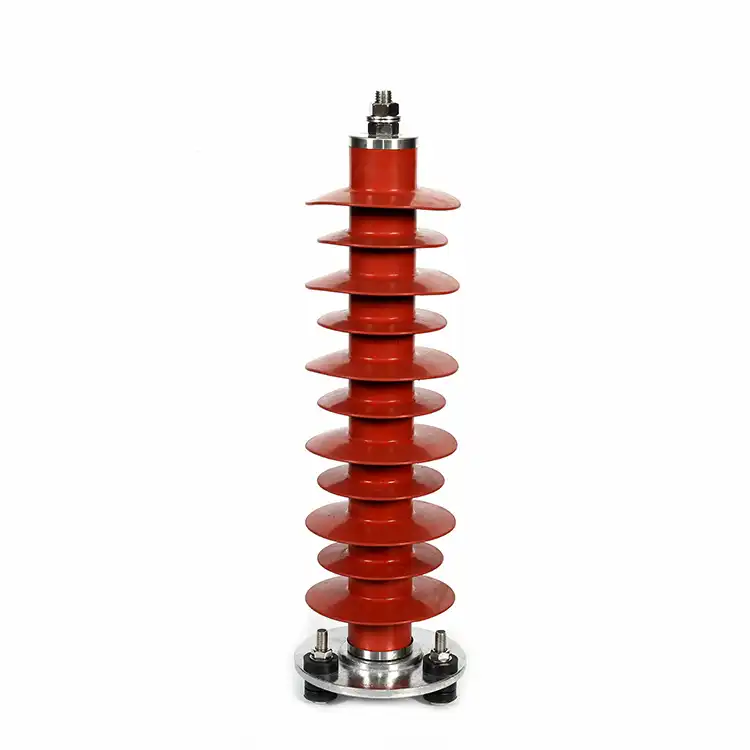
There are different types of arresters for different voltage levels and weather factors. The YH10W-102/266W Polymeric MOA is an example of a station-class arrester. It is designed for substations and transmission networks that work at 102kV with a DC reference voltage of ≥148kV. Compared to ceramic models, their polymer housings are better at blocking smog and lighter. Medium-voltage lines (15kV–36kV), which are usually placed on utility poles and pad-mounted transformers, are protected by distribution-class arresters. Units in the intermediate class can handle voltages up to 72kV and are used in both station and distribution uses.Valve-type arresters have series spark gaps and varistor parts that work really well in big industrial settings to absorb energy. Gapless MOV arresters are most common in modern setups because they work without any upkeep and respond faster (under 100 nanoseconds). Rod-type arresters are out of date, but they are still used in older systems that need to be updated every so often.
Standards Compliance and Voltage Ratings
When making purchases, it's important to follow the IEC 60099-4 and IEEE C62.11 standards. These set performance factors like discharge voltage, pressure release capability, and pollution class ratings. In the YH10W-102/266W type, the surface leaking resistance is set by the creepage distance, which is 31mm/kV. The voltage values should match the maximum continuous operating voltage (MCOV) of the device, which is usually between 80 and 85% of the rated voltage. Picking arresters with too little MCOV increases the chance of them failing early, while choosing ones that are too big raises the cost of capital without improving performance.When engineers know these factors, they can choose arresters that provide the right amount of safety while also working well with the rest of the system. Products that have been approved by third-party labs like KEMA and UL show that they follow the rules, which lowers liability in industries that are controlled.
Comprehensive Guide to Lightning Arrester Installation and Maintenance
Installation Best Practices
Long-term dependability and safety depend on how well something is installed. Putting in an arrester should be done as close to the protected equipment as possible, with the shortest possible lead length to avoid induced voltage drops during surges. For best performance, ground links need low-impedance paths made of copper or aluminum wires that are sized according to NEC Article 250. The ground resistance should stay below 10 ohms. In substations, arresters are attached directly to transformer bushings or buildings next to them using mechanical clamps that are made for earthquake zones.Extra care needs to be taken around industrial sites. Coordinated security plans that use station-class arresters at service entrances and distribution units at panel boards work best in factories with sensitive CNC machinery. When it comes to grounding, data centers need to be very careful to avoid ground loops that could cause voltage differences between racks of equipment.
Maintenance Protocols and Inspection Schedules
Regular care makes arresters last longer and keeps them from breaking down when they're least expected. Visual checks done once a year find physical damage like cracked housings, discolored polymer surfaces that show internal heating, or connections that have corroded. Leakage current tracking with special meters finds varistor degradation; numbers above 1mA mean the end of life is getting close. The JCQ-3 (YC)10/800D Communication-Type Monitor has RS485 telemetry built in, which lets you do repairs from afar and lowers the cost of inspections in unattended substations.Thermal imaging scans find hotspots that are caused by water getting in or links that aren't tight enough before they cause a major failure. Maintenance logs that keep track of action counter numbers show trends of surge frequencies that help with investing in making the system more secure. Due to the need for zero-downtime, hospitals and other important sites should have inspections every three months.
Testing Procedures and Tools
Verification testing makes sure that the arrester works without turning it on. In DC reference voltage tests, the voltage is slowly raised until the leakage current hits a certain level, which is usually 1mA. The results are then compared to datasheets from the maker. Deviations greater than ±5% show that the varistor is getting old or contaminated. Insulation resistance tests with 2.5kV meggers make sure the case is solid, and results above 1000 megohms show that the sealing works well.Internal problems that can't be seen with the naked eye can be found with partial discharge tracking. Ultraviolet cameras that look for corona activity around broken polymer sheds are used in advanced diagnosis. How often you test depends on how bad the environment is. For example, seaside substations that are exposed to salt fog need to be tested every six months, while climate-controlled indoor sites can go up to 18 months between tests.
Comparing Lightning Arresters and Surge Protectors: Making the Right Choice
Functional Differences
Surge protectors and Lightning Arresters deal with different danger levels, which can make specification more difficult. Arresters deal with high-energy, low-frequency events like direct lightning hits, releasing more than 100 kilojoules of energy. Surge breakers protect against low-energy transients that happen over and over again during switching operations, motor starts, and power factor adjustment capacitor banks. For substations, main bushings need arresters, and secondary circuits benefit from SPD protection that is stacked on top of each other.Layered safety is made when gadgets work together. Primary arresters stop incoming spikes at 300–500kV for microseconds, and downstream SPDs lower the remaining voltage even more, to levels that electronics can handle (under 1.5kV). When coordination isn't right, destructive energy can move between security steps, which breaks the system.
Performance Benchmarks Across Arrester Technologies
Polymeric MOV arresters, like the YH10W-102/266W, have 30% less leftover voltage than standard porcelain designs. This means that equipment is more likely to last longer. Their lighter weight (usually 40% less) makes them easier to place and lowers the stress on old towers' structures. Stable at temperatures ranging from -40°C to +85°C, it provides steady safety in both tropical and arctic environments.Silicon carbide arresters are mostly no longer used, but some older sites still use them. Because they need more upkeep and let through more voltage, they should be replaced during update rounds. Utility companies are looking for hybrid designs with polymer exteriors and porcelain cores that help them find a balance between adopting new technologies and sticking to old ways of doing things.
Cost-Benefit Analysis for Procurement
The total cost of ownership includes the price of the item, the work to install it, the cost of repairs, and the time it is expected to last. The YH10W-102/266W has a higher initial investment than economy models, but its hermetic closing and 25+ year lives lower lifetime costs. When EPC firms place orders for more than 10,000 units, they can get bulk savings of up to 15-20%. This makes the project more profitable for the companies that build them.
The terms of the warranty should be carefully read. Standard coverage includes problems with the way the product was made, while longer guarantees that cover damage from lightning cost more. Facilities that have a history of surges should compare the costs of self-insurance and warranties. For jobs that need to be done quickly, buffer stock is necessary because of things like 6–8 week wait times.
Material quality has a direct effect on how long they last. When exposed to sunlight, UV-resistant silicone rubber housings work better than EPDM materials because they don't chalk the surface, which shortens the creepage distance. When automatic methods are used to make internal varistor blocks, the electrical values can be off by up to 1%. This ensures batch stability, which is important for parallel installs.
Procurement and Supply Chain Insights: Buying Lightning Arresters for Your Business
Sourcing from Trusted Suppliers
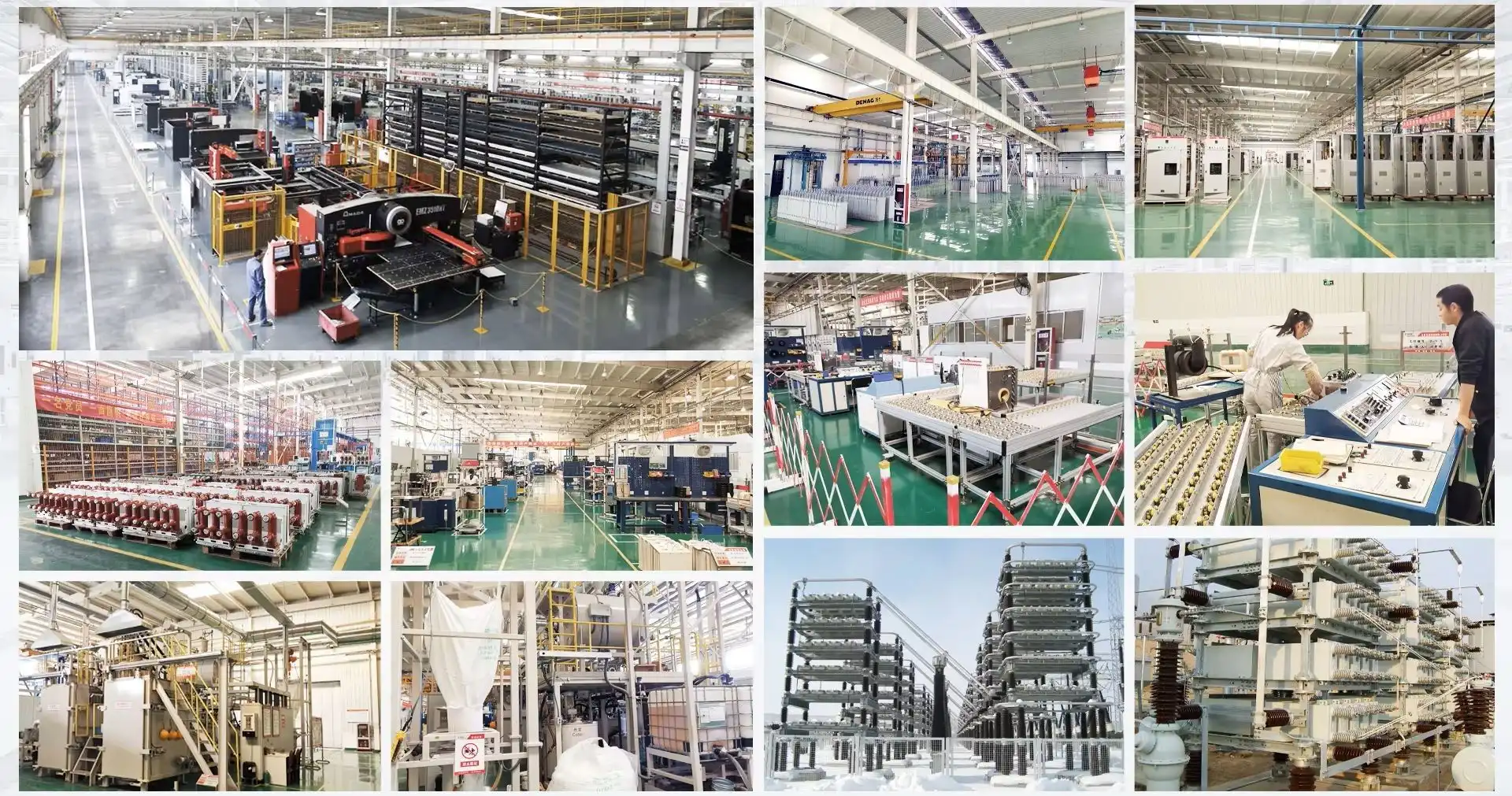
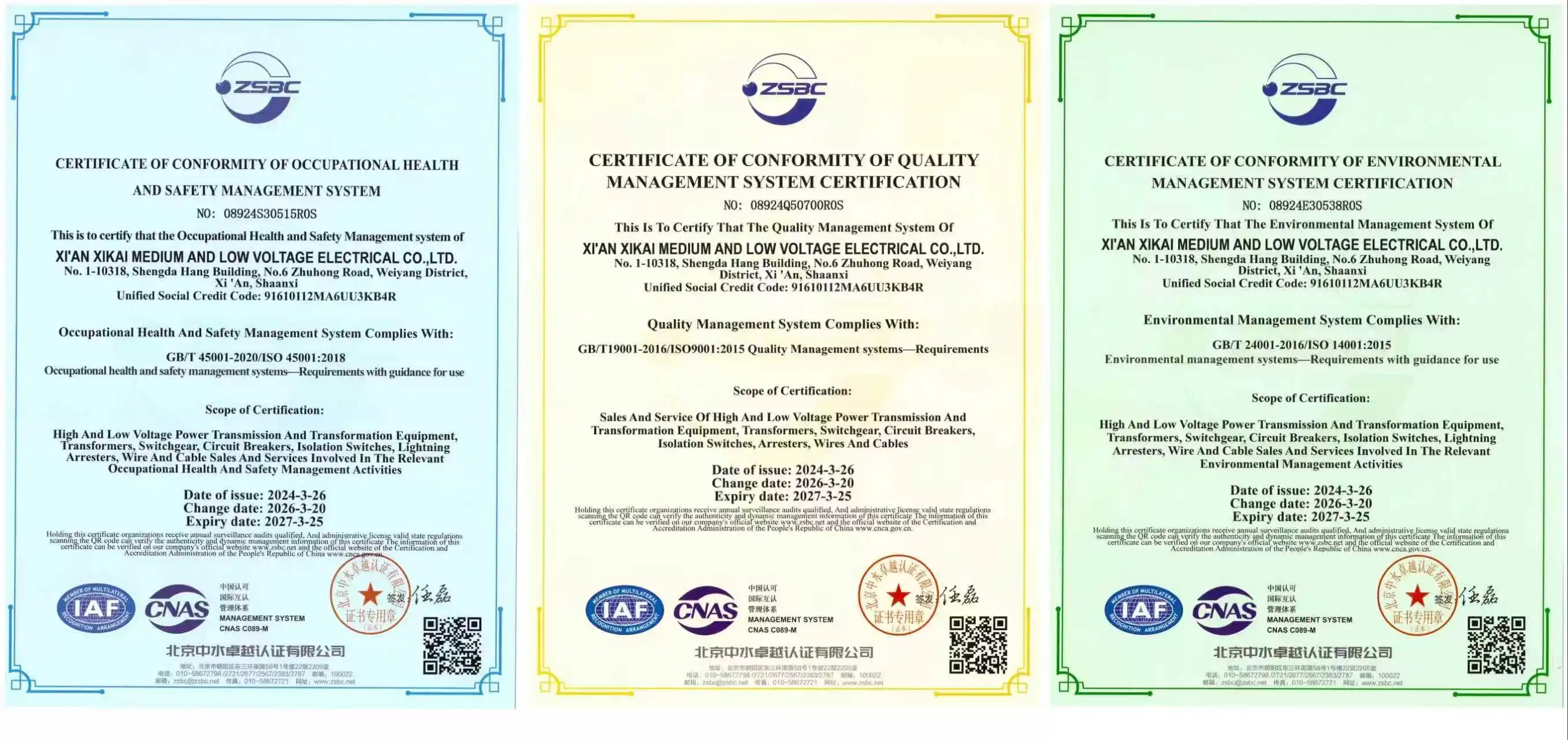
Finding trustworthy makers is what separates great projects from ones that fail and cost a lot of money for Lightning Arrester. Original equipment makers (OEMs) like Xi'an Xikai give customers direct access to tech support, the ability to customize products, and quality certifications that have been checked by ISO 9001 audits. Authorized wholesalers keep stock in regional warehouses, which cuts down on wait times. However, markups range from 10% to 25%, based on the level of service.Verification steps include asking for IEC and IEEE compliance certificates, looking over plant audit records, and calling references from installations that are similar. Suppliers that have been in business for 20 years or more have shown that they can make stable products and honor warranties. During commissioning problems, global support networks that offer expert help 24 hours a day, seven days a week, are very helpful.
Customization and Volume Purchasing
Customized specs that take into account special electrical or environmental conditions are helpful for big projects. Changes were made to the creepage distance to suit pollution classes with ESDD levels above 0.1 mg/cm², and different voltage ratings were made to fit non-standard system setups. Hardware differences for terminals (clamp vs. stud fixing) make sure they work with current infrastructure and keep you from having to make expensive changes in the field.
When you buy in bulk, you can get better prices and faster service. When you buy more than 1,000 units, you can usually get project-specific manufacturing runs that protect your prices against changes in the cost of raw materials. Letters of credit and staged releases are examples of payment terms that are timed to match building stages and keep general contractors' cash flow steady. Increasing the warranty period to 30 months lowers the risk even more for international packages that may be delayed at ports for unknown reasons.
Pricing Trends and Logistical Considerations
The price of an arrester is strongly linked to its voltage class and its ability to handle energy. Distribution-class units (15kV) start at a mid-range price, while station-class polymeric arresters are more expensive because they are made of more modern materials and go through strict testing. As production technology gets better, prices are slowly going down, but the price of high-purity zinc oxide is still changing all the time.Because the clay parts in hybrid designs are fragile, shipping needs to be carefully planned. LTL freight within the continental U.S. adds moderate costs, and it takes 4 to 6 weeks for foreign ocean freight to get to project areas. Strategies for managing inventory weigh the costs of keeping items in stock against the risks to production consistency. For facilities with regular replacement cycles, keeping a 5% buffer stock works best.
Conclusion
Finding the right Lightning Arresters means finding a balance between technical requirements, compliance standards, and the cost of ownership over time. Polymeric MOV designs work better in tough industrial and utility settings, and using the right installation and upkeep methods makes security work even better. When buying these important parts, procurement teams have to look at how reliable the seller is, what customizable options they offer, and the total cost of ownership. Knowing the differences between the different kinds of arresters, testing methods, and coordination principles helps you make smart choices that protect your infrastructure investments and keep your business running.
FAQ
1.What are the primary benefits of installing lightning arresters?
Lightning Arresters are worth their weight in gold because they protect tools, keep systems running, and make sure that rules are followed. They keep transformers from breaking down, which would cost $50,000 to $200,000 to replace and shut down production for weeks. Insurance companies often require surge protection in order to cover a claim, and OSHA rules say that workers must be protected from electrical dangers. In addition to keeping damage from happening, arresters keep the quality of the power stable by stopping voltage changes that speed up the aging of insulation and the breakdown of motor windings.
2.Can lightning arresters be used in both industrial and residential settings?
Because they can handle a lot of energy, station-class and distribution arresters are used in utilities and commercial settings. In homes, lower-rated devices (under 10kV) that are built into service panels or whole-house surge breakers are usually used. The conditions in industrial settings are tougher, with mechanical vibrations, chemical contact, and high and low temperatures. This calls for ruggedized polymer housings and hermetic seals. In the middle are commercial buildings like hospitals, which use intermediate-class arresters to balance safety and space needs.
3.What common performance issues affect lightning arresters?
Moisture getting in through broken seals leads to internal short circuits and varistor degradation, which can be seen by the leaking current going up. Pollution in the environment leaves behind electrical films that lower the surface resistance and could cause a flashover. During rush events, hotspots are caused by flaws in the manufacturing process, such as holes in MOV blocks or not enough compression. Systems like the JCQ-3 that test and monitor regularly find these problems early, so they can be replaced before they cause a major loss.
Partner with Xi'an Xikai for Reliable Lightning Arrester Solutions
Xi'an Xikai offers complete surge protection systems that are made to fit the needs of your building. Our YH10W-102/266W Polymeric MOA blends tried-and-true MOV technology with high-tech polymer housings to offer reliable performance in substations and industrial plants. Every unit meets the standards set by IEC 60099-4 and IEEE C62.11 after going through a lot of tests, such as being exposed to salt fog and a 100kV shock. You can email our engineering team at serina@xaxd-electric.com, amber@xaxd-electric.com, or luna@xaxd-electric.com to talk about how to customize your order, how much it will cost in bulk, and the technical details. As an experienced Lightning Arrester maker that works with transmission networks in more than 15 countries, we offer help 24 hours a day, seven days a week to make sure the success of your project, from planning to commissioning.
References
1. IEEE Standards Association. IEEE Standard for Metal-Oxide Surge Arresters for AC Power Circuits, IEEE C62.11-2020.
2. International Electrotechnical Commission. Surge Arresters – Part 4: Metal-Oxide Surge Arresters Without Gaps for AC Systems, IEC 60099-4:2014.
3. Lat, M.V. Thermal Properties and Applications of Gapless Metal Oxide Surge Arresters. Electric Power Systems Research, Vol. 156, pp. 164-171, 2018.
4. Hinrichsen, V. Metal-Oxide Surge Arresters: Fundamentals. Siemens AG Technical Publication, 2nd Edition, 2019.
5. National Fire Protection Association. National Electrical Code Article 280: Surge Arresters, NFPA 70-2023 Edition.
6. Chen, S.M. and Wang, J. Reliability Assessment of Polymeric Housed Surge Arresters Under Pollution Conditions. IEEE Transactions on Power Delivery, Vol. 34, No. 2, pp. 687-695, April 2019.