How to Choose the Best Lightning Arrester for Your Needs
2026-07-03 15:56:13
Before you can choose the best Lightning Arrester, you need to know what power your facility needs, what the weather is like, and what your top business goals are. A Lightning Arrester keeps important electrical systems safe by sending short-term overvoltages to ground safely. This keeps equipment from breaking down and causing dangerous situations. Utility companies care about keeping the grid stable and making sure their infrastructure lasts as long as possible, while industrial plant workers focus on surge safety devices that keep the power quality for sensitive machinery. EPC companies need arrester options that work well with cost-effective, legal system designs. This guide explains important selection criteria, installation procedures, and upkeep plans to help procurement managers, electrical engineers, and system integrators make smart choices that protect investments and improve operating reliability.
 |
 |
Understanding Lightning Arresters and Their Role in Electrical Safety
Lightning Arresters protect electrical systems from damaging flash events by putting up hurdles. When lightning hits nearby power lines or switching operations cause voltage spikes, these devices pick up on the unusual voltage rise and provide a low-resistance way to ground. This gets rid of the energy before it gets to transformers, circuit breakers, or sensitive electronics.
How Surge Protection Differs from Overvoltage Arresters
Although surge guards and Lightning Arresters have very different uses, many professionals get them mixed up. With voltage levels below 1,000V, most surge protectors can handle lower-energy transients that come from inside the device, like when a motor starts up or a capacitor switches on and off. On the other hand, metal oxide arresters deal with high-magnitude external shocks that are stronger than 100kV, which can happen in transmission and distribution networks. The second type uses zinc oxide varistor technology to hold voltages steady within microseconds. It has faster response times and can hold more energy than regular gap-type designs.
Application-Specific Arrester Categories
Indoor arresters work well in controlled settings like data centers and hospitals, where limited room calls for small polymer housings. Outdoor units can handle UV light, high temperatures, and smog, which makes them good for industrial switchyards and substations. Solar photovoltaic systems use specialized types, and DC-rated arresters keep inverters from getting damaged by generated currents during thunderstorms. To protect critical transmission equipment and keep the purity of the signal, telecom towers need arresters with better radio frequency interference filtering.Knowing these differences helps facility managers choose the right security devices for the specific threats in their surroundings and weak spots in their equipment. If you choose the wrong group, you could end up with inadequate protection or a gadget that breaks down too soon, which could cause unplanned repair costs and longer outages.
Key Criteria to Consider When Choosing a Lightning Arrester
To choose the right overvoltage safety device, you need to carefully look at the technical specs that match your system's design and how it works. These factors are the basic ones that are used to make decisions.
Voltage Rating and System Compatibility
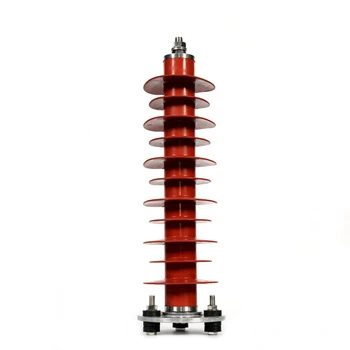
The voltage number tells you the highest voltage that the arrester can handle continuously without conducting current. This number needs to be 20–30% higher than your system's nominal voltage so that it doesn't break down too soon during brief overvoltage situations like ground problems or load rejection. A 102kV Lightning Arrester, like the YH10W-102/266W type, works with systems that have baseline voltages of around 72kV. It has enough headroom for transient events while still protecting the system.
Energy Absorption and Discharge Capacity
How much spike energy the arrester gets rid of before it breaks down due to heat is determined by its energy absorption capacity, which is measured in kilojoules. Devices that can handle more than 50kJ of discharge must be used in factories that switch activities on and off a lot. The maximum current that the arrester can handle during a direct strike is shown by the discharge current value, which is usually 10kA or 20kA. Facilities in high-keraunic-level regions—places that have more than 40 rain days a year—benefit from 20kA-rated models that keep working during bad weather.
Response Time and Residual Voltage
Response time, or the amount of time between finding a voltage spike and taking safe action, is very important for the life of equipment. Modern metal oxide varistor arresters work in nanoseconds, which is much faster than air gap versions that need an arc to form. During a spike, the clamped voltage that shows up across shielded equipment should stay below the equipment's Basic Insulation Level (BIL). This is called residual voltage. Advanced polymer arresters lower leftover voltage by 30% compared to porcelain options. They protect microprocessor-based controls in automatic production lines better.
Certification Standards and Compliance Requirements
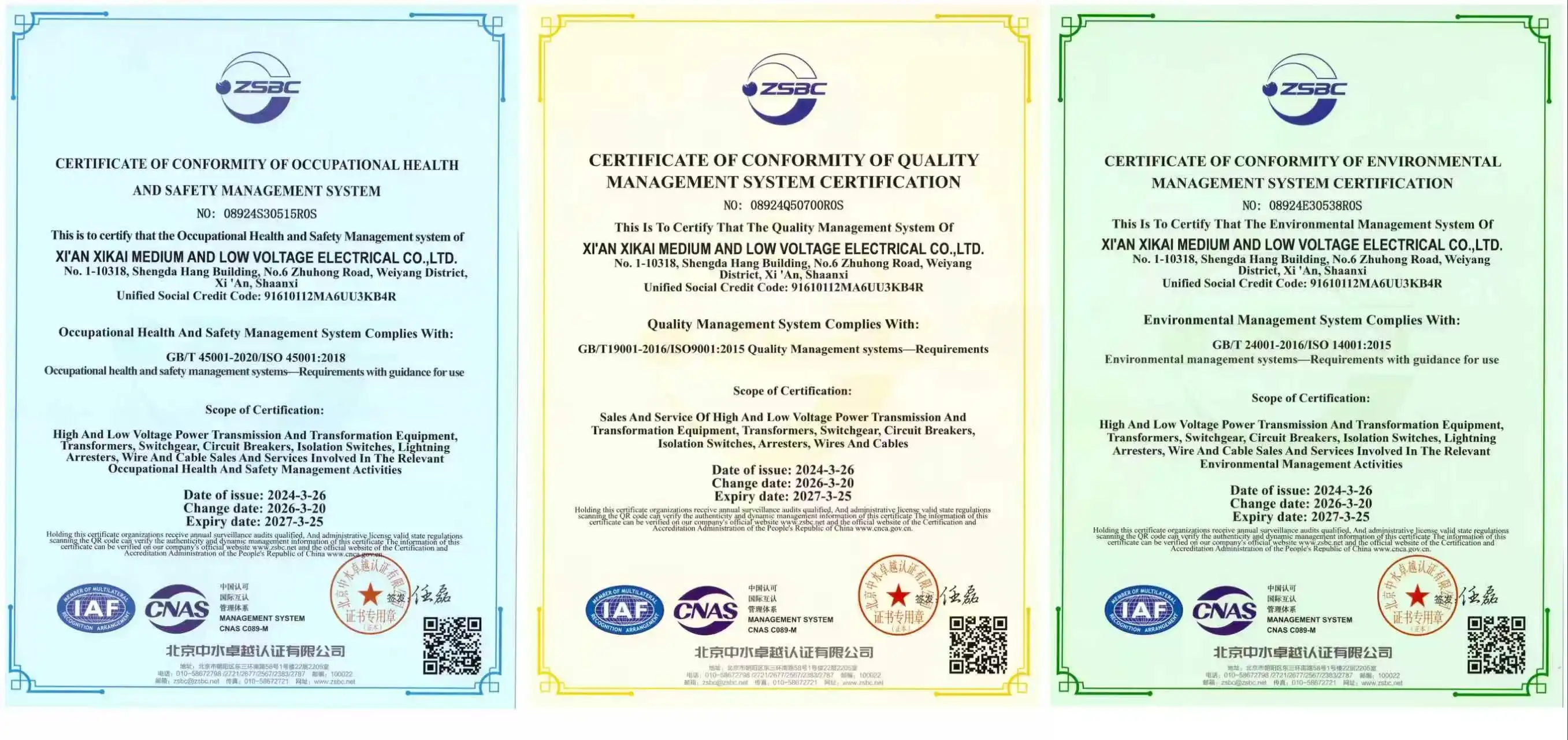
The IEEE C62.11 and IEC 60099-4 guidelines set performance goals for arresters that work with AC systems. UL 1449 approval proves that surge security devices are safe for use in North America. Third-party test results that prove compliance should be checked by procurement teams, especially for projects that need approval from utilities or insurance companies. Devices that aren't properly certified could cancel warranties or keep bids from getting public infrastructure contracts.When you compare varistor-based arresters to gap-type alternatives, you can see that the starting prices and maintenance needs are not always the same. Varistor types get rid of the need for regular gap changes, but they need to be replaced when their energy capacity runs out. Hybrid designs use both technologies to make sure that important substations are protected and last a long time. Working with well-known makers guarantees access to technical documents, the availability of replacement parts, and expert help during the commissioning of the system.
Step-by-Step Guide to Selecting the Right Lightning Arrester for Your Facility
To match protective equipment to the needs of a particular building, working goals and environmental factors must be carefully considered. The framework below shows how procurement workers should go about this decision process.
Assessing Industry-Specific Requirements
In factories that use CNC machines and robotic assembly systems, voltage fluctuations that cause controller restarts or positioning mistakes need to be kept to a minimum with Lightning Arresters. When there is a surge, devices with low safety levels (voltage ratios below 2.0) keep the power quality. In climate-controlled environments, where even small leakage currents can mess up sensitive IT loads, data centers put a high priority on arresters with hermetic seals to stop tracking problems caused by moisture.Utility transmission systems need arresters that can handle line-to-ground voltages of up to 550kV. The housings should be made of porcelain or silicone rubber so that they are strong enough to withstand wind loads and ice buildup. Distribution companies like polymer types because they are lighter and can be placed on poles, which saves money on structural reinforcement. Photovoltaic arrays produce voltage even when they are being serviced, so solar systems need DC-rated arresters with reverse polarity safety.
Geographic and Environmental Considerations
Facilities near the coast are affected by salt fog, so they need arresters with creepage lengths greater than 31 mm/kV to stop surface flashovers. The longer creepage distance of the YH10W-102/266W model makes it safe to use in marine settings and heavy industrial zones with particulate matter in the air. For installs in the desert, you need UV-resistant polymer formulas that stay flexible from -40°C to +85°C. This keeps the seal from cracking, which would be bad for the installation.Methods for figuring out lightning risk, like IEC 62305 risk analysis software, use the height of the building, the conductivity of the ground, and the number of flashes in the area to figure out how much of a risk there is. For high-risk areas, it makes sense to buy arresters that can handle more energy and security systems that work together and use more than one device stage.
Cost-Performance Optimization Strategies
When you buy more than 100 arresters at once, the unit cost goes down by 15 to 25 percent. This is good for EPC firms that are working on jobs at more than one location. But procurement teams have to weigh the original savings against the costs that come up over time, such as the cost of workers for upkeep and the cost of new parts. Even though they cost more up front, arresters that last 25 years and don't need many inspections have lower overall costs of ownership.Performance monitoring systems that keep track of current leaks trends allow for forecast maintenance, which means that arresters can be replaced before they fail catastrophically and damage the equipment. Adding wireless tracking units during installation gives you real-time data that helps condition-based replacement strategies. This improves inventory management and lowers the cost of emergency purchases.
Lightning Arrester Installation and Maintenance Best Practices
The best protection comes from using the right installation methods, and planned maintenance programs make devices last longer and keep the system running smoothly.
Site Preparation and Arrester Positioning
Site studies find the best places to put the Lightning Arrester so that the lead length between it and the protected equipment is as short as possible. With every extra meter of conductor, the safety gaps get smaller because of inductive voltage drops. To lower the impedance, arresters should be mounted no more than 3 meters away from transformer bushings or switchgear contacts, and braided copper straps should be used for connections instead of solid wires.To make sure that grounding devices work properly, the resistance must be less than 5 ohms. If a building doesn't have enough ground grids, extra ground rods or counterpoise wires should be installed before the arresters are turned on. When you bond all ground paths together, you get rid of the potential differences that cause flowing currents to flow through equipment frames and put stress on the insulation.
Routine Inspection Protocols
Visual checks every three months look for cracks in the case, changes in color that mean thermal stress, and corrosion at the end connections. Infrared thermography can tell which arresters are having too much leaking current because hotspots show up where the varistor stack is. Testing the power factor once a year checks for changes in capacitance and loss angles that could mean moisture getting in or the varistor wearing out, so they can be replaced before they lose their defensive power.
As a safety measure, you must turn off circuits and make sure there is no power before you approach the arrester wires. If an arrester fails, residual charges may still be present, so grounding sticks must be used to remove the capacitance before handling. When working on electrical equipment, people should wear arc-rated PPE because arrester failures can sometimes cause exploding pressure relief events.Maintenance documentation that keeps track of test results and replacement dates helps with guarantee claims and checks for regulatory compliance. Digital asset management systems keep records in one place across companies with multiple sites. This makes it easier to schedule preventative maintenance and keep track of the lifecycle of components.
Comparing Popular Solutions and Emerging Technologies
Traditional Silicon-Based Arresters vs Polymer MOA Solutions
Silicon or ceramic lightning arresters are extensively employed in legacy power systems owing to their reliable insulation. However, they are heavier, less thermally resistant, and need more care. Modern polymer Metal Oxide Arresters (MOA) like the YH10W-102/266W Lightning Arrester employ silicone rubber casing and zinc oxide varistors for quicker reaction and reduced residual voltage. Surge protection efficiency and adaptation to difficult situations like coastal humidity and industrial pollution zones increase.
Integrated Grid Protection Systems with Multi-Equipment Coordination
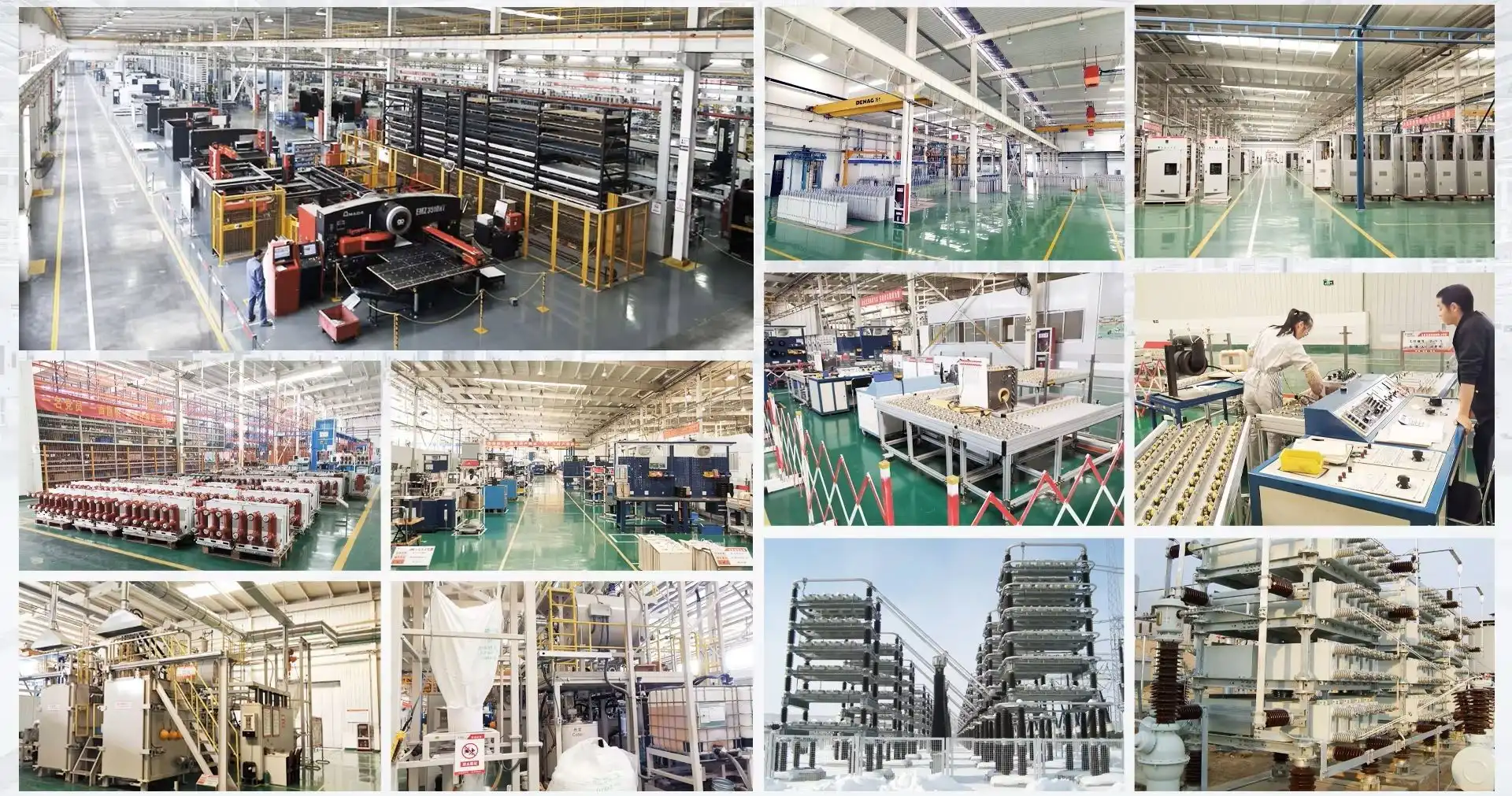
Emerging solutions prioritize system-level safety above single-device performance. Xi'an Xikai's comprehensive power distribution portfolio coordinates switchgear, transformers, and surge protection. The Lightning Arrester may improve voltage stability across substations, rail lines, and industrial units as part of a larger protective architecture. In complex renewable energy-connected grids, integrated solutions decrease fault risks and increase response consistency during lightning strikes and switching surges.
High-Performance Polymer Arresters for Modern Infrastructure
The latest polymer Lightning Arrester designs emphasize durability, efficiency, and minimum maintenance. Hermetic sealing, UV-resistant housing, and enhanced leakage current management provide the YH10W-102/266W type extended service life from -40°C to +85°C. IEC 60099-4 compliance and thorough testing make these devices popular in rail transportation, industrial automation, and big commercial buildings. The lightweight construction and long lifetime make them a cost-effective improvement over previous technology.
Conclusion
To choose the right overvoltage safety device, including Lightning Arrester, you have to weigh technical requirements against operational needs and the surroundings. The voltage values must match the system's settings and leave enough room for temporary overvoltage events. The energy-absorbing capacity and discharge current rates should be based on how often lightning strikes and how bad the switching transients are in the area. Certification compliance makes sure that the product is reliable and meets the terms of the deal. Quality of installation and proper wiring have a direct effect on how well the protection works. Structured maintenance plans extend the life of the system and keep it running at all times. Partnering with makers that offer full technical support and a track record of good performance in the field lowers the risks of buying and protects your electrical infrastructure from damaging surge events.
FAQ
1.What distinguishes lightning arresters from surge protective devices?
Lightning Arresters are designed to handle high-energy surges from lightning hits and switching processes. They can handle voltages of more than 1kV and discharge currents of more than 10kA. Surge safety devices deal with lower-level transients that come from inside the system, like when a motor starts, and have voltage values below 1000V. The first ones use metal oxide varistor technology to have reaction times in the microsecond range, while the second ones use different reduction components that are best for low-energy events that happen over and over again.
2.When should existing arresters be replaced?
When leakage current readings go over the manufacturer's limits, which usually means the varistor is wearing out, the device needs to be replaced. If you can see damage to the case, discoloration from heat stress, or failed insulation resistance tests, you need to replace it right away. In-service problems can be avoided by replacing them every 15 to 20 years, even if diagnostic tests show that they are working fine, because internal degradation might not show up until a huge surge happens.
3.Can facility maintenance teams install arresters without specialized contractors?
Electrical workers who are qualified and have been trained to work with high voltage can install arresters by following the manufacturer's instructions and local laws. However, substations and transmission systems need special finishing steps, such as coordination studies and safety relay settings, which is why a contractor is needed. If you don't put something correctly, it can make protection less effective and cause safety risks, which could void equipment warranties and insurance coverage.
Partner with Xi'an Xikai for Reliable Lightning Arrester Solutions
Xi'an Xikai provides tested surge protection technology for business infrastructures, utility networks, and industry sites that work in a variety of situations. Our engineering team makes suggestions based on your system's voltage, its exposure to the environment, and your top security goals. The YH10W-102/266W Lightning Arrester and its wide range of products can be used in a wide range of settings, from small switches to open-air substations. They have been through extensive testing and have been approved by international organizations. Send an email to serina@xaxd-electric.com, amber@xaxd-electric.com, or luna@xaxd-electric.com to talk about your security needs and get full technical details. As a reliable provider of Lightning Arresters, we offer low prices for large orders, fast delivery for pressing projects, and ongoing expert support to keep your electrical systems safe from overvoltage threats.
References
1. IEEE Standards Association. "IEEE Standard for Metal-Oxide Surge Arresters for AC Power Circuits." IEEE C62.11-2020.
2. International Electrotechnical Commission. "Surge Arresters – Part 4: Metal-Oxide Surge Arresters Without Gaps for AC Systems." IEC 60099-4:2014.
3. Hinrichsen, Volker. "Metal-Oxide Surge Arresters: Fundamentals." Siemens AG Energy Sector Technical Paper, 2012.
4. Meister, Adam and Roberts, James. "Application Guide for Transmission Line Surge Arresters." CIGRE Working Group A3.22, 2017.
5. National Fire Protection Association. "Standard for Electrical Safety in the Workplace." NFPA 70E-2021.
6. Lat, Mustafa V. "Thermal Stability and Protective Characteristics of Polymer-Housed Surge Arresters in Polluted Environments." IEEE Transactions on Power Delivery, Vol. 36, No. 2, 2021.