What Is Low Voltage Withdrawable Switchgear Explained?
2026-04-28 16:15:53
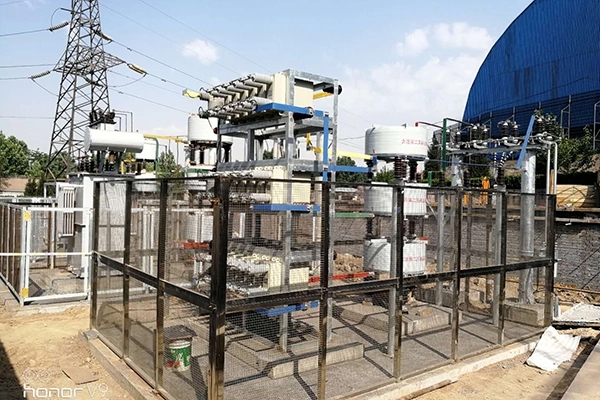
Especially in industrial and commercial settings, Low Voltage Withdrawable Switchgear is an important part of modern power distribution systems. This electrical equipment is made with operational safety features and modular design principles that let facility operators take out or add parts without having to shut down the whole system. The architecture that can be withdrawn directly addresses important business concerns, such as reducing unplanned downtime, keeping sensitive electronic equipment safe, and keeping the power quality stable during regular maintenance tasks. Our guide is for procurement managers, facility engineers, EPC contractors, and system integrators who need to know a lot about technology in order to make smart buying decisions that balance the cost of the purchase with the system's long-term dependability and operational efficiency.
Understanding Low Voltage Withdrawable Switchgear
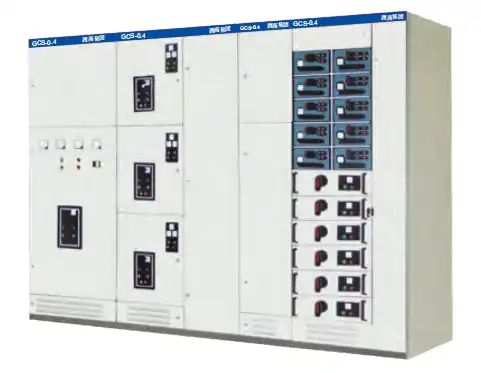
Low Voltage Withdrawable Switchgear is a type of modular electrical distribution assemblies that are made for systems that run at voltages lower than 1,000 volts, usually between 380V and 690V. The "withdrawable" mechanism is what makes it unique. It lets technicians physically separate functional units from the main busbar assembly using mechanical rails and interlock systems, instead of having to wire them together permanently. This way of thinking about design changes how maintenance is done by letting replacements be done while the system is being serviced.
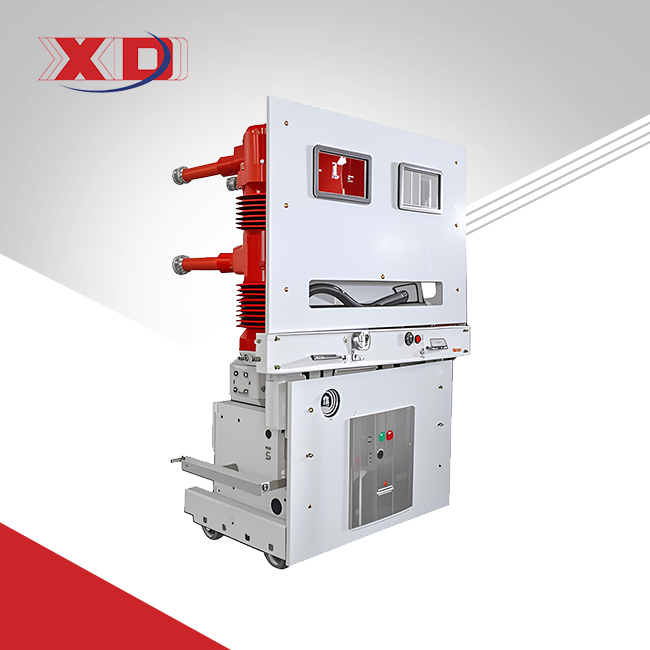
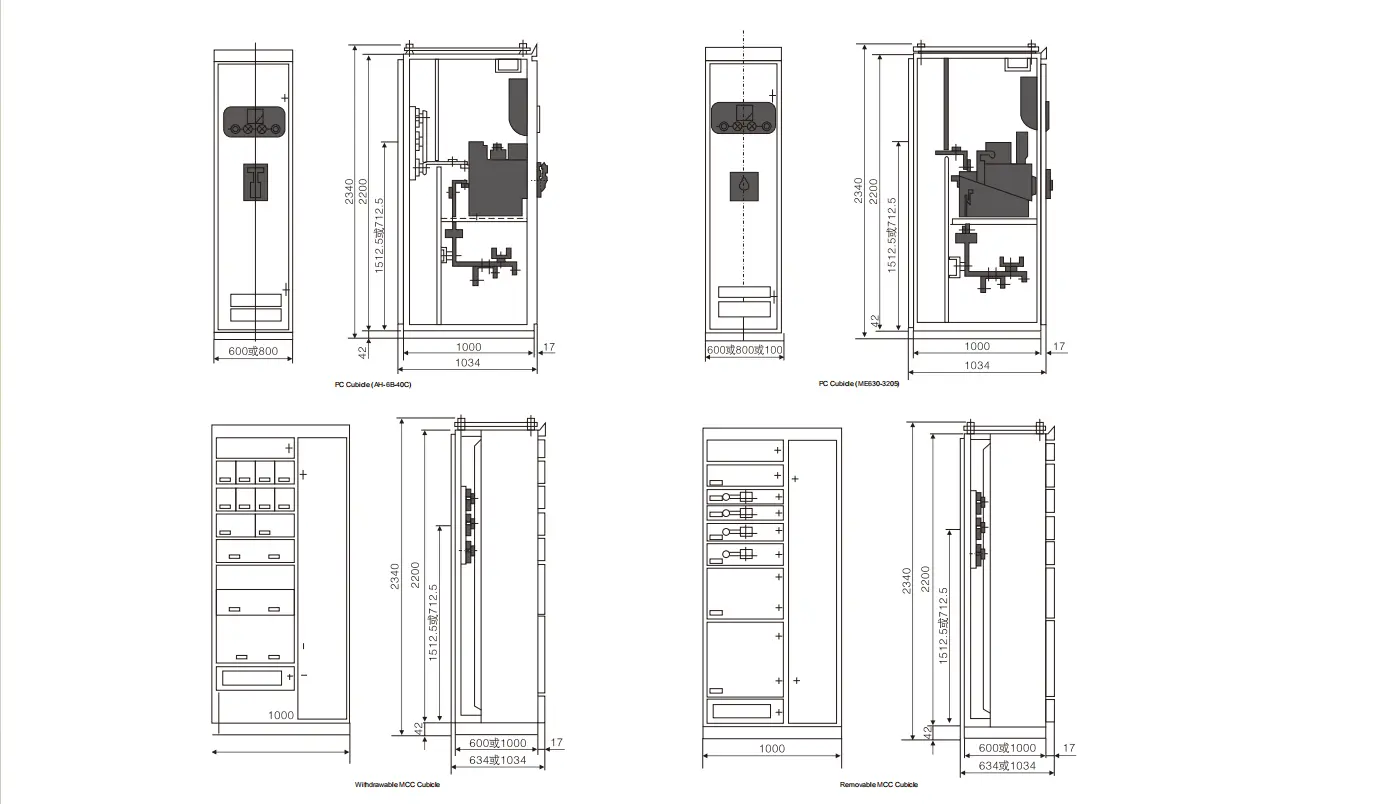
The core architecture is made up of several integrated parts that work together. Copper or aluminum conductors in the busbar chamber split incoming power among several circuits. Withdrawable modules have circuit breakers, contactors, or metering devices mounted on extraction rails. Interlocking mechanisms provide mechanical safeguards that stop accidental withdrawal under load conditions, and partition walls separate areas that could be affected by arc flash incidents.
Cable termination zones in Low Voltage Withdrawable Switchgear are designed as separate compartments, isolating connection points from active switching elements to improve safety and reduce fault risk. Modern systems also include built-in diagnostic interfaces that support remote monitoring and predictive maintenance. These features are increasingly valued in data centers and continuous-production facilities, where minimizing downtime and enabling condition-based servicing are critical to maintaining operational reliability and efficiency.
Benefits and Applications of Low Voltage Withdrawable Switchgear
There are more benefits to Low Voltage Withdrawable Switchgear than just improved maintenance efficiency; it delivers measurable operational and financial advantages across the entire facility lifecycle. By applying return-on-investment and total cost of ownership analyses, procurement teams can clearly justify the higher initial investment, as reduced downtime, faster servicing, and improved system availability generate long-term economic value and operational reliability.
Withdrawable switchgear designs improve maintenance efficiency by allowing technicians to quickly replace faulty breakers or modules without shutting down adjacent critical circuits, minimizing downtime in hospitals and factories. Safety is enhanced through physical isolation from live busbars, mechanical interlocks that prevent unsafe operations, and arc-resistant structures compliant with NFPA 70E. Modular scalability enables gradual system expansion, reducing capital costs while supporting integration of smart technologies over time. Across industries, these systems ensure reliable operation in motor control centers, data centers, healthcare facilities, and commercial buildings by maintaining continuous power while allowing safe, flexible maintenance and upgrades.
Comparing Withdrawable vs Fixed Low Voltage Switchgear
Making a decision about whether to buy Low Voltage Withdrawable Switchgear or fixed switchgear configurations requires more than just comparing initial purchase prices. Depending on operational priorities, maintenance philosophy, and lifecycle cost considerations, each architecture has its own benefits.
Low Voltage Withdrawable Switchgear is the best when it comes to operational flexibility and ease of maintenance. Being able to separate and remove individual modules cuts the average time it takes to fix something from hours to minutes. This directly means less lost production in factories or no lost revenue in businesses. Maintenance teams can do preventative checks on removed modules in a controlled workshop instead of in cabinets that are already powered up. This makes it easier to make accurate diagnoses and keeps technicians safer. Standardizing components lets facilities keep extra drawer assemblies on hand so that they can be used right away as needed while broken units are taken out of service for more in-depth testing. These factors add up to a lot of value in places where downtime costs more than $10,000 an hour or where the need for continuous operation means that maintenance windows are few and far between.
Fixed switchgear offers 15–25% lower upfront costs due to simpler construction, making it suitable for stable systems with minimal maintenance and tight budgets. Both fixed and withdrawable designs must meet standards like IEC 61439-2, UL 1558, and IEC 61641, ensuring safety and performance through certified testing. Although withdrawable switchgear costs more initially, lifecycle analysis often favors it due to reduced downtime, predictive maintenance, and lower long-term operational costs, improving reliability and equipment availability over time.
Maintenance, Troubleshooting, and Safety Protocols
Effective maintenance programs maximize the reliability benefits of Low Voltage Withdrawable Switchgear while controlling lifecycle costs. By implementing structured inspection, testing, and replacement protocols, facilities can maintain consistent performance over decades of operation. The withdrawable design further supports these programs by enabling safe module removal for servicing, which improves maintenance efficiency and helps sustain high system availability throughout the equipment’s service life.
Visual inspections are usually done every three months, and electrical testing is usually done once a year. Every three months, mechanical parts like extraction rails, interlock mechanisms, and connection interfaces are checked for signs of wear, corrosion, or contamination buildup. Technicians make sure that the insertion and withdrawal processes are smooth, write down any feelings of resistance or binding, and clean the contact surfaces with solvents that have been approved. Every year, tests are done to check the insulation resistance with megohm meters, see how the circuit breaker trips by doing primary injection testing, and look for hotspots on thermal imaging scans that could mean connections are loose or the system is overloaded. These preventative steps find patterns of wear and tear before they lead to failures, scheduling repairs for times when they are most likely to happen instead of waiting for emergencies.
Troubleshooting steps take a systematic look at common failure modes. Most of the time, nuisance trips are caused by breaker sizes that are too small, harmonic distortion from variable frequency drives, or ground fault current paths that need a full analysis of the power quality. Mechanical binding during withdrawal operations could mean that the rails aren't lined up right, the guide pins are broken, or there is a buildup of dirt that needs to be cleaned off. Thermal imaging usually shows that contacts get too hot because they weren't torqued enough during installation or because oxidation layers make the contacts less resistant. This can be fixed by retorquing the connection or cleaning the contacts. With today's diagnostic tools, like infrared cameras, circuit breaker analyzers, and handheld power analyzers, it's easy to find the root cause of a problem quickly, cutting the time it takes to fix it from days to hours.
All withdrawal and insertion activities must follow safety rules. Even though interlock systems provide mechanical safety, lock-out/tag-out procedures make sure that upstream disconnects are opened and confirmed to be off before module extraction begins. As per NFPA 70E guidelines, personal protective equipment must include arc-rated clothing, insulated gloves, and face shields that are right for the level of incident energy. Withdrawal operations should only be done by technicians who have completed manufacturer-specific training and obtained the necessary certifications. Failure to follow the correct procedures can disable safety interlocks or harm mechanical parts. Documentation requirements keep track of all maintenance activities, creating audit trails that show regulatory compliance and supporting warranty claims in case something breaks down too soon.
How to Choose and Procure the Right Low Voltage Withdrawable Switchgear?
To choose the right Low Voltage Withdrawable Switchgear assemblies, you need to carefully look at the technical needs, the rules, and the supplier's abilities. Structured procurement processes make sure that performance needs are met while also keeping long-term operational risks to a minimum.
The selection process starts with capacity planning. Busbar ratings are based on accurate load calculations. In standard configurations, they range from 1,000A to 5,000A, but custom designs can be made to fit specific needs. Circuit density analysis figures out how many functional units are needed by looking at both current needs and expected growth over the next five to ten years. Voltage requirements must match the characteristics of the utility supply. In North America, 480V three-phase systems are most common for industrial uses, while 400V configurations are used in international markets. Calculations of short circuits determine the interrupting ratings that are needed. For example, 50kA is a typical industrial rating, while 65kA or higher performance may be needed in utility applications.
Regulatory compliance verification for Low Voltage Withdrawable Switchgear ensures that the selected equipment meets all applicable local and international installation and safety regulations, including testing, certification, and performance requirements. This process confirms that the switchgear complies with relevant standards for electrical safety, fault performance, and operational reliability, helping ensure approval during inspection and safe long-term operation in industrial and commercial power distribution systems.
In the US, projects need to be listed under UL 1558 and follow NFPA 70, which is the National Electrical Code. Many places also require extra seismic certification under IEEE 693 for installations in areas that are prone to earthquakes. International projects use both IEC 61439-2 standards and certifications that are specific to each country. Energy efficiency rules are becoming more and more important in specifications. For example, California Title 24 and other similar rules set minimum efficiency levels for distribution equipment. Environmental factors include operating temperature ranges, altitude derating factors, and the need for corrosion resistance in industrial or coastal settings.
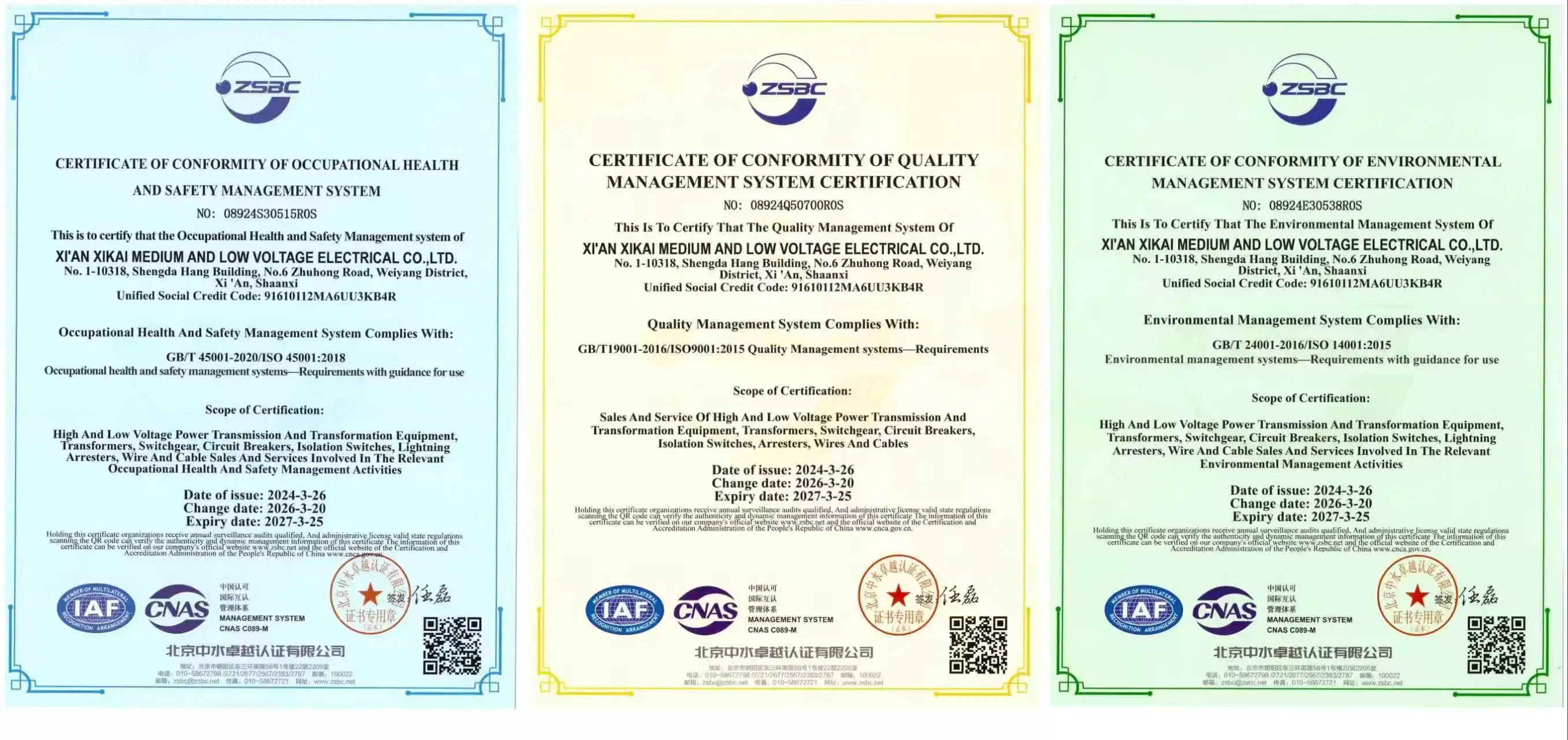
When you evaluate manufacturers and suppliers, you have to look at more than just the product specifications. Well-known brands like Schneider Electric, Siemens, ABB, Eaton, and GE offer tried-and-true designs backed by a lot of testing documentation and support networks around the world. New suppliers like Xi'an Xikai offer competitive alternatives that meet the same performance standards at more appealing prices. This is especially helpful for projects that need to stay within budget or for uses that need to be customized. When looking at suppliers, you should look for ones that are certified by the ISO 9001 quality system, have enough manufacturing capacity to meet project deadlines, offer technical support such as application engineering help, and have after-sales service that includes spare parts and field service with reasonable response times.
The GCS-0.4 Withdrawable Low Voltage Switchgear is an example of how modern design can be used to meet a wide range of needs. This assembly can work with both standard industrial voltages and custom configurations. It can handle rated frequencies of 50/60 Hz and insulation voltages of up to 660V or 1000V. Breaking capacity ratings of up to 50kA that meet IEC 60439-1 standards make sure that fault protection works well even in systems with a lot of power. Configurations that are easy to change allow for a wide range of uses, from small motor control centers to large power distribution networks that serve many buildings. The modular architecture can work in a wide range of conditions, such as standard altitudes of up to 2,000 meters (and custom designs that go up to 4,000 meters), temperatures ranging from -10°C to +40°C, and earthquakes of up to magnitude 8. Because they are so flexible, withdrawable assemblies can be used in petrochemical plants in deserts, manufacturing plants in earthquake zones, and data centers that need to keep the environment very controlled.
Procurement requires careful attention to delivery timelines, pricing, and contract terms. Standard switchgear ships in 8–12 weeks, while custom units may take 16–20 weeks. Bulk or phased orders often reduce costs. Warranties typically last 12–24 months after commissioning. Payment structures should align with manufacturing milestones, with final payment after testing and acceptance. Contracts should also require technical documents such as drawings, test reports, and manuals to support installation, commissioning, and long-term system reliability.
Conclusion
Low Voltage Withdrawable Switchgear has clear operational benefits in utility, commercial, and industrial settings where maintenance flexibility, system reliability, and worker safety are important factors in choosing the right equipment. The modular architecture lets parts be replaced quickly without affecting the whole system. This means that downtime costs are lower and maintenance workers are more productive. Initial acquisition costs are higher than those of fixed switchgear alternatives, but total lifecycle cost analysis often shows that they are more valuable because they require less maintenance work, have shorter outages, and can be expanded in stages. For procurement to go well, more than just price comparisons need to be done to look at capacity needs, regulatory compliance requirements, and suppliers' abilities. Companies that care about equipment uptime, operational flexibility, and long-term system adaptability always find that designs that can be taken out offer better value, even if they cost more at first.
FAQ
1. What distinguishes withdrawable from fixed switchgear configurations?
The main difference has to do with how the parts are removed. Low Voltage Withdrawable Switchgear uses mechanical rails and interlock systems to let technicians take out working units without using any tools, while still keeping the electrical connection from live busbars. When working on fixed switchgear, you have to disconnect hardwired connections and often turn off adjacent circuits before you can get to the parts. This difference in architecture affects the length of maintenance, the amount of downtime needed, and the long-term flexibility of operations.
2. How frequently should withdrawable switchgear receive maintenance?
Visual inspections of mechanical parts and connection integrity are done every three months as part of standard maintenance. Electrical testing once a year is also done to measure insulation resistance, check the calibration of protective devices, and do thermal imaging surveys. Installations that get a lot of use or places that are dirty may need to be tested every six months. Condition-based monitoring with diagnostic tools lets you do predictive maintenance, which means that you can schedule repairs based on how the equipment is actually working instead of a set schedule.
3. Can withdrawable switchgear accommodate facility expansion requirements?
The modular design naturally allows for small increases in capacity. Facilities can add functional units to existing enclosures up to the rated busbar capacity or connect extra cabinet sections to distribution networks that are already in place. This scalability lets businesses put off buying new equipment until they need to grow. At the same time, they can keep using the same platforms for all of their equipment, which makes it easier to keep track of spare parts and train technicians.
Partner with Xi'an Xikai for Reliable Switchgear Solutions
Xi'an Xikai Medium & Low Voltage Electric Co., Ltd. offers complete Low Voltage Withdrawable Switchgear solutions that meet the strict needs of commercial installations, utility networks, and industrial facilities. Our GCS-0.4 series shows how committed we are to quality and performance. It has a high breaking capacity, can be configured in a variety of ways, and is a good value compared to imported alternatives. We make reliable electrical distribution equipment and offer full technical support. Our manufacturing processes are ISO 9001-certified, and we have multiple patented technologies that have been used in State Grid systems and major industrial sectors. Our engineering team is ready to help with configurations that are specific to an application, compliance documentation, and lifecycle support to make sure the system works at its best. Get in touch with our procurement experts at serina@xaxd-electric.com, amber@xaxd-electric.com, or luna@xaxd-electric.com to talk about your project needs with a Low Voltage Withdrawable Switchgear supplier who is dedicated to providing custom solutions that meet your operational and financial goals.
References
1. IEEE Standards Association. "IEEE Standard for Low-Voltage AC Power Circuit Breakers Used in Enclosures." IEEE C37.13-2015, Institute of Electrical and Electronics Engineers, 2015.
2. National Fire Protection Association. "Standard for Electrical Safety in the Workplace." NFPA 70E-2021, National Fire Protection Association, 2021.
3. International Electrotechnical Commission. "Low-voltage Switchgear and Controlgear Assemblies - Part 2: Power Switchgear and Controlgear Assemblies." IEC 61439-2:2020, International Electrotechnical Commission, 2020.
4. Beaty, H. Wayne, and Fink, Donald G. "Standard Handbook for Electrical Engineers." 17th Edition, McGraw-Hill Education, 2018.
5. Das, J.C. "Power System Analysis: Short-Circuit Load Flow and Harmonics." 2nd Edition, CRC Press, 2017.
6. Electrical Safety Foundation International. "Maintenance and Testing of Electrical Distribution Equipment: Best Practices for Facility Managers." ESFI Technical Report Series, 2019.