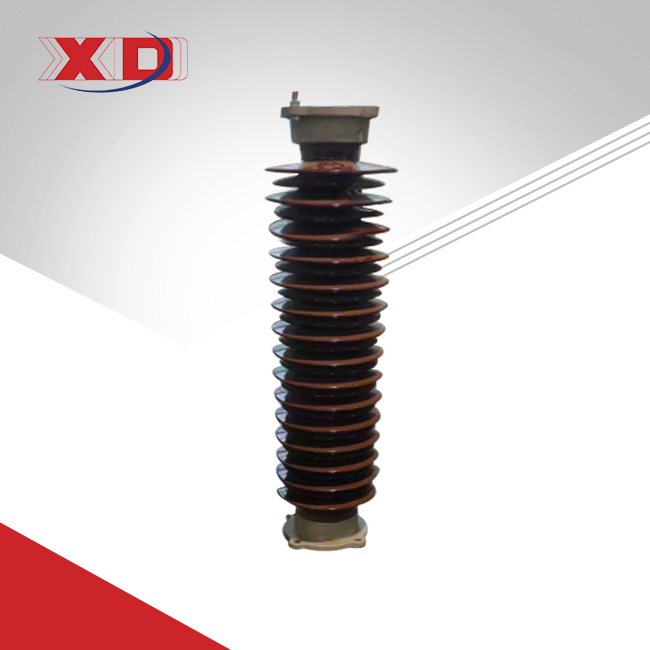
Y10W-102/266W Lightning Arrester Porcelain housed MOA for AC system
What Is Series Dry Type Transformer and How It Works in Power Systems
2026-07-07 15:55:58
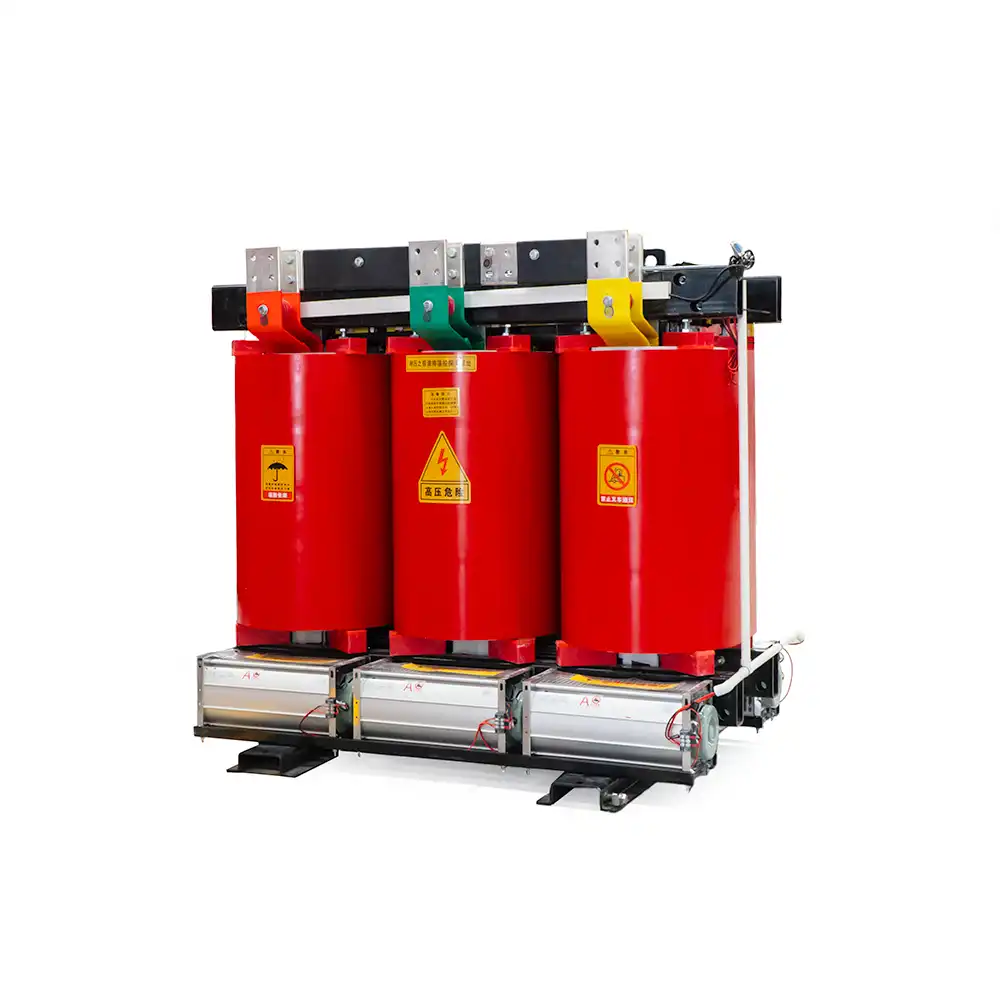
When the quality of the power affects how well your production line works or how long your data center stays online, it's important to understand transformer technology. A Series Dry type Transformer is a specific type of air-cooled power distribution equipment that is meant to be connected in series within electrical networks. It does this by regulating voltage precisely and making the system more stable without using oil-based cooling. These units are different from regular transformers because they use epoxy resin or vacuum pressure impregnated (VPI) insulation systems. This makes them safe to install near load centers and ensures reliable performance in places like hospitals, industrial plants, and utility substations where uptime directly affects profits.
 |
 |
Understanding Series Dry Type Transformers
The structure of these transformers is very different from that of regular distribution units. Normal dry-type transformers work as voltage converters that work on their own, but Series Dry-type Transformer models work directly with power circuits to solve certain grid problems, like balancing voltage drops and reducing harmonics in large distribution networks.
Core Components and Construction
Each unit is made up of three important parts that work together in sync. The magnetic core, which is usually made of laser-cut amorphous steel or silicon steel laminations, lets the magnetic flux flow while keeping no-load losses as low as possible. Precision-wound coils, which are often made with copper foil for low-voltage windings, are carefully arranged around the core. Whether it's cast plastic or VPI, the insulation system surrounds these moving parts and keeps them safe from damage from the environment and electrical breakdown.Our SC9 Series Dry-type Transformer is a fine example of workmanship. Its design makes it non-flammable and clean, and it can be installed straight within load centers. The vacuum-pressure impregnation method gets rid of air gaps and hotspots, getting partial discharge levels below 10pC. This level of protection is needed for sensitive electronics in medical and data centers.
Technical Distinctions from Conventional Designs
Most of the time, standard distribution transformers work with power systems to lower high voltage to levels that end devices can handle. Series-connected units, on the other hand, add or take away voltage based on the load current. This makes them very useful for stabilizing voltage along long lines or in situations where dynamic power factor adjustment is needed. In this case, the full load current flows through the transformer, so it needs to be able to handle high temperatures and overloads.This is possible with the SC9 Series' ONAF cooling devices and smart temperature tracking. Normal designs might have trouble with extended overcurrent conditions, but our units can handle 150% overload without damaging the insulation or speeding up the aging process. This has been proven by thorough testing with lightning impulses at 170kV for 1.2/50μs waveforms.
Advantages and Applications of Series Dry Type Transformers
Utility engineers and managers of industrial facilities are always trying to find the best balance between safety, economy, and upkeep costs. Modern Series Dry type Transformer technology meets these different needs by making performance gains that can be measured.Before looking at individual rewards, it's important to understand the operational background. In factories with precise CNC equipment, voltage changes of more than ±2% are not acceptable. But in hospitals, critical care units need power all the time, even when the grid goes down. The usefulness of improved transformer designs is shaped by these limitations in the real world.
1. Enhanced Safety Through Oil-Free Operation: Traditional transformers that are filled with oil pose a fire risk, especially in small areas. With epoxy resin insulation, the SC9 Series completely gets rid of this risk, passing NFPA 70 fire rules without the need for separate fire suppression systems. When you can put transformers inside buildings instead of separate open vaults, installation costs go down by a lot.
2. Superior Efficiency Metrics: Losses of energy directly affect operating costs. Our moisture-proof design works consistently at 100% humidity and can be turned back on without having to be dried out. This cuts down on downtime by 40% compared to regular units that need to be pre-conditioned before they can be turned back on. Low partial discharge properties keep the dielectric heating to a minimum, and precision core building gets efficiency scores close to 99% according to DOE 2023 standards.
3. Reduced Acoustic Emissions: Sound pressure levels stay below 65 dB in SC9 units, which means they can be used in places like hospitals and business buildings that don't like noise. This sound quality comes from improved core clamping methods that stop magnetostriction vibrations, which are the main cause of noise in transformer operation.
4. Extended Service Life with Minimal Intervention: Operation that doesn't need any repairs changes the total cost of ownership estimates in a big way. Oil-filled units need to have dissolved gas analysis, oil filtering, and bushing maintenance done once a year. Dry-type designs, on the other hand, only need eye inspections and connection torque checks every so often. Our full temperature control and protection system constantly checks important factors and lets workers know about possible problems before they happen.
These benefits have real value in a wide range of situations. Overload tolerance during process spikes is helpful in heavy industry settings like steel mills and chemical plants. To keep power from dropping in country distribution networks, utility companies put series transformers in key grid points. Commercial real estate developers choose these units for high-rise buildings because fire safety rules don't allow oil-filled equipment above ground level.
Comparative Analysis with Alternative Technologies
When making choices about purchases, you need to compare different options objectively. Oil-filled transformers have a higher short-circuit rating and lower initial prices for big power ratings, but they are more difficult to maintain and can be harmful to the environment. Cast plastic transformers are very good at keeping out moisture, but they usually cost a lot more. Gas-insulated designs have small footprints for setups with limited room, but they make repair more difficult.The ideal middle ground is occupied by Series Dry-type Transformer units, which offer safe operation, affordable startup costs, and simple upkeep procedures. In upgrade projects, the SC9 Series works especially well when the current infrastructure can't handle oil containment systems or when environmental protection laws require getting rid of possible pollutants.
Key Considerations for Procurement of Series Dry Type Transformers
Finding the right transformer means matching technical specs with operational needs. This is the step that separates successful setups from costly mistakes. Before choosing a power grade, the load must be analyzed, taking into account both the steady-state usage and the expected growth over the equipment's 25-year design life.
Matching Technical Specifications to System Requirements
System design determines the required voltage class. The SC9 Series supports 0.4 kV to 40.5 kV, suitable for building distribution to utility substations. Insulation class selection is critical: Class F allows a 100°C temperature rise, while Class H allows 125°C, improving performance under high ambient temperatures or cyclic loading. Efficiency specifications directly impact lifecycle cost. A 1,000 kVA unit operating 6,000 hours annually can save about $3,500 over 20 years. SC9 low-loss design with precision windings and optimized core reduces grid losses by 15–20% versus silicon steel units.
Budgeting and Cost Analysis
Getting a Series Dry type Transformer is a big investment in capital, but only looking at the price of the buy doesn't take into account other economic factors. The total cost of ownership includes the price of buying the item, the cost of installing it, the cost of energy loss, the cost of upkeep, and the risk of downtime. Prices for units are usually 20–30% higher than prices for oil-filled versions. However, they don't need to be serviced or contain oil, so they save money on those costs.Bulk purchasing opportunities exist for multi-site deployments. Utility companies standardizing on specific designs for system-wide grid modernization programs often negotiate volume discounts approaching 15-18%. EPC firms managing large industrial projects benefit from coordinated procurement that aligns transformer delivery schedules with construction milestones, avoiding costly storage fees or installation delays.
Supplier Evaluation Criteria
When equipment breaks down and thousands of dollars worth of production is lost every hour, the image of the brand matters. Global companies like Siemens, ABB, Schneider Electric, and Mitsubishi have long histories of making good products, but local experts can often respond more quickly and make things more specifically for your needs. We've provided power solutions for State Grid systems, industrial plants, and rail transportation networks, all of which need to be reliable.Warranty terms show that the maker is confident. Standard coverage lasts for five years, but for an extra fee, you can get safety for ten years or more. After-sales help is very important during setup and for as long as the system is in use. When a security relay trips at 2 AM, does your provider offer technical support 24 hours a day, seven days a week? Do they keep extra parts in stock in the United States, or will you have to wait weeks for parts to be shipped from sites overseas?
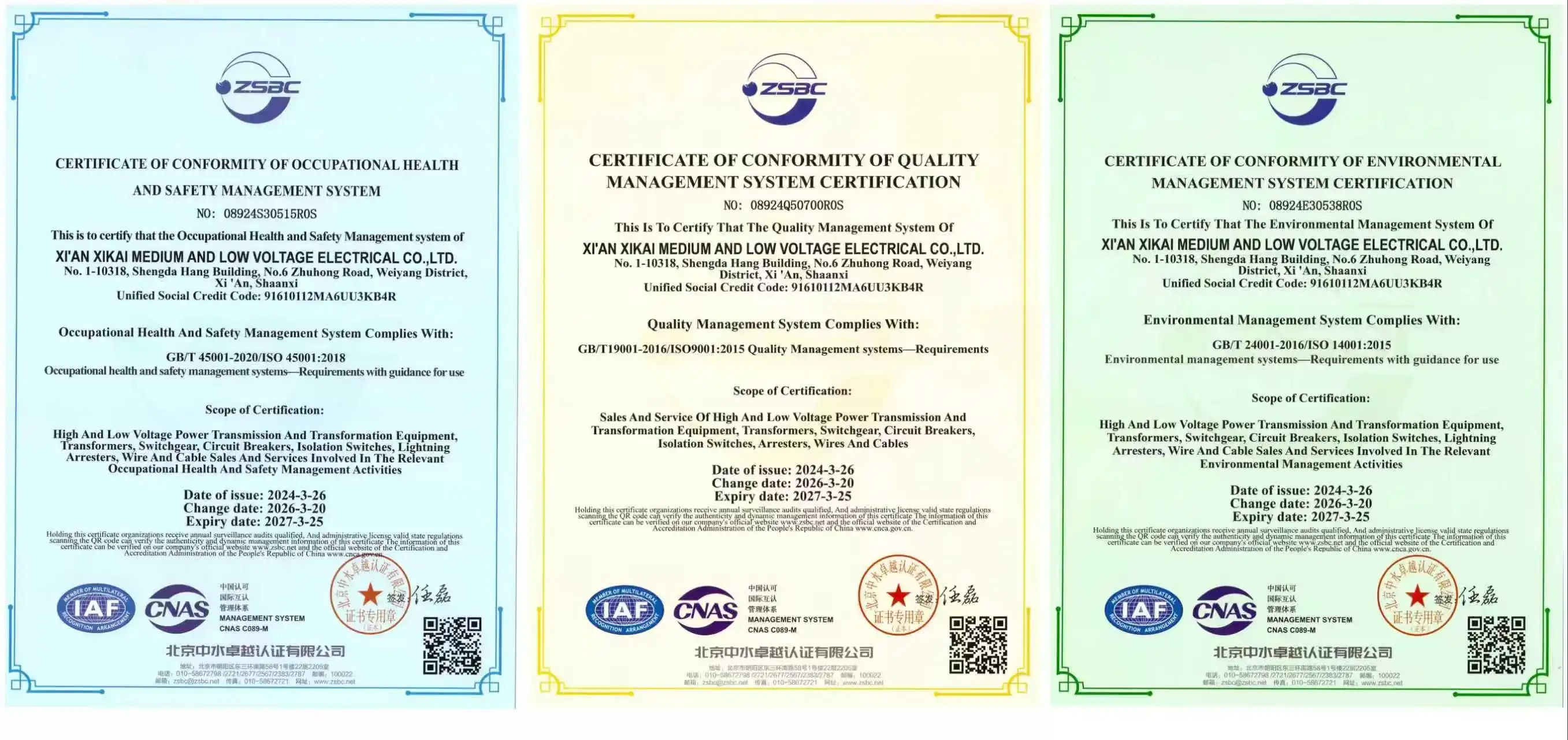
Certification compliance should be checked. International safety and performance standards are met by products that have IEC 60076, IEEE C57.12.01, CE marks, or UL/cUL ratings. Our ISO 9001 and ISO 14001 licenses show that we are responsible for quality management and the environment. These are qualities that lower the risk of purchasing things and make it easier for regulated businesses to keep track of their compliance paperwork.
Maintenance Tips and Safety Guidelines for Series Dry Type Transformers
To make transformers last as long as possible, they need to be maintained before they break instead of being fixed after they do. Even though Series Dry-type Transformer units don't need any care, that doesn't mean they don't need to be serviced. It just means that inspection routines for the electrical and mechanical parts are more important than fluid management.
Routine Inspection Protocols
Routine inspections help prevent failures. Quarterly visual checks identify issues such as insulation staining, which may indicate overheating, poor connections, or partial discharge. Airflow paths should be kept free of dust, especially in heavy industrial environments. Regular testing ensures temperature monitoring and alarm systems function correctly. Annual thermographic scans detect hidden hotspots caused by loose connections, imbalance, or insulation degradation; SC9 IoT sensors further enable continuous monitoring and alerts. Torque verification during maintenance prevents loosening from thermal cycling by retightening bolted connections to specifications.
Safety Best Practices
Safety best practices ensure long-term reliability. Proper grounding eliminates potential differences and provides low-impedance fault paths. Maintain adequate spacing—at least 600 mm on open sides—for ventilation. At ambient temperatures above 40°C, consult engineering for derating measures. Dry-type transformers with solid insulation enhance safety over oil-filled types; SC9’s IP65 rating resists dust and water, suitable for environments up to 4,000 m altitude. Fire prevention relies on non-flammable epoxy resin, tight connections to prevent arcing, and regular inspection of overcurrent protection devices.
Future Trends and Innovations in Series Dry Type Transformers
When automation and power transfer come together, they change transformer technology in big ways. When IoT is added to passive equipment, it turns it into smart network nodes that can talk about their working state, predict when they need repair, and automatically improve their performance. Series Dry type Transformer integration into smart grids is becoming a standard.
Smart Transformer Technologies
These days, modern units have sensors built in that check more than just the temperature. Monitoring load current, harmonic content, insulation resistance, and environmental conditions in real time lets predictive maintenance strategies set up service times based on the actual state of the equipment instead of set dates on a calendar. Our SC9 Series has built-in tracking systems that can connect to mobile apps. When operational factors go outside of normal ranges, maintenance managers get reports right away.Advanced analytics take practical data and turn it into findings that can be used. Machine learning algorithms find small trends that point to failures that are about to happen, often weeks before regular tracking would notice them. This feature is especially useful for utility companies that are in charge of thousands of distribution transformers spread out over large areas. It lets them do tailored repair that makes the best use of their resources.
Material Science Advancements
Improvements to insulation systems keep pushing the limits of what is possible. Nanocomposite materials that are still being developed promise to be better at conducting heat than regular epoxy resins. This will allow for smaller, lighter transformer designs that don't lose any current density. Better thermal management means either longer overload capacity or less need for cooling, which are both good for retrofit uses in setups with limited room.Amorphous metal cores cut no-load losses to amounts that have never been seen before. Precision production already helps our SC9 Series have low core losses, but next-generation materials offer even more reductions of 30 to 40 percent. These efficiency gains add up to a lot over many decades of service life for units with constant job cycles.
Regulatory Drivers and Market Dynamics
Tougher rules about the surroundings help dry-type patterns all over the world. Oil-filled transformer installs in crowded areas are becoming harder to do in more places because they can cause fires and pollute the environment. The Ecodesign Directive in the European Union and related laws in North America set base efficiency standards that make older, less efficient designs illegal in new construction.Electrical systems that use less electricity get points from green building standards like LEED and BREEAM. Choosing Series Dry-type Transformer units helps meet environmental goals and saves energy in a way that can be measured. Our SC9 Series is built with 98% reusable materials and RoHS-compliant parts, which is in line with environmental duty efforts by businesses.Regional market growth patterns inform procurement strategy. In the Asia-Pacific region, the growth of electricity infrastructure is driving the need for efficient distribution equipment. In North America, on the other hand, grid modernization is replacing old assets. When purchasing workers understand these factors, they can predict lead times and negotiate better terms when makers change their production capacity.
Conclusion
When choosing the right power distribution tools, you have to think about technical performance, safety, and cost while working in a difficult environment. Series Dry type Transformer technology meets important needs in utility, business, and industrial settings by operating safely, being more efficient, and needing little upkeep. The SC9 Series is a great example of these qualities because it combines tried-and-true design principles with up-to-date tracking tools to provide dependable performance in tough settings. Knowing the basics of transformers helps you make smart purchasing decisions that protect operational continuity and minimize lifecycle costs. This is true whether you're in charge of maintaining grid stability for utility distribution networks, making sure power quality for sensitive manufacturing processes, or planning long-lasting infrastructure for commercial developments. Dry-type styles set businesses up for long-term success as power systems change toward more technology and care for the environment.
FAQ
1.What distinguishes Series Dry-type Transformer units from standard distribution transformers?
The linking method is very different. Standard transformers link to power sources in parallel and change the voltage levels for equipment that will use them. In series setups, the transformer windings are right in the direction of the current. This lets voltage be added or taken away in a way that depends on the load current. This setup works great for regulating voltage along distribution lines and reducing harmonics in situations where other systems don't work well.
2.How do these transformers enhance power system stability?
Injecting compensating voltage equal to load current allows Series Dry-type Transformer units to combat voltage drop in long distribution networks. When the load is high, which would normally cause the voltage to drop, the series transformer instantly raises the voltage to keep it at a good level at the customer connection points. This dynamic regulation makes the power quality better without needing to be adjusted by hand all the time or using complicated control systems.
3.What procurement factors matter most for industrial buyers?
Power levels and voltage classes should be matched to the real needs of the system, leaving enough room for growth in the future. While you're figuring out the lifetime energy costs, make sure that the efficiency specs meet the legal minimums. Check to see what the seller can do in terms of expert help, availability of extra parts, and guarantee coverage. Make sure that the certifications you're looking at meet the standards for your business and area. Think about the total cost of ownership instead of just the buying price.
Partner with Xi'an Xikai for Your Power Distribution Needs
Xi'an Xikai Medium & Low Voltage Electric Co., Ltd. brings decades of technical experience to every Series Dry type Transformer project. These transformers have been thoroughly tested and have been shown to work well in a wide range of challenging industrial settings. Our SC9 Series gives your operations the dependability they need, whether they're stabilizing energy distribution networks, keeping secret data center equipment safe, or powering factories where downtime isn't an option. We offer full support, from help with specifications to installation instructions and ongoing technical support. Get in touch with our team at serina@xaxd-electric.com, amber@xaxd-electric.com, or luna@xaxd-electric.com to talk to skilled application engineers about your needs. As a top provider, we offer unique solutions that meet worldwide standards at prices that are competitive when you buy in bulk.
References
1. Chen, W., & Liu, X. (2021). The design and use of advanced dry-type transformers in modern power systems. 195: 107–118 in Electric Power Systems Research.
2. International Commission for Electrotechnical Standards. (2020). In IEC 60076-11, Part 11 is about dry-type transformers, which are power transformers. Geneva: Publications of the IEC.
3. Jones, J. Martinez, and R. Thompson. (2022). Strategies for controlling voltage in distribution networks that use series transformers. IEEE Transactions on Power Delivery, 37(4), 2634–2645.
4. The National Electrical Manufacturers Association is a group. (2019). Dry-type transformers for general use are described in NEMA ST 20. NEMA Standards Publication is based in Rosslyn, VA.
5. Singh, S., & Kumar, A. (2023). A comparison of the lifecycle costs of dry-type and oil-filled distribution transformers. It's in the Journal of Energy Engineering (149(2), 04023003).
6. Zhang, Y., Wang, H., & Li, Q. (2022). How smart monitoring systems for power transformers work and what they can be used for. Reviews of Renewable and Sustainable Energy, 168, 112-126.

_1774324496045.png)
_1774321455861.png)