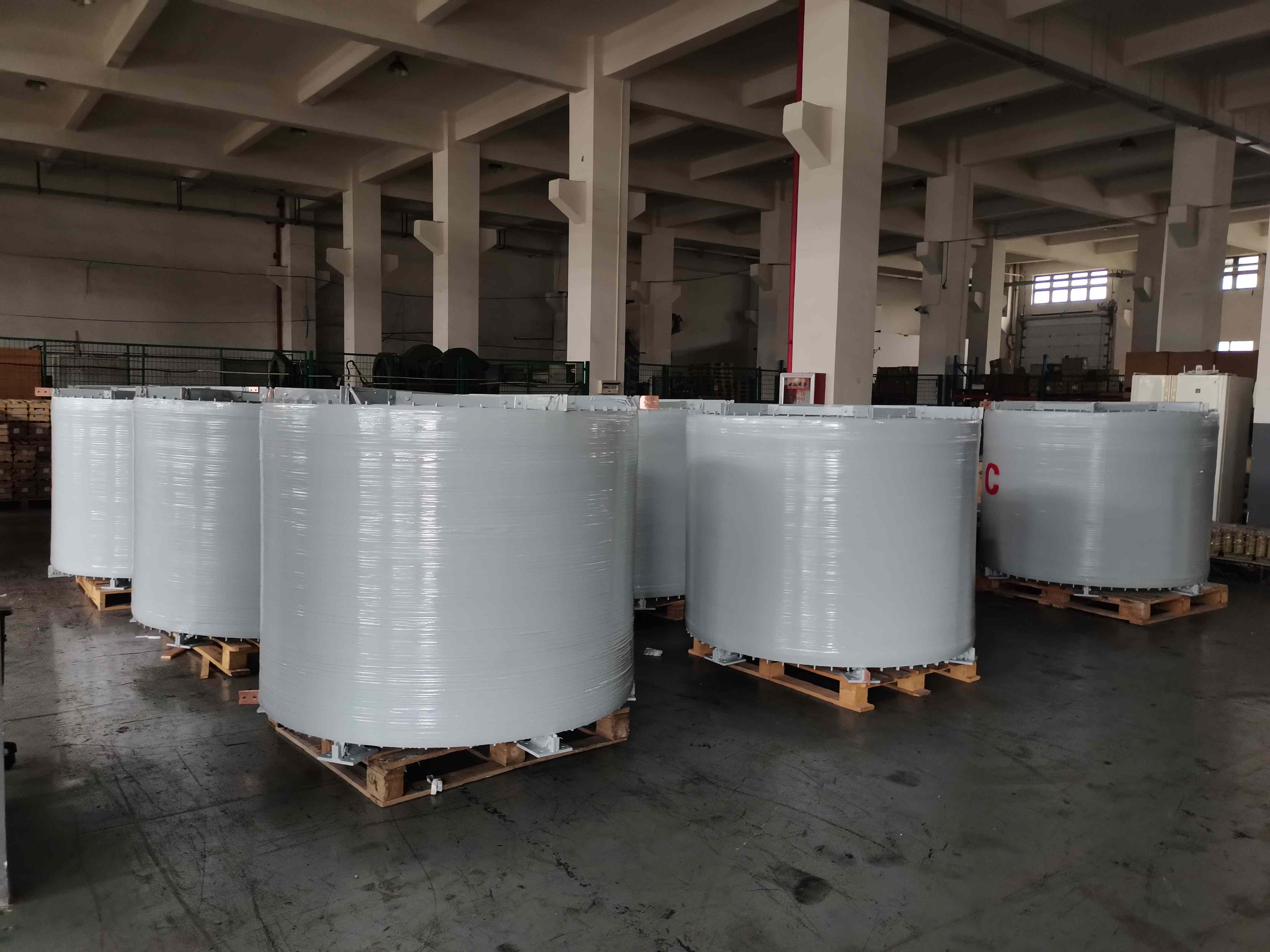
Which 3 Phase Capacitor Bank Is Best for Industrial Power Systems?
2026-05-08 16:01:29
The best 3 Phase Capacitor Bank for industrial power systems depends on how much reactive power your facility needs, how harmonic the environment is, and how it is used. When it comes to most factories, data centers, and utility substations, detuned capacitor banks with harmonic reactors work better because they stop resonance and fix power factor well. While fixed banks are good for steady loads, automatic power factor correction (APFC) systems can adapt to changing demand. To make sure long-term dependability and energy savings, choose a solution with low dissipation factors (less than 0.1%), strong safety features, and compliance with IEC 60871 or IEEE 18 standards.
Understanding 3 Phase Capacitor Banks: Fundamentals and Industrial Applications
Power factor correction is still one of the best ways for industrial facilities to cut down on wasted energy. When motors, transformers, and other inductive devices are running, they use reactive power, which doesn't do any useful work but makes the power demand look higher. This waste makes utility bills go up and puts a strain on the infrastructure that handles distribution. This problem can be solved by capacitor banks, which provide reactive power locally. This makes the voltage more stable and lessens the load on transformers upstream.
What Is a 3 Phase Capacitor Bank and Why It Matters
A 3 Phase Capacitor Bank consists of capacitor units connected in Delta or Star configurations to supply leading reactive power to electrical systems. It balances compensation across all three phases, making it ideal for industrial environments dominated by motors and VFDs. By improving power factor toward unity, it reduces utility penalties, increases system capacity, and lowers I²R losses in cables and switchgear. This enhances overall electrical efficiency, stability, and infrastructure utilization in industrial operations.
Types of Capacitor Banks and Their Industrial Use Cases
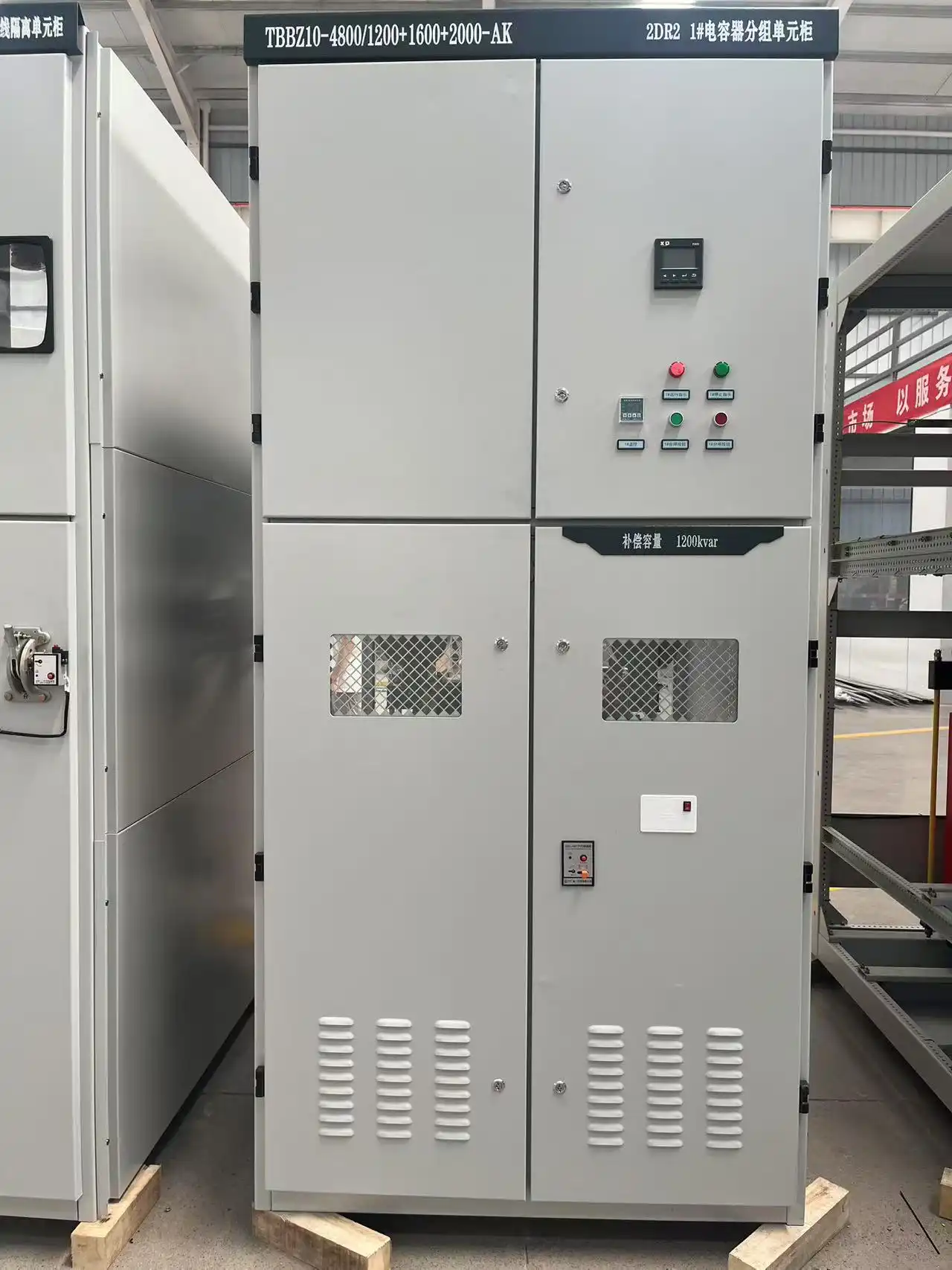
Capacitor bank configurations vary based on application requirements. Fixed banks provide constant compensation for stable industrial loads. Switchable banks allow manual or automatic adjustment using contactors, suitable for fluctuating production lines. Automatic systems use controllers to switch capacitor stages dynamically for variable loads like CNC machines. Detuned banks include reactors to suppress harmonics and prevent resonance in nonlinear environments such as those with drives or rectifiers, improving reliability and protecting equipment from thermal and electrical stress.
Core Benefits Driving Adoption Across Industries
Well-designed 3 Phase Capacitor Bank systems deliver measurable improvements in energy efficiency, often reducing costs by 10–25% through lower demand charges and penalties. Local reactive power support reduces current flow, lowering heat in transformers and extending equipment life. Voltage stability improves across distribution feeders, preventing unnecessary trips and downtime. These benefits make capacitor banks essential in factories, hospitals, and data centers, where stable and efficient power quality is critical for continuous and sensitive operations.
How to Choose the Best 3 Phase Capacitor Bank for Industrial Power Systems
To choose the right 3 Phase Capacitor Bank, you have to weigh the technical requirements against the needs of the business and your budget. To avoid costly mistakes like undersizing, harmonic resonance, or early failures, procurement professionals have to look at a lot of different factors.
Critical Selection Criteria for Optimal Performance
Accurate load analysis is essential to determine required kVAR capacity for achieving a target power factor, typically above 0.95. Voltage ratings must match system conditions and allow for transient overvoltage margins. Harmonic distortion above 5% requires detuned banks with reactors to prevent resonance damage. Safety features such as overpressure disconnectors and self-healing dielectric films enhance reliability and lifespan. Temperature ratings must also suit the environment, with Class D designs recommended for hot industrial settings up to 55°C.
Evaluating Manufacturers and Product Lines
Capacitor bank suppliers vary significantly in capability and specialization. ABB and Schneider Electric offer advanced APFC systems with intelligent control. Eaton focuses on durable industrial designs, while Siemens provides integrated medium-voltage solutions widely used in utilities. GE specializes in transmission-grade systems. Key evaluation factors include warranty duration (minimum 24 months), technical support responsiveness, and availability of turnkey services covering design, installation, and commissioning for reliable long-term operation.
Balancing Upfront Investment Against Lifecycle Value
Lower-cost capacitor banks may appear attractive initially but often result in higher lifecycle expenses due to early failure and reduced durability under harmonic stress. Poor thermal management accelerates degradation, especially in high-temperature environments. Lifecycle cost analysis should include lifespan, maintenance frequency, energy savings, and avoided penalties. Although automatic 3 Phase Capacitor Bank systems may cost more upfront, adaptive compensation and longer service life typically deliver significantly higher long-term return on investment.
Comparison of 3 Phase Capacitor Banks: Finding the Optimal Solution
Knowing the differences between the different ways that 3 Phase Capacitor Bank units can be set up can help you find the best one for your needs. Depending on the electrical environment and operational needs, each design approach has its own benefits.
Three-Phase Versus Single-Phase Configurations
Three-phase capacitor banks spread reactive compensation evenly across all three phases. This keeps the voltage profiles balanced, which is important for motor efficiency and equipment longevity. Single-phase units can fix each phase on their own, but they can cause imbalances if they are not carefully coordinated. In industrial settings where three-phase loads are common, three-phase banks work better and are easier to set up. Hybrid approaches may work better in data centers and commercial buildings that have a mix of single-phase and three-phase loads, but three-phase solutions can be used in most situations thanks to new APFC controllers.
Detuned Banks with Harmonic Reactors Versus Standard Units
Standard capacitor banks are suitable for clean electrical environments but are vulnerable to harmonic distortion from VFDs and electronic loads, which can cause resonance and overheating. Detuned banks use series reactors to shift resonance below harmful harmonic frequencies, typically 4.7 or 5.67, preventing damage while maintaining compensation efficiency. Although 15–20% more expensive, detuned designs are essential in automated plants and renewable-heavy systems due to their superior protection against harmonic-related failures.
Performance and Pricing Benchmarks Across Leading Brands
High-quality capacitor banks achieve dissipation factors below 0.1%, minimizing energy loss and heat generation. Mid-range products typically fall between 0.15–0.2% and suit less demanding applications. A 50 kVAR automatic 3 Phase Capacitor Bank system may cost $3,500–$6,500 depending on features such as harmonic filtering or remote monitoring. Utility-grade systems cost more due to enhanced safety and durability. Buyers must carefully evaluate specifications, as lower-cost options often compromise critical components like controllers and protection systems.
Advanced Solutions: 10kV Filter Capacitor Technology
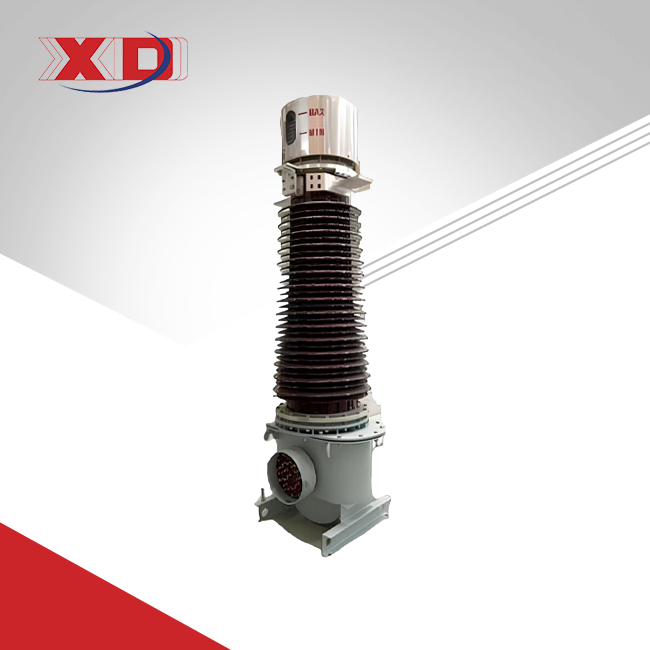
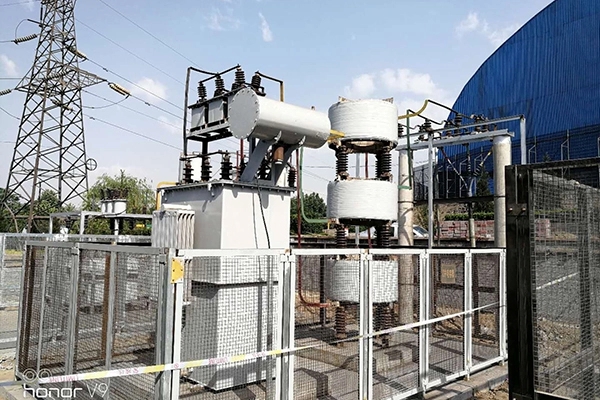
Medium-voltage applications demand specialized 3 Phase Capacitor Bank designs that combine high-voltage insulation with advanced harmonic filtering capabilities. Our 10kV three-phase filter capacitor represents the convergence of robust engineering and intelligent power quality management.
Engineering for Extreme Conditions and Grid Stability
This equipment works reliably in temperatures ranging from -40°C to +45°C, so it can be used in harsh environments like industrial sites in the Arctic and substations in the desert. The design can handle earthquakes up to magnitude 8 and works properly at heights of up to 2,000 meters without losing its effectiveness. These details are important because utility infrastructure and remote mining operations often happen in tough conditions where broken equipment can cause costly outages that affect tens of thousands of customers or stop millions of dollars worth of daily production.The capacitor reduces harmonic distortions by up to 70% thanks to advanced filtering, which makes low-impedance paths for certain frequencies. This stops distortions before they spread through the grid. This safety feature is very useful in modern power systems that use both solar and wind power, because inverter-based resources add harmonic content that can make regular equipment less stable. This advanced filtering feature is especially useful for substations that handle two-way power flows from distributed energy resources.
Technical Advantages Solving Real Industrial Challenges
Here are the core advantages driving adoption across critical applications:
1. Advanced Harmonic Management: The low dissipation factor of less than 0.1% keeps energy waste to a minimum, and self-healing dielectric technology automatically separates microscopic failures so that the system can keep running without losing performance. This self-healing ability greatly extends service life beyond 15 years, lowering the number of replacements needed and the overall cost of ownership.
2. Robust Protection Mechanisms: Enclosures that are weatherproof and rated IP54 or higher protect internal parts from dust, moisture, and corrosive air that is common in chemical plants and installations near the coast. Controlled pressure relief and automatic disconnection are important parts of explosion-proof safety systems that keep buildings like hospitals and data centers safe when people are using them.
3. Universal Compliance and Integration: Meeting the standards for IEC 60871, IEEE 18, and UL 810 makes sure that the product works with international grid codes and purchasing rules. Certifications like CE and GB/T make it easier to use in markets around the world. The modular design makes it easy to connect to existing medium-voltage switchgear, and the smart monitoring options give you real-time health checks that let you know when maintenance is needed before they happen.
Verified Quality Through Rigorous Testing
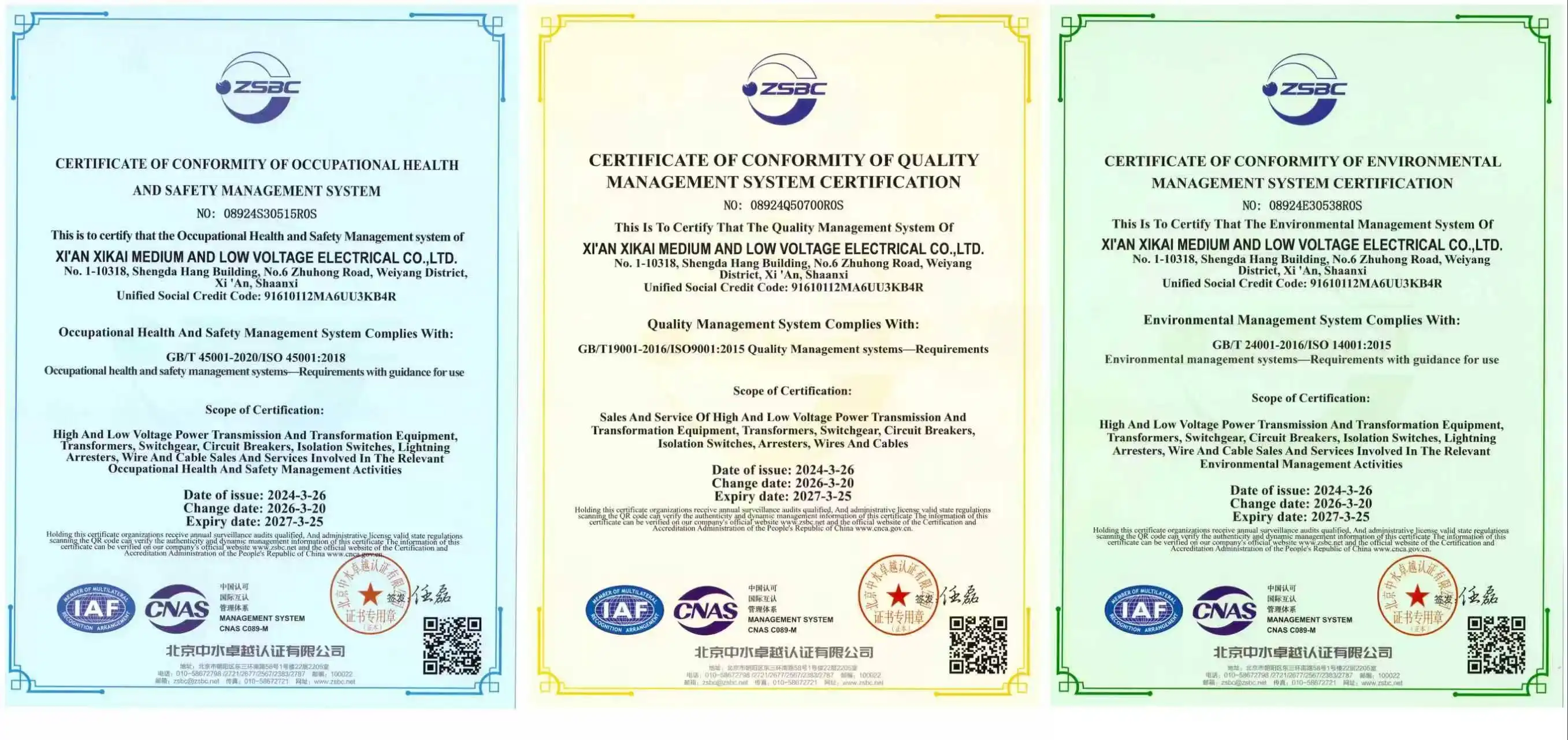
Before it is shipped, every unit goes through a thorough validation process. Testing the dielectric strength confirms that the insulation is still good when the voltage is too high. Thermal cycling mimics years of changes in temperature to make sure that materials keep their properties even during extreme weather. Seismic simulation tables shake assemblies with forces that are stronger than what is allowed in an earthquake. This shows that the structures are strong. Production that is ISO 9001-certified guarantees consistent quality from choosing the raw materials to putting them together at the end. Third-party laboratories that are not affiliated with the company verify performance claims and safety features. This gives utilities and engineering firms' risk-averse procurement teams more confidence.
Installation, Maintenance, and Operational Best Practices
Even the highest-quality 3 Phase Capacitor Bank delivers poor results if improperly installed or neglected during operation. Following proven practices ensures maximum return on investment and minimizes unexpected failures.
Professional Installation for Safety and Compliance
A thorough site assessment that looks at things like available space, ventilation, temperature ranges, and ease of access for future maintenance is the first step to a successful installation. Electrical grounding strategies need extra care; not enough grounding can cause shocks and damage equipment with transient voltages. Working with professional installation teams that know how to set up medium-voltage systems makes sure that the National Electrical Code and local utility interconnection standards are followed. These experts make sure that the phasing is correct, that the protective relay settings are correct, and that the system works properly before it is turned on.
Preventive Maintenance Extending Equipment Life
As part of regular maintenance, the unit should be visually checked every three months for oil leaks, corrosion in the enclosure, and loose terminal connections that cause resistive heating. For yearly upkeep, all electrical connections must be retightened to the correct torque levels, ventilation filters must be cleaned, capacitance values must be measured to find degradation before power factor drops, and safety devices such as overpressure disconnectors must be tested. Using infrared cameras to keep an eye on temperatures finds hot spots that mean parts are failing before they cause a major failure. By keeping track of maintenance tasks, you can see how things are wearing down over time and plan replacements ahead of time to avoid unplanned outages.
Accurate Sizing for Current and Future Needs
To get the right size, you should first do a full load analysis that measures both real and reactive power in a number of different operating conditions. Figure out the power factor at different levels of production, taking into account the new equipment that will be added over the next five years. Oversizing wastes money and can cause voltage rise problems during times of low load by lowering the leading power factor. Undersizing doesn't meet the goals for correction, so utility penalties stay in place. Power quality analyzers are used by experienced electrical engineers to record load profiles over a period of weeks. These profiles show daily and seasonal patterns that help them figure out the best way to stage and control capacitor banks. This way of looking at things makes sure that investments give the right results for as long as they're working.
Conclusion
Selecting the best 3 Phase Capacitor Bank requires careful evaluation of technical specifications, environmental conditions, and lifecycle costs. Detuned banks with harmonic reactors offer optimal performance for facilities with nonlinear loads, while automatic systems deliver precise correction for variable demand patterns. Prioritize low dissipation factors, robust safety mechanisms, and compliance with international standards to ensure reliable long-term operation. Advanced medium-voltage solutions like 10kV filter capacitors address challenging applications requiring extreme durability and sophisticated harmonic management. Partnering with experienced manufacturers who provide comprehensive engineering support, quality certifications, and responsive after-sales service maximizes your investment value and minimizes operational risks in critical industrial power systems.
FAQ
1. What is the difference between Delta and Star connections in capacitor banks?
Delta configurations are common for low-voltage automatic power factor correction panels because they can handle higher currents and naturally stop third-harmonic circulation. When it comes to high-voltage applications where insulation coordination is important, star connections are the best choice because they reduce the voltage stress on each capacitor element. Star configurations also help protect against neutral unbalance, which is important when phase loads vary a lot. The choice is based on the voltage in the system, the type of load, and the need for protection.
2. How do I choose between standard and detuned capacitor banks?
Check the total harmonic distortion levels in your building. If voltage harmonics are more than 3–5%, detuned banks with series reactors must be used to stop resonance, which leads to overheating and failure before its time. Detuned designs are usually needed in places with variable frequency drives, welding equipment, or a lot of electronic loads. Standard banks can be used safely in clean electrical environments with mostly resistive and motor loads, which can save you 15 to 20 percent on upfront costs.
3. What causes premature capacitor bank failures?
The two main types of failure are thermal stress from not enough ventilation and harmonic overloading. If there isn't enough air flow, the temperature inside can rise above the design limits, which speeds up the dielectric degradation. Harmonic currents heat things up too much, which breaks down insulation. Other common problems are overvoltage that doesn't go away, loose terminal connections that cause hot spots, and manufacturing flaws in low-quality units. Most failures can be avoided by correct sizing, enough cooling, and harmonic analysis during design.
Partner with Xi'an Xikai for Superior Capacitor Bank Solutions
When your industrial operation demands reliable power factor correction backed by proven engineering expertise, Xi'an Xikai delivers comprehensive solutions tailored to your specific requirements. As a leading 3 Phase Capacitor Bank manufacturer with decades of experience serving utilities, manufacturing plants, and infrastructure projects, we understand the technical challenges and operational pressures you face daily. We provide low and medium-voltage capacitor banks that meet international standards and are carefully tested in challenging settings. The 10kV filter capacitor systems use patented national research program technology, demonstrating our originality. We design systems for data centers that need precise voltage stability, utility substations that integrate renewable energy, and industrial sites with heavy motor loads.
Xi'an Xikai supports both initial consultation and long-term operation. Our technical staff works with your engineers to assess power quality data, size equipment precisely, and develop systems suited for your facility's electrical characteristics. We manage procurement details to ensure equipment arrives on time and fulfills certifications. Installation assistance and commissioning ensure safety and integration. Ongoing technical assistance through serina@xaxd-electric.com, amber@xaxd-electric.com, or luna@xaxd-electric.com ensures you receive rapid responses when questions arise. Choosing the right capacitor bank supplier impacts project success and long-term operational costs. Contact our team to discuss how our expertise and comprehensive product range deliver measurable value for your industrial power systems.
References
1. Institute of Electrical and Electronics Engineers (2013). IEEE Standard for Shunt Power Capacitors. IEEE Standard 18-2012, New York.
2. International Electrotechnical Commission (2014). Shunt Capacitors for A.C. Power Systems Having a Rated Voltage Above 1000V – Part 1: General. IEC 60871-1, Geneva.
3. Singh, B.N., Singh, B., Chandra, A., and Al-Haddad, K. (2017). Power Quality: Problems and Mitigation Techniques. Wiley Publishing, London.
4. National Fire Protection Association (2020). National Electrical Code. NFPA 70, Article 460 – Capacitors, Quincy, Massachusetts.
5. Dugan, R.C., McGranaghan, M.F., Santoso, S., and Beaty, H.W. (2012). Electrical Power Systems Quality, Third Edition. McGraw-Hill Education, New York.
6. American National Standards Institute (2016). Shunt Power Capacitors. ANSI/NEMA CP1-2016, Rosslyn, Virginia.