OEM/ODM Options for Metal-Clad Withdrawable Switchgear
2026-05-08 16:01:28
When utility companies and facility managers have to update old electrical infrastructure or create new substations, they quickly learn that off-the-shelf options don't always work for their specific needs. Metal-Clad Withdrawable Switchgear is the most reliable way to distribute medium-voltage power because it provides layered safety, the ability to replace parts while they are still hot, and security against arcing. Through OEM and ODM partnerships, these systems can be tailored to specific voltage ratings, environmental conditions, and integration needs. This turns standard equipment into precision-engineered assets that cut down on downtime, improve worker safety, and meet strict industry standards such as IEEE C37.20.2 and IEC 62271-200. Customized solutions for switchgear help buying teams get the best performance and long-term operating value.
 |
 |
Understanding Metal-Clad Withdrawable Switchgear and Its OEM/ODM Potential
Medium-voltage Metal-Clad Withdrawable Switchgear works in ranges usually between 4.16kV and 38kV and has circuit breakers on carriages that can be removed and are kept in metal-enclosed spaces. This design lets maintenance teams take out or put in parts without turning off the power to nearby equipment. This makes forced outages much less common during regular maintenance. The compartmentalized design separates the bus bars, wire connections, and control circuits into their own rooms. This stops faults from spreading and makes work safer.OEM and ODM customization are needed when facility-specific needs are greater than what a standard product can handle. Manufacturing companies that use ongoing processes can't afford to shut down unexpectedly because of equipment specs that don't work together. To find thermal problems before they cause breakdowns, data centers need to be able to easily connect to advanced tracking systems. Utility substations that handle a wide range of loads need flexible designs that can adapt to future capacity increases without having to spend a lot of money on major infrastructure repairs.
Why Customization Matters for Industrial Buyers
Standard switchgear designs usually work for general applications, but they can't always handle unique operating conditions. Facilities near the coast are more likely to rust because of salt spray, so they need special coats and tools made of stainless steel. For locations above 1,000 meters, the insulation coordination and derating formulas need to be changed so that the dielectric strength stays the same in thinner air. Areas that are prone to earthquakes need stronger building parts and flexible bus links that can handle ground motion without breaking completely. Customization goes beyond the building itself. Integrating the control system is a must for modern buildings that want to use unified energy management. OEM relationships make it possible to add private communication methods, custom relay settings that are based on the load, and the ability to work with existing SCADA infrastructure. Through ODM relationships, customers can choose the type of breaker they need based on how often they need to switch, how they like to maintain it, and external factors.
Common Customization Requests
When it comes to electrical specs, procurement teams often ask for changes, like changing current rates to match real load patterns instead of standard offers that are too big and raise capital costs needlessly. Customizing the size of the bus bars makes sure that they can handle short circuits and make the best use of the wire material. Control voltage standardization lines up new equipment with existing backup power systems, so you don't need any extra transformers, and the installation is easier. Physical changes include small footprints for machinery rooms that don't have a lot of room, front-access designs for installations that are placed on the wall, and strengthened enclosures that meet IP54 or IP65 protection ratings for use in dusty or wet areas. Different areas and types of businesses have different certification needs. For example, utility projects usually need to comply with IEEE standards, Metal-Clad Withdrawable Switchgear, while industrial uses might need UL listing or IECEx approval for dangerous areas.
Core Components and Customizable Features in OEM/ODM Metal-Clad Withdrawable Switchgear
Knowing the main parts of Metal-Clad Withdrawable Switchgear helps buying workers figure out where changes will have the most significant effect on operations. Each part does a certain job, and making these parts fit the needs of the building makes the system more reliable and easier to keep.
Circuit Breakers and Withdrawal Mechanisms
Circuit breakers are the main devices that stop the flow. They come in vacuum or SF6 technologies and can stop 25kA to 63kA of current. Vacuum breakers don't need to be maintained and have little effect on the environment. They are perfect for setups that want to be environmentally friendly and save money over time. SF6 breakers offer better arc-quenching performance in small packages, making them useful for uses with limited room but needing regular gas monitoring. Precision-guided tracks and positive mechanical interlocks keep the withdrawal system from working in a way that could be dangerous. As an example of customization, automatic racking systems let you add and remove breakers from a distance, protecting repair workers from arc flashes. Manual racking systems with speed settings let workers control the speed of insertion, which reduces the mechanical stress on contact systems while they are being connected.
Bus Bars and Protective Systems
Bus bars carry electricity throughout the switchgear assembly. The heat performance and fault current abilities are directly affected by the material choice and size of the bus bars. Copper bus bars are better at conducting electricity and can work at lower temperatures, while aluminum ones are lighter and less expensive for big setups. Contact areas that are silver-plated reduce connection resistance and stop rusting in places with a lot of moisture. Arc flash safety systems have changed a lot over the years. Newer models have arc detection switches that look for patterns in light and current to open the circuit breaker quickly within two to three cycles. Customized arc-resistant designs that have been tested to IEEE C37.20.7 standards offer directed venting pathways that move fault gases away from where the operators are. During internal arcing events, pressure release panels with set failure points keep the enclosure's integrity.
Smart Monitoring Integration
IoT-enabled tracking features turn ordinary switchgear into smart assets that give operators constant insight into their operations. Some of the features that can be changed include thermal monitors that check the temperatures of the busbars and sound alarms when certain levels are reached, which show the start of hotspots. Condition-based maintenance can be used instead of time-based plans because partial discharge monitors can find insulation degradation before it fails. Communication ports that handle Modbus, DNP3, and IEC 61850 protocols connect switchgear data to energy management systems that run the whole plant. We've seen that sites that use predictive tracking have 40–60% fewer unplanned outages than those that use reactive maintenance. With real-time data, repair teams can plan their work for planned breaks in production instead of having to deal with emergencies during times of high demand.
How to Choose the Right OEM/ODM Metal-Clad Withdrawable Switchgear Supplier
To find the right manufacturing partner for Metal-Clad Withdrawable Switchgear, you need to carefully look at their technical skills, quality control methods, and framework for help after delivery. The choice affects not only the original capital costs but also the long-term operating costs and the stability of the system over more than 30 years that the equipment will be used.
Defining Facility Requirements
To start, procurement teams should make a list of present and expected electricity loads, taking into account plans for future growth that could lead to higher capacity needs in 5 to 10 years. Enclosure grades and component derating standards are based on things like ambient temperature ranges, altitude, humidity levels, and contamination exposure. The actual layout of choices is limited by things like accessible floor space, roof heights, and how cables can enter the building. Different businesses have very different operational objectives. Data centers put a high value on quickly isolating faults and having multiple setups that can support N+1 or 2N designs. Manufacturers stress how easy it is to do repairs and how well it works with current motor control centers. Utility substations need to be able to grow and be standardized so that inventory management is easier across multiple sites.
Evaluation Criteria for Suppliers
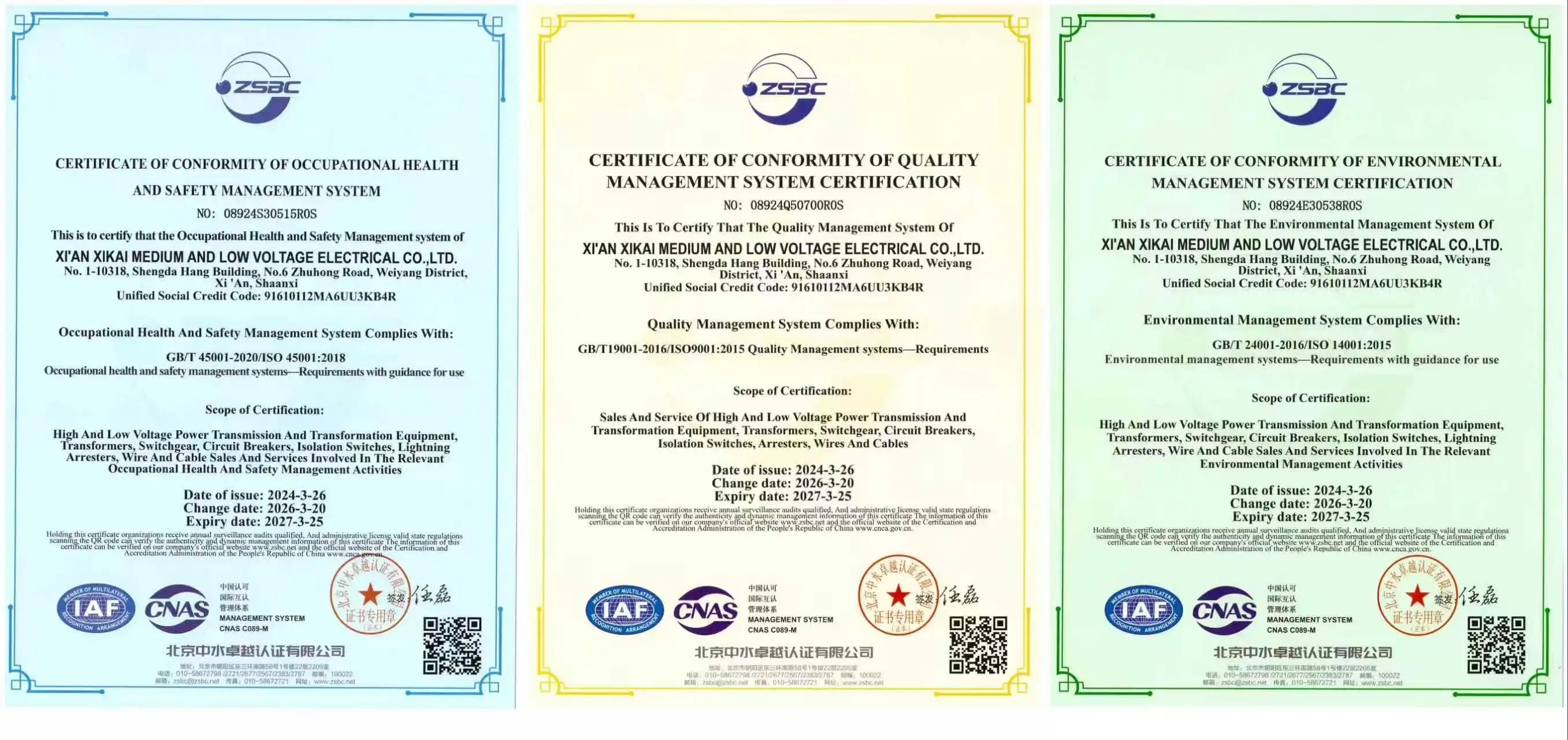
The most important thing is to have technical experience designing medium-voltage equipment. Well-known makers have decades of engineering experience and a track record of success in a wide range of uses. Quality certifications, such as ISO 9001 for industrial processes and ISO 14001 for environmental management, show that production control and growth are done in a planned way. After-sales support infrastructure significantly impacts lifecycle costs. Suppliers should maintain spare parts inventory with documented availability commitments, provide technical training for maintenance personnel, and offer emergency response services, minimizing downtime during unexpected failures. We recommend requesting customer references from similar industries and conducting site visits to existing installations before finalizing supplier selection.
Comparative Considerations
Established foreign names offer a wide range of engineering tools and a lot of product validation through the millions of units that have been put around the world. Their uniform bases make it easier to add on in the future and make sure that parts will always be available. Customization, on the other hand, might take longer and cost more because of established design processes and approval chains. Regional OEM partners are often great at making custom solutions that meet specific needs that aren't met by standard products. Xi'an Xikai Medium & Low Voltage Electric Co., Ltd. is a good example of this method. They use their modular production skills to make custom medium-voltage switchgear that meets the needs of their clients and meets international standards. Our factories have high-tech testing tools that make sure the products work well in harsh conditions, like up to 4,000 meters of altitude, meeting needs that go beyond normal product rates.
Procurement Process and Important Considerations for OEM/ODM Orders
To successfully purchase custom Metal-Clad Withdrawable Switchgear, you need to know the different steps that need to be taken, from the initial request to the commissioning. At each step, there are chances to improve specs and keep costs low.
Initial Inquiry and Specification Development
The buying process starts with a thorough technical questionnaire that lists electrical factors like voltage levels, current ratings, fault current capabilities, and security coordination needs. When writing environmental specs, you should think about things like temperature ranges, altitude, earthquakes, and any special situations like corrosive atmospheres or dangerous dangers that need special certifications. Within two to three weeks, suppliers usually reply with rough designs and price quotes, showing different options that meet the main needs. During this phase, we suggest setting up technical review meetings to talk about design assumptions, customization options, and making sure everyone is on the same page about certification standards and testing procedures. This way of working together stops mistakes that cost a lot of money later on in the production process.
Design Approval and Manufacturing
Once the requirements are agreed upon, providers create detailed engineering drawings and control plans for the client to look over and approve. This part of the design approval usually takes three to four weeks and is an important checkpoint to make sure that all of the customization needs are met before production starts. Facility engineers and support staff should be involved in design reviews by clients because they often find operating issues that weren't thought of during the initial specification development. Custom switchgear usually takes between 8 and 16 weeks to make, but this depends on how complicated it is, how much material is available, and the state of the production queue. Orders that include custom casings, specialized breakers, or lengthy testing methods take longer to complete. Buying a lot of different types of switchgear at once can often lower the cost per unit through economies of scale and help suppliers schedule their production better.
Testing, Delivery, and Installation
Before being shipped, switchgear goes through a lot of tests in the factory to Metal-Clad Withdrawable Switchgear make sure it works properly. These tests include dielectric tests that use overvoltage to make sure the insulation is solid, mechanical endurance tests that run breakers through thousands of operations to make sure they are reliable, and functional tests for protective relays that make sure they work with the overall system protection schemes. Clients should ask for chances for witnessed testing so that their expert teams can see how validation works and fix any issues before the equipment leaves the factory. When setting up custom configurations, professional installation services are especially helpful because provider techs know exactly how to put together and commission equipment that is unique to that configuration. We make sure that support staff understand how to use safety interlocks, withdrawal mechanisms, and regular inspection processes by supervising installations and teaching operators. Setting up preventative repair plans from the time the equipment is first used onwards extends its life and protects the warranty.
Real-World Case Studies: Successful OEM/ODM Metal-Clad Withdrawable Switchgear Projects
Looking at examples of successful implementations shows how customized Metal-Clad Withdrawable Switchgear solutions can solve specific business problems and provide measured benefits in a wide range of industrial settings.
Power Utility Substation Upgrade
A regional utility that ran several substations had problems with equipment obsolescence because some of its switchgear was getting close to the end of its useful life after 35 years of service. It was not possible to replace them directly with standard goods because of limited space and the need to keep current security methods working. Custom ODM switchgear with small, front-access designs allowed installation within existing layouts without having to make any changes to the building. The custom solution included up-to-date vacuum breakers with a 31.5kA stopping capacity, which is more than the original 25kA equipment and can handle higher fault current levels. Using protocol adapters to connect to existing SCADA systems kept the utility's centralized tracking infrastructure safe. Better arc-resistant construction that was tested to a category C rating kept people safer during repair work. As an example of the value of customization in infrastructure modernization, the project was finished during planned outage times without needing long customer delays.
Manufacturing Facility Expansion
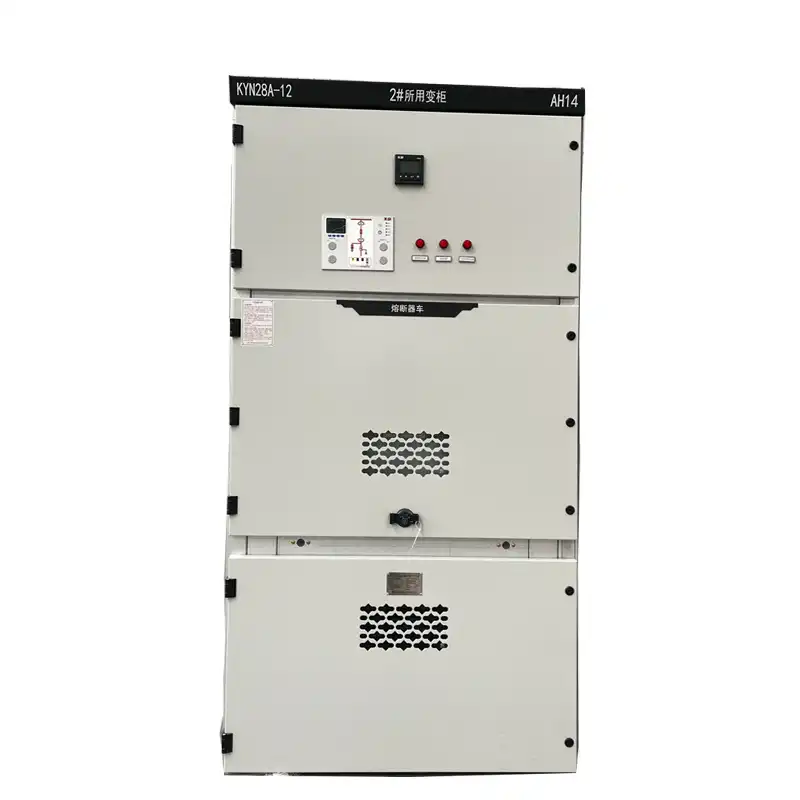
As a company that makes car parts increased its production, it needed more electricity to power new robotic assembly lines and welding equipment. The project needed to be closely coordinated with the building plans and fit in perfectly with the 12kV distribution infrastructure that was already in place. With its 12kV rated voltage, 50Hz frequency, and ability to work with ABB VD4 and VS1 circuit breakers, our KYN28-12 Metal-Clad Withdrawable Switchgear was the perfect base. It also met the standard repair procedures for the building. Five complete safety interlocks were built into the custom design to stop circuit breaker mistakes, illegal access to the live compartment, and incorrect grounding operations. These are important safety features for maintenance workers in fast-paced industrial settings. The modular design made it possible to place the parts in stages that worked with the plans for starting up the production line. The plant's energy management system had advanced tracking features that let people see the quality of the power in real time. This lets them respond quickly to changes in voltage that could harm sensitive computer controls. Production uptime measures went up by 12% after the installation, which was due to better power quality and fewer gaps caused by repairs.
Conclusion
Metal-Clad Withdrawable Switchgear is an important building investment that will have long-lasting effects on facility safety, dependability, and working efficiency. With OEM and ODM customization choices, buying teams can find the best equipment specs for specific electrical needs, environmental conditions, and integration needs that standard goods can't meet. For execution to go well, suppliers must be carefully evaluated, detailed specifications must be created, and engineers must work together to make sure that designs accurately reflect practical goals. We looked at projects that have real benefits, like better uptime thanks to predictive tracking, safer work environments for employees thanks to advanced arc-resistant designs, and the ability to grow as needed in the future. Choosing manufacturing partners with proven technical know-how, strong quality systems, and a full support infrastructure will help these important power distribution assets last as long as possible and cost as little as possible over their entire lifespan.
FAQ
1. What lead times should we expect for custom switchgear orders?
Depending on how complicated the customization is and how busy production plans are at the moment, shipping times for Metal-Clad Withdrawable Switchgear are usually between 8 and 16 weeks. Projects that need specific parts, like tools that can work at high altitudes or enclosures that can be set up in unique ways, tend to take longer. We suggest starting talks about buying 6 to 9 months before the expected installation dates. This gives enough time for design reviews, approval cycles, and production without putting too much pressure on the schedule and lowering the quality. Early involvement helps with planning output better and often gets better prices.
2. How do we verify compliance with international standards?
Suppliers with a good reputation give full approval paperwork, such as type test records that prove equipment meets IEEE C37.20.2 and IEC 62271-200 standards. You should ask for copies of test records that show that the product can resist changes in temperature, mechanical stress, and short-circuits. Third-party certifications from UL or other well-known testing labs give you even more peace of mind. We keep our ISO 9001 certification and do a lot of testing here in-house, such as 42kV dielectric tests and more than 10,000 operation mechanical endurance cycles. Clients can look at the paperwork.
3. Can switchgear designs accommodate future expansion?
Modern switchgear focuses on a flexible design that makes it easy to add more capability. During the early stages of planning, specify flexible bus bar systems that allow for future feeder places. Standardizing on common breaker bases makes it possible for parts to be swapped out and makes it easier to keep track of extra parts. We build systems that can be expanded as needed, with flexible communication frameworks that make it easy to add new tracking technologies as facilities change. Talking about long-term goals for growth during the design development process makes sure that infrastructure investments can keep up with growth without becoming outdated too soon.
Partner with Xi'an Xikai for Custom Metal-Clad Withdrawable Switchgear Solutions
Procurement professionals who need solid medium-voltage distribution options should work with experienced manufacturers who can make a lot of changes. Xi'an Xikai Medium & Low Voltage Electric Co., Ltd. is a specialist seller of Metal-Clad Withdrawable Switchgear. They have a lot of engineering tools and a track record of making high-quality products. Our factories have ISO 9001 and ISO 14001 standards, which make sure that quality and environmental duty are upheld throughout the whole manufacturing process. We make designs that are completely unique and meet the needs of each business, whether it's at high altitudes or in tough industrial settings. This dedication is shown by our KYN28-12 switchgear platform, which is built to last with a 12kV rating, has five layers of safety interlocks, and works with top-of-the-line breaker technologies from ABB and other foreign companies. Technical support includes more than just delivering equipment; it also includes overseeing installation, teaching operators, and quick service after the sale. Contact our technical team at serina@xaxd-electric.com, amber@xaxd-electric.com, or luna@xaxd-electric.com to discuss your specific switchgear requirements. We welcome the opportunity to demonstrate how tailored metal-clad withdrawable switchgear enhances electrical safety, operational efficiency, and long-term reliability for your critical power infrastructure.
References
1. Institute of Electrical and Electronics Engineers (2013). IEEE Standard for Metal-Clad Switchgear, IEEE Std C37.20.2-2015. IEEE Power and Energy Society.
2. International Electrotechnical Commission (2011). High-voltage switchgear and controlgear – Part 200: AC metal-enclosed switchgear and controlgear for rated voltages above 1 kV and up to and including 52 kV, IEC 62271-200.
3. National Electrical Manufacturers Association (2016). Metal-Enclosed Low-Voltage Power Circuit Breaker Switchgear, NEMA Standards Publication 250.
4. Beaty, H. Wayne and Fink, Donald G. (2012). Standard Handbook for Electrical Engineers, Sixteenth Edition. McGraw-Hill Professional.
5. Das, J.C. (2015). Arc Flash Hazard Analysis and Mitigation. IEEE Press Series on Power Engineering, Wiley-IEEE Press.
6. Tleis, Nasser (2008). Power Systems Modelling and Fault Analysis: Theory and Practice. Newnes Electrical Power Engineering Series, Elsevier.