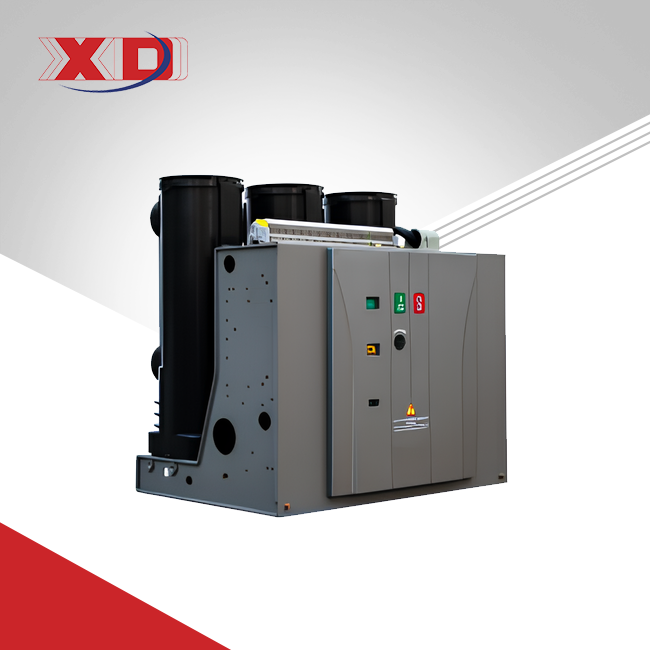
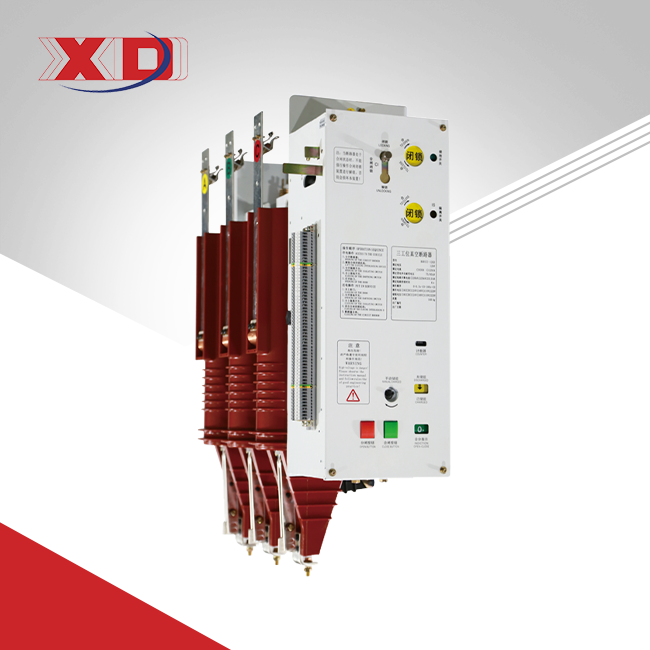
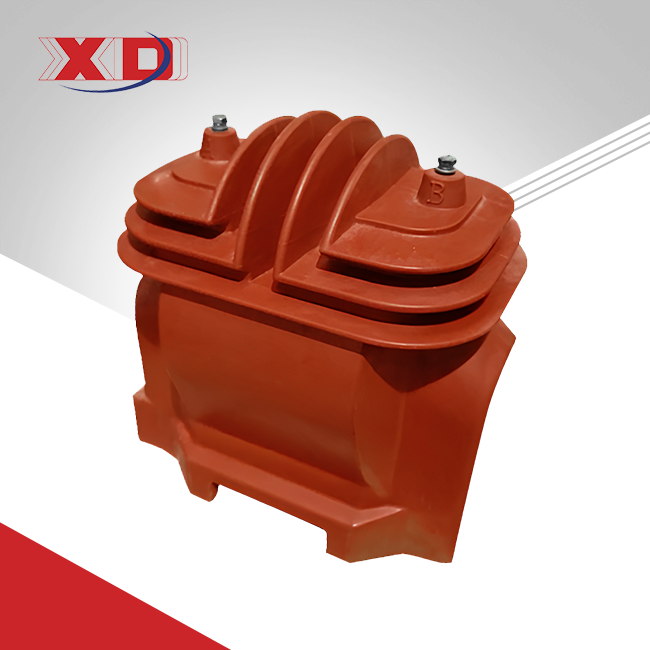
10kV High Voltage Reactive Power Compensation Device for Industrial Plants
2026-05-19 15:57:05
When industrial sites have problems with power quality, voltage instability, and rising energy costs, they need to use a 10kV High Voltage Reactive Power Compensation Device right away. These medium-voltage systems fix the reactive power mismatches that happen in factories, especially when big inductive loads like motors, transformers, and arc furnaces are in use. By using automated reactive correction to improve power factor, utility fees are cut directly, voltage levels are stabilized, and equipment lasts longer. This has clear financial and practical benefits for factories, data centers, and big business buildings.
 |
 |
Introduction
When 10kV industrial power systems are used, they have to deal with problems that low-voltage systems can't. When reactive power flows through medium-voltage networks, the voltage drops, transmission losses go up, and transformer capacity is used up. We've seen sites lose 15 to 25 percent of their working performance because they don't handle their power factors well. This guide looks at how 10kV High Voltage Reactive Power Compensation Devices change the electrical infrastructure of factories by making the power better and the voltage more stable. Reactive compensation makes energy efficiency changes that go beyond saving money right away. Grid rules are getting stricter, and more and more industrial activities need power factor numbers above 0.90 or 0.95. By following these rules, you can avoid fines that can reach thousands of dollars per month and free up generator capacity for growing production. In the parts that follow, we'll talk about technologies, installation best practices, buying strategies, and real-world applications that help B2B clients make decisions that are in line with their business goals and government rules.
Understanding 10kV Reactive Power Compensation Devices
Core Technologies and Components
Several methods are used by medium-voltage reactive power adjustment devices to control the flow of reactive power. Capacitor banks are still the most popular option because they offer set or switchable capacitive reactance to balance out magnetic loads. When you pair reactors with capacitors, you get tuned circuits that stop harmonic feedback and provide correction. Synchronous condensers offer continuously changeable pay, but they require more up-front investment and upkeep. Static VAR compensators are high-tech devices that use thyristor-controlled reactors and set capacitors to quickly adapt to changing load conditions.
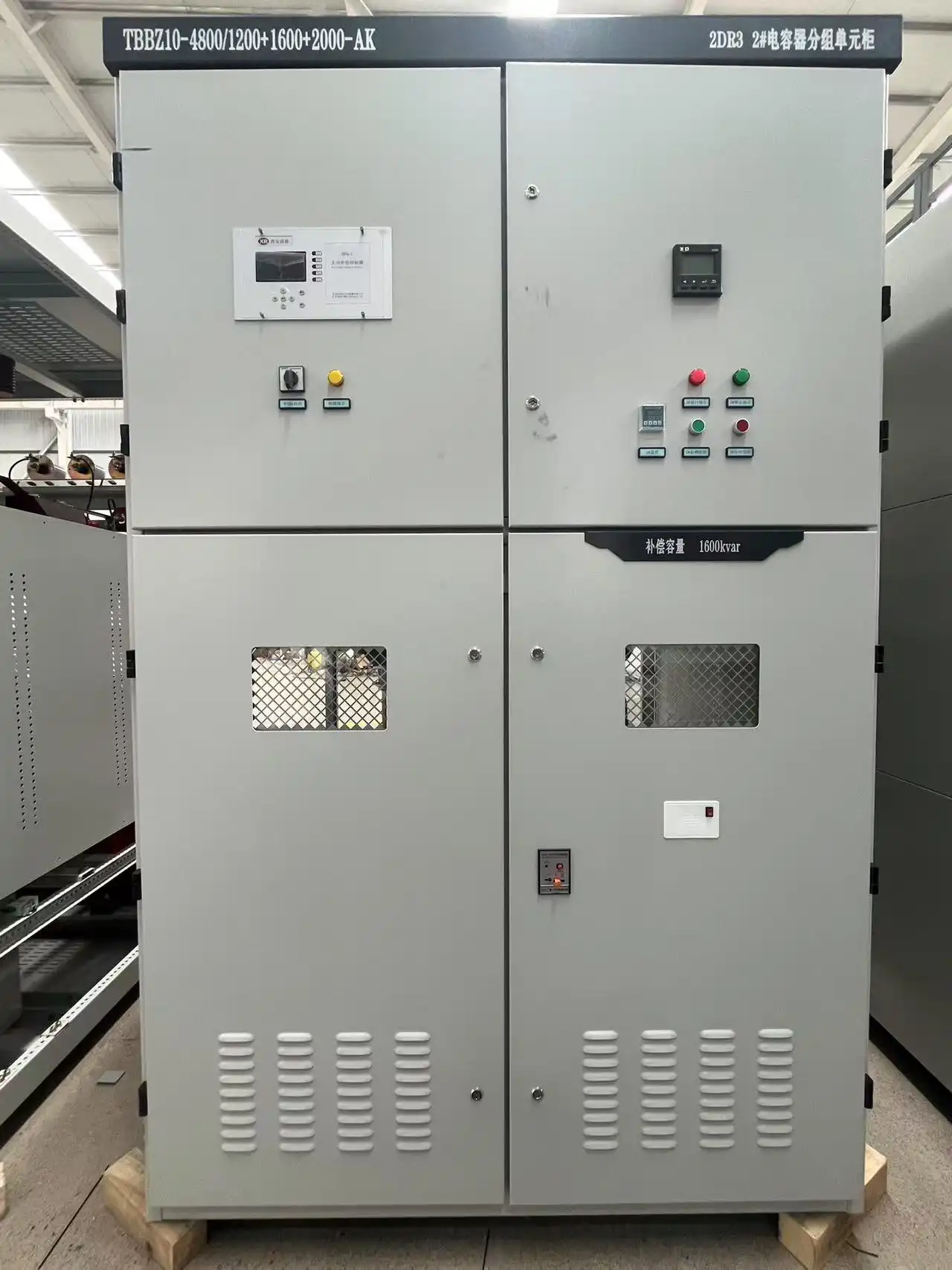
Modern automatic compensation technology can be seen in the TBB10 High Voltage Reactive Power Automatic Compensation Device. This gadget changes reactive power based on what the grid needs right now. It works with 6-10kV systems and has a maximum range of 100–10,000 kVar. Its smart supervisor constantly checks the voltage and current and, in 20 milliseconds, turns on capacitor banks to fix any errors in reactive power. This fast reaction feature stops power drops and rises that mess up important data center and manufacturing processes.
Key Benefits for Industrial Operations
One of the most obvious effects of reaction correction is less power waste. I²R losses in wires, transformers, and switches go down when the flow of reactive current through distribution networks is slowed down. When facilities install adjustment systems that are the right size, transmission losses usually drop by 20 to 30 percent. These savings add up over the life of the equipment, which increases the return on investment and supports efforts to be more environmentally friendly. Increasing voltage steadiness has a direct effect on how well and how long equipment works.
When a voltage sag happens, motors draw too much power, which speeds up the wear on the insulation and bearings. To keep servers from crashing and data from getting lost, data center hardware needs power stability within ±5%. The 10kV High Voltage Reactive Power Compensation Device keeps the power factor above 0.95 by making changes in real time. This keeps the voltage on the busbar stable even when the load changes quickly. Arc-resistant shelters and surge protection features make things safer. This is especially important in industrial settings where electrical problems can be very dangerous.
Installation, Maintenance, and Troubleshooting Best Practices
Site Assessment and Installation Protocols
A full site review of the current power distribution design, load factors, and weather conditions is the first step in a proper installation. Before choosing nuclear designs, engineering teams have to look at the frequency content of the power systems in the building. Different reactor choices on the TBB10 can handle different harmonic patterns. For example, 0.1 to 1% reactance can be used to reduce inrush current, 6% reactance can be used to reduce fifth-order harmonics, and 12% reactance can be used to reduce third-order harmonics. If you choose the wrong generator, it can lead to resonance conditions that damage capacitors and make the system unstable.
Safety rules and electricity codes must be followed to the letter during installation. Overcurrent switches, voltage tracking systems, and circuit breakers are some of the safety systems that compensation devices must work with. When figuring out the size of a cable, harmonic currents and switching transients are taken into account. The TBB10 can work in a wide range of industrial temperatures, from -25℃ to +45℃. However, in the harshest conditions, it may need to be housed in a climate-controlled cage. When you ground your equipment correctly, you keep voltage stress off of insulation systems. This makes parts last longer and requires less upkeep.
Common Faults and Diagnostic Approaches
The most common fault in a correction device is a failed capacitor. Less reactive power output, higher harmonics, and safety relay activations are all signs. The first step in the diagnostic process is to use LCR meters to test each capacitor individually to find those that are damaged. When a reactor fails, it usually makes strange noises, gets too hot, or the insulation breaks down, which can be seen through partial discharge readings. The TBB10 has vacuum circuit breakers that automatically cut off faulty parts of the system so that some parts can still work while fixes are being made. Even if the power components are healthy, a controller problem can stop the stages from moving correctly.
Software logic mistakes, sensor failures, or connection problems need to be carefully looked into using the built-in debugging screens and event logs. Voltage differences caused by problems with grounding put stress on electronics and pose safety risks. During startup and regular maintenance, you should check the bonded links and measure the ground resistance. Keeping accurate records of past problems helps improve efficiency and guides the selection of new parts.
Comparative Analysis and Decision-Making for 10kV Reactive Power Solutions
Medium Voltage vs. Low Voltage Systems
Which 10kV High Voltage Reactive Power Compensation Device or low-voltage adjustment method to use with relies on how the building is built and how the load is distributed. Installing medium-voltage adjustment at the primary distribution levels lowers the flow of reactive current through the main transformers. This frees up capacity and lowers core losses. Low-voltage systems make up for problems at the secondary distribution or load levels, correcting only certain groups of equipment. Most of the time, mixed methods that combine medium-voltage backbone correction with low-voltage fine-tuning at key loads work best for large industrial sites.
Based on economic research, medium-voltage systems are more cost-effective for buildings that need more than 5,000 kVar of total compensation. As the voltage goes up, the cost of each component per kVar goes down, but installation becomes more difficult, and safety rules get stricter. With its scalable capacity range, the TBB10 can work with sites ranging from small factories to big industrial buildings, giving system designers more options. Engineering, procurement, and building firms like this flexibility because it helps them plan electricity infrastructure for clients whose businesses are expected to grow.
Manufacturer Selection Criteria
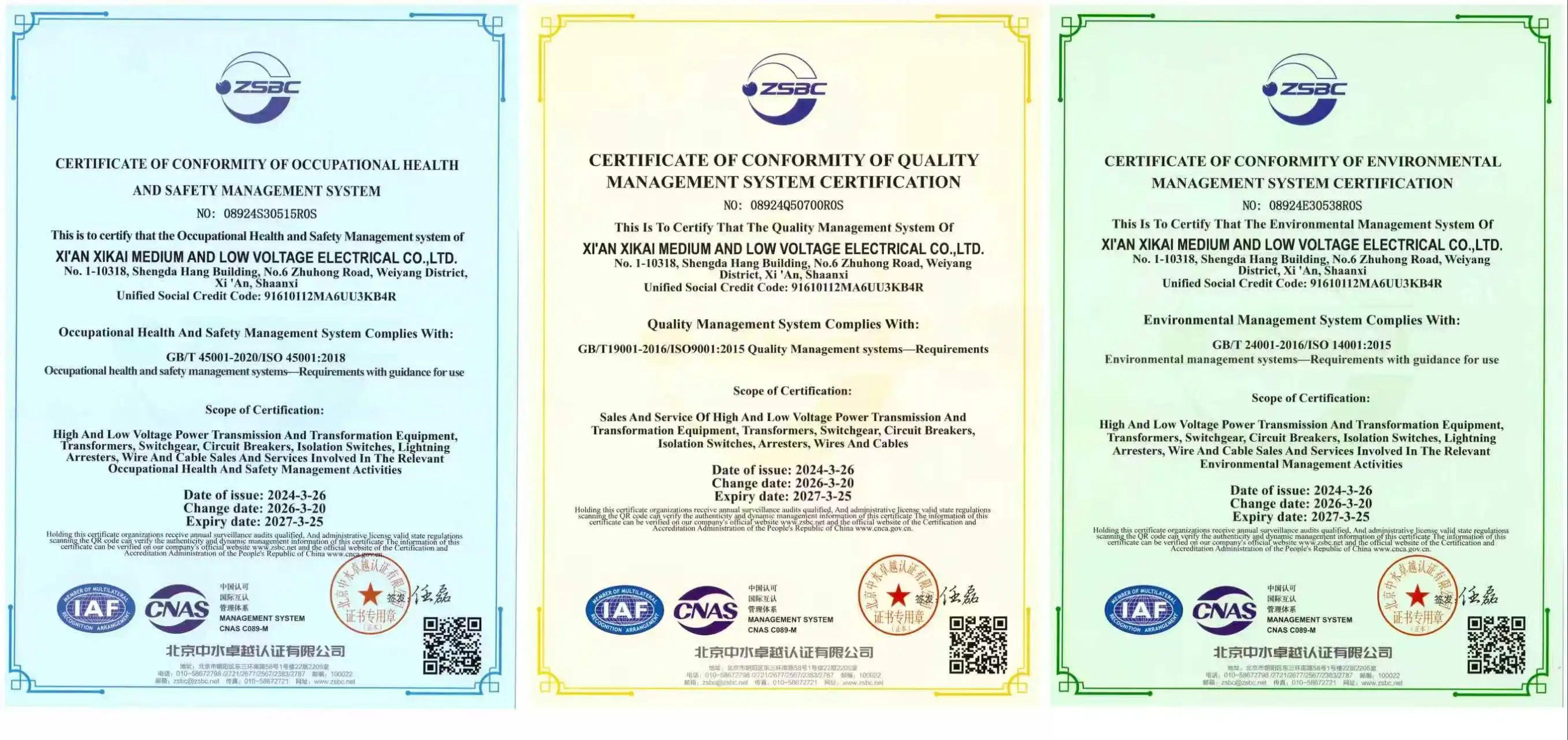
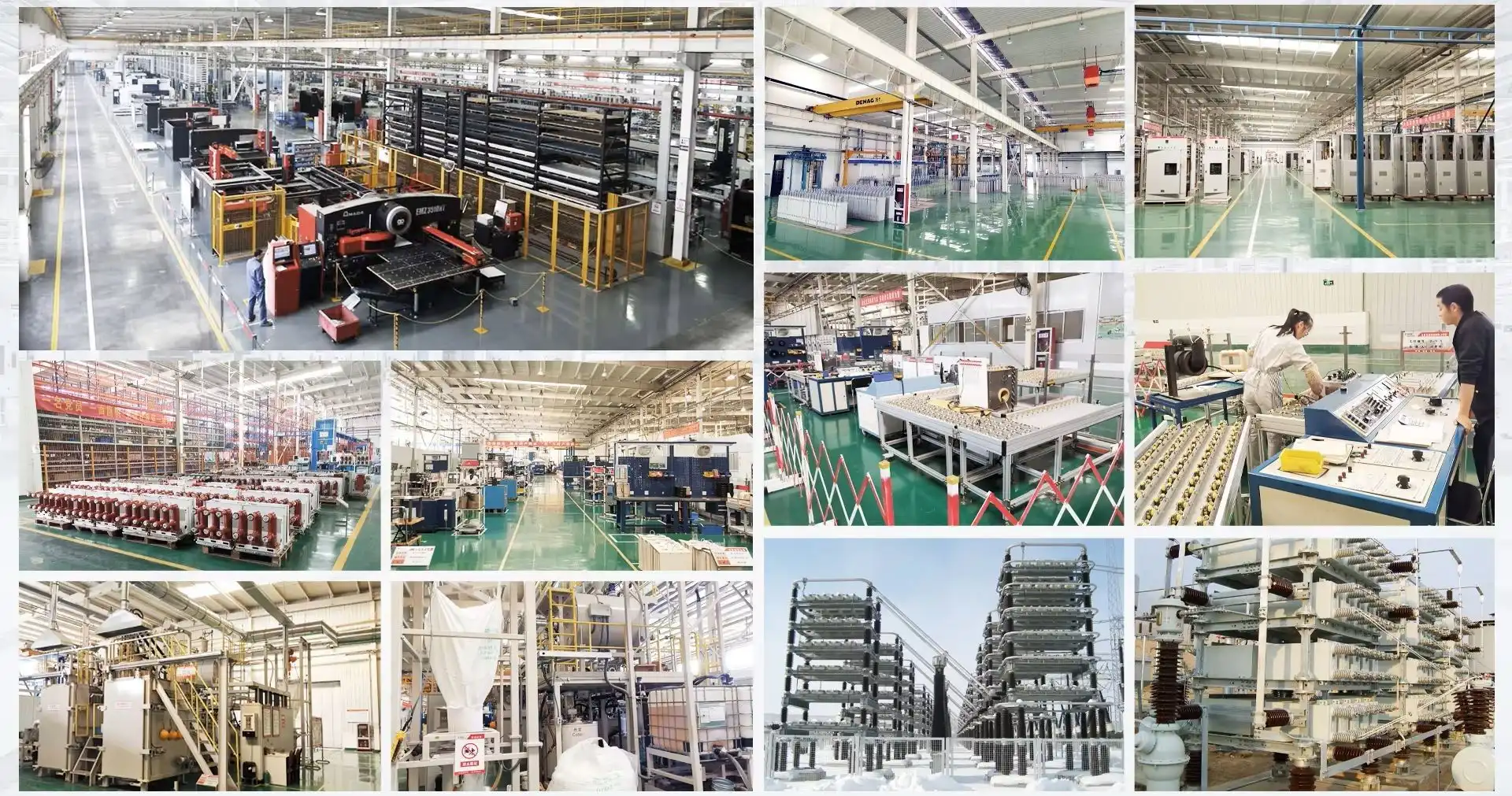
Procurement teams judge producers based on how reliable their products are, how well they can help with technology issues, and how long they've been in business. Xi'an Xikai has been making middle and low-voltage electrical tools for 25 years. Their products have been used in State Grid systems, steel mining, petrochemicals, and rail transportation. ISO 9001-certified production methods make sure that the quality is always the same by testing the products thoroughly in a number of ways, such as thermal cycling, checking the dielectric strength, and measuring the partial discharge below 100pC at 1.1x the rated voltage. Long-term purchase costs are greatly affected by the technical support system.
Operational risks are lower when manufacturers offer thorough paperwork, training programs, and quick tech help. Xi'an Xikai helps with everything, from unique creation to execution and upkeep throughout the product's life. International standards like IEC 60871 and IEEE 18 are met by the products, making sure they work with all electrical rules around the world. The total cost of ownership is also affected by warranty terms, the availability of extra parts, and the ability to adapt old infrastructure.
Procurement Guide for 10kV High Voltage Reactive Power Compensation Devices
Sourcing Strategies and Supplier Evaluation
Working directly with makers has benefits such as the ability to customize, get lower prices, and work together technically on system design. Authorized dealers offer local help and faster shipping for normal setups, but they may not be able to make as many changes as you'd like. When engineering procurement building companies buy parts for client projects, they have to find a balance between being able to offer the best prices and making sure that suppliers are reliable and follow the rules about paperwork.The specs for the request for quotes should include information about the working voltage, the amount of space needed, the surroundings, the harmonic patterns, and the needs of the control system.
Manufacturers can suggest the best-configured systems by giving correct load data and single-line models. Xi'an Xikai, the company that makes the 10kV High Voltage Reactive Power Compensation Device, offers application engineering help by looking at the electrical features of the building and suggesting reactor setups that meet the needs for harmonic reduction. This consultative method cuts down on design mistakes that hurt system performance or need expensive changes to be made in the field.
Compliance and Documentation Requirements
When installing medium-voltage equipment, a lot of paperwork is needed to show that it meets legal standards and insurance requirements. Type test records to make sure that goods meet the right standards in a lab setting. Reports from routine tests show that each unit meets the requirements. Quality standards, like ISO 9001, show that the manufacturing process is strict. For building engineering teams, Xi'an Xikai offers complete technical paperwork packages that include single-line diagrams, control plans, setting formulas, and operation guides to help them during the installation and testing phases.
As companies try to be more environmentally friendly, environmental standards become more important in their buying decisions. Designs that save energy and are in line with ISO 14001 environmental management standards lower running costs and carbon footprints. Facilities above 1,000 meters in elevation have specific needs for equipment that is made to work at high altitudes. The TBB10 can work at heights of up to 4,000 meters, which makes it useful for mining operations, green energy installations, and industrial facilities in hilly areas where air pressure can affect the performance of cooling and electrical shielding.
Enhancing Industrial Plant Performance with 10kV Reactive Power Compensation
Quantified Energy Savings and Efficiency Gains
In the real world, solutions that use compensation systems show big improvements in speed after they are put in place. By adding medium-voltage reactive correction, a steel rolling mill was able to raise the power factor from 0.72 to 0.96 and cut its monthly electricity costs by $47,000. Eliminating energy fines brought in $18,000 a month, and lower demand charges and cable costs made up the rest. Transformer loads dropped by 23%, which allowed production to grow without having to improve the equipment.
Different but equally important benefits come to data centers that run mission-critical computer systems. Improving voltage stability lowers the stress on computer power supplies, which makes gear last longer and requires fewer replacements. The capacity of an uninterruptible power system actually goes up because reactive correction lowers the power needs that seem to be there. After voltage stabilization, a 5MW data center saw a 17% drop in the amount of energy used by its cooling system. This was because computers worked better at the right voltage levels.
Smart Grid Integration and Future-Ready Technology
New features in smart grids let us use real-time data and predictive algorithms to come up with more advanced pay plans. IoT devices can talk to building energy management systems and work with production plans, time-of-use rates, and demand response programs to make sure that payments are made on time. The TBB10's transmission methods let it connect to SCADA systems through Modbus and RS485 connections, which lets various plant places be monitored from one place.The next step up from standard automatic systems is adaptive adjustment technologies.
Machine learning systems look at trends in load, weather data, and production plans to find the best pay methods before they happen. Predictive maintenance can find problems with parts before they break, so fixes are planned for planned downtime instead of being done in an emergency. With these features, compensation systems go from being inactive pieces of infrastructure to active players in strategies to save energy and help reduce carbon emissions and achieve operational excellence.
Conclusion
Medium-voltage reactive power correction is a tried-and-true method that gives manufacturing sites quick financial gains and better operations. The 10kV High Voltage Reactive Power Compensation Device has smart control, a strong build, and a number of setup choices that can be used in a variety of industrial, utility, and business settings. The dependability and return on investment of a system are at their highest when it is chosen, installed, and maintained correctly. Companies can have good projects if their procurement plans balance the prices of tools, the skills of suppliers, and the needs for long-term assistance. As power grids become smarter, modern compensation devices offer tools that are ready for the future to support environmental goals and organizational excellence.
FAQ
1. What distinguishes automatic from fixed compensation systems?
Automatic adjustment systems keep an eye on the power factor all the time and turn on capacitor stages as needed to keep the reactive power balance at its best, even when loads change. Fixed systems offer steady adjustment even if the load changes, making them ideal for places where energy use stays the same. When loads go down, automatic systems stop overcompensation. This keeps leading power factor penalties from happening, and smart stage algorithms keep switching parts from wearing out.
2. How often should maintenance occur on 10kV compensation devices?
Visual inspections are done every three months to look for burning or physical damage in links and parts. Thermographic scans, capacitance readings, and insulation resistance tests are all part of the annual maintenance. Facilities that are in tough settings need to be checked on more often. The TBB10 can self-diagnose problems and be monitored from afar, which lets predictive maintenance find problems before they break down. This improves the timing of maintenance and cuts down on unplanned downtime.
3. What energy cost savings can facilities expect?
Savings depend on the power factor, how the energy rates are set up, and how the load is used. When a facility raises its power factor from 0.75 to 0.95, it usually cuts its energy costs by 15 to 25 percent. This is because it gets rid of fines, lowers demand charges, and lowers transmission losses. To figure out specific saves, you need to look at energy bills, load patterns, and the size of the pay system. Most loans have payback times of two to four years.
Partner with Xi'an Xikai for Superior Reactive Power Solutions
Xi'an Xikai Medium & Low Voltage Electric Co., Ltd. is a reliable company that provides 10kV High Voltage Reactive Power Compensation Devices for a wide range of challenging industry uses. Our TBB10 device works reliably from -25°C to +45°C, and its clever compensation keeps the power factor above 0.95. It was made in a factory that is ISO 9001-certified and meets IEC 60871 and IEEE 18 standards. With customizable systems that can handle 100 to 10,000 kVar, we work with sites in the steel industry, petrochemicals, data centers, and green energy sectors. Send an email to serina@xaxd-electric.com, amber@xaxd-electric.com, or luna@xaxd-electric.com to talk about your power quality problems with our tech team.
References
1. IEEE Std 18-2012, "IEEE Standard for Shunt Power Capacitors," Institute of Electrical and Electronics Engineers, New York, 2012.
2. Dugan, R.C., McGranaghan, M.F., and Beaty, H.W., "Electrical Power Systems Quality," Third Edition, McGraw-Hill Education, 2012.
3. IEC 60871-1:2014, "Shunt Capacitors for A.C. Power Systems Having a Rated Voltage Above 1000 V - Part 1: General," International Electrotechnical Commission, Geneva, 2014.
4. Miller, T.J.E., "Reactive Power Control in Electric Systems," John Wiley & Sons, New York, 1982.
5. Arrillaga, J., Bradley, D.A., and Bodger, P.S., "Power System Harmonics," Second Edition, John Wiley & Sons, Chichester, 2003.
6. Baggini, A., "Handbook of Power Quality," John Wiley & Sons, West Sussex, 2008.