Can 10kV High Voltage Reactive Power Compensation Device Reduce Harmonics?
2026-05-19 15:57:07
As soon as an industrial facility experiences issues with power quality, voltage instability, or rising energy costs, it needs to use a 10kV High Voltage Reactive Power Compensation Device. When heavy inductive loads like motors, transformers, and arc furnaces are in use, these medium-voltage systems even out the reactive power that isn't balanced in factories. Utility fees are cut directly, voltage levels are stabilized, and equipment lasts longer when automated reactive compensation is used to improve power factor. It's clear that factories, data centers, and large commercial complexes will benefit financially and operationally from this.

Introduction
Tensor power systems have to handle issues that low-voltage systems don't have to. Flowing reactive power through medium-voltage networks lowers the voltage, increases transmission losses, and uses up the capacity of the transformers. Failure to properly manage power factors has caused some facilities to lose 15 to 25 percent of their operational efficiency. Within this guide, we explore how 10kV High Voltage Reactive Power Compensation Devices alter the electrical systems of factories by improving power and making the voltage more stable.
With reactive compensation, energy efficiency goes up in ways that don't just save money right away. The rules for the grid are getting stricter, and more and more factories need power factors above 0.90 or 0.95. Fines for breaking these rules can reach thousands of dollars per month. If you follow them, you can avoid those fines and free up transformer capacity for more production. The following sections will discuss technologies, installation best practices, procurement strategies, and real-world applications that assist B2B clients in making choices that are in line with their business objectives and government rules.
Understanding Reactive Power Compensation and Its Role in Harmonic Reduction
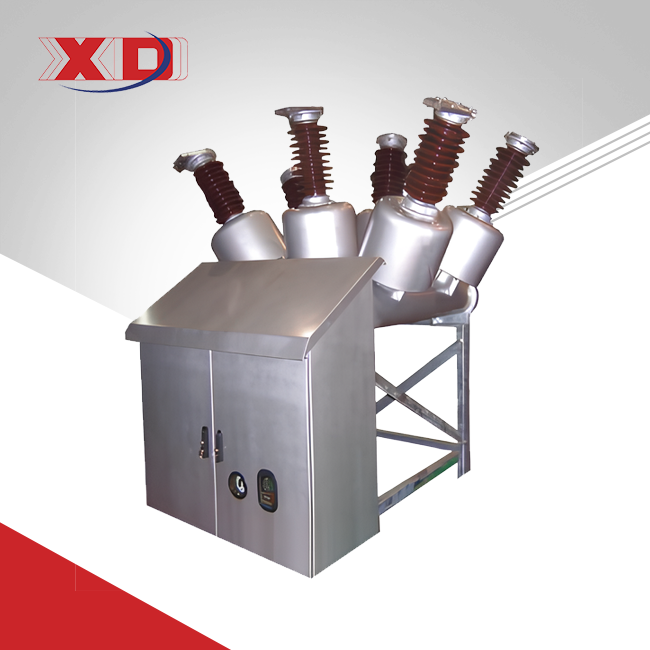
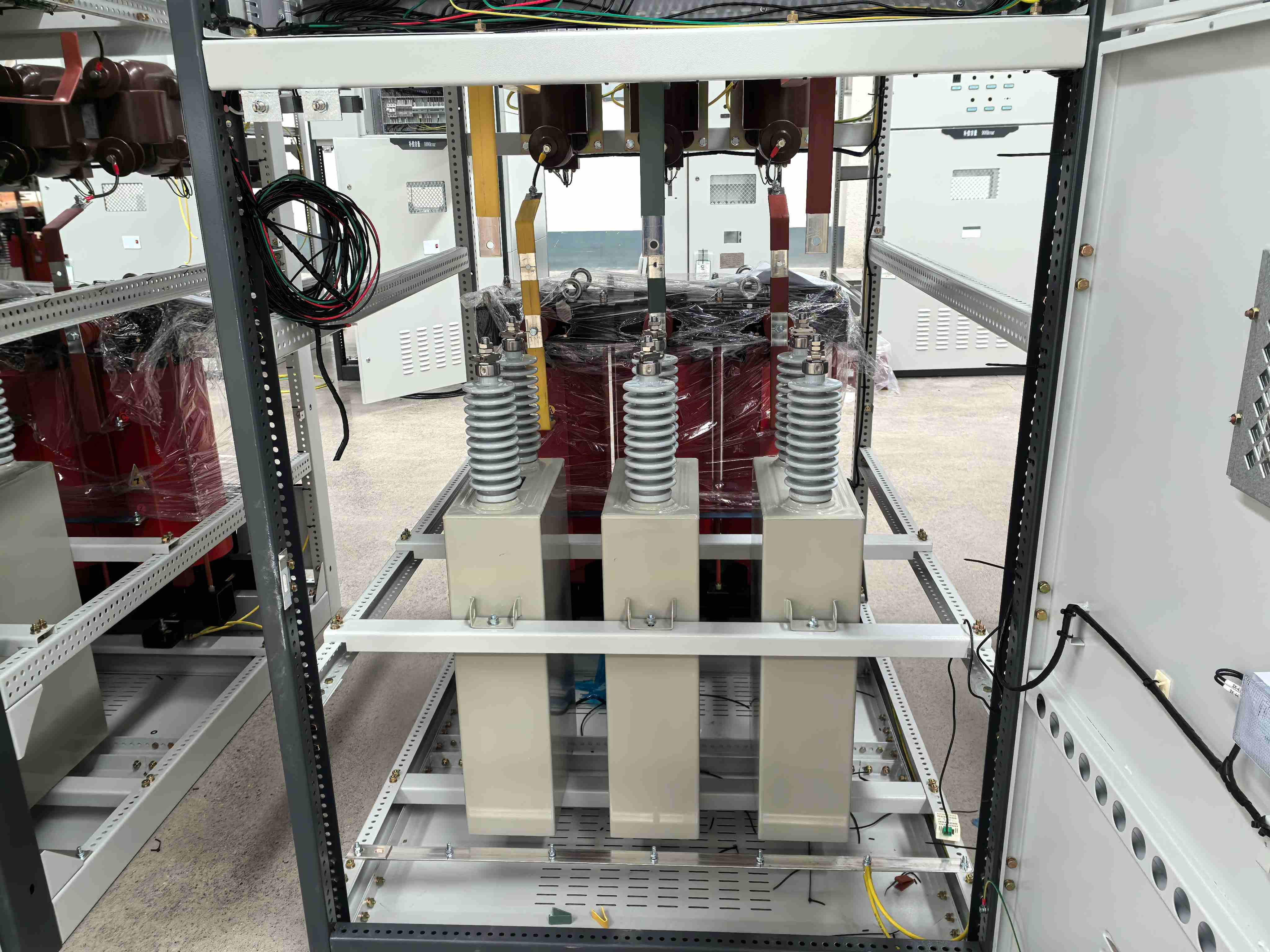
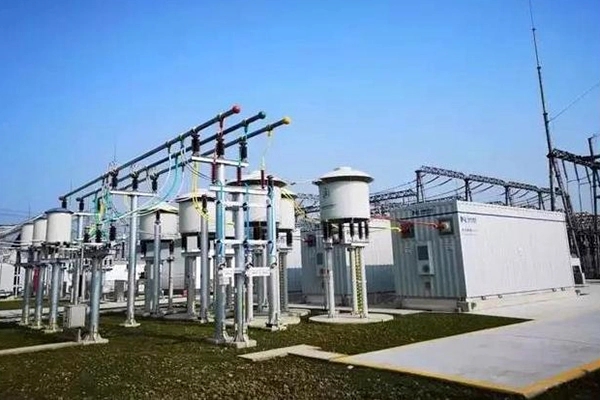
Medium-voltage reactive power compensation systems control the flow of reactive power in a number of ways. Most people still use capacitor banks because they offer a fixed or switchable capacitive reactance that can balance out inductive loads. Tuned circuits stop harmonic resonance and make up for it when you pair reactors with capacitors. High-tech devices called static VAR compensators use thyristor-controlled reactors and fixed capacitors to quickly adjust to changes in the load. The 10kV High Voltage Reactive Power Compensation Device integrates these technologies to ensure system integrity.
How Reactive Power Devices Influence Harmonic Behavior
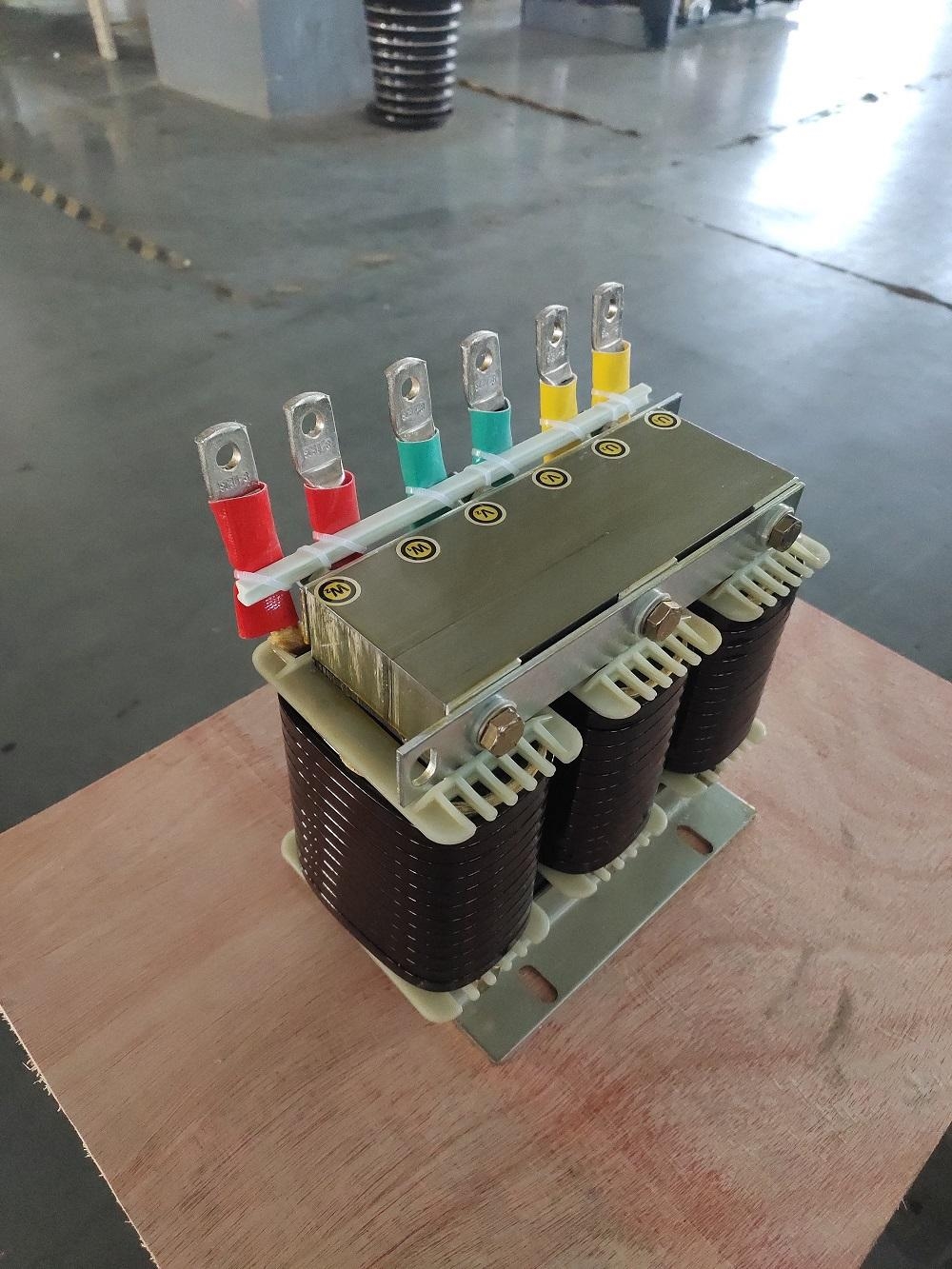
Engineers have to look at the harmonic content of the facility's 10kV High Voltage Reactive Power Compensation Device before they can decide on reactor configurations. With 0.1 to 1% reactance for inrush suppression, 6% reactance for fifth-order harmonic suppression, and 12% reactance for third-order harmonic mitigation, the 10kV High Voltage Reactive Power Compensation Device has several reactor options. If you don't choose the right reactor, resonance conditions can happen, which can damage the capacitor and make the system unstable.
Technical Specifications That Matter for Industrial Applications
In the TBB10 High Voltage Reactive Power Automatic Compensation Device, you can see how modern automatic compensation technology works. This part of the grid changes reactive power based on what it needs at the moment. It can handle 100–10,000 kVar and works with 6–10kV systems. Its smart controller checks the voltage and current all the time and, every 20 milliseconds, turns on capacitor banks to fix any reactive power imbalances.
Common Types of Reactive Power Compensation Devices Used in 10kV Systems
The 10kV High Voltage Reactive Power Compensation Device works better and costs less when you switch between fixed and automatic compensation modes. With fixed capacitor banks, the reactive support stays the same even if the load changes. This makes them good for places where power use patterns are stable and predictable. Every time there is a change in load, automatic systems check the power factor and activate the compensation stages to get the best performance.
Automatic Capacitor Banks with Detuned Reactors
Autonomous systems stop overcompensation from happening when loads drop. The utility company saves money because the power factor doesn't drop too low. They also reduce the mechanical stress on switching parts by using smart staging algorithms. Separate modules make up the TBB10 device. These modules can be put together to make it bigger without having to restart the system. In this way, the facility can grow as its power needs change.
Synchronous Condensers for Grid-Scale Applications
When you use synchronous condensers, the compensation is always changing, but they cost more up front and need more maintenance. These rotating machines provide smooth, continuously variable reactive support. They are typically used in utility-scale applications or large industrial districts where transient stability and inertia are required alongside reactive power management.
Evaluating the Effectiveness of Reactive Power Compensation in Harmonic Reduction
One benefit of reactive compensation that you can see right 10kV High Voltage Reactive Power Compensation Device away is less power loss. Reactive current flows more slowly through distribution networks, which lowers I²R losses in cables, transformers, and switchgear. Transmission losses often go down by 20 to 30 percent when the right-sized 10kV High Voltage Reactive Power Compensation Device is put in place. Over the life of the equipment, these savings add up, which raises the return on investment and helps with efforts to be greener.
Design Factors That Influence Harmonic Mitigation Outcomes
The first thing that needs to be done for a proper installation is a full site assessment of the existing power distribution architecture and load characteristics. Design factors must account for the specific harmonic profile of the facility. Selecting the correct series reactor is the most critical step; a 6% reactor is standard for most industrial drives, while a 12% reactor is necessary when significant third-order harmonics are present from non-linear electronic loads.
Operational Limitations and Realistic Expectations
Environmental factors make compensation equipment wear out faster. Extremely high temperatures drastically shorten the life of capacitors; each 10℃ rise above the recommended temperature can cut the expected service life in half. Buildings that work in dusty or corrosive environments need to be cleaned and inspected more often. Visual inspections should be done every three months to look for signs of overheating or capacitor bulging.
Procurement Considerations for Medium Voltage Compensation Equipment
Picking between 10kV High Voltage Reactive Power Compensation Device systems and low-voltage systems depends on how the building is set up. When medium-voltage compensation is put in at the primary distribution levels, it lowers the flow of reactive current through the main transformers. This frees up capacity and lowers core losses. For large industrial facilities, medium-voltage backbone compensation is generally the most cost-effective approach.
Key Selection Criteria for Industrial Buyers
An analysis of the costs shows that medium-voltage systems are more cost-effective for buildings that need more than 5,000 kVar of total compensation. At higher voltage levels, the cost of each component per kVar goes down, but installation becomes more difficult, and safety rules get stricter. When designing electrical infrastructure for clients who are likely to grow, firms prioritize systems that can be expanded as needed.
Comparing Manufacturer Capabilities and Support Infrastructure
Purchasing teams judge manufacturers based on how reliable their products are and how long they've been in business. The Xi'an Xikai company has been making medium and low-voltage electrical equipment for 25 years. Their products have been used in State Grid systems and petrochemicals. The production process is ISO 9001-certified, ensuring quality through thermal cycling and dielectric strength testing.
Sourcing Strategies for Optimal Value
When you work directly with manufacturers, you can get benefits like the ability to customize and competitive prices. In the request for quotation, the operating voltage, required capacity, and harmonic profiles should all be listed. By giving accurate load data and single-line diagrams, manufacturers can suggest systems that are set up in the best way to meet specific harmonic suppression needs.
Installation and Maintenance Best Practices to Maximize Harmonic Reduction
The 10kV High Voltage Reactive Power Compensation Device requires strict adherence to safety rules and electrical codes. Protection systems that are already in place, like overcurrent relays and voltage monitoring, must work with the device. Cable sizes must be calculated to account for harmonic currents and switching transients. Proper grounding keeps voltage stress off of insulation systems, which increases the life of parts.
Critical Installation Steps for Harmonic Mitigation
Site engineers must ensure that the point of common coupling is properly analyzed. Harmonic mitigation depends on the installation of correctly rated reactors that shift the resonant frequency away from existing distortion peaks. With an operating temperature range of -25°C to +45°C, the TBB10 is robust, but in the harshest conditions, climate-controlled enclosures may be needed to maintain the harmonic 10kV High Voltage Reactive Power Compensation Device filtering integrity.
Commissioning Tests That Validate Harmonic Performance
Type test reports show that products meet the necessary standards in a lab setting, while routine test reports show that each unit meets the requirements. To help facility engineering teams through the installation and commissioning phases, complete technical documentation packages are provided. These include single-line diagrams, control schematics, and setting calculations that validate the harmonic performance before full-load operation begins.
Preventive Maintenance Protocols for Long-Term Reliability
Visual inspections are done every three months, and once a year, thermographic surveys find hot spots that show where connections are loose. Capacitance measurements show when performance is drifting; when values drop below 95% of rated capacity, the capacitor needs to be replaced. Self-diagnostic alerts and remote monitoring through IoT integration make it possible to use predictive maintenance strategies to keep things from breaking down.
Upgrading Existing Systems for Enhanced Performance
The most common problem with a compensation system is a failed capacitor. Failures in reactors usually show up as strange noises or too much heat. The TBB10 has vacuum circuit breakers that automatically cut off problems in certain parts of the system so that the remainder can still work. Upgrading existing systems with modular parts allows facilities to add capacity or enhanced harmonic protection without a full system replacement.

Conclusion
New features of smart grids allow for more complex compensation plans that use real-time data and predictive algorithms. The Internet of Things (IoT) lets the 10kV High Voltage Reactive Power Compensation Device talk to energy management systems in buildings, which coordinate payments with production schedules and demand response programs. Using Modbus and RS485 interfaces, communication protocols allow it to connect to SCADA systems for centralized monitoring. When compared to traditional automatic systems, adaptive compensation technologies represent the next step forward in industrial energy efficiency.
FAQ
1. Can Compensation Devices Completely Eliminate Harmonics?
No, these devices are designed to manage and reduce harmonics, not completely eliminate them. By using detuned reactors, the 10kV High Voltage Reactive Power Compensation Device prevents resonance and suppresses specific frequencies like the 3rd and 5th harmonics. Total elimination would require active harmonic filters, which can be integrated into a hybrid system for maximum performance.
2. How Do Capacitor Banks Compare to Synchronous Condensers for Harmonics?
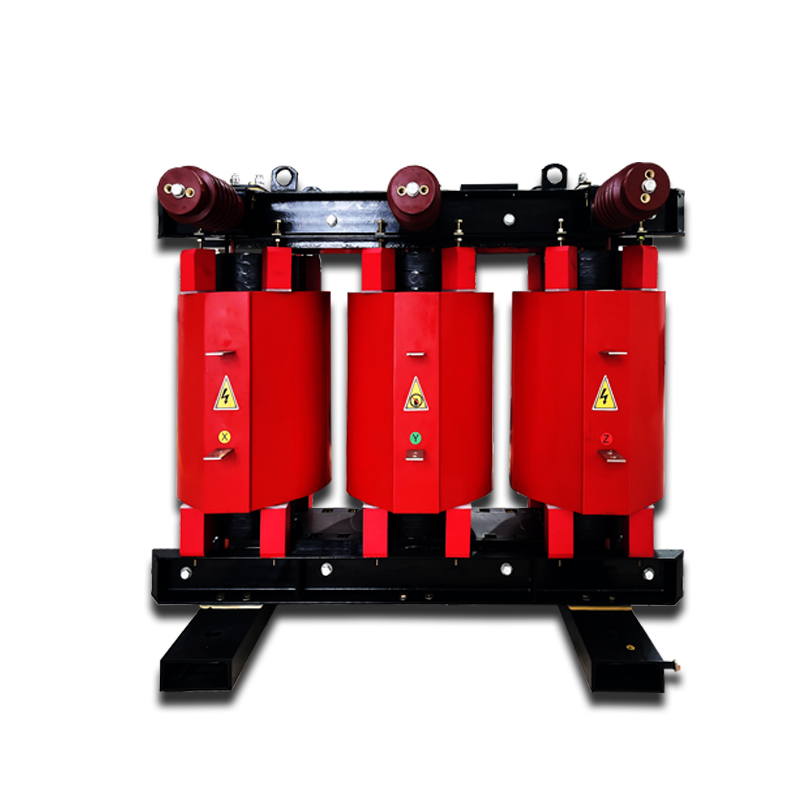
Capacitor banks with reactors are passive filters that target specific harmonic orders, whereas synchronous condensers have a naturally beneficial impact by providing inertia and damping transients. Capacitor systems are much more cost-effective for most industrial facilities, while synchronous condensers are reserved for grid-scale stability where rotating mass is required to balance the network.
3; What Additional Equipment Enhances Harmonic Mitigation?
Monitoring sensors and smart controllers are essential for the 10kV High Voltage Reactive Power Compensation Device to perform optimally. Remote monitoring through IoT allows for real-time adjustments based on the current harmonic profile of the load. In severely contaminated environments, adding isolation transformers or K-rated transformers can further protect equipment from harmonic heating.
Partner With Xi'an Xikai for Superior Power Quality Solutions
Xi'an Xikai takes care of everything from custom design to commissioning and lifecycle maintenance. Products are made to international standards like IEC 60871 and IEEE 18, which means they work with all electrical codes around the world. As a trusted manufacturer of the 10kV High Voltage Reactive Power Compensation Device, we ensure your facility achieves a power factor above 0.95 while stabilizing busbar voltage even when the load changes quickly. Our TBB10 device is built for elevations up to 4,000 meters and harsh industrial settings. Contact our engineering specialists at serina@xaxd-electric.com, amber@xaxd-electric.com, or luna@xaxd-electric.com to discuss your project requirements with a trusted Air-Core Current-Limiting Reactor supplier committed to your operational success.

References
1. Institute of Electrical and Electronics Engineers. (2014). IEEE Recommended Practice and Requirements for Harmonic Control in Electric Power Systems. IEEE Standard 519-2014.
2. International Electrotechnical Commission. (2011). Shunt Capacitors for A.C. Power Systems Having a Rated Voltage Above 1000V. IEC 60871 Series.
3. Dugan, R.C., McGranaghan, M.F., Santoso, S., & Beaty, H.W. (2012). Electrical Power Systems Quality (3rd ed.). McGraw-Hill Professional.
4. Arrillaga, J., & Watson, N.R. (2003). Power System Harmonics (2nd ed.). John Wiley & Sons.
5. Singh, B., Chandra, A., & Al-Haddad, K. (2015). Power Quality: Problems and Mitigation Techniques. John Wiley & Sons.
6. Das, J.C. (2015). Power System Harmonics and Passive Filter Designs. IEEE Press and John Wiley & Sons.