Why 10kV High Voltage Reactive Power Compensation Device Improves Grid Stability
2026-05-19 15:57:03
Cities, data centers, and industrial complexes in the US are finding it harder to make money because energy costs are going up, and they are getting fined for bad power quality. When the power factor at the medium-voltage distribution level goes up, these problems can be fixed directly by a 10kV High Voltage Reactive Power Compensation Device. This technology adjusts the inductive reactive loads that come from motors, transformers, and variable-frequency drives, cutting down on the energy that is wasted as it moves through your electrical network. The utility bills go down, penalties for bad reactive performance go away, and equipment lasts longer when the power factor goes up.
Modern automatic compensation systems can quickly adjust to changing loads, saving energy and keeping voltage levels stable—critical for industrial equipment and electronics that need to work with high precision. It's getting harder and harder for commercial and industrial buildings that use 10kV distribution networks to keep costs low and power quality high. Reactive power, the part of an electric current that doesn't do anything useful, makes transformers and cables lose heat. When power factors drop below 0.90 or 0.95, companies often face additional charges. Buying managers, facility engineers, and EPC contractors are becoming more aware that investing wisely in reactive compensation technology pays off in twelve to twenty-four months.

Understanding 10kV Reactive Power Compensation
To balance out the magnetic field energy that inductive loads use, medium-voltage reactive compensation equipment works with power lines that are 6–10kV. Knowing how reactive power compensation works can help you make smart purchasing decisions that protect operational reliability and bottom-line profitability, whether you're in charge of a hospital campus, utility operations, or a factory.
What Defines Medium-Voltage Compensation Systems
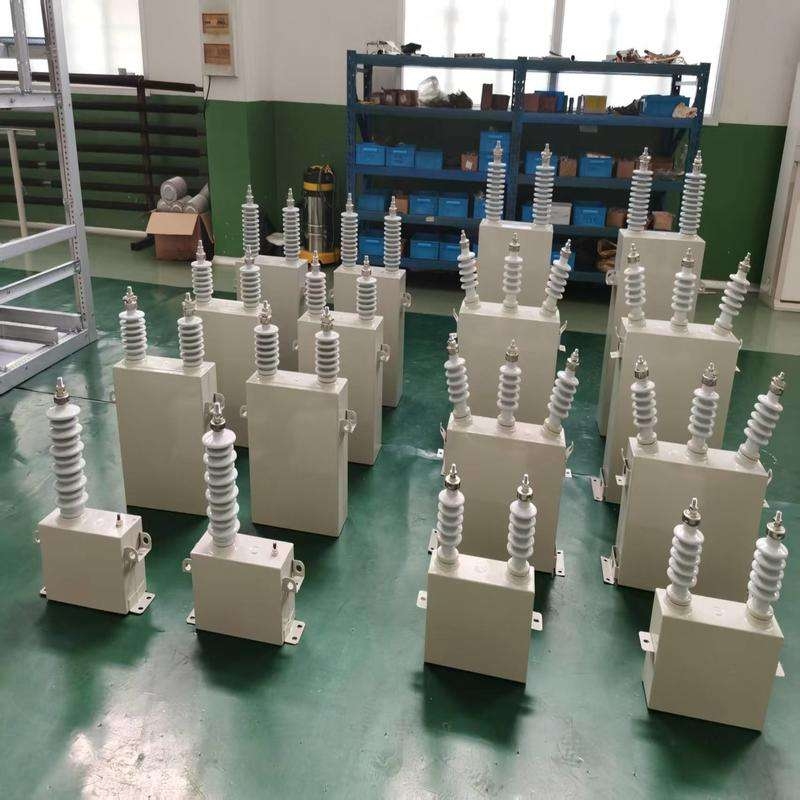
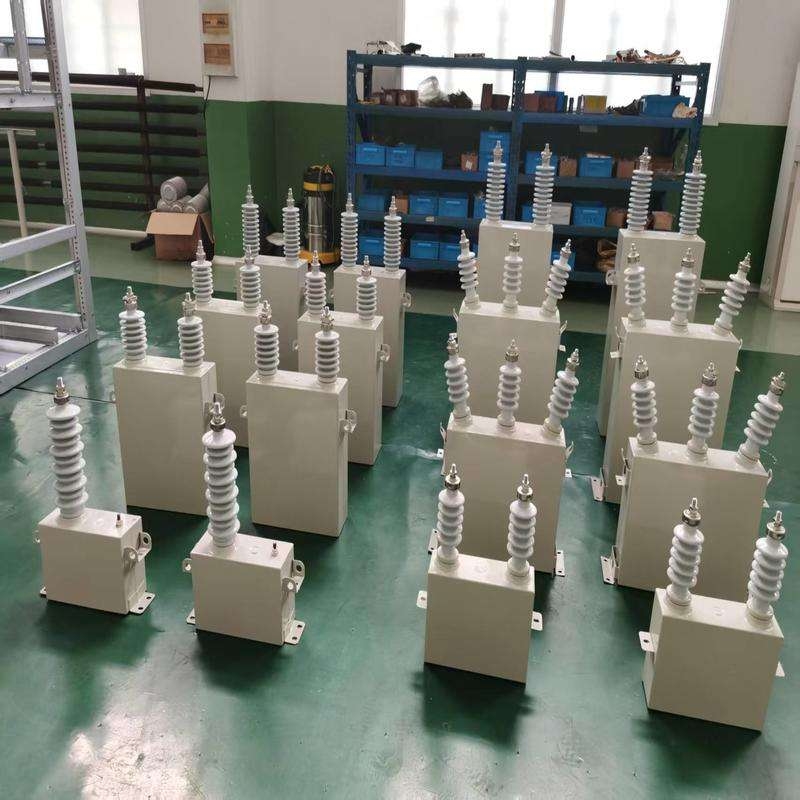
Compared to low-voltage systems rated below 1,000V, a 10kV High Voltage Reactive Power Compensation Device must handle higher insulation needs and fault current duties. The main parts include capacitor banks that provide reactive power, current transformers that check the load situation, and compensation stages that are turned on in real time by microprocessor-based controllers. Vacuum contactors or thyristor switches activate the right capacitor steps in milliseconds, making the system more balanced and bringing the power factor closer to 1. Discharge resistors in modern units safely release stored energy when stages disconnect to prevent voltage spikes, while series reactors stop resonance frequencies that could damage sensitive equipment or cause annoying trips.
Core Technologies: Capacitor Banks and Hybrid Solutions
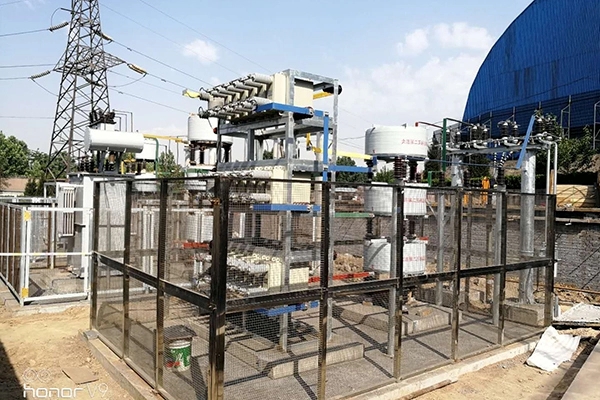
There are three main ways to deploy reactive compensation technology, depending on service needs. Fixed capacitor banks provide immediate support for stable industrial processes with unchanging load profiles, offering low installation costs but no demand-based adjustment. Automatic Switched Systems, such as the TBB10 series (100–10,000kVar), use smart controllers and programmable 10kV High Voltage Reactive Power Compensation Device switching algorithms with response times of 20 to 60 milliseconds. For more complex needs, hybrid compensation platforms combine capacitor banks with static voltage generators (SVG). In this design, SVG modules handle rapid fine-tuning while capacitor stages provide reactive bulk support, making it ideal for facilities with arc furnaces, large motor starts, or renewable energy connections requiring stable voltage.
How 10kV Reactive Power Compensation Enhances Grid Stability
To find the formula for transmission losses in electrical networks, square the current and multiply it by the resistance of the conductor (I²R). Reactive current generates heat in cables, transformers, and switchgear without performing useful work. By getting rid of the reactive part, a 10kV High Voltage Reactive Power Compensation Device lowers the total current and resistive losses directly.
Voltage Regulation and Load Balancing Mechanisms
A factory needing 500kW of active power at a 0.75 power factor requires 667kVA, or 38.5 amps per phase at 10kV. If the power factor improves to 0.95 after compensation, the apparent power drops to 526kVA and the current to 30.4 amperes. This 21% drop in current results in approximately 36% lower I² losses in distribution cables and transformer windings. With typical utility rates, a building using 5,000 MWh annually could save between $40,000 and $60,000 just by cutting down on these losses.
Comparing Capacitor Banks and Synchronous Condensers
Mechanical switching parts, such as vacuum contactors, are typically rated for 100,000 to 500,000 operations, though high-cycling applications wear contacts faster and require earlier replacement. While thyristor-switched systems eliminate mechanical wear, they introduce semiconductor failure modes requiring different maintenance methods. Synchronous capacitor banks offer dynamic support, but the choice between these technologies depends on load types, budget, and control accuracy. For most industrial and commercial uses, automatic switched systems represent the best balance of performance and cost-effectiveness.
Comparison and Selection of 10kV Reactive Power Compensation Solutions
Selecting a 10kV High Voltage Reactive Power Compensation Device requires matching equipment capabilities with the electrical needs and features of the building. Voltage ratings must match the system nominal voltage (6kV, 10kV, or 11kV) and have sufficient insulation coordination for short-term overvoltages. The TBB10 platform is versatile enough to handle networks from 6kV to 10kV, protecting the initial investment through a modular architecture that allows for capacity expansion as facility needs grow.
Technology Comparison: Operational Differences
Global suppliers like Schneider Electric, ABB, Siemens, and Eaton control much of the North American market with standard designs and established service networks. Regional manufacturers, such as Xi'an Xikai, provide competitive alternatives with specialized features like plateau-rated equipment that works reliably at altitudes up to 4,000 meters for mining operations. Procurement professionals should consider lead times, which range from 6–8 weeks for domestic suppliers to 12–16 weeks for custom international builds, and ensure technical support is readily available for commissioning.
Selection Criteria and Supplier Evaluation
For installations in harsh environments, ambient temperature ratings are critical. The TBB10 works reliably from -25°C to +45°C, making it suitable for both outdoor northern substations and southern electrical rooms with limited airflow. Enclosure ratings (IP54 or NEMA 3R) must protect internal parts from dust, moisture, and corrosive atmospheres common in industrial settings. Additionally, compliance verification ensures equipment meets UL, NEC, and IEEE standards, with claims validated by reports from certified third-party testing laboratories (NRTL).
Maintenance, Installation, and Operational Best Practices
To keep saving energy, you must perform preventative maintenance on your 10kV High Voltage Reactive Power Compensation Device to find problems before they lead to breakdowns. Thermal imaging can identify high temperatures at connections or switches before failure occurs, preventing production stoppages. Today's IoT-connected systems allow for continuous remote monitoring of power factor trends and switching cycle counts, letting facility managers address alarm conditions before they affect operations.
Installation Procedures and Safety Requirements
Correct site preparation and installation are vital for long-term reliability. Voltage sensor inputs must be checked for the right phase relationships, as an incorrectly connected current transformer can cause controllers to disconnect capacitors when the load increases, worsening the power factor. Insulation systems must also be tested for dielectric strength using high voltage to ensure they can handle operating stresses and short-term overvoltages.
Routine Maintenance and Troubleshooting
Regular maintenance cycles should include the following best practices:
- Analysis of the harmonic spectrum ensures that filtering reactors continue to work as facility loads change over time.
- Capacitance measurements detect degradation in capacitor cans, which may short internally and open fuses.
- Inspection of vacuum contactors prevents welding or excessive arcing in high-cycling applications.
While series reactors are robust, they can develop turn-to-turn shorts that change inductance; periodic measurements ensure the reactor is still solid and the filtering properties remain tuned.
Future Trends and Strategic Value of 10kV Reactive Power Compensation
New technologies in the 10kV High Voltage Reactive Power Compensation Device market use complex model-predictive controllers that look at past load patterns to set up capacitor stages before demand surges. Training machine learning algorithms on facility data improves switching strategies, minimizing contact wear while maintaining tight power factor control. Digital communication protocols like Modbus TCP, IEC 61850, and OPC UA allow these systems to integrate seamlessly with SCADA and building management platforms.
Smart Grid Integration and Digital Monitoring
Networked compensation systems include cybersecurity features like industrial firewalls and encrypted communications to protect against unauthorized access. As power systems become more digital, these measures are essential to stop cyber threats from disrupting critical infrastructure. Real-time data exchange also facilitates coordination with smart grids, allowing the equipment to change reactive output in response to grid voltage signals.
Renewable Energy Integration Challenges
Connecting wind and solar power plants makes reactive power management more complex. While renewable inverters can provide some support, their capacity depends on their active generation output. Dedicated compensation equipment resolves this by stabilizing voltage profiles when generation changes due to weather. In microgrid applications, these systems are essential for maintaining voltage and frequency stability during islanded operation.
Strategic Business Advantages
Investing in advanced reactive power management yields benefits beyond simple cost savings, including improved equipment longevity and fewer production disruptions. Manufacturing facilities with superior power quality experience higher operational reliability, strengthening corporate sustainability credentials. In many regions, utility incentive programs offer rebates that further improve the return on investment for high-efficiency compensation projects.

Conclusion
Grid stability depends fundamentally on balancing reactive power throughout distribution networks, particularly within medium-voltage industrial and commercial systems where large inductive loads create continuous power quality challenges. The 10kV High Voltage Reactive Power Compensation Device addresses these challenges through intelligent, automated systems that maintain voltage stability, eliminate utility penalties, and release system capacity for facility expansion. Technologies ranging from traditional capacitor banks to advanced hybrid solutions offer varying capabilities matching diverse operational requirements. Successful implementation requires careful selection based on load characteristics, rigorous installation following electrical codes, and systematic maintenance protecting the investment. The evolving integration of digital monitoring and renewable energy creates expanding opportunities where compensation devices serve as foundational elements in resilient, efficient electrical infrastructure supporting operational excellence and strategic business objectives.
FAQ
1. What response time should I expect from compensation devices?
Response time varies by technology. Traditional contactor-switched capacitor banks typically respond within 1-3 seconds, adequate for most industrial applications with gradual load changes. Thyristor-switched systems achieve 40-100 millisecond response, suitable for moderate dynamics. The TBB10's advanced control activates compensation within 20 milliseconds, preventing voltage sags during rapid load transients common in welding operations or motor starting events. Applications with severe voltage sensitivity, like semiconductor manufacturing or medical imaging, require faster response approaching 10 milliseconds, best achieved through SVG technologies.
2. How do I determine required compensation capacity?
Calculate compensation capacity by measuring the current power factor and the active power demand. A facility consuming 2,000 kW at 0.75 power factor requires approximately 1,760 kVAR reactive power. Improving to a 0.95 power factor needs roughly 650 kVAR compensation (1,760 minus the reduced reactive demand at a higher power factor). Add 10-15% margin for load growth and partial capacitor outages. The TBB10's modular design accommodates phased implementation—starting with base capacity and expanding as operational needs increase.
3. What causes harmonic resonance in compensation systems?
Harmonic resonance occurs when capacitive reactance equals inductive reactance at specific frequencies, creating a low-impedance path that amplifies harmonic currents. Standard capacitors combined with transformer leakage inductance often resonate near fifth or seventh harmonics generated by variable frequency drives. Detuned reactors shift resonance below dominant harmonic frequencies—the TBB10's 6% reactor option detunes resonance to approximately 190 Hz, safely below the 250 Hz fifth harmonic while maintaining compensation effectiveness.
Ready to Stabilize Your Grid with Proven Compensation Technology?
Xi'an Xikai Medium & Low Voltage Electric Co., Ltd. brings 25+ years of manufacturing excellence to every 10kV High Voltage Reactive Power Compensation Device we produce. Our TBB10 High Voltage Reactive Power Automatic Compensation Device combines intelligent control with rugged construction—operating reliably from -25℃ to +45℃ with modular scalability from 100 to 10,000 kVar. As a trusted 10kV High Voltage Reactive Power Compensation Device manufacturer, we deliver ISO 9001-certified quality backed by participation in China's National 863 Program, ensuring patented technologies tested to IEC 60871 and IEEE 18 standards. Contact our technical specialists at serina@xaxd-electric.com, amber@xaxd-electric.com, or luna@xaxd-electric.com to discuss your specific grid stability challenges and receive customized solutions with comprehensive support from design through commissioning.

References
1. Institute of Electrical and Electronics Engineers. (2020). IEEE Std 1036-2020 - Guide for Application of Shunt Power Capacitors. IEEE Standards Association.
2. International Electrotechnical Commission. (2019). IEC 60871-1:2019 - Shunt Capacitors for AC Power Systems Having a Rated Voltage Above 1000V - Part 1: General. Geneva: IEC Central Office.
3. Arrillaga, J., & Watson, N. R. (2018). Power System Harmonics, Second Edition. Chichester: John Wiley & Sons Ltd.
4. National Fire Protection Association. (2023). NFPA 70: National Electrical Code 2023 Edition - Article 460: Capacitors. Quincy: NFPA Publications.
5. Rashid, M. H. (2017). Power Electronics Handbook: Devices, Circuits, and Applications, Fourth Edition. Oxford: Butterworth-Heinemann.
6. Electric Power Research Institute. (2021). Distribution System Power Quality Assessment and Mitigation Techniques - Technical Report 3002019873. Palo Alto: EPRI Publications.
_1776665574080.png)