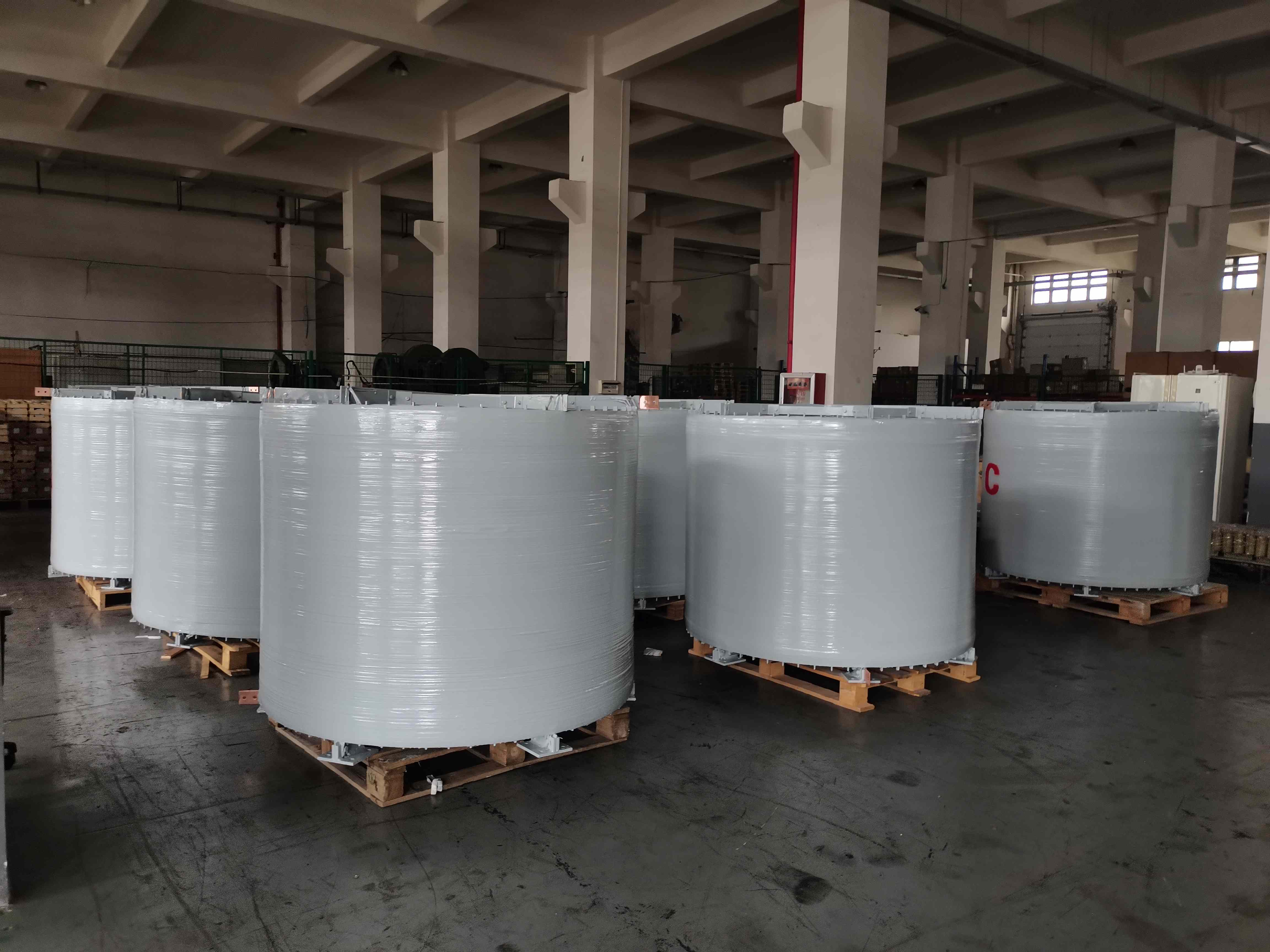
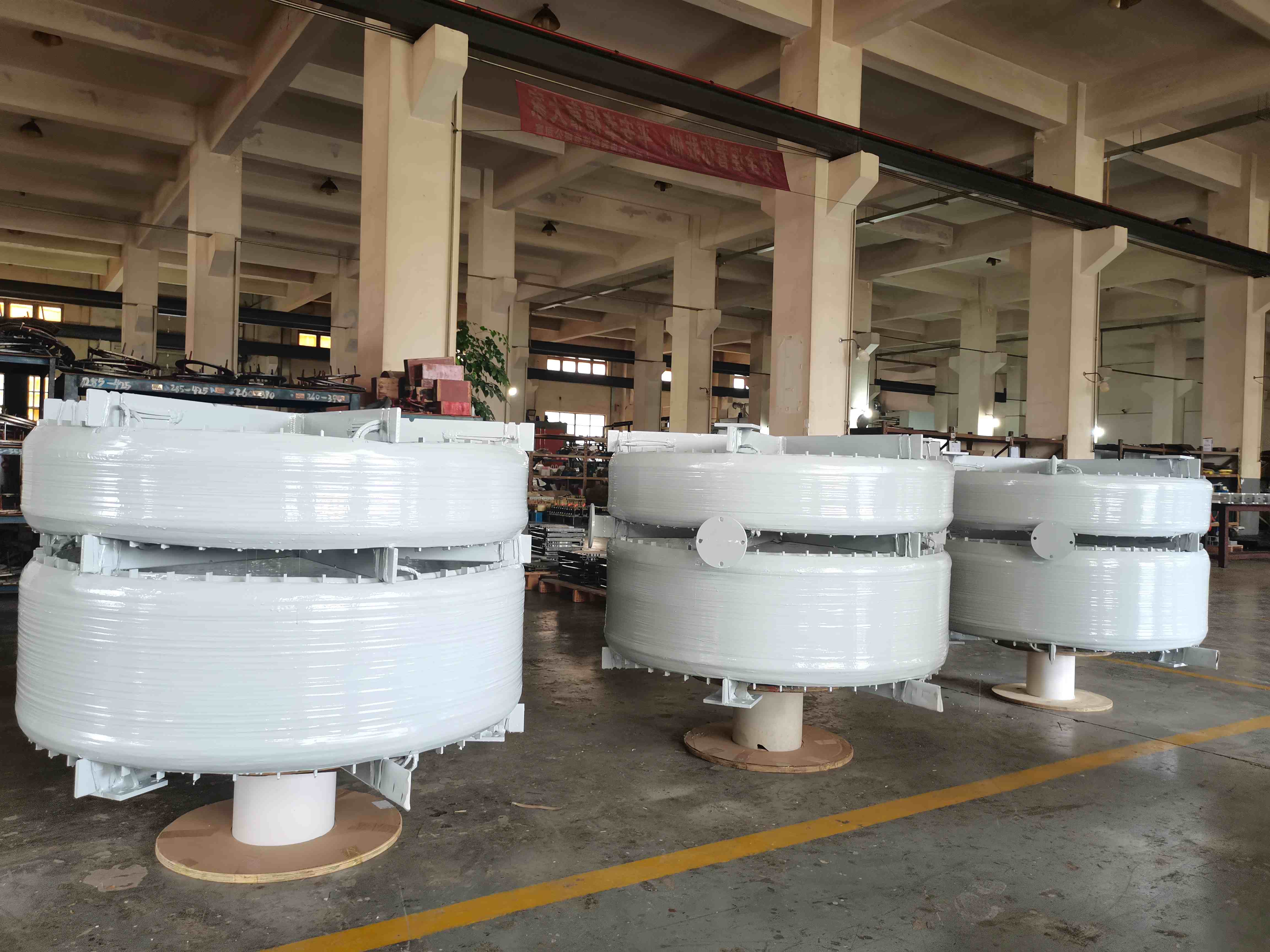
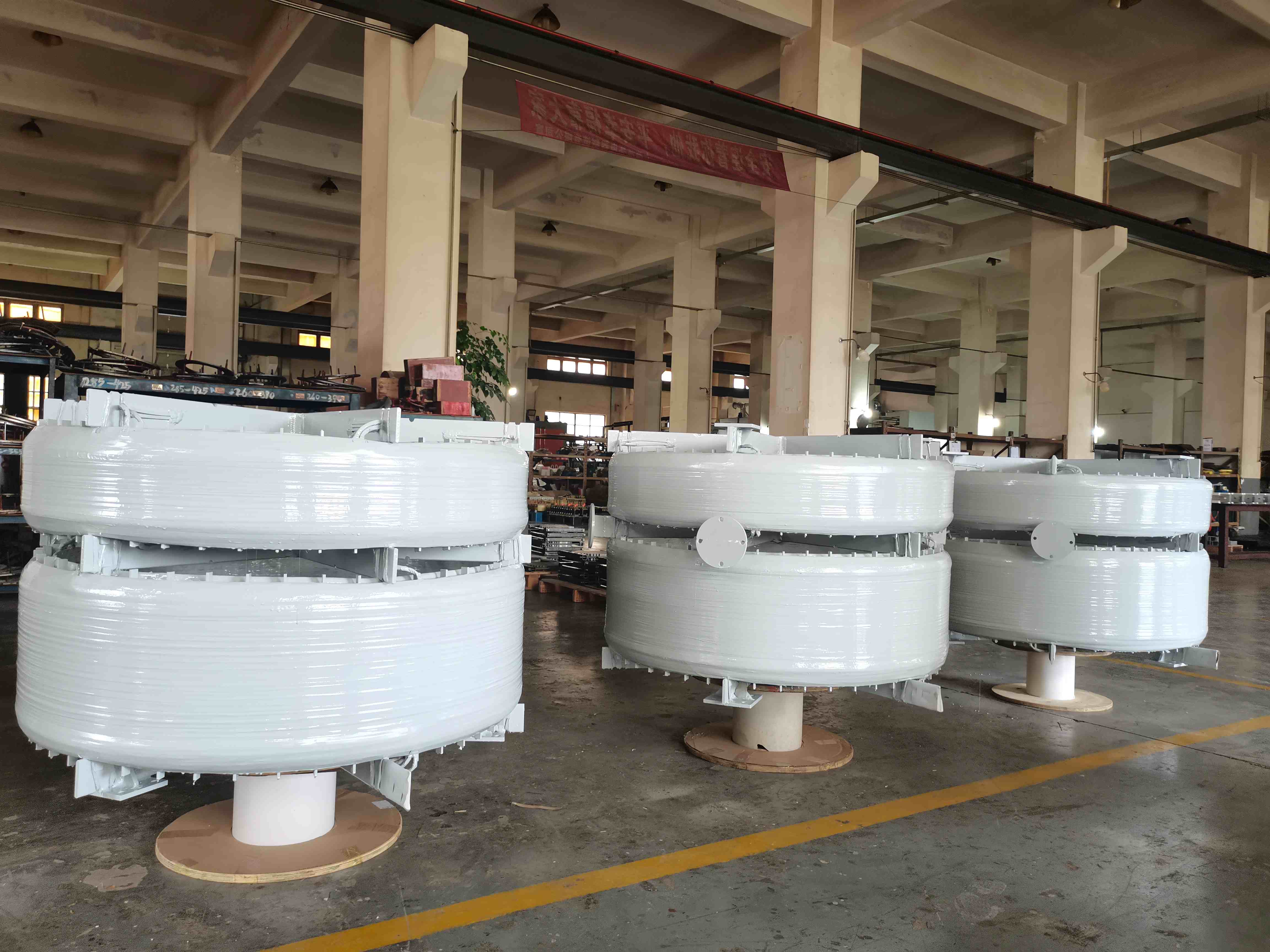
35kV Indoor Potential Transformer for Reliable Grid Protection
2026-07-30 09:56:26
When electrical systems fail in a data center or manufacturing plant, losses accumulate within seconds. Every moment of downtime translates to revenue erosion, compromised product quality, and eroded customer trust. At the heart of preventing such catastrophes lies precise voltage measurement and grid protection—delivered by an indoor voltage transformer operating at 35kV. This device transforms high primary voltages into manageable secondary levels, enabling accurate monitoring, protective relay activation, and safe operation of metering equipment. Unlike outdoor variants exposed to weather extremes, indoor potential transformers thrive in controlled environments where space constraints and electromagnetic interference demand compact, reliable designs. Our 35kV indoor voltage transformer delivers 0.2/0.5 accuracy class performance, complies with IEC 61869 and GB 20840.2-2014 standards, and employs epoxy resin insulation to withstand thermal stress from -40°C to +70°C while maintaining partial discharge below 10pC.


Understanding 35kV Indoor Potential Transformers
Today's power lines have "eyes" called indoor voltage transformers that turn dangerously high voltages into signals that instruments can safely understand. A 35kV indoor voltage transformer lowers the main voltage, which is usually 35,000 volts, to a common secondary output, which could be 10kV or 110V, based on the metering or safety need. This change is based on electromagnetic induction: alternating current in the primary winding creates a magnetic field in the silicon steel core, which causes a proportional voltage to be generated in the secondary winding. A set ratio means that the accuracy of the measurement relies on the quality of the core, the accuracy of the windings, and the stability of the insulation.
Indoor vs. Outdoor: Environmental and Design Considerations
In switching rooms or substations, indoor units that are small and resistant to pollution are given the most attention. They take up less vertical space—often 400mm x 300mm x 200mm—than outdoor models, which need strong enclosures that can withstand the weather and longer creepage distances for pollution. Because indoor designs don't have to deal with UV damage, ice buildup, or salt fog, makers can get the best insulation thickness and lower the cost of materials. Temperature-controlled indoor settings also keep dielectric properties stable, so accuracy stays the same even when the seasons change.
Working Principle and Insulation at 35kV Levels
Modern insulation for indoor voltage transformers is made of epoxy resin casting. In this method, the windings are filled with liquid epoxy under pressure. The epoxy then hardens into a single structure. There are no longer any air gaps, which are the main cause of partial discharge and insulation breakdown. At 35kV, insulation has to be able to handle 70kV for one minute and withstand lightning strikes with a peak voltage of 170kV. Our epoxy resin compound doesn't catch fire according to UL94 V-0 standards, doesn't have any halogens in it, and doesn't move when exposed to dust or moisture. Dual-wound secondary coils keep metering circuits and protection circuits physically separate. This way, a single-point failure can't stop both functions from working.
Types: Single-Phase vs. Three-Phase and Dry vs. Oil-Immersed
Single-phase indoor voltage transformers measure one line-to-ground or line-to-line voltage. They can be used to check systems that are delta-connected or have an uneven load. Three-phase units have three cores inside one frame. This makes them smaller and easier to wire in balanced industrial networks. Mineral oil-based transformers can cause fires and damage to the environment. Our epoxy resin cast models are dry-type transformers that don't have these problems. Oil-immersed versions are better at cooling in outdoor or high-power settings, but they need to be kept from leaking and have oil tested regularly, which makes them impractical for indoor switchgear where space and maintenance access are limited.
Key Benefits and Applications of 35kV Indoor Potential Transformers
When it comes to protecting the grid, reliability starts with tools that operators can always rely on. An indoor voltage transformer has measurable benefits that directly help utilities, industrial plants, and commercial buildings with problems they are having with running their businesses.
Enhanced Safety in Enclosed Environments
Switchgear rooms that are closed off gather electromagnetic fields, dust, and damp. Our fully sealed epoxy resin design stops moisture from getting in, which is a major reason why insulation fails, and it also stops chemical vapours from nearby battery banks or cooling systems from getting in. There is no risk of arc flash during inspection because there are no uncovered wires, and the insulation is non-flammable, which meets NFPA 70 fire codes. This is very important for hospitals and data centers where life-safety systems can't handle smoke or flame spreading.
Space-Saving Design for Modern Substations
The land inside of substations is very valuable. Small indoor voltage transformers can be attached directly to switchgear walls or circuit breaker panels. This frees up room on the floor for cables to run and for future growth. When compared to freestanding units that need concrete pads, wall-mountable designs with built-in fixing tools cut installation time by 30%. The small size also makes retrofitting older buildings easier, even though making structural changes would be too expensive.
Superior Measurement Accuracy for Revenue Metering and Protection
When the accuracy class is 0.2, the voltage error stays within 0.2% from 80% to 120% of the measured voltage. This is a requirement for revenue metering, because a 0.5% mistake costs utilities thousands of dollars every year. At the same time, 3P or 5P accuracy classes for protection windings make sure that relays trip properly during faults and don't separate for no reason. When there is harmonic distortion, which happens a lot in places with variable frequency drives, stable performance stops false readings that cause wrong power factor penalties or missed voltage sags that threaten CNC machinery.
Common Applications Across Industrial and Utility Sectors
Indoor voltage transformers protect factory production lines. A Pacific Northwest paper mill noticed a 10% power loss before conveyor motors stopped running, saving $200,000 in lost labour. These devices are linked to data center digital monitoring systems. These systems record real-time voltage waveforms to predict UPS battery failures weeks ahead. When the electricity goes out, hospitals require accurate voltage monitoring to sync their backup generators. This keeps ventilators and surgical equipment running and facilitates the transfer. Utility substations employ three-phase interior voltage transformers to appropriately distribute load between feeders. This prevents local overloads from causing blackouts.
Regular maintenance extends life beyond 30 years. Every six months, secondary terminals and epoxy resin are visually inspected for cracks or corrosion. Thermographic scans show hotspots that indicate loose connections, while ultrasonic partial discharge testing detects insulation deterioration before failure. Cooling fin dust removal and secondary circuit testing require less than an hour per unit. This is a tiny expenditure compared to the $15,000 emergency replacement cost, including delay and speedier shipment.
Comparing Indoor Voltage Transformers: Performance, Types & Brands
Buying choices depend on how well the transformer specs match the needs of the surroundings, the budget, and the expected long-term reliability. Buyers can get the best total cost of ownership by weighing the pros and cons of indoor and outdoor designs, phase configurations, and manufacturer reputations.
Indoor vs. Outdoor: Environmental Suitability and Lifecycle Costs
Temperature changes from -50°C to +60°C, UV rays, and pollution can't hurt outdoor voltage transformers because they have porcelain or silicone rubber separators with long creepage paths. These traits make them 40% heavier and 25% more expensive than indoor versions of the same thing. But indoor units placed in climate-controlled switchgear don't have to pay these extra fees and still provide the same electricity performance. Lifecycle costs are better for indoor designs because the weather doesn't break down the insulation, the outside doesn't need to be cleaned after ice storms, and rodents or birds can't cause problems. A utility company in the Midwest found that installing indoor voltage transformers in new urban substations that are housed in buildings instead of open-air yards would lower their total ownership costs by 18% over 25 years.
Single-Phase vs. Three-Phase: Performance and Cost-Effectiveness
For watching single feeders or when phase imbalance tests are important, single-phase transformers are the best choice. To keep faults separate without losing sight of healthy phases, hospitals use separate single-phase units per emergency bus. Three-phase transformers combine three cores into one casting. This saves 15% on materials and 50% on installation labour because there are fewer wire terminations. Three-phase units are more accurate in industrial plants with balanced three-phase loads, like motor drives, rectifiers, and arc furnaces. This is because all measurements share the same core, which gets rid of the phase-to-phase timing mistakes that come with single-phase devices that are fixed separately.
Brand Differentiation: ABB, Siemens, Schneider, and Emerging Players
ABB puts a lot of emphasis on digital integration. For example, their indoor voltage transformers have sensors built in that send data about voltage, temperature, and partial discharge using IEC 61850 protocols. Siemens puts modularity first, making transformers that can be used with old GIS switchgear without any changes. Schneider cares about the environment and uses bio-based epoxy resins that cut their carbon footprint by 20% while still meeting IEC 61869 standards. New Asian makers offer reasonable prices, often 30% less than European names. They do this by using automated vacuum casting lines and getting their raw materials from nearby. Different suppliers offer different levels of quality. Reliable ones provide test reports from KEMA or CESI labs, while less reliable ones don't do regular partial discharge testing, which is a red flag that the product might fail in the field within five years.
Efficiency Factors: Core Materials and Construction Methods
Cores made of grain-oriented silicon steel waste less hysteresis loss, which is the energy lost when magnetic domains flip over each AC cycle. When you use premium cores with 0.23mm-thick laminations, no-load losses drop to 15 watts instead of 30 watts for cheaper grades. This is a difference that adds up over hundreds of units and into real annual energy costs. Vacuum casting gets rid of the empty spaces that cause electric stress to build up and partial discharge to happen, while atmospheric-pressure casting traps tiny bubbles that shorten the lifespan. When two secondary windings are wound concentrically instead of next to each other, they are more isolated. If one winding fails, it doesn't affect the other, which is very important for utilities that need redundancy because messing with meters or lightning strikes can damage safety circuits.
How to Procure 35kV Indoor Potential Transformers: A B2B Guide
Technical requirements, source dependability, and business terms must all be balanced for buying to work well. When mistakes are made when writing specifications or choosing a vendor, they can cause project delays, price overruns, and practical problems that last for decades.
Selecting Reliable Suppliers and Defining Product Criteria
First, follow the worldwide voltage transformer performance and testing standards, IEC 61869-1 and IEC 61869-2. Request test results showing temperature increase limits, short-circuit performance (typically 40kA for one second), and voltage range accuracy.
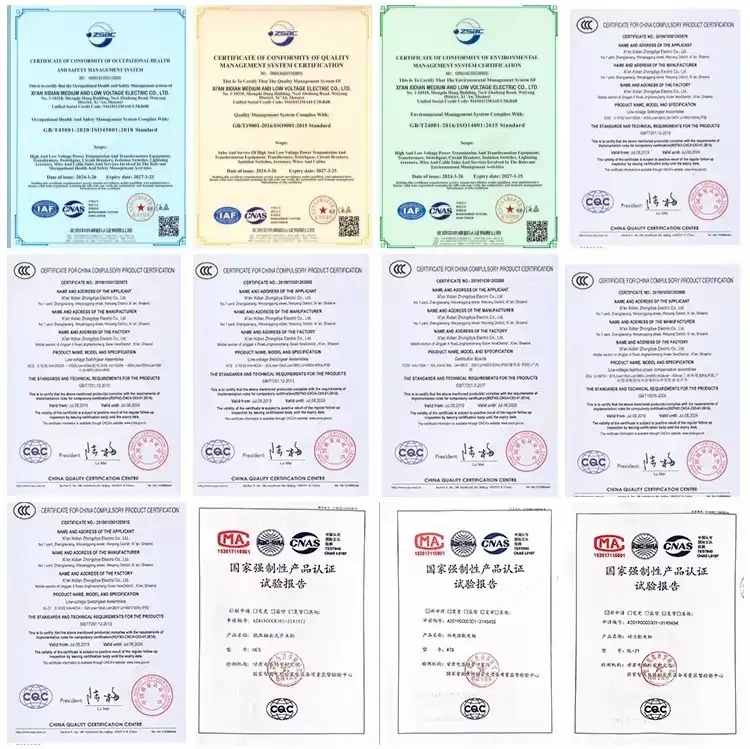
Verify certifications. ISO 9001 ensures quality management systems, whereas ISO 14001 and ISO 45001 provide workplace safety and environmental protection. Importance of supplier history. New firms may lack the post-sales assistance to solve field issues, whereas organisations over 15 years old may have the institutional expertise. Different things are customisable. Certain items in our catalogue ship within 12 weeks. However, unique voltage ratios, greater temperature ranges for high-altitude installations, or IEEE 693 seismic requirements might add four to eight weeks. It's not enough to start the requirements paper with "indoor voltage transformer, 35kV, IEC 61869 compliant". Include the area's height, humidity, temperature range, and whether smart grid integration requires digital output using Rogowski coils or fibre optics.
Assessing Price, Quality, and Post-Sales Support
Price alone doesn't indicate much. A $3,000 interior voltage transformer with poor insulation may fail in five years, costing $50,000 in replacement and manufacture. Quality indicators include partial discharge test certifications (<10pC at 1.2 times rated voltage), routine test records for each serial number, and factory testing access for inspection.
Reputable manufacturers give 24- to 36-month guarantees for material and workmanship faults. However, shady vendors only cover faults for 12 months or don't cover delivery. Support after the sale distinguishes relationships from sales. In an emergency, English-speaking professionals on 24-hour technical hotlines prevent misunderstandings. Additional on-site commissioning aid ensures transformers function correctly with existing switchgear, avoiding accuracy-reducing secondary load mismatch. Sealed epoxy systems don't need spare parts like oil-immersed ones, but being able to receive replacement terminal blocks or mounting hardware within 48 hours reduces accident downtime.
Ordering and Delivery Logistics
Streamlined procurement begins with a detailed request for quotation (RFQ) that contains the quantity, delivery location, preferred Incoterms, and documentation (test reports, packing lists, and customs certificates of origin). Standard interior voltage transformers take 8–12 weeks to deliver ex-factory.
Air freight takes two weeks and ocean containers six weeks to reach U.S. ports. Accelerate fees reduce plans to six weeks for urgent repairs or replacements. The packaging protects $5,000 instruments from shock and water. ISPM-15 approves hardwood containers with internal bracing, desiccant packs, and vapour barrier covering. Reduces customs time. Schedule switchgear delivery around crucial installation dates. You may have to pay for warehouse storage, and vehicles may damage the switchgear if you come early; electricians will cost $150 an hour if you arrive late. If you want reliable distributors, examine their references from comparable projects, make sure they only sell actual items with legitimate labels, and handle warranty claims locally instead of having clients pay to send damaged units abroad.
Ensuring Safety and Optimal Performance with 35kV Indoor Potential Transformers
Installation and operation discipline may prevent accidents that endanger people and equipment. Indoor voltage transformers are hazardous and must be treated like high-energy systems.
Installation Norms and Operational Precautions
Mount transformers on non-conductive fibreglass or epoxy-coated steel to prevent stray currents from turning on housings during ground faults. NEC Article 490 requires 10 inches between live parts at 35kV and 36 inches in front for safe access. Use calibrated tools to torque primary connections to manufacturer standards (typically 40 Nm). Too little tightening causes arcing and overheating, while too much cracks the epoxy bond. Ground the secondary winding once to prevent measurement errors and heat.
Polarity markings (H1/H2 for primary, X1/X2 for secondary) are easier to read with wiring diagrams. This is crucial for paralleling transformers or phasing other devices. When you reverse polarity, safe relays get the incorrect signals. These relays trip healthy circuits while ignoring faulty ones. Megger testing verifies that storage did not contain moisture before powering on. Readings below 5,000 megohms at 2.5kV indicate moist insulation that requires oven drying before use. Use 50% of the recommended voltage for 10 minutes, then 75% for 10 minutes, watching for strange noises, vibrations, or smells that may indicate internal issues not found during factory testing.
Troubleshooting Common Issues
Voltage levels that deviate from accuracy or rapid jumps during steady-state operation indicate output abnormalities. This can be caused by loose secondary connections, load mismatch, or main circuit DC offset core saturation. Poor airflow, overload, or winding issues cause overheating, which occurs when the surface temperature exceeds 70°C in a 25°C environment. Hotspots in thermal imaging are usually near the ends. This signifies the joints are resistant and require cleaning and re-torqueing.
Partially discharged insulation ages faster than seen or felt during regular operation. Ultrasonic devices tuned to 40kHz can detect crackling sounds, and tan-delta testing tracks the dielectric loss angle, which worsens signalling. Instead of an emergency swap that pauses operations, you may replace partial discharge during regular outages before it wears down the insulation sufficiently to create a flashover. Diagnostic tools enable technicians to distinguish secondary circuit and indoor voltage transformer issues. This prevents unnecessary equipment disposal, which is costly.
Conclusion
Industrial plants, utility networks, and vital assets need reliable grid protection and accurate voltage measurement to be operationally resilient. The IEC 61869-compliant 35kV indoor voltage transformer is compact and built of epoxy resin. It can last decades without maintenance in tough conditions. The right transformer choice affects uptime and profitability, whether it's protecting data center power quality, helping utilities measure revenue, or keeping hospitals' life-safety systems running in an emergency. Technical specifications must be matched to reality, suppliers must be checked out, and installation best practices must be followed to protect workers and maximise transformer performance over 30 years.
FAQ
1. What factors determine the right indoor voltage transformer for my facility?
The most important things are load fit, ambient surroundings, and phase setup. Match the transformer's rated main voltage (35kV) to your system voltage. Make sure the accuracy class meets your needs. Also, make sure the load rating is higher than the total VA consumption of all the instruments that are connected. Standard models work well in places with less than 40°C and 95% humidity inside, but conformal coatings are needed in corrosive settings close to chemical processing. Single-phase units work with uneven or delta systems, while three-phase transformers make it easier to set up balanced industrial systems.
2. How does indoor maintenance differ from outdoor potential transformers?
Indoor voltage transformers don't need to be inspected for things like cracked porcelain, moisture in terminal boxes, or animal nests that are caused by the weather. Instead, they only need to be checked for dust buildup and HVAC performance. In dusty areas, clean the cooling surfaces every six months. Make sure the humidity in the switchgear room stays below 85% to keep the terminals from condensing. And once a year, thermally scan for connection hotspots. Outdoor transformers need to be cleaned on the outside every three months and their oil tested for moisture content. Indoor models, on the other hand, require 40% less work over their lifetime.
3. Can I customize voltage ratios or output configurations?
Manufacturers you can trust offer custom primary-to-secondary ratios, two secondary windings with different voltages, and frequency ratings higher than the standard 50/60Hz for use in marine or aviation settings. You can expect an extra four to eight weeks for engineering review and production setup, along with a 10–20% price increase for specifications that aren't in the catalogue.
Partner with Xi'an Xikai for Your Indoor Voltage Transformer Needs
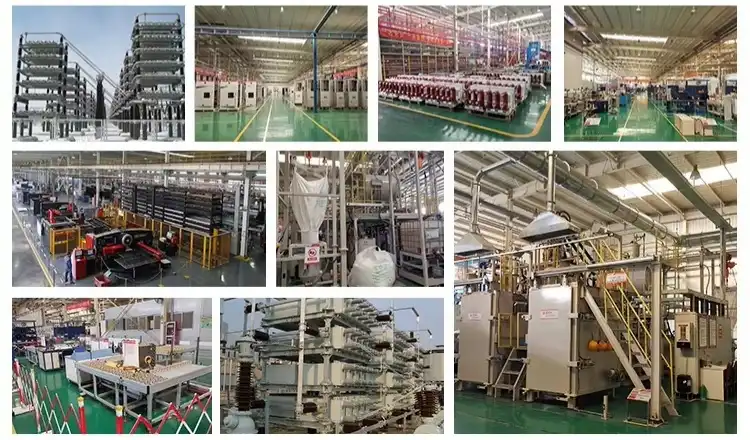
To protect the grid without interruptions, you need more than just off-the-shelf parts. You need engineering knowledge, precise manufacturing, and quick support. Indoor voltage transformer solutions from Xi'an Xikai are accepted across State Grid systems, petrochemical sites, and high-altitude installations up to 4,000 meters. Our 35kV models have 0.2-class precision, epoxy resin dependability, and full IEC 61869 compliance. They are made in a factory that is ISO 9001-certified and has over 15 patents in transformer technology. No matter if you need standard units within 12 weeks or special designs for specific voltage ratios, our team is here to help you 24 hours a day, seven days a week. Contact our experts at serina@xaxd-electric.com, amber@xaxd-electric.com, or luna@xaxd-electric.com to talk about your project needs, get test results, or get reasonable quotes from a well-known indoor voltage transformer manufacturer.
References
1. International Electrotechnical Commission. IEC 61869-1: Instrument Transformers – Part 1: General Requirements. Geneva: IEC, 2017.
2. International Electrotechnical Commission. IEC 61869-2: Instrument Transformers – Part 2: Additional Requirements for Voltage Transformers. Geneva: IEC, 2012.
3. National Standards of the People's Republic of China. GB 20840.2-2014: Instrument Transformers – Part 2: Additional Requirements for Voltage Transformers. Beijing: Standards Press of China, 2014.
4. IEEE Power and Energy Society. IEEE C57.13-2016: Standard Requirements for Instrument Transformers. New York: Institute of Electrical and Electronics Engineers, 2016.
5. Kasztenny, B., and J. Mazereeuw. "Fundamentals of Voltage Transformer Application and Specification for Protective Relaying Purposes." Proceedings of the 62nd Annual Conference for Protective Relay Engineers, IEEE, 2009, pp. 233-258.
6. Kulkarni, S.V., and S.A. Khaparde. Transformer Engineering: Design, Technology, and Diagnostics. 2nd ed., CRC Press, 2013.
_1774319679257.png)