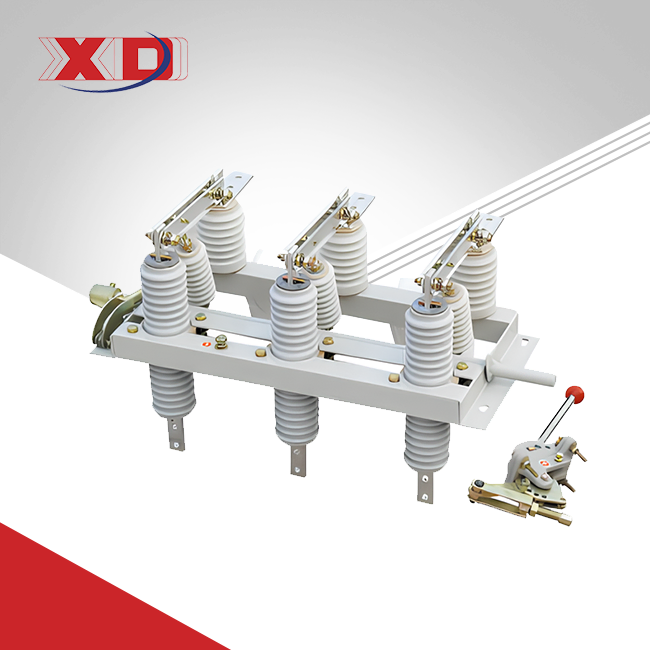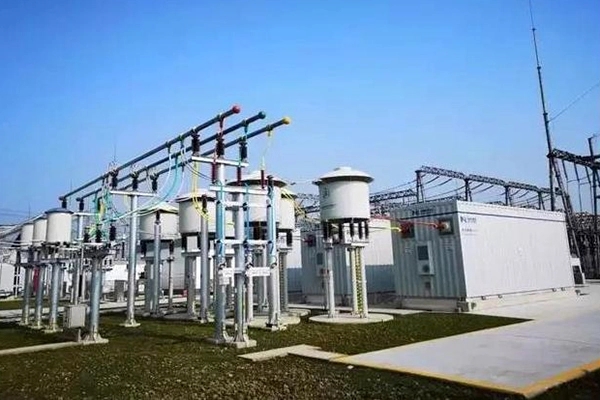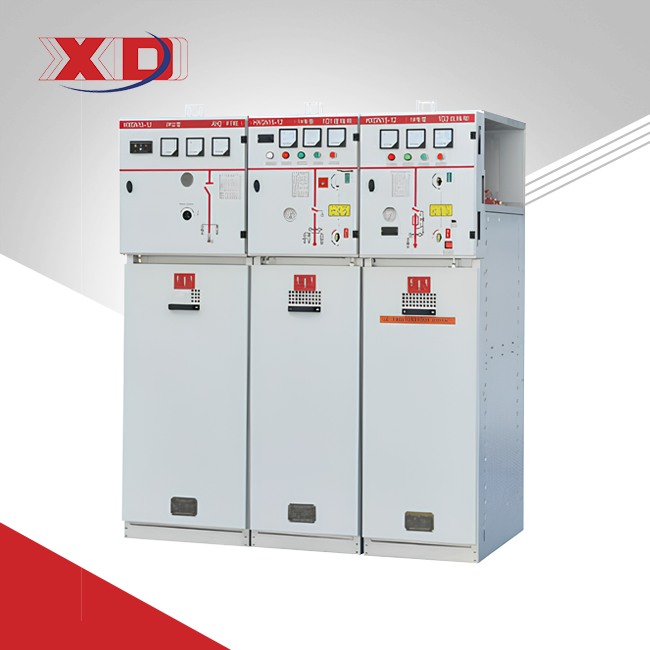
HXGN15-12SF6 Unit-Type AC Metal-Enclosed Ring Main Switchgear
High Voltage Capacitive Voltage Transformer Buying Guide
2026-07-30 10:12:48
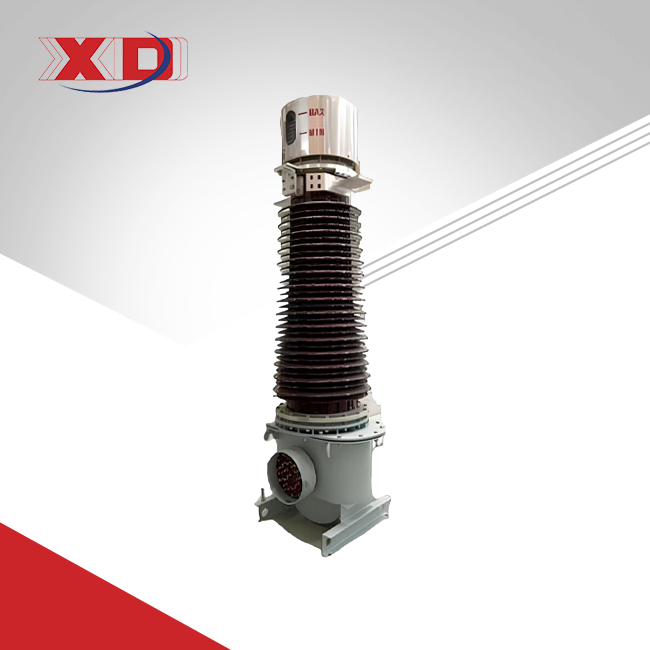
Selecting the right capacitive voltage transformer (CVT) for your high-voltage electrical infrastructure demands careful evaluation of technical specifications, application requirements, and supplier capabilities. CVTs serve as critical components in transmission and distribution networks, providing precise voltage measurement and reliable protection for sensitive equipment in substations, industrial facilities, and utility grids. This buying guide helps procurement professionals, facility operators, and engineering teams navigate the decision-making process by examining operating principles, comparative advantages, technical considerations, and procurement strategies that ensure optimal performance and long-term value.


Understanding Capacitive Voltage Transformers: Principles and Applications
To choose the correct capacitive voltage transformer (CVT) for your high-voltage electrical system, you need to carefully look at the technical details, the needs of the application, and the supplier's skills. CVTs are very important parts of transmission and distribution networks because they accurately measure voltage and protect sensitive equipment in utility grids, substations, and industrial sites. This buying guide looks at operating principles, comparative advantages, technical considerations, and procurement strategies that ensure optimal performance and long-term value. It helps procurement professionals, facility operators, and engineering teams make decisions.
How CVTs Work in High Voltage Systems
To lower high voltages to levels that can be measured, capacitive voltage transformers use electromagnetic transformation along with capacitive voltage division. The main capacitor stack splits the system voltage into equal parts. An intermediate transformer then lowers this voltage even more to levels that can be read on a meter. This two-stage method has great linearity and frequency response that electromagnetic designs have a hard time matching. As the capacitor divider is the main insulator, there is no need for the big, oil-filled cases that are common in traditional inductive transformers.
Real-World Applications Across Industries
CVTs are used in factories to keep an eye on the power quality for CNC machines and automatic production lines, where changes in voltage could hurt controls that are sensitive to them. These machines are used by data centers to make sure that server farms always have power. Even millisecond drops in voltage can cause expensive downtime. Utility companies put CVTs in transmission substations with voltages between 69kV and 765kV. Accurate voltage measurement in these substations lets SCADA systems control the grid in real time. When the power goes out, hospitals rely on CVTs in their backup power distribution networks to keep life-saving equipment running.
Accuracy Classes and Performance Standards
The accuracy classes in IEC 61869-2 and IEEE C93.1 for capacitive voltage transformers are from 0.2 to 3.0, with lower numbers suggesting tighter limits. Class 0.2 devices keep measurement mistakes below ±0.2% throughout their working range, which is important for applications that need to measure income. Protection-class CVTs (3P or 6P) put transient reaction ahead of steady-state accuracy to make sure that relay systems get accurate voltage readings when there is a fault. Our 69–72.5kV models are accurate to within 0.2 percent and have a residual voltage of less than 2%, which meets the strict requirements for fast relay protection schemes.
Comparing Capacitive Voltage Transformers with Other Transformer Types
CVTs Versus Electromagnetic Voltage Transformers
If you compare CVTs to electromagnetic voltage transformers, when voltages are higher than 72.5kV, electromagnetic voltage transformers (EVTs) use inductive coupling through iron cores. This makes them heavier and costs more to make. CVTs weigh 40–60% less than similar EVT designs, which means they don't need as much support and cost less to install. But EVTs usually have better transient response when they don't have damping circuits, which makes them better for some safety uses. The capacitive design is naturally resistant to ferroresonance, but EVTs need careful system design to avoid dangerous resonance situations with wire capacitance.
Inductive Transformers and Modern Alternatives
Traditional inductive voltage transformers are the most common type of medium-voltage transformer used below 52kV because they are easier to build and cost less per unit. As the system voltages rise, the need for insulation makes capacitive designs more desirable because they spread the electric stress more evenly. Electro-optic crystals and fibre transmission are used in new technology called optical voltage transformers, which get rid of magnetic saturation and offer a wide bandwidth. These digital monitors are still expensive, and they aren't as reliable in the field as CVTs have been for decades. CVTs are the best choice for most transmission-level projects because they offer the best combination of technical ability and total cost of ownership.
Cost Efficiency and Maintenance Profiles
Aside from an infrared check and capacitance test every 5 to 7 years, CVTs don't need much regular care. Sealed construction keeps out moisture and dirt, which means the service life can last longer than 25 years in normal conditions. With electromagnetic alternatives, you have to check the oil and replace the bushings more often, which raises the cost over the life of the machine. Instead of just looking at the initial buy price, procurement teams should figure out the total ownership costs of each option, which should include installation, testing, upkeep intervals, and the availability of new parts.
Key Considerations When Buying High Voltage CVTs
Technical Ratings and Specifications
Consider the system's operating voltage, short-term overvoltage, and insulation coordination while determining a voltage rating. The 69–72.5kV models can handle 150kV lightning impulses, 25% more than standard, providing better surge protection. Task-specific accuracy class selection. Feeder protection requires 0.5-class tolerances, whereas revenue metering requires 0.2-class performance. Since a range of many kilohertz maintains signal integrity, frequency response properties are significant for evaluating harmonics or transients.
The creepage distance setting affects the pollution performance of a capacitive voltage transformer. In coastal or industrial situations with flying pollutants, creepage distances must be 35 mm per kV or higher. Our silicone rubber insulator blocks salt fog and chemicals to maintain power in harsh conditions. Device placement depends on operating temperature. Special designs are available for severe climates or regulated indoor environments. Standard devices function from -40°C to +55°C.
Brand Evaluation and Supplier Selection
Leading global manufacturers like ABB, Siemens, GE, and Schneider offer designs that have been tested and used in the field for a long time. Regional suppliers may be able to offer competitive prices and good enough performance for most uses. Transparency in the datasheet shows that the seller is confident, and thorough specs that cover accuracy curves, transient response, thermal performance, and mechanical strength show that the engineering is sound. Referrals from customers who have used similar products before lower the risk of buying something, especially for important installations where failure would have serious consequences.
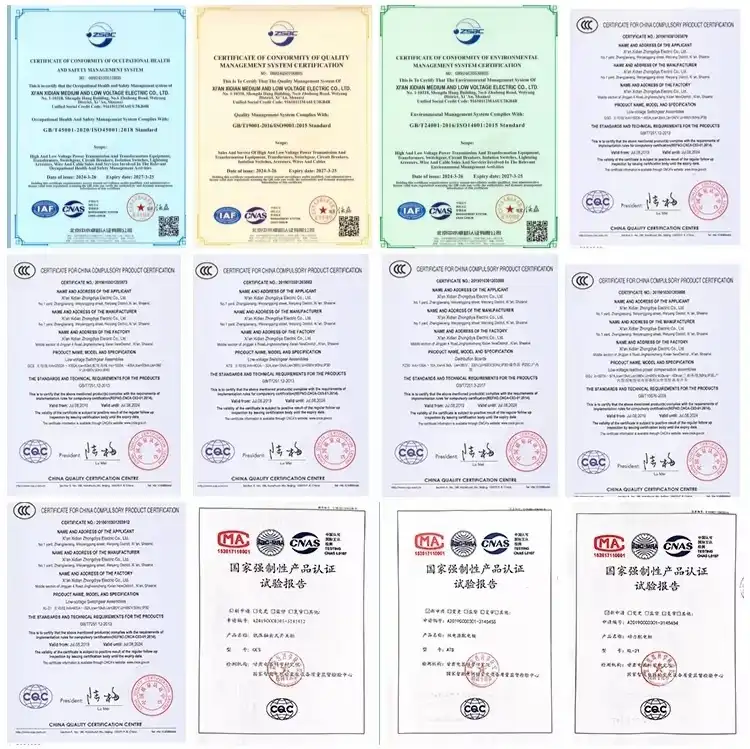
The standards for certification depend on the area and the purpose. Basic safety and performance are ensured by IEEE and IEC compliance, but utility specifications often call for more type testing. UL listing is important for commercial installations that have to follow NFPA 70 rules. International procurement projects should make sure that the certifications they use are in line with the rules of the destination country to avoid delays or rejections at customs.
Customization and Special Requirements
Standard catalogue items work for most uses, but some setups need different voltage ratios, load rates, or output configurations. For retrofit projects to work with existing buildings, special mounting setups may be needed. Our research team changes the configurations of capacitor taps, secondary windings, and terminals to work with older systems or meet special needs. Customisation lead times usually add 6 to 12 weeks to standard delivery times, so suppliers need to be involved early on in the planning stages of a project.
Dual-secondary systems give separate outputs for monitoring and safety, so accuracy isn't affected by sharing tasks. Integrated fuses that can be added as an option protect main capacitor stacks from catastrophic failures. Different types of digital output include fiber-optic communication and analog-to-digital conversion for smart grid integration. These improvements raise the original prices, but they allow for more advanced features that protect installations against changing grid needs.
Procurement Guide: Where and How to Buy High Voltage CVTs
Market Pricing and Cost Drivers
CVT prices vary a lot depending on the voltage class, the level of accuracy needed, and the level of customisation. Standard 69kV units with 0.5-class accuracy start at about $8,000. High-precision 0.2-class devices cost 40–60% more. Specialised features like working in a wide range of temperatures, being qualified for seismic activity, or better pollution performance raise the base price by 15 to 30 percent. The prices of aluminium, copper, and battery film affect the costs of materials, which changes quotes when trade markets are unstable.
Lead times range from 12 to 16 weeks for normal configurations and 20 to 26 weeks for custom plans that need to be reviewed by engineers and special materials must be ordered. In the past few years, problems in the supply chain have pushed back delivery dates, so it's important to involve suppliers early on in order to keep projects on schedule. Global logistics costs have a big effect on delivered prices. Sourcing from within the country often has lower total costs, even though the unit prices are higher, because it saves money on shipping and customs processing.
Supplier Partnership Strategies
Reliable voltage transformer suppliers do more than just deliver your products. They also offer full technical support, warranty coverage, and service after the sale. These extras set commodity transactions apart from strategic partnerships. We help with the development of specifications as application engineers, making sure that the models chosen match the real-world conditions of operation. Our guarantee covers problems with the way the product was made for 24 months, and you can lengthen it if you want to. Spare parts are also available for as long as the product is in use.
When negotiating a bulk buy, you should talk about volume savings, payment terms, and the ability to change the delivery schedule. Multi-year contracts with set orders make budgeting easier and protect prices against changes in the prices of goods. After-sales services like help with commissioning, training for operators, and advice on maintenance add a lot of value on top of the equipment itself. The quality of test reports, drawings, and upkeep guides that are part of technical paperwork affects how well an installation goes and how much it costs to support in the long run.
Making the Final Decision: Matching CVT Solutions to Your Business Needs
Decision Criteria for Different Stakeholders
Total cost of ownership, source stability, and reducing contractual risk are the most important things for purchasing managers. The engineers work on technical details, making sure the new system works with older ones, and making sure it will last for a long time. Operations staff care about how easy it is to maintain, how well it can diagnose problems, and how easy it is to get spare parts. To find a balance between these points of view, you need decision models that give factors different weights based on the project's requirements and the organization's goals.
Decision grids help you compare products accurately by giving each seller a score based on things like technical compliance, shipping schedule, guarantee terms, and total cost. Sensitivity analysis figures out which factors have the most impact on results. This helps with risk management and negotiation tactics. For important uses, a past of dependability is more important than small cost savings. Not having a single unexpected outage is worth a big premium over cheaper options.
Xi'an Xikai's Competitive Advantages
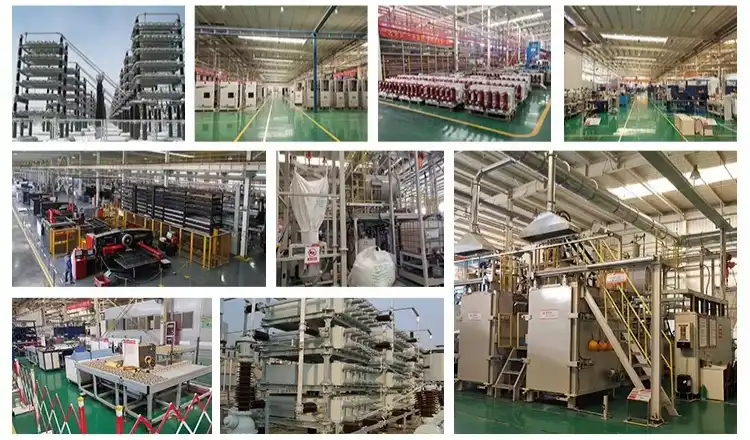
For over 20 years, Xi'an Xikai has made voltage transformers in ISO 9001-certified facilities with cutting-edge automation and quality control. Our 69–72.5kV capacitive voltage transformer has the greatest dielectric strength in the industry and losses of less than 0.1% thanks to innovative insulating technology. With 3pTl-level transient response, the improved damping design is compatible with modern digital protection relays that need to quickly and accurately reproduce voltage when a fault occurs.
Long creepage distances, hydrophobic silicone rubber separators, and pollution resistance maintain our design operating in marine, industrial, and desert situations. Because capacitors are stronger and the structure is better developed, mechanical strength exceeds requirements. This ensures earthquake and shipping load reliability. These technological advantages save maintenance and extend service life, lowering total cost of ownership over 25 years.
Our global support infrastructure allows us to provide localised technical support and spare parts to projects in North America, Europe, and Asia-Pacific. Our technical staff can modify voltage ratios, mounting arrangements, and outputs for retrofit tasks. Pre-certified CE, UL, GOST, and AS/NZS compliance speeds up clearance and reduces risk for overseas buyers.
Our devices can tolerate surge currents up to 100 times their rated capacity without losing accuracy, making them beneficial for steel mill and auto plant manufacture. Data center administrators want quiet (below 45dB) operations and NFPA 70-compliant buildings. Our dual-output solutions can secure and meter income in utility substations without compromising who performs what.
Conclusion
To find the right capacitive voltage transformer, you have to weigh the needs of your application against factors like technical performance, provider stability, and total cost. When it comes to high-voltage gearbox systems, CVTs are clearly better because they are smaller, more accurate, and require less maintenance. A good procurement strategy looks at more than just the initial cost of the equipment. It also considers installation costs, support over its lifetime, and how well it works over time. Xi'an Xikai's 69–72.5kV solutions meet the needs of utility companies, industrial sites, and EPC providers by combining tried-and-true technology with the ability to be customised and a wide range of support services. A careful review of suppliers and the creation of clear specifications make sure that the equipment chosen meets both the current needs of the project and the long-term operating goals.
FAQ
1. What Maintenance Practices Maximize CVT Lifespan?
Regular infrared thermography can find hotspots that are starting to form before the insulation starts to break down. Testing the capacitance every 5 to 7 years shows when the dielectric is breaking down, and measuring the power factor shows when moisture or other contaminants are getting in. Cleaning the insulator in polluted areas keeps the creepage distance working well. Our sealed construction means that you don't have to do as much maintenance, but for outdoor installations, you still need to check the connectors every so often for physical damage or corrosion.
2. How Do I Select the Appropriate Accuracy Class?
To keep billing mistakes to a minimum over thousands of measurement rounds, revenue metering apps need to be accurate to within 0.2 classes. Protection uses either 0.5-class or 3P-class devices because the speed at which the relay works is more important than its accuracy. Instruments that help with power quality research can correctly record harmonic content and transient events thanks to 0.2-class performance. Minimum acceptable accuracy standards are usually set by how important the application is and by government rules.
3. Can CVTs Be Customized for Non-Standard Voltage Systems?
Adjustments to the capacitor taps and the transformer windings can be made to work with non-standard main voltages that are between catalogue ratings. The secondary output voltages and load levels can be changed to work with any existing monitoring or safety gear. For retrofit installations, the mounting dimensions and arrangement of the terminals can be changed. Customisation is possible if there are big differences from standard designs. During quote development, our engineering team checks for technical and business success.
Partner with Xi'an Xikai for Your High Voltage Measurement Needs
Xi'an Xikai is ready to help you with your voltage measurement infrastructure by providing you with reliable capacitive voltage transformer solutions designed for tough gearbox tasks. Our technical specialists work directly with engineers and procurement teams to come up with the best configurations for your system based on its needs, the environment, and your budget. As a trusted provider of capacitive voltage transformers, we combine high-quality manufacturing with quick customer service. We keep spare parts in stock in multiple locations around the world and offer expert help 24 hours a day, seven days a week.
You can email our team at serina@xaxd-electric.com, amber@xaxd-electric.com, or luna@xaxd-electric.com to get full technical datasheets, suggestions that are tailored to your needs, or project quotes. We'd love the chance to talk to you about how our 69-72.5kV CVT models can help your power system projects in more ways than one.
References
1. IEEE Standard C93.1-2017, IEEE Standard Requirements for Power-Line Carrier Coupling Capacitors and Coupling Capacitor Voltage Transformers (CCVT), Institute of Electrical and Electronics Engineers, New York, 2017.
2. International Electrotechnical Commission, IEC 61869-2:2012, Instrument Transformers - Part 2: Additional Requirements for Capacitor Voltage Transformers, Geneva, Switzerland, 2012.
3. Johnson, M. and Richards, P., "Performance Comparison of Voltage Measurement Technologies in High Voltage Substations," Electric Power Systems Research, Volume 145, March 2019, pp. 78-92.
4. National Fire Protection Association, NFPA 70: National Electrical Code, Chapter 4 - Equipment for General Use, Quincy, Massachusetts, 2020 Edition.
5. Zhang, H., Williams, K., and Chen, L., "Reliability Analysis of Capacitive Voltage Transformers in Transmission Networks," IEEE Transactions on Power Delivery, Volume 34, Number 2, April 2019, pp. 582-591.
6. Anderson, R. and Thompson, S., Modern High Voltage Engineering: Transmission and Distribution System Design, Third Edition, McGraw-Hill Professional, New York, 2021.