Indoor Voltage Transformer Manufacturer: What Buyers Should Know
2026-07-28 17:33:23
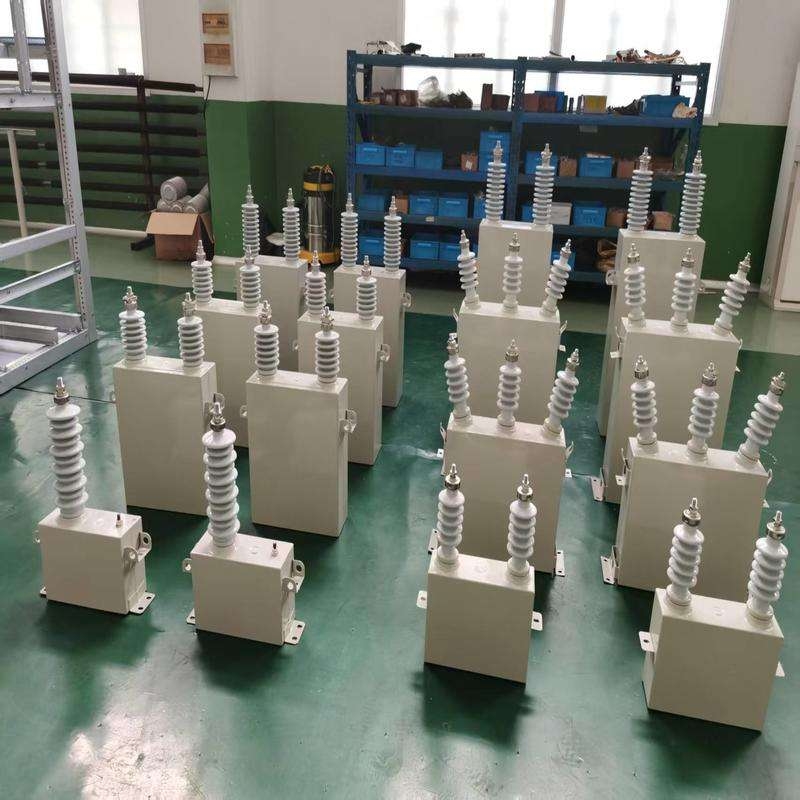
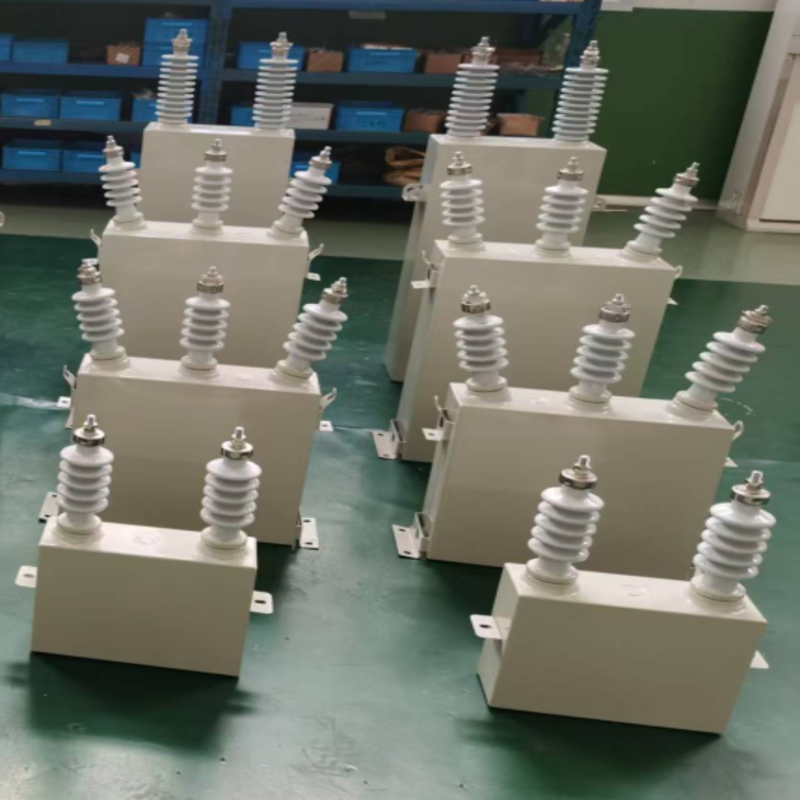
When sourcing electrical equipment for critical infrastructure, understanding what an indoor voltage transformer delivers is essential for operational success. These precision instruments step down high voltages to measurable levels, enabling accurate metering, protection relay coordination, and control system integration within industrial facilities, substations, and commercial complexes. Selecting the right manufacturer ensures compliance with IEC 61869 standards, reduces downtime risks, and protects sensitive equipment from voltage transients that could halt production lines or compromise data center operations.


Understanding Indoor Voltage Transformers: Key Concepts and Specifications
These are the eyes of your electrical system. They are indoor voltage transformers, which are also known as potential transformers (PTs). They change dangerously high voltages, which can be more than 35kV, into safe, normal secondary voltages like 110V or 10kV that your meters and safety switches can handle. Electromagnetic induction in a carefully built core-and-winding system makes this change happen.
Operating Principles and Transformer Types
Wound-type and capacitive voltage transformers (CVTs) are the two main types on the market. For metering tasks, wound-type units are more accurate because they have copper or aluminium windings around a silicon steel core. The magnetic flux linkage between the primary and secondary windings keeps the voltage ratio exact, usually at a level of 0.2 for billing-grade measurements. When extra-high power is needed, CVTs use capacitor dividers, but they lose some accuracy.
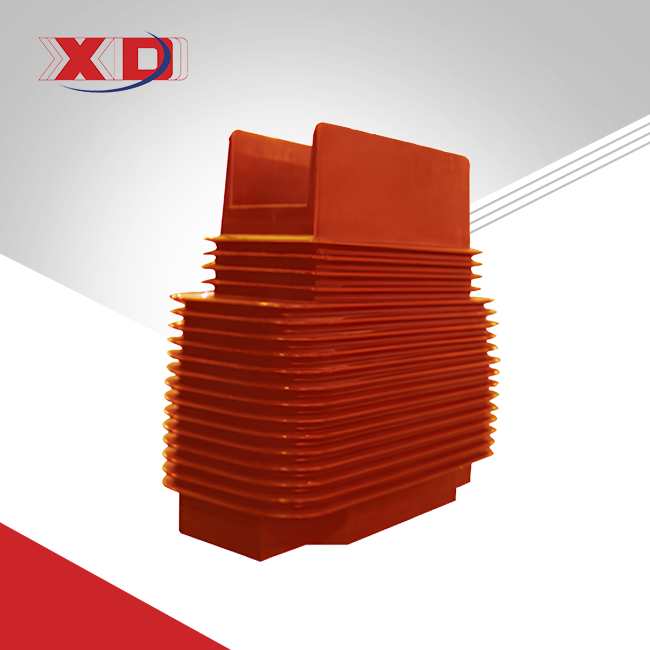
Modern transformers made of epoxy resin are a big step forward. Unlike older models that used oil, these fully enclosed units don't pose any fire or environmental contamination risks. The vacuum-cast epoxy design stops moisture from getting in and stops partial discharge, which used to cause 40% of transformer breakdowns in wet places. This technology lets our 35kV model work reliably in temperatures ranging from -40°C to +70°C. This is important for facilities that are in harsh environments or at high elevations up to 4,000 meters.
Critical Specifications That Impact Performance
The transformer's voltage rating indicates its maximum continuous voltage. As long as short-term overvoltages are allowed, a 35kV unit can safely work on 34.5kV power lines. The load capacity, in volt-amperes, determines how many meters or switches may be connected to secondary circuits. To connect several safety devices without sacrificing accuracy, industrial purchasers commonly request 50VA to 200VA loads.
The nameplate's accuracy class stamps—0.2, 0.5, or 3P—indicate the largest rating error. Protection relays can handle 3P class units, while billing meters require 0.2 class precision. The discrepancy impacts revenue meter accuracy by thousands of dollars annually in big operations. Power frequency withstand voltage (70kV for one minute in our 35kV model) shows that the transformer can survive lightning spikes and switching transients without breaking.
Meeting IEC 61869-1/2 and GB 20840.2-2014 ensures international gear compatibility and utility interconnection. Testing for temperature rise, short-circuit withstand (40kA for one second), and partial discharge below 10 picocoulombs are required by these standards. Buyers should request certified compliance test reports before placing the order.
Comparing Indoor vs Outdoor Voltage Transformers: Making the Right Choice
Whether to use indoor voltage transformers or outdoor voltage transformers depends on the installation setting and how much it will cost in the long run. Both types do the same electrical work, but they are built in very different ways to deal with different weather stresses.
Design Differences and Environmental Resilience
Indoor potential transformers are designed to be small and easy to get to. Their epoxy resin insulation methods are meant to keep out direct sunshine, rain, and airborne pollutants. Standard enclosure grades of IP40 or IP54 are enough for installing equipment in climate-controlled buildings. This lets designers make designs that use space efficiently. For example, our 35kV unit is only 400mm x 300mm x 200mm, so it fits easily into standard KYN28 or XGN2 metal-clad switchgear cabinets.
Outdoor transformers need cases that are at least IP65 and have porcelain or silicone rubber insulators that are resistant to UV light. Their bigger size allows for longer creepage distances, which are needed to keep flashovers from happening when it rains or fogs. Creepage distances are the paths that live parts take on the ground. The extra weatherproofing makes the materials 25–35% more expensive than for indoor models that are the same.
Efficiency Metrics and Total Cost of Ownership
Grain-oriented silicon steel transformers use 10 to 30 watts of electricity regardless of load due to core losses. This "phantom load" burns a lot of energy over 30 years. Amorphous metal cores in high-efficiency designs reduce no-load losses by 60%, but their high cost requires careful payback. Where power prices are above $0.12/kWh, the investment pays for itself in 8–12 years.
Accessibility for maintenance greatly impacts operating expenses. Technicians may do visual inspections, thermographic surveys, and insulation resistance testing inside without ladders or poor weather. Outdoor units need turning off surrounding machinery and renting bucket trucks, which triples maintenance costs. Indoor transformers require adequate air movement to prevent heat accumulation in switchgear rooms, which ages insulation and reduces service life by 40%.
Environment affects lifespan expectations. Salt fog degrades outdoor insulator surfaces without silicone rubber coverings in 5–7 years in coastal areas. Chemical vapour-using industrial plants also experience corrosion. Controlled indoor transformers generally survive 30 years or more without maintenance. However, outdoor equipment may require insulator or bushing replacement every 15 years.
Procuring Indoor Voltage Transformers: A Buyer's Guide for B2B Clients
To reduce the overall risk of a project, strategic procurement finds the best balance between technical compliance, budget constraints, and the abilities of the suppliers. This is a buyer's guide for B2B clients on how to buy indoor voltage transformers.
Evaluating Manufacturer Credentials and Certifications
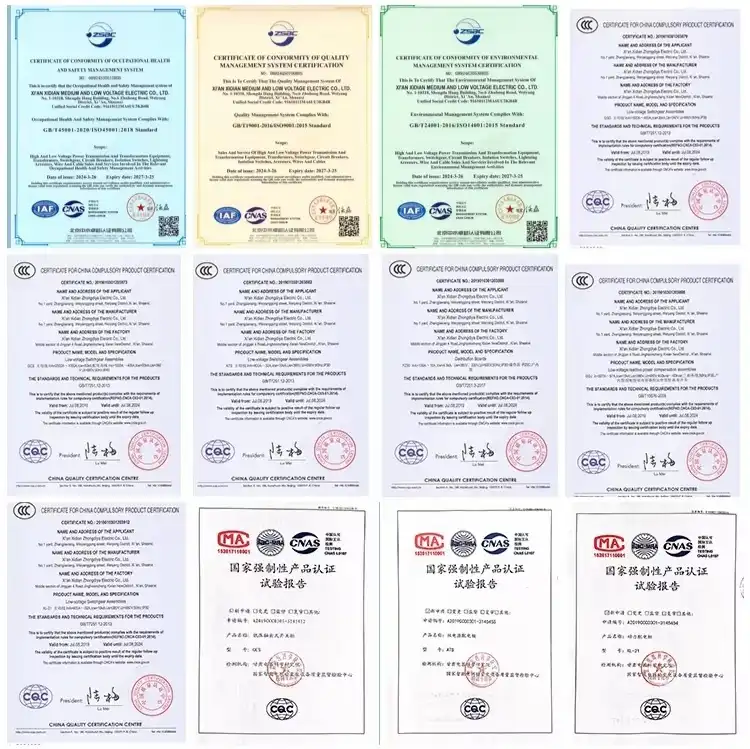
Supplier screening begins with certification verification. Quality management certification from ISO 9001 involves well-documented production procedures and tracking systems. Companies that must be green require ISO 14001 certification. This ensures copper and epoxy resin handling. Look for ISO 45001-certified workplace safety firms. Well-trained manufacturing personnel reduce defects.
Product-specific certifications matter too. Products with UL or CE markings fulfil North American or European safety requirements. IEEE C57.13 and IEC standards allow utility applications to use several grid designs. Type test results from accredited laboratories, not internal test certifications, demonstrate the product's short-circuit resistance, partial discharge, and temperature increase.
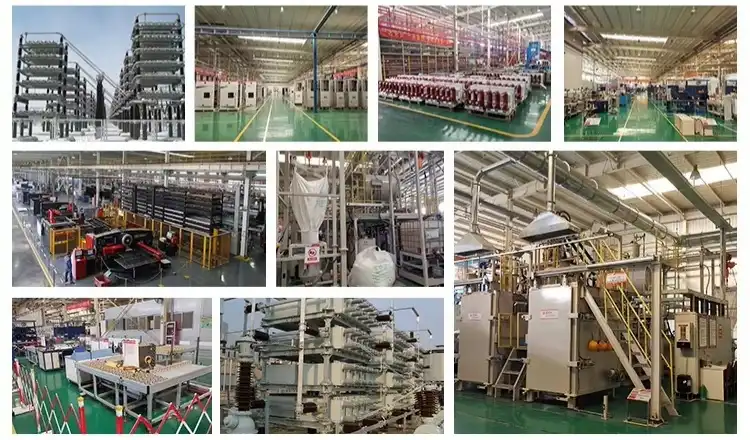
Top-tier suppliers may check factories, unlike catalogue resellers. Customers can visit established makers' sites to see production lines, regular product testing, and quality control methods. Audit vacuum casting equipment for epoxy encapsulation; pressure and temperature controls affect insulation integrity. See if the manufacturer regularly tests each unit or just uses samples to check quality.
Balancing Price with Long-Term Value
Initial low costs may indicate poor goods or testing. Copper winding purity influences performance and durability. 99.95% oxygen-free copper costs 15% more than conventional grades but prevents oxidation failures. In the same manner, vacuum-cast epoxy resins with plenty of filler are cheaper but risk partial release.
Include failure likelihood and replacement logistics in the total cost of ownership. A 20% cheaper transformer with a 5% failure rate will cost more over 10 years than a comparable unit with a 0.5% failure rate. Emergency replacement, production delays, and faster shipping cost more. A manufacturer's warranty terms demonstrate their product confidence. For equipment utilised under the stated conditions, our 24-month guarantee is extended to 36 months and covers repairs and replacements.
Predicting lead times is crucial for project schedules. Well-known manufacturers with part inventories ship 35kV:10kV within 8 to 12 weeks. Custom designs with special hinges or turns ratios may take 16–20 weeks. Indicate whether lead times are dependent on design approvals or engineering review.
Customization Capabilities for Specialized Applications
Non-standard standards are common in industrial structures. Future system adjustments may be made without buying new equipment using dual-ratio transformers with multiple secondary taps. Metering (0.2 class) and protection (3P class) secondary windings fit in our single box. You don't require two transformers, and the switchgear is 30% smaller.
Applications for high elevations need particular consideration. Standard transformers manufactured at 1,000 meters altitude experience insulation stress in thin air. Plateau-type designs may reach 4,000 meters because of their larger exterior clearances and creepage distances. These regulations prevent thunderstorm flashovers at mountainous or high-elevation installations.
Heat optimisation is needed in extreme temperatures. Data centers with perfect temperature control keep transformers at 20–25°C, whereas steel factories near furnaces expose them to 50°C air. Raising insulation classes from Class A to Class F or H slows breakdown in hot places. This increases the service life from 20 to 30 years as planned.
Leading Indoor Voltage Transformer Manufacturers to Consider in 2026
On the global market, there are both well-known international companies and specialised regional producers, and each offers a different set of benefits. Here are the top indoor voltage transformer makers to think about in 2026.
Multinational Brands and Their Market Positions
Digitally integrated transformer systems help Siemens dominate Europe and the Middle East. Their units' sensors communicate temperature and partial discharge data to centralised asset management systems to monitor their status. Each unit costs 40–50% more than standard designs, but predictive repair utilities benefit from this link.
ABB prioritises adaptable designs for their variety of medium-voltage products. Many ABB switchgear buyers may acquire pre-engineered integration packages and unified service agreements for a variety of equipment. Their global service network ensures parts are available in over 100 countries, speeding rural emergency response times.
Schneider Electric manufactures NEC-compliant UL-listed commercial building products in North America. They have application engineers for technical assistance. They assist with protective relay coordination and arc flash assessments throughout project design. This collaborative approach works effectively for engineering organisations and system designers dealing with complex electrical laws.
Regional Specialists Delivering Competitive Value
The maker Xi'an Xikai uses cutting-edge technology and offers flexible customisation at affordable prices. Our 35kV model employs an epoxy resin casting technique and fulfils IEC standards like high-end brands, but we can accommodate non-standard needs. The company's over 15 transformer design patents demonstrate its ongoing research in partial discharge and heat management.
Our manufacturing scale can handle small prototype batches for test projects and big production runs of over 500 units for multi-site deployments. This growth flexibility is crucial for industrial campus expansion and distribution network substation standardisation. Technical support professionals work 24/7 in several time zones. Commissioning and specification review are also available from English-speaking engineers.
Supply system stability is another advantage. In recent years, global part shortages slowed transformer deliveries worldwide. Vertically integrated manufacturers had more consistent wait times since they conducted their own copper winding and core lamination. Even amid peak demand, our production continuity plans and component buffer stockpiles allowed us to supply every 12 weeks.
Maintenance, Safety, and Troubleshooting of Indoor Voltage Transformers
Preventative maintenance makes technology last longer and stops catastrophic breakdowns that put people in danger and stop activities. Care, safety, and fixing problems with indoor voltage transformers.
Routine Inspection Protocols
Annual visual inspections detect potential issues. Tracking markings on concrete surfaces appear like trees and indicate partial discharge activity destroying insulation. Discolouration or overheating at the end connections indicates loose hardware or oxidised contact surfaces, which increases resistance. Infrared thermography shows hot spots over 10°C above room temperature when the system is on. A connection breakdown is imminent.
Test insulation resistance using 5kV megohmeters to determine dielectric integrity. If 35kV equipment reads below 1,000 megohms, be suspicious of moisture or unclean insulation. A single data point is less valuable than trending these values. If values decline 50% from their starting position over two years, the system is about to collapse, even if precise measurements are within acceptable bounds.
Power frequency withstand testing during planned downtime ensures voltage stress standards are met. We test our 35kV transformers with 70kV for one minute to ensure the insulation can tolerate short-term overvoltages. Because destructive testing isn't dangerous, skilled technicians monitor leakage current while applying voltage and stop the tests if it exceeds limits.
Safety Standards Compliance and Installation Best Practices
NEC Article 450 regulates transformer installation and ensures main circuits have overcurrent protection and grounding criteria in the US. Our 35kV units include 0.5A internal main fuses. These fuses are used with upstream protection to stop power to malfunctioning transformers to prevent power outages. The fuse matches the transformer's magnetising inrush, preventing annoying cold-start energisations.
The transformer frame and one secondary terminal connect to the facility ground grid when grounded. This establishes a reference potential for ground fault detection. Bad grounding causes 60% of metering accuracy complaints because circulating ground currents generate measurement inaccuracies. NEC Table 250.122 states that dedicated ground wires of the proper size return fault currents safely without electrifying containers.
Leave adequate distance around transformers to avoid accidental contact and make repairs simpler. Working near 35kV equipment requires a 3.5-foot space according to the NFPA 70E arc flash tables. Technicians need 36-inch clearances on all switchgear sides to operate test equipment and troubleshooting tools.
Common Failure Modes and Diagnostic Approaches
Winding damage or core saturation causes accuracy to fluctuate by greater than 1% fast. Compare transformer readings to portable reference standards from national metrology institutions to check for inaccuracies. Ratio tests that compare actual voltage variation to nameplate figures reveal winding turn or machine connection issues.
Acoustic sensors or ultra-high-frequency receivers may detect partial discharge activity, a symptom of insulation breakdown. Electrical tracks form slowly at epoxy impurities and empty spaces. Early treatment of partial discharge sources prevents complete dielectric failure, which explodes transformers and endangers people and equipment.
Overheating causes discoloured enclosures, melted epoxy, and oxidised connectors. Overload (too many connected meters) or air problems that trap heat are causes. Thermal imaging detects hot spots during operation, helping to reduce load or improve cooling. Our units can safely take up to 120% of their rated load for a short period, but persistent overloading promotes insulation ageing by ten—every 8°C temperature rise halves insulation lifetime.
Conclusion
When choosing an indoor voltage transformer, you have to weigh the technical specs against the supplier's skills and the infrastructure for long-term support. The most important things are accuracy class, insulation integrity, and compliance with standards. The success of a project depends on how well the maker responds and allows for customisation. Well-known names have a history of being reliable, but specialised companies like Xi'an Xikai offer similar technical performance with better flexibility to meet specific needs. Our 35kV epoxy resin cast transformers are up to IEC 61869 standards and can work at high altitudes, with custom voltage ratios, and on short notice. Total ownership costs are less than those of more expensive alternatives because the machine lasts more than 30 years and needs little maintenance. This is done without sacrificing accuracy or safety. By using the criteria listed here to carefully evaluate suppliers, you can be sure that the decision you make will last for decades.
FAQ
1. How do I verify a transformer matches my facility's requirements?
Check the transformer's rated main voltage against the nominal voltage of your system to make sure that the unit value is the same as or greater than the system voltage. Make sure the accuracy class fits your needs—0.2 or 0.5 for income accounting, 3P for security—and choose the right one. Make sure that the burden capacity is 20% higher than your total connected load. Check that the project meets the standards that apply (IEC 61869 for international projects, IEEE C57.13 for US utilities). Before you buy, make sure you get certified test results that list these factors.
2. What advantages do reputable manufacturers provide?
Well-known companies keep records of their quality control systems, make sure that products can be tracked, and follow strict testing procedures. They give expert help during review of specifications and commissioning, which cuts down on mistakes made during installation. The warranty covers more than just repair; it also covers fast shipping and application tech help. Customisation lets you meet non-standard needs without having to wait too long for a response. These benefits are shown by our ISO 9001, 14001, and 45001 certifications and our technical support that is available 24/7.
3. Can transformers be customized for specialized applications?
Of course. Custom voltage ratios can work with odd system voltages, and dual-ratio versions can handle more than one secondary circuit. Mountainous areas are served by high-altitude units with better insulation. Models that have been temperature-upgraded can handle harsh workplace settings. We often change the bushing configurations, mounting arrangements, and protection schemes on our 35kV transformers to fit specific needs. Get in touch with our tech team to talk about your unique needs.
Partner with Xi'an Xikai for Reliable Indoor Voltage Transformer Solutions
For tough industrial uses, Xi'an Xikai makes indoor voltage transformers that are precisely designed to meet international standards and can be easily customised to fit specific needs. Our 35kV epoxy resin cast units reach an accuracy class of 0.2 and can work in difficult temperatures from -40°C to +70°C and at heights of up to 4,000 meters. We offer reliable solutions for data centers, substations, manufacturing plants, and commercial buildings. Our production is ISO-certified, and our products last 30 years or more. Our expert team works on projects from reviewing the specifications to putting them into service, making sure they work well with your existing electricity systems. For detailed quotes and engineering advice, email our experts at serina@xaxd-electric.com or luna@xaxd-electric.com. As a well-known company that makes indoor voltage transformers, we can give your important systems the quality, speed, and technical know-how they need.
References
1. Institute of Electrical and Electronics Engineers. (2016). IEEE Standard for Instrument Transformers: Requirements for Voltage Transformers. IEEE C57.13-2016.
2. International Electrotechnical Commission. (2018). Instrument Transformers – Part 2: Additional Requirements for Voltage Transformers. IEC 61869-2:2018.
3. National Electrical Manufacturers Association. (2019). Application Guide for Transformer Procurement and Specification. NEMA TR 98-2019.
4. Electric Power Research Institute. (2020). Condition Assessment of Medium-Voltage Instrument Transformers in Utility Applications. EPRI Report 3002018698.
5. Ryan, Hugh M. (2017). High Voltage Engineering and Testing, 3rd Edition. London: Institution of Engineering and Technology.
6. Kulkarni, S.V. and Khaparde, S.A. (2013). Transformer Engineering: Design, Technology, and Diagnostics, 2nd Edition. Boca Raton: CRC Press.
_1774416563318.png)