
5 Key Questions to Ask Before Buying Disconnect Switches
2026-10-23 16:39:08
Before you invest in a disconnect switch for your substation or switchgear project, you need more than a pricing quotation. You need the proper isolating switch to meet your cabinet dimensions, carry the rated current without overheating and work reliably cycle after cycle. proper questions up front save time, money and danger Whether you are specifying a new 12kV indoor switchgear lineup or upgrading ageing equipment on an EPC project, asking the proper questions up front is key. This document outlines 5 questions that all electrical engineers and project managers should address before making an order.
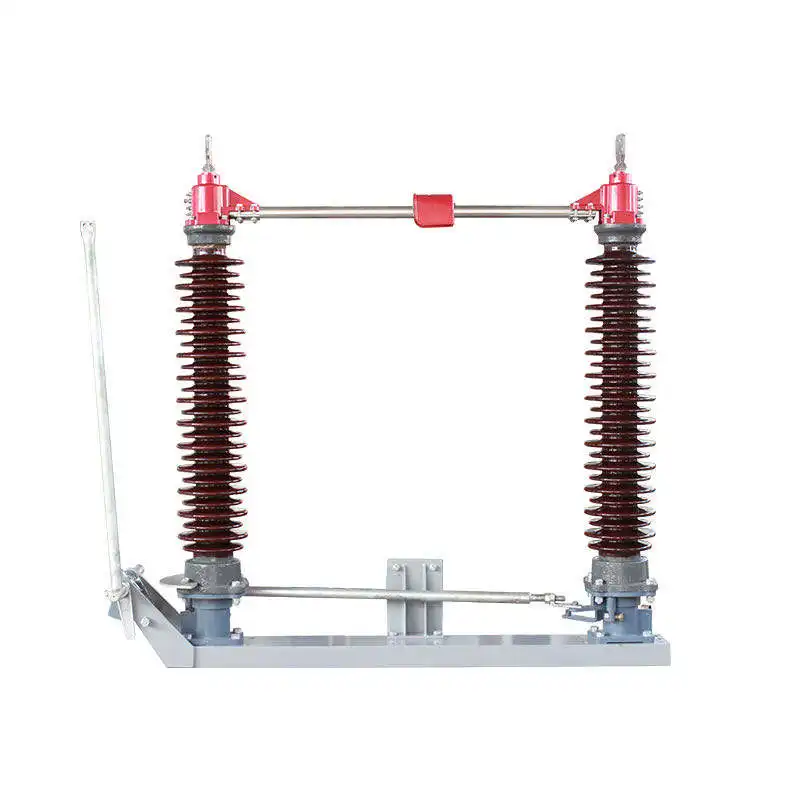
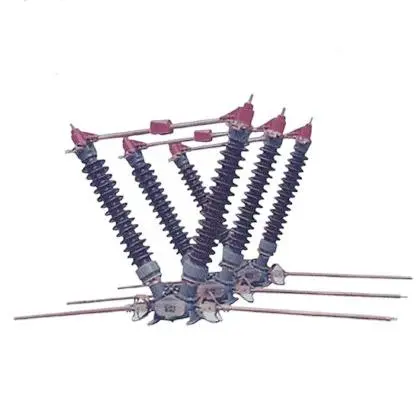
What Type of Disconnect Switch Fits Your Application?
Not all cables are compatible with disconnect switches. Your design choice will effect how well the device fits into your cabinet, how well it protects the circuit and how long it lasts in service. Step one to a good specification is to know your core groups.
Fusible vs. Non-Fusible
A fusible disconnect switch is useful when panel room is limited because it separates the circuit and protects against overcurrent all in one housing. There is a non-fusible type that depends on protection devices either upstream or downstream. This is the usual choice for medium-voltage switchgear lines where protection coordination is handled separately.
Manual vs. Motor-Operated
In indoor medium-voltage settings, manual mechanisms are the norm. Xi'an Xikai's GN19 High Voltage Disconnect switch has a controlled lever system that moves the blade away from the contact point, making a 15 mm isolation gap that can be seen. For repair workers, this clear break is a key safety proof. When remote change is needed, motorized devices are given.
Indoor vs. Outdoor, Low vs. High Voltage
The GN19 can handle up to 12kV and four different current levels: 400A, 630A, 1000A, and 1250A. This makes it suitable for most indoor switchgear setups. Instead, horizontal rotating designs with a rating of 363kV are used for uses that need to be used outside or with very high voltage. It is necessary to match the voltage class and installation surroundings to the product line.
If you choose the wrong category, integration issues will show up right away. Before choosing an isolating switch, make sure you know the installation setting, voltage class, and safety philosophy.
How Do Safety Features and Electrical Standards Affect Your Choice?
You can't choose not to comply. Every piece of equipment in an EPC project has to meet the standards set out in the design plan. The disconnect switch is no different.
Arc Flash and Interlocking
The GN19 has interlocking parts that keep it from working by accident while it's being maintained in real time. Latch springs hold the switch in the off position once the blade clears the contact. This plan lowers the risk of arc flash exposure and supports lockout/tagout (LOTO) processes, which are needed by OSHA in the US to control energy.
IP Ratings and Environmental Options
Standard indoor units are designed to work in most electrical settings. The GN19 also has surfaces that are resistant to pollution for industrial areas and can be used in places up to 4,000 meters above sea level, which is required by specifications in steppe areas and mountain substations. An extra built-in voltage display lets you know when the power is off without having to open the cabinet door.
Certifications and Testing Standards
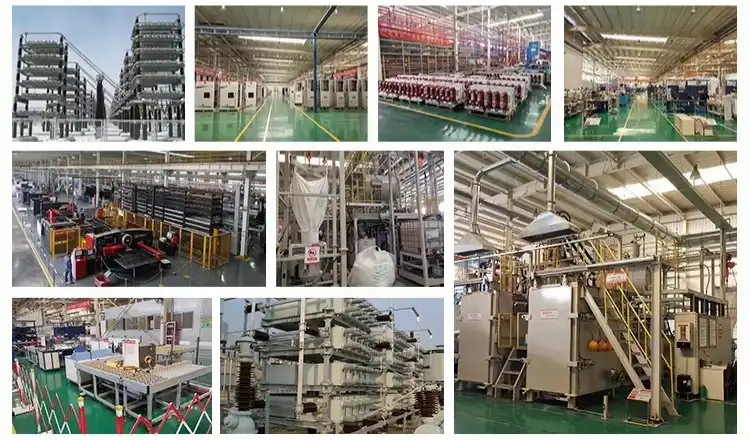
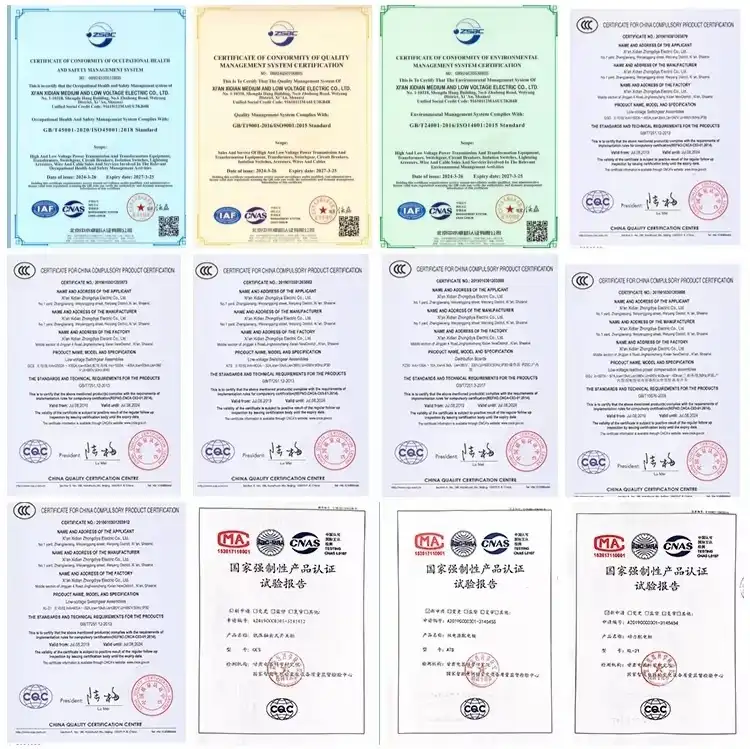
The factory that makes GN19 units in Xi'an Xikai is ISO 9001-certified and does dielectric testing at 42kV for one minute, mechanical endurance testing that goes over 10,000 operation cycles, and salt fog simulation according to IEC 60068-2-52. These tests are in line with what the IEC 62271 series says about high-voltage control and switchgear. Your project will be safer during acceptance testing if you check the certification papers before you buy them.
Certified goods cut down on rework, speed up the approval process, and protect your team from being sued by inspectors.
What Are the Key Maintenance and Fault Detection Factors?
EPC schedule delay due to a disconnect switch failure throughout the course of a project. Total cost of ownership is controlled by planning maintenance from the specification stage.
Contact Resistance Monitoring
Contact resistance is a very good measure of switch health. Increased resistance at the contact interface results in localised heating hence accelerating wear and possibly tripping of upstream protection. The contacts are finely machined as in the GN19 to assist maintain low resistance values throughout the service life of the device.
Warning Signs During Operation
When you operate it by hand , if you hear strange noises or see discolouration around the terminal regions or have trouble engaging the mechanism , the switch requires examination . Detection of these indicators during normal rounds eliminates unforeseen outages. A basic approach EPC contractors may safeguard the asset is to include a quarterly inspection checklist in the O&M handover paperwork.
Scheduled Servicing and Spare Parts
In high cycle applications, like as substations with frequent load switching, service intervals are established. Xi'an Xikai's GN19 is subjected to more than 10,000 cycles of mechanical operation, with round-the-clock technical support and replacement parts logistics. For projects in distant areas with extended lead times it is especially necessary to check on the availability of replacement parts before procurement.
Planned maintenance helps save repair costs, ensures warranty compliance and maintains switchgear ready for the next planned outage window.
How Does a Disconnect Switch Compare to a Circuit Breaker?
This is a typical question addressed in assessments of switchgear designs, and the solution depends on what you want the device to accomplish.
Core Functional Difference
A disconnect switch provides a visual, physical separation between a circuit and its power supply. This is not designed to interrupt fault currents. A circuit breaker, however, will immediately interrupt any aberrant currents and may be closed again after the issue is corrected. They are often seen together in the same switchgear lineup. The breaker kills the problem and the isolation switch ensures sure the circuit is dead before the maintenance commences.
When a Fusible Disconnect Competes With a Breaker
In low voltage settings you may use a fusible disconnect switch instead of a circuit breaker since it protects against both overcurrent and separation. This is a common configuration for motor control centers and smaller commercial distribution panels. In the middle voltage, jobs are virtually usually shared out.
Choosing Based on Project Requirements
In 12kV indoor switchgear of substation EPC project, the isolating switch and vacuum circuit breaker are in separate position on single-line diagram. It's not precisely right to substitute one for the other. Knowing the distinction between the two phrases can save you from specification errors that slow down design approval at the design institute review phase.
Where Should You Source Disconnect Switches for a B2B Project?
Quality, scheduling, and total project cost are all affected by the procurement plan in the same way. The list of suppliers is quickly cut down when you know where to look and what to check.
Evaluating Suppliers Against Design Specifications
In China, design schools often list individual product lines by name in their models. During acceptance, disputes about substitutions can be avoided by making sure that the supplier's product matches the model number, dimensions, and technical parameters shown on the drawing. The GN19 series from Xi'an Xikai is often used as a model for domestic substation designs, and it has the certifications needed by State Grid's procurement standards.
Online Platforms vs. Direct Factory Sourcing
Power engineering procurement platforms list a number of disconnect switch suppliers, which can help you learn more about the market. When you buy directly from a factory like Xi'an Xikai, you can get expert help, unique configurations, and bulk discounts for orders of 5 to 50 units per project, which is a normal EPC lot size.
Bulk Orders and Lead Time Planning
When EPC companies are in charge of several substation packages at the same time, proven lead times and staggered delivery plans are just as important as the unit price. Including the manufacturer's technical team early in the design process lets you check the cabinet's measurements and mounting arrangements before it's built, which lowers the chance of fit problems on-site.
Conclusion
If you answer these five questions before you finalize your specification, your project will be safer and less likely to be delayed or require expensive rework. The right isolating switch should fit into your cabinet, consistently carry the rated current, meet all approval requirements, and come from a company that will help you with installation and beyond. All of these needs are met by the GN19 disconnect switch from Xi'an Xikai, which has tested performance data to back it up. Talk to their technical team as soon as possible in the planning process. It's easier to set up the right product before the plans are finished than after.
FAQ
1.What is the rated voltage of the GN19 disconnect switch?
The GN19 is rated at 12kV, making it suitable for medium-voltage indoor switchgear applications including distribution substations and switchgear lineups.
2.What current ratings are available for the GN19?
The GN19 is available in four current ratings: 400A, 630A, 1000A, and 1250A. This range covers most indoor switchgear configurations from light distribution to heavy industrial loads.
3.Can the GN19 be used at high altitudes?
Yes. Xi'an Xikai offers a high-altitude adaptation option for the GN19 that supports operation at elevations up to 4,000 meters above sea level. This meets the requirements of State Grid plateau projects and mountainous installation sites.
4.What certifications does the GN19 carry?
The GN19 is manufactured in an ISO 9001-certified facility and tested per IEC standards, including dielectric testing at 42kV for one minute and salt fog simulation per IEC 60068-2-52.
5.How does contact resistance affect performance?
Higher contact resistance causes localized heating at the contact interface, which accelerates wear and may trigger upstream protection. Precision-machined contacts in the GN19 maintain low resistance values throughout the switch's service life, supporting stable long-term operation.
Ready to Specify the Right Isolating Switch? Contact Xi'an Xikai
Xi'an Xikai's disconnect switch line includes 12kV indoor configurations and 363kV outdoor installations. There are also custom options for polluted areas, high-altitude sites, and voltage indicator needs. As a well-known company that makes disconnect switches, Xi'an Xikai helps EPC projects by providing detailed drawings, certified paperwork, and direct plant service. Get in touch with the team right away to make sure you understand the details of your next supply package.
- Email: serina@xaxd-electric.com | amber@xaxd-electric.com | luna@xaxd-electric.com
- Website: xaxd-electric.com
References
1. IEC 62271-102 — High-Voltage Switchgear and Controlgear: Alternating Current Disconnectors and Earthing Switches, International Electrotechnical Commission, 2018.
2. IEEE Std C37.30.1 — Standard Requirements for AC High-Voltage Air Switches, Institute of Electrical and Electronics Engineers, 2011.
3. OSHA 29 CFR 1910.147 — The Control of Hazardous Energy (Lockout/Tagout), U.S. Occupational Safety and Health Administration, 2019.
4. Electrical Engineer's Reference Book, 16th Edition, Newnes/Elsevier, 2003.
5. IEC 60068-2-52 — Environmental Testing: Salt Mist, Cyclic, International Electrotechnical Commission, 2017.
6. Switchgear Manual, 12th Edition, ABB AG / Cornelsen Verlag, 2011.