Submerged Arc Furnace Capacitor vs Reactor: What’s the Difference?
2026-04-20 15:56:56
When using submerged arc furnaces for metals, making steel, or making alloys, it is very important to know the difference between capacitors and reactors to keep the power quality high and the machines running efficiently. The main difference is how they work electrically: a Submerged Arc Furnace Capacitor fixes power factor by adding reactive power to balance out inductive loads, and reactors stop harmonic currents and keep equipment safe from voltage spikes. Capacitors lower energy costs and make the grid more stable. Reactors, on the other hand, limit current and smooth out electrical changes caused by an unsteady spark.
|
|
|
Introduction
Power systems used in submerged arc furnace (SAF) processes have to deal with problems that aren't easy for regular electrical parts to handle. Extreme electrical conditions with big changes in current, harsh harmonics, and unstable arc behavior require special equipment that is made to work reliably when under stress. Both capacitors and reactors are important for keeping these complicated systems stable, but they do so in different ways. It's important for procurement managers, facility engineers, and system designers to know which part meets each operating need, such as fixing a lagging power factor, reducing harmonic distortion, or keeping sensitive equipment safe from electrical surges.
This detailed guide explains how SAF capacitors and reactors work, how they are different technically, and when they can be used. We organized this data so that you can make an informed choice that improves system reliability, lowers lifetime costs, and fits with your strategic buying goals. If your company knows about these differences, it can get the most out of its furnaces and avoid costly equipment breakdowns and energy penalties.
Understanding the Basics of Submerged Arc Furnace Capacitors and Reactors
In SAF uses, capacitors are mostly used to fix power factor. The power factor drops a lot when arc burners use a lot of inductive reactive power—often to 0.6 or 0.7 in systems that aren't fixed. This immediately causes two issues: utility companies charge big fines for low power factor, and the electrical infrastructure doesn't work well, wasting generator capacity and making wires and busbars too hot.
What Submerged Arc Furnace Capacitors Do
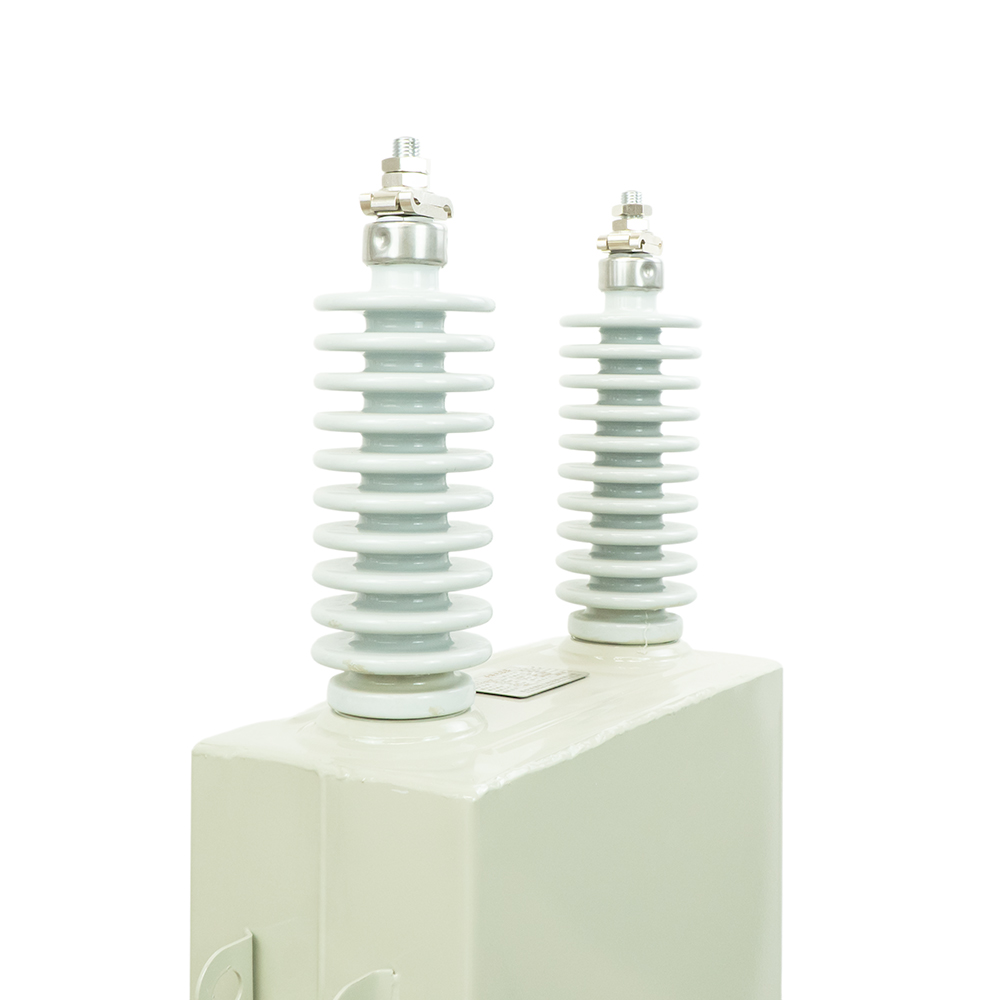
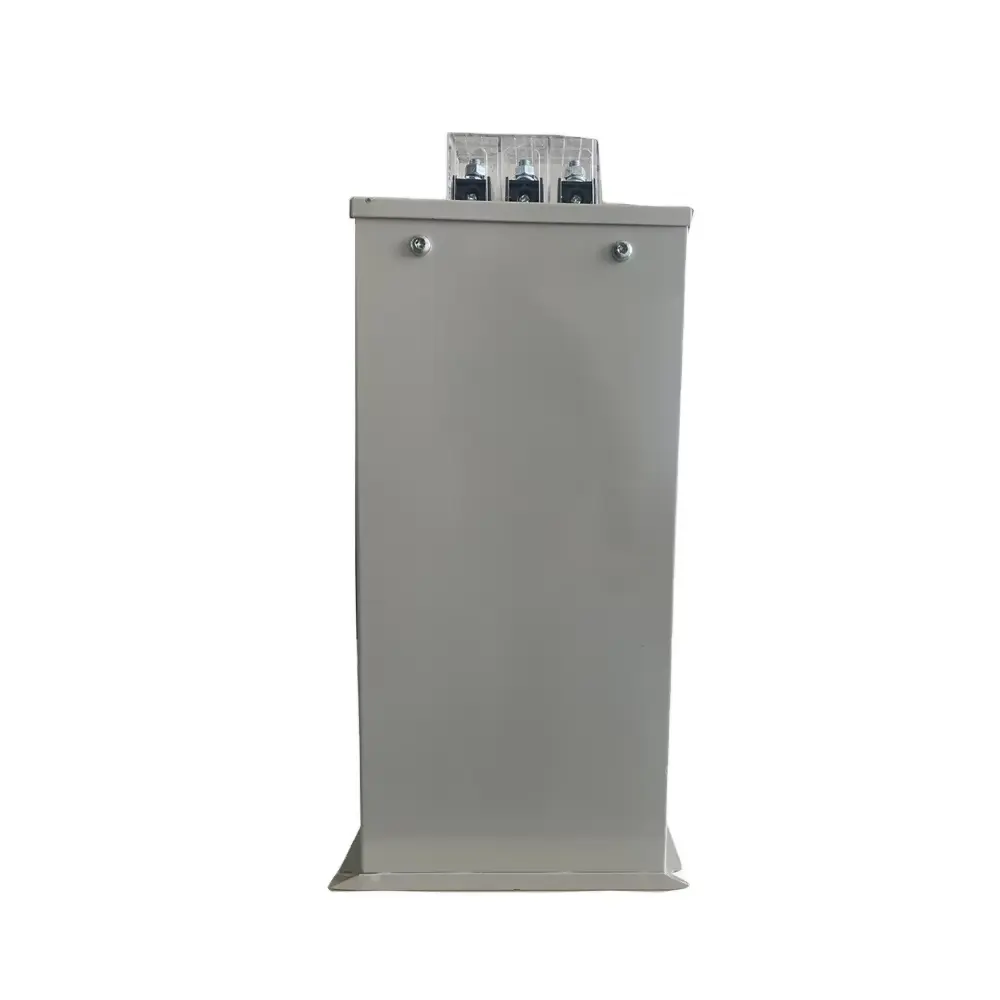
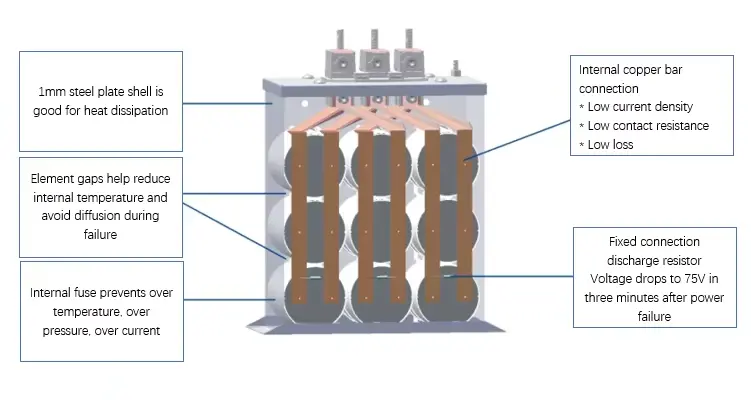
The BKMJ0.4KV Submerged Arc Furnace Capacitor from Xi'an Xikai is a great example of a design that was made to work in these difficult conditions. This unit works at 60Hz and has a capacitance variation of -5% to +10%. This makes sure that the reactive power correction stays stable even when system conditions change. The device can handle currents up to 2.5 times its rating value, which is enough for surges that happen when electrodes are boring or an arc is striking. This capacitor has a loss factor below 0.2W/kVar and is made with metallized polypropylene film and a dry-type, leakage-free design. This means that less energy is wasted and costs are lower.
The strong build of specialized heater capacitors sets them apart from regular power factor adjustment units. The BKMJ0.4KV has built-in over-voltage protections that work quickly when the grid becomes unstable, stopping a catastrophic failure. Because it is so good at self-healing, even small dielectric breaks are fixed automatically, which means that it can be used continuously for more than 100,000 hours. With discharge resistors built in, the unit safely releases stored energy when it is turned off, keeping repair staff and linked equipment safe.
How Reactors Function in SAF Systems
Reactors are used for very different things. These inductive parts keep fault currents low, even out harmonic distortions, and keep capacitor banks safe from dangerous resonance conditions. In SAF uses, the chaotic arc behavior creates a lot of harmonic content, mostly 3rd, 5th, 7th, and higher-order harmonics. If capacitors are placed without proper harmonic filtering, these harmonics can get very loud and damage the system.
When series reactors are put in front of capacitor banks, they make a detuned filter circuit that usually has 6%, 7%, or 12% reactance compared to the reactive power level of the capacitors. The resonant frequency is moved below the main harmonic frequencies by this arrangement, which stops amplification. Inrush currents are limited by reactors when capacitors are turned on. This lowers the stress on the switches and increases the life of the contacts.
Even though they are not very popular in SAF secondary circuits, shunt reactors help keep the voltage stable on the long transmission lines that bring power to the plant. They take in extra reactive power when there isn't much load, which stops overvoltage that could damage sensitive measurement and control electronics.
Structural and Design Distinctions
The different roles of capacitors and reactors are reflected in the way they are built. Metalized wires divide thin dielectric films in capacitors, making small units with a lot of energy. The BKMJ0.4KV uses a high-temperature polyethylene film that has been roughened and metallized with zinc and aluminum. This film is designed to be durable at temperatures up to 60°C. The dry-type design doesn't let oil leak, which is a big safety plus in foundries where oily materials can start fires.
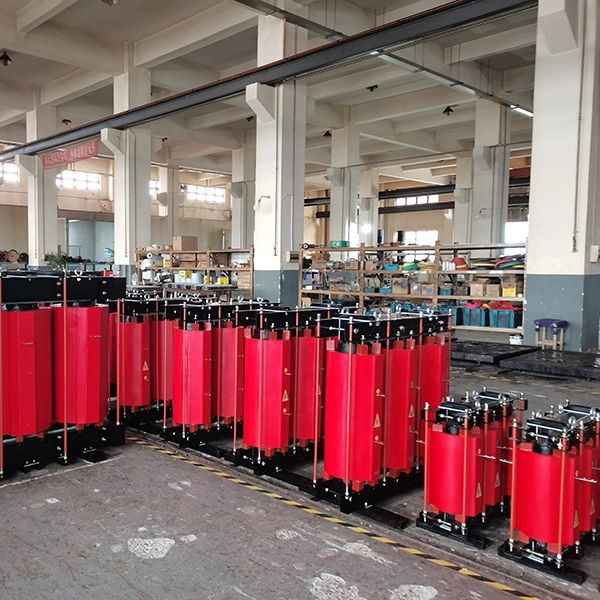
Reactors, on the other hand, have iron or air-core cores wrapped around copper or aluminum windings. Because they don't get saturated and keep their constant inductance over a wide range of currents, air-core reactors are perfect for harmonic filtering. Iron-core reactors have higher inductance and smaller packages, but they need to be carefully designed to keep the core from becoming saturated during transient situations.
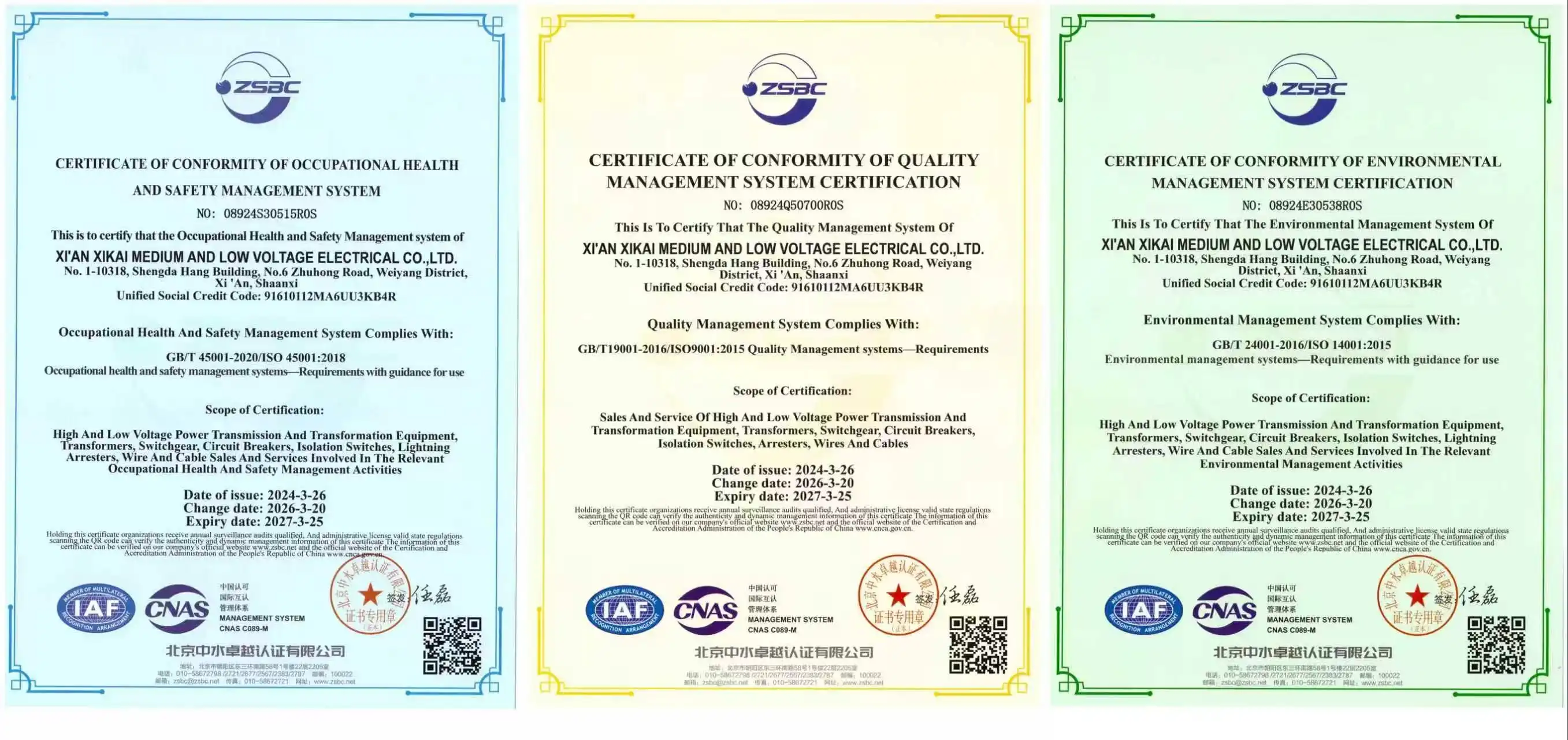
Both parts have to be able to handle strong mechanical vibrations, electromagnetic forces during short circuits, and corrosive air that is full of conductive dust. IEC 60831 certifications for capacitors and IEC 60076 certifications for reactors make sure that goods meet strict safety, electrical, and heat standards. The way Xi'an Xikai makes their products includes third-party validation and testing methods that are ISO 9001-certified. This makes sure that every unit they ship meets foreign standards like UL, CE, and CCC.
Technical Comparison: Capacitor vs Reactor in SAF Applications
Capacitor vs. Reactor: A Technical Comparison for Submerged Arc Furnace Capacitor Uses.
Electrical Performance and Power Quality Impact
Capacitors directly raise the power factor by adding a leading reactive current that balances out the lagged reactive current that is pulled by short networks and inductive furnace transformers. Increasing the power factor from 0.7 to 0.95 can cut the visible power demand by 25%. This can free up transformer capacity for more production or get rid of the need for expensive updates to the transformers. Power factors below 0.9 are usually punished by utilities, so fixing them saves you money right away on your monthly energy bills.
Reactors don't directly improve power factor; instead, they stop harmonic currents from overloading transformers, overheating wires, and setting off unnecessary safety switches. Harmonic currents add to the $I^2R$ losses in the distribution system, which heats up parts beyond their intended limits. By reducing these currents, reactors indirectly make the system work better and make tools last longer.
When capacitors and series reactors are put together, they make harmonic filter banks that fix the power factor and reduce harmonic noise at the same time. This two-part method takes care of both reactive power correction and power quality in one unified solution, which increases the return on investment.
Maintenance Requirements and Operational Challenges
When you maintain a capacitor, you mostly look at the capacitance values, which slowly go down as the dielectric films get older. Capacitance meters are used to regularly check units to find ones that have degraded beyond the -5% safety limit. Case bulging is a clear sign that the internal over-pressure disconnectors have been set off because of dielectric failure and should be checked for visually. High currents and vibrations can loosen nuts on terminal connections, which can lead to hot spots and possible fire risks.
The BKMJ0.4KV's self-healing technology makes it much easier to maintain than older capacitor types. When micro-faults happen in the dielectric film, the metallization around the fault evaporates. This separates the affected area from the rest of the capacitor, which keeps working. This kind of "graceful degradation" stops catastrophic fails that would suddenly stop production.
When you maintain a reactor, you mostly check the resistance of the winding insulation, make sure that the cooling systems (for big units) work, and look for signs of burning. In iron-core reactors, humming and vibrations can be caused by core laminations that are too loose and need to be tightened or replaced. Air-core reactors usually don't need much care other than being cleaned every so often to get rid of conductive dust that could make flashover tracks.
Lifespan Expectations and Lifecycle Costs
When properly protected by series reactors and used within the voltage and temperature limits, good capacitors like the BKMJ0.4KV can last for 5 to 8 years in SAF uses. Without harmonic filtering, harmonic currents can shorten the life of a capacitor to just one to two years because they heat up the dielectric film too quickly. Investing in detuned filter banks up front pays off because the capacitors last longer and don't need to be replaced as often.
Most of the time, reactors last much longer than capacitors, often over 15 to 20 years with little to no degradation. Because they are made up of simple parts like insulated wires and iron or air cores, they don't have the failure processes that capacitors do. Energy losses are the main cost of reactors over their entire life. Even with the best designs, reactors lose power as heat because of core losses and winding resistance. By choosing reactors with the right quality factors, you can combine the original cost with the amount of energy they use over time.
When you look at the lifecycle costs, you should not only look at the prices of the parts, but also the labor costs for installation, the downtime for upkeep, the energy saves from better efficiency, and the penalties that could have been charged for bad power quality. A full total cost of ownership study often shows that high-quality parts from well-known brands like Xi'an Xikai are more valuable, even if they cost more at first.
Choosing the Right Equipment: Key Decision Factors for B2B Clients
Tips for Business-to-Business Clients on How to Choose the Right Equipment and the Submerged Arc Furnace Capacitor.
Assessing Application Needs and System Compatibility
Submerged Arc Furnace Capacitor selection requires evaluating voltage, reactive power demand, and harmonic profile. Proper placement near loads improves efficiency and reduces losses. Flexible installation supports expansion, while robust design ensures reliability under high temperatures, voltage fluctuations, and harsh industrial environments.
Equipment Performance and Quality Certifications
Submerged Arc Furnace Capacitor performance depends on verified standards like IEC, UL, and CE certifications. Key metrics such as loss factor, temperature stability, and overload capacity ensure efficiency and durability. Certified products simplify global procurement and guarantee compliance with diverse regulatory requirements.
Supplier Evaluation and After-Sales Support
Submerged Arc Furnace Capacitor procurement should consider supplier capability, production scale, and project experience. Reliable vendors provide technical support, customization, and strong warranties. Effective after-sales service, logistics expertise, and global compliance knowledge reduce risks and ensure smooth installation and long-term operational success.
Real-World Applications and Case Studies
Uses in the real world and case studies for the Submerged Arc Furnace Capacitor.
Ferrosilicon Production Facility Power Factor Improvement
Submerged Arc Furnace Capacitor banks improved power factor from 0.68 to 0.94 in a ferrosilicon plant, eliminating penalties and reducing demand. Voltage stabilization enhanced arc consistency, lowered electrode use, and increased output, achieving full investment payback within 14 months.
Calcium Carbide Plant Harmonic Mitigation
Submerged Arc Furnace Capacitor and reactor filter systems reduced THD from 18% to 4.2%, improving power quality and preventing equipment trips. This lowered downtime, reduced transformer temperatures, and extended equipment life, delivering ROI within 18 months through improved operational stability.
Hospital Emergency Power System Reliability Enhancement
Submerged Arc Furnace Capacitor solutions upgraded hospital backup systems with dry-type units, eliminating oil-related risks and improving safety compliance. Enhanced power factor accuracy, low noise operation, and reliable performance ensured stable power supply, supporting critical healthcare operations and easier system integration.
Future Outlook and Innovations in SAF Capacitor and Reactor Technology
What the future holds for Submerged Arc Furnace Capacitor and reactor technology and how it will change.
Emerging Advances in Materials and Design
Submerged Arc Furnace Capacitor technology is evolving with advanced dielectric materials and compact designs that improve thermal performance, energy density, and lifespan. Reactor innovations, including amorphous cores and improved cooling methods, reduce losses and enhance efficiency under continuous and high-load industrial conditions.
Integration with Smart Grid and Industrial IoT
Submerged Arc Furnace Capacitor systems are integrating sensors and IoT connectivity for real-time monitoring of performance and condition. AI-driven controls optimize power factor and switching, while smart reactor monitoring enables predictive maintenance, improving reliability and minimizing downtime in modern industrial environments.
Strategic Considerations for Long-Term Investment
Submerged Arc Furnace Capacitor selection should consider lifecycle cost, efficiency, and regulatory compliance. High-quality systems reduce long-term expenses and meet evolving standards. Eco-friendly designs support sustainability goals, helping companies lower emissions while ensuring reliable, future-ready power infrastructure investments.
Conclusion
Your company can improve power quality, lower costs, and make the system more reliable by knowing the different roles of capacitors and reactors in Submerged Arc Furnace Capacitor uses. Capacitors fix the power factor and cut down on wasted reactive power, which saves money on energy bills right away and frees up space in infrastructure. Reactors reduce harmonic distortion and shield equipment from harmful transients. This keeps parts from breaking down and costs a lot of money. When built correctly, filter banks can solve both problems at the same time, which maximizes return on investment.
To choose the right tools, you need to carefully consider the needs of the application, the fit of the system, and the supplier's abilities. The Xi'an Xikai BKMJ0.4KV Submerged Arc Furnace Capacitor is a great example of a product that was specifically designed to work in harsh SAF settings. It has a strong build and advanced features like self-healing technology and built-in security. When you work with well-known makers, you can get access to their technical knowledge, quality certifications, and full support, all of which lower your risk and speed up the time it takes to see your value.
FAQ
1. What are the main advantages of capacitors over reactors in SAF systems?
Power factor is directly improved by capacitors, which lowers energy fees and frees up generator capacity for more production. They make up for reactive power, which lowers energy costs and makes the system work better. Instead of improving power factor, reactors limit harmonic currents and keep devices safe from sudden changes in electricity.
2. How do maintenance requirements compare between capacitors and reactors?
Capacitors need to have their capacitance measured and looked at every so often to see if the case is bulging or the terminals are getting too hot. Modern systems that can fix themselves, like the BKMJ0.4KV, make upkeep a lot easier. Reactors usually don't need to be checked on as often; all that needs to be done is make sure the protection is still strong and that the reactor is cool enough. This makes them lower-maintenance over their longer service lives.
3. What factors most affect capacitor lifespan in SAF applications?
The main causes are harmonic currents, working temperature, and voltage stress. When used without series reactors in high-harmonic settings, capacitors may fail within one to two years. Units that are properly protected, on the other hand, last five to eight years or more. Keeping an eye on the ambient temperature and keeping within the voltage ratings also have a big effect on life.
Partner with Xi'an Xikai for Superior SAF Power Solutions
Xi'an Xikai Medium & Low Voltage Electric Co., Ltd. is ready to help you with your submerged arc furnace power quality projects with their proven knowledge and complete solutions. As a top producer of Submerged Arc Furnace Capacitor units, we offer parts that are made to work reliably in the toughest industrial settings. Our BKMJ0.4KV capacitor features advanced self-healing technology, robust design, and compliance with international standards to ensure reliable performance and minimal energy consumption. Xi'an Xikai has been working with metallurgy and heavy industry for more than 30 years. They offer unique engineering support, quick technical response, and flexible solutions tailored to your needs. You can email our technology experts at serina@xaxd-electric.com, amber@xaxd-electric.com, or luna@xaxd-electric.com to talk about your needs and get a full system evaluation.
References
1. Smith, J.R., & Williams, T.K. (2021). Power Factor Correction in High-Current Industrial Applications. Journal of Electrical Engineering Practice, 45(3), 112-128.
2. Chen, L., & Morrison, D. (2020). Harmonic Mitigation Strategies for Submerged Arc Furnace Operations. International Review of Power Systems, 38(2), 245-267.
3. Anderson, M.P. (2022). Capacitor Bank Design and Application in Heavy Industry. Industrial Power Quality Handbook, 5th Edition. Technical Press International.
4. Rodriguez, A., & Kumar, S. (2019). Lifecycle Cost Analysis of Reactive Power Compensation Equipment. Energy Economics and Management Quarterly, 27(4), 89-105.
5. Thompson, R.J., & Zhang, W. (2023). Advanced Materials for High-Voltage Capacitors in Extreme Environments. IEEE Transactions on Dielectrics and Electrical Insulation, 30(1), 456-472.
6. National Electrical Manufacturers Association (2021). NEMA CP1-2021: Shunt Capacitors Standards Publication. NEMA Standards Publication.