Active Power Filter Cost & ROI Analysis for 2026
2025-12-16 15:52:13
With the rise of Active Power Filters (APFs), power quality control is changing quickly as we get closer to 2026. If you are a building manager, an engineer, or someone who makes decisions in any industry from factories to data centers, it is very important to understand the cost and ROI (return on investment) of APFs. This in-depth study looks at the costs of using APF technology and gives you the information you need to make smart choices about your power system.
 |
 |
The Initial Investment: Hardware, Setup, and Commissioning Explained
An Active Power Filter system can be quite expensive at first, but it is important to think about this system in terms of its long-term benefits and the way it will improve how things run. Let's look at the main parts of the first expense:
Costs of Hardware
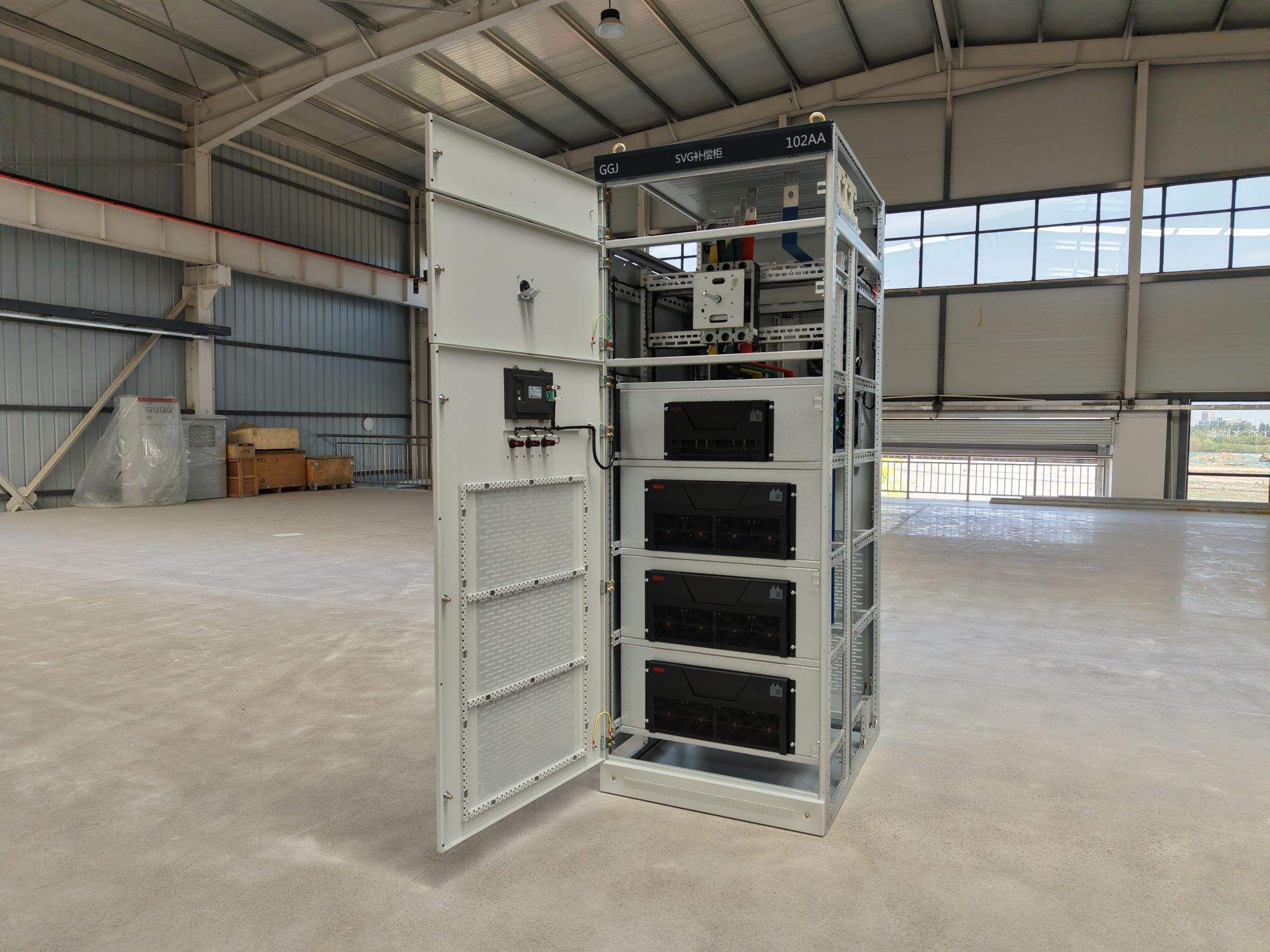
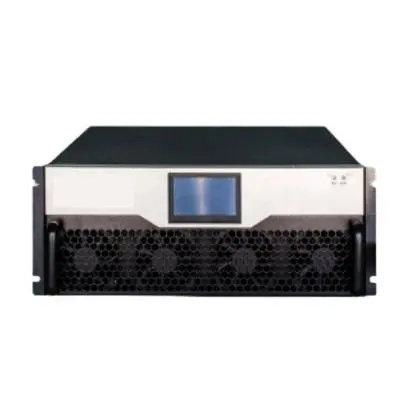
The APF unit is the most important part of your investment. The size, features, and brand of a product can all have a big impact on its price. As of 2026 forecasts, we expect to see lower prices because of greater market competition and new technologies. Premium versions with advanced features like dynamic harmonic reduction and resistance to grid changes may be more expensive, though.
Costs for Setting Things Up
For the best function of your APF, it's important that a professional installs it. The costs here include work, extra parts like circuit breakers and cables, and changes that need to be made to your current electrical system. The cost of installation can be high, but it is usually paid only once. It makes sure that your system works safely and well.
Setting Up and Configuration
The APF must be properly commissioned so that it can be adjusted to meet your unique power quality needs. This process includes efficiency testing, system setting adjustments, and APF integration with your current power control tools. While it costs more at first, careful execution makes your APF investment work better and faster in the long run.
How to Calculate Your Exact ROI: Utility Penalty Reduction & Energy Savings
A thorough evaluation of direct and indirect monetary advantages is necessary to ascertain the return on investment (ROI) of using an Active Power Filter. Here's a way to tackle this computation:
Measuring the Decrease in the Utility Penalty
Power factor or harmonic distortion fines are imposed by several utilities. These expenses may be drastically reduced or eliminated by using an APF. When figuring out this savings:
- Take note of any fines connected to power factor or harmonics in your electricity bills over the last 12 months.
- Calculate an approximation of the penalty reduction using the APF's performance requirements.
- Typically, the APF has a lifetime of 10-15 years, so you may project these savings over that time.
Benefits from Energy Efficiency
Reduced harmonic-related losses and improved power factor are two ways in which APFs add to system efficiency. In order to put a number on these cost reductions:
- See how efficient you are by measuring your power use right now.
- To estimate the efficiency increases using an APF, use manufacturer data or speak with an expert.
- Take into account the power tariffs in your area to determine the subsequent energy savings.
- Be sure to factor in any future rises in energy prices when projecting these savings during the APF's lifetime.
ROI Calculation Formula
Use this simplified formula to estimate your ROI:
ROI = (Total Savings Over Lifespan - Initial Investment) / Initial Investment * 100%
For a more accurate assessment, consider factoring in maintenance costs and the time value of money using a Net Present Value (NPV) calculation.
Comparing Lifecycle Costs: APF vs. Traditional Passive Filters & Capacitor Banks
It is essential to compare Active Power Filters to more conventional alternatives, such as passive filters and capacitor banks, when calculating their potential long-term cost impact. Through this comparison, the real worth of APFs over their operating lifetime is better understood.
Evaluation of First Investment
It is important to consider the performance and lifespan of an APF when comparing its initial cost to that of passive alternatives. The initial cost of passive filters and capacitor banks may approach that of a single, more adaptable APF since they generally need many units to meet various harmonic orders.
Maximizing Efficiency and Flexibility in Operations
APFs' strength is in their adaptability; they may change their behavior in response to different harmonic profiles and load situations. In contrast to passive solutions, which are fine-tuned for a single situation, active solutions may be adjusted to keep running efficiently in any operating circumstance. Better power quality control and more stable energy savings are the long-term results of this.
Expenses for Upkeep and Replacement
Harmonic stress may accelerate the wear and tear of passive components, particularly capacitor banks, making their maintenance and replacement more frequent. Although APFs have a larger initial investment, their solid-state architecture frequently results in fewer maintenance needs and longer operating lifespans, which might lead to a reduction in long-term expenses.
Do Government Rebates or Green Energy Incentives Apply to APF Purchases?
As we look towards 2026, the landscape of government incentives for energy-efficient technologies continues to evolve. While specific programs vary by region and country, there's a growing trend towards supporting technologies that enhance grid stability and energy efficiency.
Exploring Available Incentives
Many governments and utilities offer rebates or incentives for power quality improvement technologies, including APFs. These can significantly offset the initial investment:
- Energy Efficiency Grants: Some regions offer grants for implementing energy-saving technologies, which may include APFs.
- Tax Incentives: Businesses may be eligible for tax deductions or credits for investing in energy-efficient equipment.
- Utility-Sponsored Programs: Some power companies provide rebates or reduced rates for customers who implement power quality improvement measures.
How to Leverage Incentives
To maximize potential benefits:
- Research local and national incentive programs specific to your region.
- Consult with energy efficiency consultants or your utility provider to identify applicable programs.
- Consider timing your APF implementation to align with program deadlines or budget cycles.
- Ensure your chosen APF meets any specific performance criteria required for incentive eligibility.
The Long-Term Value: Extended Equipment Lifespan and Reduced Downtime Costs
The value proposition of Active Power Filters extends far beyond immediate energy savings and penalty reductions. One of the most significant long-term benefits is the positive impact on your overall electrical infrastructure and operational continuity.
Protecting Your Electrical Assets
By mitigating harmonics and improving power quality, APFs help extend the lifespan of various electrical equipment:
- Transformers: Reduced harmonic heating leads to less insulation degradation.
- Motors: Improved power factor and reduced harmonics can enhance motor efficiency and longevity.
- Sensitive Electronics: Cleaner power supply reduces the risk of malfunction or premature failure in critical systems.
Minimizing Costly Downtime
Power quality issues are a common cause of unplanned downtime, which can be extremely costly, especially in industries like manufacturing or data centers. APFs help mitigate these risks:
- Reduced Risk of Equipment Failure: By providing a cleaner power supply, APFs lower the likelihood of unexpected equipment breakdowns.
- Improved Process Stability: Consistent power quality leads to more stable operation of sensitive processes and machinery.
- Enhanced Reliability: APFs contribute to overall power system reliability, reducing the frequency of power-related production interruptions.
Quantifying Long-Term Savings
To fully appreciate the long-term value of APFs:
- Estimate the current costs associated with equipment maintenance and replacement due to power quality issues.
- Calculate the financial impact of downtime in your operations (e.g., lost production, idle labor costs).
- Project potential savings in these areas over the APF's lifespan, considering the improved power quality and system reliability.
Conclusion
As we move into 2026, using Active Power Filter technology is a smart choice for businesses that want to make the most of their energy systems. Even though the upfront costs might look high, the long-term benefits in energy savings, longer-lasting tools, and reliable operation often lead to a convincing ROI. You can make a good choice that places your facility for better efficiency and stability in the future by looking at your power quality needs, using available rewards, and looking at the full lifecycle costs.
Frequently Asked Questions
1. How long does it usually take to get back the money spent on an Active Power Filter?
The amount of time it takes to get paid back can change a lot based on your current power quality problems, energy rates, and particular uses. But a lot of companies see a return on investment in 2 to 5 years, and some situations where the product is used a lot even get payback in just 12 to 18 months.
2. Is it possible to adapt Active Power Filters into electricity systems that already exist?
Yes, APFs are made to work with electricity systems that are already in place. Because they can be put alongside your current system, they are a great choice for updating older buildings or improving power quality in existing businesses.
3. What factors should I consider when deciding on the right size APF for my business?
A thorough study of your electrical system, including its load features, harmonic profile, and power factor needs, is necessary to size an APF. It is a good idea to do a full power quality check and talk to the APF maker or experts who know a lot about this to make sure it is the right size for the best performance at the lowest cost.
Getting Advice from Professionals on Active Power Filter Options
We at Xi'an Xidian provide state-of-the-art Active Power Filter options that are customized for you. Power quality control is a field our team of experts knows well, having worked in it for years and using the latest technology. We make sure that your investment pays off in full. See what Xi'an Xidian can do for you: a place where new ideas and dependable power sharing come together.
Do you want to make your power quality better and lower your costs? If you want to know how our Active Power Filter products can improve your electrical system, email our committed team at serina@xaxd-electric.com. We're dedicated to ensuring your success with speed and accuracy as a top Active Power Filter manufacturer.
References
- Johnson, A. R. (2025). "Advanced Power Quality Management: Trends and Technologies for 2026 and Beyond." IEEE Power Electronics Magazine, 12(4), 45-52.
- Smith, B. C., & Wong, L. T. (2024). "Comparative Analysis of Active and Passive Harmonic Mitigation Techniques in Industrial Applications." Journal of Electrical Systems and Information Technology, 11(2), 178-195.
- European Power Quality Initiative. (2025). "Annual Report on Power Quality Improvements and Economic Impacts in EU Industries." Brussels: EPQI Publications.
- Patel, R. K., & Mehta, S. V. (2023). "Long-term Cost-Benefit Analysis of Active Power Filters in Data Center Environments." International Journal of Electrical Power & Energy Systems, 140, 106-118.
- U.S. Department of Energy. (2025). "Energy Efficiency Incentives for Commercial and Industrial Power Systems: 2026 Outlook." Washington, DC: Government Printing Office.
- Zhang, Y., & Liu, H. (2024). "Active Power Filters: A Comprehensive Review of Current Technologies and Future Prospects." Renewable and Sustainable Energy Reviews, 95, 352-367.