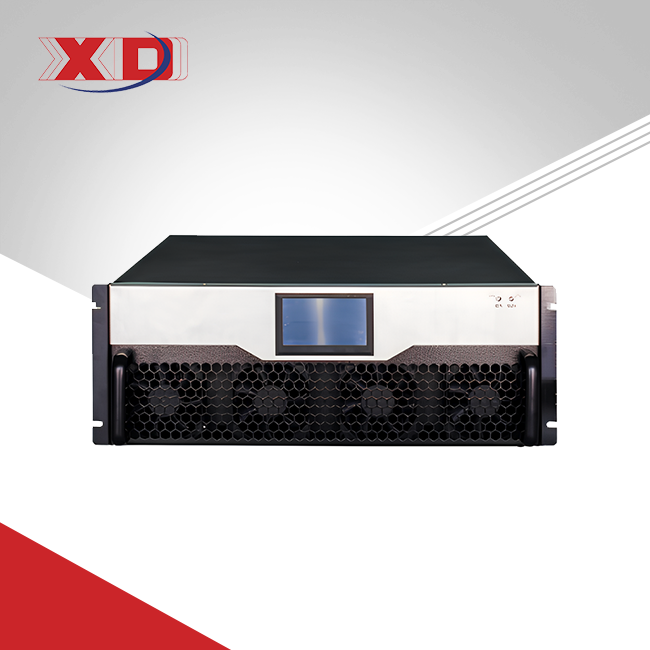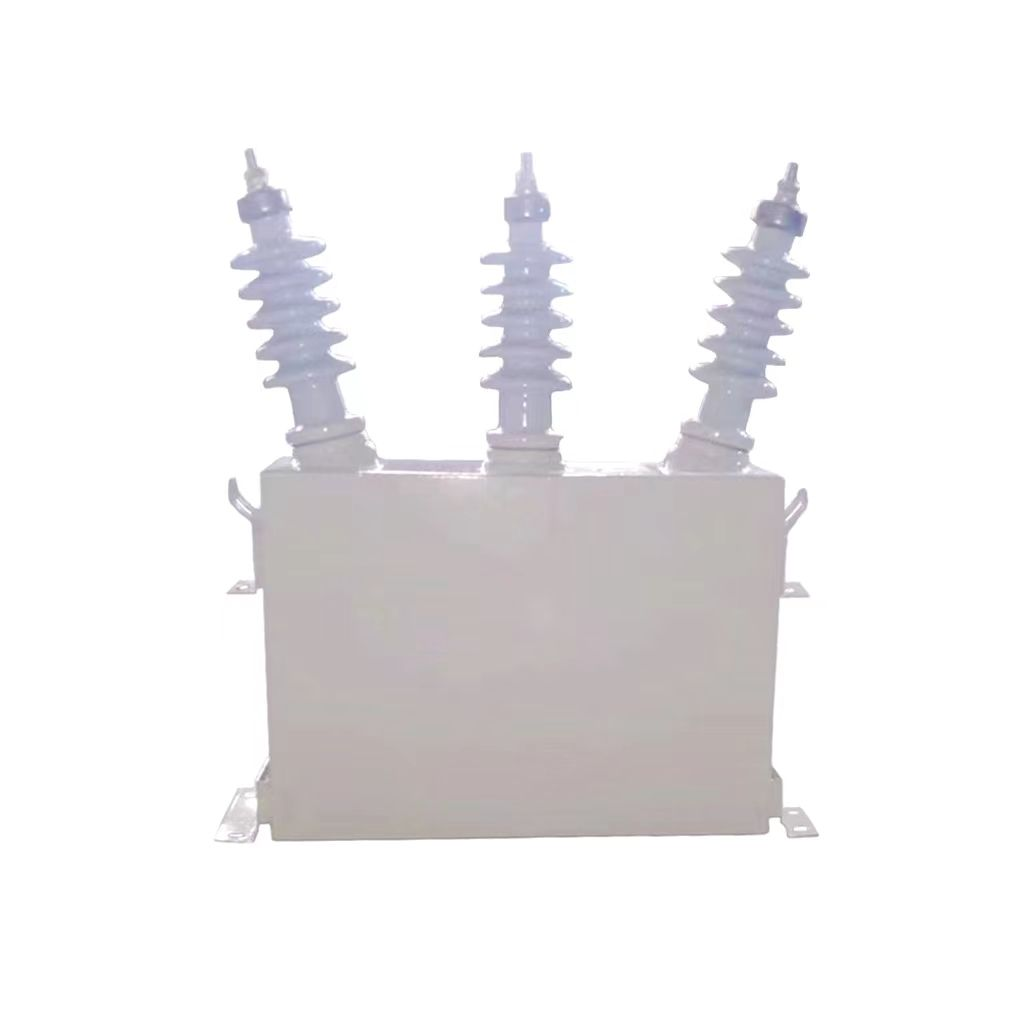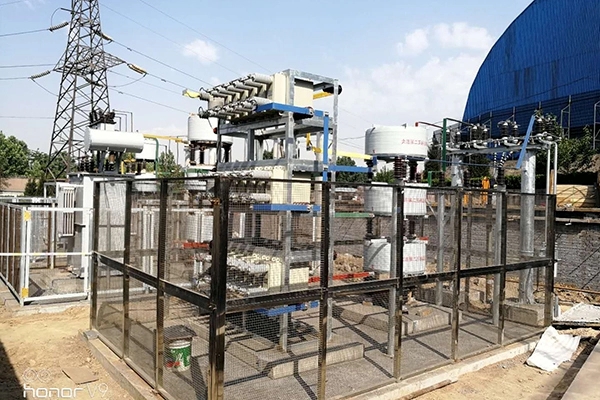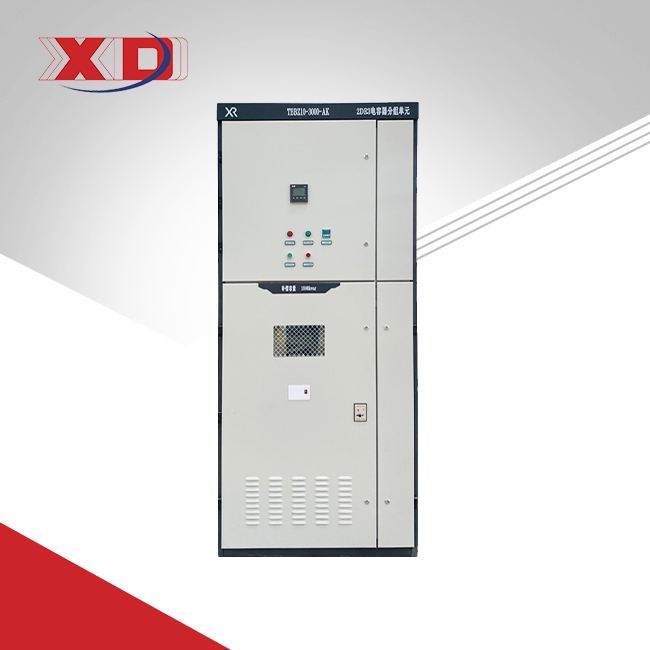
TBB10 High Voltage Reactive Power Automatic Compensation Device
How Indoor High Voltage Switchgear Enhances Safety?
2025-12-01 13:37:35
The safety of electrical power distribution systems is greatly improved by indoor high voltage switchgear. These advanced technologies are made to manage, safeguard, and separate electrical equipment in high-voltage settings, which greatly lowers the dangers of electrical accidents. Indoor high voltage switchgear has improved safety measures and strong construction that keep users safe from live electrical components. This lowers the risk of accidents and injuries. Adding arc-resistant designs, interlocking mechanisms, and the ability to control these important power system parts from a distance makes them even safer. As businesses and utilities work to keep power distribution dependable while putting safety first, the use of contemporary indoor switchgear systems has become more and more important. This article goes into detail on the several ways that indoor high voltage switchgear makes things safer. It looks at how it works, how it is used, and what new technologies are on the way that will make electrical safety even better in high-voltage surroundings.

What Are the Safety Problems in High Voltage Areas?
High-voltage settings have their own set of safety problems that need particular solutions. In these places, the main worries are electrical arcing, flashovers, and the possibility of equipment failures that might be quite bad. These dangers are not only dangerous for workers, but they may also cause a lot of downtime and financial losses for businesses that need a constant power supply.
What Happens When Electricity Arcs
Electrical arcing is one of the most dangerous things that may happen in high-voltage systems. An arc may make temperatures rise beyond 35,000°F, which can cause serious burns, fires, and damage to equipment. An arc flash incident may send molten metal and other debris flying at fast speeds because of the extreme heat and pressure wave. This is quite dangerous for workers nearby.
Insulation Failure and Flashovers
Another important safety issue is the possibility of insulation breaking down and causing flashovers. When the voltage goes up, the tension on insulating materials also goes up, which might cause them to break. When insulation fails, it may let out a lot of energy all at once, which can be dangerous and cause a lot of damage.
Human Factors and Operational Mistakes
Human mistake is still a major cause of high-voltage accidents. Dangerous scenarios might happen if switchgear is not used correctly, the state of the system is not understood correctly, or maintenance procedures are not followed properly. High voltage systems are quite complicated, so even little errors may have big effects. This is why it is so important to have strong safety measures and rules in place.
Safety Features Built into Indoor High Voltage Switchgear
Indoor high voltage switchgear has a number of built-in safety features that are meant to deal with the special problems that come with high voltage surroundings. These characteristics work together to produce a multi-layered safety system that keeps both people and equipment safe.
Design that is resistant to arcs
Modern indoor switchgear has arc-resistant features that keep the energy from an arc flash incident from hurting operators or sensitive equipment. This is usually done using stronger enclosures, pressure relief vents, and unique insulating materials. If there is a fault inside, the arc-resistant construction greatly lowers the chance of harm and damage to equipment.
Systems that fit together
Interlocking mechanisms are an important safety element in switchgear that works with high voltage. These devices prevent operators from getting to live components or doing anything that might be harmful. Interlocks, for instance, may stop compartment doors from opening while the equipment is powered on or make sure that earthing switches may only be used when the main circuit breaker is open.
Remote Control and Monitoring
Many current switchgear systems also let you operate and monitor them from a distance, which makes them even safer. This lets operators manage and check on the equipment from a safe distance, which lowers their risk of being around high-voltage areas. Advanced sensors and communication systems provide real-time information on the state of equipment, which helps find problems before they become safety risks.
Insulation and Separation
For indoor switchgear to be safe, it has to be made of high-quality insulating materials and use the right isolation methods. Gas-insulated switchgear (GIS) employs sulfur hexafluoride (SF6) or other insulating gases to provide a small switchgear that is very strong. This not only makes things safer, but it also lets you place things in smaller spaces inside.
Safety Rules for Working on Switchgear
To make sure that indoor high voltage switchgear works and is maintained safely, you must strictly follow well-defined procedures. These steps are meant to lower the hazards that come with regular inspections, repairs, and improvements.
Lockout/Tagout Steps
One of the most important safety rules is to use lockout/tagout (LOTO) procedures. This system makes sure that equipment is turned off correctly and can't be turned back on until maintenance or repair is done. Every person who is engaged in maintenance puts their own lock and tag on the energy-isolating device. This makes it clear that the equipment is locked and makes it impossible for someone to accidentally turn it on.
PPE, or personal protective equipment
When working with or near high voltage switchgear, you must wear the right PPE. This comprises arc-rated clothes, insulated gloves, face shields, and other safety gear that is certified for the voltage levels and any arc flash threats in the workplace. To keep PPE working as it should, it has to be checked and replaced on a regular basis.
Training and certification in a certain field
Only trained and certified professionals should be authorized to operate on high-voltage switchgear. This training goes on not just the technical parts of how to operate and maintain switchgear, but also safety measures, how to spot hazards, and how to respond in an emergency. Ongoing training and recertification help workers keep up to speed on the most recent safety regulations and best practices.
How to Measure Safety Performance in Real Life
The real-world use of indoor high voltage switchgear is the best way to assess its safety characteristics. To evaluate safety performance, you need to look at data from real installations, incident reports, and case studies.
Analyzing the rates of incidents statistically
Collecting and analyzing a lot of data on electrical accidents in buildings that use contemporary indoor switchgear gives us useful information about how well safety systems work. Comparing the number of incidents before and after the use of sophisticated switchgear technologies may show real safety gains.
Case Studies of Fault Events
Detailed case studies of fault incidents where indoor switchgear effectively controlled or reduced potential risks provide concrete proof of safety improvements. These investigations typically point out the particular things that kept people from being hurt or caused less damage to equipment. This gives designers and operators important lessons for the future.
Maintenance staff's feedback
The experiences and comments of maintenance workers who deal directly with high voltage switchgear are quite useful for figuring out how safe it is in the actual world. Their ideas may help you find real problems, spots where things might be better, and whether or not present safety rules work in everyday situations.
New ideas for making high-voltage switchgear safer in the future
High voltage switchgear is always changing, and new research and development is always going on to make it safer and better. There are a number of exciting new ideas on the way that might change the way switchgear is safe in the future.
Smart diagnostics and maintenance that can be predicted
Improvements in sensor technology and artificial intelligence are making it possible to do more advanced diagnostic and predictive maintenance. Future switchgear may include self-monitoring systems that may find problems before they happen. This would let repair happen before problems happen and lower the chance of surprise failures.
Insulation Options That Are Good for the Environment
As people become more worried about the environment, research is focused on finding eco-friendly alternatives to SF6 gas for switchgear insulation. These new insulating materials are meant to provide the same or greater safety and performance while having less of an effect on the environment when switchgear is installed.
Improved technologies for putting out arcs
New arc-quenching technologies are being developed to make arc suppression in switchgear even faster and more effective. These improvements might include new materials and designs that are better at getting rid of arc energy, which would lower the chances of injuries and damage to equipment during faults even further.
Conclusion
The safety of electrical power distribution systems is significantly improved by indoor high voltage switchgear. These systems greatly lower the risks that come with working in high-voltage areas by using advanced design features, strong safety features, and strict operating routines. As technology keeps getting better, the future of switchgear safety looks bright, with new ideas that will make it even more reliable, efficient, and good for the environment. Investing in cutting-edge indoor high voltage switchgear is still a key way for companies and utilities that care about both operating efficiency and worker safety to make power distribution networks safer and more reliable.
Q&A
1. What are the main ways that Indoor High Voltage Switchgear keeps people safe?
Arc-resistant design, connecting systems, the ability to operate from a distance, and high-quality soundproofing are the major safety features. All of these parts work together to keep possible problems inside, keep people from touching live parts by mistake, and make sure that operation and upkeep are safe.
2. How frequently ought to Indoor High Voltage Switchgear be checked and maintained?
How often checks and upkeep are done varies on a number of things, such as the type of equipment, how it is used, and industry norms. Visual checks should be done once a year, and more thorough care should be done every three to five years, or as suggested by the maker.
3. Can Electrical Accidents Be Completely Avoided With Indoor High Voltage Switchgear?
Modern circuitry lowers the risks a lot, but it can't fully stop electrical accidents from happening. Installing things correctly, keeping them in good shape, following safety rules, and teaching operators are all very important for lowering the risks that come with working with high power.
Elevate Your Electrical Safety with Xi'an Xidian's Indoor High Voltage Switchgear
When it comes to ensuring the utmost safety and reliability in your high voltage power distribution systems, Xi'an Xidian stands at the forefront of innovation. Our state-of-the-art indoor high voltage switchgear solutions combine cutting-edge technology with decades of industry expertise to deliver unparalleled safety performance. From our arc-resistant designs to advanced remote monitoring capabilities, every aspect of our switchgear is engineered to protect your personnel and assets. Don't compromise on safety – choose Xi'an Xidian for switchgear that sets the industry standard in reliability and protection. Contact our expert team today at serina@xaxd-electric.com to discover how our indoor high voltage switchgear can transform your electrical infrastructure. Trust Xi'an Xidian – your premier indoor high voltage switchgear manufacturer.
References
- Smith, J. (2022). "Advancements in Arc-Resistant Switchgear Design." IEEE Transactions on Power Delivery, 37(2), 1023-1035.
- Johnson, M., & Lee, K. (2021). "Safety Protocols for High Voltage Switchgear Maintenance: A Comprehensive Review." International Journal of Electrical Power & Energy Systems, 128, 106736.
- Brown, R. (2023). "The Future of Eco-Friendly Insulation in Indoor High Voltage Switchgear." Energy and Buildings, 276, 112645.
- Chen, L., et al. (2022). "Statistical Analysis of Electrical Incidents in Industrial Facilities: Impact of Modern Switchgear Implementation." Safety Science, 146, 105542.
- Williams, P. (2021). "Smart Diagnostics and Predictive Maintenance in High Voltage Systems." Electric Power Systems Research, 190, 106697.
- García, A., & Martínez, S. (2023). "Comparative Study of Arc Quenching Technologies in Indoor High Voltage Switchgear." IEEE Access, 11, 54321-54335.