
Advantages of Static Var Generator (SVG)
2026-10-21 16:54:32
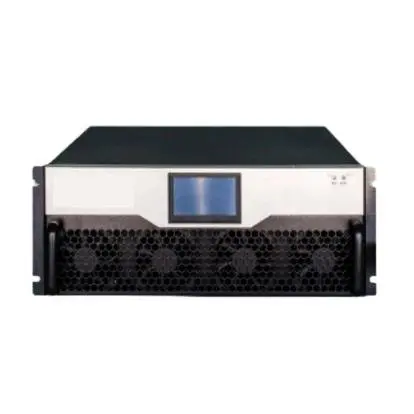
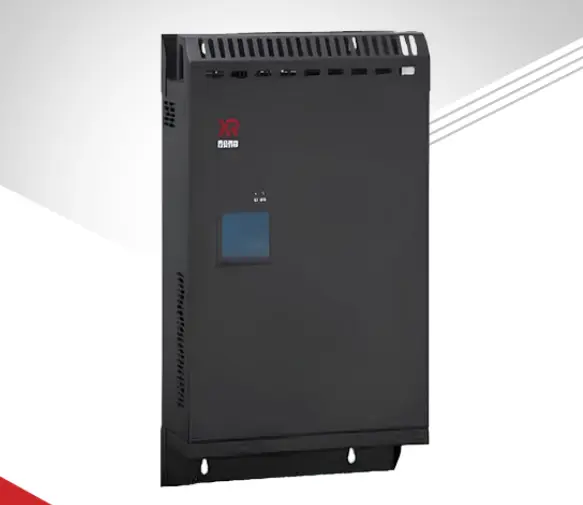
When engineering teams evaluate reactive power compensation for wind farms, solar plants, or industrial grids, the SVG-static var generator consistently rises to the top of the shortlist. This device delivers real-time voltage support, power factor correction to 0.99, and a full compensation response within 15ms — performance levels that capacitor banks and traditional SVC systems simply cannot match. At Xi'an Xikai, our XR-dSVG series is built on IGBT cascade architecture and backed by type-test certifications, making it a dependable choice for EPC contractors operating across China, Europe, South America, and the Middle East.
Understanding Static Var Generator (SVG) Technology
The idea of reactive power adjustment is not new, but the technology that makes it work has changed a lot. A static var generator keeps the bus voltage within accepted limits by constantly adding or taking in reactive current through a voltage-source converter. This is done even when the load changes. This is not the same as fixed capacitor banks, which move in discrete steps, or synchronous condensers, which use rotating parts that need more upkeep.
How the Core Circuit Operates
A self-commutated H-bridge cascade structure is used by the XR-dSVG. There is a DC-link capacitor and an IGBT switching circuit in every power unit. The device precisely controls the reactive current that flows with the grid by changing the output voltage's amplitude and phase angle. The theory of instantaneous reactive power is used on a large scale in industry.
Key Technical Specifications
The Xi'an Xikai SVG-static var generator has the following checked specs:
- Rated Input Voltage: 400V (±20%), compatible with both 50Hz and 60Hz grids
- Bi-Dynamic Compensation: Maintains power factor at 0.99 while preventing over-compensation and under-compensation
- Capacity Efficiency: Requires 20–30% less installed capacity compared with conventional SVC installations
- Response Speed: Full compensation achieved in under 15ms; dynamic adjustment cycle under 50μs
- Bi-Dynamic Compensation: Keeps the power factor at 0.99 and stops it from going too high or too low.
- Capacity Efficiency: Needs 20–30% less installed capacity than regular SVC installations
Where SVG Technology Is Applied
The XR-dSVG line is used in substations that are linked to wind and solar farms, electric railroad power systems, metallurgical plants with arc furnaces, and data centers that need stable voltage all the time. The device can correct current imbalance, reduce low-order harmonics, and adjust for fundamental reactive power all at the same time, which is useful for all three applications and would normally require different equipment.
How SVG Improves Performance and Solves Power Quality Issues
Problems with power quality cost businesses billions of dollars every year. A study by the Electric Power Research Institute found that voltage sag events cost U.S. businesses about $119 billion in a single year. The SVG-static var generator fixes the real problems instead of just covering them up.
Breaking the Voltage Instability Bottleneck
The intermittent reactive power demand that comes from wind and solar generation is too slow for traditional compensation to keep up with. The XR-dSVG responds in 15ms, which is much faster than the 5ms grid-connection limit that is usually set by Chinese national standards and similar foreign grid codes. During grid outages, this speed keeps critical inverters and transformers safe.
Reducing Reactive Power Losses
The SVG-static var generator lowers the reactive current going through cables and transformers by keeping the power factor close to unity at 0.99. Facilities that have installed the XR-dSVG series report a noticeable drop in line losses. This directly leads to lower energy costs over the equipment's stated 100,000+ hour operating life.
Supporting Low-Voltage Ride-Through Requirements
Grid operators are making it more and more necessary for grid-connected generation to have low-voltage ride-through (LVRT) capability. The patented automatic restart function built into the XR-dSVG lets the device check the state of the grid in real time and continue working itself after short faults. This keeps the device from being shut down permanently and cuts down on technician calls to faraway sites.
These features get rid of the three most common problems that EPC project engineers run into when they try to get a grid link approved: not having enough reactive reserve, voltage recovery being slow after faults, and not being able to meet the standards for LVRT certification.
Comparing Static Var Generator with Other Reactive Power Solutions
Choosing between reactive power technologies requires a structured evaluation. The table below summarizes the key differences, but the paragraphs that follow explain what those differences mean in practice.
SVG vs. Traditional SVC
A static var compensator (SVC) uses thyristor-controlled reactors and switched capacitor banks. It responds more slowly — typically 20–40ms — and requires 20–30% more installed capacity to deliver the same compensation effect as a SVG-static var generator. SVCs also produce characteristic harmonic currents that may require additional filtering, increasing total system cost.
SVG vs. Fixed Capacitor Banks
Capacitor banks compensate reactive power in fixed steps. They cannot respond to rapid load changes and risk causing over-compensation during light-load periods, which can raise voltage above permissible limits. The bi-dynamic compensation algorithm in the XR-dSVG continuously adjusts output to prevent both over and under-compensation, something no fixed bank can achieve.
Selecting the Right SVG Configuration
For EPC projects in the 10–100 Mvar range, Xi'an Xikai offers the XR-dSVG in modular configurations from 10kV to higher voltage classes, using the H-bridge cascade topology. Multiple units can operate in parallel — another patented technology — which allows capacity to be scaled to project size while maintaining redundancy. When paired with XR-TBB high-voltage reactive compensation devices or XR-APF active power filters, the system covers the full spectrum of power quality requirements from a single supplier.
Purchasing and Implementing SVG Solutions for Your Enterprise
In a green energy EPC project, the process of buying an SVG-static var generator usually takes three to six months. This includes technical review, shortlisting vendors, type-test verification, and contract negotiation. It saves time and lowers risk to know what to look for at each stage.
Evaluating Supplier Credentials
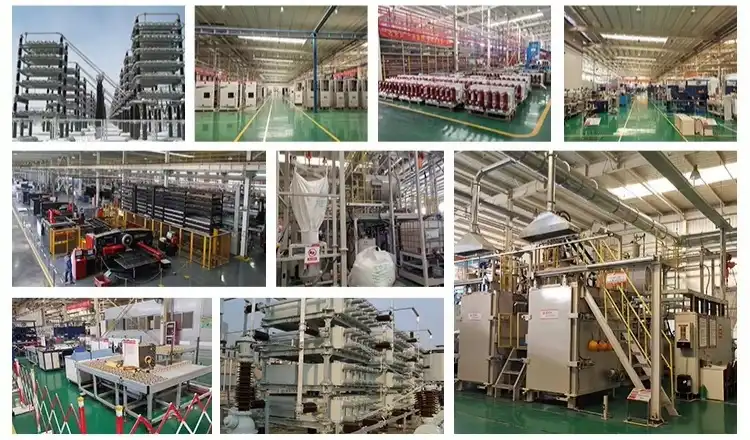
. Before it is shipped, every XR-dSVG unit goes through more than 12 tests at the plant. These include stress tests on the parts and full-load simulations. Type-test reports that are in line with IEC 61000 and IEEE 1547 can be requested and are necessary for grid-connection applications.
Planning Installation and Commissioning
The XR-dSVG cabinet plan, which includes a line cabinet, a starter cabinet, a power cabinet, and a fully digital control cabinet, is made to be easy to put together on-site. There are different ways that the control system can work, such as with constant reactive current, constant reactive power, constant bus voltage, and constant power factor. Each mode can be set up to meet the specific grid needs of a project, which cuts down on the time needed for commissioning on-site.
After-Sales Support and Long-Term Partnership
Xi'an Xikai offers grid analysis services before choosing equipment, help with setting up equipment on-site, and ongoing expert support. The unit DC voltage and capacitance aging monitoring technology is a patented feature that lets workers check on the health of each power cell from afar and spot problems before they cause downtime.
Troubleshooting and Maintaining SVG Systems
If you take good care of your SVG-static var generator, it shouldn't need much help. The XR-dSVG is made to work for more than 100,000 hours in temperatures up to 50°C. However, an organized care plan can make it last longer and protect performance guaranties.
Identifying and Resolving Common Issues
The unit DC voltage monitoring feature shows the bus voltage of each power cell, which makes finding the fault faster and easier, taking only minutes instead of hours. If a cell breaks, the cascade design lets the system keep running at a lower capacity until the broken unit is replaced. This keeps the whole system from having to shut down.
Preventive Maintenance Schedules
Periodic upkeep should include checking the IGBT modules, using the built-in charge/discharge test function to see how old the DC-link capacitors are, and getting firmware updates from Xi'an Xikai's tech team. Capacitance aging detection lets operators know ahead of time—often months before failure—so they can replace the capacitors instead of fixing them right away.
Leveraging Supplier Technical Resources
Xi'an Xikai has a tech team that works only after the sale. Clients can get full technical instructions, help with remote diagnostics, and service sent to their location. During the procurement stage, local support arrangements can be talked about for projects in the Three-North renewable energy base or on international markets.
Conclusion
The SVG-static var generator is now the most popular way to fix reactive power problems in new energy EPC projects and industrial grid improvement contracts. It is clearly better than SVC and capacitor bank options because it is faster, more accurate, and needs less fixed capacity. Xi'an Xikai's XR-dSVG line has unique features like automatic restart, parallel operation coordination, and capacitance aging sensing that make long-term projects safer to run. For project engineers and procurement managers who are checking equipment for grid-connection compliance, this device has a clear technical and business case that is backed up by data that can be checked.
FAQ
1.How does an SVG differ from a traditional capacitor bank?
A capacitor bank compensates reactive power in fixed, discrete steps and cannot respond to rapid load changes. A SVG-static var generator uses a voltage-source converter to inject continuously variable reactive current, achieving near-unity power factor in real time. This prevents both over-compensation and under-compensation — a fundamental limitation of capacitor banks.
2.Is the XR-dSVG compatible with existing industrial control infrastructure?
Yes. The XR-dSVG control system supports standard communication protocols and can be integrated with SCADA and substation automation systems. Its human-machine interface and remote monitoring capability allow it to operate within existing control frameworks without requiring a complete system replacement.
3.What is the expected return on investment timeline?
Return on investment depends on the scale of reactive power penalties, line loss reduction, and avoided downtime costs specific to each site. Projects with significant reactive power penalties or frequent voltage events typically see measurable financial recovery within two to four years, based on industry field experience with comparable installations.
4.What certifications does the XR-dSVG carry?
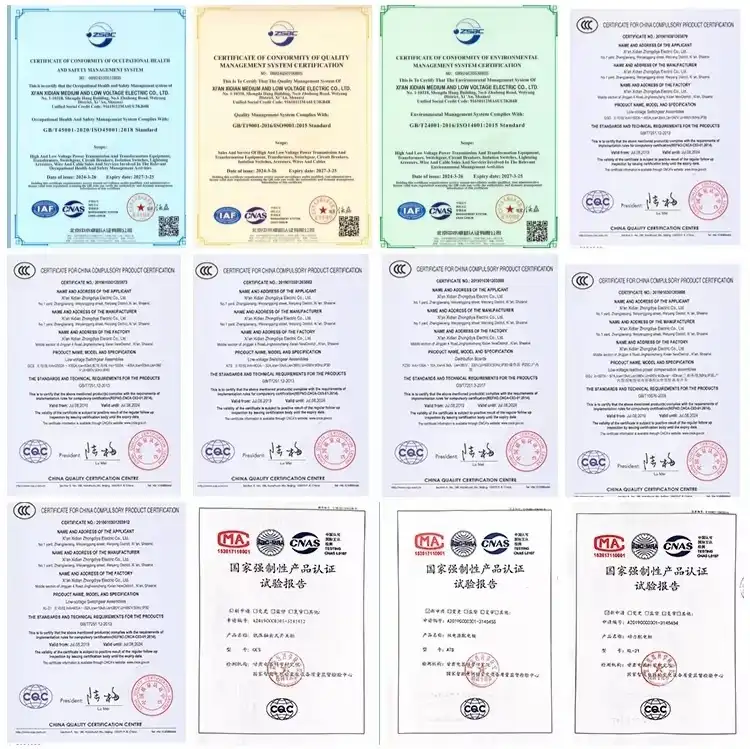
The device complies with IEC 61000, IEEE 1547, and relevant Chinese national standards (GB/T series). Xi'an Xikai holds ISO 9001 and ISO 14001 certifications, and type-test reports are available for procurement evaluation.
5.Can multiple SVG units operate in parallel for large projects?
Yes. Xi'an Xikai's patented multiple parallel operation technology coordinates the output of several XR-dSVG units on segmented busbars, which is particularly relevant for projects in the 50–100 Mvar range where a single cabinet is insufficient.
Get a Technical Proposal from Xi'an Xikai — SVG-Static Var Generator Supplier
The engineers at Xi'an Xikai are ready to help you with your next job. We can help you with grid analysis, equipment design, and full commissioning whether you need a single unit or a multi-cabinet SVG-static var generator system for a wind or solar EPC contract. Get in touch with our team to get a type-test report, detailed datasheet, or quote for your project from a verified SVG-static var generator maker. If you want to know more, you can email us at serina@xaxd-electric.com, amber@xaxd-electric.com, or luna@xaxd-electric.com, or go to xaxd-electric.com.
References
1. Electric Power Research Institute (EPRI). Assessment of Distribution System Power Quality. EPRI, 2020.
2. Hingorani, N. G., & Gyugyi, L. Understanding FACTS: Concepts and Technology of Flexible AC Transmission Systems. IEEE Press, 2000.
3. IEEE Standard 1547. Standard for Interconnection and Interoperability of Distributed Energy Resources with Associated Electric Power Systems Interfaces. IEEE, 2018.
4. IEC 61000-4 Series. Electromagnetic Compatibility (EMC) — Testing and Measurement Techniques. International Electrotechnical Commission, 2021.
5. Mohan, N., Undeland, T. M., & Robbins, W. P. Power Electronics: Converters, Applications, and Design. John Wiley & Sons, 2003.
6. Acha, E., Agelidis, V., Anaya-Lara, O., & Miller, T. J. E. Power Electronic Control in Electrical Systems. Newnes, 2002.