Benefits of Indoor High Voltage Switchgear Systems
2026-05-13 16:08:17
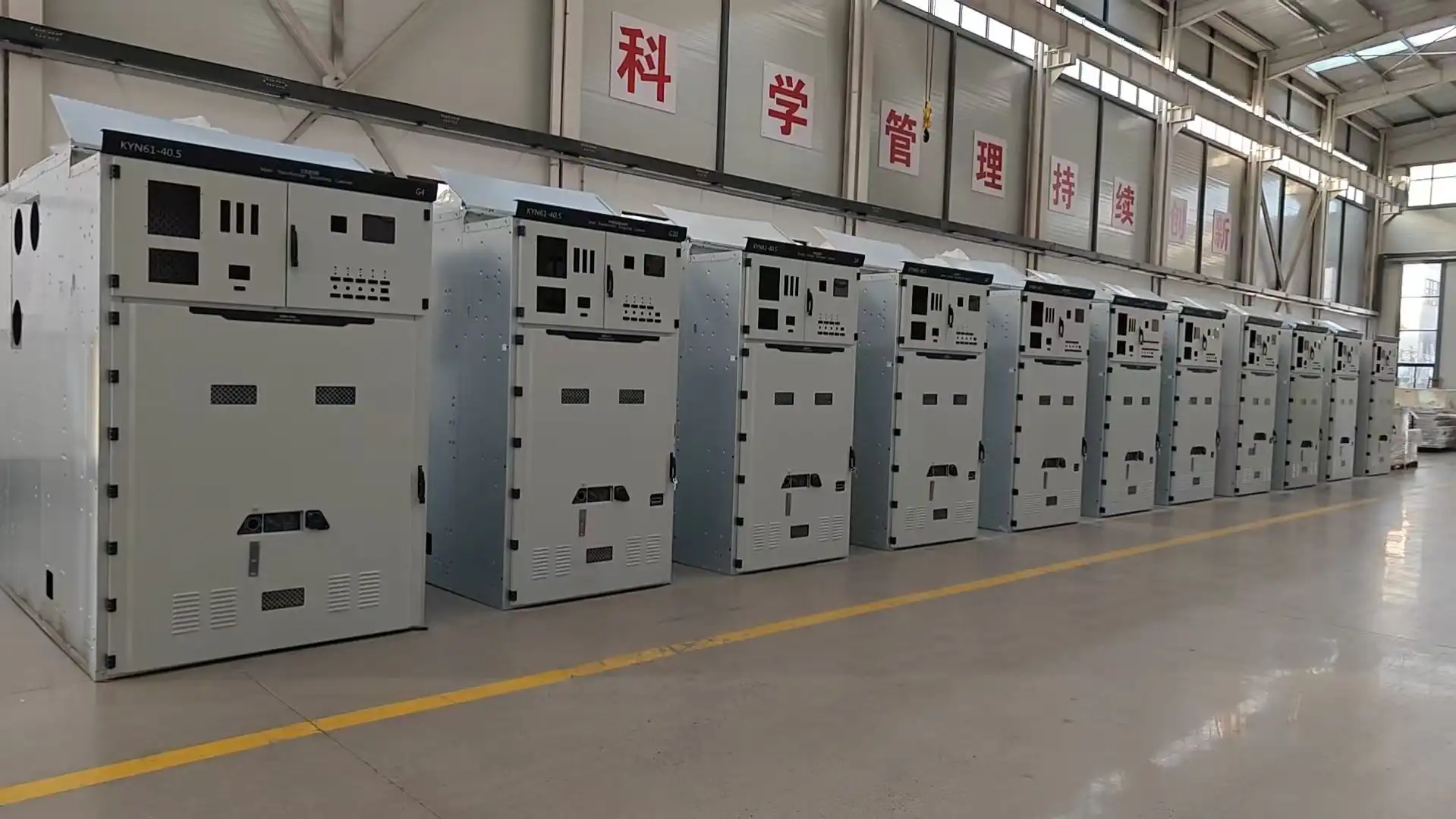
Electrical distribution technology has undergone a sea change, and Indoor High Voltage Switchgear is at the center of this change. These systems combine environmental control units, circuit breakers, busbars, disconnectors, and safety switches inside enclosures that keep out outside elements. They meet the important needs of factories, utility companies, and EPC firms. By combining power distribution, motor starting, and grid monitoring functions into small units, these solutions lower the risk of electrical failure while making the best use of space. This is an important factor to consider for factories, data centers, hospitals, and business complexes that have limited space.
What Is Indoor High Voltage Switchgear and How Does It Work?
Core Components and Design Architecture
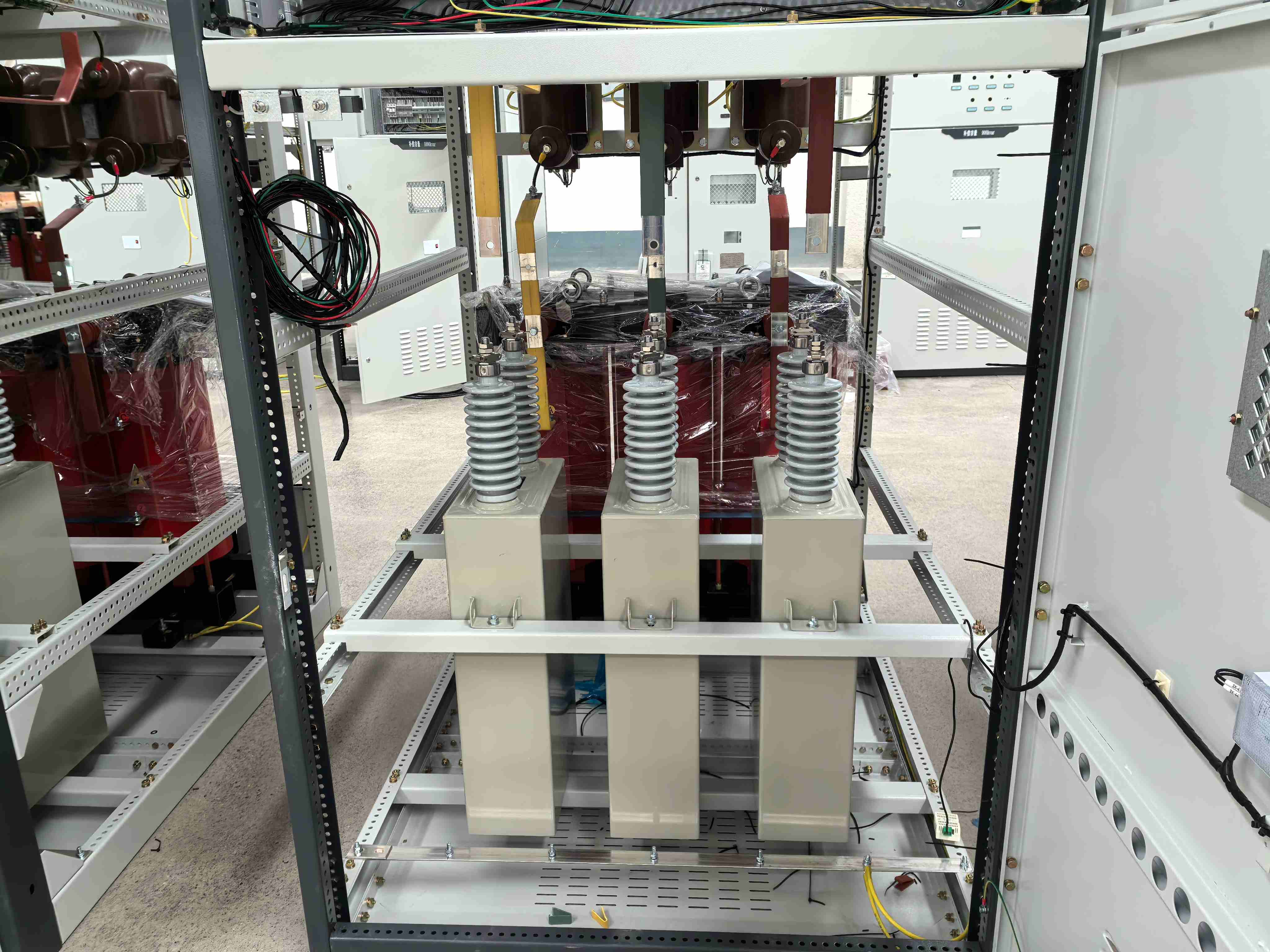
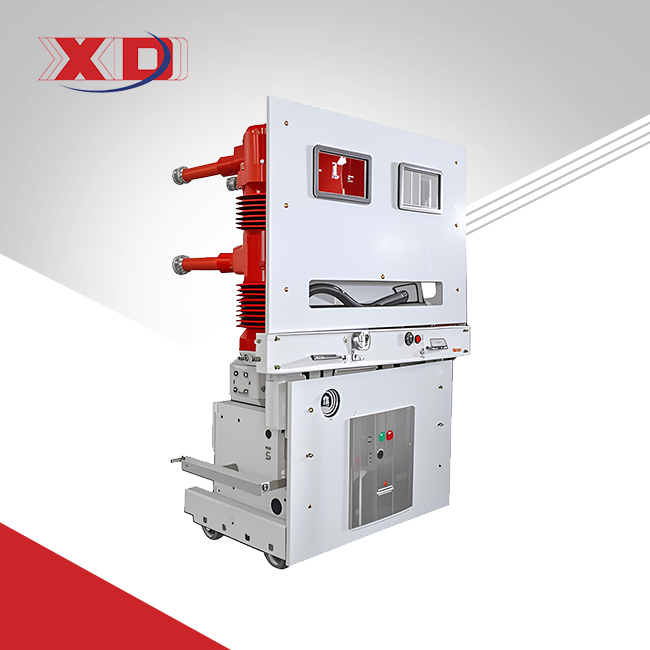
Indoor high-voltage switchgear systems are made up of several combined parts that work together to keep the flow of electricity safe and efficient. Circuit breakers are the main way that power is cut off. They use vacuum or SF6 gas technology to put out sparks when there is a fault. Busbars spread power across several lines, and disconnectors make it easy to turn off power for repair tasks. Protective switches keep an eye on the voltage, current, and frequency factors all the time and set off breakers when something goes wrong. The physical structure usually has rooms that are divided into sections that keep high-energy parts separate from control equipment. Keeping these two parts separate stops arcs from spreading during faults and makes servicing safer. Hand cart mechanisms are used in modern designs. These are mobile chassis systems that let workers remove circuit breakers for maintenance without having to shut down the whole system. Mean Time To Repair (MTTR) is a key measure for facilities where every minute of downtime means lost income, and this retractable configuration cuts it by a huge amount.
Operating Principles Across Technology Types
To make the right choice, you need to know how these methods stop the flow of current. Vacuum circuit breakers make a shielding space between the contacts, which lets the arc end quickly enough for frequent switching tasks. SF6 gas-insulated versions use sulfur hexafluoride's higher insulating strength (about 2.5 to 3 times that of air) to make interrupter designs that are smaller. Because the gas is very good at conducting heat, the arc voltage is low, and the temperature drops quickly. This lets the wire softly break without dangerous overvoltages. Air-insulated switchgear stays insulated by using atmospheric pressure and physical touch separation lengths. Even though they take up more space, these devices are easier to maintain and can be inspected visually. Each technology has different pros and cons when it comes to how it affects the environment, how often it needs to be maintained, and how much space it needs. This is why application context is so important when making buying decisions.
Application Environments and Use Cases
A lot of different types of businesses use these tools. In factories, they send power to CNC machines, production lines, and equipment for moving things around. When the motors start up, surge currents can hit 100 times the rated capacity. These parts are needed by utility substations to keep the voltage stable when harmonics are generated by green energy processors and variable-frequency drives. Commercial buildings replace old equipment with new hardware that meets NFPA 70 fire rules. This keeps noise levels below 45 decibels so people can stay comfortable in places like shopping malls and hospitals.
Key Benefits of Indoor High Voltage Switchgear Systems
These systems have many benefits, including safety, dependability, making the best use of the room, and caring for the environment. All of these benefits directly address the operational goals of our target customers.
Enhanced Safety Through Advanced Protection Mechanisms
Probably the most important reason to use current Indoor High Voltage Switchgear is to make things safer. Advanced interlock systems physically stop unsafe operations by implementing what experts in the field call the "Five Preventions": stopping the breaker from closing when grounded, stopping the grounding when energized, stopping the cart from pulling out while loaded, stopping entry into live compartments, Indoor High Voltage Switchgear, and stopping the cart from being misaligned during insertion. These mechanical safety features work without the help of computer controls, making sure that the system is safe even if the power goes out or the controls stop working. Arc-resistant designs that have been tested and approved by IEC 62271-200 keep dangerous gases away from people when there are internal flaws. Operators in standard working areas are kept safe by pressure relief vents that direct plasma and hot gases through specific paths. This feature is very important in places where electrical rooms are next to occupied areas, like hospitals, where patient care can't be stopped by escape procedures. Following global standards like IEC, IEEE, and GB guidelines ensures that all sites around the world work safely.
Space Optimization and Installation Flexibility
When space is limited, small tracks save real money in places where space is valuable. Gas-insulated switchgear takes up 50–70% less space than air-insulated equivalents, which frees up important floor space for activities that make money. These room savings are especially helpful in data centers, where every square foot has a measurable potential cost. The smaller size also makes building integration easier, and it's often not necessary to have separate electricity buildings and the HVAC systems that go with them. Modular building methods allow work to be done in stages that match the timelines for capacity growth. Facilities can set up initial setups that meet instant load needs and then add parts as production grows without stopping what they're doing. It works with ABB VD4, VS1 breakers, isolator trucks, and transformers, so it can be easily added to existing systems during retrofits. This freedom is very helpful for EPC firms that have to keep to tight project schedules, since delays in delivering switchgear can affect the whole building schedule.
Operational Reliability and Maintenance Advantages
Building profitability is directly affected by reliability. Indoor switchgear systems have a Mean Time Between Failures (MTBF) of over 25 years when properly maintained, compared to outdoor installations that are weather-vulnerable. Industry reliability studies show that moisture, UV degradation, and airborne particles cause 60–70% of outdoor switchgear failures. Controlled climate solves these issues. Small yet crucial maintenance requirements. Visual inspections, contact resistance measurements, and insulation tests are part of annual or biannual checkups. Workers may remove breakers for more extensive repairs while nearby circuits remain on using the hand cart design, keeping the facility functioning during maintenance periods. Since the chemically neutral gas doesn't break down or harm internal parts, SF6 gas-insulated systems last a lifetime and just require its density checked occasionally. We know its pricing throughout its life cycle, so finance teams may utilize this knowledge to develop reliable capital planning models.
Energy Efficiency and Environmental Considerations
Modern switchgear helps companies with their environmental efforts in a number of ways. Vacuum circuit breakers get rid of all SF6 gas, which reduces greenhouse gas emissions while keeping the switching performance at a high level. For gas-insulated designs, sealed chambers stop emissions into the atmosphere during normal operations, and more and more makers offer SF6 salvage services during decommissioning. Smart grid-ready versions with IoT monitors allow for planned repair methods that waste less energy. Real-time thermal tracking finds hot spots before they break, and remote repairs get rid of the need to roll the truck around for regular checks. These features lower both the prices of operations and the amount of pollution that upkeep tasks cause. Facilities that want to get LEED approval or meet other environmental standards find that modern switchgear helps them reach their overall sustainability goals without affecting their ability to run their businesses.
Indoor vs Outdoor High Voltage Switchgear: Making the Right Choice
To choose between indoor and outdoor layouts, you need to carefully look at factors that are unique to the place and long-term management concerns.
Environmental and Operational Context Analysis
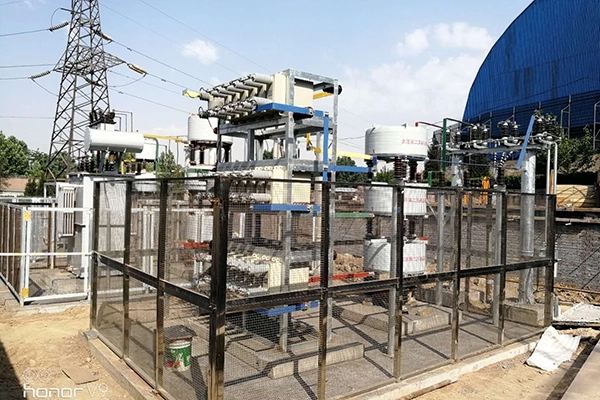
The weather has a big effect on how well equipment works, Indoor High Voltage Switchgear, and how much it costs over its lifetime. Temperature changes, rain, wind-driven litter, and UV light are all things that outdoor systems have to deal with. These things make parts age faster and cause them to fail more often. Salt spray rust problems happen along the coast, and equipment in the desert has to deal with abrasive dust and high temperature changes. Because they operate in settings that are usually kept between 15°C and 35°C with controlled humidity levels, Indoor High Voltage Switchgear systems are completely immune to these stressors.
Lifecycle Cost Comparison and ROI Analysis
Outdoor equipment may be cheaper to buy at first, but a full lifecycle study always shows that indoor systems are better. Due to less external wear, maintenance costs are much lower indoors; yearly maintenance costs are usually 40–60% less than indoor versions. As a result, failure rates go down, which means fewer expensive emergency fixes and output stops. The hand cart design improves economic performance even more by cutting down on downtime for repair. Breaker repair can be done in two to four hours, but it can take eight to twelve hours for set outdoor installations that need the whole circuit to be turned off. In factories that make a lot of things every hour—six or seven figures worth—this decrease in downtime quickly pays for itself and makes up for any extra costs. These lifecycle analyses can be shown to clients by EPC companies, showing that their total cost of ownership is lower, which makes project bids stronger.
Performance Characteristics by Installation Context
Technology choices are often based on how reliable they need to be. Most of the time, indoor setups are required in places like hospitals, data centers, and semiconductor manufacturing plants where power outages could put patients at risk or cost millions of dollars in lost production. The controlled environment allows for reliability levels that are very close to 99.99%, and there are many ways to make sure this happens, such as bus transfer schemes and dual-supply designs. Utility apps have a wider range of selection factors. Distribution substations that serve private areas may allow installations outside if there is enough space and the need for dependability is low enough. Transmission substations that connect regional indoor high-voltage switchgear grids are moving toward indoor or hybrid designs more and more. This is because failures at a single place can spread through networks and affect millions of users. Case studies from big cities show how indoor substations built into city buildings improve grid stability while lowering the cost of buying land in downtown places with lots of people.
Selecting the Best Indoor High Voltage Switchgear: Market Options and Procurement Tips
To get the best results from the procurement process, you need to find a balance between technical standards, supplier skills, and project-specific needs.
Evaluating Voltage Ratings and Insulation Technologies
Looking at load and growth estimates helps choose the proper voltage level. Each of the typical 12kV, 24kV, 36kV, and 40.5kV ratings is employed for diverse activities. Oversizing increases expenditures without benefit, while undersizing produces immediate difficulties and costly replacements. Electrical specialists should calculate current power needs and future growth over the next 10–15 years. Insulation methods have several trade-offs. With mechanical lifespan rates of up to 30,000 operations, vacuum switchgear is ideal for high-switching applications. Because they can tolerate fault currents beyond 63kA, SF6 designs stop short circuits better. Utilities and large companies that generate power or connect to the grid need this. In retrofitting, air-insulated versions function best when existing buildings have constraints that make building larger simpler. Compatibility matters too. Indoor High Voltage Switchgear by Xi'an Xikai works with ABB VD4 and VS1 circuit breakers. This allows you pick parts suppliers while maintaining your warranty. Adding additional equipment to an existing system is straightforward using isolation trucks and transformers. Phased upgrading projects where various equipment must function together throughout changeovers benefit from this.
Supplier Evaluation and Qualification Criteria
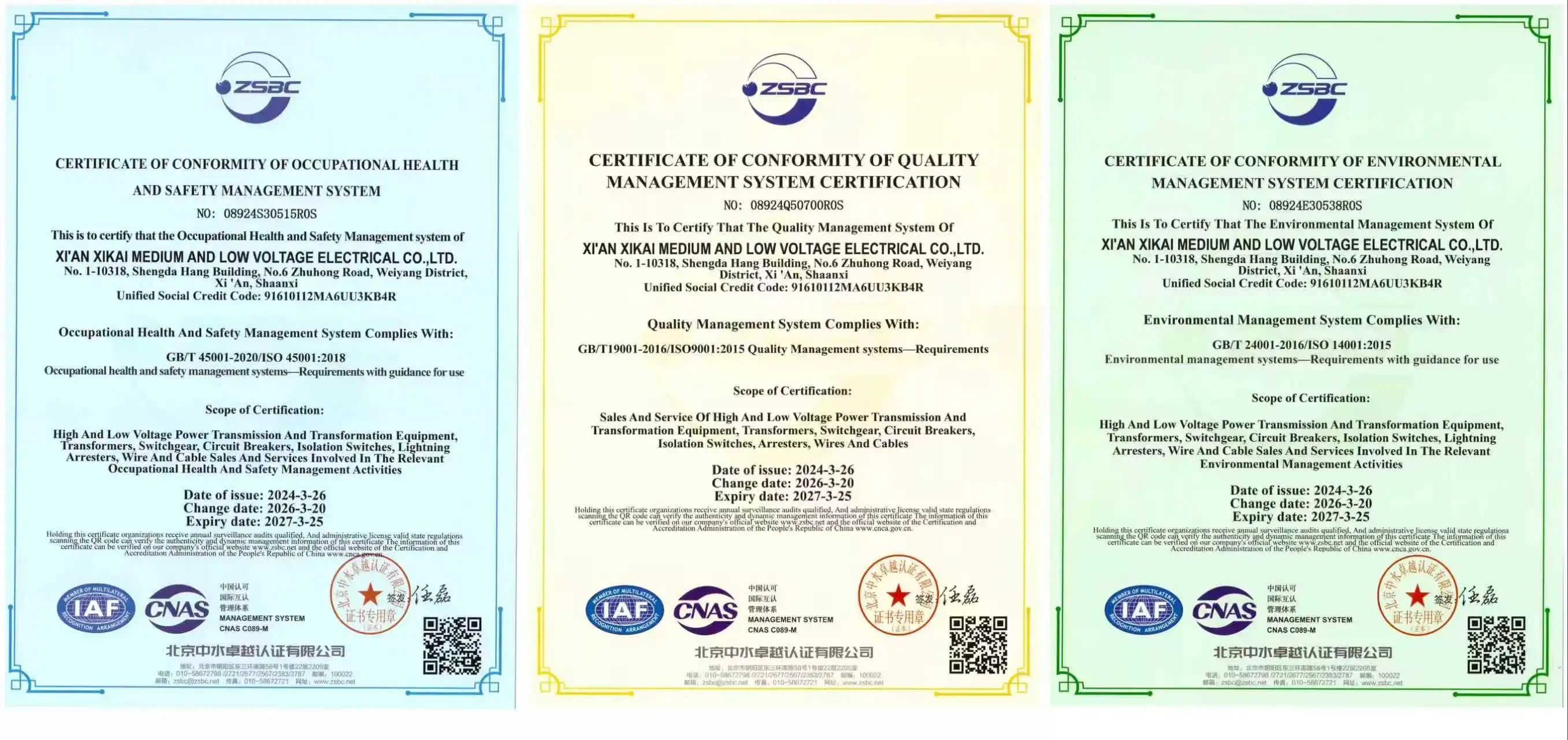
A supplier's assessment should include product specs, manufacturing capabilities, quality methods, and after-sales support. ISO 9001 and ISO 14001 certifications demonstrate quality management procedures and environmental responsibility, which is becoming more relevant as stakeholders scrutinize company supply chain practices. Verify third-party testing using dielectric withstand tests, mechanical endurance cycles, and heat performance verification. Precision welding and automated assembly manufacture factory products more consistently than humans. Despite the time and effort, site visits to industrial facilities are important for understanding about quality control and production capacity. When project timelines contain delivery delay penalties, this is crucial. Comparisons to comparable setups show how well the equipment functions and how responsive the vendor is to commissioning issues. Warranty conditions beyond the primary coverage periods should be examined. Learn about covered and non-covered parts and how long you have to make a guarantee claim. Longer warranties are attached to maintenance schedules by certain suppliers. This motivates adequate care and protects you financially from early failures.
Strategic Procurement and Negotiation Approaches
Volume strongly impacts pricing systems. EPC businesses with many projects might leverage their purchasing power to secure better terms and beat the competition. Repeating manufacturing saves manufacturers money, therefore even a large installation may save money by using similar switchgear parts. Since switchgear is generally on project vital lines, delivery should be scheduled in advance. Manufacturing lead times vary from 12 to 20 weeks depending on product complexity and customisation. It takes 4–8 weeks to ship abroad. Even if they cost upfront payment, early purchases reduce scheduling hazards and may provide pricing benefits. Delivery coordinated with construction phases saves on-site storage and streamlines installation. Differentiating items from rivals increasingly requires digital merging abilities. Switchgear with SCADA integration, energy management system connection, and predictive maintenance platforms provides valuable advantages for decades after commissioning. These features cost more, but site management teams fight a skills gap and embrace data-driven operational methods, strengthening the lifetime value proposition.
Maintenance Best Practices and Safety Tips for Indoor High Voltage Switchgear
Preventive Maintenance Scheduling and Procedures
The manufacturer should tell you how often to do routine repair, but you should also take into account Indoor High Voltage Switchgear how busy the system is and the surroundings. Inspections should be done once a year for most sites, but facilities that are close to their capacity limits or that are in tough situations may benefit from schedules every six months. Visual checks for overheating, corona discharge, or contamination are common maintenance tasks. Other tasks include measuring contact resistance to find wear and tear, testing insulation resistance to make sure the dielectric is intact, and cycling the mechanical operation to make sure it works right. Documentation is necessary for both following the rules and seeing how things are going with speed. Keep accurate records of all test data, results, corrective actions, and worker certifications. Longitudinal data analysis shows emerging trends, such as patterns of insulation decay or slow increases in contact resistance. This lets people take action before failures happen. This information also backs up warranty claims and shows that the right amount of care was taken when insurance companies ask about it after an accident. Special steps must be taken to work with SF6-insulated tools. Monitoring the gas density makes sure that there is enough protection. When levels drop below certain levels, the density switch sounds an alarm. Technicians who work with SF6 must get special training and use the right tools because the gas isn't dangerous in normal situations, but it can be deadly in small areas, and when it breaks down, it releases harmful byproducts.
Safety Protocols and Compliance Standards
Lockout/tagout procedures ensure electrical safety during repairs. The correct isolation protocols and different de-energization methods may prevent industry-wide energized incidents that cause many injuries. Due to malfunctioning voltage monitors, experts often assume circuits were switched off, therefore testing equipment should be calibrated regularly. NFPA 70E in the US demands an arc flash hazard study to determine unsafe energy levels at equipment locations and prescribe PPE. Indoor High Voltage Switchgear should include arc flash signs showing energy and worker safety distances. These threats and how to keep safe must be taught to all staff at least every three years. International compliance goes beyond manufacturing. Also included is their utilization. IEC 61936-1 governs electrical systems over 1kV, and area codes add their own restrictions. Multi-area facilities must synchronize their processes to fulfill tight criteria. This standardizes their safety performance across facilities.
Troubleshooting Common Issues and Diagnostic Approaches
Even with good planning, issues might arise. Termination points heat up during contact deterioration. Infrared thermography during powered inspections shows this. Over 15°C temperature fluctuations between phases indicate issues that need to be addressed during the next maintenance. Trending insulation resistance tests reveal steady degradation. Sharp decreases need immediate attention to avoid catastrophic breakdowns. Partial discharge testing uses acoustic or electrical detection to locate insulation gaps or surface tracking before they break, although these sophisticated analyses need a certified worker. Mechanical failures cause unusual sounds, stalled breakers, and off-time readings. Partial contact closure causes dangerous arcing, therefore solve these issues immediately. Because substitute parts lower the safety margins incorporated into the original designs, they should meet the maker's specifications.
Conclusion
Indoor High Voltage Switchgear systems offer significant benefits in terms of safety, dependability, space efficiency, and operating costs. They directly meet the important requirements of engineering firms, manufacturing facilities, and utility companies. The controlled environment keeps mistakes from happening because of bad weather and lets you set up things in small spaces that make the best use of important floor space. When something goes wrong, both people and tools are protected by advanced safety features that have been tested and approved by strict international standards. Together with disciplined upkeep and smart purchasing, these systems give decades of reliable service that is the basis for successful businesses in the industry, healthcare, data management, and utility sectors.
FAQ
1. What voltage ratings are available for indoor switchgear systems?
There are common voltage levels of 12kV, 24kV, 36kV, and 40.5kV, and each one is used for a different purpose. The choice is based on the power levels in the system, the type of load, and plans for future growth. Higher voltage values make it possible to send power over longer lengths more efficiently with less current, which reduces the size of the conductors and the costs that come with them.
2. How does SF6 switchgear compare to vacuum technology?
Because the gas is such a good insulator, SF6 gas-insulated switchgear can stop short circuits more effectively and is smaller. Concerns about carbon gases are taken care of by vacuum switchgear, which also performs very well for frequent switching operations. The choice is based on the facility's application goals, environmental rules, and maintenance skills.
3. What maintenance frequency do these systems require?
Most systems only need preventative maintenance once a year, which includes visual checks, measuring contact resistance, checking insulation, and making sure the mechanical parts work. Facilities that are under a lot of stress or are close to their capacity limits may use plans that run every six months. Periodic tracking of the gas density is needed for SF6 systems. This is usually done every three months using tools that are already installed.
Partner with Xi'an Xikai for Your Next Power Distribution Project
As a top producer of Indoor High Voltage Switchgear for demanding industry, utility, and infrastructure uses, Xi'an Xikai Medium & Low Voltage Electric Co., Ltd. brings extensive knowledge. We offer a wide range of products, including hand carts, SF6 and vacuum circuit breakers, and smart grid-ready systems that are designed to work perfectly. Consistent quality is guaranteed by ISO 9001-certified factories, and our patented technologies offer performance that meets both national and foreign standards. For example, our switchgear systems can work in harsh settings with temperatures ranging from -25°C to +55°C and hill sites that are up to 4,000 meters high. It's easier to add to the current infrastructure when the equipment works with ABB VD4, VS1 breakers, separation trucks, and transformers. Our expert team can help you with any project, whether it's adding more space for manufacturing, improving utility substations, or planning new business buildings. They can make solutions that are tailored to your needs. Get in touch with our experts at serina@xaxd-electric.com, amber@xaxd-electric.com, or luna@xaxd-electric.com to talk about your project needs and find out how Xi'an Xikai switchgear can help with safety, stability, and long-term value.
References
1. Institute of Electrical and Electronics Engineers (IEEE), "IEEE Standard for Metal-Enclosed Switchgear," IEEE Std C37.20.2, 2015.
2. International Electrotechnical Commission (IEC), "High-Voltage Switchgear and Controlgear - Part 200: AC Metal-Enclosed Switchgear and Controlgear for Rated Voltages Above 1 kV and Up to and Including 52 kV," IEC 62271-200, 2011.
3. National Fire Protection Association (NFPA), "Standard for Electrical Safety in the Workplace," NFPA 70E, 2021 Edition.
4. Electric Power Research Institute (EPRI), "Switchgear Reliability and Maintenance Practices for Industrial and Commercial Power Systems," Technical Report 3002005371, 2017.
5. Chowdhury, A.A. and Koval, D.O., "Power Distribution System Reliability: Practical Methods and Applications," John Wiley & Sons, 2009.
6. Garzon, R.D., "High Voltage Circuit Breakers: Design and Applications," Marcel Dekker Inc., Second Edition, 2002.
_1783910818781.png)