
Best Low Voltage Fixed Type Switchgear for Buildings
2026-05-13 16:08:15
Low Voltage Fixed Type Switchgear is the most important part of modern buildings' electrical systems for making sure that power is distributed reliably. In factories, data centers, hospitals, and business buildings, this equipment is very important for keeping circuits safe, handling loads, and making sure that operations don't stop. Because it works consistently and doesn't need much upkeep, Fixed Type Switchgear is a smart choice for building managers who can't afford downtime. Engineers and procurement workers looking for reliable solutions that balance safety, efficiency, and long-term value will appreciate how small it is and how well it meets international standards.
 |
 |
Understanding Low Voltage Fixed Type Switchgear
Core Functions and Applications
Low-Voltage Fixed Type Switchgear safely sends electricity to all parts of a building and keeps them from overheating, short-circuiting, or breaking down. Fixed switchgear, unlike retractable setups, permanently sets components within enclosures. This makes for a stable installation that is perfect for places where space is limited and operating continuity is very important. Commercial office buildings, industrial manufacturing plants, healthcare centers, and big shopping malls all use these devices. The machinery controls the flow of energy from utility lines or backup generators, sending it to computer networks, lighting circuits, HVAC systems, and production machinery. Facility managers like this technology because it keeps the power quality stable, stopping voltage drops that could damage expensive equipment or stop important processes.
Operating Principles and Key Components
Every fixed switchgear system is made up of circuit breakers, busbars, switches, and other safety devices that work together in a carefully planned way. Circuit breakers are like guardians; they instantly cut off bad circuits before the damage spreads. Busbars are like electrical roads that move electricity quickly and efficiently between many branches with little energy loss. Protective switches constantly check electrical factors, finding problems and setting off breakers when safe limits are crossed. Isolation switches show repair workers where to separate wires so that work can continue safely. Metering tools and communication links are built into modern designs. This lets building management systems keep real-time records of energy use and system health.
Compliance Standards and Safety Features
Safety is still very important in electrical distribution, which is why reputable switchgear makers make their goods to meet strict standards. The IEC 60439-1 and GB7251.1 standards control the quality of the building, how well it handles heat, and how well it can handle short-circuits. UL certification adds to the safety of sites all over the United States by showing that goods have passed strict testing standards. Built-in safety features include IP-rated enclosures that keep dust and wetness out of live parts, arc-resistant designs that keep fault energy away from workers, and mechanical interlocks that stop dangerous switching sequences. These safeguards keep both people and things safe, lowering building owners' worries about responsibility and making sure that all areas follow the rules.
Why Fixed Type Switchgear Remains Preferred
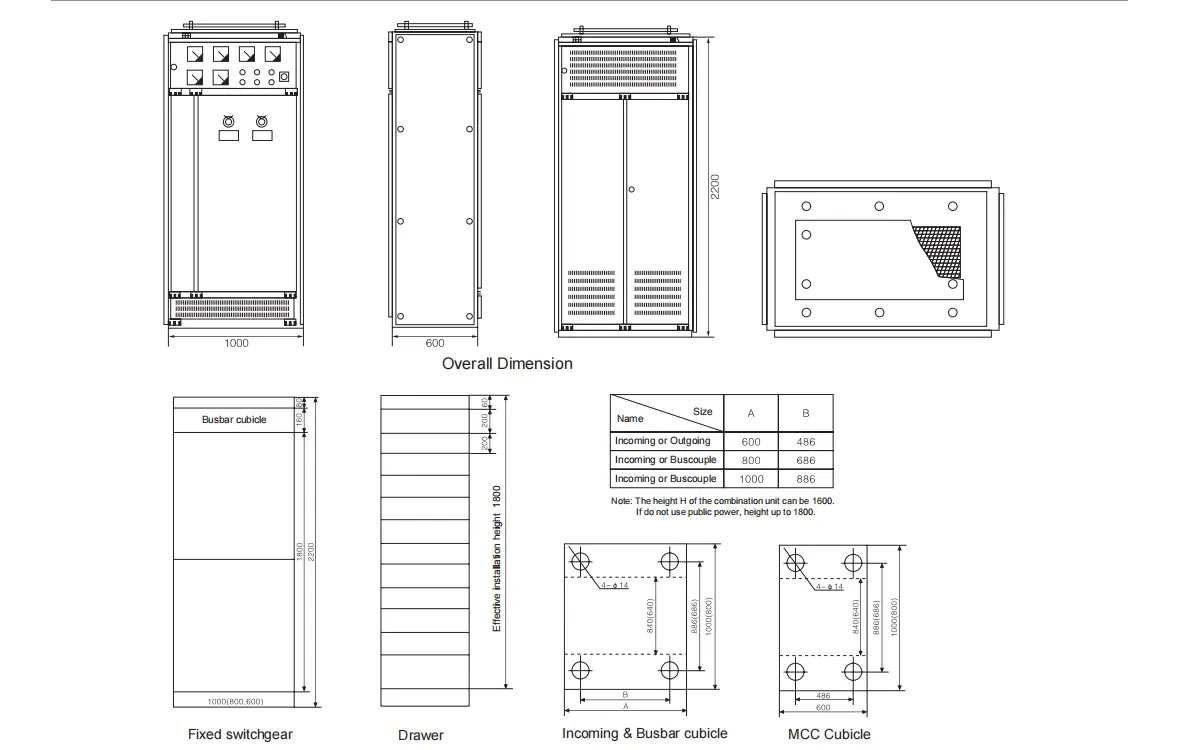
Fixed configurations have a lot of great benefits for making apps. When compared to retractable options, the permanently fixed setup has fewer moving parts and connection points, which means it has fewer ways for things to go wrong. Panels come from companies already with Low Voltage Fixed Type Switchgear wired and tested, so installation goes faster. This saves money on labor and shortens the project timeline. In places where space is valuable, being efficient with space is very important. The small size of the fixed switchgear's base makes the most of the floor space that can be used while still leaving enough space for safe operation. Regular visual checks and tests are all that's needed for maintenance. This way, you don't have to deal with the complicated withdrawal processes that come with other designs, which are more expensive and harder to use.
Comparing Fixed Type Switchgear with Other Switchgear Types
Structural and Operational Differences
Procurement teams can make better choices when they know how fixed switchgear stacks up against other options. Individual circuit breakers can be slid out for repair or replacement without turning off the power to nearby areas when the switchgear is withdrawn. For places that need to make changes or swap parts quickly, this freedom is appealing, even though the system adds cost and could fail at some points. Motor control centers are experts at handling multiple motor loads by having start and safety devices built in. MCCs are great at coordinating industrial drives, but they aren't flexible enough to handle all kinds of distribution needs in building systems. Vacuum or gas-insulated switchgear is better for higher voltage purposes, while air-insulated switchgear uses atmospheric air as the main insulator between live parts.
Maintenance, Durability, and Cost Considerations
Fixed switchgear makes building easier, which reduces the need for upkeep. There are fewer parts that need to be adjusted or replaced over time when there are no slide contacts, alignment systems, or moving assemblies. This means lower total costs of ownership and less time lost for checks. Strong building techniques lead to durability. Manufacturers of good products use strengthened busbars, finishes that don't rust, and tried-and-true part designs that have been tested in harsh circumstances. The lack of mechanical wear spots makes the service life longer. Installations that are well taken care of can work reliably for decades.
Optimal Application Scenarios
When security, cost management, and easy operation are important, fixed-type switchgear does its best. Its fixed placement method works well for commercial buildings with set floor plans. Consistent power needs in manufacturing sites keep things simple while still providing strong safety. Hospitals and data centers like the dependability that comes from getting rid of moving parts that aren't needed. Failures of equipment are not acceptable in these mission-critical sites, which is why fixed switchgear is a very good choice. The design mindset fits nicely with operational needs, since uptime is what makes a business successful.
How to Choose the Best Low-Voltage Fixed-Type Switchgear for Your Building
Critical Decision Criteria
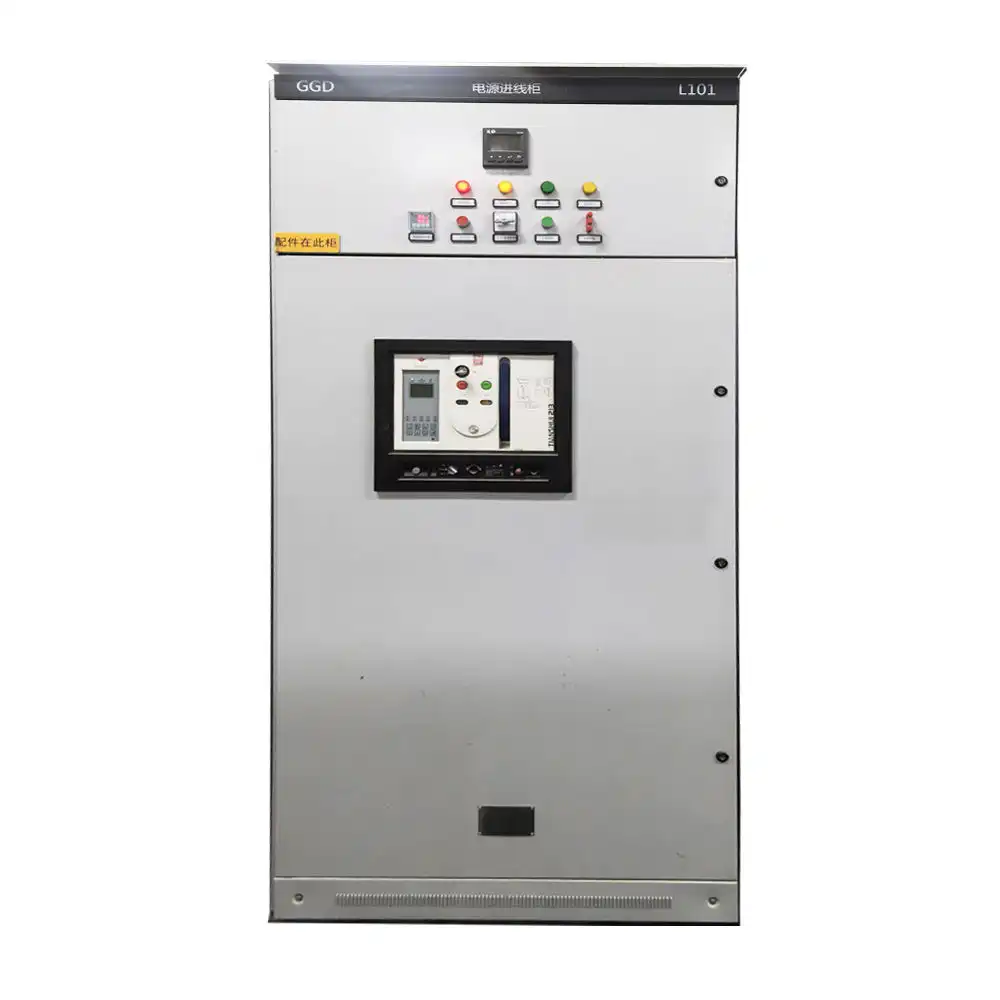
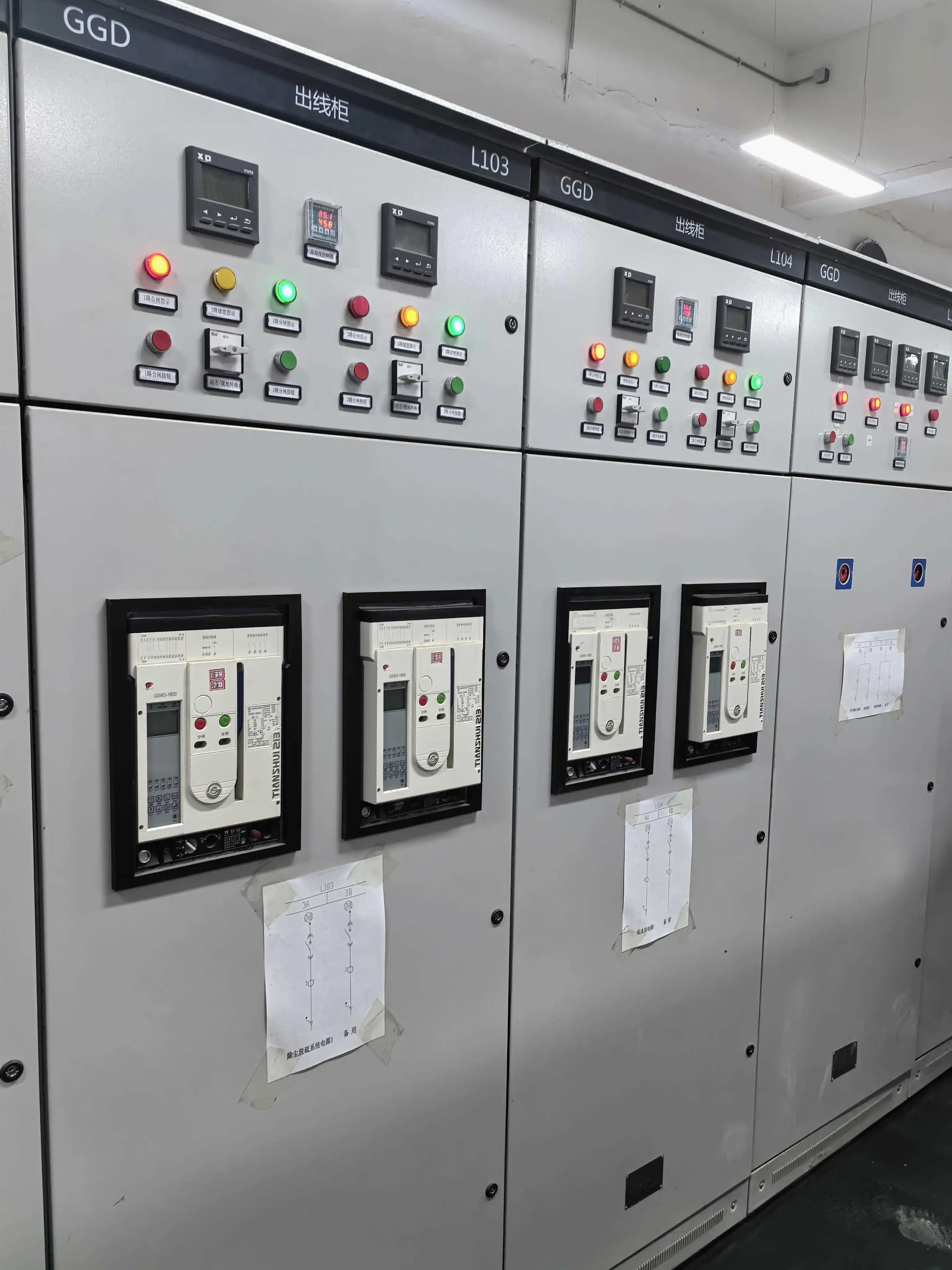
Before choosing the right switches, you need to figure out how much electricity you need. Engineers have to figure out the total linked load, the expected growth, and the variety factors that show how much demand really is. With a rating of 380V, the GGD Low Voltage Distribution Switchgear can be used in most building situations and has a high breaking capacity to safely handle problem currents. It is important to carefully look at how well the new system works with the old one. The new switchgear needs to work well with the power lines upstream, the backup generators, and the distribution panels downstream. Busbar arrangements should be based on the type of link needed and whether a horizontal or vertical layout works better for the placement area. Protection coordination makes sure that selective tripping only cuts power to circuits that are broken, leaving power on to areas that aren't touched.
Customized Versus Standard Solutions
Standard designs for switches work well for Low Voltage Fixed Type Switchgear in most building uses. Pre-engineered designs use tried-and-true arrangements of parts, which speeds up delivery and lowers costs through economies of scale in manufacturing. These methods work well when the need for electricity follows a pattern. Customization is useful when there are individual needs or restrictions. Customized engineering is helpful for places that need to deal with unusual voltage levels, unique safety systems, or limited space. Because they are modular, designs can be changed easily so that horizontal or vertical busbar systems can be installed in different places. The flexibility guarantees the best fit, even if there are problems with the architecture.
Here are the core advantages that customized solutions deliver:
- Engineering Precision: Custom designs can handle unique load patterns, fault level needs, and interaction problems that standard goods can't. Engineers choose the best components, coordinate their security, and plan the actual layout so that it fits the exact needs of the project. This way, engineers can avoid the trade-offs that come with using off-the-shelf options.
- Operational Efficiency: Customized layouts cut down on energy waste by using the best busbar routes and wires of the right size. It's easier for designs to work with the smart grid when they include communication interfaces and tracking features from the start. This lets repair plans plan ahead and find problems before they happen, which cuts down on downtime.
- Installation Advantages: Custom engineering takes into account the limitations of the spot during the planning stages, instead of causing changes to be made to the field. Plug-and-play assemblies that have already been tested come ready to be used right away. This cuts down on installation times by a lot and ensures quality control in the factory instead of on the building site.
Supplier Selection and Quality Indicators
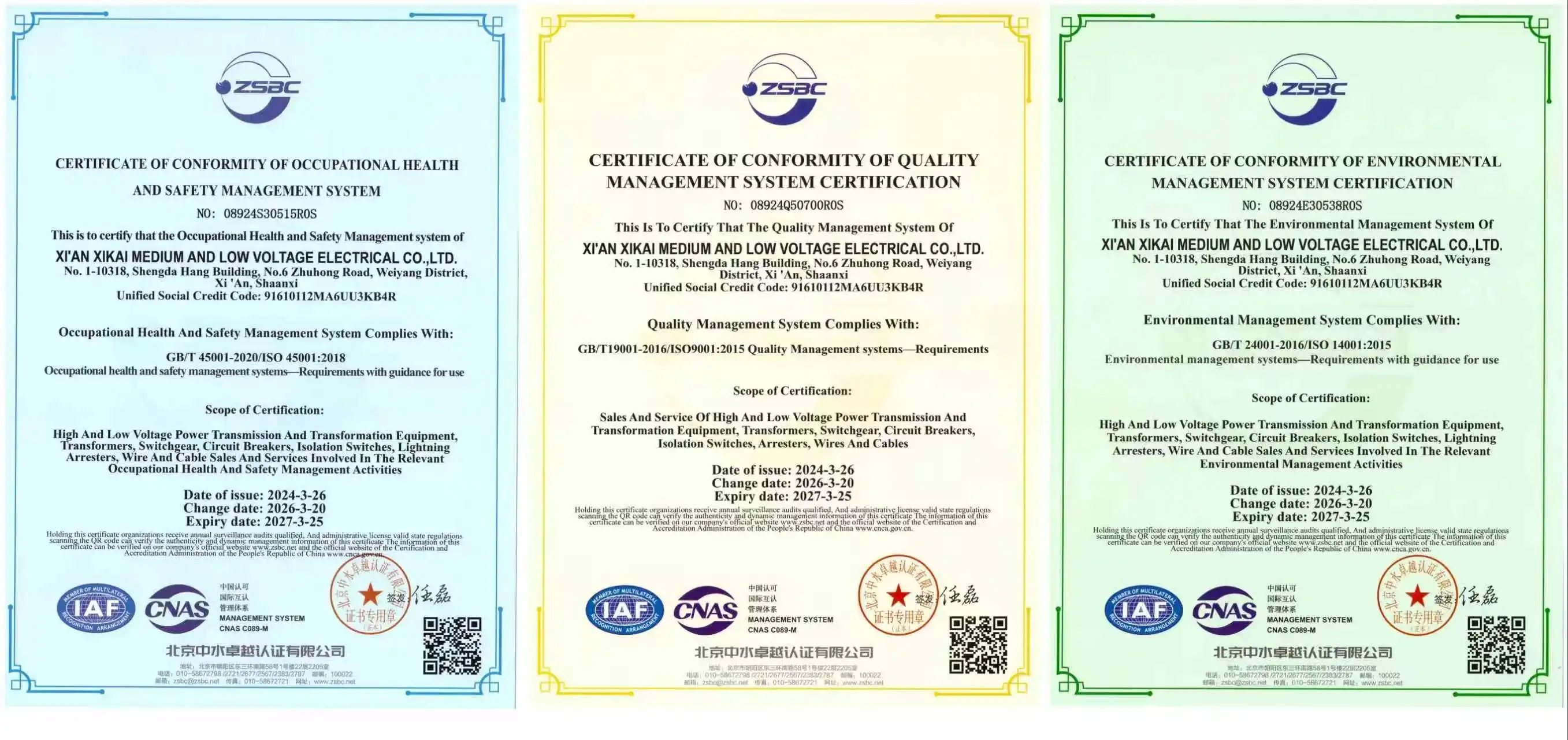
Reputable makers set themselves apart by having licenses, the ability to test, and written records of their past performance. Check to see if the product meets the minimum requirements of IEC 60439-1 and GB7251.1. UL listings give U.S. sites more confidence by proving that safety claims have been checked by a third party. When assessing sources, the ability to make things is important. Commitment to quality assurance is shown by modern facilities with a wide range of testing tools. When suppliers offer temperature stability verification, short-circuit withstand testing, and seismic qualification testing, it shows that their goods can work in tough circumstances. After-sales support is what sets great providers apart from average ones. Technical help during the planning and installation stages prevents mistakes from happening that cost a lot of money. When problems come up, responsive service networks make sure they are fixed quickly. Warranty terms that show the maker trusts the product's dependability protect against breakdowns before they happen.
Maintenance Tips and Safety Best Practices
Routine Inspection Practices
Systematic check plans are needed to keep Low Voltage Fixed Type Switchgear working well. Visual checks done every three months find broken connections, signs of overheating, and external pollution early on, before the problems get worse. Every year, thermal imaging finds areas that indicate there is more resistance at terminations or busbar joints. Mechanical checks make sure that the hardware is tight and that the parts are whole. Manufacturers give torque values that make sure links keep the right amount of contact pressure. This stops resistance from rising, which causes heat and wear. Door seals and gaskets need to be checked regularly to make sure they keep their seals to keep dust and moisture out. Electrical testing makes sure that safety devices work and that the settings are correct. Circuit breaker trip testing makes sure that it works within the limits that were set. Measurements of insulation resistance show damage that needs to be fixed. Coordination studies show that security plans stay specific even as building loads change over time.
Operator Training and Safety Protocols
People who work near or on switches need to know about the risks and how to stay safe. Arc flash risks, the right way to use personal safety equipment, and lockout-tagout methods that keep machines from accidentally turning on while they are being serviced are all covered in training programs. Qualified workers who know the local rules do the work, making sure it's safe and up to code. Safety rules include setting up areas where people are not allowed to approach electrical devices. These areas can only be entered by people who are allowed to and have the right training and PPE. Barricades and signs let people know about dangers. Work planning is based on written processes, from the original risk assessment to finishing the job and bringing it back into service. Planning for emergency responses gets teams ready to handle incidents. Employees know how to safely turn off tools, call for help, and treat electrical accidents with first aid. Regular drills keep people ready, making sure they can respond quickly and effectively when something unexpected happens.
Troubleshooting Common Issues
Tripping that isn't necessary can slow things down, but it generally has clear causes. False trips happen when circuits are overloaded, insulation is worn down, or safety settings are not linked properly. A systematic study using load measurements, insulation tests, and coordination analysis finds the root causes so that they can be fixed. Overheating parts mean that there is too much power, bad connections, or not enough airflow. Thermal scans are a quick way to find trouble spots. Most temperature problems can be fixed by tightening connections, upgrading wires, or making air flow better. Ignoring these warning signs will lead to major failures that will need expensive emergency fixes and more downtime. Professional service providers bring specialized knowledge and testing tools when internal resources aren't enough to fix the problem. Manufacturer assistance or expert contractors can help with Low Voltage Fixed Type Switchgear complicated protection system issues, coordination issues, or major component breakdowns. Building ties with qualified service partners ahead of time will allow for quick action when urgent needs appear.
Procurement Process: From Inquiry to Installation
Sourcing Certified Manufacturers
To find skilled switchgear suppliers, you should start by looking into makers who have the right certifications and a good reputation in the industry. Companies that show they follow international standards, invest in good factories, and keep their expert support staff staffed should be given serious thought. Professional networks and industry groups can help you find reliable sources. Asking for detailed technical data lets the right judgment happen. Ratings, breaking strengths, safety classes, compliance standards, and environmental working ranges should all be listed on datasheets. Test reports that back up claims of success are objective proof. Reference projects that show setups that worked well in similar situations, lower risk. Evaluating multiple suppliers creates competition and finds new market choices. Ask for quotes that include details about the equipment, when it will be delivered, the terms of the warranty, and how expert help will be provided. When you compare bids based on total value instead of just price, you can find providers who offer the best value for money, quality, and service.
Order Management and Logistics
It's important to be clear about technical needs, amounts, shipping times, and business terms when placing orders. Misunderstandings that cause projects to be delayed or the wrong tools to be bought can be avoided by giving clear buy specifications. Make it clear who is responsible for testing, packing, sending, and providing help on-site during installation. Lengths of time needed for customization depend on how busy the maker is. Standard goods can be sent out within a few weeks, but specialized solutions need months to be planned, approved, built, and tested. When making building plans, project managers should include realistic lead times and leave room for delays that come up out of the blue. Coordinating logistics makes sure that equipment gets there on time and safely. Switchgear is safer when it's in the right kind of packaging while it's being shipped, especially over long distances. The timing of site deliveries needs to match the level of readiness for building. Early arrivals make storage difficult, and delays throw off project schedules. Working together with the receiving teams makes sure that there is enough handling equipment and staff to handle packages correctly.
Customization and Bulk Purchasing Advantages
Bulk purchases help big projects get better deals. When you buy in bulk, the cost per unit goes down because the planning and setup costs are spread out over more than one assembly. Standardizing switchgear designs across sites makes it easier to keep track of spare parts and train repair staff, which improves operating efficiency even more. Customization options go beyond electricity needs and include choices for branding, marking, and paperwork. People who buy training materials can choose the nameplates, color schemes, and languages they want to use. These details make it easier to integrate with the rest of the building and make it easier to keep in the long run. Partnerships are good for everyone involved. Suppliers can see what projects are coming up in the future, which helps them plan their capacity and provide proactive tech support. Customers can get access to better business terms, expert tools, and priority scheduling. When two people work together to make each other successful, they build competitive benefits that can't be found in transactional buying.
Conclusion
Choosing the right Low Voltage Fixed Type Switchgear has been a key factor in the safety, stability, and operating efficiency of building electrical systems for decades. This choice affects the downtime of factories, keeps private data safe in data centers, and makes sure that critical healthcare facilities always have power. Fixed switchgear has been shown to work well because it is easier to build, requires less upkeep, and is cheaper to own. Modern design principles are shown by the GGD Low Voltage Distribution Switchgear, which has strong parts that can handle tough conditions, modular freedom that can be used in a variety of situations, and compliance with known standards that guarantee safety and quality. When procurement teams have thorough evaluation criteria, supplier selection strategies, and lifecycle management practices, they can confidently make choices that help the company reach its goals. Spending money on good hardware that comes with quick technical help and expert installation has benefits that last far beyond the initial cost.
FAQ
1. What factors influence switchgear pricing?
The price of equipment is based on its ratings, level of security, level of customization, and the name of the maker. Prices go up for things with higher breaking strengths, better safety scores, and unique features. Cost savings come from buying in bulk, standardizing setups, and having long-term ties with suppliers. When figuring out what something is worth, it's better to look at its total ownership costs, which include repairs, upkeep, and service life, rather than just its original price.
2. What maintenance intervals suit commercial buildings?
Visual checks every three months quickly find problems that are clear. Thermal scans and electrical tests are done once a year to make sure that the business is still safe. Every three to five years, full evaluations are done that include coordination studies and major component testing. The best schedules are affected by how much something is used, the surroundings, and what the maker recommends. More regular maintenance is good for buildings that have heavy loads or harsh conditions.
3. Can modern switchgear integrate with smart building systems?
More and more, modern designs support connection protocols that make it possible to connect to building control systems. Centralized control is possible with digital meters, state tracking, and remote control. These features make it easier to control energy, plan for upkeep, and improve operations. By stating communication needs during purchase, you can be sure that the system will work with other systems, both current and planned.
Partner with Xi'an Xikai for Reliable Low-Voltage Fixed-Type Switchgear Solutions
Xi'an Xikai Medium & Low Voltage Electric Co., Ltd. can help you with your low-voltage fixed-type switchgear building electricity jobs because they have a lot of experience making things. Facility managers, utility companies, and EPC workers all want our GGD Low Voltage Distribution Switchgear because it has been shown to be reliable, safe, and efficient. Our goods are used in a wide range of places, from factories to data centers, because they have a maximum voltage of 380V, a high breaking capacity, modular designs, and meet IEC 60439-1/GB7251.1 standards. We know that people who work in procurement need to be able to rely on Low Voltage Fixed Type Switchgear suppliers to give them good products, quick expert help, and good deals. Even in harsh conditions, like at high elevations of up to 4,000 meters, our products work effectively. Email serina@xaxd-electric.com, amber@xaxd-electric.com, or luna@xaxd-electric.com to talk to our expert team about your needs. We offer customized solutions, detailed technical instructions, and ongoing help to make sure the success of your project from the time you ask about it until it's installed and beyond.
References
1. National Electrical Manufacturers Association. "Low Voltage Switchgear Standards and Application Guide." NEMA Publications, 2023.
2. Institute of Electrical and Electronics Engineers. "Recommended Practice for Electric Power Distribution Systems in Industrial Facilities." IEEE Standard 141, 2022.
3. International Electrotechnical Commission. "Low-voltage Switchgear and Controlgear Assemblies: Type-tested and Partially Type-tested Assemblies." IEC 61439 Series, 2023.
4. Beaty, H.W. and Fink, D.G. "Standard Handbook for Electrical Engineers, 17th Edition." McGraw-Hill Professional, 2022.
5. National Fire Protection Association. "Electrical Safety in the Workplace." NFPA 70E Standard, 2024 Edition.
6. Electric Power Research Institute. "Switchgear Maintenance and Testing Guidelines for Commercial and Industrial Facilities." EPRI Technical Report, 2023.